Tumor-infiltrating lymphocytes (TILs) play a key role in regulating the host immune response and shaping tumor microenvironment. It has been previously shown that T cell infiltration in penile tumors was associated with clinical outcomes. However, few studies have reported the T cell receptor (TCR) repertoire in patients with penile cancer. In the present study, we evaluated the TCR repertoires in tumor and adjacent normal tissues from 22 patients with penile squamous cell carcinoma (PSCC). Analysis of the T cell receptor beta-variable (TRBV) and joining (TRBJ) genes usage and analysis of complementarity determining region 3 (CDR3) length distribution did not show significant differences between tumor and matched normal tissues. Moreover, analysis of the median Jaccard index indicated a limited overlap of TCR repertoire between these groups. Compared with normal tissues, a significantly lower diversity and higher clonality of TCR repertoire was observed in tumor samples, which was associated with clinical characteristics. Further analysis of transcriptional profiles demonstrated that tumor samples with high clonality showed increased expression of genes associated with CD8 + T cells. In addition, we analyzed the TCR repertoire of CD4 + T cells and CD8 + T cells isolated from tumor tissues. We identified that expanded clonotypes were predominantly in the CD8 + T cell compartment, which presented with an exhausted phenotype. Overall, we comprehensively compared TCR repertoire between penile tumor and normal tissues and demonstrated the presence of distinct T cell immune microenvironments in patients with PSCC.
Cancer stem cells (CSCs) are a relatively rare subpopulation of tumor cell with self-renewal and tumorigenesis capabilities. CSCs are associated with cancer recurrence, progression, and chemoradiotherapy resistance. Establishing a reliable platform for CSC enrichment and study is a prerequisite for understanding the characteristics of CSCs and discovering CSC-related therapeutic strategies. Certain strategies for CSC enrichment have been used in laboratory, particularly fluorescence-activated cell sorting (FACS) and mammosphere culture. However, these methods fail to recapitulate the in vivo chemical and physical conditions in tumors, thus potentially decreasing the malignancy of CSCs in culture and yielding unreliable research results. Accumulating research suggests the promise of a biomaterial-based three-dimensional (3D) strategy for CSC enrichment and study. This strategy has an advantage over conventional methods in simulating the tumor microenvironment, thus providing a more effective and predictive model for CSC laboratory research. In this review, we first briefly discuss the conventional methods for CSC enrichment and study. We then summarize the latest advances and challenges in biomaterial-based 3D CSC platforms. Design strategies for materials, morphology, and chemical and physical cues are highlighted to provide direction for the future construction of platforms for CSC enrichment and study.
Capillary morphogenesis protein 2 (CMG2) was originally identified through its participation in capillary morphogenesis, and subsequently identified as the second receptor for anthrax toxin (ANTXR2). Although tumor‐associated functions of CMG2 have also been reported, the clinical significance and functional mechanism of CMG2 in glioma remain to be elucidated. We assessed the clinicopathological relevance of CMG2 in a cohort of 48 glioma patients as well as through public glioma databases, and explored the function of CMG2 using glioblastoma (GBM) models in vitro and in vivo . CMG2 overexpression was associated with increased tumor grade and poor patient survival. CMG2 promoted G2/M‐phase transition during the cell cycle of GBM cells in vitro and contributed to tumor growth in vivo . We also observed that CMG2 is implicated in the activation of extracellular signal‐regulated kinases (ERKs), epithelial–mesenchymal transition (EMT), migration, and invasion in GBM cells. Transcriptomic analysis of GBM cells with or without CMG2 overexpression indicated that a panel of oncogenic signaling pathways was altered with CMG2 upregulation, implying that CMG2 might orchestrate these signaling pathways to regulate the growth of GBM cells. Yes‐associated protein 1 (YAP1) activity was enhanced by CMG2 overexpression but suppressed with CMG2 deficiency. Since YAP1 is critically implicated in GBM, the oncogenic roles of CMG2 in GBM cells might thus be mediated, at least partially, by YAP1. Altogether, CMG2 functioned as an oncogene in glioma cells and is a potential prognostic biomarker or therapeutic target for the clinical treatment of glioma. Copyright © 2018 Pathological Society of Great Britain and Ireland. Published by John Wiley & Sons, Ltd.
Cancer stem cells/cancer‐initiating cells (CICs) and their microenvironmental niche play a vital role in malignant tumour recurrence and metastasis. Cancer‐associated fibroblasts (CAFs) are major components of the niche of breast cancer‐initiating cells (BCICs), and their interactions may profoundly affect breast cancer progression. Autophagy has been considered to be a critical process for CIC maintenance, but whether it is involved in the cross‐talk between CAFs and CICs to affect tumourigenesis and pathological significance has not been determined. In this study, we found that the presence of CAFs containing high levels of microtubule‐associated protein 1 light chain 3 (LC3II), a marker of autophagosomes, was associated with more aggressive luminal human breast cancer. CAFs in human luminal breast cancer tissues with high autophagy activity enriched BCICs with increased tumourigenicity. Mechanistically, autophagic CAFs released high‐mobility group box 1 (HMGB1), which activated its receptor, Toll‐like receptor (TLR) 4, expressed by luminal breast cancer cells, to enhance their stemness and tumourigenicity. Furthermore, immunohistochemistry of 180 luminal breast cancers revealed that high LC3II/TLR4 levels predicted an increased relapse rate and a poorer prognosis. Our findings demonstrate that autophagic CAFs play a critical role in promoting the progression of luminal breast cancer through an HMGB1–TLR4 axis, and that both autophagy in CAFs and TLR4 on breast cancer cells constitute potential therapeutic targets. Copyright © 2017 Pathological Society of Great Britain and Ireland. Published by John Wiley & Sons, Ltd.
Disulfiram (DS), an anti-alcoholism drug, shows very strong cytotoxicity in many cancer types. However its clinical application in cancer treatment is limited by the very short half-life in the bloodstream. In this study, we developed a poly lactic-co-glycolic acid (PLGA)-encapsulated DS protecting DS from the degradation in the bloodstream. The newly developed DS-PLGA was characterized. The DS-PLGA has very satisfactory encapsulation efficiency, drug-loading content and controlled release rate in vitro. PLGA encapsulation extended the half-life of DS from shorter than 2minutes to 7hours in serum. In combination with copper, DS-PLGA significantly inhibited the liver cancer stem cell population. CI-isobologram showed a remarkable synergistic cytotoxicity between DS-PLGA and 5-FU or sorafenib. It also demonstrated very promising anticancer efficacy and antimetastatic effect in liver cancer mouse model. Both DS and PLGA are FDA approved products for clinical application. Our study may lead to repositioning of DS into liver cancer treatment.
 Xiuwu Bian (卞修武)合作论文数School of Medicine, University of Science and Technology of China;The First Hospital Affiliated to Army Medical University2
 Xintao Tan (谭信韬)合作论文数1Ze-Xuan Yan合作论文数1Qian Yan合作论文数1Zhongjie Ding合作论文数1Zhaojing Zhu合作论文数1Yapeng Wang合作论文数1
 Jun Zhang (张军)合作论文数1Yu-Huan Tan合作论文数1Wen-Juan Fu合作论文数1
 Yiqiang Huang合作论文数1Xi-Long Zhao合作论文数1Shuai Yang合作论文数1Xiao-Hong Yao合作论文数Institute of Pathology and Southwest Cancer Center, Southwest Hospital, Third Military Medical University, Chongqing 400038, China1
 Yan Liang合作论文数Div Biol Sci, Univ Calif San Diego1Zhuo Tang合作论文数1Junying Zhang合作论文数1Yun Tu合作论文数1Xia Zhang合作论文数Third Mil Med Univ, Southwest Hosp, Inst Pathol, Chongqing 400038, Peoples R China1WeiHua Lan (兰卫华)合作论文数1
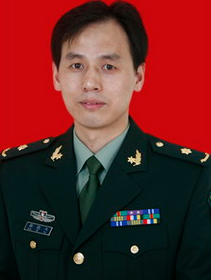 Deyu Guo (郭德玉)合作论文数中国人民解放军第三军医大学1
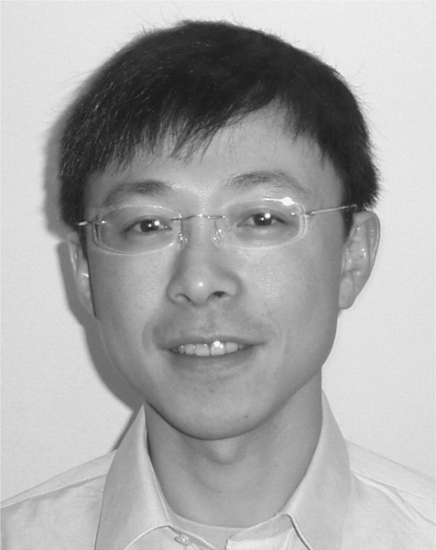 Wang Zhipeng合作论文数Department of Frontier Materials, Nagoya Institute of Technology1Hu Xu-Gang合作论文数1
 Tawari Patricia Erebi合作论文数Research Institute in Healthcare Science, University of Wolverhampton1
 Vinodh Kannappan合作论文数Research Institute in Healthcare Science, University of Wolverhampton1
 Qing Luo (罗庆)合作论文数Bioengineering College, Chongqing University1Xue Liu合作论文数Nankai University, Nankai University1Wang Yan合作论文数1Qin Niu合作论文数1
 Qibing Mei (梅其炳)合作论文数Shanghai Institute of Pharmaceutical Industry1
 Wen Jiang合作论文数School of Medicine, Cardiff University1Ji Ming Wang合作论文数1
 Hsiang-fu Kung (孔祥復)合作论文数School of Biomedical Sciences, The Chinese University of Hong Kong1Jin Ding (丁劲)合作论文数Naval Medical University1Weiguang Wang合作论文数1
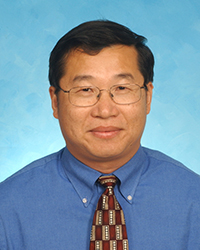 Qiang Ma合作论文数Division of Health Effects Laboratory, National Institute for Occupational Safety and Health, Centers for Disease Control and Prevention;Department of Biochemistry and Molecular Medicine, School of Medicine, West Virginia University1Jun Jiang (姜军)合作论文数The Southwest Hospital of Army Medical University1
 Yao Zhang (张尧)合作论文数The First Affiliated Hospital of Chongqing Medical University1
 Chris McConville合作论文数Institute of Clinical Sciences, College of Medical and Dental Sciences, University of Birmingham1
 Angel L Armesilla合作论文数Research Institute in Healthcare Science, University of Wolverhampton1
 Guanbin Song (宋关斌)合作论文数Cell Biology Laboratory, College of Bioengineering, Chongqing University1
 James Brown合作论文数1
 Juan Manuel Irache Garreta合作论文数Departamento of Ciencias Farmacéuticas, Facultad de Farmacia y Nutrición, Universidad de Navarra;InnoUp Farma1Yi-Fang Ping合作论文数1




