Objective:This study retrospectively analyzes two mandibular resection techniques for T3-stage lower gingival carcinoma, aiming to compare their impact on patient prognosis. Methods:Retrospective cohort study. Data from 78 cases of T3-stage lower gingival carcinoma involving the mandible were reviewed in our Department of Head and Neck Surgery. These cases included patients who underwent either marginal mandibulectomy or segmental mandibulectomy. A cohort analysis was performed to evaluate the clinical outcomes and identify factors influencing prognosis in T3-stage lower gingival carcinoma. Results:Thirty-eight patients underwent marginal mandibulectomy, while 40 underwent segmental mandibulectomy. The 3-year overall survival (OS) rate in the marginal mandibulectomy group was 70.8%, with a 5-year OS rate of 52.1%. In the segmental mandibulectomy group, the 3-year OS was 68.1%, and the 5-year OS rate was 52.7%, with no statistically significant difference between the two groups (p > 0.05). The 3-year disease-free survival (DFS) rate was 67.4% in the marginal mandibulectomy group and 50.7% at 5 years, compared to 62.2% and 57.4%, respectively, in the segmental resection group, again showing no statistically significant difference in DFS between the two groups (p > 0.05). However, patients in the marginal resection group demonstrated superior postoperative mandibular functional preservation. Multivariate Cox regression analysis identified advanced age, lymph node metastasis, poor pathological differentiation, and lack of adjuvant radiotherapy as independent risk factors for poor prognosis. Conclusion:The marginal mandibulectomy has been proven to be an oncologically safe method with satisfactory mandibular functional outcomes in selected cases of T3-stage lower gingival carcinoma.
OBJECTIVES:The choice of surgical access for resection and reconstruction of buccal squamous cell carcinoma (BSCC) with the lip-splitting incision is controversial. Thus, this study aimed to evaluate the clinical and functional outcomes of midline lip split with lazy-S incision (MLSI) against the lateral lip-splitting incision (LLSI). METHODS:A retrospective review was conducted on 41 patients with primary BSCC who underwent resection and reconstruction using MLSI approach (n = 19) and LLSI approach (n = 22) between 2022 and 2024. Functional outcomes, including skin sensitivity testing, oral competency, lip movement, cold perception, and other relevant measures, were evaluated with appropriate scales. Functional satisfaction and Patient and Observer Scar Assessment Scale (POSAS) were analyzed. RESULTS:None of the patients in either group demonstrated differences in sensation to light touch from baseline at 6 months postoperatively. Patients with MLSI approach reported higher lip function satisfaction (p = 0.037), and no patients in either group reported drooling. Besides, groove formation was significantly more common in the LLSI compared to the MLSI groups (50% vs. 15.8%, respectively; p = 0.046). A statistically significant difference was also observed in the self-assessment of mouth-opening movement among MLSI patients (p = 0.041). No significant differences were found in the mean POSAS scores, except that irregularity and surface area parameters were better in the MLSI group. CONCLUSIONS:Objective sensation deficits are reversible and do not impact long-term daily activities. The MLSI approach provides better postoperative outcomes and low disfigurement perception.
NF2-related schwannomatosis (NF2-SWN) is a progressive and disabling disease requiring effective treatments. The hallmark of NF2-SWN is bilateral vestibular schwannomas (VSs), which progressively enlarge, leading to permanent sensorineural hearing loss and severely impacting patients' quality of life. Currently, there are no FDA-approved drugs for VS or the associated hearing loss. Immune checkpoint inhibitors (ICIs) have revolutionized cancer treatment, but have not yet been systematically investigated in non-malignant tumors such as VS. In our studies, we demonstrated that combining anti-PD1 (aPD1) treatment with radiation therapy (RT) provides three significant therapeutic benefits: i) Enhanced aPD1 efficacy and immune memory: RT induces immunogenic cell death and activates the STING pathway, enhancing aPD1 efficacy and generating long-term immune memory, ii) Reduced RT dose and associated tissue injury: The combination strategy reduces the required RT dose necessary for effective tumor control, potentially minimizing RT injury to surrounding normal tissues, and iii) Elicited abscopal effects on cerebellopontine angle (CPA) schwannomas: RT to peripheral nerve tumor induces a systemic abscopal effect, which synergizes with aPD-1 to effectively control intracranial schwannomas without direct irradiation, sparing the cochlea from radiation exposure and avoiding auditory radiation injury. Together, our findings provide a compelling rationale for deploying ICIs in combination with radiotherapy as a novel treatment approach for patients with VS and NF2-SWN. ### Competing Interest Statement The authors have declared no competing interest.
Background: NF2-related schwannomatosis (NF2-SWN) is a debilitating condition that calls for robust treatment options. The defining feature of NF2-SWN is the presence of bilateral vestibular schwannomas (VSs), which grow over time and can result in irreversible sensorineural hearing loss, significantly affecting the quality of life for those affected. At present, there are no FDA-approved medications specifically for treating VS or related hearing loss. VS management involves radiotherapy or surgical resection, while bevacizumab, an anti-vascular endothelial growth factor (VEGF) monoclonal antibody (aVEGF) may be used off-label in NF2-SWN to shrink the tumor. However, not all patients respond, and the effect is not always durable. There is a critical need for effective medications that can stop the growth of VS and prevent hearing loss associated with these tumors. While immune checkpoint inhibitors have transformed cancer therapy, their potential has not been thoroughly explored in non-malignant tumors such as VS. Methods: We characterize the effects of anti-PD1 (aPD1) treatment on tumor growth and hearing function in two syngeneic, immune-competent VS models. Results: We demonstrated that combining aVEGF treatment with aPD1 significantly enhances the efficacy of each monotherapy. Specifically, i) aVEGF enhances aPD1 efficacy by normalizing the tumor vasculature to improve drug delivery and immune cell infiltration, and by activating T cell and NK cell anti-tumor cytotoxicity via NKG2D upregulation; and ii) combining aPD1 with aVEGF treatment effectively controls tumors that progressed despite aVEGF treatment. Conclusion: These findings provide a strong foundation for the development of aPD1 with aVEGF combination therapies for patients with NF2-SWN. ### Competing Interest Statement The authors have declared no competing interest.
Oral submucous fibrosis (OSF) is a chronic, progressive condition affecting the oral mucosa associated with areca nut consumption. It leads to restricted tongue movement, loss of papillae, blanching and stiffening of the mucosa, difficulty in opening the mouth, and challenges in eating due to inflammation and fibrosis. This report presents a rare case of oropharyngeal stenosis secondary to OSF in a 43-year-old male with a history of chewing betel nut. A surgical procedure similar to Uvulopalatopharyngoplasty was performed to excise the submucous oropharyngeal stenosis and to reconstruct the uvula, palatoglossal arch, and palatopharyngeal arch. At 8 years postoperatively, the patient exhibited a normal mouth opening and oropharyngeal aperture.
In this study, we established and validated a competing risk nomogram for predicting the cumulative incidence of cervical adenosquamous carcinoma (ASC)-specific death in patients undergoing radical hysterectomy. Patients diagnosed with ASC between 2010 and 2019 were retrieved from the Surveillance, Epidemiology, and End Results (SEER) database. The cumulative incidence function (CIF) for various variables influencing ASC-specific mortality was computed. A Fine-Gray competing risk model was used to identify independent predictors, formulating a competing risk nomogram. A multivariate Cox proportional hazards model was also applied for comparative analysis. The performance of the nomogram was assessed using metrics such as the concordance index (C-index), receiver operating characteristic (ROC) curves, calibration curves, and decision curve analysis (DCA). A corresponding risk classification system was constructed based on nomogram-derived scores. Factors such as advanced age, racial background (Black race), higher tumor grade, increased tumor size, advanced TNM stage, and receipt of radiotherapy without chemotherapy were found to be positively associated with elevated ASC-specific mortality. Additionally, age, T stage, M stage, and chemotherapy were identified as independent predictors correlated with ASC-specific mortality. The established nomogram exhibited accurate discriminatory capabilities and superior net benefits compared to the traditional TNM staging system. Additionally, the high-risk group consistently demonstrated higher probabilities of ASC-specific death in both the training and validation sets. The developed nomogram proficiently quantified the incidence of ASC-specific death in patients subjected to radical hysterectomy for ASC. This tool could help clinicians in formulating personalized treatment strategies and devising follow-up protocols.
Ivo is a bispecific antibody with cooperative binding to enhance binding affinity to PD-1 by >18 fold and VEGF by >4 fold with the potential to drive synergistic anti-tumor activity. Ivo has a mean T1/2 of 6-7 days. We aimed to assess the efficacy and safety of ivo combined with chemotherapy as first line treatment of advanced Sq-NSCLC. Updated data from an open-label, multi-center phase II study, previously reported at ASCO 2023, assessing the efficacy and safety of ivo+chemo, in pts receiving first line therapy for advanced Sq-NSCLC. Pts were treated with 10 mg/kg (n=10) or 20 mg/kg(n=53) ivo q3wks combined with carboplatin and pemetrexed (non-Sq) or carboplatin and paclitaxel (Sq). Pts were excluded if they had tumor encircling blood vessels, necrosis and cavitation, or had central, cavitary sq NSCLC, or risk of hemorrhage. The primary endpoint was ORR per RECISTv1.1 by investigator. 63 pts with advanced Sq-NSCLC received ivo plus chemotherapy. Median age was 59 yrs. 3% and 97% pts had ECOG PS 0 and 1, respectively, and 8% of pts had baseline brain metastasis. Median follow-up was 21.0 mo. Pts with Sq-NSCLC experienced a 71.4% ORR with median DOR 12.7 mo, 90.5% DCR, the median PFS 11.1 mo, and 21-mo OS rate was 69.5%. The table lists the most common treatment related adverse events (TRAEs) ≥ 10%. Grade ≥3 TRAEs occurred in 44.4%, TRAEs leading to discontinuation occurred in 11.1% of pts. Overall incidence of bleeding events was 46% (grade 1-2) with one grade ≥3 event (hemoptysis) at 10mg/kg dose.Table: 68PTRAES ≥10%%Proteinuria33Rash22Epistaxis21Transaminase increase18Amylase increased18Anaemia16Hypoaesthesia16Decreased appetite16Hypothyroidism16WBC count decreased16Hyperuricaemia15Pruritus15Blood pressure increased13Hypertension13Infusion related reaction13Neutrophil count decreased13Alopecia11Haemoptysis11Lipase increased11Platelet count decreased11 Open table in a new tab Ivonescimab plus chemotherapy has promising anti-tumor activity in pts with advanced NSCLC and was administered safely in combination with platinum doublet chemotherapy to pts with Sq histology.
Supplementary Figure S9. E-cadherin expression is determined in GC cells with drugs treatment.
Correlation between the clinicopathologic features and expression of PAFR in breast cancer
Liver cancer is a common malignant tumor in the world. The liver cancer in early stage had no specific symptoms. More and more studies have shown that tumor microenvironment(TME) is one important cause for malignant transformation of hepatocytes. Many studies have reported the role of TME in liver cancer. This article mainly summarized the compositions and the role of TME in liver cancer, as well as the targeting therapy for liver cancer microenvironment, so as to help improve the diagnosis, treatment and prognosis of liver cancer, and improve the survival rates of patients with liver cancer.
Supplementary Tables S1-S4. Comparison of miR-29s expression levels with clinic-pathological features in patients with primary gastric cancer (S1); miR-29s associated with disease-free survival of patients with GC in the training set (S2); Sequences of miR-29s, Ts-miRs, and catenin-ÃŽ' primers (S3); Immunohistochemistry reactions were quantitatively assessed using two methods (S4).
Correlation between the clinicopathologic features and expression of PAFR in gastric cancer
Effects of PAFR on Stat3-mediated the mRNA level of EMT biomarkers in A549 and H460 cells.
Subgroup analysis of progression-free survival (PFS) and hazard ratios according to baseline characteristics
 WenXiao Huang (黄文孝)合作论文数37
 Zan Li (李赞)合作论文数State Key Laboratory of Integrated Services Networks, School of Telecommunications Engineering, Xidian University26Jianjun Yu合作论文数24
 Xiao Zhou (周晓)合作论文数Hunan Cancer Hospital, the Affiliated Cancer Hospital of Xiangya School of Medicine, Central South University24WaiSheng Zhong (钟外生)合作论文数23RongHua Bao (包荣华)合作论文数22Pingqing Tan (谭平清)合作论文数17Jie Dai (戴捷)合作论文数14
 Jian Peng (彭健)合作论文数Xiangya Hospital Central South University11JinYun Li (李晋芸)合作论文数10HaiLin Zhang (张海林)合作论文数10Wei Wei (魏威)合作论文数9Ming Fu合作论文数8Jiali Dong合作论文数8JiBao Qu (瞿吉保)合作论文数8
 Weimin Zhang (张维敏)合作论文数Beijing Cancer Hospital8Kang Nan合作论文数8
 Tian Lan (兰天)合作论文数Harbin Medicine University8
 Qimin Zhan (詹启敏)合作论文数Institute of Cancer Research, Shenzhen Bay Laboratory;State Key Laboratory of Molecular Oncology, Chinese Academy of Medical Sciences8
 Min Deng (邓敏)合作论文数School of Geosciences and Info-Physics, Central South University8Kangtai Liu (刘康泰)合作论文数8Dapeng Li合作论文数7Hong Yang (杨洪)合作论文数7
 Yihebali Chi (依荷芭丽. 迟)合作论文数Cancer Hospital Chinese Academy of Medical Sciences7Wang Liping合作论文数7Bin Deng合作论文数7
 Zhendong Li (李振东)合作论文数Liaoning Cancer Hospital & Institute7
 Ying Cheng (程颖)合作论文数Department of Thoracic Medical Oncology, Jilin Cancer Hospital7
 Ming Gao (高明)合作论文数Cancer Hospital, Tianjin Medical University;Nankai University7
 Yuan Zhang (张园)合作论文数Department of Head and Neck Surgery, Jiangsu Cancer Hospital7
 Xiaohong Chen (陈晓红)合作论文数Beijing Tongren Hospital, Capital Medical University7
 Zhengang Xu (徐震纲)合作论文数Cancer Hospital Chinese Academy of Medical Sciences7
 Pingzhang Tang (唐平章)合作论文数Cancer Hospital Chinese Academy of Medical Sciences7
 Jingqiang Zhu (朱精强)合作论文数West China Hospital, Sichuan University7
 Ruochuan Cheng (程若川)合作论文数First Affiliated Hospital of Kunming Medical University7
 Minghua Ge (葛明华)合作论文数Zhejiang Provincial People's Hospital7
 Zhuming Guo (郭朱明)合作论文数Cancer Center, Sun Yat-sen University7
 Xiangqian Zheng (郑向前)合作论文数Department of Thyroid and Neck Tumor, Tianjin Medical University Cancer Institute and Hospital7
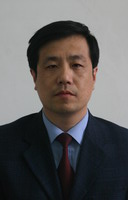 Jiewu Zhang (张杰武)合作论文数Department of Head and Neck Surgery, The Third Affiliated Hospital of Harbin Medical University7
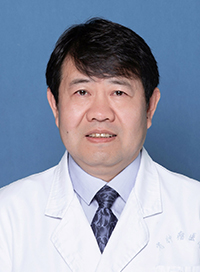 Jianwu Qin (秦建武)合作论文数Department of Thyroid and Neck, The Affiliated Cancer Hospital of Zhengzhou University, Henan Cancer Hospital7Hang Ling合作论文数6Diekuo Zhang合作论文数6Bing LIU (刘冰)合作论文数6ChengMing Ding (丁成明)合作论文数6
 Ke Qu合作论文数6Dong-Hai Huang合作论文数6Li Xie合作论文数5Xiyu Chen合作论文数5Jie Cui (崔捷)合作论文数5




