Clonal reproduction is an important strategy for the establishment, expansion and persistence of many plant species. It is well-documented in Populus spp. Populus tremula (European Aspen) is a native species in Ireland, a pioneer which has persisted from the early Holocene to the present. Our main aim was to determine whether clonal and genetic diversity across Irish populations of P. tremula, are lower compared to populations from Britain and continental Europe. Twenty geographically discrete populations of P. tremula from Ireland, and 14 populations from mainland Britain, Sweden and Italy, were genotyped for eight nuclear microsatellites and five chloroplast microsatellites. Levels of genetic diversity were extremely low in Ireland compared to those from Britain, Sweden and Italy. While such low levels of variation can be linked to founder effects during postglacial colonisation, all but two of the Irish sites were monoclonal with extensive fragmentation of the Irish clones across large areas. Collectively, these results suggest that the present-day distribution of P. tremula in Ireland comprises remnants of once massive clones that have persisted by asexual reproduction. This is consistent with Baker’s Law that self-compatible organisms are more likely to colonize the extremities of a species range than self-incompatible organisms. Clonality in P. tremula across the Irish landscape may be an adaptation enabling establishment and persistence of isolated populations during climate change associated with glacial advances and retreat. Extreme clonality, however, is also associated with loss of genetic diversity which may increase vulnerability to recent, more rapid, anthropogenic climate change, novel plant pathogens and hybridisation.
Climate change poses a significant threat to the survival of many species. Although protected areas can slow down biodiversity loss, they often lack systematic planning and do not integrate genetic diversity. Genetic diversity is a key prerequisite for species survival and the ability to tolerate new conditions. Using population genetic and distribution data from 96 plant species in the Third Pole (encompassing the Tibetan Plateau and adjacent mountains), we mapped patterns of genetic diversity, projected climate-driven range dynamics and future genetic erosion, and designed an optimal conservation framework for the region. We identified several patches of high haplotype diversity (HD), with a relatively high number of haplotypes in southeastern Third Pole. Regression models revealed that climate and topography have interacted to shape patterns of genetic diversity, with latitude and precipitation being the best predictors for HD of cpDNA and nrDNA, respectively. Ecological niche modeling predicted an approximate 43 km northwestward and 86 m upward shift in suitable habitats under future climate scenarios, likely leading to a significant loss of up to 13.19% and 15.49% of cpDNA and nrDNA genetic diversity, respectively. Alarmingly, 71.20% of the newly identified conservation priority areas fall outside of the existing protected areas and planned National Park Clusters. Therefore, we recommend expanding the network by 2.02 × 10⁵ km2 (5.91%) in the Third Pole, increasing the total conserved area to 1.36 × 10⁶ km2 (39.93%) to effectively preserve the evolutionary potential of plants. This study represents an innovative attempt to incorporate genetic diversity into biodiversity conservation efforts.
Increasing urban expansion has resulted in the decline of many natural and seminatural communities globally. However, the connectivity and genetic structure of species that survive in these urban landscapes have received little attention, especially with regard to epiphytic plants. This study aimed to describe and evaluate the connectivity and genetic structure of populations of Tillandsia recurvata, a highly abundant and widely distributed atmospheric epiphyte, amongst urban green spaces within a city. A total of 288 T. recurvata individuals were sampled across 65 trees throughout the city of Alfenas in South-East Brazil. We designed seven novel microsatellite markers and used four cross-amplified loci to determine the basic genetic structure of T. recurvata. All populations showed high global spatial genetic structure, which indicated low connectivity between urban populations. The findings of this study, as well as evidence from previous assessments of T. recurvata genetic structure, suggest that the combined effects of genetic drift, breeding system, and dispersal may have dictated the connectivity of these urban populations. This study represents an important step towards understanding epiphyte population structure within urban landscapes. Low connectivity across urban landscapes is likely to benefit epiphytes such as T. recurvata, due to their adaptability and high tolerance; this suggests a bleak future for many other more sensitive epiphytic species under predicted urbanization globally.
Hedgerows are an important component of agricultural landscapes, but in recent years have increasingly faced threats such as habitat loss, land use change, climate change, invasive species, pests and plant pathogens. Given the potential importance of genetic diversity in countering these threats, and the spatial distribution of such diversity within and across natural populations, we analyzed levels and patterns of diversity in blackthorn ( Prunus spinosa ), a key component of many hedgerows. Twenty-one populations of blackthorn from a mixture of hedgerows and woodlands were genotyped for four nuclear and five chloroplast microsatellites. Three hundred twenty-one unique clonal genotypes were identified from 558 individuals analyzed, 207 of which were found in a single individual. With the exception of a single population that appears to have been planted recently from seed (Peatlands Park), all populations exhibited evidence of vegetative reproduction via suckering. Multi-ramet clones were highly spatially structured within populations, and ranged in size from < 1 to 258 m. These findings indicate that asexual reproduction is widespread in the populations of blackthorn studied. Although levels of clonality varied across study sites, there was clear spatial structuring of clones in each case. Such clonal organization should be taken into account in hedge management or where planting or replanting of hedgerows becomes necessary. Knowledge of the patterns and extent of spatial structuring of genotypes within potential source populations will allow the selection of genetically divergent material, rather than selection of clonal replicates of the same genotype.
Geographical names and the entities they represent act as a fundamental cornerstone across numerous disciplines. However, inconsistent geographical names and arbitrarily defined regional geographical scales are common, hindering cross-disciplinary communication and synthesis. The Pan-Tibetan Highlands, comprising the Tibetan Plateau, Himalaya, Hengduan Mountains and Mountains of Central Asia, is a case in point. To rectify these inconsistencies of terminology, we employed a multi-disciplinary approach to standardize the nomenclature of the Tibetan Plateau and the three adjacent mountain regions, defining their spatial extent using historical and contemporary perspectives. A literature meta-analysis indicated that 'Tibetan Plateau', 'Himalaya' and 'Hengduan Mountains' are the most suitable names for these regions in terms of both priority (earliest use) and popularity, whereas 'Mountains of Central Asia' emerges as appropriate for the mountain chains to the west of the Tibetan Plateau. The new term 'Pan-Tibetan Highlands' is proposed to replace the less precise and arguably misleading 'High Mountain Asia' for these regions collectively. Additionally, new geographical boundaries, applicable back through time, are proposed for each region, based on geological and geomorphological features. Using these new boundaries, the Pan-Tibetan Highlands area is 3.95 x 10(6) km(2) with a mean elevation of 3824 m, while the Tibetan Plateau is smaller (1.82 x 10(6) km(2)) and higher (4465 m) than commonly assumed. Across the Pan-Tibetan Highlands, the proportion of protected areas is far below the proposed 30% anticipated in the post-2020 Global Biodiversity Framework target with only a few exceptions. Additionally, the Hengduan Mountains showed the highest vascular plant species richness and endemism, followed by Himalaya, Mountains of Central Asia and the Tibetan Plateau. The obvious conservation gap in the Pan-Tibetan Highlands calls for urgent research-based optimization of conservation networks. Our approach benefits quantitative spatial analysis by providing well-defined geographical scales for various fields, aiding cross-disciplinary comparisons and synthesis.
Mountain ecosystems support a significant one-third of all terrestrial biodiversity, but our understanding of the spatiotemporal maintenance of this high biodiversity remains poor, or at best controversial. The Himalaya hosts a complex mountain ecosystem with high topographic and climatic heterogeneity and harbors one of the world's richest floras. The high species endemism, together with increasing anthropogenic threats, has qualified the Himalaya as one of the most significant global biodiversity hotspots. The topographic and climatic complexity of the Himalaya makes it an ideal natural laboratory for studying the mechanisms of floral exchange, diversification, and spatiotemporal distributions. Here, we review literature pertaining to the Himalaya in order to generate a concise synthesis of the origin, distribution, and climate change responses of the Himalayan flora. We found that the Himalaya supports a rich biodiversity and that the Hengduan Mountains supplied the majority of the Himalayan floral elements, which subsequently diversified from the late Miocene onward, to create today's relatively high endemicity in the Himalaya. Further, we uncover links between this Miocene diversification and the joint effect of geological and climatic upheavals in the Himalaya. There is marked variance regarding species dispersal, elevational gradients, and impact of climate change among plant species in the Himalaya, and our review highlights some of the general trends and recent advances on these aspects. Finally, we provide some recommendations for conservation planning and future research. Our work could be useful in guiding future research in this important ecosystem and will also provide new insights into the maintenance mechanisms underpinning other mountain systems.
Abstract Analysis of genetic variation can provide insights into ecological and evolutionary diversification which, for commercially harvested species, can also be relevant to the implementation of spatial management strategies and sustainability. In comparison with other marine biodiversity hot spots, there has been less genetic research on the fauna of the southwest Indian Ocean (SWIO). This is epitomized by the lack of information for lethrinid fish, which support socioeconomically important fisheries in the region. This study combines comparative phylogeographic and population genetic analyses with ecological niche modeling to investigate historical and contemporary population dynamics of two species of emperor fish (Lethrinus mahsena and Lethrinus harak) across the SWIO. Both species shared similarly shallow phylogeographic patterns and modeled historical (LGM) habitat occupancies. For both species, allele frequency and kinship analyses of microsatellite variation revealed highly significant structure with no clear geographical pattern and nonrandom genetic relatedness among individuals within samples. The genetic patterns for both species indicate recurrent processes within the region that prevent genetic mixing, at least on timescales of interest to fishery managers, and the potential roles of recruitment variability and population isolation are discussed in light of biological and environmental information. This consistency in both historical and recurrent population processes indicates that the use of model species may be valuable in management initiatives with finite resources to predict population structure, at least in cases wherein biogeographic and ecological differences between taxa are minimized. Paradoxically, mtDNA sequencing and microsatellite analysis of samples from the Seychelles revealed a potential cryptic species occurring in sympatry with, and seemingly morphologically identical to, L. mahsena. BLAST results point to the likely misidentification of species and incongruence between voucher specimens, DNA barcodes, and taxonomy within the group, which highlights the utility and necessity of genetic approaches to characterize baseline biodiversity in the region before such model‐based methods are employed.
Many plants derive nutrients by attracting, ensnaring and killing invertebrates, a process that is described as "protocarnivory". This has been observed in seeds of the weed Capsella bursa-pastoris, but it is unclear as to whether it confers any material benefit in terms of germination, establishment and development. In the present study, seeds were germinated in zero, low, medium and high nutrient soils in both the presence and absence of nematodes (Steinernema feltiae). Nematodes were attracted to the seeds, with many dying within three days. Germination rates and seedling fresh masses were higher at all nutrient levels, and seedling fresh lengths were higher in all but the zero nutrient treatment, in the presence of nematodes. After transplantation, young plant fresh root lengths and dried leaf and root masses were generally higher in plants that had been germinated in the presence of nematodes across all nutrient levels, with the majority of significant differences being observed in the low-nutrient treatment. Our findings suggest that protocarnivory may play a role in the germination, establishment and early development of C. bursa-pastoris, and that this process may be facultative, since differences between nematode and non-nematode treatments were generally more pronounced in soils with low nutrient levels.
Dispersal is a fundamental ecological process, yet demonstrating the occurrence and importance of long-distance dispersal (LDD) remains difficult, having rarely been examined for widespread, non-coastal plants. To address this issue, we integrated phylogenetic, molecular dating, biogeographical, ecological, seed biology and oceanographic data for the inland Urticaceae. We found that Urticaceae originated in Eurasia c. 69 Ma, followed by ≥ 92 LDD events between landmasses. Under experimental conditions, seeds of many Urticaceae floated for > 220 days, and remained viable after 10 months in seawater, long enough for most detected LDD events, according to oceanographic current modelling. Ecological traits analyses indicated that preferences for disturbed habitats might facilitate LDD. Nearly half of all LDD events involved dioecious taxa, so population establishment in dioecious Urticaceae requires multiple seeds, or occasional selfing. Our work shows that seawater LDD played an important role in shaping the geographical distributions of Urticaceae, providing empirical evidence for Darwin's transoceanic dispersal hypothesis.
PREMISE OF THE STUDY:Phylogenomic studies employing large numbers of genes, including those based on plastid genomes (plastomes), are becoming common. Nonphotosynthetic plants such as mycoheterotrophs (which rely on root-associated fungi for essential nutrients, including carbon) tend to have highly elevated rates of plastome evolution, substantial genome reduction, or both. Mycoheterotroph plastomes therefore provide excellent test cases for investigating how extreme conditions impact phylogenomic inference.METHODS:We used parsimony and likelihood analysis of protein-coding gene sets from published and newly completed plastomes to infer the phylogenetic placement of taxa from the 10 angiosperm families in which mycoheterotrophy evolved.KEY RESULTS:Despite multiple very long branches that reflect elevated substitution rates, and frequently patchy gene recovery due to genome reduction, inferred phylogenetic placements of most mycoheterotrophic lineages in DNA-based likelihood analyses are both well supported and congruent with other studies. Amino-acid-based likelihood placements are broadly consistent with DNA-based inferences, but extremely rate-elevated taxa can have unexpected placements-albeit with weak support. In contrast, parsimony analysis is strongly misled by long-branch attraction among many distantly related mycoheterotrophic monocots.CONCLUSIONS:Mycoheterotrophic plastomes provide challenging cases for phylogenomic inference, as substitutional rates can be elevated and genome reduction can lead to sparse gene recovery. Nonetheless, diverse likelihood frameworks provide generally well-supported and mutually concordant phylogenetic placements of mycoheterotrophs, consistent with recent phylogenetic studies and angiosperm-wide classifications. Previous predictions of parallel photosynthesis loss within families are supported for Burmanniaceae, Ericaceae, Gentianaceae, and Orchidaceae. Burmanniaceae and Thismiaceae should not be combined as a single family in Dioscoreales.
The cultivation of macroalgae for biofuels, food and fertilisers has increased dramatically in recent years. The demand for such algal-derived products means that large scale cultivation in coastal waters will become necessary to provide sufficient algal biomass. As part of the process of establishing new macroalgal farms, the potential for gene flow between cultivated specimens and natural populations needs to be taken into consideration. Consequently, in the present study we have used a combined population genetic and hydrodynamic modelling approach to determine potential levels and patterns of gene flow in the kelp Saccharina latissima. Microsatellite analysis of 14 populations sampled across the northern part of the Irish Sea indicated four distinct genetic clusters. These were consistent with dispersal patterns indicated by the particle tracking model and show a combination of isolation by distance and genetic structuring due to local hydrodynamic conditions. At smaller scales (less than a few 10s of km), gene flow appears to be fairly extensive, with evidence of local population connectivity due to local currents. At larger scales, however, factors such as freshwater efflux and open water would appear to represent barriers to gene flow. Together, these patterns suggest that factors other than simple geographical distance and proximity need to be taken into account when planning the siting of kelp farms with the aim of minimizing gene flow to and from natural populations.
Alder buckthorn ( Frangula alnus ) is one of Ireland’s rarest tree species, and in Northern Ireland the species is now restricted to a single population in Peatlands Park, Co. Armagh numbering ca . 140 mature trees. Genotyping of 95% of the trees at nine nuclear microsatellite loci revealed that levels of genetic diversity within this population were generally lower than those reported from larger populations in Spain. Analysis of six chloroplast microsatellite loci revealed no variation. The level of F IS was significantly higher than that in the Spanish populations, as well as in other populations across Europe, potentially indicating inbreeding. Spatial autocorrelation analysis indicated some evidence of fine-scale genetic structuring, most likely due to limited seed dispersal, but the overall level of differentiation between subpopulations was low, indicating high levels of gene flow, probably due to cross-pollination by bees. Our results are consistent with a gradual population expansion from a limited number of individuals. We suggest that more immediate conservation efforts might be best focused on ensuring suitable habitat for the continued recovery of this isolated population.
Mitochondrial cytochrome oxidase I (COI) partial sequences are widely used in taxonomy for species identification. Increasingly, these sequence identities are combined with modelling approaches to delineate species. Yet the validity of species delineation based on such DNA 'barcodes' is rarely tested and may be called into question by phenomena such as ancestral polymorphisms in DNA sequences, phylogeographic divergence, mitochondrial introgression and hybridization, or distortion of mitochondrial inheritance through such factors as Wolbachia infection. The common and widespread European bumble bee Bombus lucorum s. lato contains three distinct mitochondrial DNA lineages that are assumed to represent three cryptic species, namely Bombus cryptarum, B. lucorum s. str. and B. magnus. To test whether nuclear gene pools of the three putative species were differentiated, we genotyped 304 sympatric members of the lucorum complex (54 B. cryptarum females, 168 B. lucorum s. str. females and 82 B. magnus females, as defined using mtDNA COI haplotypes) from 11 localities spread across the island of Ireland at seven nuclear microsatellite loci. Multilocus genotypes clustered into three discrete groups that largely corresponded to the three mtDNA lineages: B. cryptarum, B. lucorum s. str. and B. magnus. The good fit of mitochondrial haplotype to nuclear (microsatellite) genotypic data supports the view that these three bumble bee taxa are reproductively isolated species, as well as providing a vindication of species identity using so-called DNA barcodes.
Microsatellites are highly polymorphic markers which have been used in a wide range of genetic studies. In recent years, various sources of next-generation sequencing data have been used to develop new microsatellite loci, but compared with the more common shotgun genomic sequencing or transcriptome data, the potential utility of RAD-seq data for microsatellite ascertainment is comparatively under-used. In this study, we employed MiddRAD-seq data to develop polymorphic microsatellite loci for the endangered yew species Taxus florinii. Of 8,823,053 clean reads generated for ten individuals of a population, 94,851 (∼1%) contained microsatellite motifs. These corresponded to 2993 unique loci, of which 526 (∼18%) exhibited polymorphism. Of which, 237 were suitable for designing microsatellite primer pairs, and 128 loci were randomly selected for PCR validation and microsatellite screening. Out of the 128 primer pairs, 16 loci gave clear, reproducible patterns, and were then screened and characterized in 24 individuals from two populations. The total number of alleles per locus ranged from two to ten (mean = 4.875), and within-population expected heterozygosity from zero to 0.789 (mean = 0.530), indicating that these microsatellite loci will be useful for population genetics and speciation studies of T. florinii. This study represents one of few examples to mine polymorphic microsatellite loci from ddRAD data.
BACKGROUND AND AIMS:Studies on oaks (Quercus spp.) have often been hampered by taxonomic confusion, a situation further compounded by the occurrence of extensive interspecific hybridization. In the present study, a combination of genetic and morphological analyses was used to examine sympatric populations of Q. petraea and Q. robur at the north-western edge of their ranges in Northern Ireland, since it had previously been suggested that hybridization could facilitate the apparent rapid, long-distance dispersal of oaks following the glaciations.METHODS:Samples were collected from 24 sites across Northern Ireland that had been previously designated as ancient or semi-natural woodland. Genotypes were obtained from a total of 950 trees using 12 nuclear microsatellite loci, and admixture coefficients were calculated based on a Bayesian clustering approach. Individuals were also classified as Q. petraea,Q. robur or hybrids based on two objective morphometric characters shown previously to delineate pure individuals effectively. Genetically 'pure' individuals of both species, as defined by the Bayesian clustering, were also genotyped for five chloroplast microsatellites.KEY RESULTS:Genetic and morphological analyses both indicated the presence of pure individuals of both species, as well as a continuum of intermediates. There was a good agreement between the molecular and morphological classification, with a generally clear separation between pure individuals.CONCLUSIONS:Despite millennia of hybridization and introgression, genetically and morphologically pure individuals of both Q. petraea and Q. robur can be found at the edge of their range, where both species occur sympatrically. The high proportion of individuals exhibiting introgression compared with previous studies may reflect the historical role of hybridization in facilitating dispersal following the glaciations. This is further supported by the significantly higher chloroplast diversity in Q. robur compared with Q. petraea.
Despite the importance of gelatinous zooplankton as components of marine ecosystems, both ecologically and socio-economically, relatively little information is known about population persistence or connectivity in jellyfish. In the present study, we employed a combination of nuclear microsatellite markers and sequence data from the mitochondrial cytochrome oxidase I (COI) gene to determine levels and patterns of population genetic structuring in the holoplanktonic jellyfish Pelagia noctiluca across the northeast Atlantic Ocean and Mediterranean Sea. Our results indicate a high degree of connectivity in P. noctiluca, with little evidence of geographical structuring of genetic variation. A small but significant differentiation of Atlantic Ocean and Mediterranean stocks was detected based on the microsatellite data, but no evidence of differentiation was observed with the mtDNA, probably due to the higher power of the microsatellites to detect low levels of genetic structuring. Two clearly distinct groups of genotypes were observed within the mtDNA COI, which probably diverged in the early Pleistocene, but with no evidence of geographical structuring. Palaeodistribution modelling of P. noctiluca at the Last Glacial Maximum (LGM; c. 21 Kya) indicated large areas of suitable habitat south of the species’ current-day distribution, with little reduction in area. The congruent evidence for minimal genetic differentiation from the nuclear microsatellites and the mtDNA, coupled with the results of the palaeodistribution modelling, supports the idea of long-term population stability and connectivity, thus providing key insights into the population dynamics and demography of this important species.
Freshwater pearl mussel (Margaritifera margaritifera) populations are declining in Northern Ireland to the extent that a captive breeding programme was established on the Upper Ballinderry river in 1998. Previous genetic analysis of the hatchery broodstock and their first cohort of offspring showed significant levels of inbreeding (F (IS) = 0.166). The broodstock, which currently numbers ca. 90 individuals, was supplemented with new individual mussels, whilst in 2013, a previously unknown population was discovered on the Lower Ballinderry river. The aim of the present study was to determine whether the rotation of the broodstock has led to a decrease in the levels of inbreeding in the second cohort of juveniles, and to determine whether the new population found in the Lower Ballinderry was genetically distinct from the captive bred population and populations from the Upper Ballinderry, which represent the source of the hatchery broodstock. Genotyping using eight microsatellite markers indicated that levels of inbreeding in the second cohort of captive-bred mussels were high, (F (IS) = 0.629), and were comparable to those sampled from the original cohort and the hatchery broodstock (F (IS) = 0.527 and 0.636 respectively). Bayesian analysis of population structure indicated that the newly discovered Lower Ballinderry population was genetically distinct from the broodstock and its source populations on the Upper Ballinderry. The observed differentiation was primarily due to differences in allele frequencies, and was most likely a result of genetic drift. The occurrence of ten alleles, albeit at low frequency, in the Lower Ballinderry population, including four private alleles, suggests that this new population could be incorporated into the broodstock with the aim of decreasing levels of inbreeding in the future.
High levels of genetic diversity and high propagule pressure are favoured by conservation biologists as the basis for successful reintroductions and ensuring the persistence of populations. However, invasion ecologists recognize the 'paradox of invasion', as successful species introductions may often be characterized by limited numbers of individuals and associated genetic bottlenecks. In the present study, we used a combination of high-resolution nuclear and mitochondrial genetic markers to investigate the invasion history of Reeves' muntjac deer in the British Isles. This invasion has caused severe economic and ecological damage, with secondary spread currently a concern throughout Europe and potentially globally. Microsatellite analysis based on eight loci grouped all 176 introduced individuals studied from across the species' range in the UK into one genetic cluster, and seven mitochondrial D-loop haplotypes were recovered, two of which were present at very low frequency and were related to more common haplotypes. Our results indicate that the entire invasion can be traced to a single founding event involving a low number of females. These findings highlight the fact that even small releases of species may, if ignored, result in irreversible and costly invasion, regardless of initial genetic diversity or continual genetic influx.
 Wayne Powell合作论文数Scotland's Rural College31
 Gemma E. Beatty合作论文数29
 Christine A Maggs合作论文数School of Biological Sciences;University Belfast;School of Biological Sciences, Queen ' s University Belfast17
 Robbie Waugh合作论文数School of Life Sciences, University of Dundee;James Hutton Institute10W. Ian Montgomery合作论文数9
 Nicole Soranzo合作论文数School of Clinical Medicine, University of Cambridge;Genomics Research Centre, Human Technopole;Wellcome Trust Sanger Institute8
 Neil Reid合作论文数School of Biological Sciences, Queen’s University7J. W. Mcnicol合作论文数7
 De-Zhu Li (李德铢)合作论文数College of Forestry, Shandong Agricultural University6
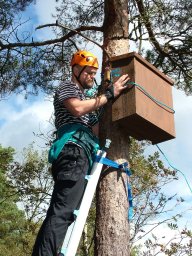 David G Tosh合作论文数School of Biological Sciences, Queen's University Belfast6
 Lianming Gao合作论文数Kunming Institute of Botany, Chinese Academy of Sciences6
 Zeng-Yuan Wu (吴增源)合作论文数Kunming Institute of Botany, Chinese Academy of Sciences;University of Chinese Academy of Sciences5L. Perera合作论文数5Caroline Bradley合作论文数4
 Hong Wang (王红)合作论文数Kunming Institute of Botany, Chinese Academy of Sciences4Joanne Russell合作论文数Fruit Breeding Group, Scottish Crop Research Institute4
 Richard I. Milne合作论文数Institute of Molecular Plant Sciences, The University of Edinburgh, Daniel Rutherford Building, King's Buildings, Mayfield Road, Edinburgh EH9 3JH, UK4
 Yahuang Luo (罗亚皇)合作论文数Kunming Institute of Botany, Chinese Academy of Sciences;University of Chinese Academy of Sciences4
 Paulo Cavalcanti Gomes Ferreira合作论文数Federal University of Rio de Janeiro4Guang-Fu Zhu合作论文数3
 Moses C. Wambulwa合作论文数Chinese Acad Sci, Kunming Inst Bot3
 Sergio Ricardo Sodre Cardoso合作论文数3
 Marc Cadotte合作论文数Department of Biological Sciences, University of Toronto Scarborough3
 Michele Morgante合作论文数Dipartimento di Scienze AgroAlimentari, Ambientali ed Animali, Università di Udine;Istituto di Genomica Applicata, Parco Scientifico Luigi Danieli3
 David Booth合作论文数Centre for Environmental Sustainability, School of the Environment, University of Technology Sydney;School of Life Sciences, University of Technology Sydney3
 Jie Liu (刘杰)合作论文数Kunming Institute of Botany, Chinese Academy of Sciences3
 Frederic Mineur合作论文数University of Belfast3Sarah Preston合作论文数3Monica Aires Cardoso合作论文数3Graham Savidge合作论文数3S. Jane Preston合作论文数3
 Lorraine McKendrick合作论文数2George Young合作论文数2fergal glynn合作论文数2G Corbett合作论文数2
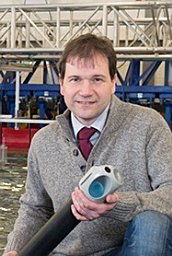 bjoern elsaesser合作论文数Queen's University Belfast2
 Jie Cai合作论文数2
 Jaimie T A Dick合作论文数Institute for Global Food Security, School of Biological Sciences, Queen's University Belfast2Wilson Conor D合作论文数2Love Heather M合作论文数2
 Louise T. Kregting合作论文数Department of Botany, University of Otago2
 Glenn J. Bryan合作论文数Scottish Crop Research Institute2
 Dan Milbourne合作论文数Scottish Crop Research Institute, Scottish Crop Research Institute2
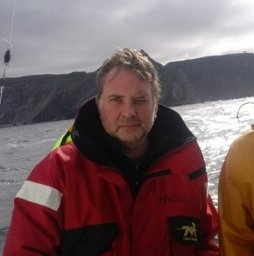 Jonathan Houghton合作论文数School of Biological Sciences;Medical Biology Centre;School of Biological Sciences|Medical Biology Centre2
 Robbie Mcdonald合作论文数Food and Environment Research Agency2
 Tingshuang Yi (伊廷双)合作论文数Kunming Institute of Botany, Chinese Academy of Sciences2
 Keith Bennett合作论文数School of Geography & Sustainable Development, University of St Andrews2
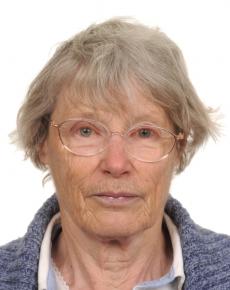 Janet Sprent合作论文数School of Life Sciences, University of Dundee2Sian Wilson合作论文数2




