Heuristic algorithms for routing problems, for example the Traveling Salesman Problem (TSP) as a representation, usually involve metrics for evaluating the quality of the edges. In this paper, we observe that most routing algorithms utilize a single evaluation metric, limiting the robustness and the ability to escape local optima. To address this issue, we propose a novel approach to associate a hybrid metric, containing local, global, and historical perspectives, with the routing algorithms, where the distance and backbone information are extracted to represent the local and historical information, respectively. Moreover, the combination mechanism of the hybrid metric is adjusted adaptively by a multi-armed bandit (MAB) framework, enabling the algorithm to dynamically select the most appropriate metric by learning from the search process. We apply our methods to the famous Lin-Kernighan-Helsguan (LKH) and LKH-3 algorithms for TSP and its variants. Extensive experimental results demonstrate the effectiveness and generalization of our approach, significantly enhancing LKH’s performance for TSP and LKH-3 for two representative TSP variants, Colored TSP (CTSP) and Capacitated VRP with Time Windows (CVRPTW).
Fundamentally understanding the lattice dynamics and microscopic mechanisms of thermal transport in cubic hybrid organic-inorganic perovskites remains elusive, primarily due to their strong anharmonicity and frequent phase transitions. In this work, we comprehensively investigate the thermal transport behavior in cubic hybrid perovskite FAPbI3, integrating first principles-based anharmonic lattice dynamics with a linearized Wigner transport formula. The Temperature Dependent Effective Potential (TDEP) technique allows us to stabilize the negative soft modes, primarily dominated by organic cations, at finite temperatures in cubic FAPbI3. We then predict an ultra-low thermal conductivity of 0.63 Wm^(-1) K^(-1) in cubic FAPbI3 at 300 K, with a temperature dependence of T^(-0.740), suggesting a good crystalline nature of phonon transport. Notably, the ultra-low thermal conductivity in cubic FAPbI3 is primarily attributed to the [PbI3]1- units, challenging the conventional focus on organic FA+ cations. This shift in focus is due to the presence of Pb(s)-I(p) anti-bonding sates within the [PbI3]1- units. Furthermore, thermal transport in cubic FAPbI3 is predominantly governed by the particle-like phonon propagation channel across the entire temperature range of 300-500 K, a result of diminished suppression of low-frequency phonons by FA+ cations and large inter-branch spacings. Finally, our findings underscore that the anharmonic force constants are highly temperature-sensitive, leading to underestimations of thermal conductivity when relying on 0-K anharmonic force constants. Our study not only elucidates the microscopic mechanisms of thermal transport in cubic FAPbI3 but also provides a crucial framework for the discovery, design, and understanding of hybrid organic-inorganic compounds with ultra-low thermal conductivity.
The Maximum k-plex Problem (MKP) is a degree relaxation of the widely known Maximum Clique Problem. As a practical NP-hard problem, MKP has many important real-world applications, such as the analysis of various complex networks. Branch-and-bound (BnB) algorithms are a type of well-studied and effective exact algorithms for MKP, and the key for BnB algorithms is the bound design. Recent BnB MKP algorithms involve two kinds of upper bounds based on graph coloring and partition, respectively, that work in different perspectives and thus are complementary with each other. We first propose a new coloring-based upper bound, termed Relaxed Graph Color Bound (RelaxGCB), that significantly outperforms the previous coloring-based upper bound. Then we further propose another new upper bound, termed RelaxPUB, that incorporates RelaxGCB and a partition-based upper bound in a novel way, making use of their complementarity. We apply RelaxGCB and RelaxPUB to state-of-the-art BnB MKP algorithms and produce eight new BnB algorithms. Extensive experiments using diverse k values on hundreds of instances based on dense or massive sparse graphs demonstrate the excellent performance and robustness of our proposed methods.
Algorithms designed for routing problems typically rely on high-quality candidate edges to guide their search, aiming to reduce the search space and enhance the search efficiency. However, many existing algorithms, like the classical Lin-Kernighan-Helsgaun (LKH) algorithm for the Traveling Salesman Problem (TSP), often use predetermined candidate edges that remain static throughout local searches. This rigidity could cause the algorithm to get trapped in local optima, limiting its potential to find better solutions. To address this issue, we propose expanding the candidate sets to include other promising edges, providing them an opportunity for selection. Specifically, we incorporate multi-armed bandit models to dynamically select the most suitable candidate edges in each iteration, enabling LKH to make smarter choices and lead to improved solutions. Extensive experiments on multiple TSP benchmarks show the excellent performance of our method. Moreover, we employ this bandit-based method to LKH-3, an extension of LKH tailored for solving various TSP variant problems, and our method also significantly enhances LKH-3's performance across typical TSP variants.
The Lin-Kernighan-Helsguan (LKH) heuristic is a classic local search algorithm for the Traveling Salesman Problem (TSP). LKH introduces an α-value to replace the traditional distance metric for evaluating the edge quality, which leads to a significant improvement. However, we observe that the α-value does not make full use of the historical information during the search, and single guiding information often makes LKH hard to escape from some local optima. To address the above issues, we propose a novel way to extract backbone information during the TSP local search process, which is dynamic and can be updated once a local optimal solution is found. We further propose to combine backbone information, α-value, and distance to evaluate the edge quality so as to guide the search. Moreover, we abstract their different combinations to arms in a multi-armed bandit (MAB) and use an MAB model to help the algorithm select an appropriate evaluation metric dynamically. Both the backbone information and MAB can provide diverse guiding information and learn from the search history to suggest the best metric. We apply our methods to LKH and LKH-3, which is an extension version of LKH that can be used to solve about 40 variant problems of TSP and Vehicle Routing Problem (VRP). Extensive experiments show the excellent performance and generalization capability of our proposed method, significantly improving LKH for TSP and LKH-3 for two representative TSP and VRP variants, the Colored TSP (CTSP) and Capacitated VRP with Time Windows (CVRPTW).
Partial MaxSAT (PMS) and Weighted PMS (WPMS) are two practical generalizations of the MaxSAT problem. In this paper, we propose a local search algorithm for these problems, called BandHS, which applies two multi-armed bandits to guide the search directions when escaping local optima. One bandit is combined with all the soft clauses to help the algorithm select to satisfy appropriate soft clauses, and the other bandit with all the literals in hard clauses to help the algorithm select appropriate literals to satisfy the hard clauses. These two bandits can improve the algorithm's search ability in both feasible and infeasible solution spaces. We further propose an initialization method for (W)PMS that prioritizes both unit and binary clauses when producing the initial solutions. Extensive experiments demonstrate the excellent performance and generalization capability of our proposed methods, that greatly boost the state-of-the-art local search algorithm, SATLike3.0, and the state-of-the-art SAT-based incomplete solver, NuWLS-c.
In recent years, there has been a growing trend in utilizing deep learning techniques to solve various NP-hard combinatorial optimization problems, mostly using deep neural networks to generate the solutions directly. In this work, we address a famous combinatorial optimization problem on graphs, the graph coloring problem (GCP), and propose novel ways that train and utilize deep node embeddings to facilitate the problem’s solving. Specifically, we propose to use Transformer to learn the correlation between nodes in graphs. The Transformer learns the node embeddings (feature vectors) such that nodes that might be in the same color in (near-)optimal solutions have close embeddings. To generate the labels, we use a typical GCP heuristic called Tabucol to solve each small training instance multiple times. In this way, the labels are generated more efficiently and robustly as compared to using an exact solver. We then apply the learned embeddings to guide several construction and searching algorithms for the GCP, including Tabucol. Empirical results show that all the algorithms could be improved by utilizing the learned node embeddings, and our methods generalize well to graphs on much larger scales than the training graphs.
Pressure tuning has emerged as a powerful strategy for manipulating the thermoelectric properties of materials by inducing structural and electronic modifications. Herein, we systematically investigate the transport properties and thermoelectric performance concerning lattice distortions induced by hydrostatic pressure in Ag-based chalcopyrite AgXTe2 (X = In, Ga). Our findings reveal that the lattice distortion in AgXTe2 exhibits distinct behaviors under lattice compression, diverging from trends observed at ambient pressure. Importantly, the hydrostatic pressure breaks the phenomenally negative correlation between thermal conductivity and lattice distortion. Pressure-induced softening of low-frequency acoustic phonons broadens the low-energy phonon spectrum, enhancing interactions between acoustic and optical phonons. Such broadening substantially increases the number of available three-phonon scattering channels, resulting in a marked reduction in thermal conductivity. Additionally, the applied pressure achieves a notable net increase in the power factor despite the strong coupling of electrical transport parameters, which underscores the potential for bidirectional optimization of transport properties in AgXTe2. As a result, the maximum ZT value of AgInTe2 is nearly doubled, demonstrating that pressure modulation is a powerful strategy for enhancing thermoelectric performance. Our work not only establishes the link between pressure, lattice dynamics, and thermoelectric properties within chalcopyrite AgXTe2, but also inspires the exploration of pressure-related optimization strategies for conventional thermoelectric materials.
Fundamentally understanding lattice dynamics and thermal transport behavior in liquid-like, partially occupied compounds remains a long-standing challenge in condensed matter physics. Here, the microscopic mechanisms are investigated underlying the ultralow thermal conductivity in ordered/liquid-like Cu3BiS3 by combining experimental methods with first-principles calculations. The ordered structure and liquid-like are first experimentally synthesized and characterized, partially Cu-atom occupied Cu3BiS3 structure with increasing temperature. Selfconsistent phonon calculations are then combined, including bubble-diagram corrections, with the Wigner transport equation, considering both phonon propagation and diffuson contributions, to evaluate the anharmonic lattice dynamics and thermal conductivity in phase-change Cu3BiS3. The theoretical model predicts an ultralow thermal conductivity of 0.34 W m-1 K-1 at 400 K, dominated by diffuson contributions, which accurately reproduces and explains the experimental data. Importantly, the machine-learning-based molecular dynamics (MD) simulations not only reproduced the partially Cu-atom occupied Cu3BiS3 structure with the space group Pnma but also successfully replicated the thermal conductivity obtained from experiments and Wigner transport calculations. This observation highlights the negligible impact of ionic mobility arising from partially occupied Cu sites on the thermal conductivity in diffuson-dominated thermal transport compounds. This work sheds light on the minimal impact of ionic mobility on ultralow thermal conductivity in phase-change materials. It demonstrates that the Wigner transport equation accurately describes thermal transport behavior in partially occupied phases with diffuson-dominant thermal transport.
This paper addresses the Single Cylindrical Packing Problem with Cylindrical Items (SCPP-CI), which packs cylindrical items into a cylindrical container to maximize the volume utilization. Two variants of the problem are considered: the online version, where items are coming sequentially and need to be packed immediately once coming, and the offline version, where all items are given at once. A deterministic greedy heuristic algorithm is proposed for both the online and offline problems, using two special operators to obtain dense placements and evaluate the quality of feasible placements. In addition, a top-local search algorithm is introduced that considers future benefits for the offline problem. To evaluate the performance of the proposed algorithms, we first degrade the 3D problem to a corresponding packing problem of circles and then compare our results with those found (1) by the CPLEX solver, and (2) by the known heuristic for 2D benchmark instances. We generate 10 groups of the SCPP-CI problem instances (100 instances in each group) with increasing heterogeneity, and compare the results found by our approach with those found by the CPLEX solver for these instances. Computational results show that both our algorithms significantly outperform the baselines for both 2D and 3D problems, indicating the excellent performance of the proposed approach. (c) 2025 Published by Elsevier B.V.
Single crystal Ni-rich cathode materials(SCNCM)are a good supplement in the market of nickel-based materials due to their safety and excellent electrochemical performance.However,the challenges of cation mixing,phase change during charge/discharge,and low thermal stability remain unresolved in single crystal particles.To address these issues,SCNCM are rationally modified by incorporating transi-tion metal(TM)oxides,and the influence of metal ions with different valence states on the electrochem-ical properties of SCNCM is methodically explored through experimental results and theoretical calculations.Enhanced structural stability is demonstrated in SCNCM after the modifications,and the degree of improvement in the matrix materials varies depending on the valence state of doped TM ions.The highest structural stability is found in WO3-modified SCNCM,due to the smaller effective ion radii,higher electro-negativity,stronger W-O bond,and efficient suppression of oxygen vacancy generation.As a result,WO3-modified SCNCM have outstanding cycle performance,with a capacity retention rate of 90.2%after 200 cycles.This study provides an insight into the design of advanced SCNCM with enhanced reversibility and cyclability.
This work reports a pulsed laser-assisted synthesis, detailed structural characterization, and study of plasmonic properties of three sets of TiN/TiNO thin films with high electron density. The first two sets of TiN films were grown at 600C and 700C under a high vacuum condition. The third set of TiN film was grown in the presence of 5 mTorr of molecular oxygen at 700C. The results have shown that TiN films deposited in a high vacuum are metallic, have large optical reflectance, and have high optical and electrical conductivity. The TiN films, grown in 5 mTorr O2, were partially oxidized and semiconducting with room temperature resistivity nearly three times larger than those of the TiN films grown under high vacuum conditions. The optical conductivity of these films was analyzed using a Kramers-Kronig transformation of reflectance and a Lorentz-Drude model; the optical conductivity determined by these two different methods agreed very well. To corroborate our experimental spectral observations, we have calculated the phonon dispersions and Raman active modes of TiNO using the virtual crystal approximation. A comparative analysis of the phonon dispersions between rutile TiO2 and rocksalt TiNO has shown that the incorporation of nitrogen atoms does not significantly alter the phonon dispersions of rutile TiO2. However, it results in the emergence of new phonon modes at approximately 7.128 THz at the Gamma point, which corresponds to the experimentally observed Multi-Photon Phase-MPP. From the collateral study of experimental results and theoretical corroboration, a suitable multi-layer optical model was proposed for the TiN/TINO epitaxial thin films to extract the individual complex dielectric function from which many other optical parameters can be calculated.
Understanding lattice dynamics and thermal transport in crystalline compounds with intrinsically low lattice thermal conductivity (kappa L) is crucial in condensed matter physics. In this work, we investigate the lattice thermal conductivity of CsCu4Se3 by coupling first-principles anharmonic lattice dynamics with a unified theory of thermal transport. Our results reveal that the vibrational properties of CsCu4Se3 are characterized by strong anharmonicity and wavelike phonon tunneling. At room temperature, the predicted intralayer thermal conductivity is an exceptionally low 0.39 W m-1 K-1, markedly lower than the interlayer value of 0.69 W m-1 K-1, strikingly challenging the conventional understanding of thermal transport in layered materials. This anomalous phenomenon can be traced back to the substantial coherence contribution along the z axis, driven by the coupling of distinct vibrational eigenstates, which enables efficient thermal transport across layers. Furthermore, the coherence-driven conductivity dominates the total thermal conductivity along the z axis, leading to an anomalous, wide-temperature-range (100-700 K) glasslike thermal transport. We attribute the nonmonotonic temperature dependence of coherence thermal conductivity to the combined effects of anharmonic scattering rates, frequency difference, and phonon renormalization. Our work not only uncovers the microscopic mechanism underlying effective interlayer thermal transport in CsCu4Se3 but also elucidates the nonmonotonic temperature dependence of thermal conductivity, offering valuable insights into the anomalous heat transport in layered compounds.
The commercial deployment of aqueous zinc-ion batteries (AZIBs) is hampered by dendrites, the hydrogen evolution reaction (HER), and corrosion reactions. To tackle these challenges, we have introduced 3,3′-dithiobis-1-propanesulfonic acid disodium salt (SPS), a symmetrical sulfur-based organic salt, as an electrolyte additive for AZIBs. Unlike conventional electrolyte additives that favor (002) deposition, SPS enables dense (100) growth through a unique symmetrically aligned concentration-controlled adsorption network, affording structural uniformity and compactness to the Zn deposit layer. The dual-action symmetrical SPS additive adsorbs onto the Zn surface via vicinal sulfur atoms, blocking electrolyte access to the Zn anode, enhancing the transportation kinetics of Zn 2+ , and simultaneously promoting desolvation by displacing water molecules from the solvation shell. This synergistic effect improves the stability of the Zn anode by mitigating HER and corrosion, resulting in over 1100 h of cycling at 5 mA cm −2 , 5 mAh cm −2 , stable operation at even 15 mA cm −2 , 15 mAh cm −2 , and achieving impressive Coulombic efficiency (CE) of 99.41%. As validation, the Zn/NaV 3 O 8 ·1.35H 2 O cell with SPS-additive afforded high cycling stabilization and excellent capacity retention of 95.5%. This study offers valuable insights for advancing AZIBs and other metal-based batteries.
AbstractLead‐free halide double perovskites provide a promising solution for the long‐standing issues of lead‐containing halide perovskites, i.e., the toxicity of Pb and the low stability under ambient conditions and high‐intensity illumination. Their light‐to‐electricity or thermal‐to‐electricity conversion is strongly determined by the dynamics of the corresponding lattice vibrations. Here, the measurement of lattice dynamics is presented in a prototypical lead‐free halide double perovskite(Cs2NaInCl6). The quantitative measurements and first‐principles calculations show that the scatterings among lattice vibrations at room temperature are at the timescale of ≈1 ps, which stems from the extraordinarily strong anharmonicity in Cs2NaInCl6. Further the degree of anharmonicity of each type of atom is quantitatively characterized in the Cs2NaInCl6 single crystal, which stems from the interatomic forces, and demonstrate that this strong anharmonicity is synergistically contributed by the bond hierarchy, the tilting of the NaCl6 and InCl6 octahedral units, and the rattling of Cs+ ions. Consequently, the crystalline Cs2NaInCl6 possesses an ultralow thermal conductivity of ≈0.43 W mK−1 at room temperature, and a weak temperature dependence of T −0.41. These findings uncovered the underlying mechanisms behind the dynamics of lattice vibrations in double perovskites, which can largely benefit the design of optoelectronics and thermoelectrics based on halide double perovskites.
We explicitly consider both phonon energy shifts and broadening arising from both cubic and quartic anharmonicities, as well as diagonal/non-diagonal terms of heat flux operators in thermal conductivity. Our findings show that the strong anharmonicity of CsCu_3S_2 primarily arises from the presence of p-d anti-bonding hybridization between Cu and S atoms, coupled with the random oscillations of Cs atoms. Notably, the competition between phonon hardening described by the loop diagram and softening induced by the bubble diagram significantly influences particle-like propagation, predominantly reflected in group velocity and energy-conservation rule. Additionally, the electrical transport properties are determined by employing the precise momentum relaxation-time approximation (MRTA). At high temperatures, the thermoelectric performance of p-type CsCu_3S_2 reaches its optimum theoretical value of 0.94 along the in-plane direction based on advanced phonon renormalization theory. In striking contrast, the harmonic approximation theory significantly overestimates the thermoelectric efficiency at the same temperatures, rendering it an impractical expectation. Conversely, the first-order renormalization approach leads to a serious underestimation of the thermoelectric properties due to the over-correction of phonon energy. Our study not only reveals the pivotal role of anharmonic lattice dynamics in accurately assessing thermoelectric properties but also underscores the potential thermoelectric applications for novel copper-based chalcogenides.
Phonon heat transfer by thermoelectric modules undoubtedly plays a pivotal role for the future waste heat recovery and utilization. BaAg2SnSe4, a prototypical glasslike compound among quaternary non-centrosymmetric chalcogenides, demonstrates remarkable thermoelectric performance due to its exceptionally low lattice thermal conductivity (KL). Even with a comprehensive grasp of the underlying cause behind ultra-low KL and the subsequent heightened thermoelectric conversion efficiency, the temperature-dependent lattice dynamics and glasslike attributes governing KL continue to pose unresolved questions. In this study, we investigate the phonon thermal transport properties of quaternary BaAg2SnSe4 by incorporating the influence of phonon coherent resonance, thereby departing from the conventional Peierls's framework. Based on the temperature dependence of the interatomic force constants and coherences' contribution to total lattice thermal conductivity (KL(C)), we intriguingly observe that the particle-like driven lattice thermal conductivity (KL(P)) and KL(C) have the quite significant and dominant role for describing ultralow phonon transport behaviors in the middle-high-temperature regions. Specially, enhanced phonon anharmonicity coupled with excited coherent phonons due to increasing temperature yields two close values, with 700 K values of 0.16 and 0.13 W/mK predicted for BaAg2SnSe4, respectively, accelerating its application in thermoelectric field. Furthermore, we also find that the off-diagonal terms of heat flux operators in KL exist distinction for different phonons, with zero contribution modes exhibiting temperature-independent phonon coherence effect. Temperature response of the force constants tensors and coherent resonance proposed in our work can be employed as a powerful tool, which would substantially be expected to inspire a broad revisiting phonon transport study in various device applications, including advanced thermal barrier coatings and superior thermoelectrics.
The Partitioning Min-Max Weighted Matching (PMMWM) problem, being a practical NP-hard problem, integrates the task of partitioning the vertices of a bipartite graph into disjoint sets of limited size with the classical Maximum-Weight Perfect Matching (MPWM) problem. Initially introduced in 2015, the state-of-the-art method for addressing PMMWM is the MP_LS. In this paper, we present a novel approach, the Fast Iterative Match-Partition Hybrid Genetic Algorithm (FIMP-HGA), for addressing PMMWM. Similar to MP_LS, FIMP-HGA divides the solving into match and partition stages, iteratively refining the solution. In the match stage, we propose the KM-M algorithm, which reduces matching complexity through incremental adjustments, significantly enhancing runtime efficiency. For the partition stage, we introduce a Hybrid Genetic Algorithm (HGA) incorporating an elite strategy and design a Greedy Partition Crossover (GPX) operator alongside a Multilevel Local Search (MLS) to optimize individuals in the population. Population initialization employs various methods, including the multi-way Karmarkar-Karp (KK) algorithm, ensuring both quality and diversity. At each iteration, the bipartite graph is adjusted based on the current solution, aiming for continuous improvement. To conduct comprehensive experiments, we develop a new instance generation method compatible with existing approaches, resulting in four benchmark groups. Extensive experiments evaluate various algorithm modules, accurately assessing each module's impact on improvement. Evaluation results on our benchmarks demonstrate that the proposed FIMP-HGA significantly enhances solution quality compared to MP_LS, meanwhile reducing runtime by 3 to 20 times.
 Kun He (何琨)合作论文数School of Computer Science & Technology, Huazhong University of Science and Technology32
 Ruiqiang Guo合作论文数15
 Baoling Huang (黃寶陵)合作论文数Department of Mechanical and Aerospace Engineering, School of Engineering, Hong Kong University of Science & Technology13
 Chu Min Li合作论文数Department of Computer Science, University of Picardie Jules Verne12
 Chongjia Lin合作论文数Dept Mech & Aerosp Engn, Hong Kong Univ Sci & Technol10
 Geoffroy Hautier合作论文数Rice University9Mingming Jin合作论文数School of Computer Science and Technology, Huazhong University of Science and Technology7Jianrong Zhou合作论文数Huazhong Univ Sci & Technol, Sch Comp Sci, Wuhan, Peoples R China7Changpeng Lin合作论文数Theory & Simulat Mat THEOS, Ecole Polytech Fed Lausanne6
 Yuewang Yang合作论文数6
 Yanhui Liu (刘艳辉)合作论文数College of Science, Yanbian University6Guotai Li合作论文数5Jialin Tang合作论文数5Sijing Liu合作论文数5
 Yan Jin (金燕)合作论文数School of Computer Science and Technology, Huazhong University of Science and Technology5
 Yongfu Chen (陈永府)合作论文数School of Mechanical Science & Engineering, Huazhong University of Science and Technology;Tianyu Soft5jincheng yue合作论文数4
 Yihuang Xiong (熊熠煌)合作论文数School of Electronic Science and Engineering, Nanjing University4Qi Wang合作论文数4
 Zheng Chang合作论文数Dalian Univ Technol, Sch Energy & Power Engn, Minist Educ, Key Lab Ocean Energy Utilizat & Energy Conservat, Dalian 116024, Peoples R China4
 Sinead Griffin合作论文数Lawrence Berkeley National Laboratory4Zhenting Wang合作论文数4
 Tian Cui (崔田)合作论文数College of Science & Technology, Ningbo University4Zhiyong Jin合作论文数3Tian Liu合作论文数3
 Zheng Cui (崔峥)合作论文数3
 Lin Cheng (程林)合作论文数Institute of Thermal Science and Technology, Shandong University3
 Felip Manyà合作论文数IIIA-CSIC3Zhengda Xiong合作论文数3Menglei Chen合作论文数2Jinghui Xue合作论文数2Jinyao Xie合作论文数2Zhaowen Bai合作论文数2Yanli Liu合作论文数2
 Yang Li (李洋)合作论文数School of Mechanical Engineering, Zhejiang University2junda li合作论文数2Gongze Liu合作论文数2
 Keqiao Li合作论文数2Xiaohan Song合作论文数2
 Yu Zhou合作论文数2
 Cheng Chi (赤骋)合作论文数School of Energy Power and Mechanical Engineering, North China Electric Power University2Dongliang Shi合作论文数2
 Natalya Sheremetyeva合作论文数Dept Phys Appl Phys & Astron, Rensselaer Polytech Inst2
 Yanguang Zhou (周艷光)合作论文数Department of Mechanical and Aerospace Engineering, School of Engineering, The Hong Kong University of Science and Technology2
 Alp Sipahigil合作论文数Department of Electrical Engineering and Computer Science, University of California, Berkeley2
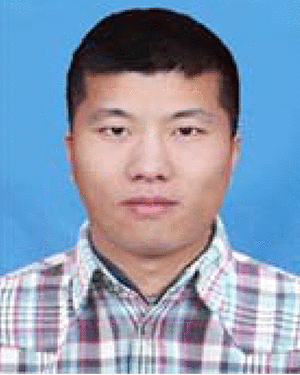 Kai Li合作论文数2Mingru Su合作论文数2
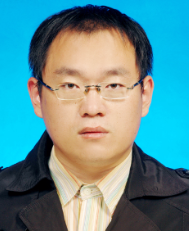 Yufei Gao (高宇飞)合作论文数School of Energy and Power Engineering, Dalian University of Technology2
 Dawei Tang (唐大伟)合作论文数School of Energy and Power Engineering, Dalian University of Technology2




