To evaluate IVF outcomes with pre-implantation genetic testing for monogenic disorders (PGT-M) for patients with BRCA1/2 mutations compared to patients utilizing PGT for other reasons. This retrospective case–control study compared patients undergoing IVF/PGT-M for BRCA1/2 mutations to control cohorts, either undergoing IVF for male/tubal infertility with elective PGT-A or PGT-M for other genetic conditions. The primary outcome was time to first live birth, indexed by IVF cycle number and analyzed using time-to-event methods with right censoring. Secondary outcomes included embryology yield, number of IVF cycles required to achieve live birth among those who succeeded, and live birth per initiated IVF cycle. Among 195 patients (45 BRCA1/2 PGT-M, 60 non-BRCA PGT-M, and 90 PGT-A), number of oocytes retrieved, blastocyst yield, and embryo maturation did not differ significantly across cohorts. BRCA carriers required more cycles to achieve live birth compared with the PGT-A cohort, but comparable cycles compared to non-BRCA PGT-M patients. Time-to-event analyses demonstrated no significant difference in time to live birth across cohorts (log-rank P = 0.71). Patients undergoing PGT-M, including BRCA carriers, experience greater cumulative IVF cycle burden. However, the per cycle and per transfer probability of achieving a live birth was similar across indications, supporting reassuring counseling for BRCA carriers pursing IVF/PGT-M.
To assess the relationship between blastulation, ICM (inner cell mass) quality, TE (trophectoderm) quality, embryo sex, or embryo sex selection and live birth among euploid embryos. Single-center retrospective cohort analysis of patients who underwent single frozen embryo transfer (FET) following autologous IVF with preimplantation genetic testing for aneuploidy from 2020–2021. Blastocysts underwent trophectoderm biopsy with ICM and TE grading before vitrification. The associations between live birth (LB) and patient/embryo characteristics were assessed with mixed-effect multivariable logistic regression. In 768 euploid FET cycles with available live birth data, 404 cycles (52.6
OBJECTIVE:To investigate the follicular fluid (FF) phthalate levels in adolescents undergoing fertility preservation compared with oocyte donors and explore its association with ovarian reserve and cumulus cell (CC) gene expression. DESIGN:Retrospective study and molecular analysis of CCs and FF. SUBJECTS:Adolescents (n = 20, 16.7 ± 0.6 years) undergoing fertility preservation and oocyte donors (n = 24, 26.2 ± 0.4 years). EXPOSURE:Not applicable. MAIN OUTCOME MEASURES:Patient demographics, ovarian stimulation, and oocyte retrieval outcomes were analyzed for each group. The FF levels of 9 phthalate metabolites were assessed individually and as molar sums representative of common compounds (all phthalates, ƩPhthalates; di(2-ethylhexyl) phthalate (DEHP)-associated phthalate metabolites, ƩDEHP), exposure sources (plastics, ƩPlastic; personal care products, ƩPCP), and modes of action (antiandrogenic, ƩAA) and compared between the 2 groups. The transcriptome of CC associated with mature oocytes was compared between adolescents and oocyte donors using bulk ribonucleic acid sequencing. RESULTS:The FF ƩPlastic and ƩPCP levels were significantly higher in adolescents than in oocyte donors. The FF ƩDEHP, ƩPlastic, ƩPCP, ƩAA, and ƩPhthalates levels were positively associated with antral follicle count in oocyte donors when adjusted for age, body mass index, and race/ethnicity. Ribonucleic acid sequencing analysis revealed 248 differentially expressed genes in CCs of adolescents within the top quartile (n = 4) of the FF ƩPhthalates levels compared with those of the adolescents within the bottom half (n = 9). Genes enriched in pathways involved in cell motility and development were significantly down-regulated. CONCLUSIONS:Adolescents undergoing fertility preservation cycles demonstrate higher levels of phthalate metabolites in their FF than oocyte donors. Higher phthalate levels are associated with alterations in cumulus cells transcriptome in adolescents. The phthalate metabolite levels in FF are associated with higher antral follicle count levels in oocyte donors.
STUDY QUESTION Do the molecular signatures of cumulus cells (CCs) and follicular fluid (FF) of adolescents undergoing fertility preservation differ from that of oocyte donors?SUMMARY ANSWER The microenvironment immediately surrounding the oocyte, including the CCs and FF, is altered in adolescents undergoing fertility preservation compared to oocyte donors.WHAT IS KNOWN ALREADY Adolescents experience a period of subfecundity following menarche. Recent evidence suggests that this may be at least partially due to increased oocyte aneuploidy. Reproductive juvenescence in mammals is associated with suboptimal oocyte quality.STUDY DESIGN, SIZE, DURATION This was a prospective cohort study. Adolescents (10-19 years old, n = 23) and oocyte donors (22-30 years old, n = 31) undergoing ovarian stimulation and oocyte retrieval at a single center between 1 November 2020 and 1 May 2023 were enrolled in this study.PARTICIPANTS/MATERIALS, SETTING, METHODS Patient demographics, ovarian stimulation, and oocyte retrieval outcomes were collected for all participants. The transcriptome of CCs associated with mature oocytes was compared between adolescents (10-19 years old, n = 19) and oocyte donors (22-30 years old, n = 19) using bulk RNA-sequencing. FF cytokine profiles (10-19 years old, n = 18 vs 25-30 years old, n = 16) were compared using cytokine arrays.MAIN RESULTS AND THE ROLE OF CHANCE RNA-seq analysis revealed 581 differentially expressed genes in CCs of adolescents relative to oocyte donors, with 361 genes downregulated and 220 upregulated. Genes enriched in pathways involved in cell cycle and cell division (e.g. GO: 1903047, P = 3.5 x 10-43; GO: 0051983, P = 4.1 x 10⁻³⁰; GO: 0000281, P = 7.7 x 10⁻¹⁵; GO: 0044839, P = 5.3 x 10⁻¹³) were significantly downregulated, while genes enriched in several pathways involved in cellular and vesicle organization (e.g. GO: 0010256, P = 1.2 x 10⁻⁸; GO: 0051129, P = 6.8 x 10⁻⁷; GO: 0016050, P = 7.4 x 10⁻⁷; GO: 0051640, P = 8.1 x 10⁻⁷) were upregulated in CCs of adolescents compared to oocyte donors. The levels of nine cytokines were significantly increased in FF of adolescents compared to oocyte donors: IL-1 alpha (2-fold), IL-1 beta (1.7-fold), I-309 (2-fold), IL-15 (1.6-fold), TARC (1.9-fold), TPO (2.1-fold), IGFBP-4 (2-fold), IL-12-p40 (1.7-fold), and ENA-78 (1.4-fold). Interestingly, seven of these cytokines have known pro-inflammatory roles. Importantly, neither the CC transcriptomes nor FF cytokine profiles were different in adolescents with or without cancer.LARGE SCALE DATA Original high-throughput sequencing data have been deposited in Gene Expression Omnibus (GEO) database with the accession number GSE265995.LIMITATIONS, REASONS FOR CAUTION This study aims to gain insights into the associated gamete quality by studying the immediate oocyte microenvironment. The direct study of oocytes is more challenging due to sample scarcity, as they are cryopreserved for future use, but would provide a more accurate assessment of oocyte reproductive potential.WIDER IMPLICATIONS OF THE FINDINGS Our findings have implications for the adolescent fertility preservation cycles. Understanding the expected quality of cryopreserved eggs in this age group will lead to better counseling of these patients about their reproductive potential and may help to determine the number of eggs that is recommended to be banked to achieve a reasonable chance of future live birth(s).STUDY FUNDING/COMPETING INTEREST(S) This project was supported by Friends of Prentice organization SP0061324 (M.M.L. and E.B. ), Gesualdo Family Foundation (Research Scholar: M.M.L.), and NIH/NICHD K12 HD050121 (E.B.). The authors have declared that no conflict of interest exists.
Recent prohibitory reproductive legislation raises the question of whether preimplantation genetic testing for aneuploidy (PGT-A) reduces the need for abortion procedures. We compared incidence of abortion procedures among individuals who conceived via IVF with and without PGT-A. We conducted a retrospective cohort analysis of surgical and medical abortions or fetal reduction among individuals with clinical intrauterine gestations (CIG) after IVF with and without PGT-A between 2014 and 2021 using institutional data from a high-volume academic center in Illinois, submitted to the Society for Assisted Reproductive Technology (SART). Individuals using PGT-A for recurrent pregnancy loss or using gestational carriers or donor oocytes were excluded. Bivariate analyses were used to identify relevant covariates followed by regression and stratified analyses. P<0.05 was considered significant. 3203 individuals met study inclusion criteria. 39 (1.2%) had abortion/fetal reduction procedures—5 used PGT-A, and 34 did not. In bivariate analysis age and ICSI were associated with increased risk of abortion/fetal reduction procedures. PGT-A did not significantly reduce the odds of abortion or reduction procedures (OR 0.47, 95% CI 0.16-1.36) in the cohort, or in a smaller cohort of individuals 38 and older (OR 0.61, 95% CI 0.08-4.85). Abortion after IVF occurred rarely in this large cohort. PGT-A did not decrease the need for abortion or reduction procedures. Though this cohort is large and provides outcomes from a pro-choice state with relatively favorable access to reproductive health services, SART data are limited and the study is likely underpowered to see a significant association between PGT-A and reduced odds of abortion/reduction procedures. Further analyses using patient-level data and larger datasets are underway.
Importance Multiple gestation is one of the biggest risks after in vitro fertilization (IVF), largely due to multiple embryo transfer (MET). Single embryo transfer (SET) uptake has increased over time and has been attributed to various factors, such as mandated insurance coverage for IVF and preimplantation genetic testing for aneuploidy (PGT-A). Objective To investigate whether mandates for IVF insurance coverage are associated with decreased use of MET after PGT-A. Design, Setting, and Participants This cohort study was conducted using data on embryo transfers reported to the Society for Assisted Reproductive Technology between 2014 and 2016. Data were analyzed from January to October 2021. Exposures State-mandated coverage for fertility treatment and type of cycle transfer performed (PGT-A, untested fresh, and untested frozen). Main Outcomes and Measures Use of MET compared with SET, live birth, and live birth of multiples. Results There were 110 843 embryo transfers (mean [SD] patient age, 34.0 [4.5] years; 5520 individuals identified as African American [5.0%], 10 035 as Asian [9.0%], 5425 as Hispanic [4.9%], 45 561 as White [41.1%], and 44 302 as other or unknown race or ethnicity [40.0%]); 17 650 transfers used embryos that underwent PGT-A. Overall, among transferred embryos that had PGT-A, there were 9712 live births (55.0%). The odds of live birth were 70% higher with MET vs SET after frozen embryo transfer with PGT-A (OR, 1.70; 95% CI, 1.61-1.78), but the risk of multiples was 5 times higher (OR, 5.33; 95% CI, 5.22-5.44). The odds of MET in cycles with PGT-A in states with insurance mandates were 24% lower than in states without mandates (OR, 0.76; 95% CI, 0.68-0.85). Conclusions and Relevance This study found that despite the promise of using SET with PGT-A, MET after PGT-A was not uncommon. This practice was more common in states without insurance mandates and was associated with a high risk of multiples.
Endometriosis is a chronic inflammatory condition. The developmental microenvironment of the oocyte consists of follicular fluid, which may be released into the fallopian tube at ovulation, where it can interact with sperm prior to fertilization. In this study, we analyzed the cytokine profile of follicular fluid from patients with and without endometriosis and examined its impact on sperm motility. Follicular fluid for both experiments was collected from patients during oocyte retrieval procedures and processed separately. Cytokine antibody arrays were performed on follicular fluid samples from 10 women with endometriosis and 10 women who were oocyte donors. The cytokine array membranes were imaged using the BioRad machine ChemiDoc™ MP Imaging System. Subsequently, the Protein Array Analyzer Plugin of ImageJ was used to quantify the signal intensity. To study the impact of follicular fluid on sperm motility, 3 million sperm per group were exposed to varying concentrations of follicular fluid and monitored by manual counts at fixed time points of 1 hour, 3 hours, 6 hours, 12 hours and 24 hours. Data was analyzed using GraphPad Prism version 9.5.0 (525) to determine the significance of findings. Follicular fluid of women with endometriosis demonstrated significantly higher levels of five cytokines: Interleukin-13(IL-13), Interleukin-15(IL-15), Transforming Growth Factor-beta1(TGFβ-1), Osteopontin and Tumor Necrosis Factor-alpha(TNF-α); and lower levels of one cytokine: Interleukin-1-alpha(IL1-alpha). When examining sperm, we found a faster decline in sperm motility in all concentrations of follicular fluid from patients with endometriosis. The cytokine array revealed 6 differentially expressed cytokines in the follicular fluid of patients with endometriosis. The altered follicular fluid cytokine profile is indicative of a pro-inflammatory environment which could contribute to decreased oocyte quality, embryo formation and implantation in patients with endometriosis. The six cytokines overexpressed in the follicular fluid of patients with endometriosis have also been associated with other inflammatory conditions like polycystic ovary syndrome and fibrosis. Furthermore, the follicular fluid of patients with endometriosis was observed to have a negative effect on sperm motility. Future studies must be conducted to better understand the impact of follicular fluid from patients with endometriosis on egg quality and sperm motility.
Oocyte cryopreservation is used to preserve fertility in peri- and postpubertal adolescent patients with diseases and/or anticipated treatments that can jeopardize ovarian function. However, the quality of eggs in very young patients is relatively unknown. Recent studies suggest that oocyte aneuploidy is increased in children and young adults similar to women of advanced reproductive age. The oocyte microenvironment can be sampled to investigate the quality of the associated gamete. For example, a pro-inflammatory cytokine profile of follicular fluid (FF) is associated with advanced reproductive age. Our goal was to analyze the cytokine profile of FF in adolescent patients compared to oocyte donors to evaluate whether similar alterations exist in this younger end of the aging spectrum. This project is IRB approved. At the time of egg retrieval, FF from 2 dominant 18-20mm follicles per participant was collected from 10-19 years old adolescents (average age 16.3 ± 2.5, n=18) undergoing fertility preservation and from oocyte donors 25-30 years old (average age 26.8 ± 1.6, n=16). Halt protease inhibitor cocktail (Thermo Scientific) was added to these samples to preserve cytokines, cells were pelleted via centrifugation, and FF was stored at -80ºC. All FF samples were run in parallel on Human Cytokine Array C5 (RayBiotech). The resulting chemiluminescence data was quantified, and the levels of 80 cytokines were compared between adolescent patients and oocyte donors. A subsequent analysis was performed to compare the levels of the cytokines between patients without cancer diagnoses (n=6) and adolescent patients with cancer (n=12) to ascertain that the observed differences in cytokine levels are likely due to age and not the cancer diagnosis. An unpaired two-sided Student's t-test or the Mann-Whitney test was used for statistical analysis using GraphPad Prism software. P values < 0.05 were considered statistically significant. The levels of 9 cytokines were significantly different, and all demonstrated higher levels in FF of adolescents compared to donors: IL-1 alpha (2-fold), IL-1 beta (1.7-fold), I-309 (2-fold), IL-15 (1.6-fold), TARC (1.9-fold), TPO (2.1-fold), IGFBP-4 (2-fold), IL-12-p40 (1.7-fold) and ENA-78 (1.4-fold). Interestingly, 7 of these cytokines have known pro-inflammatory roles. The other two, IGFBP4 and TPO, were shown to be important in the regulation of insulin-like growth factor action and in the production of platelets, respectively. None of these 9 cytokines demonstrated significantly different levels in the FF of adolescents with cancer compared to those who underwent fertility preservation for non-cancer diagnoses. The FF of peri- and postpubertal adolescent patients undergoing fertility preservation is more pro-inflammatory compared to oocyte donors. This difference is likely due to age and not the cancer diagnosis.
While preimplantation genetic testing for aneuploidy (PGT-A) is intended to identify euploid embryos for single embryo transfer, many patients and providers cite a desire for a good perinatal outcome as rationale for PGT-A. Given this gap between patient perception and evidence-based practice, we investigated the likelihood to achieve a good perinatal outcome among individuals with a clinical intrauterine gestation (CIG) after in vitro fertilization (IVF) with and without PGT-A. We conducted a retrospective cohort analysis of all individuals with clinical intrauterine gestations (CIG) after IVF with and without PGT between 2013 and 2020 using institutional data from a high-volume academic center submitted to the Society for Assisted Reproductive Technology (SART). Individuals using donor oocytes and/or gestational carriers were excluded. The primary outcome of interest was good perinatal outcome, defined as a singleton live birth at 37+ weeks of gestation with birth weight between 2,500 g and 4,000 g (1). Secondary outcomes included live birth, clinically-detected early pregnancy loss (SAB), stillbirth, and route of delivery. Bivariate statistics were performed to identify important covariates followed by regression analyses to control for these covariates. P<0.05 was significant. A post-hoc power calculation was performed. 3,479 individuals met study criteria including 2,172 IVF cycles without PGT-A and 1307 cycles with PGT-A. In bivariate analyses, good perinatal outcomes were positively associated with single embryo transfer (SET) and PGT-A, but negatively associated with frozen embryo transfer (FET) and body mass index (BMI). In a regression analysis adjusting for SET, FET, and BMI, PGT-A remained associated with good perinatal outcome (OR 1.55, 95% CI 1.26-1.91). Limiting the analysis to individuals who underwent FET or SET, PGT-A remained associated with good perinatal outcome (OR 1.6, 95% CI 1.28-2.02 and OR 1.65, 95% CI 1.3-2.08 respectively). In regression analyses, PGT-A was also positively associated with live birth (OR 1.6 95% CI: 1.2-2.1), and negatively associated with SAB (OR 0.63, 95% CI 0.47-0.84). This large cohort study suggests use of PGT-A has favorable pregnancy outcomes, including a significantly higher rate of a good perinatal outcome, when compared to IVF without PGT-A. Subsequent analyses are planned to compare rates of prenatally diagnosed fetal anomalies and maternal outcomes between the cohorts.
Endometriosis occurs in 30-50% of infertile women and is associated with diminished ovarian reserve (DOR) and impaired reproductive outcomes. Understanding the pathophysiology of endometriosis-related infertility and DOR remains an urgent, unmet need. Cumulus cells (CCs) provide a clinically-available proxy to study the intrafollicular environment in patients undergoing oocyte retrieval. Transcriptomic analysis of human CCs suggests differential gene expression in patients with endometriosis, but the transcriptome provides a limited window into activity and function given the importance of post-translational modifications including peptide phosphorylation. Using kinome array profiling of peptide phosphorylation in human CCs, we sought to investigate differential kinase signaling in patients with endometriosis compared to controls. Following IRB approval, patients with proven endometriosis undergoing autologous oocyte retrieval were recruited alongside age- and AMH-matched controls (18-45y). Patients with PCOS, cancer, or BMI >35 kg/m2 were excluded. CCs from one MII oocyte were collected, mechanically stripped, washed in PBS, centrifuged, snap-frozen, stored at -80°C, and subsequently thawed for protein extraction. Samples were applied to individual wells on the Serine-Threonine Kinase (STK) PamChip Kinome Array (PamGene International, Hertogenbosch, Netherlands) containing phospho-peptide sequences. Differential Kinase activity was compared based on variable level of peptide phosphorylation across pairs. Sixteen patients were recruited into 2 groups: endometriosis (n=8,37.75 ± 4.92y, AMH 2.46 ± 1.94 ng/mL) and control (n=8, 37.75 +/- 5.2y, AMH 2.63 ± 1.69ng/mL). Kinase activity was compared across case-control pairs and between endometriosis and control groups. Overall total kinase activity did not differ between groups or pairs. The activity of specific kinase families differed significantly both across pairs and groups, most notably in protein kinase B (PKB/AKT), protein kinase C (PKC), and extracellular signal-related kinases (ERK), amongst others involved in key reproductive processes. Differential kinase activity occurred in human CCs from patients with endometriosis compared to control. This data suggests potentially distinct molecular pathway activation occurs in the intrafollicular environment in cases of endometriosis-related impaired reproductive outcomes.
Previous studies demonstrated that female body mass index (BMI) is associated with alterations in embryo morphokinetics as seen by time-lapse microscopy (TLM). Here we examined the effect of paternal BMI on embryo morphokinetics. 445 IVF cycles from 320 unique patients were studied. From these cycles, 1314 embryos were produced. Embryos were cultured and observed until developing into a blastocyst in Vitrolife EmbryoScope™ time-lapse incubator. Univariate generalized linear mixed effects models (GLMM) were fit to examine the association between BMI categories (normal, overweight, and obese BMI) and variables of interest (the embryo's development). Multivariate GLMMs with a random intercept of cycles nested within participants were fit to explore the relationship between embryo timelapse parameters and paternal BMI when adjusting the potential confounders (maternal confounders: age, anti-mullerian hormone [AMH] levels, days of stimulation, number of mature eggs, and the usage of intracytoplasmic sperm injection [ICSI]). A sub-analysis of euploid embryos was also conducted. Mean maternal age was 36.9 years while paternal age was 42.7 years; mean maternal and paternal BMI was 25.04 (±5.04) kg/㎡ and 27.64 (±4.50) kg/㎡ respectively. We found that paternal BMI did not affect the timing of syngamy, 2-cell, 3-cell, 4-cell, 8-cell, morula, or blastocyst formation in the genetically untested embryos. Embryos remained in the EmbryoScope™ for 5 to 6 days; however, majority of embryos developed into blastocysts after 6 days of incubation. Of the 723 euploid embryos, 640 had paternal BMI data available. When examining only euploid embryos, the obese BMI group (BMI>30.0 kg/㎡) exhibited a prolonged 5-hour delay to reach the blastocyst stage compared to the normal and overweight BMI groups (p=0.0008). Higher paternal BMI may increase time to blastulation in euploid embryos. Future studies investigating if weight loss or lifestyle interventions reverse the negative impact of high BMI on preimplantation embryo development are warranted.
Objective(s): To evaluate the association between neighborhood disadvantage and ovarian reserve stratified by body mass index (BMI). Design: Cross-sectional cohort study. Setting: Single academic medical center. Patient(s): A total of 193 healthy reproductive-age women with regular menstrual cycles in the St. Louis, Missouri metropolitan area. Intervention(s): Residence in a disadvantaged neighborhood. Main Outcome Measure(s): Ovarian reserve as assessed by ovarian antral follicle count (AFC) and serum anti-Mueurollerian hormone (AMH) concentration. Result(s): Women (n = 193) ranged from 20 to 44 years. The majority had overweight or obesity (59%, n = 117) with mean BMI of 28 +/- 7 kg/m2. Forty-eight women lived in the most disadvantaged neighborhood quartile, of which 75% had overweight or obesity, compared with 54% of the 145 women living in the 3 less disadvantaged neighborhood quartiles. When controlling for age, race, and smoking status, women with overweight or obesity living in the most disadvantaged neighborhoods had significantly lower AMH compared with those living in the less disadvantaged neighborhoods. Antral follicle count did not differ among women with overweight or obesity by neighborhood of residence. Neighborhood disadvantage was not associated with ovarian reserve by AFC or AMH in women with normal weight or underweight status. Conclusion(s): Living in a socioeconomically deprived area is associated with lower markers of ovarian reserve among women with an elevated BMI. (Fertil Sterile 2023;119:653-60. (c) 2022 by American Society for Reproductive Medicine.)
To examine whether cleavage stage embryo scoring was associated with odds of pregnancy loss among individuals who conceived after euploid embryo transfer. 768 embryo transfer (ET) cycles of patients undergoing autologous IVF with PGT-A between 2020-2021 at a single academic center were included in this retrospective cohort study. Embryos underwent biopsy and vitrification on day 5 or day 6 based upon timing of blastocyst development. Embryos were scored for cell symmetry and fragmentation on day 3 of development; cleavage-stage embryos with a score of 1 (good) were compared to those with a score of 2 (fair) or 3 (poor). Chart review was conducted to assess embryo scoring and vitrification details, patient demographics and pregnancy outcomes. This analysis was restricted to the 536 patients who had a positive pregnancy test following euploid ET (69.8%). Pregnancy loss was defined as biochemical pregnancy, clinical miscarriage or ectopic pregnancy. Individuals who underwent termination of pregnancy were excluded (n=3). Statistical analysis was performed using Chi-squared test and multivariable logistic regression in SPSS version 29. The mean age of patients who conceived was 36.4 years and the mean body mass index was 25.7 kg/m2. Among patients who conceived, 75.4% of patients had a live birth, 11.7% had a biochemical loss, 10.3% had a clinical miscarriage and 2.6% had an ectopic pregnancy. The majority of embryos resulting in a live birth had a cleavage stage fragmentation score of 1 (82.2%). A significantly higher proportion of embryos that resulted in a pregnancy loss had a cleavage stage fragmentation score of 2 or 3 (26.4%) compared to those that resulted in a live birth (17.8%; p=0.038). This difference remained statistically significant when controlling for age at embryo transfer, body mass index, and day of blastocyst development 5 vs 6 (p=0.047). The majority of embryos had a cleavage stage symmetry score of 1 (62.5%); there was no association between cleavage stage symmetry score and pregnancy loss (p=0.360). When comparing embryos that had 6 or fewer cells, 7-8 cells, or >8 cells on day 3, there was no association with pregnancy loss (p=0.742). Among patients conceiving after euploid ET, embryos with a cleavage stage cell fragmentation score of 2-3 had significantly higher odds of resulting in a pregnancy loss compared to those with a cleavage stage cell fragmentation score of 1. Cleavage stage cell symmetry and cell number were not associated with odds of pregnancy loss.
The molecular mechanisms underlying the decline in oocyte number and quality with ovarian age and the differing observed rates of decline have not been fully elucidated. Ovarian cumulus cells (CCs) provide a clinically available means of studying oocyte function. The objective of this study was to identify molecular pathways that may be implicated in ovarian aging by comparing human CC kinase activity by (1) physiologic age and (2) differential ovarian reserve among similarly aged individuals. Patients undergoing autologous oocyte retrieval were recruited into four groups based on age-specific median AMH levels: young normal ovarian reserve (NOR) (18-32y, AMH ≥ 2.1 ng/mL), young diminished ovarian reserve (DOR) (18-32y, AMH < 2.1 ng/mL), aging NOR (≥ 42y, AMH ≥ 1.1 ng/mL), and aging DOR (≥ 42y, AMH <1.1 ng/mL). Patients with PCOS, endometriosis, cancer, or BMI >35 kg/m2 were excluded. CCs from one MII oocyte per patient were mechanically stripped, washed, centrifuged, snap frozen, and stored at -80°C. Prior to analysis, CCs were thawed and protein extracted and pooled by group as above. Protein was applied to the Serine-Threonine Kinase (STK) PamChip Kinome Array (PamGene International) containing phospho-peptide sequences. The degree of phosphorylation was used to compare kinase activity between groups. Thirty patients were recruited [one excluded for no MII oocytes]: young DOR (n=6, mean age 28.3 ± 4.3y, AMH 1.08 ± 0.62 ng/mL), young NOR (n=9, 28.6 ± 4.6y, AMH 5.20 ± 1.62 ng/mL), aging DOR (n=10, 42.9 ± 1.0y, AMH 0.58 ± 0.25 ng/mL), and aging NOR (n=5, 43.2 ± 0.8y, AMH 2.38 ± 0.84 ng/mL). Mean AMH levels and oocytes retrieved were distinct between groups (p<0.05). To evaluate differences with physiologic age, kinase activity was compared between aging vs. young cohorts within each ovarian reserve group. Within both ovarian reserve groups, kinase activity was significantly increased in the aging vs. young cohort. Kinase families with the strongest differential expression included protein kinase A (PKA), protein kinase D (PKD), aurora kinase (AUR), and protein kinase C delta (PKCD). Next, kinase activity was compared between NOR vs. DOR groups within each age cohort to determine how kinomic profiles vary with ovarian reserve. Within both age cohorts, those with NOR demonstrated relatively increased global kinase activity. Kinase families with the strongest differential expression included PKA, PKCD, and AUR. Global kinase activity was increased in human CCs with physiologic ovarian aging. However, among similarly aged individuals, kinase activity was unexpectedly lower among those with DOR vs. NOR, suggesting that molecular processes underlying physiologic ovarian aging may be distinct from those governing ovarian reserve and the rate of oocyte decline.
To determine if day of blastocyst development, inner cell mass (ICM), or trophectoderm (TE) grade is associated with pregnancy outcomes in euploid embryos. A single-center retrospective cohort analysis of all patients undergoing single frozen embryo transfer (FET) following autologous IVF with PGT-A from 2020-2021 was conducted. Blastocysts underwent biopsy for PGT-A and were vitrified on day 5 or 6 of embryo development. Before vitrification, the ICM and TE of each embryo were graded as 1 (good), 2 (fair) or 3 (poor). The primary outcome analyzed was live birth (LB). Mixed-effect multivariable logistic regression was used to assess the association of LB with day of blastocyst development and embryo grade. A p-value of <0.05 was considered statistically significant. Data were collected from 768 euploid FET cycles (576 patients). The mean age and BMI at FET were 36.3 years and 25.9 kg/m2, respectively. After FET, pregnancy did not occur in 29.8% of all cycles, 15.4% of cycles ended in an early pregnancy loss and 52.6% of cycles resulted in LB. Table 1 depicts outcomes after FET stratified by day that the blastocyst stage was reached, as well as ICM and TE grades. Of all FETs analyzed, 63.0% of embryos were vitrified on day 5 while 36.8% were vitrified on day 6. Blastocysts biopsied and vitrified on day 6 demonstrated lower odds of LB than those vitrified on day 5 (aOR 0.78, 95% CI 0.65-0.94). At vitrification, 82.0% of embryos had a grade 1 ICM and 18.0% had grade 2 or 3. Embryos with grade 2 or 3 ICM had significantly lower odds of LB than embryos with grade 1 (aOR 0.74, 95% CI 0.58-0.94). Regarding TE, 63.6% of embryos were grade 1 and 36.4% were grade 2 or 3. There was no significant difference in odds of LB between embryos with grade 1 TE versus those with grade 2 or 3 (aOR 0.99, 95% CI 0.82-1.19).Tabled 1Table 1: Pregnancy outcomes by day vitrified and gradeNot pregnant, % (n)Pregnancy Loss, % (n)Live birth, % (n)Vitrified day 5 (n=482)23.4% (113)16.6% (80)57.3% (276)Vitrified day 6 (n=282)39.7% (112)13.5% (38)45.4% (128)ICM grade 1 (n=628)28.5% (179)14.0% (88)55.6% (349)ICM grade 2 or 3 (n=138)34.8% (48)21.7% (30)39.9% (55)TE grade 1 (n=487)27.9% (136)15.8% (77)54.0% (263)TE grade 2 or 3 (n=279)32.6% (91)14.7% (41)50.5% (141) Open table in a new tab Euploid embryos that reached the blastocyst stage on day 5 had significantly higher odds of LB compared to embryos that reached the blastocyst stage on day 6. Furthermore, euploid embryos with grade 1 ICM were significantly more likely to result in LB than those with grade 2 or 3 ICM. TE grade was not associated with odds of LB.
 Emily S Jungheim合作论文数Department of Obstetrics & Gynecology, Feinberg School of Medicine, Northwestern University44
 Bedrick Bronwyn S合作论文数Department of Earth and Planetary Sciences, Washington University in St. Louis14
 Moley Kelle H合作论文数12Ashley M. Eskew合作论文数9
 Kara N Goldman合作论文数Department of Obstetrics & Gynecology, Feinberg School of Medicine, Northwestern University7Stephanie Gunderson合作论文数6Anna Kleinhans合作论文数6Amanda Wyman合作论文数6Nickel Katelin B合作论文数6
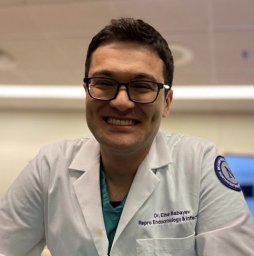 Babayev Elnur合作论文数Department of Obstetrics, Gynecology, and Reproductive Sciences, Yale School of Medicine6
 Wayne M. Yokoyama合作论文数Roy and Diana Vagelos Division of Biology & Biomedical Sciences, School of Medicine, Washington University in St. Louis;Division of Rheumatology, Department of Medicine, School of Medicine, Washington University in St. Louis;Howard Hughes Medical Institute6Maggie M.-Y. Chi合作论文数6Caitlin Elizabeth Martin合作论文数5Komorowski, Allison S.合作论文数5
 Francesca E. Duncan合作论文数Biology Department, University of Pennsylvania5
 Dilan Gokyer合作论文数4Mary Ellen Pavone合作论文数4MO Carayannopoulos合作论文数4
 Patricia T Jimenez合作论文数4
 Lis del Carmen Puga Molina合作论文数Department of Obstetrics and Gynecology, Washington University School of Medicine4Alexander Vinita M合作论文数4
 Frolova Antonina I合作论文数Department of Obstetrics and Gynecology, Washington University School of Medicine4Rose Jennifer A合作论文数4Walter Jessica R合作论文数4
 Kelle Moley合作论文数Ferring Pharmaceuticals4D. Michael Nelson合作论文数4
 Kristine M Wylie合作论文数4Yuqi Bian合作论文数3Sharon Zhao合作论文数3
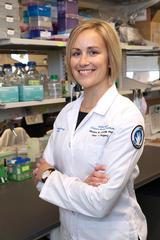 Monica M Laronda合作论文数Endocrinology, Department of Pediatrics, Feinberg School of Medicine, Northwestern University3
 Tarun Jain合作论文数Department of Obstetrics & Gynecology, Feinberg School of Medicine, Northwestern University3
 Baosheng Chen合作论文数Positron Emission Tomography Center, Department of Radiology & Biomedical Imaging, Yale School of Medicine, Yale University3Rabenold Jessica J合作论文数3
 Lia Bernardi合作论文数3Spies Nicholas C合作论文数3
 Celia M Santi合作论文数3
 Mark Longtine合作论文数Washington University in St. Louis3Molly Stout合作论文数3Amber R. Cooper合作论文数3Danielle E. Strom合作论文数2Maxwell Edwin Shramuk合作论文数2Ria Marathe合作论文数2Valerie Ratts合作论文数2Caitlin Martin合作论文数2Robert Smith合作论文数2Abdul Hamoud合作论文数2Omurtag Kr合作论文数2Andrew Tipping合作论文数2




