The urokinase plasminogen activator receptor (uPAR) is a membrane-bound protein found on the surface of immune cells. Through the action of proteases, uPAR is cleaved to produce several circulating proteins in the bloodstream, including the soluble form suPAR and the fragments D1 and D2D3. Initially studied in the context of infectious diseases and cancer, recent research has revealed roles for suPAR and its related proteins as mediators linking innate immunity to the pathogenesis of kidney and cardiovascular diseases, as well as insulin-dependent diabetes. While these proteins have long been recognized as prognostic biomarkers, growing clinical, experimental, and genetic evidence highlights their active involvement in the onset and progression of these diverse conditions. This Review examines suPAR's evolution from its discovery as a modulator of innate immunity to its current status as a key driver in chronic kidney and cardiovascular diseases. Furthermore, we explore the molecular mechanisms through which suPAR and D2D3 contribute to multiorgan damage, emphasizing emerging opportunities for therapeutic interventions across interconnected organ systems.
Focal segmental glomerulosclerosis (FSGS) is the morphologic manifestation of a spectrum of kidney diseases that primarily impact podocytes, cells that create the filtration barrier of the glomerulus. As its name implies, only parts of the kidney and glomeruli are affected, and only a portion of the affected glomerulus may be sclerosed. Although the diagnosis is based primarily on microscopic features, patient stratification relies on clinical data such as proteinuria and etiological criteria. FSGS affects both children and adults and has an elevated risk of progression to end-stage renal disease. The prevalence of FSGS is rising among various populations, and the efficacy of various therapies is limited. Therefore, understanding the pathophysiology of FSGS and developing targeted therapies to address the complex needs of FSGS patients are topics of great interest that are currently being studied across various clinical trials. We discuss the etiology of FSGS, describe the major contributing pathophysiological pathways, and outline emerging therapeutic strategies along with their pitfalls.
Background Immune dysregulation and chronic inflammation have been implicated in the pathogenesis of CKD. Altered bone marrow hematopoiesis is commonly observed in CKD-associated conditions, such as diabetes, cardiovascular disease, and aging. However, the role of bone marrow dysfunction in CKD progression has not been thoroughly interrogated in humans. This study examines how inflammation-induced bone marrow alterations contribute to CKD progression. Methods Bone marrow aspirates were obtained from 10 CKD patients (8 with FSGS, 6 of whom were kidney transplant recipients) and from healthy donors. Samples were analyzed using ELISA, multiplex cytokine assays, multicolor flow cytometry, and scRNA sequencing. To mimic CKD patient bone marrow alterations, in vitro myelopoiesis assays were conducted under TNF alpha exposure. Cellular and molecular changes were assessed via ATAC-seq, RNA-seq, metabolic assays, flow cytometry, and cytokine analysis. We tested the in vivo effect of TNF alpha blockade and co-injection of TNF alpha with IFN gamma in mice. We also measured TNF alpha levels in three different mouse models of proteinuria and in suPAR-deficient mice. The impact of secreted factors from TNF alpha-driven, functionally altered myeloid cells on kidney function was evaluated using high-throughput immunofluorescence assays on cultured podocytes and filtration function assays in zebrafish. Results Bone marrow from CKD patients exhibited elevated TNF alpha and suPAR levels, along with inflammatory transcriptomic profiles in monocytic cells. TNF alpha-driven myelopoiesis in vitro induced altered monocytic cells resembling those in CKD patients. These cells displayed increased metabolic activity, transcriptional and epigenetic reprogramming, and elevated secretion of proinflammatory cytokines and suPAR. In a cooperative manner, these secreted factors caused filtration dysfunction in zebrafish and led to cytoskeletal disarrangement in cultured podocytes. In mice, TNF alpha exposure during myelopoiesis resulted in increased suPAR levels and proteinuria. Conclusions TNF alpha-driven alterations in bone marrow monocytic cells contribute to glomerular dysfunction in CKD, suggesting bone marrow dysfunction as a central upstream driver of CKD.
BACKGROUND:Soluble urokinase plasminogen activator receptor (suPAR) is an innate immune system-derived risk factor for acute and chronic kidney diseases. While suPAR effects on kidney epithelial cells have been reported, its impact on renal vasculature remains unknown. METHODS:We investigated how suPAR affects renal blood flow and glomerular dynamics using a translational approach integrating clinical observations from a propensity-score-matched cardiac surgery cohort, ex vivo porcine kidney perfusion, and intravital multiphoton imaging in mice. FINDINGS:In the matched clinical cohort, we found a significant inverse correlation between suPAR levels and baseline kidney function, with mean eGFR values 14.5 mL/min/1.73 m2 lower in the high suPAR group (≥4 ng/mL) compared to the low suPAR group (<4 ng/mL). Patients with high suPAR levels had significantly higher AKI occurrence (56% vs 33%; relative risk 1.71, 95% CI 1.37-2.12). In experimental models, suPAR caused immediate reduction in renal blood flow and triggered robust calcium responses in renal contractile cells, particularly the extraglomerular mesangium. These effects were absent in brain vasculature and were antagonised by an anti-uPAR antibody. INTERPRETATION:Unlike many immune mediators, suPAR causes predominantly kidney-specific vasoconstriction, establishing a new class of innate-immune vasoconstrictors with direct implications for causing acute kidney injury in high-risk patients. FUNDING:Supported by the National Institutes of Health, University of Southern Denmark, Region of Southern Denmark PhD Fund, OUH-RH Joint Research Fund, Danish Kidney Association's Research Fund, Odense University Hospital Research Fund, Goldsmith A. L. Rasmussen Memorial Fund, Dept. of Anaesthesiology-Intensive Care, OUH Research Fund and the MeCiSu Frontline Centre.
CONTEXT:Obesity is a risk factor for coronavirus disease 2019 (COVID-19)-related outcomes; however, the mechanism remains unclear. OBJECTIVE:The objective of this analysis was to determine whether inflammation mediates the association between obesity and COVID-19 outcomes. METHODS:The International Study of Inflammation in COVID-19 (ISIC): A Prospective Multi-Center Observational Study Examining the Role of Biomarkers of Inflammation in Predicting Covid-19 Related Outcomes in Hospitalized Patients, was conducted at 10 hospitals in the United States and Europe. Participants were adults hospitalized specifically for COVID-19 between February 1, 2020, through October 19, 2022. Inflammatory biomarkers, including soluble urokinase plasminogen activator receptor (suPAR), were measured at admission. Associations were examined between body mass index (BMI, kg/m2) and a composite of death, need for mechanical ventilation, and renal replacement therapy, stratified by pre- and post-Omicron variants. The contribution of inflammation to the relationship between obesity and outcomes was assessed. RESULTS:Among 4644 participants (mean age 59.3, 45.6% male, 21.8% BMI ≥ 35), those with BMI > 40 (n = 485) had 55% higher odds of the composite outcome (95% CI, 1.21-1.98) compared with nonobese individuals (BMI < 30, n = 2358) in multivariable analysis. In multiple mediation analysis, only suPAR remained a significant mediator between BMI and composite outcome. Associations were amplified for participants younger than 65 years and with pre-Omicron variants. CONCLUSION:Obesity is associated with worse outcomes in COVID-19, notably in younger participants and in the pre-Omicron era. Inflammation, as measured by suPAR, is a significant mediator of the association between obesity and COVID-19 outcomes.
Severe coronavirus disease 2019 (COVID-19) is a hyperinflammatory syndrome. The biomarkers of inflammation best suited to triage patients with COVID-19 are unknown. We conducted a prospective multicenter observational study of adult patients hospitalized specifically for COVID-19 from February 1, 2020 to October 19, 2022. Biomarkers measured included soluble urokinase plasminogen activator receptor (suPAR), C-reactive protein, interleukin-6, procalcitonin, ferritin, and D-dimer. In-hospital outcomes examined include death and the need for mechanical ventilation. Patients admitted in the United States (US, n = 1962) were used to compute area under the curves (AUCs) and identify biomarker cutoffs. The combined European cohorts (n = 1137) were used to validate the biomarker cutoffs. In the US cohort, 356 patients met the composite outcome of death (n = 197) or need for mechanical ventilation (n = 290). SuPAR was the most important predictor of the composite outcome and had the highest AUC (0.712) followed by CRP (0.642), ferritin (0.619), IL-6 (0.614), D-dimer (0.606), and lastly procalcitonin (0.596). Inclusion of other biomarkers did not improve discrimination. A suPAR cutoff of 4.0 ng/mL demonstrated a sensitivity of 95.4% (95% CI: 92.4%-98.0%) and negative predictive value (NPV) of 92.5% (95% CI: 87.5%-96.9%) for the composite outcome. Patients with suPAR < 4.0 ng/mL comprised 10.6% of the cohort and had a 0.8% probability of the composite outcome. Applying this cutoff to the validation cohort yielded a sensitivity of 93.8% (90.4%-96.7%) and NPV of 95.5% (93.1%-97.8%) for the composite outcome. Among commonly measured biomarkers, suPAR offered stronger discriminatory ability and may be useful in triaging low-risk patients with COVID-19.
Objectives: To evaluate the impact of intubation timing, guided by severity criteria, on mortality in critically ill COVID-19 patients, amidst existing uncertainties regarding optimal intubation practices. Design: Prospective, multicenter, observational study conducted from February 1, 2020, to November 1, 2022. Setting: Ten academic institutions in the United States and Europe. Patients: Adults (≥ 18 yr old) confirmed with severe acute respiratory syndrome coronavirus 2 (SARS-CoV-2) infection and hospitalized specifically for COVID-19, requiring intubation postadmission. Exclusion criteria included patients hospitalized for non-COVID-19 reasons despite a positive SARS-CoV-2 test. Interventions: Early invasive mechanical ventilation (EIMV) was defined as intubation in patients with less severe organ dysfunction (Sequential Organ Failure Assessment [SOFA] < 7 or Pa o 2 /F io 2 ratio > 250), whereas late invasive mechanical ventilation (LIMV) was defined as intubation in patients with SOFA greater than or equal to 7 and Pa o 2 /F io 2 ratio less than or equal to 250. Measurements and Main Results: The primary outcome was mortality within 30 days of hospital admission. Among 4464 patients, 854 (19.1%) required mechanical ventilation (mean age 60 yr, 61.7% male, 19.3% Black). Of those, 621 (72.7%) were categorized in the EIMV group and 233 (27.3%) in the LIMV group. Death within 30 days after admission occurred in 278 patients (42.2%) in the EIMV and 88 patients (46.6%) in the LIMV group ( p = 0.28). An inverse probability-of-treatment weighting analysis revealed a statistically significant association with mortality, with patients in the EIMV group being 32% less likely to die either within 30 days of admission (adjusted hazard ratio [HR] 0.68; 95% CI, 0.52–0.90; p = 0.008) or within 30 days after intubation irrespective of its timing from admission (adjusted HR 0.70; 95% CI, 0.51–0.90; p = 0.006). Conclusions: In severe COVID-19 cases, an early intubation strategy, guided by specific severity criteria, is associated with a reduced risk of death. These findings underscore the importance of timely intervention based on objective severity assessments.
 Changwei Li合作论文数Department of Epidemiology, Peter O’Donnell Jr. School of Public Health, The University of Texas Southwestern Medical Center75
 Mehmet M Altintas合作论文数University of Miami Miller School of Medicine, Miami Institute of Renal Medicine50
 Salim Hayek合作论文数Department of Internal Medicine, University of Texas Medical Branch48
 Sıddık Sever合作论文数Massachusetts General Hospital and Department of Medicine, Harvard Medical School40
 Martin Zeier合作论文数University Hospital Heidelberg, Heidelberg, Germany33
 Vineet Kumar Gupta合作论文数30
 Eunsil Hahm合作论文数Department of Anatomy and Tumor Immunity Medical Research Center, Seoul National University College of Medicine28
 Jing Li (李京)合作论文数26
 Peter Mundel合作论文数Mundel Laboratory, Massachusetts General Hospital;NephCure Kidney International, Inc.;Harvard Medical School22
 Christian Faul合作论文数Department of Medicine, Heersink School of Medicine, The University of Alabama at Birmingham;Department of Cell, Developmental and Integrative Biology, Heersink School of Medicine, The University of Alabama at Birmingham22Christian Nusshag合作论文数20
 Alessia Fornoni合作论文数18
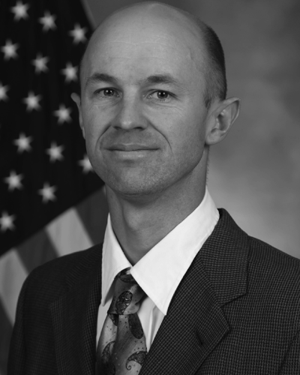 Christian Morath合作论文数Department of Nephrology Im Neuenheimer Feld, University of Heidelberg18Steve Mangos合作论文数Department of Zoology, University of Western Ontario16Clemens C Möller合作论文数15
 Jesper Eugen-Olsen合作论文数ViroGates15
 Wilhelm Kriz合作论文数Medical Faculty Mann-Heim, University of Heidelberg;Department of Anatomy, University of Heidelberg15
 Claudius Speer合作论文数14Yanxia Cao合作论文数14Ryan Spear合作论文数13Florian Kälble合作论文数13Rastaldi Maria Pia合作论文数13
 Arshed Quyyumi合作论文数Division of Cardiology, Department of Medicine, School of Medicine, Emory University;Emory Clinical Cardiovascular Research Institute, Emory University13Vedat Schwenger合作论文数13Timothy M. Kuzel合作论文数13Peev Vasil合作论文数12
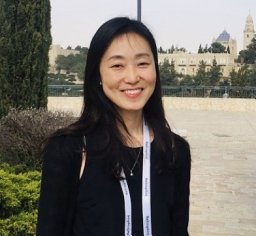 Kwi Hye Koh合作论文数College of Pharmacy, University of Illinois at Chicago12
 Nicholas J Tardi合作论文数School of Biological Sciences, Illinois State University12
 Andreas Kistler合作论文数Zurich Kidney Center, Universität Zürich12Beata Samelko合作论文数11
 Yashwanth R Sudhini合作论文数11
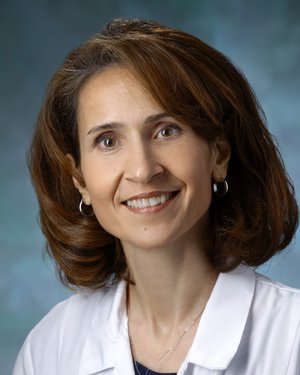 Nada Alachkar合作论文数Division of Nephrology, Department of Medicine, Johns Hopkins University11Lee Ha Won合作论文数11Luo Shengyuan合作论文数10
 Matthias Kretzler合作论文数Department of Computational Medicine & Bioinformatics, Medical School, University of Michgan10
 George Burke合作论文数Division of Transplantation, and the Departments of Medicine and Pathology, University of Miami School of Medicine10
 Melissa Tracy合作论文数University of Michigan School of Public Health10
 Yi-An Ko合作论文数9Alexi Vasbinder合作论文数9
 Flavio Vincenti合作论文数Department of Surgery, School of Medicine, University of California, San Francisco9Ellen Krautkramer合作论文数9David Cimbaluk合作论文数9Claudia Sommerer合作论文数9
 gu Changkyu合作论文数9
 Howard Trachtman合作论文数8
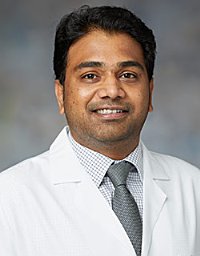 Ranadheer R. Dande合作论文数Dept Internal Med, Greater Baltimore Med Ctr8K Schwarz合作论文数8Ke Zhu合作论文数Nankai Univ, Coll Life Sci, Tianjin 300071, Peoples R China8




