Background and aims: Prone positioning is commonly applied to improve gas exchange in mechanically ventilated patients with coronavirus disease 2019 (COVID-19)erelated acute respiratory distress syndrome (ARDS). Whilst prone positioning is effective, specific complications may arise. We aimed to assess the prevalence of specific complications related to prone positioning in patients mechanically ventilated for COVID-19-related ARDS. Design: Multicentre, retrospective observational study. Methods: Multi-centre observational study of mechanically ventilated patients with COVID-19-related ARDS admitted to intensive care units in Melbourne, Australia, from August to November 2021. Data on baseline characteristics, prone positioning, complications, and patient outcomes were collected. Results: We assessed 553 prone episodes in 220 patients across seven sites (mean +/- standard deviation age: 54 +/- 13 years, 61% male). Overall, 58% (127/220) of patients experienced at least one prone-positioning-related complication. Pressure injury was the most prevalent (n 1/4 92/220, 42%) complication reported. Factors associated with increased risk of pressure injury were male sex (adjusted odds ratio = 1.15, 95% confidence interval: [1.02-1.31]) and the total number of prone episodes (adjusted odds ratio = 1.11, 95% confidence interval: [1.07-1.15]). Device dislodgement was the next most common complication, occurring in 28 of 220 (13%) patients. There were no nerve or retinal injuries reported. Conclusions: Pressure injuries and line dislodgement were the most prevalent complications associated with prone positioning of patients mechanically ventilated for COVID-19. The risk of pressure injuries was associated with male sex and the number of prone positioning episodes. (c) 2024 Australian College of Critical Care Nurses Ltd. Published by Elsevier Ltd. All rights are reserved, including those for text and data mining, AI training, and similar technologies.
Purpose: Neuromuscular blockers (NMBs) are often used during prone positioning to facilitate mechanical ventilation in COVID-19 related ARDS. However, their impact on oxygenation is uncertain.Methods: Multi-centre observational study of invasively ventilated COVID-19 ARDS adults treated with prone positioning. We collected data on baseline characteristics, prone positioning, NMB use and patient outcome. We assessed arterial blood gas data during supine and prone positioning and after return to the supine position.Results: We studied 548 prone episodes in 220 patients (mean age 54 years, 61% male) of whom 164 (75%) received NMBs. Mean PaO2:FiO(2) (P/F ratio) during the first prone episode with NMBs reached 208 +/- 63 mmHg compared with 161 +/- 66 mmHg without NMBs (Delta(mean) = 47 +/- 5 mmHg) for an absolute increase from baseline of 76 +/- 56 mmHg versus 55 +/- 56 mmHg (p(adj) < 0.001). The mean P/F ratio on return to the supine position was 190 +/- 63 mmHg in the NMB group versus 141 +/- 64 mmHg in the non-NMB group for an absolute increase from baseline of 59 +/- 58 mmHg versus 34 +/- 56 mmHg (p(adj) < 0.001).Conclusion: During prone positioning, NMB is associated with increased oxygenation compared to non-NMB therapy, with a sustained effect on return to the supine position. These findings may help guide the use of NMB during prone positioning in COVID-19 ARDS.
BACKGROUND:Prone positioning may improve oxygenation in acute hypoxemic respiratory failure and was widely adopted in COVID-19 patients. However, the magnitude and timing of its peak oxygenation effect remain uncertain with the optimum dosage unknown. Therefore, we aimed to investigate the magnitude of the peak effect of prone positioning on the PaO2 :FiO2 ratio during prone and secondly, the time to peak oxygenation. METHODS:Multi-centre, observational study of invasively ventilated adults with acute hypoxemic respiratory failure secondary to COVID-19 treated with prone positioning. Baseline characteristics, prone positioning and patient outcome data were collected. All arterial blood gas (ABG) data during supine, prone and after return to supine position were analysed. The magnitude of peak PaO2 :FiO2 ratio effect and time to peak PaO2 :FIO2 ratio effect was measured. RESULTS:We studied 220 patients (mean age 54 years) and 548 prone episodes. Prone positioning was applied for a mean (±SD) 3 (±2) times and 16 (±3) hours per episode. Pre-proning PaO2 :FIO2 ratio was 137 (±49) for all prone episodes. During the first episode. the mean PaO2 :FIO2 ratio increased from 125 to a peak of 196 (p < .001). Peak effect was achieved during the first episode, after 9 (±5) hours in prone position and maintained until return to supine position. CONCLUSIONS:In ventilated adults with COVID-19 acute hypoxemic respiratory failure, peak PaO2 :FIO2 ratio effect occurred during the first prone positioning episode and after 9 h. Subsequent episodes also improved oxygenation but with diminished effect on PaO2 :FIO2 ratio. This information can help guide the number and duration of prone positioning episodes.
 Tim Haydon合作论文数3Scott Bradley合作论文数3Akinori Maeda合作论文数3Nina Leggett合作论文数Western Health3Luke Andrew McDonald合作论文数3Rahul Costa-Pinto合作论文数3
 Thomas C Rollinson合作论文数Department of Physiotherapy, Austin Health;Department of Physiotherapy, The University of Melbourne;Institute for Breathing and Sleep, Victoria, Australia. Electronic address: thomas.rollinson@austin.org.au.;Institute for Breathing and Sleep, The University of Melbourne3Angaj Ghosh合作论文数3
 McGain Forbes合作论文数Western Health, Department of Anaesthesia3
 James Anstey合作论文数3
 Kimberley Haines合作论文数3 School of Physiotherapy, University of Melbourne3Modra Lucy J合作论文数Austin Health3Samantha Bates合作论文数3
 Carol Hodgson合作论文数School of Public Health and Preventive Medicine, Monash University3
 Glenn Eastwood合作论文数School of Public Health and Preventive Medicine, Monash University3Jennifer Holmes合作论文数3
 Craig John French合作论文数Department of Intensive Care, The Western Hospital3Hannah Rotherham合作论文数2Simone Said合作论文数2Cara Moore合作论文数2Peinan Zhao合作论文数2Anis Chaba合作论文数2Meredith Young合作论文数2J J Presneill合作论文数2
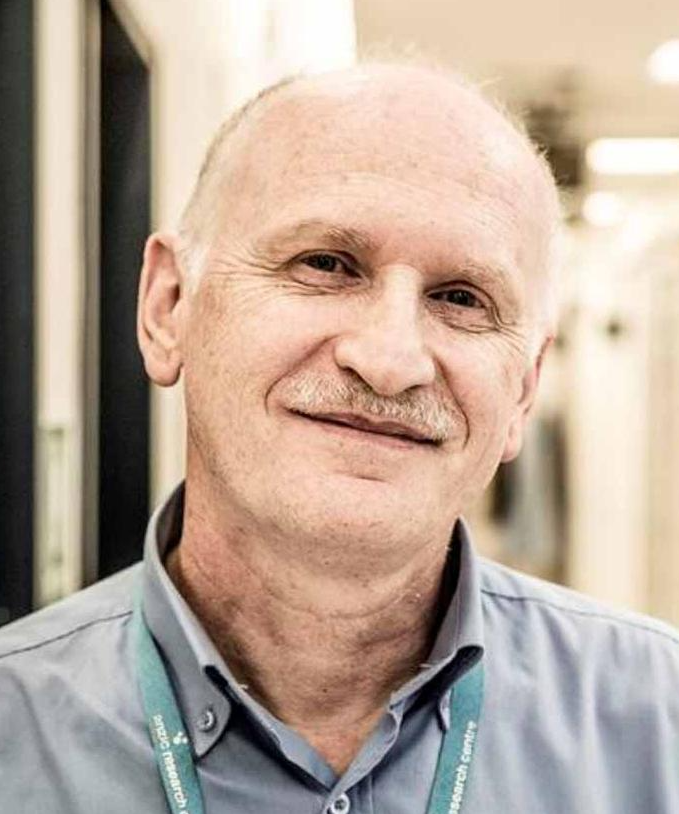 Rinaldo Bellomo合作论文数Australian and New Zealand Intensive Care Research Centre, School of Public Health and Preventative Medicine, Monash University2
 Ary Serpa Neto合作论文数School of Public Health and Preventive Medicine, Monash University2
 Andrew A. Udy合作论文数Department of Intensive Care Medicine, Royal Brisbane and Women's Hospital2




