Metastatic castration-resistant prostate cancer (mCRPC) is a uniformly fatal disease which has displayed resistance to many single-agent therapies, underscoring the need for novel combination therapies. Histone acetyltransferases CBP/p300, which act as androgen receptor (AR) coactivators, are often upregulated in mCRPC. Elevated CBP/p300 levels correlate with reduced overall and progression-free survival in prostate cancer patients. Our recent work has demonstrated that CBP/p300 have important roles in regulating DNA repair, particularly homologous recombination, and that inhibition of CBP/p300 may sensitize mCRPC to existing therapeutics. A Phase 1/2a study investigating a CBP/p300 inhibitor, CCS1477, alone and in combination regimens is currently underway. However, research into CCS1477 combination treatments is highly limited, necessitating further investigation into combination therapies and markers of sensitivity to improve outcomes for mCRPC patients. We hypothesized that combination treatment using CBP/p300 inhibitors (CBP/p300i) with PARP inhibitors (PARPi) would enhance anticancer effects by synergistically impairing DNA damage repair in cancer cells. Using preclinical 2D and 3D models, including patient-derived explants, we evaluated the mechanistic and functional impacts of targeting CBP/p300 and PARP pathways in combination. We found that this combination therapy was significantly more effective than either monotherapy at reducing cell growth both in vitro and ex vivo. Importantly, a comprehensive screen with clinically relevant PARPi revealed that combination of CBP/300 and PARP inhibition demonstrate synergy across several PCa cell lines. In mechanistic studies, increased expression of DNA damage markers in mCRPC cells treated with CCS1477 alongside a PARPi (olaparib) indicated delayed DNA damage repair. Cell cycle analysis revealed G1 arrest induced by combination treatment and an increase in cell size consistent with this finding. To assess the utility of CBP/p300 and PARP combination therapy in patients, we treated PCa tissues from a racially diverse cohort with CBP/p300i and PARPi. Ki67 staining revealed decreased proliferation in combination therapy-treated tissue, supporting the findings from 2D models. Spatial transcriptomics will identify molecular signatures distinguishing responders from non-responders, advancing precision medicine in diverse populations. Our findings indicate that CBP/p300 inhibition in combination with PARPi may have stronger anti-tumor effects than single-agent therapies, offering a promising novel therapeutic option to improve outcomes for mCRPC patients. Orly I. Richter, Sumaira Sardar, Xiaohu Zhang, Jessica D. Kindrick, Lakshmi Ravindranath, Cindy H. Chau, Craig J. Thomas, Christopher McNair, Xiaofeng A. Su, Adam Sharp, Johann de Bono, Kris Frese, William D. Figg, Karen Knudsen, Ayesha A. Shafi. Combining CBP/p300 and PARP inhibitors to enhance anti-tumor efficacy in lethal prostate cancer [abstract]. In: Proceedings of the AACR Special Conference in Cancer Research: Innovations in Prostate Cancer Research and Treatment; 2026 Jan 20-22; Philadelphia PA. Philadelphia (PA): AACR; Cancer Res 2026;86(2_Suppl):Abstract nr PR019.
Abstract Metastatic castration-resistant prostate cancer (mCRPC) is a uniformly fatal disease which has displayed resistance to many single-agent therapies, underscoring the need for novel combination therapies. Histone acetyltransferases CBP/p300, which act as androgen receptor (AR) coactivators, are often upregulated in mCRPC. Elevated CBP/p300 levels are associated with reduced progression-free and overall survival in prostate cancer patients. Our recent work has demonstrated that CBP/p300 play important roles in regulating DNA repair, particularly homologous recombination, and that inhibition of CBP/p300 may sensitize mCRPC to existing therapeutics. A Phase 1/2a study investigating a CBP/p300 inhibitor, CCS1477, alone and in combination regimens is currently underway. However, research into CCS1477 combination treatments is highly limited, necessitating further investigation into combination therapies and markers of sensitivity to improve outcomes for mCRPC patients. We hypothesized that combination treatment using CBP/p300 inhibitors (CBP/p300i) with PARP inhibitors (PARPi) would enhance anticancer effects by synergistically impairing DNA damage repair in cancer cells. Using preclinical 2D and 3D models, including patient-derived explants, we evaluated the functional impacts of targeting CBP/p300 and PARP pathways in combination. We found that this combination therapy was significantly more effective than either monotherapy at reducing cell growth both in vitro and ex vivo. Importantly, a comprehensive screen with clinically relevant PARPi revealed that combination of CBP/300 and PARP inhibition demonstrate synergy across several PCa cell lines. To assess the utility of CBP/p300 and PARP combination therapy in patients, we treated PCa patient-derived explants (PDEs) from a racially diverse cohort with CBP/p300i and PARPi. Ki67 staining revealed decreased proliferation in combination therapy-treated tissue, supporting the findings from 2D models. To investigate genomic alterations that may underlie differential treatment responses, we performed whole-exome sequencing (WES) on tissues from our PDE cohort. This analysis identified distinct germline and somatic variants that segregated with treatment responders versus non-responders. Spatial transcriptomics will identify molecular signatures distinguishing responders from non-responders, advancing precision medicine in diverse populations. Our findings indicate that CBP/p300 inhibition in combination with PARPi may have stronger anti-tumor effects than single-agent therapies. Analysis of patient-derived models provides insight into the patient subsets most likely to benefit from this combination therapy, supporting its potential as a novel therapeutic approach to improve outcomes for mCRPC patients. Citation Format: Orly I. Richter, Sumaira Sardar, Xiaohu Zhang, Jessica D. Kindrick, Lakshmi Ravindranath, Cindy H. Chau, Craig J. Thomas, Christopher McNair, Xiaofeng A. Su, Adam Sharp, Johann de Bono, Kris Frese, William D. Figg, Karen E. Knudsen, Ayesha A. Shafi. CBP/p300 and PARP inhibitor combination treatment synergistically enhances anti-tumor efficacy in models of advanced prostate cancer [abstract]. In: Proceedings of the American Association for Cancer Research Annual Meeting 2026; Part 1 (Regular Abstracts); 2026 Apr 17-22; San Diego, CA. Philadelphia (PA): AACR; Cancer Res 2026;86(7 Suppl):Abstract nr 4047.
Metastatic castration-resistant prostate cancer (mCRPC) remains the primary cause of prostate cancer-related mortality. Despite the availability of treatments, the molecular mechanisms underlying tumor invasion and metastasis are not fully understood, highlighting the need for novel therapeutic strategies. In this study, we developed fully human monoclonal antibodies (mAbs) that prevent the proteolytic cleavage of the transforming growth factor-beta (TGFβ) type I receptor (TβRI) by steric hindrance. This cleavage, mediated by the metalloprotease ADAM17 (a disintegrin and metalloprotease domain 17; also known as TACE), results in the generation of a soluble intracellular domain (TβRI-ICD) that is translocated to the nucleus of castration-resistant prostate cancer (CRPC) cells and promotes epithelial-to-mesenchymal transition (EMT), invasion, and metastasis. High levels of TGFBR1 correlated with poor survival in two independent clinical cohorts of patients with mCRPC, and a strong positive correlation between TGFBR1 and ADAM17 expression was observed. In a preclinical human orthotopic mCRPC mouse model, treatment with therapeutic mAbs effectively prevented the nuclear accumulation of TβRI-ICD, inhibited EMT, and suppressed tumor growth, invasion, and metastasis. Notably, the therapeutic effect was comparable to that of docetaxel, a current standard-of-care chemotherapy, without noticeable side effects on body weight, proximal aorta or heart function detected in immune-deficient mice. These findings suggest that targeting TβRI cleavage using specific mAbs is a novel precision medicine approach for the treatment of mCRPC. By selectively blocking the prometastatic activity of TβRI-ICD without disrupting physiological TGFβ signaling, this strategy may provide a safer and more effective alternative to existing therapies for advanced prostate cancer.
Prostate-specific membrane antigen (PSMA) has been identified as a therapeutic target for metastatic castration-resistant prostate cancer (mCRPC). The recent success of radioligands targeting PSMA spurred development of new PSMA-targeting agents including immunotherapy. JNJ-80038114 is a bispecific antibody that binds PSMA on tumor cells and CD3 on T cells to induce anti-tumor activity. This was a phase 1, open-label, multicenter study of JNJ-80038114 in participants with mCRPC and ≥ 1 prior systemic therapy. JNJ-80038114 was administered subcutaneously every 3 weeks (Q3W), starting at 0.1 mg. The primary endpoint was safety. Secondary endpoints included pharmacokinetics (PK), immunogenicity, and prostate-specific antigen (PSA). At final analysis, 39 participants received 0.1–180 mg JNJ-80038114 across 11 dose-escalation cohorts for a median of 9.3 weeks (range, 0.1–31.1). The most common treatment-related adverse events (TRAEs; ≥20
List of the 44 3D structures of HSC70 (HSPA8) in complex with the BAG domain of BAG-1 used in comparative structural analyses.
Abstract Background: The failure of neuro-oncology clinical trials to deliver new and effective therapies for brain tumours has been attributed to the following challenges:Heterogeneity and poor natural history Brain tumours are a heterogenous group, with WHO 2021 classification including over 120 different types and subtypes based on specific molecular alterations. Intratumoural heterogeneity and evolution under treatment pressure complicate the molecular environment landscape.Limited pipeline of novel therapeutics entering early phase trials Most early phase cancer trials exclude patients with brain tumours out of safety concerns. Despite recent efforts to broaden eligibility criteria to safely enrol patients with metastatic intracranial disease, fewer than 1% of global early phase trials enrol patients with brain tumours.Suboptimal trial design Poor-quality historical data informing statistical models and trial designs contributes to delayed accrual, under-enrolment and over-optimistic predictions of therapy’s effect. Highly selected patient populations not representative of real-world (RW) data, risk overlooking therapies that may be effective for some cohorts of patients.Traditional fixed-arm trials are inefficient for testing multiple targeted therapies, underscoring the need for innovative designs incorporating real-time data and genomic profiling. Methods: The 5G platform trial is a multi-center, multi-arm adaptive,early phase hypotheses testing study sponsored by The Institute of Cancer Research (London). All participants undergo whole genome and transcriptome sequencing at baseline via the Minderoo Precision Brain Tumour programme (MPBTP-University of Cambridge). This analysis identifies molecular subtypes to define the appropriate biomarker for stratification into trial subprotocols. Adaptive design integrating real time data integration at pre-specified interim analyses, enables refinement of the selection biomarker, seamless addition of combination arms, allowing an agile transition from recurrent to frontline minimal residual disease setting post radical chemo-radiotherapy. Promising arms will advance to randomised later phase testing using synthetic controls derived from contemporaneous genomically matched datasets provided by the MPBTP. Results: Trial recruitment was initiated in October 2024 with 3 sub-protocols open (5G-RUBY, 5G-EMERALD and 5G-PEARL). Early enrolment data indicate high feasibility of genomic-guided allocation, with >95% of sequenced tumours yielding potentially actionable mutations. Conclusions: The 5G platform trial represents the world's first fully adaptive, genomics-driven platform for brain tumours, with the potential to revolutionize brain tumour treatment by embedding precision medicine and RW adaptability into trial execution. By evaluating multiple therapies in parallel, it addresses longstanding barriers to innovation and paves the way for paradigm-shifting treatments. Results will inform global standards for adaptive oncology trials for brain tumour patients. Citation Format: Juanita Lopez, Diogo Silva, Marieke Thompson, Liam Welsh, Antonia Creak, Cristina Boixareu, Ching Leung, Paul Hart, Philip Benjami, Nina Tunariu, Mihaela Rata, Ana Prim Padilha, Anna Zachariou, Toby Prout, Mona Parmar, Bindu Rao Baikady, Xiaoran Lai, Holly Tovey, Christina Yap, Adam Sharp, Alec Paschalis, Anna Minchom, Udai Banerji, Johann De Bono, Igor Vivanco, Bristi Basu, Richard Mair. The 5G (Next Generation AGile Genomically Guided Glioma) Platform Trial – A First-in-world Adaptive Clinical Trial for Precision Treatment of Brain Tumours [abstract]. In: Proceedings of the AACR Special Conference in Cancer Research: Brain Cancer; 2026 Mar 23-25; Philadelphia, PA. Philadelphia (PA): AACR; Cancer Res 2026;86(6_Suppl):Abstract nr A045.
Inhibition of androgen receptor (AR) signaling remains the cornerstone of systemic therapy for advanced prostate cancer (PC). However, a subset of aggressive tumors either arises de novo with neuroendocrine features or emerges under treatment pressure through lineage plasticity and AR independence. These lethal states are encompassed within the spectrum of aggressive-variant prostate cancer (AVPC), an umbrella term that includes both histologically confirmed neuroendocrine prostate cancer (NEPC)—comprising de novo NEPC and treatment-emergent NEPC (t-NEPC)—and clinically or molecularly defined AVPC lacking histologic confirmation but sharing neuroendocrine-like, AR-indifferent, or small-cell features. These phenotypes are characterized by rapid progression, visceral dissemination, low or discordant prostate-specific antigen (PSA) levels relative to tumor burden, and poor prognosis. Treatment options for NEPC/AVPC remain limited and largely rely on platinum-based chemotherapy, which usually provides only modest and transient benefit. This unmet need has intensified interest in lineage-associated vulnerabilities. Delta-like ligand 3 (DLL3), an inhibitory Notch ligand with restricted expression in normal adult tissues, is aberrantly upregulated in several neuroendocrine malignancies and has emerged as a clinically actionable target. In prostate cancer, DLL3 expression is enriched in neuroendocrine tumor cells, being detected in approximately 76.6
Thio-2 reduces genome-wide androgen receptor binding in LNCaP prostate cancer cells.
Development of castration resistant prostate cancer patient derived xenograft organoids.
Mouse organ hematoxylin and eosin, and BAG-1 immunohistochemistry, in BAG-1 knockout mice.
Abstract Purpose: Activation of the phosphoinositide 3-kinase/AKT (PI3K/AKT) signaling pathway promotes tumor immune evasion by suppressing effector T-cell infiltration and enhancing regulatory T-cell (Treg) activity, contributing to resistance to immune checkpoint inhibitors (ICI). Preclinical studies have demonstrated that inhibition of this pathway can restore antitumor immunity and synergize with PD-1/PD-L1 blockade. We explore the synergistic clinical potential of targeting the PI3K/AKT pathway in combination with atezolizumab to overcome immunotherapy resistance in recurrent glioblastoma (GBM) and advanced solid tumors. Patients and Methods: Phase Ib, investigator-initiated, open-label study (NCT03673787) composed of a proof-of-concept dose escalation part A of ipatasertib plus atezolizumab in a 3 + 3 design. Adult patients with treatment-refractory advanced cancers were enrolled into cohort A1 and recurrent GBM into cohort A2. Part B enrolled patients into six exploratory cohorts. The study aims to evaluate the safety, immune-modulatory effects, and preliminary efficacy of the combination of ipatasertib with atezolizumab. Results: The combination was well tolerated, with no dose-limiting toxicities at the recommended phase II dose of ipatasertib 400 mg daily plus atezolizumab 1,200 mg every 3 weeks. Pharmacodynamic analysis demonstrated depletion of FOXP3+ Tregs and increased infiltration of CD8+ effector T cells within the tumor microenvironment (TME). Durable exceptional responses were seen in some patients with treatment-refractory or recurrent GBM. Conclusions: This is the first report in clinical samples showing that ipatasertib efficiently depletes FOXP3+ Tregs and results in increased infiltration of effector CD8+ T cells in the TME. This was associated with preliminary efficacy in a subset of patients with treatment-refractory GBM.
Despite recent therapeutic advances, advanced prostate cancer (PCa) remains lethal as tumors develop resistance to current treatments. Novel and more effective therapeutic strategies to induce cell death in these tumors are urgently needed. Our group recently reported that NXP800, a drug in clinical development, drives unfolded protein response (UPR) and targets AR and E2F, decreasing the growth of castration-resistant PCa (CRPC) models in vitro and in vivo. BH3 mimetics are small molecules that inhibit antiapoptotic BCL-2 family proteins, thereby promoting apoptosis, and have shown particular promise in hematological malignancies. However, their efficacy in CRPC has been limited, likely due to functional redundancies among antiapoptotic proteins such as MCL1, BCLXL, and BCL2. We investigated the potential of combining NXP800 with BH3 mimetics targeting MCL1 (S63845) or BCLXL (A-1331852) to drive cell death by inducing the intrinsic apoptosis pathway in CRPC models. Cell viability and caspase 3/7 activity were assessed by luminescence assays, while additional apoptosis markers were evaluated by western blot following treatment with NXP800, S63845, and A-1331852, as single agents or in combination. To identify key mediators of the synergistic effects, an siRNA screen targeting BH3-only proteins was performed in CRPC cells before treatment with the single agents or their combination. To assess the molecular consequences of NXP800 treatment in vivo, RNA-seq was performed on tumors from CRPC-bearing mice treated with NXP800 (35 mg/kg daily for 5 days), with particular focus on genes involved in the intrinsic apoptosis pathway. NXP800 synergized with MCL1 and BCLXL inhibitors in CRPC cells, inducing apoptosis as evidenced by caspase 3/7 activation and PARP cleavage. Co-silencing of the mitochondrial pore–forming proteins BAX and BAK, as well as treatment with the pan-caspase inhibitor Q-VD-OPh, prevented cell death induced by NXP800 in combination with BH3 mimetics, indicating that the effect is caspase-dependent and involves activation of the intrinsic apoptosis pathway. Blocking NXP800-induced eIF2α phosphorylation using ISRIB abolished the synergistic effect observed with BH3 mimetics. Thapsigargin, which induces the unfolded protein response via SERCA inhibition, recapitulated the synergy and triggered apoptosis in combination with BH3 mimetics. RNA-seq analysis of LNCaP95 xenograft tumors treated with NXP800 revealed induction of specific BH3-only proteins whose silencing (in vitro) prevented caspase 3/7 activation and abolished the synergistic cell death observed with NXP800 in combination with MCL1 or BCLXL inhibition. NXP800 sensitizes CRPC cells to BH3 mimetics by inducing UPR and dysregulating BH3-only proteins. These findings highlight the potential of combining UPR-inducing agents with BH3 mimetics as a therapeutic strategy in CRPC. Juan M. Jiménez-Vacas, Jonathan Welti, Denisa Bogdan, Ines Figueiredo, Bora Gurel, Wanting Zeng, Tomas Goldsmith, Souvik Das, Joe Taylor, Nicholas Waldron, Claudia Bertan, Suzanne Carreira, Wei Yuan, Paul Workman, Steven P. Balk, Johann de Bono, Adam Sharp. Induction of the unfolded protein response unveils a vulnerability of advanced prostate cancer cells to BH3 mimetics [abstract]. In: Proceedings of the AACR Special Conference in Cancer Research: Innovations in Prostate Cancer Research and Treatment; 2026 Jan 20-22; Philadelphia PA. Philadelphia (PA): AACR; Cancer Res 2026;86(2_Suppl):Abstract nr B032.
 Karim Fizazi合作论文数Institut Gustave Roussy;Department of Oncology, University of Paris-Saclay193
 Adam Sharp合作论文数School of Medicine, University of Southampton188Suzanne Carreira合作论文数Departamento De Anestesiologia, Centro Hospitalar De Lisboa Ocidental183
 Ines Figueiredo合作论文数181
 Gert Attard合作论文数Department of Oncology, Cancer Institute, University College London178Ruth Riisnaes合作论文数175
 Mateus Crespo合作论文数161
 Wei Yuan合作论文数The Institute of Cancer Research160
 Udai Banerji合作论文数Drug Development Unit, The Institute of Cancer Research;Drug Development Unit, The Royal Marsden NHS Foundation Trust;Clinical Pharmacodynamics Biomarker Group, The Institute of Cancer Research;Clinical Pharmacology Adaptive Therapy Group, The Institute of Cancer Research153
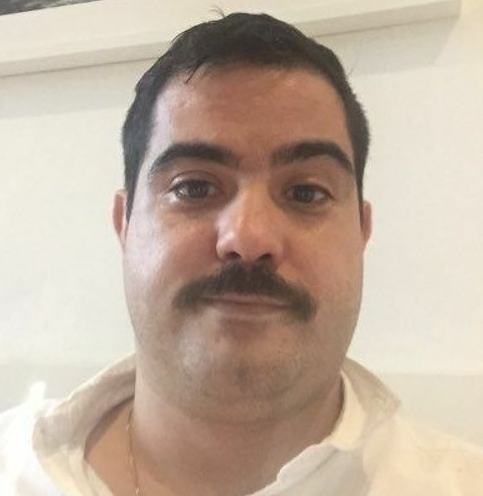 Daniel Nava Rodrigues合作论文数Department of Cellular Pathology, Royal Free London NHS Foundation Trust152
 Nina Tunariu合作论文数Engineering and Physical Sciences Research Council Cancer Imaging Centre, The Institute of Cancer Research151Joaquin Mateo合作论文数Prostate Cancer Targeted Therapy Group and Drug Development Unit, The Institute of Cancer Research144
 Susana Miranda合作论文数132
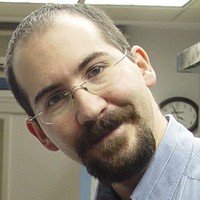 Bora Gurel合作论文数Department of Pathology, Hacettepe University School of Medicine129
 Timothy A. Yap合作论文数Department of Investigational Cancer Therapeutics (Phase I Program), Division of Cancer Medicine, The University of Texas MD Anderson Cancer Center114
 Jesus David Gutierrez Olmos合作论文数Instituto de Investigación Hospital 12 de Octubre110
 Pasquale Rescigno合作论文数Faculty of Medical Sciences, Newcastle University;Candiolo Cancer Institute;The Institute of Cancer Research109Ana Ferreira合作论文数100Bianchini Diletta合作论文数99
 Fred Saad合作论文数Urology Department, University Hospital of Montreal;Department of Surgery, Université de Montréal95
 Cora N. Sternberg合作论文数Englander Institute for Precision Medicine, Weill Cornell Medicine;Weill Cornell Medical College, Cornell University;NewYork-Presbyterian Hospital92
 Neal Shore合作论文数Carolina Urologic Research Center, Atlantic Urology Clinics87Howard I. Scher合作论文数84
 Stan Kaye合作论文数The Early Diagnosis and Detection Centre, The Royal Marsden NHS Foundation Trust;Division of Clinical Studies, The Institute of Cancer Research84
 Antje Neeb合作论文数84
 George Seed合作论文数The Institute of Cancer Research83Claudia Bertan合作论文数83
 Alton O. Sartor合作论文数Division of Medical Oncology, Department of Oncology, Mayo Clinic;Mayo Clinic Comprehensive Cancer Center;Division of Hematology-Oncology, Tulane University Health Sciences Center80
 Shahneen Sandhu合作论文数Melanoma Unit, Peter MacCallum Cancer Centre;Uro-Oncology Unit, Peter MacCallum Cancer Centre77
 Aurelius Omlin合作论文数Onkozentrum Zürich75Kim Chi合作论文数68
 Niven Mehra合作论文数67
 Chris Parker合作论文数The Royal Marsden NHS Foundation Trust;The Institute of Cancer Research;Royal Marsden Hospital67Semini Sumanasuriya合作论文数65
 David Lorente合作论文数Department of Medical Oncology, Instituto Valenciano de Oncologia65
 A Molina合作论文数City Hope Canc Ctr64
 Dana E. Rathkopf合作论文数Sidney Kimmel Center for Prostate and Urologic Cancers, Memorial Sloan Kettering Cancer Center64
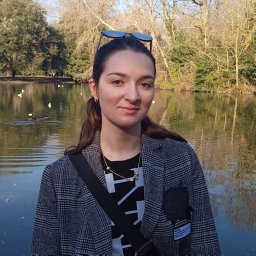 Denisa Bogdan合作论文数Division of Clinical Studies, The Institute of Cancer Research62
 Charles (Chuck) Ryan合作论文数ZERO Prostate Cancer60
 Juanita Suzanne Lopez合作论文数Institute of Cancer Research, Royal Marsden Hospital60Guo Christina W合作论文数59Jan Rekowski合作论文数58
 Eric Small合作论文数Department of Urology, University of California, San Francisco;Division of Hematology and Oncology, Department of Medicine, University of California, San Francisco58
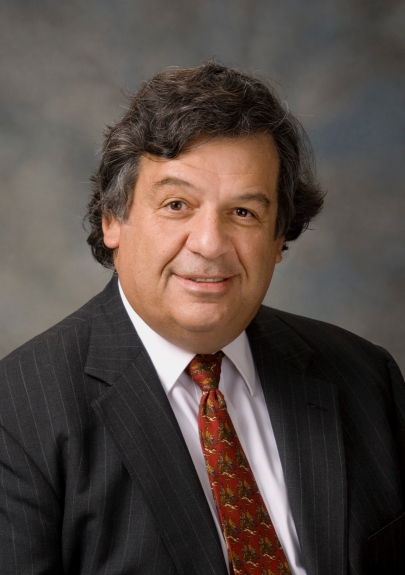 Christopher J. Logothetis合作论文数Department of Genitourinary Medical Oncology, Division of Cancer Medicine, The University of Texas MD Anderson Cancer Center;Department of The David H. Koch Center for Applied Research of Genitourinary Cancers, The University of Texas MD Anderson Cancer Center58
 David Dolling合作论文数Inst Canc Res, London, England56
 Celestia Higano合作论文数Department of Urologic Sciences, Faculty of Medicine, The University of British Columbia;Vancouver Prostate Centre56Zafeiris Zafeiriou合作论文数56
 Emma A Hall合作论文数54
 Tombal Bertrand合作论文数Pôle de Chirurgie Expérimentale et Transplantation, Institut de Recherche Expérimentale et Clinique, Université Catholique de Louvain;Faculty of Medicine and Dentistry, Université Catholique de Louvain;Department of Surgery, Cliniques universitaires Saint-Luc;Division Of Urology, Cliniques universitaires Saint-Luc52




