The papers in this special section focuses on the major interrelated components of Rapid Acceleration of Diagnostics (RADxSM) Tech, a National Institutes of Health (NIH)-funded program launched on April 29, 2020 to accelerate development, validation, and commercialization of innovative point-of-care and home- based tests, as well as improvements to clinical laboratory tests, that can directly detect SARS-CoV-2, the virus that causes COVID-19.
Despite widespread government and public interest, there are significant barriers to translating basic science discoveries into clinical practice. Biophotonics and biomedical optics technologies can be used to overcome many of these hurdles, due, in part, to offering new portable, bedside, and accessible devices. The current JBO special issue highlights promising activities and examples of translational biophotonics from leading laboratories around the world. We identify common essential features of successful clinical translation by examining the origins and activities of three major international academic affiliated centers with beginnings traceable to the mid-late 1970s: The Wellman Center for Photomedicine (Mass General Hospital, USA), the Beckman Laser Institute and Medical Clinic (University of California, Irvine, USA), and the Medical Laser Center Lübeck at the University of Lübeck, Germany. Major factors driving the success of these programs include visionary founders and leadership, multidisciplinary research and training activities in light-based therapies and diagnostics, diverse funding portfolios, and a thriving entrepreneurial culture that tolerates risk. We provide a brief review of how these three programs emerged and highlight critical phases and lessons learned. Based on these observations, we identify pathways for encouraging the growth and formation of similar programs in order to more rapidly and effectively expand the impact of biophotonics and biomedical optics on human health.
If ever an industry was in need of both incremental and disruptive innovation, it is today?s health care industry. Realizing the full potential of innovation across the spectrum of health care environments is critical to address the well-documented, emerging global crisis generated by the aging of the population, the obligation to increase access for all to the best standard of care, and the societal imperative to contain costs. In addition, as budgets at funders such as the U.S. National Institutes of Health (NIH), the U.K. National Health Service (NHS), and others are increasingly constrained, it is more important than ever to increase the efficiency and effectiveness with which investments in fundamental R&D translate into products, services, and procedures that improve the health and well-being of people around the world.
Azathioprine is an immunosuppressant commonly used to treat transplant recipients. A recent study suggests that it renders the DNA of skin cells more sensitive to ultraviolet A radiation.
Fitzpatrick's impact on photobiology was huge and characteristic of his style, combining magical thinking, hard work, intellect, symbiotic collaborations and a skill at capturing the national and international stage. It was not by chance that PUVA was first described simultaneously in the New England Journal of Medicine, the New York Times and the opening session of the American Academy of Dermatology. Fitzpatrick stated that his interests in photobiology stemmed from opportunism, curiosity and serendipity. As a Captain in the U.S. Army, Fitzpatrick was assigned to the Army Chemical Center, where he worked with Aaron Lerner on the biochemistry of melanin pigmentation. After training in Dermatology at Mayo Foundation and a brief faculty position at the University of Michigan, Fitzpatrick became Professor and Head of the Division of Dermatology at the University of Oregon Medical School where he began to work with a long line of Japanese investigators that numbered over 50 persons by the mid 80s after he had moved to Harvard Medical School. Much of this work was centered around the molecular, microscopic and ultramicroscopic mechanism of pigmentation and tanning. This work and his collaboration with Madhu A. Pathak on psoralen biochemistry and photobiology necessitated a better understanding of the cutaneous effects of ultraviolet radiation on human skin. In the early 70s, there was increasing global concern about ozone depletion and increased levels of damaging ultraviolet radiation at ground level. Fitzpatrick used this public debate to project himself and dermatology onto a national stage by providing government (NIH, NSF, IOM, NAS) supported meetings with large proportions of the existing sparse quantitative data on human cutaneous photobiology. Just prior to this, Fitzpatrick had spent four years of research with Pathak on the development of what he claimed to be the first effective topical chemical agent for sun protection. He published a paper in the New England Journal of Medicine promoting a rational approach to the development of topical sun protection agents (“sun screens”). Using this platform, he launched a campaign to educate the consumer about the use of sun screens and to urge industry to be quantitative about product claims. Fitzpatrick, himself, always claimed that the real “birth” (or rebirth) of photobiology was a Tokyo, Japan conference he organized to celebrate the 100th anniversary of Shiseido. This 1971 conference was entitled International Conference on Photosensitization and Photoprotection. The proceedings, published as an 860-page monograph, Sunlight and Man were promoted as “state-of-the-art”. Virtually all the world leaders in photobiology contributed chapters to this seminal volume, the first to present all aspects of the new field of photomedicine. Fitzpatrick was a collaborator with M.M. Roth and M.A. Pathak in demonstrating beta-carotene as a photoprotective agent in erythropoetic protoporphyria and proclaimed this as the first application of an in vivo photoprotective biological principle to the treatment of human disease. On his deathbed he instructed me and two of his sons to study and reduce to widespread practice the use of orally administered polypodium leucotomos extract as a photoprotective agent. Fitzpatrick was particularly skilled at synthesizing information. He could identify potentially important topics, isolate the interesting components, and describe concepts in appealing, almost simple terms. His motivational and question-asking skills were so good that it was not possible (even for him and his collaborators) to identify where and when in their interpersonal and intellectual exchanges ideas were formed and answers were demonstrated. He claimed all of photobiology and pigmentation biology as his turf and provoked many investigators to prove his theories were either right or wrong. Fitzpatrick gave me the opportunities and stimuli to organize the MGH Wellman Laboratories of Photomedicine, the world's largest photomedicine research effort. During the Fitzpatrick reign and thereafter, while increasing the fundamental molecular understanding of human cutaneous photobiology, Wellman Laboratories made many significant clinical contributions to laser medicine and laser dermatology, photochemotherapy, phototherapy, human cutaneous photobiology, photodynamic therapy and more. I am very grateful for the influence Thomas B. Fitzpatrick had on my professional life, the entire photobiology research community, and the clinical specialty I have served for more than 30 years. To the study of human cutaneous biology, Fitzpatrick brought light – as a packet of energy, an electrifying field and a magnetic wave.
Background: Scanning, high-powered carbon dioxide laser ablation of eschar may facilitate blood conservation in patients with burns. Methods: Twenty-one children with full-thickness burns that required serial excisions were enrolled in a Human Studies Committee approved protocol in which a full-thickness wound was ablated with a rapidly scanned continuous wave carbon dioxide laser system. A control wound was sharply excised, and both wounds were immediately autografted. End points were engraftment at 7 days and serial Vancouver scar scores. Results: The children had an average age of 8.3 ± 1.2 years, weight of 36.3 ± 4.9 kg, and burn size of 40% ± 5.1%. The study wounds were ablated with an average energy of 99.2 ± 5.7 W; there was no bleeding from 19 successfully ablated wounds. Initial engraftment averaged 94.7% ± 3.5% in the control sites and 94.7% ± 3.3% in the study sites (P = 1.0). There was no significant difference in Vancouver scar scores at an average follow-up of 32.0 ± 5.2 weeks. Conclusions: This pilot study follows a successful trial of this concept in a porcine model and demonstrates the technical feasibility of laser vaporization of burn eschar in humans with immediate autografting. Further refinement of the technique is required before it can be generally recommended. (Surgery 1999;125:92-5.)
The possibility that there is an increased risk of melanoma in patients with psoriasis treated with psoralen-UV-A (PUVA) therapy has raised concern on the part of physicians and patients about the long-term safety of this treatment. In response to this concern, the National Psoriasis Foundation sponsored a workshop at which invited participants with expertise in PUVA therapy, psoriasis treatment, melanoma and nonmelanoma skin cancer, and epidemiological and clinical trials were asked to develop a consensus on the following 3 issues: the risk of long-term adverse effects of PUVA therapy with emphasis on nonmelanoma and melanoma skin cancer; the guidelines for physicians and patients for selection and use of PUVA therapy with consideration of the risk-benefit ratio of this treatment compared with the risk-benefit ratios of alternative treatments; and the directions for further evaluation of the long-term effects Of PUVA therapy.
The technology exists to make health care better, safer, and less costly. The major barrier to successful integration and application of existing technology is organizational. The model presented here is that of procedural medicine, defines as nonpharmacological interactions between medical technology and patients. Our hypothesis is that an academia-based effort primarily focused on blending enabling technologies will not only provide the ideal environment for the clinical champion, industry and government, but will create a critical mass to more rapidly and systematically transfer technologies among disciplines. The impact on healthcare will be much greater, soon and broader than any individual effort. The clinical champion can be exposed to a wider field of technologies and applications, and specialties work together allowing a broader impact. Through this structure, representatives from industry can access a wider range of clinical specialties. Success will depend on creating centers of excellence to provide leadership and nurturing strategic alliances.
Laser energy at a wavelength of 480 nm was applied in 1-microseconds pulses of 3 to 10 mJ to two models of vasospasm. Rabbit common carotid arteries (CCA's) were constricted chronically by the application of human blood within a silicone sheath. Peak vasospasm developed 24 to 48 hours later, and persisted for up to 6 days. Endovascular laser treatment was delivered to 40 CCA's via a 200-microns diameter silica quartz fiber introduced through the femoral artery. The CCA caliber increased from 60% of the pre-vasospasm control diameter to a minimum post-laser diameter of 83% of control. No instances of laser-induced perforation or of arterial thrombosis were observed for up to 60 days after treatment. Prophylactic laser application to nine normal vessels was able to attenuate the development of vasospasm if blood was applied immediately thereafter (88% vs. 59% of control diameter, p less than 0.02), but not if blood was applied 7 days later. Studies in 16 normal CCA's established that there was a considerable margin between the laser energy required to induce dilatation and that which caused perforation, providing that the fiber remained relatively central within the artery. Morphological examination demonstrated focal loss of endothelial cells immediately after laser application, followed approximately 7 days later by the development of areas of intimal hyperplasia. Only minimal changes were observed in the medial or adventitial layers. In a second study, the basilar artery of seven dogs was constricted chronically by two intracisternal injections of autologous blood 3 days apart. Five dogs received endovascular laser treatment 7 or 10 days after the first injection, when basilar artery diameter was reduced to a mean of 61% and 77% of control, respectively. Immediately following treatment, basilar artery diameter increased to 104% and 102% of resting diameter, respectively. Both untreated and laser-treated arteries were smaller than the control diameter at 30 days (80% and 82%, respectively), but in each group the vasodilatory response to hypercapnia was preserved. These findings indicate that 1-microsecond laser pulses are well tolerated by systemic and cerebral arteries in two different animal models, and suggest that the 480-nm pulsed-dye laser may have an application for the treatment or prophylaxis of cerebral vasospasm.
In this overview, a number of the major current, and possible future developments in laser medicine are explored. In therapeutic applications, particular emphasis is given to obtaining selectivity in tissue targets and interaction mechanisms in order to achieve specific biological effects. This includes spatial confinement of thermal damage by pulsed laser irradiation and targetting by exogenous photothermal or photochemical chromophores. The potential for diagnostic applications of lasers in medicine is illustrated primarily by various in vivo spectroscopic techniques. Both therapeutic and diagnostic applications will rely increasingly on the development of total systems in which lasers will form only one, albeit an essential, part. Numerous scientific and technical problems need to be solved in order to realize the full clinical potential of the many new concepts in laser medicine. The impetus for such progress will come from integrated, multidisciplinary collaborations between medical, scientific and industrial groups.
 Rox Anderson合作论文数Mass General Research Institute, Massachusetts General Hospital;Wellman Center for Photomedicine, Massachusetts General Hospital;Harvard Medical School33
 Warwick L. Morison合作论文数16Stephen N. Joffe合作论文数Department of Surgery, University of Cincinnati Medical Center14TB FITZPATRICK合作论文数12donald pitts合作论文数11Frederick Urbach合作论文数11Randall J. Margolis合作论文数10
 Kenneth A. Arndt合作论文数SkinCare Physicians8
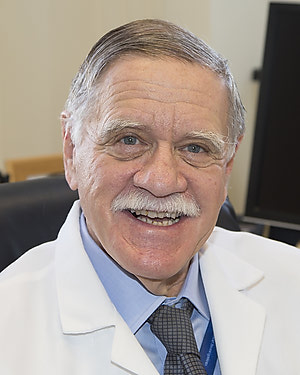 Robert S. Stern合作论文数Dana-Farber / Harvard Cancer Center;Beth Israel Deaconess Medical Center;Harvard Medical School8Kurt F. Jaenicke合作论文数8Pathak Ma合作论文数7Rw Gange合作论文数7
 Richard D. Granstein合作论文数Dermatology, Weill Cornell Medicine, Cornell University7OT TAN合作论文数6Martin R. Prince合作论文数6Lewis Tanenbaum合作论文数6Khosrow Momtaz合作论文数6Km Diette合作论文数5Pathak M A合作论文数5James Boll合作论文数5Thomas B. Fitzpatrick合作论文数5barry s paul合作论文数4Pc Levins合作论文数4DJ MCAULIFFE合作论文数4T B Fitzpatrick合作论文数4
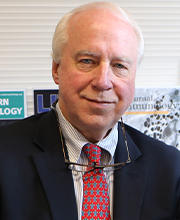 George F. Murphy合作论文数The Murphy Lab, Harvard Medical School, Harvard University;Brigham and Women's Hospital;Stem Cell Institute, Harvard University4Kurt J. Bloch合作论文数4Madhu a Pathak合作论文数4norman s nishioka合作论文数3Ns Nishioka合作论文数3
 Herbert Honigsmann合作论文数3
 Steven L. Jacques合作论文数University of Washington3
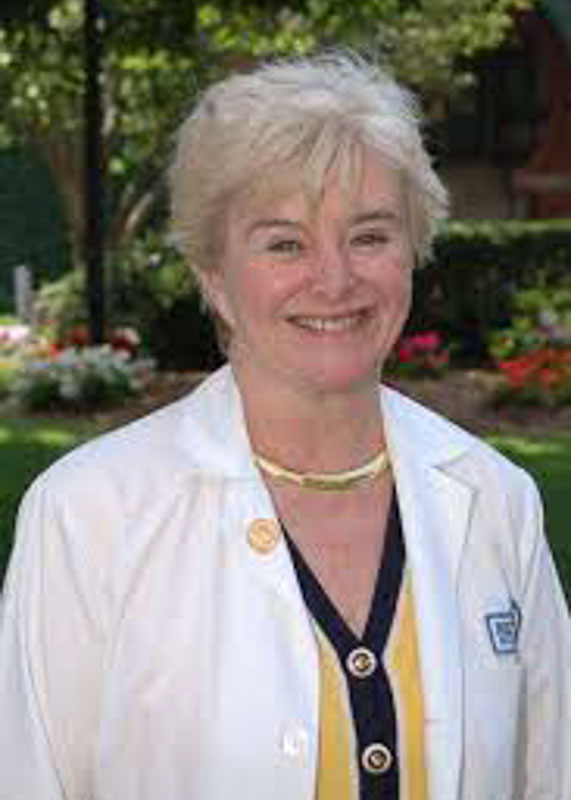 Barbara A. Gilchrest合作论文数Department of Dermatology, School of Medicine, Boston University3
 Reginald Birngruber合作论文数Institut für Biomedvizinische Optik, Universität zu Lübeck;Wellman Center for Photomedicine, Massachusetts General Hospital, Harvard Medical School3
 Mark I. Greene合作论文数Department of Pathology and Laboratory Medicine, Perelman School of Medicine, University of Pennsylvania3K Momtazt合作论文数3H. A. D. White合作论文数3R KERSCHMANN合作论文数2chadwick f smith合作论文数2dominic bua合作论文数2Je Fisher合作论文数2Db Carr合作论文数2Daniel J. McAuliffe合作论文数2Hl Bleich合作论文数2IH BLANK合作论文数2JG MORELLI合作论文数2ken yamaguchi合作论文数2T F Deutsch合作论文数2Y Seki合作论文数2




