PURPOSE:To develop a reproducible in vitro model simulating central venous catheter (CVC) exchange with high potential for air embolization and test the hypothesis that a closed catheter clamp over hydrophilic guide wire exchange technique will significantly reduce the volume of air introduced during CVC exchange. MATERIALS AND METHODS:The model consisted of a 16-F valved sheath, 240-mL container, and pressure transducer submerged in water in a 1,200-mL suction canister system. Continuous wall suction was applied to the canister to maintain negative pressure at -7 mm Hg or -11 mm Hg. Each trial consisted of 0.035-inch hydrophilic guide wire introduction, over-the-wire catheter exchange, and wire removal following clinical protocol. A total of 256 trials were performed, 128 trials at each pressure with the catheter clamp open (n = 64) or closed (n = 64) around the hydrophilic guide wire. RESULTS:There was a statistically significant lower volume of air introduced with closed clamp over-the-wire exchanges than with open clamp exchanges at both pressures (2-tailed t-test, P < .001). At -7 mm Hg, a mean of 48.0 mL (SD ± 9.3) of air was introduced with open clamp and 20.6 mL (SD ± 4.7) of air was introduced with closed clamp. At -11 mm Hg, 97.8 mL (SD ± 11.9) of air was introduced with open clamp and 37.8 mL (SD ± 6.3) of air was introduced with closed clamp. CONCLUSIONS:This study demonstrated the use of a reproducible in vitro model mimicking conditions causing air embolism during CVC exchange. Results showed that CVC exchange using closed catheter clamp over hydrophilic guide wire exchange technique significantly reduced the volume of air introduced per exchange.
Background: Microarray analysis and 454 cDNA sequencing were used to investigate a
To examine the effect of scaffold pore size on bone regeneration within hydroxyapatite scaffolds in large segmental defects, this study evaluated two porous interconnected architectures having similar porosity and strut thickness but different pore sizes. Using a 10 mm segmental rabbit radius defect model, a bilayer scaffold architecture mimicking the cortical-cancellous organization of bone (pore size 200 µm outer layer, 450 µm inner layer) was compared to a purely trabecular-like architecture (pore size 340 µm) and an untreated defect. Bone regeneration was measured using micro-computed tomography and histology after four and eight weeks of in vivo implantation, and the mechanical strength of the defect site after eight weeks’ implantation was assessed using flexural testing. Although both bilayer and trabecular architectures promoted bone growth, the trabecular scaffolds were observed to have more uniform new bone distribution within the scaffold interior at four weeks and greater bone regeneration overall after eight weeks’ implantation (149 ± 9 mm3 compared to 121 ± 8 mm3 in the bilayer and 66 ± 14 mm3 in the defect). Additionally, the trabecular scaffolds were observed to exhibit significantly greater flexural strength (124% increase) and toughness (388% increase) when compared to the empty defects after eight weeks’ implantation. It was concluded from this study that a larger uniform pore size led to greater functional bone regeneration over a longer implantation period for large segmental defects.
Hox genes encode transcription factors that regulate embryonic and post-embryonic developmental processes. The expression of Hox genes is regulated in part by the tight, spatial arrangement of conserved coding and non-coding sequences. The potential for evolutionary changes in Hox cluster structure is thought to be low among vertebrates; however, recent studies of a few non-mammalian taxa suggest greater variation than originally thought. Using next generation sequencing of large genomic fragments (>100 kb) from the red spotted newt (Notophthalamus viridescens), we found that the arrangement of Hox cluster genes was conserved relative to orthologous regions from other vertebrates, but the length of introns and intergenic regions varied. In particular, the distance between hoxd13 and hoxd11 is longer in newt than orthologous regions from vertebrate species with expanded Hox clusters and is predicted to exceed the length of the entire HoxD clusters (hoxd13-hoxd4) of humans, mice, and frogs. Many repetitive DNA sequences were identified for newt Hox clusters, including an enrichment of DNA transposon-like sequences relative to non-coding genomic fragments. Our results suggest that Hox cluster expansion and transposon accumulation are common features of non-mammalian tetrapod vertebrates.
UNLABELLEDIn vitro and in vivo assessments suggest that proteasome inhibitors may be useful for modulating wound healing.METHODSProteasome Inhibitor I was used to assess the potential utility of proteasome inhibitors in improving wound healing in a standard rat model. Bilateral, 6 cm incisions were made 1 cm lateral to the spine of adult male Sprague Dawley rats. Animals were randomly assigned to 1 of 3 groups: no treatment (n = 15), low concentration (1% w/v, n = 15), or high concentration (5% w/v, n = 15). Treatments were applied to the left side incision at 0 hours, 24 hours, and 48 hours. Right-side incisionsreceived a vehicle, dimethyl sulfoxide, alone and independent of the assigned group, serving as both external and internal controls. Rats were sacrificed at days 7, 14, and 28 (n = 5 per group) and wounds subjected to mechanical testing and histology.RESULTSNo significant intergroup difference existed at 7 and 14 days. On day 28, a dosedependent increase in tensile strength with increasing Proteasome Inhibitor I was observed.CONCLUSIONResults suggest dimethyl sulfoxide was not the ideal vehicle and additional improvement may be realized by optimizing the delivery method.
Very little is known about the factors that cause variation in regenerative potential within and between species. Here, we used a genetic approach to identify heritable genetic factors that explain variation in tail regenerative outgrowth. A hybrid ambystomatid salamander (Ambystoma mexicanum x A. andersoni) was crossed to an A. mexicanum and 217 offspring were induced to undergo metamorphosis and attain terrestrial adult morphology using thyroid hormone. Following metamorphosis, each salamander's tail tip was amputated and allowed to regenerate, and then amputated a second time and allowed to regenerate. Also, DNA was isolated from all individuals and genotypes were determined for 187 molecular markers distributed throughout the genome. The area of tissue that regenerated after the first and second amputations was highly positively correlated across males and females. Males presented wider tails and regenerated more tail tissue during both episodes of regeneration. Approximately 66-68% of the variation in regenerative outgrowth was explained by tail width, while tail length and genetic sex did not explain a significant amount of variation. A small effect QTL was identified as having a sex-independent effect on tail regeneration, but this QTL was only identified for the first episode of regeneration. Several molecular markers significantly affected regenerative outgrowth during both episodes of regeneration, but the effect sizes were small (<4%) and correlated with tail width. The results show that ambysex and minor effect QTL explain variation in adult tail morphology and importantly, tail width. In turn, tail width at the amputation plane largely determines the rate of regenerative outgrowth. Because amputations in this study were made at approximately the same position of the tail, our results resolve an outstanding question in regenerative biology: regenerative outgrowth positively co-varies as a function of tail width at the amputation site.
There are few synthetic graft alternatives to treat large long-bone defects resulting from trauma or disease that do not incorporate osteogenic or osteoinductive factors. The aim of this study was to test the additional benefit of including a permeable collagen membrane guide in conjunction with a preformed porous hydroxyapatite bone graft to serve as an improved osteoconductive scaffold for bone regeneration. A 10-mm-segmental long-bone defect model in the rabbit radius was used. The hydroxyapatite scaffolds alone or with a collagen wrap were compared as experimental treatment groups to an empty untreated defect as a negative control or a defect filled with autologous bone grafts as a positive control. All groups were evaluated after 4 and 8 weeks of in vivo implantation using microcomputed tomography, mechanical testing in flexure, and histomorphometry. It was observed that the use of the wrap resulted in an increased bone volume regenerated when compared to the scaffold-only group (59% greater at 4 weeks and 27% greater after 8 weeks). Additionally, the increase in density of the regenerated bone from 4 to 8 weeks in the wrap group was threefold than that in the scaffold group. The use of the collagen wrap showed significant benefits of increased interfacial bone in-growth (149% greater) and periosteal remodeling (49%) after 4 weeks compared to the scaffold-alone with the two groups being comparable after 8 weeks, by when the collagen membrane showed close-to-complete resorption. While the autograft and wrap groups showed significantly greater flexural strength than the defect group after 8 weeks, the scaffold-alone group was not significantly different from the other three groups. It is most likely that the wrap shows improvement of function by acting like a scaffold for periosteal callus ossification, maintaining the local bone-healing environment while reducing fibrous infiltration (15% less than scaffold only at 4 weeks). This study indicates that the use of a collagen membrane with a hydroxyapatite structural graft provides benefits for bone tissue regeneration in terms of early interfacial integration.
The objective of this study was to investigate the in vivo biomechanical performance of bone defects implanted with novel bilayer hydroxyapatite (HAp) scaffolds that mimic the cortical and cancellous organization of bone. The scaffolds maintained architectural continuity in a rabbit radius segmental defect model and were compared to an untreated defect group (negative control) and autologous bone grafts (positive control). Micro-CT evaluations indicated total bone and scaffold volume in the experimental group was significantly greater than the defect group but lesser than the autologous bone graft treatment. The flexural toughness of the scaffold and the autograft groups was significantly greater than the flexural toughness of the defect group. Interestingly, the absolute density of the bone mineral as well as calcium to phosphorus (Ca/P) ratio in that mineral for the scaffold and autograft contralateral bones was significantly higher than those for the defect contralaterals suggesting that the scaffolds contributed to calcium homeostasis. It was concluded from this study that new bone regenerated in the bilayer HAp scaffolds was comparable to the empty defects and while the HAp scaffolds provided significant increase in modulus when compared to empty defect and their flexural toughness was comparable to autografts after 8 weeks of implantation.
Amphibian genomes differ greatly in DNA content and chromosome size, morphology, and number. Investigations of this diversity are needed to identify mechanisms that have shaped the evolution of vertebrate genomes. We used comparative mapping to investigate the organization of genes in the Mexican axolotl (Ambystoma mexicanum), a species that presents relatively few chromosomes (n = 14) and a gigantic genome (>20 pg/N). We show extensive conservation of synteny between Ambystoma, chicken, and human, and a positive correlation between the length of conserved segments and genome size. Ambystoma segments are estimated to be four to 51 times longer than homologous human and chicken segments. Strikingly, genes demarking the structures of 28 chicken chromosomes are ordered among linkage groups defining the Ambystoma genome, and we show that these same chromosomal segments are also conserved in a distantly related anuran amphibian (Xenopus tropicalis). Using linkage relationships from the amphibian maps, we predict that three chicken chromosomes originated by fusion, nine to 14 originated by fission, and 12-17 evolved directly from ancestral tetrapod chromosomes. We further show that some ancestral segments were fused prior to the divergence of salamanders and anurans, while others fused independently and randomly as chromosome numbers were reduced in lineages leading to Ambystoma and Xenopus. The maintenance of gene order relationships between chromosomal segments that have greatly expanded and contracted in salamander and chicken genomes, respectively, suggests selection to maintain synteny relationships and/or extremely low rates of chromosomal rearrangement. Overall, the results demonstrate the value of data from diverse, amphibian genomes in studies of vertebrate genome evolution.
PURPOSE:To characterize and describe the craniomaxillofacial (CMF) battlefield injuries sustained by US Service Members in Operation Iraqi Freedom and Operation Enduring Freedom. PATIENTS AND METHODS:The Joint Theater Trauma Registry was queried from October 19, 2001, to December 11, 2007, for CMF battlefield injuries. The CMF injuries were identified using the "International Classification of Diseases, Ninth Revision, Clinical Modification" codes and the data compiled for battlefield injury service members. Nonbattlefield injuries, killed in action, and return to duty cases were excluded. RESULTS:CMF battlefield injuries were found in 2,014 of the 7,770 battlefield-injured US service members. In the 2,014 injured service members were 4,783 CMF injuries (2.4 injuries per soldier). The incidence of CMF battlefield injuries by branch of service was Army, 72%; Marines, 24%; Navy, 2%; and Air Force, 1%. The incidence of penetrating soft-tissue injuries and fractures was 58% and 27%, respectively. Of the fractures, 76% were open. The location of the facial fractures was the mandible in 36%, maxilla/zygoma in 19%, nasal in 14%, and orbit in 11%. The remaining 20% were not otherwise specified. The primary mechanism of injury involved explosive devices (84%). CONCLUSIONS:Of the injured US service members, 26% had injuries to the CMF region in the Operation Iraqi Freedom/Operation Enduring Freedom conflicts during a 6-year period. Multiple penetrating soft-tissue injuries and fractures caused by explosive devices were frequently seen. Increased survivability because of body armor, advanced battlefield medicine, and the increased use of explosive devices is probably related to the elevated incidence of CMF battlefield injuries. The current use of "International Classification of Diseases, Ninth Revision, Clinical Modification" codes with the Joint Theater Trauma Registry failed to characterize the severity of facial wounds.
The Art BookVolume 17, Issue 1 p. 26-27 THE PICTURES GENERATION 1974–1984 BY DOUGLAS EKLUND JOHN A WALKER, JOHN A WALKER Painter and art historianSearch for more papers by this author JOHN A WALKER, JOHN A WALKER Painter and art historianSearch for more papers by this author First published: 19 January 2010 https://doi.org/10.1111/j.1467-8357.2010.01076_8.xRead the full textAboutPDF ToolsRequest permissionExport citationAdd to favoritesTrack citation ShareShare Give accessShare full text accessShare full-text accessPlease review our Terms and Conditions of Use and check box below to share full-text version of article.I have read and accept the Wiley Online Library Terms and Conditions of UseShareable LinkUse the link below to share a full-text version of this article with your friends and colleagues. Learn more.Copy URL Share a linkShare onFacebookTwitterLinkedInRedditWechat No abstract is available for this article. Volume17, Issue1February 2010Pages 26-27 RelatedInformation
Timing of debridement and local antibiotic administration on infection has not been clearly defined. A contaminated critical size rat femur defect model was used to determine if earlier debridement with local antibiotics decreased infection. Defects were inoculated with Staphylococcus aureus. At 2, 6, or 24 hours following contamination, defects were irrigated and debrided then directly closed or treated with antibiotic-impregnated PMMA beads and then closed. Two weeks later, defects were examined for evidence of infection. There was a significant increase in evidence of infection between 2 and 6 hours and a further increase between 6 and 24 hours with debridement alone as well as with debridement plus local antibiotics. Treatment with antibiotics resulted in significantly less evidence of infection at 2 and 6 hours compared to debridement alone. It was concluded that early debridement in combination with local delivery of antibiotics of contaminated defects may reduce infections.
Hymenoptera is one of the most diverse groups of animals on the planet and have vital importance for ecosystem function as pollinators and parasitoids. Higher-level relationships among Hymenoptera have been notoriously difficult to resolve with both morphological and traditional molecular approaches. Here we examined the utility of expressed sequence tags for resolving relationships among hymenopteran superfamilies. Transcripts were assembled for 6 disparate Hymenopteran taxa with additional sequences added from public databases for a final dataset of 24 genes for 16 taxa and over 10 kb of sequence data. The concatenated dataset recovered a robust and well-supported topology demonstrating the monophyly of Holometabola, Hymenoptera, Apocrita, Aculeata, Ichneumonoidea, and a sister relationship between the two most closely related proctotrupomorphs in the dataset (Cynipoidea + Proctotrupoidea). The data strongly supported a sister relationship between Aculeata and Proctotrupomorpha, contrary to previously proposed hypotheses. Additionally there was strong evidence indicating Ichneumonoidea as sister to Aculeata + Proctotrupomorpha. These relationships were robust to missing data, nucleotide composition biases, low taxonomic sampling, and conflicting signal across gene trees. There was also strong evidence indicating that Chalcidoidea is not contained within Proctotrupomorpha.
The Art BookVolume 16, Issue 1 p. 30-31 LEE BONTECOU: A RETROSPECTIVE BY ELIZABETH A T SMITH, ET AL. JOHN A WALKER, JOHN A WALKER Painter and art historianSearch for more papers by this author JOHN A WALKER, JOHN A WALKER Painter and art historianSearch for more papers by this author First published: 30 January 2009 https://doi.org/10.1111/j.1467-8357.2009.01008_10.xRead the full textAboutPDF ToolsRequest permissionExport citationAdd to favoritesTrack citation ShareShare Give accessShare full text accessShare full-text accessPlease review our Terms and Conditions of Use and check box below to share full-text version of article.I have read and accept the Wiley Online Library Terms and Conditions of UseShareable LinkUse the link below to share a full-text version of this article with your friends and colleagues. Learn more.Copy URL Share a linkShare onFacebookTwitterLinked InRedditWechat No abstract is available for this article. Volume16, Issue1February 2009Pages 30-31 RelatedInformation
The Art BookVolume 16, Issue 4 p. 38-39 JAMES ROSENQUIST: POP ART, POLITICS, AND HISTORY IN THE 1960s BY MICHAEL LOBEL JOHN A WALKER, JOHN A WALKER Painter and art historianSearch for more papers by this author JOHN A WALKER, JOHN A WALKER Painter and art historianSearch for more papers by this author First published: 20 October 2009 https://doi.org/10.1111/j.1467-8357.2009.01060_2.x EDITOR's NOTE In April 2009, a fire destroyed the home and studios of James Rosenquist. No one was hurt but much work was burned, including a massive project for the French government. http://www.tampabay.com/news/publicsafety/fire/article995632.ece Read the full textAboutPDF ToolsRequest permissionExport citationAdd to favoritesTrack citation ShareShare Give accessShare full text accessShare full-text accessPlease review our Terms and Conditions of Use and check box below to share full-text version of article.I have read and accept the Wiley Online Library Terms and Conditions of UseShareable LinkUse the link below to share a full-text version of this article with your friends and colleagues. Learn more.Copy URL Share a linkShare onFacebookTwitterLinkedInRedditWechat No abstract is available for this article. Volume16, Issue4November 2009Pages 38-39 RelatedInformation
Soluble oligomeric amyloid-beta (Abeta) species are toxic to many cell types and are a putative etiological factor in Alzheimer's disease. The NINDS-Custom Collection of 1040 drugs and biologically active compounds was robotically screened for inhibitors of Abeta oligomer formation with a single-site biotinylated Abeta(1-42) oligomer assembly assay. Several quinoline-like compounds were identified with IC(50)'s <10 microM, including the antiprotozoal clioquinol that has been reported to have effects on metal ion metabolism. The 2-OH, 4-OH, and 6-OH quinolines do not block Abeta oligomer formation up to a concentration of 100 microM. Analogs of clioquinol have shown activity in reducing Abeta levels and improving behavioral deficits in mouse models of Abeta pathology. The inhibitory effects of clioquinol and other 8-OH quinoline derivatives on oligomer formation in vitro are unrelated to their chelating activity. Crosslinking studies suggest that clioquinol acts at the stage of trimer formation. These preliminary data may suggest that 8-OH quinolines have the potential for suppressing Abeta oligomer formation which should be considered when assessing the effects of these compounds in animal models and clinical trials.
Background Microarray analysis and 454 cDNA sequencing were used to investigate a centuries-old problem in regenerative biology: the basis of nerve-dependent limb regeneration in salamanders. Innervated (NR) and denervated (DL) forelimbs of Mexican axolotls were amputated and transcripts were sampled after 0, 5, and 14 days of regeneration. Results Considerable similarity was observed between NR and DL transcriptional programs at 5 and 14 days post amputation (dpa). Genes with extracellular functions that are critical to wound healing were upregulated while muscle-specific genes were downregulated. Thus, many processes that are regulated during early limb regeneration do not depend upon nerve-derived factors. The majority of the transcriptional differences between NR and DL limbs were correlated with blastema formation; cell numbers increased in NR limbs after 5 dpa and this yielded distinct transcriptional signatures of cell proliferation in NR limbs at 14 dpa. These transcriptional signatures were not observed in DL limbs. Instead, gene expression changes within DL limbs suggest more diverse and protracted wound-healing responses. 454 cDNA sequencing complemented the microarray analysis by providing deeper sampling of transcriptional programs and associated biological processes. Assembly of new 454 cDNA sequences with existing expressed sequence tag (EST) contigs from the Ambystoma EST database more than doubled (3935 to 9411) the number of non-redundant human- A. mexicanum orthologous sequences. Conclusion Many new candidate gene sequences were discovered for the first time and these will greatly enable future studies of wound healing, epigenetics, genome stability, and nerve-dependent blastema formation and outgrowth using the axolotl model.
Soluble oligomers of β-amyloid peptide are believed to be the proximal insult in Alzheimer's disease. Preventing the initial assembly of Aβ into stable toxic structures would short circuit the cascade of biological responses that lead to neuronal death and the clinical sequelae. The Apexscreen 5040 library of small organic molecules (<500 m.w.) was initially screened in duplicate at 10 μg/ml and a bioAβ42 concentration of 10 nM on a Tecan Genesis LiHa/TeMo robotics system. Hits, defined as producing >75% inhibition of the oligomer signal in the initial screen, were then titrated by serial dilution and an IC50 calculated based on their molecular weight. On average between 1–2 hits were confirmed per plate (80 cpds). Numerous compounds enhanced the oligomer signal and were not further analyzed. This effect is also seen with the detergent SDS which has been ascribed to micelle formation. Low micromolar hits comprising several distinct series of compounds, each with common structural features, were identified. Confirmed hits are currently being evaluated on their potential for future chemical development to enhance their activity and drug-like properties. Since the biotinylated Aβ single-site assay format detects >30 kDa oligomers, further testing is necessary to determine if certain compounds block assembly by stabilizing small oligomers of the synthetic peptide which normally revert to monomer under the assay conditions. The effects of compounds on cellular biological oligomer production, assembly and biological activity are also being evaluated. Funded by AG028816–01.
The Art BookVolume 15, Issue 2 p. 54-55 NORMAN ROCKWELL: THE UNDERSIDE OF INNOCENCE BY RICHARD HALPERN JOHN A WALKER, JOHN A WALKER Art historian and painterSearch for more papers by this author JOHN A WALKER, JOHN A WALKER Art historian and painterSearch for more papers by this author First published: 30 April 2008 https://doi.org/10.1111/j.1467-8357.2008.00957.xRead the full textAboutPDF ToolsRequest permissionExport citationAdd to favoritesTrack citation ShareShare Give accessShare full text accessShare full-text accessPlease review our Terms and Conditions of Use and check box below to share full-text version of article.I have read and accept the Wiley Online Library Terms and Conditions of UseShareable LinkUse the link below to share a full-text version of this article with your friends and colleagues. Learn more.Copy URL Share a linkShare onFacebookTwitterLinked InRedditWechat No abstract is available for this article. Volume15, Issue2May 2008Pages 54-55 RelatedInformation
Wallflower Press 2007 £45.00 $85.00 (H) £16.99 $28.00(P) 254 pp. 25 mono illus ISBN 978-1905674404 (H) 1-905674-39-8 (P) The subject of arts television is a complex one because since the 1950s (when television became a mass medium in Britain) there have been so many channels, one-off documentaries, magazine programmes, thematic series, and notable film directors, editors, producers, presenters and arts topics. It is hard, therefore, to write a coherent historical narrative that also does justice to the various arts and the various types of arts programmes that have been devised over the decades, and in places Wyver's text does degenerate into a list of names and titles. Furthermore, the fact that he chose to address two objects of study – television programmes and Arts Council films – adds another dimension of difficulty. Sometimes he pauses to analyse a programme or series in detail and this generates perceptive accounts. For example, early on he considers John Read's 1954 BBC television film about the painter Graham Sutherland. Among the major television series that Wvyer discusses in some detail are ‘Civilisation’ (1969) ‘Ways of Seeing’ (1972) and ‘Arena’ (1975 onwards). He rightly celebrates the achievements of such strands as ‘Monitor’, ‘Aquarius’, ‘Omnibus’ and ‘The South Bank Show’ plus the innovative arts programming that characterised Channel 4 during the 1980s. For some years this channel has sponsored the Tate Gallery's annual Turner Prize. In Autumn 2007 Channel 4 incestuously revisited a BBC2 classic of arts television via the series ‘This is Civilisation’, written and presented by Matthew Collings. One significant absence from Wyver's book is any consideration of the architecture, art and design programmes produced for the Open University, transmitted on BBC2 during the 1970s and 1980s, with commentaries and interviews by such scholars as Tim Benton, Tim Clark, Griselda Pollock and Fred Orton. Although aimed at a specific and minority audience they were, in my opinion, among the most sophisticated and critical art history programmes so far produced. Vision On was issued to celebrate the newly established online Arts on Film Archive (http://www.artsonfilm.org.uk), which contains more than 465 documentary films produced by Arts Council England between 1953 and 1999. (It is a great pity that the Council's funding of such films has been discontinued.) The archive, a unique record of British and international post-war art and of documentary filmmaking in the UK, is a research tool of great value to art historians. The book's launch was accompanied by a series of events looking at the history of British art documentaries held at Tate Modern, with a programme of screenings of works from the archive. The latter was established by a team from the School of Media Arts and Design, University of Westminster. One of the team – Joram ten Brink – contributes a preface to Wyver's volume. This book was also published at a time when concern was being expressed about a general ‘dumbing down’ of British television and many thinkers were asking the question: ‘What is television for?’ One answer might be: ‘To continue to provide illuminating programmes about the arts of the past and the present to educate and entertain the public’.
 Stephen Randal Voss合作论文数Department of Biology, University of Kentucky12
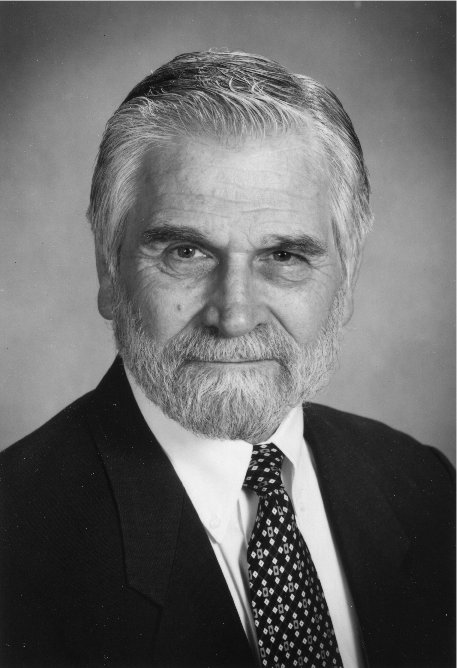 Leroy B. Townsend合作论文数Department of Medicinal Chemistry, College of Pharmacy, University of Michigan8
 Srikrishna Putta合作论文数7
 Joseph C Wenke合作论文数US Army Institute of Surgical Research6
 Jeramiah J Smith合作论文数Department of Biology, University of Kentucky;Spinal Cord and Brain Injury Research Center, University of Kentucky;University of Kentucky, University of Kentucky5
 James Monaghan合作论文数Department of Biology, University of Kentucky5Ds Wise合作论文数4Kump D Kevin合作论文数4Jiong J. Chen合作论文数4
 Michael I. Posner合作论文数Department of Psychology, College of Arts and Sciences, University of Oregon4Amy K Samuels合作论文数3FJ FRIEDRICH合作论文数3Jeremy Statton合作论文数3Svetlana Zvereva合作论文数3CS Roberts合作论文数3Slyper Arnold H合作论文数3
 Guda Teja合作论文数Dept Biomed Engn, Univ Texas San Antonio3
 Anson Ong合作论文数Department of Biomedical Engineering & Chemical Engineering, Klesse College of Engineering and Integrated Design, University of Texas at San Antonio3Weimin Liu合作论文数3David S. Olton合作论文数3David Seligson合作论文数3Dean S. Wise合作论文数3
 Mark R. Appleford合作论文数Department of Biomedical Engineering, The University of Texas at San Antonio3Robert D Rafal合作论文数Department of Psychological and Brain Science, University of Delaware3
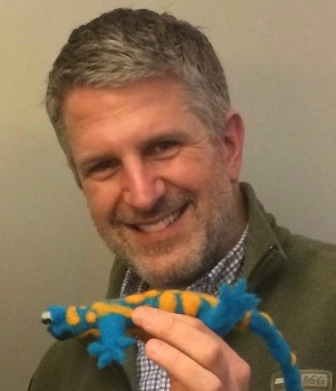 David Weisrock合作论文数Department of Biology, College of Arts and Sciences, University of Kentucky3
 Christopher Beachy合作论文数Department of Biology, Minot State University3PD LIEF合作论文数2Edward F. Witucki合作论文数2Roger D. Mitty合作论文数2Brian Singleton合作论文数2Jesus Hernandez合作论文数2
 Daniel Oh合作论文数2
 Robert Page合作论文数School of Life Sciences, Arizona State University2J. J. CHEN合作论文数2W. LIU合作论文数2Harry LeVine合作论文数University of Kentucky2
 John Vargo合作论文数Cleveland Clinic2
 Corinne E. Augelli-Szafran合作论文数Department of Neurology, University of Alabama, Birmingham;Drug Discovery Division, Southern Research2
 Douglas K. Pleskow合作论文数Beth Israel Deaconess Medical Center;Harvard Medical School2
 Susan V. Bryant合作论文数Department of Developmental & Cell Biology, School of Biological Sciences, University of California, Irvine;Developmental Biology Center, University of California, Irvine;Sue and Bill Gross Stem Cell Research Center, University of California, Irvine2
 Douglas K. Rex合作论文数Department of Medicine, Division of Hematology/Oncology, School of Medicine, Indiana University;Indiana University–Purdue University Indianapolis;Indiana University Hospital2
 Inder Verma合作论文数Laboratory of Genetics, Salk Institute for Biological Studies;University of California, San Diego2
 John Drach合作论文数School of Dentistry, University of Michigan;College of Pharmacy, University of Michigan2Norman Bank合作论文数2Joan Pleuss合作论文数2Katia Ascer合作论文数2
 Peter L. Moses合作论文数Laboratory of Neuroendocrine Regulation;Department of Nutrition and Food Science;Massachusetts Institute of Technology2
 Tony Hunter合作论文数Salk Institute Cancer Center;Molecular and Cell Biology Laboratory, Salk Institute2Raymond G. Hoffmann合作论文数2




