Aogacillins (AOGs) A-B, two diastereomeric natural products isolated from Simplicillium sp. FKI-5985, were reported to have potent synergism with aminoglycoside antibiotics. Herein, we show that structural simplification expedites the synthesis of AOG analogs in 3-4 steps. Furthermore, we demonstrate that these compounds irreversibly trap cysteine nucleophiles at an electrophilic enone warhead but are also susceptible to [4 + 2] cycloadditions. Therefore, strategically designed AOG analogs were constructed to mitigate side reactivity and sensitize MRSA to aminoglycosides at sub-MIC concentrations.
Four-membered chelate complexes of ruthenium are rare, with only a handful of examples present in the literature. The first four-membered sulfur chelate, a cis-dichloro ruthenathiete complex, is reported to demonstrate latency toward olefin metathesis reactions until heated or irradiated with UV light. This complex's reactivity was benchmarked through ring-closing metathesis, cross-metathesis, and ring-opening metathesis polymerization reactions in deuterated chloroform and toluene as solvents. Despite the more strained 4-membered ring, the complex displays similar latency to 5-membered analogs previously reported in the literature. Key H-π interactions were observed between the mesityl methyl groups on the N-heterocyclic carbene and the aromatic groups on the alkylidene ligand, which are proposed to play a central role in the stability of the ruthenathiete. Collectively, this introduces a new class of sulfur-chelated ruthenium complexes for use in stimuli-promoted metathesis reactions.
The 2-oxindole class of heterocycles are privileged structural components in natural products and biologically active compounds. One of the most attractive methods for accessing 2-oxindoles is through direct oxidation of indoles, but current methods rely on the use of chemical oxidizing agents that lead to the generation of harmful waste products or biocatalytic methods using enzymes with a limited substrate scope. Herein, we describe the development and application of a general biocatalytic platform for the oxidative rearrangement of indoles using enzymatic halide recycling with vanadium-dependent haloperoxidases (VHPOs) facilitated by a catalytic quantity of halide salt and hydrogen peroxide as the terminal oxidant. This catalytic system is effective for the oxidative rearrangement of indoles into 2-oxindoles and 2-spirooxindoles. The developed protocol has been applied in multienzymatic and chemoenzymatic synthesis, late-stage functionalization of biologically active molecules, tryptophan-selective peptide modification, and gram-scale syntheses of coerulescine and horsfiline.
Organic chloramines are an important class of compounds containing a covalent nitrogen-chlorine bond. Despite the growing interest in their applications in small molecule synthesis and polymer science, selective catalyst systems for their preparation have remained elusive. We recently discovered that the vanadium-dependent chloroperoxidase from Curvularia inaequalis (CiVCPO) is an effective biocatalyst for selective chlorination of a broad range of structurally diverse amines to give the corresponding chloramines and chlorimines. The catalyst system is readily scalable and applied to chemoenzymatic nitrile and amide synthesis. Finally, halide divergent reactivity is demonstrated through chloride-selective chlorimine formation and bromide-selective aldehyde formation using the same biocatalyst.
A new S = 1/2 d0 dioxorhenium complex, [Re(O)2(ap)(isq•)] ([ap]2- = 2,4-di-tert-butyl-6-(phenylamido)phenolate, [isq•]- = 2,4-di-tert-butyl-6-(phenylimino)semiquinonate), was prepared by oxidation of the Re(VII) species [Re(O)2(ap)2]-. Solid-state structural and spectroscopic data for [Re(O)2(ap)(isq•)] suggest a strengthening of the Re═O bonding upon oxidation of [Re(O)2(ap)2]-. [Re(O)2(ap)(isq•)] is a weak O-atom donor, H• acceptor, and modest outer-sphere 1e- oxidant, but it cleanly oxidizes the stable triphenylmethyl (Ph3C•) radical, affording Ph3COH and deoxygenated bimetallic μ-oxo dimers. Data support a mechanism of initial C-O radical coupling (RC) at a terminal Re═O bond, followed by net H• transfer from Gomberg's dimer, reversing the steps for classic rebound-type C-H hydroxylation. The closed-shell structural homologue [Re(O)2(ap)2]- has comparable O-atom transfer thermodynamics but is inert to Ph3C•. Computational data show the [isq•]- radical in [Re(O)2(ap)(isq•)] is partially delocalized into the closed-shell metal-oxo group in the ground state, which might permit the net 2e- oxo transfer to Ph3C• to occur via kinetically facile ligand-centered radical steps. Accordingly, a strategy is presented for the preparation of stable oxo-metal complexes that exhibit oxidizing oxyl radical-type reactivity via delocalization of a low-lying, redox-active ligand-centered hole into the terminal M-Ooxo π-bonding manifold. This "masked oxyl" approach establishes design principles for generation of thermodynamically stable oxidants that are kinetically activated for selective odd-electron bond-making and -breaking redox reactions, with broad implications for selective oxidations and energy conversion and storage.
Dirhodium tetracarboxylate-catalyzed reaction of aryldiazoacetates with N-Boc-2,5-dihydro-1H-pyrrole results in a highly enantio- and diastereoselective C-H functionalization exclusively at the α-N C2 position. This result is a sharp contrast to the reaction with ethyl diazoacetate, which results in cyclopropanation of the olefinic site. Rh2(S- or R-PTAD)4 is the optimal chiral catalyst and is capable of generating the C-H functionalization products in up to 87% yield with high levels of diastereoselectivity (>20:1 d.r.) and enantioselectivity (97% ee) with a low catalyst loading (0.05 mol %). Computational studies were conducted to rationalize the reactivity difference between donor/acceptor carbenes and acceptor carbenes. The utility of the C-H functionalization chemistry was illustrated by its application to the synthesis of (-)-dragocin D and a variety of pharmaceutically relevant pyrrolidines.
Two carboxylic ligands, HL1 {(Z)-4-(p-toluidino)-4-oxobut-2-enoic acid} and HL2 {(Z)-4-(4-fluorophenylamino)4-oxobut-2-enoic acid)} and their six novel triorganotin(IV) derivatives with the general formula R3SnL (wherein R = Me (1, 4), Bu (2, 5) and Ph (3, 6) were synthesized, characterized and evaluated for in vitro biological applications. Single crystal XRD and FT-IR data of the triorganotin(IV) complexes (1, 2 and 4) showed that they were polymeric in nature and that the tin(IV) ion was in a distorted trigonal bipyramidal environment. However, multinuclear NMR data (1H, 13C, 119Sn) suggested that the polymeric trigonal bipyramidal geometry remains intact for (Me)3SnL and (Bu)3SnL and (Ph)3SnL compounds in solution-state, whereas it switches tetrahedral geometry for (Bu)3SnL compound 5 which were analyzed for NMR in CDCl3, a non-coordinating solvent. A detailed analysis of their structural, electronic and physico-chemical properties, using DFT at B3LYP/LANL2DZ level, revealed results consistent with the single crystal data. Additionally, the study of their frontier molecular orbitals, Mulliken charges and molecular electrostatic potential surfaces provided valuable insights into their structure-property-relationship and physicochemical properties. In vitro studies examining antimicrobial activity, cytotoxicity, antioxidant properties, hemolysis, antileishmanial effects, and anticancer potential have demonstrated higher efficacy of complexes compared to their corresponding ligands.
The reaction of 1-[4-(dimethylamino)phenyl]-1,3-butanedione (Hdapb) with copper(II) chloride produces bis[1-(4-N,N-dimethylaminophenyl)-1,3-butadionato-O,O′]copper(II), Cu(dapb)2 (I), with high yields. The title compound crystallizes exceptionally well, forming suitable crystals for X-ray crystallography and detailed electron distribution studies for copper. The copper atom can be treated as an isolated 4-coordinate atom with a single unpaired 3d electron. Contrary to expectations, the two dapb ligands bonded to the copper are inequivalent, characterized by unequal CuO bond lengths. A suitable model confirming the correct d-electron splitting and distortion of this d9-distorted square planar complex and establishing its spectral properties is proposed. R-free calculations were carried out to determine the optimal weighting parameters for the chemical equivalence and local symmetry restraints on the charge density. The charge density confirms the appropriate d-electron splitting for a distorted d9-square planar complex and establishes its compatibility with the complex's spectral properties. The UV–visible absorption spectra show a charge transfer band in addition to the expected d-d bands, whose energies deviate from the trend previously documented in the literature.
The reaction of 1-[4-(dimethylamino)phenyl]-1,3-butanedione (Hdapb) with copper(II) chloride produces bis[1-(4-N,N-dimethylaminophenyl)-1,3-butadionato-O,O ']copper(II), Cu(dapb)2 (I), with high yields. The title compound crystallizes exceptionally well, forming suitable crystals for X-ray crystallography and detailed electron distribution studies for copper. The copper atom can be treated as an isolated 4-coordinate atom with a single unpaired 3d electron. Contrary to expectations, the two dapb ligands bonded to the copper are inequivalent, characterized by unequal Cu-O bond lengths. A suitable model confirming the correct d-electron splitting and distortion of this d9-distorted square planar complex and establishing its spectral properties is proposed. R-free calculations were carried out to determine the optimal weighting parameters for the chemical equivalence and local symmetry restraints on the charge density. The charge density confirms the appropriate d-electron splitting for a distorted d9-square planar complex and establishes its compatibility with the complex's spectral properties. The UV-visible absorption spectra show a charge transfer band in addition to the expected d-d bands, whose energies deviate from the trend previously documented in the literature.
Cationic diruthenium (II,III) tetracarboxylate catalysts have been shown to catalyze selective intermolecular C-H functionalization reactions using donor/acceptor carbenes in high yield and with high levels of enantioselectivity. The diruthenium catalysts were compared to the analogous dirhodium (II,II) tetracarboxylate and showed similar levels of enantioselectivity for most reactions. A distinctive feature of the diruthenium catalysts is a greater preference for C-H functionalization over cyclopropanation compared to the corresponding dirhodium catalysts. Also, the diruthenium catalysts have a greater preference for sterically more accessible sites compared with their dirhodium counterparts. These studies show that the diruthenium catalysts are generally effective catalysts for enantioselective intermolecular C-H functionalization, but further optimization would be needed for them to match the dirhodium catalysts in terms of functional group compatibility, turnover frequency, and turnover numbers.
First-row transition metal catalysis continues to provide innovative and sustainable advances for synthetic chemistry. However, these metals can be challenging to screen efficiently in optimization campaigns due to the limited knowledge of catalyst assembly, stability, and speciation. In this report we demonstrate the use of thermogravimetric analysis (TGA) as a promising tool in evaluating the formation and properties of an Fe precatalyst, fac-Fe(dpa)Cl3. Using TGA it was possible to identify the generation of distinct Fe complexes that could form in situ from prestirring the commercial metal salt iron trichloride (FeCl3) and di(2-picolyl)amine (dpa) in different organic solvents. Upon applying these prestirred mixtures to the reaction between methionine and benzyl acrylate, it was determined that distinct complexes gave distinct TGA profiles. Similar TGA profiles yielded similar reaction yields, while distinct TGA profiles tended to give rise to unique yields. Utilizing this approach, a more informed first-row metal catalyzed reaction strategy can be realized.
A major challenge in organic synthesis is the selective functionalization of C-H bonds. As most organic compounds contain multiple C-H bonds with similar properties, distinguishing between them requires precise control. In this study, we show how transition metal catalysts can adopt many of the characteristics associated with enzymes, leading to unprecedented site-selectivity in the C-H functionalization step. The catalysts are dirhodium complexes that adopt a bowl-shaped shape on formation. The flexible microenvironment within the bowl causes an induced fitting to occur as the reagent and substrate approach the catalyst. The key factors controlling the selectivity are noncovalent interactions between the approaching substrate and the catalyst wall, which cause a specific C-H bond in the substrate to be placed close to the metal-bound reagent.
X-ray spectroscopy techniques are critical in the electronic structure analysis of high-valent lanthanides. The interpretation of multipeaked features at the lanthanide L3-edge has remained a challenging question, as it is observed across a range of material classes. A series of structurally related Ce4+complexes were prepared to probe the potential ligand field perturbation of the ground state within the series. The tuning of relative 4f and ligand orbital energies in homoleptic and heteroleptic tetravalent Ce imidophosphorane complexes is achieved through ligand derivatization and is clearly demonstrated by UV-vis spectroscopy and electrochemically measured redox potentials. However, Ce L3-edge high-energy resolution fluorescence-detected (HERFD) X-ray absorption near-edge structure (XANES) spectra present features at consistent numbers and energies across the range of complexes. Resonant inelastic X-ray scattering (RIXS) is employed to visualize the observed features in the HERFD-XANES spectra. Large complete active space configuration interaction singles and doubles (CASCISD) calculations demonstrate that the ground-state wave function of all complexes can be described employing a single determinant. As a result, the multielectron feature at the L3-edge observed in this study for the Ce4+ imidophosphorane complexes is described as excited-state multiconfigurational behavior that is independent of ligand variation, in systems where the ground state is described using the simple single determinant wave function.
We describe the development of a three-component enantioselective 3,4-amino oxygenation protocol for 1,3-dienes enabled by a highly methylated electron-rich planar chiral rhodium indenyl catalyst. This transformation furnishes vicinal amino alcohol motifs in synthetically useful yields (19-86%) and excellent enantioselectivities (up to 99.5:0.5 er). We demonstrate its utility for a variety of activated and unactivated dienes coupled with a broad scope of dioxazolone and alcohol coupling partners.
A five-coordinate chlorovanadium species supported by two redox-active N-phenyl aminophenol ligands was prepared. Experimental and computational data support formulation of this complex as [(Phap)(Phisq)VIVCl], containing one dianionic [Phap]2- amidophenolate and one monoanionic [Phisq]•- iminosemiquinonate radical. Exposure of [(Phap)(Phisq)VIVCl] to O2 readily cleaves the O═O bond to generate [(Phisq)(Phibq)VIV(O)Cl], containing an [Phibq] iminobenzoquinone, so the 2e- oxidation is entirely ligand centered. [(Phisq)(Phibq)VIV(O)Cl] is reduced by net H2 abstraction from 9,10-dihydroanthracene, or in reactions with main-group nucleophiles, such as PPh3 and Me2S, which form a new bond to oxygen and regenerate [(Phap)(Phisq)VIVCl]. Accordingly, the dioxygenase-type O2 activation and O-atom transfer cycling are a direct consequence of ligand redox noninnocence and covalency in the vanadium─aminophenol bonding. The reactions with O-atom donor and acceptor substrates establish a V≡O BDE of 73 ± 14 kcal mol-1 in [(Phisq)(Phibq)VIV(O)Cl]. Reported V≡O BDEs in redox-innocent vanadyl complexes typically fall in the range of 120-170 kcal mol-1. Unlike later 3d metals, where M═O species are typically high energy and activated by, for instance, occupancy of M-O π* antibonding MOs, the exceptionally weak V≡O bond in [(Phisq)(Phibq)VIV-(O)Cl] reflects stabilization of the reduced product. Thus, this research highlights an alternative pathway to generating strong oxidants that are not strong outer-sphere electron acceptors, with implications for the design of early metal catalysts for aerobic oxidations of weak O-atom acceptors or strong X-H bonds.
We investigate the electronic shot noise produced by nanowires of beta-Ta, an archetypal "bad" metal with resistivity near the Ioffe-Regel localization limit. The Fano factor characterizing the shot noise exhibits a strong dependence on temperature and is suppressed compared to the expectations for quasiparticle diffusion, but hopping transport is ruled out by the analysis of scaling with the nanowire length. These anomalous behaviors closely resemble those of strange metal nanowires, suggesting that beta-Ta may host a correlated electron liquid. This material provides an accessible platform for exploring exotic electronic states of matter.
We investigate the chiral magnet CoTeMoO6 (CTMO), an orthorhombic P21212 system with a canted antiferromagnetic structure and weak ferromagnetism along the a axis. Despite lacking a unique polar axis in its crystal structure, CTMO exhibits significant magnetodielectric coupling, which is consistent with a spin-dependent p-d hybridization mechanism. Using single-crystal magnetization, neutron diffraction, and magnetocapacitance measurements, complemented by inelastic neutron scattering, we identify that the magnetic behavior of CTMO can be described by an anisotropic Hamiltonian with magnetic moments interpolating between two limit representations: spin-orbit entangled Jeff = 1/2 and spin-only S = 3/2 moments. Depending on the representation, a Dzyaloshinskii-Moriya interaction or a site-dependent off-diagonal single-ion anisotropy leads to the formation of a canted magnetic structure. A comparative study with MnTeMoO6 (MTMO), which has a collinear antiferromagnetic structure and negligible magnetodielectric coupling, confirms the crucial role of noncollinearity and intrinsic magnetic interactions in spin-driven dielectric responses. These results highlight the broader relevance of the p-d hybridization mechanism in insulating magnets and motivate further studies on magnetoelectric coupling in CTMO.
We report an asymmetric total synthesis of (-)-neocucurbol C, a diterpene natural product possessing a unique and complex 6/6/5/5/6 polycyclic skeleton and nine stereocenters. Pattern-recognition analysis led us to the chiral pool molecule (+)-nootkatone as the starting material, already containing the AB ring system and two key stereocenters encoded by the target molecule. The extra isopropenyl group of (+)-nootkatone was removed by Kwon's hydrodealkenylative bond fragmentation. Other key steps include a Suzuki-Miyaura cross coupling to introduce an aromatic ring as the E ring precursor, an oxidative dearomatization cyclization to form the key oxa-bridge, and a metal-catalyzed hydrogen atom transfer (MHAT)-initiated reductive radical cyclization to complete the entire framework for subsequent peripheral decorations, which eventually delivered (-)-neocucurbol C in 24 steps for the first time. In addition, the cytotoxicity evaluation of (-)-neocucurbol C and its synthetic intermediates against multiple cancer cell lines identified new lead compounds with promising anticancer activity for further development.
Macrocyclic peptides containing C(sp2)-C(sp3) side chain cross-links are a rapidly growing subclass of ribosomally synthesized and post-translationally modified peptides (RiPPs), with significant potential in the development of new pharmaceuticals. This report presents a method for the efficient synthesis of derivatives of this class using a diastereoselective cross-electrophile coupling for the formation of the key β-aryl-alkyl cross-link.
 Kim Dunbar合作论文数Department of Chemistry, College of Arts & Sciences, Texas A&M University44
 Henry La Pierre合作论文数School of Chemistry & Biochemistry, College of Sciences, Georgia Institute of Technology;School of Mechanical Engineering, Georgia Institute of Technology;Pacific Northwest National Laboratory31
 Joseph P. Sadighi (Joseph Sadighi)合作论文数School of Chemistry and Biochemistry, College of Sciences, Georgia Institute of Technology30
 Matthew Rosseinsky合作论文数School of Physical Sciences, Faculty of Science and Engineering, University of Liverpool;Department of Chemistry, University of Liverpool27
 Alexander Steiner合作论文数Leverhulme Centre for Innovative Catalysis, University of Liverpool26
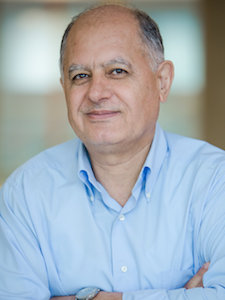 Jamal Musaev合作论文数Cherry L. Emerson Center for Scientific Computation, Emory University21
 Craig Hill合作论文数Department of Chemistry, Emory University;Winship Cancer Institute, Emory University20
 Paul Chalker合作论文数School of Engineering, University of Liverpool17James T. A. Jones合作论文数17
 Huw Davies合作论文数Winship Cancer Institute, Emory University;Department of Chemistry, Emory University17
 Andy Cooper (安德鲁·库伯)合作论文数School of Physical Sciences, University of Liverpool;Faculty of Science and Engineering, University of Liverpool;Department of Chemistry, University of Liverpool16
 Ningxin Jiang (蒋宁新)合作论文数School of Chemistry, Nanjing University15
 Christopher C Scarborough合作论文数Department of Chemistry, University of Wisconsin-Madison15
 Dave J. Adams合作论文数School of Chemistry, University of Glasgow14
 Yurii V Geletii合作论文数Department of Chemistry, Emory University13
 Hongjin Lv (吕红金)合作论文数School of Chemistry and Chemical Engineering, Beijing Institute of Technology13
 Wallen Christian合作论文数12
 Jianliang Xiao (肖建良)合作论文数Department of Chemistry, University of Liverpool11
 Andrew Valentine Stachulski合作论文数11
 Conrad W Ingram合作论文数Department of Chemistry, Clark Atlanta University11
 Cora E. Macbeth合作论文数Dept Chem, Emory Univ11
 Yaroslav Z Khimyak合作论文数Molecular Materials Centre, The University of Liverpool11Natalie T Rice合作论文数Sch Chem & Biochem, Georgia Inst Technol10
 Eric J. Schelter合作论文数Department of Chemistry, School of Arts & Sciences, University of Pennsylvania10
 Anthony C. Jones合作论文数Department of Chemistry, University of Liverpool/Surface Science Research Centre, University of Liverpool10
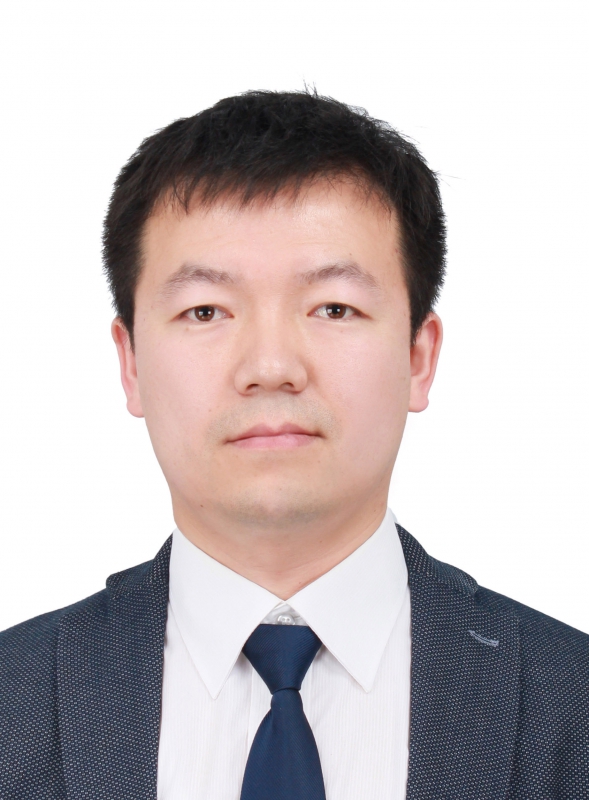 Weiwei Guo (郭玮炜)合作论文数College of Chemistry, Nankai University10Tate Brandon K合作论文数10
 Seth Marder合作论文数Department of Chemical and Biological Engineering, College of Engineering and Applied Science, University of Colorado Boulder;National Renewable Energy Laboratory;Renewable and Sustainable Energy Institute, University of Colorado Boulder10
 Darren Bradshaw合作论文数University of Southampton10
 Hanhua Zhao合作论文数10
 Abbie Trewin合作论文数Lancaster University10
 Kyriakos C. Stylianou合作论文数10
 Andrey Prosvirin合作论文数Contribution from the Department of Chemistry, Texas A&M University10Thaige P Gompa合作论文数Dept Chem & Biochem, Georgia Inst Technol9
 Stephen Barlow合作论文数Chemistry and Biochemistry, College of Sciences, Georgia Institute of Technology9
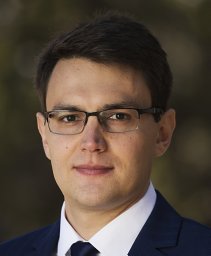 Ivan A. Popov合作论文数Dept Chem & Biochem, Utah State Univ9
 Chelsea Wyss Bordley合作论文数9
 Tom Hasell合作论文数University of Liverpool9Jitendra K. Bera合作论文数Department of Inorganic and Physical Chemistry, Indian Institute of Science9Luis M Aguirre Quintana合作论文数8Arun Ramanathan合作论文数School of Chemistry and Biochemistry, Georgia Institute of Technology8Jonathan A Iggo合作论文数8
 Thomas Gray合作论文数Department of Chemistry, College of Arts and Sciences, Case Western Reserve University8
 Brandi Schottel合作论文数7Wieliczko Marika合作论文数7
 Michael Shatruk合作论文数Department of Chemistry & Biochemistry, Florida State University7
 Christoph J. Fahrni合作论文数School of Chemistry & Biochemistry, College of Sciences, Georgia Institute of Technology;Petit Institute for Bioengineering and Bioscience, Georgia Institute of Technology7
 Helen Aspinall合作论文数Department of Chemistry, University of Liverpool7
 Kate Black合作论文数Department of Materials, Design and Manufacturing Engineering, School of Engineering, University of Liverpool;Faculty of Science and Engineering, University of Liverpool7




