The clinical presentation of CD21 deficiency in 2 siblings caused by a novel mutation in the CD21 gene is reported, and the frequency of this mutation in the Danish population is explored. Successful treatment with IgG replacement in both patients with CD21 deficiency is also reported.
The advent of novel immunotherapy (CAR-T cell therapy, bispecific CD20×CD3 antibodies) have highlighted the importance of T-cells in the treatment of lymphoma. However, overall T-cell characteristics have not been properly examined in patients receiving conventional chemotherapy. Next-generation sequencing (NGS) of the T-cell receptor (TCR) has enabled the possibility of identifying hundred thousands of unique T-cell clones in a single patient sample. Here we analyzed the impact of systemic TCR diversity and T-cell clonotypes in patients with Non-Hodgkin lymphoma (NHL) and Hodgkin-lymphoma (HL) receiving high-dose chemotherapy with stem cell support (HDT/ASCT).
Transfusion-Related Acute Lung Injury (TRALI) has been associated with neutrophil reacting antibodies in transfused blood products. We report a case of life-threatening TRALI in an obstetric patient triggered by transfusion from a non-transfused male blood donor. A residual risk of TRALI exist, even in a male-only plasma setting.
BACKGROUND Pathogen inactivated (PI) platelets are a technological advancement in blood safety; however, the pediatric experience is not well characterized. We studied pediatric patients who received transfusions of PI platelets across several centers and countries to determine if transfusion reaction rates differed when compared with conventional platelets. METHODS This is a retrospective multisite study conducted during 2 time periods. The study period started at the time each site began using PI platelets on a widespread basis, and the control period was a similar timespan before PI introduction. Suspected acute transfusion reactions were compared. RESULTS The study included 3839 pediatric patients who were 0 to 18 years of age who received >7930 platelet transfusions, in total, across 4 centers in 3 countries between 2013 and 2019. The age distribution of patients in the study and control period was not significantly different (P = .190). There was not a difference in the percentage of patients who had any type of transfusion reaction between the time periods (1.0% and 1.1%, P = .803). There were fewer patients with mild allergic reactions in the study period compared with the control period (0.2% and 0.7% of patients with reactions, respectively, P = .018). CONCLUSIONS Pediatric patients have the same rate of acutely suspected transfusion reactions when receiving PI or conventional platelet transfusions. Subgroup analysis found fewer mild allergic reactions in the study period, which was contemporaneous to the addition of using platelet additive solution more broadly. Future studies of PI platelets should include children to better assess transfusion efficacy and hemostatic outcomes.
Autoimmune neutropenia of infancy (AIN) is a frequent cause of neutropenia in children. The disease is caused by antibodies against epitopes on the immunoglobulin G (IgG) Fc receptor type 3b (FcγIIIb). We investigated the possible association of human neutrophil antigens (HNA), human leukocyte antigen (HLA)‐DR, and HLA‐DQ alleles with AIN and the association of these genotypes with the presence of autoantibodies.
The adaptive immune response, and especially the role of T-cells has become a key focus in the treatment of lymphoma.The T-cell receptor (TCR) is exclusive for every T-cell clone and thus provides unique information about the condition of the immune system.Novel NGS sequencing has made it possible to identify hundred thousands of T-cell clones in a single sample, consequently termed the TCR repertoire.Poorer diversity of the TCR repertoire has been associated with inferior outcomes in other cancers [Thommen DS et al. -Cancer Cell 2018].We explored how the systemic T-cell diversity impacted the long-term outcomes in lymphoma patients undergoing high-dose chemotherapy and autologous stem cell transplantation (ASCT).We performed high-throughput RNA based sequencing of the V, D and J segment of TCR beta chain with the Illumina Immune Repertoire NGS panel.In 288 patients with aggressive lymphoma (predominantly B-cell NHL), we have sequenced the circulating TCR repertoire in the autologous harvest products used in the ASCT.All patients were included in a nationwide Danish cohort with full longterm follow-up data on survival, infections, transfusion history and secondary cancers [Husby S et al. -Leukemia 2020].By using the MiXCR and Immunarch bioinformatic pipelines we analyzed the TCR repertoire diversity, as measured by the Chao1 estimation, and used
Clonal hematopoiesis of indeterminate potential (CHIP) is suspected of being a risk factor for patients with cancer. This study aimed to assess the clinical consequences of CHIP in patients with lymphoma intended for high-dose chemotherapy and autologous stem-cell transplantation (ASCT) in a population-based setting. We identified 892 lymphoma patients who had undergone stem cell harvest at all transplant centers in Denmark. A total of 565 patients had an available harvest sample, which was analysed for CHIP by next-generation sequencing, and the median follow-up was 9.1 years. Of the patients who were intended for immediate ASCT, 25.5% (112/440) carried at least one CHIP mutation. In contrast to previous single-center studies CHIP was not associated with inferior overall survival (OS) in multivariate analyses. However, patients with mutations in genes of the DNA repair pathway (PPM1D, TP53, RAD21, BRCC3) had a significant inferior OS (HR after 1 year of follow-up 2.79, 95% confidence interval 1.71–4.56; p < 0.0001), which also was evident in multivariate analysis (p = 0.00067). These patients had also increased rates of therapy-related leukemia and admission to intensive care. Furthermore, in patients who did not undergo immediate ASCT, a significant inferior OS of individuals with DNA repair mutations was also identified (p = 0.003).
Stringent complete remission (sCR) of acute myeloid leukemia is defined as normal hematopoiesis after therapy. Less sCR, including non-sCR, was introduced as insufficient blood platelet, neutrophil, or erythrocyte recovery. These latter characteristics were defined retrospectively as postremission transfusion dependency and were suggested to be of prognostic value. In the present report, we evaluated the prognostic impact of achieving sCR and non-sCR in the Danish National Acute Leukaemia Registry, including 769 patients registered with classical CR (ie, <5% blasts in the postinduction bone marrow analysis). Individual patients were classified as having sCR (n = 360; 46.8%) or non-sCR (n = 409; 53.2%) based on data from our national laboratory and transfusion databases. Survival analysis revealed that patients achieving sCR had superior overall survival (hazard ratio [HR], 1.34; 95% confidence interval [CI], 1.10-1.64) as well as relapse-free survival (HR, 1.25; 95% CI, 1.03-1.51) compared with those with non-sCR after adjusting for covariates. Cox regression analysis regarding the impact of the stringent criteria for blood cell recovery identified these as significant and independent variables. In conclusion, this real-life register study supports the international criteria for response evaluation on prognosis and, most importantly, documents each of the 3 lineage recovery criteria as contributing independently.
Abstract Background: Somatic driver mutations in hematopoietic cells may lead to clonal hematopoiesis of indeterminate potential (CHIP). In patients with lymphoma CHIP has been associated with increased risk of therapy-related myeloid neoplasms (tMN) and inferior survival after autologous stem cell transplantation as demonstrated in a large single center study and in a case-control study (Gibson CJ et al., JCO 2017 and Berger G et al., Blood 2018). Here, we investigated the clinical impact of clonal hematopoiesis in a nation-wide population-based cohort of Danish lymphoma patients undergoing autologous transplant with prospective data from four national patient registries. Methods: Patients with lymphoma who had undergone leukapheresis at all danish transplant centers from 2000 to 2012 were identified. DNA and RNA was extracted from mobilized peripheral blood products. Targeted sequencing of all samples was performed using an Illumina TruSeq Custom Amplicon panel (Illumina, San Diego, CA, USA) designed to cover >95% of mutations associated with CHIP (ASXL1, ASXL2, BCOR, BRCC3, CBL, CREBBP, DNMT3A, ETV6, GNB1, IDH1, IDH2, JAK2, KRAS, NRAS, PPM1D, RAD21, SF3B1, SRSF2, TET2, TP53). To allow detection of low-level mutations and secure variant calling, unique molecular identifiers (UMI's) were used. Filtering of variants was done by stringent criteria consistent with earlier studies. Assessment of mutations was performed blinded to the patients' clinical data. Prospective clinical patient data was obtained for all patients from four national registries, including the Danish Lymphoma Registry (diagnosis, involvement, lymphoma treatment, relapse and death), the Danish National Patient Registry (hospital admission diagnoses and treatments), the Danish Cancer Registry (primary and secondary cancer diagnoses) and the Danish Pathology Database (histopathological examinations and diagnoses), respectively. Results: Samples from 574 patients were included. The median age was 55.5 years (IQR: 45.3 - 62.2) and the median follow-up time for survivors was 9.2 years (IQR: 7.1 - 11.2). The lymphoma subtypes were typical of patients selected for autologous transplantation; diffuse large B-cell lymphoma (191 pts), follicular lymphoma (102 pts), mantle cell lymphoma (88 pts), Hodgkin's lymphoma (80 pts), peripheral T-cell lymphoma (77 pts) and other histologies (36 pts). Of the 574 patients analyzed, 191 (33.3%) of the patients had somatic mutations meeting CHIP criteria (total mutations called=210). The most commonly mutated genes were DNMT3A (n=59, 28%), TET2 (n=48, 23%), PPM1D (n=34, 16%), ASXL1 (n=21, 10%) and TP53 (n=18, 8%). As expected CHIP mutations were more frequent in patients above 60 years (p=0.002). Prevalence of CHIP was associated with an inferior overall survival (p=0.004) and event-free survival (p=0.03). It was also associated with increased risk of biopsy-confirmed tMN (p=0.03) and higher probability of receiving blood transfusions after autologous transplant (p=0.027). Especially patients with mutations in DNA damage response genes PPM1D and TP53 (found in 48 pts, 8.3%) had a significantly increased risk of adverse outcomes. Both overall survival and event-free survival were significantly poorer with the presence of DNA damage pathway mutations (p<0.0001 for both, Figure 1A), as well as risk of tMN (p=0.01). In addition, PPM1D/TP53 mutations were associated with increased rates of any secondary cancer (p=0.004), including non-hematological cancer, and hospital admissions with severe infections (p=0.01, Figure 1B). The impact of low-level mutations and statistical modelling of interactions between parallel outcomes will be presented at the meeting. Conclusion: To our knowledge this is the first population-based study of clonal hematopoiesis in patients with lymphoma. We find that CHIP and particularly mutations in DNA damage response genes (PPM1D/TP53) are associated with increased mortality, which confirms findings from single center studies. These data support the evaluation of CHIP for risk assessment in lymphoma patients before high-dose chemotherapy. Our study also identifies increased rates of several clinically relevant adverse outcomes (severe infections, blood transfusions and secondary cancers) in lymphoma patients with clonal hematopoiesis. Figure 1. Figure 1. Disclosures Grønbæk: Janssen Pharma: Membership on an entity's Board of Directors or advisory committees; Celgene: Membership on an entity's Board of Directors or advisory committees; Otsuka Pharma: Membership on an entity's Board of Directors or advisory committees.
The origin of multiple myeloma depends on interactions with stromal cells in the course of normal B-cell differentiation and evolution of immunity. The concept of the present study is that genes involved in MM pathogenesis, such as immune response genes, can be identified by screening for single-nucleotide polymorphisms (SNPs) involved in the immune response and a subsequent statistical analysis that focusses on the association of SNPs, certain haplotypes or SNP-SNP interactions with MM risk and prognosis. We genotyped 348 Danish patients and 355 controls for 13 SNPs located in the TNFA, IL-4, IL-6, IL-10 and CHI3L1 gene promoters. The occurrence of single polymorphisms, haplotypes and SNP-SNP interactions were statistically analyzed for association with disease risk and outcome following high-dose therapy. Identified genes that carried SNPs or haplotypes that were identified as risk or prognostic factors were studied for expression in normal B-cell subsets and myeloma plasma cells. We observed a significantly reduced risk when harboring the TNFA-238A allele (OR = 0.51 (0.29-0.86)) and interactions between the TNFA-1031T/C * and IL-10 -3575T/A (p = .007) as well as the TNFA-308G/A * and IL-10-1082G/A (p = .008) allels. By statistical approaches, we observed association between prognosis and the TNFA-857CC genotype (HR = 2.80 (1.29-6.10)) and IL-10-1082GG + GA genotypes (HR = 1.93 (1.07-3.49)) and interactions between IL-6-174G/C and IL-10-3575T/A (p = .001) and between TNFA-308G/A and IL-4-1098T/G (p= .005). The 'risk genes' were analyzed for expression in normal B-cell subsets (N = 6) from seven healthy donors and we found TNFA and IL-6 expressed both in naïve and in memory B cells when compared to preBI, II, immature and plasma cells. The 'prognosis genes' CHI3L1, IL-6 and IL-10 were differential expressed in malignant plasma cells when comparing poor and good prognosis groups based on to the TC classification. In summary, these findings suggest that TNFA, IL-4, IL-6, IL-10 and CHI3L1 might be important players in MM pathogenesis during disease initiation and drug resistance in multiple myeloma.
BACKGROUND:Allogeneic red blood cell (RBC) transfusion has been associated with new-onset postoperative atrial fibrillation (POAF) following cardiac surgery. Prolonged storage time of RBC may increase the risk. The primary aim of the study was to evaluate whether the storage time of RBC is associated with development of POAF.MATERIALS AND METHODS:Pre-, per- and postoperative data were retrieved from the Western Denmark Heart Registry and local blood banks regarding patients who underwent coronary artery bypass surgery, valve surgery or combined procedures in Aalborg or Aarhus University Hospital during 2010-2014. Multiple logistic regression was used to determine the risk of POAF according to transfusion of RBC on the day of surgery. Furthermore, we determined trend in storage time of RBC according to risk of POAF using restricted cubic splines. Patients with a history of preoperative atrial fibrillation, patients who received transfusions preoperative and patients who died at the day of surgery were among excluded patients.RESULTS:A total of 2,978 patients with a mean age of 66.4 years were included and 609 patients (21%) received RBC transfusion on the day of surgery. POAF developed in 752 patients (25%) and transfused patients were at an increased risk compared with non-transfused patients (adjusted Odds Ratios for patients receiving RBC: 1.37; 95% CI: 1.11-1.69, P-value = 0.004). However, RBC transfusion was not necessarily the cause of POAF and may only be a marker for development of POAF. There was no significant association between storage time of RBC and POAF.CONCLUSIONS:In contrast to intraoperative allogeneic RBC transfusion in general, increased storage time of RBC is not associated with development of POAF in cardiac surgery.
The rare memory B-cells in thymus (Thy) are considered the cells of origin for primary mediastinal large B-cell lymphoma. The objectives of the present study were to characterize the normal memory B-cell compartment in Thy and to support its association with primary mediastinal B-cell lymphoma. Seven paired human tissue samples from Thy and sternum bone marrow (BM) were harvested during cardiac surgery. B-cell subsets were phenotyped by Euroflow standard and fluorescence-activated cell sorting for microarray analysis on the Human Exon 1.0 ST Arrays platform. Differentially expressed genes between Thy and BM memory B-cells were identified and correlated with the molecular subclasses of diffuse large B-cell lymphoma. Within Thy, 4% (median; range 2%-14%) of the CD45(+) hematopoietic cells were CD19(+) B-cells, with a major fraction being CD27(+)/CD38(-) memory B-cells (median 80%, range 76%-93%). The BM contained 14% (median; range 3%-27%), of which only a minor fraction (median 5%, range 2%-10%) were memory B-cells. Global gene expression analysis of the memory B-cell subsets from the two compartments identified 133 genes upregulated in Thy, including AICDA, REL, STAT1, TNF family, SLAMF1, CD80, and CD86. In addition, exons 4 and 5 in the 3' end of AICDA were more highly expressed in Thy than in BM. The Thy memory B-cell gene profile was overexpressed in primary mediastinal B-cell lymphoma compared with other diffuse large B-cell lymphoma subclasses. The present study describes a Thy memory B-cell subset and its gene profile correlated with primary mediastinal B-cell lymphomas, suggesting origin from Thy memory B-cells. Copyright (C) 2016 ISEH - International Society for Experimental Hematology. Published by Elsevier Inc.
 Kaspar R Nielsen合作论文数20
 Hans Erik Johnsen合作论文数Det Sundhedsvidenskabelige Fakultet, Aalborg Universitet15
 Rudi Steffensen合作论文数15Thure Mors Haunstrup合作论文数13
 Martin Bøgsted合作论文数Center for Molecular Prediction of Inflammatory Bowel Disease, Aalborg University;Department of Clinical Medicine, The Faculty of Medicine, Aalborg University;Center for Clinical Data Science, Aalborg University;Aalborg University Hospital11
 Karen Dybkaer合作论文数Munroe-Meyer Institute, University of Nebraska Medical Center11Alexander Schmitz合作论文数9Julie Stove Bodker合作论文数9kim steve bergkvist合作论文数8Preben Johansen合作论文数8
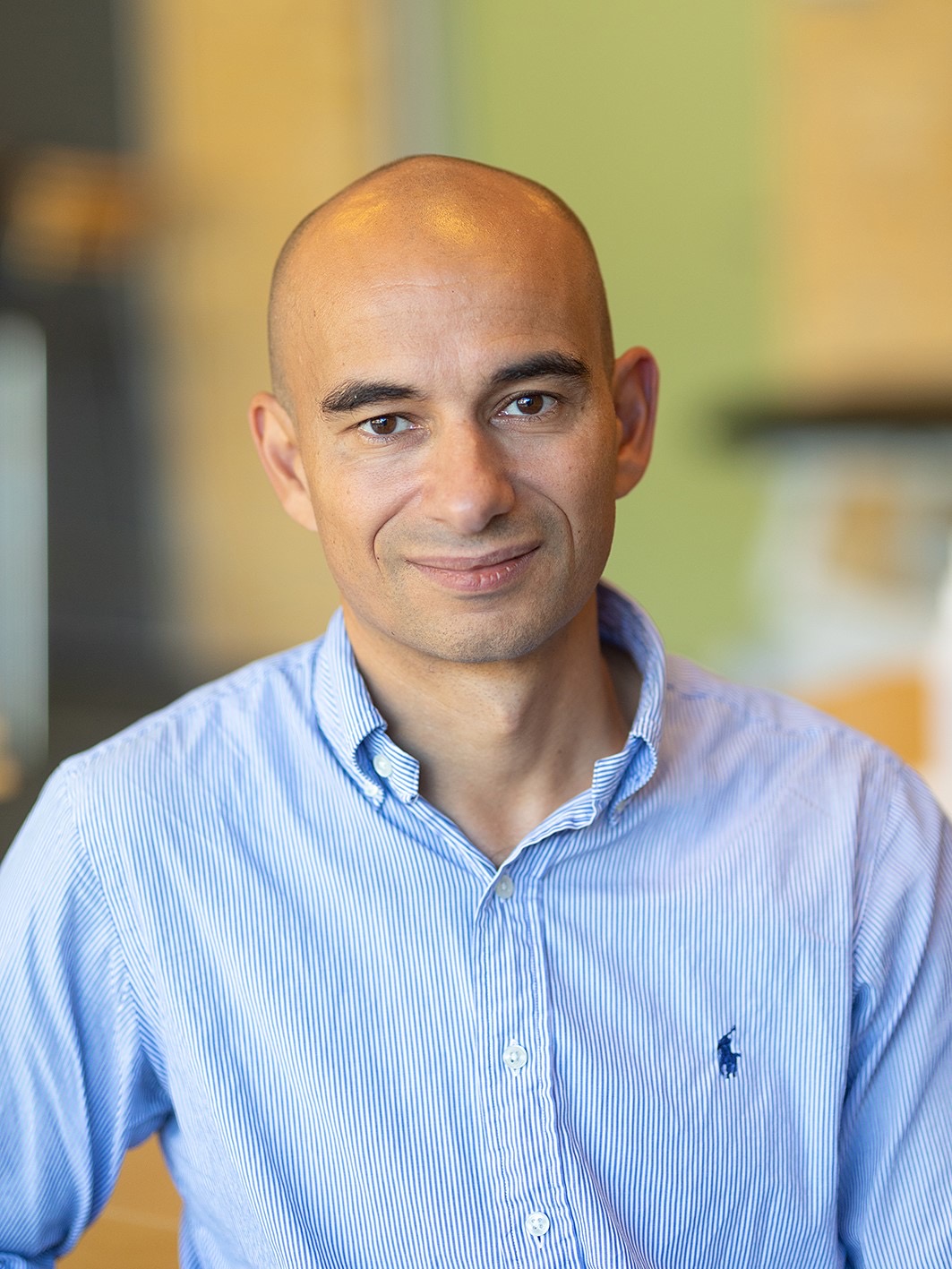 Tarec Christoffer El-Galaly合作论文数Department of Clinical Medicine, Faculty of Medicine, Aalborg Universitet;Department of Haematology, Aalborg Universitet Hospital;Klinisk Institut, Sundhedsvidenskabelige Fakultet, Aalborg Universitet6
 Michael Gaihede合作论文数6
 Malene Krag Kjeldsen合作论文数5
 Bilgrau Anders E合作论文数Dept Hematol, Aalborg Univ Hosp5Signe Rolskov Bojsen合作论文数4Simon Mylius Rasmussen合作论文数4Francesco Favero合作论文数4frank svendsen合作论文数4
 Kirsten Grønbæk合作论文数Department of Clinical Medicine, Faculty of Health and Medical Sciences, University of Copenhagen;Biotech Research & Innovation Centre, University of Copenhagen;Department of Hematology, Rigshospitalet4Michael Thorsgaard合作论文数4
 Mette Nyegaard合作论文数Statens Serum Institut;Institut for Medicin og Sundhedsteknologi, Det Sundhedsvidenskabelige Fakultet, Aalborg University4Nielsen Christian合作论文数4Brown Peter合作论文数4
 Thomas Stauffer Larsen合作论文数Department of Haematology, Odense University Hospital;Faculty of Medical Sciences, University of Southern Denmark4
 Husby Simon合作论文数Department of Hematology and.4Bendtsen Mette D合作论文数4Pär Josefsson合作论文数4
 Kim Varming合作论文数4chris ladefoged jacobsen合作论文数3Betina S. Sorensen合作论文数3Hanne Søndergaard合作论文数3
 Andreas Kiesbye Øvlisen合作论文数Department of Clinical Medicine, Aalborg University3
 F Germán Rodríguez-González合作论文数Erasmus Univ, Med Ctr, Erasmus MC Canc Inst, Dept Med Oncol, NL-3015 CN Rotterdam, Netherlands3
 Marianne Tang Severinsen合作论文数Aalborg University Hospital;Department of Clinical Medicine, Faculty of Medicine, Aalborg University;Department of Haematology, Faculty of Medicine, Aalborg University3Nørgaard Martin Agge合作论文数3
 Weischenfeldt Joachim合作论文数Faculty of Health Sciences, University of Copenhagen3Haastrup Eva合作论文数Department of Clinical Immunology, National University Hospital3Ebbesen Lene Hyldahl合作论文数3Marielouise M Gronholdt合作论文数3Claudia Schöllkopf合作论文数3Anne-Louise Fjordside合作论文数2A. Fjordside Bilde合作论文数2N. Brink Scholz合作论文数2
 Bodil Rasmussen合作论文数Faculty of Health, Deakin University;School of Nursing and Midwifery, Deakin University;Institute for Health Transformation, Deakin University2Grell Kathrine合作论文数2Saekmose Susanne G合作论文数2Kølbæk Merete Debois合作论文数2
 Rodrigo-Domingo Maria合作论文数2
 Bente Arboe合作论文数2




