Aryl halides are convenient, stable precursors to synthetically versatile aryl radicals, but the generation of the latter typically requires either stoichiometric tin/silicon reagents or precious metal photocatalysts, in both cases typically under conditions of high dilution. Here, we show that tertiary amines can mediate reductive cyclisations of aryl halides under photochemical conditions by (i) facilitating generation of aryl radicals through formation of photo‐active halogen bonding complexes, and (ii) acting as a source of mild terminal reductant. The absence of strong stoichiometric reductants allows the reactions to be conducted under untypically concentrated conditions without competing bimolecular aryl halide reduction, with associated benefits for productivity and sustainability metrics.
DFT calculations were done to investigate the kinetic mechanism of benzaldehyde transfer hydrogenation using [Cp*IrCl2]2 complexes in isopropyl alcohol in the presence of potassium tert-butoxide. Predicted energy barriers provide evidence that the inner-sphere (IS) mechanism (effective barrier 53.0 kJ/mol) is favored over the outer-sphere (OS) and Meerwein-Pondorf-Verley (MPV) mechanisms. Reaction kinetics was studied using both homogeneous and immobilized Cp*Ir complexes as catalysts. A mathematical model was developed to simulate the transfer hydrogenation of benzaldehyde on these catalysts, accounting for possible mass transfer limitations for the immobilized catalyst. A microkinetic model was constructed using both our density functional theory calculations and fitting of the kinetic parameters of catalyst activation and deactivation reactions. The simulation results predict that only about a quarter of Ir immobilized complexes are involved in the reaction, and this is the main reason for the observed higher activity of the homogeneous catalyst. The activity of the immobilized catalyst was found to be related to the hydride species concentration, which is a function of the base concentration. The results suggest that the amount of base has a drastic effect on the immobilized catalyst activity.
A principal component surfactant_map was developed for 91 commercially surfactants for use in surfactant-enabled organic reactions in water. The map led to activation of fluoride anion, usually strongly hydrated, as an active nucleophile in water.
The demand for efficient and sustainable chemical process development has driven significant advancements in automated droplet flow platforms, which, when coupled with high-throughput experimentation, offer powerful solutions for generating synthetic libraries and optimising reaction parameters. Droplet flow platforms allow for reactions to take place on a microfluidic scale, enabling rapid and sustainable process optimisations. The size of the droplet is varied, with the technique of generating the droplet differing from multiple pumps to advanced robotics. Approaches to integrate multiple analytical tools, phase sensors and parallel reactors have been developed, broadening the capabilities and increasing the throughput of these platforms. Herein, we review recent advancements made within this field, highlighting the type of chemical reactions investigated and the digital technologies which have enabled closed-loop optimisations.
To maximize the benefits of a continuous flow reaction, a continuous work-up is also needed. Herein, we present a process design and novel equipment for a continuous amine resolution reaction, integrated with liquid-liquid (L-L) extraction, back-extraction into a different solvent, and crystallisation purification for product isolation. The reaction, in iso-propyl acetate, flows through a heated fixed-bed reactor with solid supported Candida antarctica lipase which catalyses the resolution of (rac)-1-phenylethylamine to give the (R)-amide in 50% conversion and 96% enantiomeric excess (ee). This is separated from the unreacted (S)-amine co-product by mixing with an acidic aqueous stream and separating the phases using our recently reported coalescence filter separator. The aqueous stream is neutralised by mixing with base and back-extracted into methyl-THF solvent before separating the phases using a membrane separator. Finally, a solid amine salt is isolated by filtration, achieved by mixing the free base with an organic acid to cause crystallisation to give the (S)-1-phenylethylamine in 43% yield and >99% ee from racemate. The work illustrates how typical reactions, work-up and purification steps that involve multiple phases can be telescoped together using both new and commercially available laboratory equipment. This continuous system uses mild reaction conditions, green solvents and minimises their use for reduced waste.
Presented here is the design and performance of a coalescing liquid-liquid filter, based on low-cost and readily available meltblown nonwoven substrates for separation of immiscible phases. The performance of the coalescer was determined across three broad classes of fluid mixtures: (i) immiscible organic/aqueous systems, (ii) a surfactant laden organic/aqueous system with modification of the type of emulsion and interfacial surface tension through the addition of sodium chloride, and (iii) a water-acetone/toluene system. The first two classes demonstrated good performance of the equipment in effecting separation, including the separation of a complex emulsion system for which a membrane separator, operating through transport of a preferentially wetting fluid through the membrane, failed entirely. The third system was used to demonstrate the performance of the separator within a multistage liquid-liquid counterflow extraction system. The performance, robust nature, and scalability of coalescing filters should mean that this approach is routinely considered for liquid-liquid separations and extractions within the fine chemical and pharmaceutical industry.
The problems of extracting products efficiently from reaction workups are often overlooked. Issues such as emulsions and rag layer formation can cause long separation times and slow production, thus resulting in manufacturing inefficiencies. To better understand science within this area and to support process development, an image processing methodology has been developed that can automatically track the interface between liquid-liquid phases and provide a quantitative measure of the separation rate of two immiscible liquids. The algorithm is automated and has been successfully applied to 29 cases. Its robustness has been demonstrated with a variety of different liquid mixtures that exhibit a wide range of separation behavior-making such an algorithm suited to high-throughput experimentation. The information gathered from applying the algorithm shows how issues resulting from poor separations can be detected early in process development.
Biochar addition in anaerobic digestion has been repeatedly reported to improve methane production, however, this ability is not well understood. This work aims to understand and correlate the most important factors influencing anaerobic digestion performance using principal component analysis along with quantitative and qualitative descriptive analysis to evaluate the variations of methane production with the addition of biochar. Reports from the literature using biochar produced from several feedstocks under variable pyrolysis conditions and therefore different compositions were carefully gathered and compared with their own non-biochar controls. Woody-derived biochars, produced at 450–550 °C, containing an ash content of 3.1–6.3%, and an O:C ratio of 0.20, were responsible for having the greatest positive effect. The amount of biochar added to the digesters also influences anaerobic digestion performance. Increasing biochar loads favours the production rate, although this can be detrimental to methane yields, thereby, biochar loads of approximately 0.4–0.6% (w/v) appear to be optimal. This work provides a guide for those interested in biochar augmentation in anaerobic digestion and identifies the main interactions between the variables involved.
Water-accelerated reactions, wherein at least one organic reactant is not soluble in water, are an important class of organic reactions, with a potentially pivotal impact on sustainability of chemical manufacturing processes. However, mechanistic understanding of the factors controlling the acceleration effect has been limited, due to the complex and varied physical and chemical nature of these processes. In this study, a theoretical framework has been established to calculate the rate acceleration of known water-accelerated reactions, giving computational estimations of the change to ΔG‡ which correlate with experimental data. In-depth study of a Henry reaction between N-methylisatin and nitromethane using our framework led to rationalization of the reaction kinetics, its lack of dependence on mixing, kinetic isotope effect, and different salt effects with NaCl and Na2SO4. Based on these findings, a multiphase flow process which includes continuous phase separation and recycling of the aqueous phase was developed, and its superior green metrics (PMI-reaction = 4 and STY = 0.64 kg L-1 h-1) were demonstrated. These findings form the essential basis for further in silico discovery and development of water-accelerated reactions for sustainable manufacturing.
A techno-economic assessment (TEA) of enzymatic hydrolyses of a municipal solid waste (MSW)-derived pulp was performed to compare various bioprocessing configurations for the production of platform sugars at both pilot and demonstration scales (two-stage continuous, batch, and two-stage fed-batch). The configurations modeled used either rotary drum and/or continuous stirred tank reactors. By using reaction kinetics and public vendor’s quotes, economic analyses were calculated for each of the proposed systems: capital expenditure (CapEx); operation expenditure (OpEx); revenue and profit; return on investment (ROI); and payback period (PP). The TEA showed that a two-stage continuous configuration with a total residence time of 54 h (6 and 48 h for primary and secondary stages) was the best option for obtaining sugars, showing sevenfold higher enzyme productivity and better profit than the reference systems. Although pilot-scale enzymatic hydrolysis demonstrated an unprofitable process, this was mainly due to the high associated enzyme cost. Increasing the scale diminished this problem, leading to higher profit per processed unit (£/kg lignocellulosic sugars). From an investment perspective, the two-stage 6/48 configuration gave a more attractive ROI and PP than the other designs.
The augmentation of biochar (BC) during anaerobic digestion (AD) has been identified as a potential strategy for improving the AD of complex feedstocks. This study evaluates the influence of oak wood biochar 450 °C and fermentation conditions during the AD of the invasive aquatic plant, water hyacinth (WH). Factorial 22 design of experiments (DOE) allowed the evaluation of the effect of the crucial processing conditions, inoculum-to-substrate ratio (ISR) and biochar load. Further optimisation was performed to identify the best processing conditions for the AD of WH, at an ideal ISR of 1. The contour plots suggested that methane yield is favoured at biochar loads of ≤0.5%, whereas the production rate is favoured by increasing biochar loads. However, biochar addition offered no further improvement or significant effect on the digestion of WH. The subsequent AD of WH samples collected from different locations in India and Uganda exhibited variable biochemical methane potential (BMP) yields. BC addition had little effect on BMP performance, and in some cases, it even reduced the BMP. This study concludes that the amendment potential of biochar is influenced by digestion conditions and the substrate, particularly when working with complex substrates.
A combined three-step flow cascade conversion of n-butanol to propene is demonstrated. Zeolite H-ZSM-5 gives high conversion in the initial n-butanol dehydration step (98%). Subsequent isomerisation of terminal butenes to internal butenes over zeolite H-Fer takes place with good conversion (87%). Finally, cross-metathesis with ethene over a tungsten on acid-washed SiO2/Al2O3 catalyst affords propene with good selectivity (65%). Coupling these three steps into a single flow sheet gives an overall yield of 64% propene from n-BuOH. Ethene cross-metathesis catalyst performance was probed using 2-pentene as a model co-substrate giving good conversion (~90%) and moderate selectivity to butenes (67%).
Translation of catalysts developed in academia to industrial end-users remains a challenge due to a lack of knowledge about the impact of catalyst attributes on the whole process and vice versa. A systematic methodology is proposed that assesses these in terms of Key Performance Indicators (KPIs). As a case study, the dehydration of butanol to butenes and dibutyl ether is considered over H-ZSM5 and H-Beta catalysts. It is demonstrated that catalysts should be designed for complete conversion and high butene selectivity, as removal of unreacted 1-butanol requires a complex separation due to the thermo-physical properties of the product mixture.
A new modular photochemical continuous-stirred tank reactor design is described, based upon the development of light-source units that can be fitted to the previously described fReactor CSTR platform. In contrast to many tubular or plate-based designs, these units are especially well-suited to handling multiphasic mixtures, exemplified here in solid-liquid and gas-liquid photochemical reactions. The use of slurries as input feeds allows for intensification of a photochemical bromination, while the modular nature of the system facilitates simple integration of downstream reaction steps, exemplified here in a continuous synthesis of an intermediate for the drug valsartan.
The optimization of multistep chemical syntheses is critical for the rapid development of new pharmaceuticals. However, concatenating individually optimized reactions can lead to inefficient multistep syntheses, owing to chemical interdependencies between the steps. Herein, we develop an automated continuous flow platform for the simultaneous optimization of telescoped reactions. Our approach is applied to a Heck cyclization-deprotection reaction sequence, used in the synthesis of a precursor for 1-methyltetrahydroisoquinoline C5 functionalization. A simple method for multipoint sampling with a single online HPLC instrument was designed, enabling accurate quantification of each reaction, and an in-depth understanding of the reaction pathways. Notably, integration of Bayesian optimization techniques identified an 81 % overall yield in just 14 h, and revealed a favorable competing pathway for formation of the desired product.
The anaerobic co-digestion (AcoD) of microalgae is a prospective option for generating biomethane from renewable sources. This study investigates the effects of inoculum-to-substrate ratio (ISR), C/N ratio and biochar (BC) load on the AcoD of Chlorella vulgaris and cellulose. An initial augmentation of BC at ISR 0.5-0.9 and C/N ratio 10-30 offered a pH buffering effect and resulted in biomethane yields of 233-241 mL CH4/g VS, corresponding to 1.8-4.6 times the controls. BC addition ameliorated significantly AcoD, supporting the digestate stability at less favourable conditions. The effect of the process variables was further studied with a 23 factorial design and response optimisation. Under the design conditions, the variables had less influence over methane production. Higher ISRs and C/N ratios favoured AcoD, whereas increasing amounts of BC reduced biomethane yield but enhanced production rate. The factorial design highlighted the importance of BC-load on AcoD, establishing an optimum of 0.58 % (w/v).
The augmentation of biochar produced at 450 and 600-650 degrees C and hydrochar produced at 250 degrees C has been investigated using biochemical methane potential experiments of cellulose. The feedstocks used for the char production included the lignocellulosic (oak wood), macroalgae (Fucus serratus) and aquatic plant (water hyacinth). Biomethane production was improved with the addition of lower-temperature biochars from oak wood (285 mL CH4/g VS) and water hyacinth (294 mL CH4/g VS), corresponding to 7 and 11% more than the control. The addition of these two biochars increased the methane production rate of 2.4 and 2.3 times the control, respectively. Higher temperature biochars showed no difference. Conversely, all hydrochars and macroalgae biochars augmentation reduced methane generation by 57-86 %. The chemical and structural composition of each of the chars differed significantly. Surface oxygen functionality appears to be the most important property of the biochars that improved digestion performance.
The homogenous, [IrCp∗I2]2, SCRAM catalyst (1) is active in the racemization of chiral amines. NMR, kinetic and structural mechanistic studies have determined the cause of catalyst deactivation to occur when ammonia or methylamine are liberated by hydrolysis or aminolysis of the intermediate imine, which tightly coordinate to the iridium centre to block turnover. Control of moisture and substrate concentration can suppress deactivation, whilst partial reactivation of spent catalyst was identified using hydroiodic acid.
An automated separation system is described for identifying the optimal conditions for purifying an amine from a mixture.
 Nikil Kapur合作论文数20
 Stephen P Marsden合作论文数School of Chemistry, University of Leeds20Jonathan M. J. Williams合作论文数20
 Benjamin R. Buckley合作论文数Department of Chemistry, Loughborough University15
 Richard A. Bourne合作论文数Inst Proc Res & Dev, Univ Leeds15
 Mohamud Mohamed Farah合作论文数14
 Philip C. Bulman Page合作论文数University of East Anglia, School of Chemistry14
 Patrick McGowan合作论文数Department of Biological Sciences, University of Toronto Scarborough13Ourida Saidi合作论文数12Chapman Michael R合作论文数10
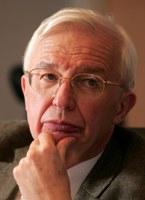 Jean-Marie Lehn (杰马里·莱恩)合作论文数Nanotechnologie Institute of the Research Center of Karlsruhe;Collège de France;University of Strasbourg10
 Adam D. Clayton合作论文数School of Chemistry & School of Chemical and Process Engineering, University of Leeds9
 Nguyen Bao Lam合作论文数9Thomas W. Chamberlain合作论文数8Jolley Katherine E合作论文数7Matthew J. Stirling合作论文数7Michael S. Loft合作论文数6Hose David R J合作论文数6
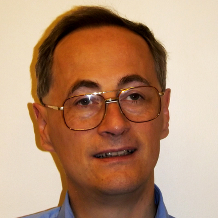 Michael North合作论文数Department of Chemistry, University of York6Jaroslaw Jazwinski合作论文数6Rachel Munday合作论文数5Maria H. T. Kwan合作论文数5Lucas Stephanie J合作论文数5
 Sambiagio Carlo合作论文数School of Chemistry, University of Leeds5
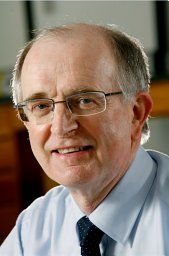 Michael I. Page合作论文数Department of Chemical & Biological Sciences, University of Huddersfield5Narain D. Sharma合作论文数5
 NJ Turner合作论文数School of Chemistry, The University of Manchester5
 Martin F. Jones合作论文数5William R. Reynolds合作论文数4
 Jessica Quintana Najera合作论文数4Lisa A. Thompson合作论文数4Samuel Boobier合作论文数4L.A. Fletcher合作论文数4Carlos González Niño合作论文数4
 Connor Taylor合作论文数Innovation Centre in Digital Molecular Technologies, University of Cambridge4
 Andrew Ross合作论文数School of Chemical and Process Engineering, University of Leeds4
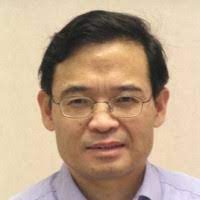 Jianliang Xiao (肖建良)合作论文数Department of Chemistry, University of Liverpool4
 Mike Williams合作论文数Division of Land and Water, The Commonwealth Scientific and Industrial Research Organisation4Marcé Patricia合作论文数4Howard Dalton合作论文数4Simon B. Duckett合作论文数Chemistry Department, University of York4Michael R. Crampton合作论文数4
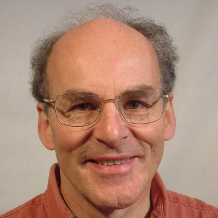 Robin Perutz合作论文数Department of Chemistry, University of York4Robin Fieldhouse合作论文数Zeneca Process Technology Department4
 Charlotte E Willans合作论文数4
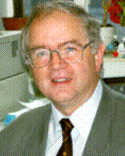 Derek R. Boyd合作论文数Organic Chemistry4Christophe Grosjean合作论文数4
 Greg de Boer合作论文数3Thomas Screen合作论文数3




