Epidemiology studies evaluate associations between the metabolome and disease risk. Urine is a common biospecimen used for such studies due to its wide availability and non-invasive collection. Evaluating the robustness of urinary metabolomic profiles under varying preanalytical conditions is thus of interest. Here we evaluate the impact of sample handling conditions on urine metabolome profiles relative to the gold standard condition (no preservative, no refrigeration storage, single freeze thaw). Conditions tested included the use of borate or chlorhexidine preservatives, various storage and freeze/thaw cycles. We demonstrate that sample handling conditions impact metabolite levels, with borate showing the largest impact with 125 of 1,048 altered metabolites (adjusted P < 0.05). When simulating a case-control study with expected inconsistencies in sample handling, we predicted the occurrence of false positive altered metabolites to be low (< 11). Predicted false positives increased substantially (³63) when cases were simulated to undergo alternate handling. Finally, we demonstrate that sample handling impacts on the urinary metabolome were markedly smaller than those in serum. While changes in urine metabolites incurred by sample handling are generally small, we recommend implementing consistent handling conditions and evaluating robustness of metabolite measurements for those showing significant associations with disease outcomes.
Merkel cell carcinoma (MCC) is a rare, aggressive skin cancer. Most MCCs contain Merkel cell polyomavirus (virus-positive MCC; VP-MCC), and the remaining are virus-negative (VN-MCC). Immune checkpoint inhibitors are the first-line treatment for metastatic MCC, but durable responses are achieved in less than 50% of patients. To identify new treatments, we screen ~4,000 compounds for their ability to reduce MCC viability and demonstrate that VP-MCC and VN-MCC exhibit distinct response profiles. Aurora kinase inhibitors selectively reduce VP-MCC viability, with RNAi screening independently identifying AURKB as an essential gene for MCC survival, especially in VP-MCC. AZD2811, a selective AURKB inhibitor, induces mitotic dysregulation and apoptosis in MCC cells, with greater efficacy in VP-MCC. In mice, AZD2811 nanoparticles inhibit tumor growth and increase survival in both VP-MCC and VN-MCC xenograft models. Overall, our unbiased screens identify AURKB as a promising therapeutic target and AZD2811NP as a potential treatment for MCC.
Embryoid bodies (EBs) and self-organizing organoids derived from human pluripotent stem cells (hPSCs) recapitulate tissue development in a dish and hold great promise for disease modeling and drug development. However, current protocols are hampered by cellular stress and apoptosis during cell aggregation, resulting in variability and impaired cell differentiation. Here, we demonstrate that EBs and various organoid models (e.g., brain, gut, kidney) can be optimized by using the small molecule cocktail named CEPT (chroman 1, emricasan, polyamines, trans-ISRIB), a polypharmacological approach that ensures cytoprotection and cell survival. Application of CEPT for just 24 h during cell aggregation has long-lasting consequences affecting morphogenesis, gene expression, cellular differentiation, and organoid function. Various qualification methods confirmed that CEPT treatment enhanced experimental reproducibility and consistently improved EB and organoid fitness as compared to the widely used ROCK inhibitor Y-27632. Collectively, we discovered that stress-free cell aggregation and superior cell survival in the presence of CEPT are critical quality control determinants that establish a robust foundation for bioengineering complex tissue and organ models.
Understanding the molecular underpinnings of disease severity and progression in human studies is necessary to develop metabolism-related preventative strategies for severe COVID-19. Metabolites and metabolic pathways that predispose individuals to severe disease are not well understood. In this study, we generated comprehensive plasma metabolomic profiles in >550 patients from the Longitudinal EMR and Omics COVID-19 Cohort. Samples were collected before (n = 441), during (n = 86), and after (n = 82) COVID-19 diagnosis, representing 555 distinct patients, most of which had single timepoints. Regression models adjusted for demographics, risk factors, and comorbidities, were used to determine metabolites associated with predisposition to and/or persistent effects of COVID-19 severity, and metabolite changes that were transient/lingering over the disease course. Sphingolipids/phospholipids were negatively associated with severity and exhibited lingering elevations after disease, while modified nucleotides were positively associated with severity and had lingering decreases after disease. Cytidine and uridine metabolites, which were positively and negatively associated with COVID-19 severity, respectively, were acutely elevated, reflecting the particular importance of pyrimidine metabolism in active COVID-19. This is the first large metabolomics study using COVID-19 plasma samples before, during, and/or after disease. Our results lay the groundwork for identifying putative biomarkers and preventive strategies for severe COVID-19.
Three-dimensional (3D) cell culture in vitro promises to improve representation of neuron physiology in vivo. This inspired development of a 3D culture platform for LUHMES (Lund Human Mesencephalic) dopaminergic neurons for high-throughput screening (HTS) of chemicals for neurotoxicity. Three culture platforms, adhesion (2D-monolayer), 3D-suspension, and 3D-shaken, were compared to monitor mRNA expression of seven neuronal marker genes, DCX, DRD2, ENO2, NEUROD4, SYN1, TH, and TUBB3. These seven marker genes reached similar maxima in all three formats, with the two 3D platforms showing similar kinetics, whereas several markers peaked earlier in 2D adhesion compared to both 3D culture platforms. The differentiated LUHMES (dLUHMES) neurons treated with ziram, methylmercury or thiram dynamically increased expression of metallothionein biomarker genes MT1G, MT1E and MT2A at 6 h. These gene expression increases were generally more dynamic in 2D adhesion cultures than in 3D cultures, but were generally comparable between 3D-suspension and 3D-u plate (low binding) platforms. Finally, we adapted 3D-suspension culture of dLUHMES and neural stem cells to 1536 well plates with a HTS cytotoxicity assay. This HTS assay revealed that cytotoxicity IC50 values were not significantly different between adhesion and 3D-suspension platforms for 31 of 34 (91%) neurotoxicants tested, whereas IC50 values were significantly different for at least two toxicants. In summary, the 3D-suspension culture platform for LUHMES dopaminergic neurons supported full differentiation and reproducible assay results, enabling quantitative HTS (qHTS) for cytotoxicity in 1536 well format with a Robust Z’ score of 0.68.
Serum total immunoglobulin E levels (total IgE) capture the state of the immune system in relation to allergic sensitization. High levels are associated with airway obstruction and poor clinical outcomes in pediatric asthma. Inconsistent patient response to anti-IgE therapies motivates discovery of molecular mechanisms underlying serum IgE level differences in children with asthma. To uncover these mechanisms using complementary metabolomic and transcriptomic data, abundance levels of 529 named metabolites and expression levels of 22,772 genes were measured among children with asthma in the Childhood Asthma Management Program (CAMP, N=564) and the Genetic Epidemiology of Asthma in Costa Rica Study (GACRS, N=309) via the TOPMed initiative. Gene-metabolite associations dependent on IgE were identified within each cohort using multivariate linear models and were interpreted in a biochemical context using network topology, pathway and chemical enrichment, and representation within reactions. A total of 1,617 total IgE-dependent gene-metabolite associations from GACRS and 29,885 from CAMP met significance cutoffs. Of these, glycine and guanidinoacetic acid (GAA) were associated with the most genes in both cohorts, and the associations represented reactions central to glycine, serine, and threonine metabolism and arginine and proline metabolism. Pathway and chemical enrichment analysis further highlighted additional related pathways of interest. The results of this study suggest that GAA may modulate total IgE levels in two independent pediatric asthma cohorts with different characteristics, supporting the use of L-Arginine as a potential therapeutic for asthma exacerbation. Other potentially new targetable pathways are also uncovered.
High throughput screening (HTS) is widely used in drug discovery and chemical biology to identify and characterize agents having pharmacologic properties often by evaluation of large chemical libraries. Standard HTS data can be simply plotted as an x-y graph usually represented as % activity of a compound tested at a single concentration vs compound ID, whereas quantitative HTS (qHTS) data incorporates a third axis represented by concentration. By virtue of the additional data points arising from the compound titration and the incorporation of logistic fit parameters that define the concentration-response curve, such as EC50 and Hill slope, qHTS data has been challenging to display on a single graph. Here we provide a flexible solution to the rapid plotting of complete qHTS data sets to produce a 3-axis plot we call qHTS Waterfall Plots. The software described here can be generally applied to any 3-axis dataset and is available as both an R package and an R shiny application.
Supplementary Figures 1-2, Tables 1-9 from Identification of Pax5 as a Target of MTA1 in B-Cell Lymphomas
Motivation: Functional interpretation of high-throughput metabolomic and transcriptomic results is a crucial step in generating insight from experimental data. However, pathway and functional information for genes and metabolites are distributed among many siloed resources, limiting the scope of analyses that rely on a single knowledge source. Results: RaMP-DB 2.0 is a web interface, relational database, API and R package designed for straightforward and comprehensive functional interpretation of metabolomic and multi-omic data. RaMP-DB 2.0 has been upgraded with an expanded breadth and depth of functional and chemical annotations (ClassyFire, LIPID MAPS, SMILES, InChIs, etc.), with new data types related to metabolites and lipids incorporated. To streamline entity resolution across multiple source databases, we have implemented a new semi-automated process, thereby lessening the burden of harmonization and supporting more frequent updates. The associated RaMP-DB 2.0 R package now supports queries on pathways, common reactions (e.g. metabolite-enzyme relationship), chemical functional ontologies, chemical classes and chemical structures, as well as enrichment analyses on pathways (multi-omic) and chemical classes. Lastly, the RaMP-DB web interface has been completely redesigned using the Angular framework.
Canine osteosarcoma is increasingly recognized as an informative model for human osteosarcoma. Here we show in one of the largest clinically annotated canine osteosarcoma transcriptional datasets that two previously reported, as well as de novo gene signatures devised through single sample Gene Set Enrichment Analysis (ssGSEA), have prognostic utility in both human and canine patients. Shared molecular pathway alterations are seen in immune cell signaling and activation including TH1 and TH2 signaling, interferon signaling, and inflammatory responses. Virtual cell sorting to estimate immune cell populations within canine and human tumors showed similar trends, predominantly for macrophages and CD8+ T cells. Immunohistochemical staining verified the increased presence of immune cells in tumors exhibiting immune gene enrichment. Collectively these findings further validate naturally occurring osteosarcoma of the pet dog as a translationally relevant patient model for humans and improve our understanding of the immunologic and genomic landscape of the disease in both species.
Supplementary Data from Proteomic Analysis of Laser-Captured Paraffin-Embedded Tissues: A Molecular Portrait of Head and Neck Cancer Progression
Background As new infectious diseases (ID) emerge and others continue to mutate, there remains an imminent threat, especially for vulnerable individuals. Yet no generalizable framework exists to identify the at-risk group prior to infection. Metabolomics has the advantage of capturing the existing physiologic state, unobserved via current clinical measures. Furthermore, metabolomics profiling during acute disease can be influenced by confounding factors such as indications, medical treatments, and lifestyles.Methods We employed metabolomic profiling to cluster infection-free individuals and assessed their relationship with COVID severity and influenza incidence/recurrence.Findings We identified a metabolomic susceptibility endotype that was strongly associated with both severe COVID (ORICUadmission = 6.7, p-value = 1.2 x 10(-08), ORmortality = 4.7, p-value = 1.6 x 10(-04)) and influenza (ORincidence = 2.9; p-values = 2.2 x 10(-4), beta(recurrence) = 1.03; p-value = 5.1 x 10(-3)). We observed similar severity associations when recapitulating this susceptibility endotype using metabolomics from individuals during and after acute COVID infection. We demonstrate the value of using metabolomic endotyping to identify a metabolically susceptible group for two-and potentially more-IDs that are driven by increases in specific amino acids, including microbial-related metabolites such as tryptophan, bile acids, histidine, polyamine, phenylalanine, and tyrosine metabolism, as well as carbohydrates involved in glycolysis.Interpretations These metabolites may be identified prior to infection to enable protective measures for these individuals.
Ovarian cancer is one of the most lethal gynecological malignancies. Recurrence or acquired chemoresistance is the leading cause of ovarian cancer therapy failure. Overexpression of ATP-binding cassette subfamily B member 1 (ABCB1), commonly known as P-glycoprotein, correlates closely with multidrug resistance (MDR). However, the mechanism underlying aberrant ABCB1 expression remains unknown. Using a quantitative high-throughput combinational screen, we identified that terfenadine restored doxorubicin sensitivity in an MDR ovarian cancer cell line. In addition, RNA-seq data revealed that the Ca2+-mediated signaling pathway in the MDR cells was abnormally regulated. Moreover, our research demonstrated that terfenadine directly bound to CAMKIID to prevent its autophosphorylation and inhibit the activation of the cAMP-responsive element-binding protein 1 (CREB1)-mediated pathway. Direct inhibition of CAMKII or CREB1 had the same phenotypic effects as terfenadine in the combined treatment, including lower expression of ABCB1 and baculoviral IAP repeat-containing 5 (BIRC5, also known as survivin) and increased doxorubicin-induced apoptosis. In this study, we demonstrate that aberrant regulation of the Ca2+-mediated CAMKIID/CREB1 pathway contributes to ABCB1 over-expression and MDR creation and that CAMKIID and CREB1 are attractive targets for restoring doxorubicin efficacy in ABCB1-mediated MDR ovarian cancer.
ABSTRACT Embryoid bodies (EBs) and self-organizing organoids derived from human pluripotent stem cells (hPSCs) recapitulate tissue development in a dish and hold great promise for disease modeling and drug development. However, current protocols are hampered by cellular stress and apoptosis during cell aggregation, resulting in variability and impaired cell differentiation. Here, we demonstrate that EBs and various organoid models (e.g., brain, gut, and kidney) can be optimized by using the CEPT small molecule cocktail, a polypharmacology approach that ensures cytoprotection and cell survival. Application of CEPT (chroman 1, emricasan, polyamines, trans-ISRIB) for just 24 hours during cell aggregation has long-lasting consequences affecting morphogenesis, gene expression, and cellular differentiation. Various qualification methods confirmed that CEPT treatment consistently improved EB and organoid fitness as compared to the widely used ROCK inhibitor Y-27632. Collectively, we discovered that stress-free cell aggregation and superior cell survival in the presence of CEPT are critical quality control determinants that establish a robust foundation for bioengineering complex tissue and organ models.
ABSTRACTRaMP-DB 2.0 is a web interface, API, relational database and R package designed for straightforward and comprehensive functional interpretation of metabolomic and multi-omic data. Since its first release in 2018, RaMP-DB 2.0 has been upgraded with an expanded breadth and depth of functional and chemical annotation. Content from the source databases (Reactome, HMDB, and Wikipathways) has been updated, and new data types related to metabolite annotations have been incorporated. Structural information incorporated in RaMP-DB 2.0 includes SMILES strings, InChIs, InChIKeys. Chemical classes have been sourced from ClassyFire and LIPID MAPS. Accordingly, the RaMP-DB 2.0 R package has been updated and supports queries on pathways, common reactions, ontologies, chemical classes, and chemical structures. Additionally, RaMP-DB 2.0 now supports enrichment analyses on pathways and chemical classes. Our process for integrating annotations across resources has also been upgraded to lessen the burden of harmonization, thereby supporting more frequent updates. The code used to build all components of RaMP-DB 2.0 is freely available on GitHub athttps://github.com/ncats/ramp-dbandhttps://github.com/ncats/RaMP-Backend.
Human pluripotent stem cells (hPSCs), such as induced pluripotent stem cells (iPSCs), hold great promise for drug discovery, toxicology studies, and regenerative medicine. Here, we describe standardized protocols and experimental procedures that combine automated cell culture for scalable production of hPSCs with quantitative high-throughput screening (qHTS) in miniaturized 384-well plates. As a proof of principle, we established dose-response assessments and determined optimal concentrations of 12 small molecule compounds that are commonly used in the stem cell field. Multi-parametric analysis of readouts from diverse assays including cell viability, mitochondrial membrane potential, plasma membrane integrity, and ATP production was used to distinguish normal biological responses from cellular stress induced by small molecule treatment. Collectively, the establishment of integrated workflows for cell manufacturing, qHTS, high-content imaging, and data analysis provides an end-to-end platform for industrial-scale projects and should leverage the drug discovery process using hPSC-derived cell types.
Efficient translation of human induced pluripotent stem cells (hiPSCs) requires scalable cell manufacturing strategies for optimal self-renewal and functional differentiation. Traditional manual cell culture is variable and labor intensive, posing challenges for high-throughput applications. Here, we established a robotic platform and automated all essential steps of hiPSC culture and differentiation under chemically defined conditions. This approach allowed rapid and standardized manufacturing of billions of hiPSCs that can be produced in parallel from up to 90 different patient- and disease-specific cell lines. Moreover, we established automated multi-lineage differentiation and generated functional neurons, cardiomyocytes, and hepatocytes. To validate our approach, we compared robotic and manual cell culture operations and performed comprehensive molecular and cellular characterizations (e.g., single-cell transcriptomics, mass cytometry, metabolism, electrophysiology) to benchmark industrial-scale cell culture operations toward building an integrated platform for efficient cell manufacturing for disease modeling, drug screening, and cell therapy.
Understanding relationships between spontaneous cancer in companion (pet) canines and humans can facilitate biomarker and drug development in both species. Towards this end we developed an experimental-bioinformatic protocol that analyzes canine transcriptomics data in the context of existing human data to evaluate comparative relevance of canine to human cancer. We used this protocol to characterize five canine cancers: melanoma, osteosarcoma, pulmonary carcinoma, B- and T-cell lymphoma, in 60 dogs. We applied an unsupervised, iterative clustering method that yielded five co-expression modules and found that each cancer exhibited a unique module expression profile. We constructed cancer models based on the co-expression modules and used the models to successfully classify the canine data. These canine-derived models also successfully classified human tumors representing the same cancers, indicating shared cancer biology between canines and humans. Annotation of the module genes identified cancer specific pathways relevant to cells-of-origin and tumor biology. For example, annotations associated with melanin production (PMEL, GPNMB, and BACE2), synthesis of bone material (COL5A2, COL6A3, and COL12A1), synthesis of pulmonary surfactant (CTSH, LPCAT1, and NAPSA), ribosomal proteins (RPL8, RPS7, and RPLP0), and epigenetic regulation (EDEM1, PTK2B, and JAK1) were unique to melanoma, osteosarcoma, pulmonary carcinoma, B- and T-cell lymphoma, respectively. In total, 152 biomarker candidates were selected from highly expressing modules for each cancer type. Many of these biomarker candidates are under-explored as drug discovery targets and warrant further study. The demonstrated transferability of classification models from canines to humans enforces the idea that tumor biology, biomarker targets, and associated therapeutics, discovered in canines, may translate to human medicine.
 Anton Simeonov合作论文数National Center for Advancing Translational Sciences, National Institutes of Health, U.S. Department of Health & Human Services9
 Ewy A. Mathe合作论文数George Mason University8
 Scott N Peterson合作论文数8Pei-Hsuan Chu合作论文数7
 David Gerhold合作论文数Merck Res Labs, Dept Investigat Lab Sci, West Point, PA USA7Rembert Pieper合作论文数7
 Quanshun Zhang合作论文数Cummings School of Veterinary Medicine, Tufts University6Robert D. Fleischmann合作论文数6
 Saul Tzipori合作论文数Department of Infectious Disease and Global Health, Cummings School of Veterinary Medicine, Tufts University6Tyler Peryea合作论文数5
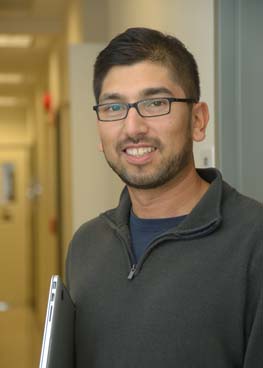 Rajarshi Guha合作论文数Division of Pre-Clinical Innovation, National Center for Advancing Translational Sciences, National Institutes of Health5
 Noel Southall合作论文数AstraZeneca5
 Shih-Ting Huang合作论文数5Srilatha Kuntumalla合作论文数5
 Claire Weber合作论文数4
 Carlos Tristan合作论文数4
 James Inglese合作论文数Division of Preclinical Innovation, Assay Development and Screening Technology Laboratory, National Center for Advancing Translational Sciences, National Institutes of Health4
 Dranchak Patricia合作论文数4Norman H. Lee合作论文数4Paul Shinn合作论文数4Hamid Alami合作论文数4
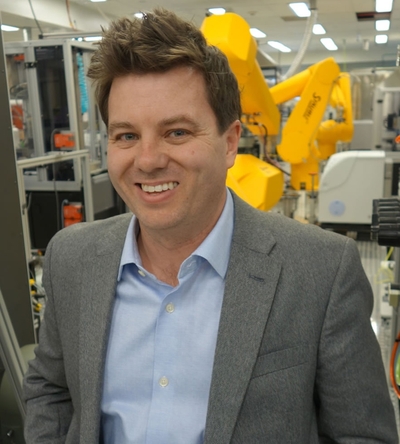 Matthew D. Hall合作论文数Early Translation Branch, Division of Preclinical Innovation, National Center for Advancing Translational Sciences, National Institutes of Health4
 John Quackenbush合作论文数Department of Biostatistics, Harvard T.H. Chan School of Public Health, Harvard University;Dana-Farber Cancer Institute4Ilyas Singec合作论文数4Prashanth P. Parmar合作论文数4
 Ruili Huang合作论文数Division of Preclinical Innovation, National Center for Advancing Translational Sciences, National Institutes of Health4Alexander I Saeed合作论文数3Behnam Jarrahi合作论文数3
 Jaroslav Slamecka合作论文数3Insun Kim合作论文数3Carleen Klumpp-Thomas合作论文数National Institutes of Health3
 Tara Eicher合作论文数Div Preclin Innovat, Natl Ctr Adv Translat Sci3
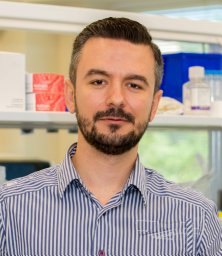 Vukasin M. Jovanovic合作论文数National Center for Advancing Translational Sciences (NCATS),, National Institutes of Health (NIH),3Arrington Ty合作论文数3
 Ryu Seungmi合作论文数Interdisciplinary Program of Bioengineering, Seoul National University3Shen Min合作论文数3
 David Clark合作论文数Department of Anesthesiology, Perioperative and Pain Medicine, School of Medicine, Stanford University3
 Wei Zheng合作论文数NIH Chemical Genomics Center, National Human Genome Research Institute3Sam Michael合作论文数3
 Amjad H Talukder合作论文数3
 Brian J. Haas合作论文数Methods Development Laboratory, Broad Institute of MIT and Harvard3Jessica A. Lasky Su合作论文数Brigham and Women's Hospital3Moo-Jin Suh合作论文数J. Craig Venter Institute3
 Ty C Voss合作论文数3Nirmal Bhagabati合作论文数Department of Biological Sciences;State University of New York;American Museum of Natural History3Arthur Donohue-Rolfe合作论文数3
 Rozita Bagheri-Yarmand合作论文数Laboratoire de Recherche en Oncologie Moléculaire Humaine, Université Paris-Nord3
 Mathangi Thiagarajan合作论文数Frederick National Laboratory for Cancer Research3Seetharaman Balasenthil合作论文数3




