Alma College initiated an Altitude Physiology class in 1997 devoted to living and learning at high altitude (3440 m). The class incorporated several key elements of High-Impact Educational Practice including a strong student-research component and collaborative groups assignments. A retrospective survey was administered to alumni of the class to determine its long-term impact. Student responses ranged from “agree” to “strongly agree” with statements regarding the class’s impact on positive learning outcomes such as critical thinking, knowledge acquisition, synthesis of knowledge, and understanding of research. Students generally favored non-traditional formats such as living at altitude for gaining understanding of environmental physiology.
The purpose of this study was to (1) determine in a systematic way the opinions of the students in the Sophomore and Junior sections of Applied Psychology in the following areas: (a) purposes of the classes, (b) weaknesses in the classes, (c) suggestions for improvement, and (d) benefits; (2) to determine the feelings of the teachers of the classes in the following areas: (a) purposes of the classes, (b) what the Administration expected of the teachers of the classes, (c) personal feelings about the classes, (d) helpfulness to the students of the classes, and (e) suggestions for improvement; (3) to draw conclusions based on the feelings of the students and teachers of the classes which might be of value to the administration as it considers strengthening Applied Psychology on the Sophomore and Junior levels.
S. M. Doe1, A. L. Siemiginowska1, B. L. Refsdal1, I. N. Evans1, C. S. Anderson1, N. R. Bonaventura1, J. C. Chen1, J. E. Davis2, J. D. Evans1, G. Fabbiano1, E. Galle1, D. G. Gibbs1, K. J. Glotfelty1, J. D. Grier1, R. Hain1, D. M. Hall1, P. N. Harbo1, X. He1, J. C. Houck2, M. Karovska1, J. Lauer1, M. L. McCullough1, J. C. McDowell1, J. B. Miller1, A. W. Mitschang1, D. L. Morgan1, J. S. Nichols1, M. A. Nowak2, D. A. Plummer1, F. A. Primini1, A. H. Rots1, B. A. Sundheim1, M. S. Tibbetts1, D. W. Van Stone1, S. L. Winkelman1, P. Zografou1
To our knowledge, the relationship between many physiological adaptations due to in-season training and their impact on racing performance remains unclear. PURPOSE: To investigate multiple physiological variables that contribute to the greatest improvements in 6,000m cross country race performance. METHODS: Nine female collegiate cross country athletes (1.8+0.1m, 59.6+3.9kg) were evaluated twice during their competitive cross country season: pre-season (T1) and mid-season (T2). Subjects completed a graded exercise test to volitional fatigue on a motor driven treadmill. Oxygen consumption was measured by a Parvo TruOne 2400 Metabolic cart. Near-infrared spectroscopy (Portamon, Artinis Inc.) of the vastus lateralis was used to measure tissue saturation index (TSI) for each stage of the graded exercise test. In this study, the slope of the decline in TSI was determined and used to quantify the muscle oxygenation response. Blood lactate was analyzed at each workload by a handheld lactate analyzer (Nova Biomedical) to determine the inflection point of lactate accumulation. Efficiency was determined from work output and energy input during running. Changes in these variables along with standardized race performance times were analyzed. RESULTS: VO2max significantly increased (p<0.05) from T1 to T2 (51.6 + 3.2 ml/kg/min to 56.6 + 4.3 ml/kg/min) indicating an average gain of 4.9 + 3.9 ml/kg/min or 9.7%. The slope of the TSI became more positive from T1 (-14.8 x10⁻³ + 6 x10⁻³) to T2 (-7.9 x10⁻³ + 7 x10⁻³), indicating less of a decline in muscle deoxygenation. The LT increased by one workload in four of the nine subjects. The subjects who experienced an increase in LT also experienced an increase in racing performance. Lastly, running efficiency did not significantly change between T1 and T2. CONCLUSIONS: On average, VO2max, LT, and muscle oxygenation improved from pre- to mid-season. The greatest gains in VO2max and in LT from pre-season to mid-season correlated to the greatest improvements in racing performance. About 40% of the variance in race performance can be explained by the changes in VO2max whereas improvements in LT explained 32% of the variance in racing performance. These data suggest that improvements in VO2max are most important in predicting race performance in collegiate cross country runners.
Assessing the physiological responses to exercise at high altitude in real time or using cloud-based data storage has important implications for remote monitoring of human health and well-being in challenging environments. PURPOSE: To determine the feasibility of using real-time monitoring to assess the cardiovascular responses to a simulated climb for military operations. METHODS: Seventy-four male (age = 21.9 + 2.2 yrs, height = 1.78 + .02 m, weight = 78.2 + 9.7 kgs) sea level (SL) residents volunteered to participate in this study after giving informed consent and completing the Army Physical Fitness Test. Subjects were flown from SL to high altitude (HA) and completed a 5.9-km hike with a 35-pound rucksack that began at 3239 m and finished at 3840 m the morning after arrival at HA. They were instructed to complete the course as fast as possible. Heart rate (directly from ECG), breathing rate and depth, and step count (cadence) were assessed using a shirt with built-in sensors (Carre Technologies inc., Hexoskin). In 73 out of 74 of the subjects, the Hexoskin was effective at collecting all of the hike data. For analysis, the 5.9 km course was divided into four equal segments (Segment 1= 0-25%, 2= 25-50%, 3= 50-75%, 4 = 75-100%) based on step count. Elevation gain for each of the segments was determined from topographical maps (Segment 1 = 123 m, 2 = 178, 3 = 142 m, and 4 = 262 m). Average and maximal heart rates were calculated for each of the segments. RESULTS: Average heart rates were 140.1 + 18.1 bpm, 161.9 + 5.8 bpm, 159.2 + 6.4 bpm, and 161.5 + 6.2 bpm respectively for the four segments corresponding to 74.5%, 86.1%, 84.6%, and 85.9% of estimated heart rate max. The heart rates reflected the elevation gain except for Segment 4 which had the greatest elevation gain but similar heart rates to Segment 3. Further analysis of the Hexoskin data indicate that subjects had more stops during this segment (73% of all stops occurred in Segment 4) which resulted in an overall lower average. CONCLUSIONS: These results suggest that real-time monitoring for multiple variables simultaneously (heart rate, ECG, step count) in the field is a viable means of assessing physiological function and simulating a military operation with a 610 m elevation gain results in relatively high heart rates that generally reflect elevation gained.
Wagner, Dale R., Skyler Saunders, Brady Robertson, and John E. Davis. Normobaric hypoxia effects on balance measured by computerized dynamic posturography. High Alt Med Biol. 17:222-227, 2016.-Background/Aim: Equilibrium was measured by computerized dynamic posturography at varying levels of normobaric hypoxia before and after exercise.METHODS:Following a familiarization trial, 12 males (27.3 ± 7.1 years) completed three sessions in random order on a NeuroCom SMART Balance Master: a sham trial at the ambient altitude of 1500 m and simulated altitudes of 3000 and 5000 m created by a hypoxic generator. The NeuroCom provided composite scores for a sensory organization test of equilibrium and a motor control test to assess the appropriate motor response. Additional information on somatosensory, visual, and vestibular responses was obtained. Each session consisted of 20 minutes of rest followed by the NeuroCom test, then 10 minutes of exercise, and 10 minutes of recovery followed by a second NeuroCom test, all while connected to the hypoxic generator. Mean differences were identified with a two-way (pre/postexercise and altitude condition), repeated-measures analysis of variance.RESULTS:The composite sensory score was significantly lower (p < 0.001) during the 5000 m trial (73.4 ± 12.0) compared to the 1500 m (80.8 ± 7.0) and 3000 m (84.1 ± 5.0) altitudes. The inability to ignore inaccurate visual cues in a situation of visual conflict was the most common sensory error. Motor control was not affected by altitude or exercise.DISCUSSION:These results suggest that moderate hypoxia does not affect balance, but severe hypoxia significantly reduces equilibrium. Furthermore, it appears that the alterations in equilibrium are primarily from impairments in visual function.
Intense physical exercise has profound effects on muscle metabolism. Previous studies have looked at muscle oxygenation changes with intense exercise. However, this study is unique in that its purpose is to look at the relationship between tissue oxygenation and blood flow delivery in response to a high intensity training protocol. Six subjects (Age = 20.5 ± 0.8 yrs, Weight = 68.6 ± 12.6 kgs) participated in four trials. During the first trial, a maximum cycle ergometer test was performed to determine the maximum power output for each participant. In the second trial, either condition one or condition two was performed in a random order. Condition one consisted of six bouts of high intensity exercise (HIE) followed by a one‐hour rest period. Each bout consisted of 30 seconds pedaling at the subject's maximum resistance followed by one minute pedaling without resistance (active recovery). Condition two consisted of two series of six HIE bouts separated by a 30 minute rest period followed by a one hour rest period. Near‐infrared spectroscopy (Portamon, Artinis Inc.) in the left gastrocnemius muscle was used to assess tissue saturation index (TSI). Slope of the TSI response was then calculated. Forearm blood flow was measured every ten minutes during the rest periods using venous occlusion plethysmography. Heart rate (HR) and beat‐to‐beat blood pressure were continuously recorded (CNAP 500, CNS Systems) throughout exercise and rest periods. In the third trial, baseline measurements of NIRS, forearm blood flow, and HR were taken. In the last trial, each subject completed whichever condition they did not complete on day two. TSI slope was consistently negative during the maximum resistance portions of exercise and was consistently positive during the active recovery portion of exercise. Slope of TSI % during the first bout of maximum resistance (Condition 1: −0.015 ± 0.007, Condition 2: −0.032 ± 0.046) declined at a greater rate than the following five bouts of exercise. Furthermore, slope of TSI % during the one‐hour rest in both conditions was highest one minute into the rest period (Condition 1: 0.0011 ± 0.0015, Condition 2: 0.0020 ± 0.0023) and then returned to baseline by 11 minutes into the rest period. Forearm blood flow during the one‐hour rest in both conditions was also highest one minute into the rest period (Condition 1: 11.4 ± 6.3 ml/100 ml/min, Condition 2: 10.3 ± 2.8 ml/100 ml/min) and then returned to baseline by 11 minutes into the rest period. In conclusion, muscle oxygenation declined at a high rate during HIE and was partially restored during active recovery. Most of the deoxygenation occurred during the first HIE bout, suggesting that increased blood flow in subsequent bouts facilitated an increase in oxygen delivery
The purpose of this study was to examine the relationship between maximum oxygen consumption and muscle tissue oxygenation of collegiate cross country runners throughout their season. Seven collegiate cross country runners (six female and one male, 18.8±0.9 yrs) were studied early season (T1), mid season (T2), directly after their last meet (T3), and one week after their season was completed (T4). Each subject completed a graded exercise test to exhaustion on a motor driven treadmill. Subjects began running at seven mile per hour for two minutes. The elevation of the treadmill was gradually increased to volitional fatigue. A Parvo Medics TrueOne 2400 metabolic measurement system was used to determine oxygen consumption, expired ventilation, and respiratory exchange ratio at each exercise level and at maximum. Maximum oxygen consumption (VO2max) was then determined. Near‐infrared spectroscopy (Portamon, Artinis Inc.) was used to measure oxygenated hemoglobin, deoxygenated hemoglobin, total hemoglobin, and tissue saturation index (TSI) for each stage of the graded exercise test. The Portamon was placed over the vastus lateralis and secured. TSI is used as an index of muscle tissue oxygenation. In this study, the slope of the decline in TSI was determined and used to quantify the muscle oxygenation response. TSI data was smoothed via a moving average filter width of 5 seconds. The moving average filter calculates the unweighted mean of the measured data over the filter width. Overall, the TSI deceased at a slower rate during mid season (T2) compared to the early season (T1) testing (Slope: T1=−0.091±0.016; T2=−0.021±0.007). Furthermore, VO2 Max increased between T1 to T2 (VO2 Max: T1=58.5±9.1 ml//kg/min; T2=62.35±12.03 ml/kg/min). Muscle oxygenation declined at the fastest rate during the early part of the cross‐country season relative to mid‐season. At the same time, VO2max significantly increased between those two time points. Taken together, this suggests that adaptive changes as result of cross country training enables runners to be more efficient at utilizing oxygen probably as a result of adaptive metabolic changes in skeletal muscle.
High-altitude inhabitants have cardiovascular and respiratory adaptations that are advantageous for high-altitude living, but they may have impaired cognitive function. This study evaluated the influence of altitude of residence on cognitive and psychomotor function upon acute exposure to very high altitude.
Dizziness or lightheadedness is a common symptom following rapid ascent to high altitude, which could result in diminished equilibrium. However, the effect of hypoxia on balance has not been well studied. PURPOSE: Compare the effects of varying levels of nomobaric hypoxia on equilibrium and sensory organization before and after exercise. METHODS: Following a familiarization trial, 12 males (27.3 ± 7.1 y) completed 3 sessions on a NeuroCom SMART Balance Master. This device provided an assessment of the sensory and motor control of balance on either a stable or unstable surface and in a stable or dynamic visual environment. A composite equilibrium score was determined. Additionally, information on somatosensory, visual, and vestibular responses was obtained. The 3 sessions were performed under 3 altitude conditions: a sham trial at the ambient altitude of 1400 m (LOW) and simulated altitudes of 3000 m (MID) and 5000 m (HIGH) created by a hypoxic generator. The order of the 3 altitude sessions was randomized. Each session consisted of 20 min of rest followed by the NeuroCom test, then 10 min of exercise (5 min walking at 3 mph and 5 min running at 6 mph) followed by a second NeuroCom test, all while connected to the hypoxic generator. Mean differences were identified with a two-way (pre/post exercise and altitude condition), repeated-measures ANOVA. RESULTS: The composite equilibrium score was significantly lower (p < 0.001) during the HIGH condition (73.4 ± 12.0) compared to the LOW (80.8 ± 7.0) and MID (84.1 ± 5.0) altitudes. Exercise had no additional influence on balance as the pre-exercise and post-exercise scores were not different (p = 0.91). The inability to ignore inaccurate visual cues in a situation of visual conflict was the most common error in the sensory analysis during the HIGH trials. CONCLUSIONS: Moderate hypoxia does not affect balance, but severe hypoxia significantly reduces equilibrium. Furthermore, it appears that the alterations in equilibrium are primarily from impairments in visual function.
Civilian and military personnel often endure heavy exercise loads at high altitude. To improve performance at high altitude, it is important to understand what factors predict human performance in that setting. PURPOSE: To assess whether a physical fitness test at sea-level can be used to predict exercise performance at high altitude. METHODS: Subjects were recruited from mid-Michigan (sea level) and were required to pass a medical screening and achieve a high score on the Army Physical Fitness Test (APFT) in order to participate. The APFT performance trial consisted of a pushup test (maximum number of pushups in 2 min), a sit-up test (maximum number of sit-ups in 2 min), and a timed two-mile run. Ninety-nine subjects completed APFT testing at sea-level before being transported to Breckenridge, Colorado (9,075 ft; 2766 m) to undergo APFT testing immediately upon arrival. On day two in Colorado, subjects wore a 35-pound rucksack during a timed, 3.7-mile uphill hike from 10,627 feet (3239 m) to 12,595 feet (3840 m). Multivariable regression analysis was performed to predict which variable(s) (height, weight, pushup score on APFT, sit-up score on APFT, 2 mile run time at the performance trial and at altitude) were most important in determining hike time. RESULTS: One multi-variable linear regression model indicated a significant correlation (p<.05) between subjects’ weight and two-mile run time at the APFT performance trial at sea level relative to hike time (r2= .33). These findings indicate that as body weight increases hike time was slower, and that a faster 2-mile run time resulted in a faster hike time. A second multi-variable linear regression analysis indicated a significant relationship between the 2-mile run time, sit-ups, and push-ups at high altitude, and subjects’ weight relative to hike time (r2 = .52). CONCLUSIONS: Overall, the APFT high-altitude trial was a better predictor of hike performance given that the model accounted for 52% of the variance relative to hike performance. Furthermore, in both the sea level and high-altitude trials, subjects’ weight and two-mile run time had the greatest influence on hike performance.
PURPOSE: The purpose of this study was to examine the muscle oxygenation responses to dynamic and isometric exercise with arm cooling acutely, and after acclimatization to moderate altitude. METHODS: Fifteen Subjects (9 males and 6 females, 23.0 ± 10.6 yrs) volunteered to participate after giving informed consent. A maximum voluntary contraction (MVC) using a hand-grip dynamometer was performed for each subject. Each subject then performed 30 contractions on the dynamometer at 50% MVC. Following the dynamic contractions, they performed an isometric contraction at 50% of MVC until they reached 25% of MVC. Heart rate, oxygen saturation, and systolic and diastolic blood pressure were measured before the exercise and during the dynamic and isometric exercise. On a different day skin directly over the top of the subjects’ flexor carpi ulnaris and flexor digitorum superficialis muscles were cooled down to 24 °C with ice while the temperature of the forearm was measured with a tele-thermometer (YSI, Yellow Springs, Ohio). The subjects then repeated the dynamic and isometric contractions. Before, during, and after the dynamic and isometric exercises, tissue saturation index (TSI) was measured using near-infrared spectroscopy (Portamon, Artinis Inc.). This procedure was performed at sea level (SL1), acutely at an altitude of 3417 m (ALT1), after 13 days at altitude (ALT2), and again at sea level (SL2). RESULTS: Overall, the TSI decreased at a greater rate when subjects went from SL1 to ALT2 and from ALT1 to ALT2. Furthermore, the TSI decreased at a lower rate when subjects went from ALT2 to SL2 in the control condition during isometric contraction (Slope: SL1= −.047 ±.011, ALT2 = −.119±.0969, SL2 = −.077±.018, P<0.05). The rate of recovery was greater at ALT1 control compared to ALT1 during the cold trial (Slope: Control = .042±.029, Cold= .009±.001, P<0.05). The rate of recovery was lower at ALT2 and SL2 compared to ALT1 during control (Slope: SL1=.042±.021, ALT2= .014±.001, SL2= .013 ±.002, P<0.05). CONCLUSIONS: These data indicate that muscle oxygenation decreased at a faster rate in the forearm during isometric contraction the longer that the subjects were at altitude. Furthermore, cold temperatures slow the rate of recovery at altitude suggesting that cold and altitude are additive on tissue oxygenation during the recovery from isometric exercise.
RESULTS: Findings indicated that RRS increased intestinal HIF-1α level, DMOG administration attenuated RRS-induced changes in the weight (%) (RRS+DMOG: 91.24 ± 1.38, RRS+PBS: 85.07 ± 2.21, p<0.05), intestinal permeability (μg/ml) (RRS+DMOG: 1.97 ± 0.55, RRS+PBS: 9.43 ± 2.76, p<0.01), MLN bacteria translocation (10^5CFU/g) (RRS+DMOG: 6.12 ± 1.32, RRS+PBS: 11.04 ± 1.91, p<0.01), and antimicrobial-related gene (Defa5, Defb1, Reg3b and Reg3g) expression. CONCLUSIONS: HIF PHD inhibition attenuated chronic stress-induced intestinal barrier dysfunction in mice. This work was funded by the National Natural Science Foundation of China (31271273 and 31471135).
While it is generally agreed that maximum oxygen consumption (VO2max) declines upon acute ascent to altitude, there has been some disagreement about the effects of acclimatization on VO2max. Some of the disagreement reflects a small sample size and lack of control of physical activity during the stay at altitude. To our knowledge, no studies with a large subject pool that controls for physical activity have looked at VO2max after acute exposure, acclimatization and upon return to sea level in the same study. PURPOSE: Therefore, the purpose of this study was to determine the effect of moderate altitude exposure on maximum oxygen consumption acutely, after acclimatization, and upon return to sea level. METHODS: Over the course of a 6-year period, eighty-eight active subjects (age = 23.3 + 3.5 yrs, weight = 78.5 + 17.5 kg, VO2max = 42.4 + 5.7 ml/kg/min) completed a graded-exercise test on a cycle ergometer at sea level (SL1), upon acute exposure to 3417 m (ALT1), two weeks following acclimatization at 3417 m (ALT2), and upon return to sea level (SL2). Workloads were increased every two minutes following a two-minute warmup until volitional fatigue. Maximum oxygen consumption was measured using a Parvo TruOne 2400 Metabolic cart. Subject’s activity levels were assessed during the 2-week period and were unchanged relative to sea level. RESULTS: Maximum oxygen consumption significantly declined (P<0.05) from SL1 to ALT 1 (3.48 + .39 l/min vs. 3.04 + .32 l/min). However, by ALT2 VO2max was not different from SL1(3.48 + .39 l/min vs. 3.31 + .51 l/min). Maximum oxygen consumption was slightly, but not significantly higher upon return to sea level (SL2 = 3.65+ .66 l/min). While body weight changes occurred in some subjects, overall there was no difference in average body weight between any of the testing points. CONCLUSIONS: These data suggest that exposure to acute altitude results in a reduction in maximum oxygen consumption. However, after two weeks of acclimatization maximum oxygen consumption returns to pre-sea level values in a large multi-year study.
Previous studies have looked at muscle tissue oxygenation under a wide range of conditions including temperature extremes and in various disease states. PURPOSE: The purpose of this study was to examine the muscle tissue saturation response under varying normobaric hypoxic conditions during different intensities of aerobic exercise (walking and running). METHODS: Twelve healthy, fit participants (27.3 ± 7.1 yrs, 87.5 ± 10.2 kgs) were recruited and completed testing randomly in three different conditions simulating varying levels of hypoxia: 3000 m (MID), 5000 m (HIGH) and while breathing ambient air (LOW). A Higher Peak Mag10® hypoxic generator was used to produce normobaric hypoxia. During the HIGH, MID, and LOW conditions subjects walked for 5 min at 3 mph and then ran for 5 min at 6 mph on a motorized treadmill. Near-infrared spectroscopy (Portamon, Artinis Inc.) was used to measure oxygenated hemoglobin, deoxygenated hemoglobin, total hemoglobin, and tissue saturation index (TSI) throughout the exercise. The Portamon was placed over the vastus lateralis and secured. TSI is used as an index of muscle tissue oxygenation. In this study, the slope of the decline in TSI was determined and used to quantify the muscle oxygenation response. RESULTS: Overall, TSI decreased at a greater rate for running than walking in all three conditions. The decline in TSI was greatest (p<0.05) in the HIGH running condition (−0.023 ± .006) compared to the MID (−.018± .004) and LOW conditions (−.007± .002). There were no differences in TSI slope for the three walking conditions. CONCLUSIONS: These data suggest that muscle oxygenation declined at the fastest rate with running at the greatest level of hypoxia. This probably reflects a greater utilization of oxygen under severe hypoxic conditions in the muscle. Furthermore, running during all levels of hypoxia produced a greater rate of oxygen utilization than walking. Taken together, running at high altitude provides the greatest hypoxic stress to exercising leg muscle.
New Findings What is the central question of this study? Whether cerebral autoregulation (CA) is impaired at high altitude and associated with acute mountain sickness remains controversial. We sought to compare two of the most common methods to assess dynamic CA in subjects who ascended to 3424 m and acclimatized. What is the main finding and its importance? We found that CA was reduced at 3424 m when assessed by the classic thigh‐cuff inflation–deflation technique, but not when evaluated by transfer function analysis. These findings suggest that the cerebral vasculature of healthy individuals may become less able to buffer a large, abrupt drop in arterial blood pressure, while still maintaining the ability to regulate slow rhythmical oscillations, during periods of moderate hypoxaemia. Abstract The occurrence and implications of changes in cerebral autoregulation (CA) at high altitude are controversial and confounded by differences in methods used to assess CA. To compare two of the most common methods of dynamic CA assessment, we studied 11 young, healthy sea‐level residents (six females and five males; 20.5 ± 2.3 years old) as they ascended to 3424 m and acclimatized over 13 days. A common autoregulation index (ARI) was calculated from the following: (i) transfer function analysis (TFA ARI) of resting oscillations in arterial blood pressure (ABP; finger plethysmography) and middle cerebral artery blood velocity (MCAv; transcranial Doppler); and (ii) MCAv responses following large, abrupt reductions in ABP using the classic thigh‐cuff technique (Cuff ARI). Symptoms of acute mountain sickness (AMS) were monitored using the Lake Louise AMS Questionnaire. Cuff ARI scores decreased ( P = 0.021) as subjects ascended from low (4.7 ± 1.5) to high altitude (3.2 ± 1.6) and did not change after 13 days of acclimatization (2.9 ± 1.3). The TFA ARI scores were not affected by ascent or acclimatization to 3424 m. Neither Cuff nor TFA ARI scores were correlated with AMS symptoms. These findings suggest that the cerebral vasculature of healthy individuals may become less able to buffer large step changes in ABP, while still maintaining the ability to regulate slow rhythmical oscillations, during periods of moderate hypoxaemia. Given the inherent differences in the autoregulatory stimulus between methods, multiple assessment techniques may be needed to clarify the implications of changes in cerebrovascular regulation at high altitude.
To date, many studies have been performed to evaluate changes in heart rate variability in response to exercise at sea-level or following ascent to high altitude but none have been conducted with these two variables simultaneously to determine how these two stressors may interact with each other. PURPOSE: The purpose of this study was to focus on changes in SNS (sympathetic nervous system) and PNS (parasympathetic nervous system) activity following anaerobic exercise at altitude_ acutely and after acclimatization_ using measurements of heart rate variability including low frequency oscillations (LF, 0.04-0.15 Hz), high frequency oscillations (HF, 0.15-0.40 Hz) and LF/HF ratios. METHODS: Fifteen healthy subjects of average physical fitness (mean age of 20.3 ± 1.9) were recruited and completed four separate trials: at sea level (SL1), at 3417 m within 48 hours of arrival (ALT1), following two weeks of acclimatization (ALT2) and within 48 hours after returning to sea level (SL2). ECG was measured throughout the trials using the BioHarness System (Zephyr BioHarness, BIOPAC Systems, Inc.) with MP 150 hardware and AcqKnowledge 4.3 software. Resting measurements of heart rate (HR), arterial oxygen saturation (SpO2), and blood pressure (BP) were taken to establish a baseline. A 30 second Wingate test using 7% of the subject’s body weight was then performed using a cycle ergometer. Immediately following exercise the subject was seated and measurements were continued for ten minutes. RESULTS: The LF/HF ratio recorded over the first minute after exercise is highest (p<0.05) at ALT 1 (2.62 ± .50) relative to SL 1 (1.47 ± .32) or ALT2 (1.56 ±0.28). Furthermore, during the first minute after exercise there was a reduced HF at ALT1 relative to SL1 or ALT 2. CONCLUSION: Acute exposure at altitude resulted in increased sympathetic activity (LF/HF ratio) and reduced parasympathetic activation (HF) during the first minute immediately after anaerobic exercise. This indicates a coordinated effort to maintain an elevated heart rate after a severe challenge to the cardiac system compared to the other trials. This elevated SNS and reduced PNS begin returning to sea level values after acclimatization indicating a gradual reduction in heart rate— both before and after exercise_over time at altitude.
 J. C. Houck合作论文数27
 Maurie J. Luetkemeier合作论文数College of Health and School of Medicine, University of Utah16
 Michael a Nowak合作论文数MIT16David P. Huenemoerder合作论文数14
 Joy S. Nichols合作论文数12Arik W. Mitschang合作论文数12Elizabeth C. Galle合作论文数11Douglas Morgan合作论文数11
 Aneta Siemiginowska合作论文数Center for Astrophysics, Harvard & Smithsonian11Margarita Karovska合作论文数11
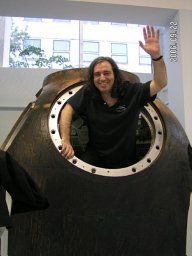 Jonathan C. Mcdowell合作论文数Harvard-Smithsonian Center for Astrophysics11M. S. Tibbetts合作论文数10David W. Van Stone合作论文数10Peter N. Harbo合作论文数10Roger M. Hain合作论文数10John D. Grier合作论文数10Danny G. Gibbs合作论文数10N. Bonaventura合作论文数10
 Giuseppina (Pepi) Fabbiano合作论文数Smithsonian Astrophysical Observatory;Harvard-Smithsonian Center for Astrophysics10Sherry L. Winkelman合作论文数10Francis A. Primini合作论文数10Brian L. Refsdal合作论文数10Janet D. Evans合作论文数10
 Daniel Dewey合作论文数MIT Kavli Institute10
 Michael L. McCollough合作论文数Center for Astrophysics10Stephen M. Doe合作论文数10
 Kenny J. Glotfelty合作论文数Smithsonian Astrophysical Observatory10d a plummer合作论文数9
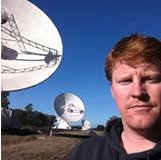 Anderson Craig合作论文数9
 Herman L. Marshall合作论文数Kavli Institute for Astrophysics and Space Research, Massachusetts Institute of Technology;Center for Space Research, Massachusetts Institute of Technology9
 Arnold H. Rots合作论文数9Jennifer L. Hoffman合作论文数9norbert s schulz合作论文数8
 Mark L. Schattenburg合作论文数Kavli Institute For Astrophysics and Space Research, Massachusetts Institutue of Technology8Beth A. Sundheim合作论文数7Joseph B. Miller合作论文数7
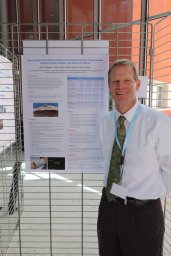 Dale Wagner合作论文数HPER Department, Utah State University7Glenn E. Allen合作论文数7
 Vinay L. Kashyap合作论文数Center for Astrophysics, Harvard University7Diane M. Hall合作论文数6Michael W. Wise合作论文数6Amy E. Mossman合作论文数6Ralf K. Heilmann合作论文数Space Nanotechnology Laboratory;Massachusetts Institute of Technology6P. Zografou合作论文数6KA Flanagan合作论文数5michael d stage合作论文数5
 Marshall W. Bautz合作论文数Kavli Institute for Astrophysics and Space Research, Massachusetts Institute of Technology5
 Claude R. Canizares合作论文数MIT Department of Physics5M. D. Stage合作论文数5




