BACKGROUND:Total knee arthroplasty (TKA) and distal femoral replacement (DFR) can be used in limb-salvage after resection of bony tumors, but few reports have examined patient-reported outcome measurements (PROMs) with survival data in young patients. This study analyzed individuals who underwent TKA/DFR for neoplasm at a young (≤40) age, to report outcomes and survival experience. METHODS:A retrospective study on 12 TKAs/23 DFRs was conducted between January 1990-2020 in 35 patients ≤40 years old. Electronic medical records were reviewed to identify patients with neoplasm, and collect data. Patients were contacted to obtain PROMs. RESULTS:The median age (interquartile range) at surgery for TKAs and DFRs was 26.7 (22.7-34.0) and 24.6 years (20.9-28.4), respectively. Median follow-up was 3.95 (0.33-8.14) and 3.01 years (1.72-6.07). TKAs were more commonly due to complications after allograft reconstruction (75.0% vs. 0.00%, p < 0.0001), had lower blood loss (250 vs. 800 ml, p = 0.01) and a higher rate of tourniquet use (75.0% vs. 34.8%, p = 0.04). Revision-free survival (8-year) was 54.7% (95% confidence interval (CI): 13.7%-83.3%) for TKAs and 37.9% (95% CI: 10.4%-66.0%, p = 0.12) for DFRs. For TKAs, median KOOS Jr. was 76.3 (76.3-79.9), VR-12-Physical was 50.0 (40.5-51.7), VR-12-Mental was 40.8 (32.6-45.8), LEAS was 12.0 (12.0-13.0), and FJS was 23.0 (19.0-25.0), without statistical difference from the DFR group. CONCLUSION:Patients ≤40 years old who underwent TKAs/DFRs for neoplastic disease demonstrated a similarly high postoperative complication rate and poor long-term survival. Almost all PROMs were favorable, reflecting a more promising postoperative experience than survival curves might demonstrate.
Multiple myeloma is a bone marrow (BM) plasma cell malignancy preceded by precursor conditions. BM biopsies are conducted infrequently and can yield inconclusive results due to technical limitations. Profiling circulating tumor cells (CTCs) may enable noninvasive routine clinical assessments but remains challenging. Here, to address this, we describe a single-cell sequencing workflow to interrogate few tumor cells (SWIFT-seq), and employ single-cell RNA sequencing and B cell receptor sequencing on paired BM and CTCs from 101 patients and healthy donors. We establish a sequencing-based CTC enumeration strategy and develop a CTC classifier to infer cytogenetic abnormalities. Additionally, we leverage expression profiling to measure tumor proliferative index in CTCs, and demonstrate that clonal dynamics can be captured in CTCs. Last, we propose a circulatory dynamics model whereby tumor burden, proliferation, cytogenetics and a circulatory capacity signature influence CTC burden. Overall, SWIFT-seq may advance blood-based myeloma diagnostics, surveillance and prognostication, and reveal biological mechanisms of tumor dissemination. Lightbody et al. present SWIFT-seq, a single-cell RNA sequencing approach to profile circulating tumor cells from patients with multiple myeloma and its precursor conditions and leverage it to derive clinical and biological insights into the disease.
Background The Centers for Medicare and Medicaid Services (CMS) has mandated that patient-reported outcomes (PROs) reporting for total knee arthroplasty (TKA) start on July 1, 2024, which will impact reimbursement in 2028. The financial penalty for not reporting 50% of eligible patients is 25% of the Annual Payment Update (usually 2 to 4%). The CMS will evaluate for a substantial clinical benefit, defined as a 20-point increase in the Knee Injury and Osteoarthritis Outcome Score (KOOS JR) score. A final “risk-standardized improvement rate” will be calculated based on all risk variables and claims data submitted. The purpose of this study was to present our process for complying with these mandates. Methods We employed a multiprong approach in a 12-hospital enterprise to collect PROs. We utilized a web-based PRO collection system embedded in our electronic medical record, a tablet in-person collection system in the clinic, and a patient engagement platform. Results Since 2019, we enrolled 7,354 TKA patients in a patient engagement platform and 6,942 (94%) have opted in and used the platform. Percentages of PRO completion were 90% preoperatively, 80% at 3 months postoperatively, 76% at 6 months postoperatively, and 79% at 1 year postoperatively. Patient satisfaction scores averaged 4.51 out of five at 90 days. The KOOS JR. scores improved on average from 52.0 preoperatively to 74.9 in 1 year. Utilizing our web-based electronic medical record collection system in addition to the in-person tablet PRO collection achieved minimum collection performance. Conclusions Our study found that using a multiprong approach to comply with the Inpatient Prospective Payment System CMS Inpatient TKA-PRO Performance Measures will meet the minimum standards of 50% paired PROs reporting. Furthermore, our hospital system was able to meet the required substantial clinical benefit of 20 points on the KOOS JR and collect this information for reporting.
BACKGROUND:Total hip arthroplasty (THA), including primary and conversion procedures, is commonly used for many types of joint disease in patients aged below 65 years, though few studies have evaluated THA outcomes in young patients (≤ 40 years old). This study examined a large cohort of patients who underwent THA at a young (≤ 40 years old) age to identify predictors of reoperation and compare survivorship between primary and conversion THAs. METHODS:A retrospective study was conducted on 497 patients who underwent 612 primary and conversion THAs at 40 years old or younger between 1990 and 2020. Medical records were reviewed to collect patient/surgical data. A multivariable logistic regression model identified independent predictors of reoperation, and Kaplan-Meier analysis with log-rank tests was used to compare survival curves by THA type. RESULTS:The median age at surgery (interquartile range) was 31 years (25 to 36). The median follow-up time was 6.6 years (range, 3.8 to 10.5). Conversion THAs had an increased rate of both revisions (12.3 versus 5.6%, P = 0.02) and nonrevision reoperations (8.9 versus 3.2%, P = 0.03) compared to primary THAs. A ceramic-on-ceramic articulation (odds ratio: 5.17; P = 0.03) and a higher estimated blood loss (odds ratio: 1.0007; P = 0.03) were independent predictors of reoperation for primary and conversion THA, respectively. Conversion THAs had a lower 15-year survival (77.8 versus 90.8%, P = 0.009) compared to primary THAs. CONCLUSIONS:Patients ≤ 40 years old who underwent primary and conversion THAs demonstrated an impressive 15-year survival comparable to that of older populations (74 to 93%), while conversion procedures had a higher reoperation rate. Although primary THA may be more ideal, there are promising outcomes for patients who need THA at a younger age than typically implemented, especially for those who are very young (≤ 30 years old).
Introduction Multiple Myeloma (MM) precursors Monoclonal Gammopathy of Undetermined Significance (MGUS) and Smoldering Multiple Myeloma (SMM) have variable risk of progression to active MM, and identifying which patients may progress remains a clinical challenge. Deep proteome profiling of peripheral blood (PB) plasma may advance non-invasive precursor disease staging, monitoring and characterization. Here, we performed plasma proteomic profiling on patients across the MM disease continuum as well as progressive and stable disease to provide insights into MM disease biology and identify protein-based high-risk disease features that may improve prognostication. Methods We performed high-throughput profiling of >5400 proteins using the Olink® Explore HT library and Proximity Extension Assay (PEA) technology. We profiled 529 PB plasma samples from 485 individuals, including MGUS (n=100), SMM (n=203), MM (n=100), and healthy donors (HDs) (n=82). Sequential samples from SMM-MM progressors (n=32) and stable SMM-SMM non-progressors (n=32) were also profiled, where precursor samples ranged 1.04-6.91 years (median 2.33 years) prior to MM progression. T-tests, ANOVAs, and linear mixed effect (LME) models were used to identify significant proteins across disease stages, progression status, and time. Results were adjusted for multiple testing using Benjamini-Hochberg procedure. A subset of 86 individuals (13 HDs, 14 MGUS, 41 SMM, 18 MM) also had single-cell RNA sequencing (scRNA-seq) performed on tumor and immune cells from paired PB/BM collected at the same timepoint to enable cellular mapping of signals detected in plasma. Results We successfully captured significantly dysregulated proteins including proteins highly expressed on the surface of plasma cells, such as BCMA, SLAMF7 and CD38, highlighting the utility of PEA technology to monitor soluble levels of clinically relevant targets. Given SMM patients are clinically heterogeneous and can resemble MGUS or MM, we aimed to improve discrimination of disease states using biological features obtained from the plasma proteome. We developed a classifier using an Elastic Net model for each stage, where plasma proteins such as SLAMF7, BCMA, TACI, FCRL5 and others had the highest importance scores for the model. We demonstrated 97% SMM/MM samples could be identified from healthy samples (AUC=0.82), indicating our classifier could reliably screen disease-related cases. Moreover, 84% of SMM cases were correctly classified as clinically defined SMM, while misclassified samples were labelled as MM cases. Interestingly, the misclassified patients had consistently rising M-spike levels during clinical follow-up but without a shift in clinical stage or risk status, suggesting the plasma proteome may provide earlier indication of evolving disease. Since proteomic information may also hold value for improved risk stratification, we evaluated protein levels in precursor stage timepoint samples from SMM-MM progressors and stable SMM non-progressors. We identified a prognostic five-protein signature that was significantly elevated in SMM-MM progressors, of which BCMA and TACI were top proteins, as well as proteins vital for calcium homeostasis and integrin-mediated cell adhesion. BCMA and TACI levels also had a strong positive correlation with BM plasma cell infiltration, which suggests these proteins may be useful surrogates of BM tumor burden during routine blood-based assessment of precursor patients. Lastly, integrative analysis of scRNA-seq of tumor and immune cells was used to elucidate cell origin level information of the prognostic signature proteins. Four proteins were highly expressed in malignant versus non-malignant plasma cells, suggesting our prognostic signature partially provides a readout of plasma cell biology. Meanwhile, one protein was constitutively expressed on most leukocytes, suggesting that the interplay of other cell types in the immune microenvironment involved in progression may also be reflected in the plasma. Conclusion We performed the first comprehensive analysis of the plasma proteome of MM and its precursor conditions. Overall, we developed a classifier that utilizes plasma proteins alone to accurately classify disease stages and identified a prognostic protein signature associated with progressive disease.
While total knee arthroplasty (TKA) is typically implemented in patients > 65 years old, young patients may need to undergo TKA for pain relief and functional improvement. Current data are limited by older cohorts and short-term survival rates. This study aimed to examine a large sample size of patients with degenerative and inflammatory conditions who underwent primary TKA at a young (≤ 40) age to identify predictors of reoperation, as well 15-year survivorship. A retrospective study was performed on 77 patients (92 surgeries) who underwent primary TKA at ≤ 40 years old, between January 1990 and January 2020. Patient charts were reviewed and a multivariable logistic regression model identified independent predictors of reoperation. Kaplan-Meier analysis was employed to build survival curves and log-rank tests analyzed survival between groups. Of the 77 patients, the median age at the time of surgery was 35.7 years (IQR: 31.2–38.7) and median follow-up time was 6.88 years. Twenty-one (22.8
BACKGROUND:The multidrug-resistant Staphylococcus capitis clone, NRCS-A, is increasingly associated with late-onset sepsis in low birthweight newborns in neonatal intensive care units (NICUs) in England and globally. Understanding where this bacterium survives and persists within the NICU environment is key to developing and implementing effective control measures. AIM:To investigate the potential for S. capitis to colonize surfaces within NICUs. METHODS:Surface swabs were collected from four NICUs with and without known NRCS-A colonizations/infections present at the time of sampling. Samples were cultured and S. capitis isolates analysed via whole-genome sequencing. Survival of NRCS-A on plastic surfaces was assessed over time and compared to that of non-NRCS-A isolates. The bactericidal activity of commonly used chemical disinfectants against S. capitis was assessed. FINDINGS:Of 173 surfaces sampled, 40 (21.1%) harboured S. capitis with 30 isolates (75%) being NRCS-A. Whereas S. capitis was recovered from surfaces across the NICU, the NRCS-A clone was rarely recovered from outside the immediate neonatal bedspace. Incubators and other bedside equipment were contaminated with NRCS-A regardless of clinical case detection. In the absence of cleaning, S. capitis was able to survive for three days with minimal losses in viability (<0.5 log10 reduction). Sodium troclosene and a QAC-based detergent/disinfectant reduced S. capitis to below detectable levels. CONCLUSION:S. capitis NRCS-A can be readily recovered from the NICU environment, even in units with no recent reported clinical cases of S. capitis infection, highlighting a need for appropriate national guidance on cleaning within the neonatal care environment.
Background Survival in patients who have Ewing sarcoma is correlated with postchemotherapy response (tumor necrosis). This treatment response has been categorized as the response rate, similar to what has been used in osteosarcoma. There is controversy regarding whether this is appropriate or whether it should be a dichotomy of complete versus incomplete response, given how important a complete response is for in overall survival of patients with Ewing sarcoma. The purpose of this study was to evaluate the impact that the amount of chemotherapy-induced necrosis has on (1) overall survival, (2) local recurrence-free survival, (3) metastasis-free survival, and (4) event-free survival in patients with Ewing sarcoma. Methods In total, 427 patients who had Ewing sarcoma or tumors in the Ewing sarcoma family and received treatment with preoperative chemotherapy and surgery at 10 international institutions were included. Multivariate Cox proportional-hazards analyses were used to assess the associations between tumor necrosis and all four outcomes while controlling for clinical factors identified in bivariate analysis, including age, tumor volume, location, surgical margins, metastatic disease at presentation, and preoperative radiotherapy. Results Patients who had a complete (100%) tumor response to chemotherapy had increased overall survival (hazard ratio [HR], 0.26; 95% CI, 0.14-0.48; p < .01), recurrence-free survival (HR, 0.40; 95% CI, 0.20-0.82; p = .01), metastasis-free survival (HR, 0.27; 95% CI, 0.15-0.46; p <= .01), and event-free survival (HR, 0.26; 95% CI, 0.16-0.41; p <= .01) compared with patients who had a partial (0%-99%) response. Conclusions Complete tumor necrosis should be the index parameter to grade response to treatment as satisfactory in patients with Ewing sarcoma. Any viable tumor in these patients after neoadjuvant treatment should be of oncologic concern. These findings can affect the design of new clinical trials and the risk-stratified application of conventional or novel treatments.
Introduction Multiple Myeloma (MM) is preceded by the precursors Monoclonal Gammopathy of Undetermined Significance (MGUS) and Smoldering Multiple Myeloma (SMM), where some patients with precursor disease progress to active MM faster than others. BM biopsies are useful to monitor disease progression, however, they cannot be repeated often for continuous monitoring of tumor burden especially in the precursor disease management setting. Numerous studies have identified circulating tumor cell (CTC) levels in peripheral blood (PB) are a powerful biomarker of disease aggressiveness; CTC levels have associated with disease stage, PFS and OS in various trials and even outperformed BM to assess tumor burden in the SMM setting. Genomic profiling also demonstrated CTCs harbor the same copy number abnormalities, translocations and mutations as BM tumor cells, and CTCs can be serially monitored to detect the emergence of high-risk subclones in the blood. Further investigations of the molecular profile of both normal plasma cells (NPCs) and CTCs are needed to improve our understanding of myeloma pathogenesis and mechanisms of CTC dissemination across the MM disease continuum. Methods A cohort of 309 samples including CD138-enriched paired PB and BM aspirates and matched CD138- BM aspirates were collected from 103 individuals, including patients with MGUS (n=11), SMM (n=46), NDMM (n=17) and healthy donors (n=29). Malignant PCs from BM and PB underwent 5' single-cell RNA sequencing (scRNA-seq) and single-cell B-cell receptor sequencing (scBCR-seq) (10x Genomics), and CD138- BM immune cells underwent 5' scRNA-seq and single-cell T-cell receptor sequencing (scTCR-seq) to study immune alterations related the tumors' ability to circulate. To differentiate malignant from normal PCs, we used clonal V(D)J rearrangements. Differential expression (DE) and composition analyses were conducted using Wilcoxon's rank-sum tests. Results We successfully captured and profiled 774,647 BM tumor cells and 93,878 CTCs from the PB. The percent malignant plasma cells within the PB increased with disease stage, where NDMM patients had significantly more CTCs compared to MGUS patients (p=0.017) and low-risk SMM patients (p=0.0052). A median of 13.51%, 15.53%, and 18.34% CTCs were present from low (n=20), intermediate (n=10), and high-risk (n=16) SMM patients as defined by the International Myeloma Working Group's 2/20/20 criteria, suggesting sequencing-based CTC enumeration captures prognostically relevant differences in tumor burden. High expression of driver genes upregulated in patients with translocations, including CCND1, NSD2, and MAF, were detected in both BM tumor cells and CTCs in patients with t(11;14), t(4;14), and t(14;16) as identified by fluorescence in situ hybridization (FISH). In 5 patients with normal or inconclusive FISH results, we observed high levels of CCND2 and MAF in both BM and CTCs, indicating scRNA-seq can detect missed prognostically relevant cytogenetic abnormalities. A cytogenetic classifier model was developed to determine the accuracy of translocation calling using minimal numbers of CTCs, where the classifier's performance was able to consistently identify translocations downsampled to 50 CTCs. DE analysis of CTCs vs. BM tumor cells highlighted transcriptional similarity between BM and CTCs, validating their utility as a surrogate for analyzing BM tumor cells. DE analysis also revealed 8 genes significantly upregulated and 3 genes significantly downregulated in CTCs compared to BM tumor cells, providing novel insights into genes involved in PC circulatory potential. Pathway enrichment analysis revealed genes upregulated in CTCs were associated with epithelial mesenchymal transition, interferon response, and inflammation, consistent with CTC studies on MM patients, suggesting these pathways are dysregulated earlier in the disease continuum. Conclusions In the largest scRNA-seq study on CTCs to date, we demonstrate the utility of CTC-based molecular profiling for prognostication of patients with early-stage disease and provide novel insights into PC circulatory potential. Additional analyses are ongoing to gain further insight into intra-patient CTC heterogeneity and define high-risk disease CTC signatures that emerge throughout the MM disease continuum.
BackgroundLimited remains known on giant cell-rich osteosarcoma (GCRO) with current studies being case reports or smaller series. This investigation compared GCRO and conventional osteoblastic osteosarcoma (OOS) with regard to demographics and survival. MethodsAn institutional tumor registry was used to identify 11 patients (six males) treated for GCRO. Mean age was 43 years. Staging showed American Joint Committee on Cancer (AJCC) stages IIA in four and IIB in seven patients. Mean follow-up was 14 years. Study initiatives were: (1) Comparison of demographics between GCRO and 167 OOS from our institutional registry, (2) Differences in survival between GCRO and 33 OOS case controls (based on sex and AJCC stage), as well as 10 OOS using an age-based propensity match, and (3) Summary of all GCRO cases reported in the literature. Results(1) Sex (p = 0.53), grading (p = 0.56), AJCC stage (p = 0.42), and chemotherapeutic response rate (p = 0.67) did not differ between groups. Age was significantly increased in GCRO (p = 0.001). (2) Case-control and propensity-matched groups revealed no difference in disease-free survival, local recurrence, and distant disease-free survival at 2 years (p > 0.05). (3) Mean age of 56 patients (50% males) reported in the literature was 26 years. After merging with our 11 cases, the 2-year disease-free survival was 66%. ConclusionsGCRO remains a rare disease with high short-term mortality. Although affecting older patients more than conventional osteosarcoma, GCRO should not be viewed as a predictor of survival compared to OOS.
BACKGROUND:The associations of orthopaedic social media metrics with US News & World Report (USNWR) scores have not been well defined and are the focus of this study. METHODS:Orthopaedic surgery departments and residency programs were matched to the USNWR overall orthopaedic score and professional opinion subscore. Corresponding Instagram and Twitter accounts were evaluated for the number of followers, number following, and posts. Correlations between these metrics and rank/reputation were assessed. Pearson correlations and Student t tests were used with significance set at P < 0.05. RESULTS:Of the 192 departments associated with residency programs, there were social media accounts for 150 (78.1%) and USNWR rankings for 186 (96.9%), with an overlap of 147 (76.6%). Instagram accounts were identified for 138 (93.9%) and Twitter accounts for 85 (57.8%). Correlations were highest for the opinion subscore and number of followers (Instagram department R = 0.894, Instagram residency R = 0.338, Twitter department R = 0.808, and Twitter residency R = 0.878, P < 0.001 for each), less for the number of posts (Instagram department R = 0.590, Twitter department R = 0.521, and Twitter residency R = 0.696, P < 0.001 for each). CONCLUSION:Social media metrics correlated with USNWR scores. Focusing on such social media platforms may help further the reputation, audience engagement, and ranking of orthopaedic departments and residencies.
To date, there is no standard approach for manubrial reconstruction. We had previously utilized mesh; how-ever, this resulted in breakage, infection, and poor cosmesis. In this case series, we describe our transition to iliac wing autograft reconstruction. We examined 7 patients who underwent manubrial resection and reconstruction: 2 with mesh and methyl methacrylate and 5 with an iliac wing autograft. The outcomes of the autograft patients were overall favorable with no short-term complications or instances of breakage. We conclude that an iliac wing autograft for manubrial reconstruction is feasible and effective alternative to methyl methacrylate mesh.
Introduction: When the COVID-19 pandemic forced the cancellation of visiting subinternships, we pivoted to create a virtual orthopaedic rotation (VOR). The purpose of this study was to assess the effect of the VOR on the residency selection process and determine the role of such a rotation in the future. Methods: A committee was convened to create a VOR to replace visiting orthopaedic rotations for medical students who are interested in pursuing a career in orthopaedic surgery. The VOR was reviewed and sanctioned by our medical school, but no academic credit was granted. We conducted three 3-week VOR sessions. During each session, virtual rotators participated in regularly scheduled educational conferences and attended an invitation-only daily conference in the evenings that was designed for a medical student audience. In addition, students were paired with faculty and resident mentors in a structured mentorship program. Students' orthopaedic knowledge was assessed using prerotation and postrotation tests. Results: From July to September 2020, 61 students from 37 distinct medical schools participated in the VOR. Notable improvements were observed in prerotation and postrotation orthopaedic knowledge test scores. In postrotation surveys, both students and faculty expressed high satisfaction with the curriculum but less certainty about how well they got to know each other. In the subsequent residency application cycle, 27.9% of the students who participated in the VOR were selected to interview, compared with 8.7% of the total application pool. Discussion: The VOR was a valuable substitute for in-person clinical rotations during the COVID-19 pandemic. Although not likely to be a replacement for conventional away rotations, the VOR is a possible adjunct to in-person clinical rotations in the future.
Background and Objectives While tranexamic acid (TXA) is an excellent mechanism to reduce blood loss in arthroplasty, its safety in cancer patients-who could potentially benefit the most from blood conservation-is unknown. Methods A multicenter, retrospective review of current or former cancer patients undergoing hip/knee arthroplasty from 2014 to 2019 was performed. The use of intravenous TXA, indication (oncologic/degenerative), cancer state, cancer type, surgical factors, demographics, and comorbidities were collected. The association between TXA use and 90-day/1-year complications was analyzed with multivariable logistic regressions. Results We identified 282 patients with current (87.9%) or former (12.1%) malignancies undergoing arthroplasty (73.0% oncologic/27.0% degenerative). About 74 (26.2%) patients received TXA (52.7% had oncologic indications, 74.3% had active cancer). In adjusted analysis, TXA was not associated with increased risk of venous thromboembolism within 90-days (odds ratio [OR] 0.59; 95% confidence interval [CI] 0.16-2.16, p = 0.43) or 1-year (OR 0.47; 95%CI 0.15-1.44, p = 0.19), with a trend towards lower risk. Similar results were seen for mortality and wound complications, and when stratifying by indication. Conclusion TXA was not associated with increased complications in current or former cancer patients undergoing arthroplasty. Future randomized studies of TXA in arthroplasty should include cancer patients; in the interim, clinicians should weigh the theoretical risks of TXA with the known benefits of reduced blood loss in oncology patients.
Objective To evaluate the concerns and needs of patients and survivors of head and neck cancer (HNC) in the COVID-19 era. Study Design Prospective cross-sectional survey. Setting Contact lists of 5 North American HNC advocacy groups. Methods A 14-question survey was distributed to the contact lists of 5 HNC advocacy groups evaluating patient and survivor needs and concerns related to their cancer care and COVID-19. Results There were 171 respondents, with 75% in the posttreatment period. The most common concern was contraction of COVID-19 (49%). More patients in active treatment preferred in-person visits than those in the early (≤5 years) and late (>5) survivorship period (72% vs 61% vs 40%, P < .001). A higher percentage of late survivors preferred virtual visits (38% vs 28%, P = .001). In total, 91 (53.2%) respondents sought emotional support outside of immediate family and friends. This included cancer support groups (36.2%), the medical team (29.7%), and other sources outside of these (34.1%), including faith-based organizations and online communities. A higher proportion of women than men (62% vs 41%, P = .001) were seeking emotional support outside of immediate family and friends. Conclusions During the early stages of the COVID-19 pandemic, patients with HNC who were actively undergoing treatment had increased need for support resources and preferred in-person provider visits. Alternatively, a higher percentage of patients >5 years from treatment preferred virtual visits. Emotional support outside of family and friends was sought out by a majority of respondents. Further research is needed to determine what support and educational resources are needed to best aid these various populations.
ABSTR A C T Background: Hemiarthroplasty (HA) and total hip arthroplasty (THA) have been widely discussed as treatment options for displaced osteoporotic femoral neck fractures. Pathologic femoral neck fractures from primary or metastatic tumors are comparatively rare and poorly investigated. The purpose of this study was to compare outcomes, complications, and perioperative survival for HA and THA in the treatment of pathologic femoral neck fractures of neoplastic etiology. Methods: A multicenter retrospective cohort study identified patients with pathologic femoral neck fractures treated with HA or THA from 2005 to 2018. Demographics, American Society of Anesthesiol-ogists classification, Charlson comorbidity index, Dorr classification, histopathologic diagnosis, and surgical data were compared. The primary outcome was reoperation. Secondary outcomes included 90 -day mortality, estimated blood loss, length of stay, periprosthetic fracture, periprosthetic joint infection, and Eastern Cooperative Oncology Group performance status. Results: There were 116 patients with HA and 48 patients with THA, with no differences between groups with regard to American Society of Anesthesiologists classification, Charlson comorbidity index, or Dorr classification. There were no differences between HA and THA in the primary outcome of reoperation (5.2% vs 4.2%, P = 1.00) or secondary outcomes of perioperative 90-day overall mortality (30.2% vs 25.0%, P = .51), estimated blood loss, transfusion rates, length of stay, discharge location, periprosthetic joint infection, periprosthetic fracture, or preoperative or postoperative Eastern Cooperative Oncology Group performance status. Conclusions: Both HA and THA are viable options for the treatment of patients with pathologic femoral neck fractures and demonstrated no differences in reoperations, complications, perioperative 90-day mortality, or functional outcome scores. Level of Evidence: Level III. (c) 2021 Published by Elsevier Inc.
The manubrium stabilizes the shoulders and assists in movement of the chest wall during respiration. Thus, resection of the manubrium creates instability of the chest wall and exposes the underlying great vessels. The material utilized to reconstruct the manubrium should be durable, resistant to infection and rejection, and provide good cosmesis. Autologous iliac crest bone grafts have been successfully used for bone replacement by orthopaedic surgeons and have proven to be versatile and less prone to rejection. In this article, we describe our technique for reconstruction of the sternum utilizing iliac wing bone autograft. The manubrium stabilizes the shoulders and assists in movement of the chest wall during respiration. Thus, resection of the manubrium creates instability of the chest wall and exposes the underlying great vessels. The material utilized to reconstruct the manubrium should be durable, resistant to infection and rejection, and provide good cosmesis. Autologous iliac crest bone grafts have been successfully used for bone replacement by orthopaedic surgeons and have proven to be versatile and less prone to rejection. In this article, we describe our technique for reconstruction of the sternum utilizing iliac wing bone autograft.
The COVID‐19 pandemic has had a significant impact on many aspects of head and neck cancer (HNC) care. The uncertainty and stress resulting from these changes has led many patients and caregivers to turn to HNC advocacy groups for guidance and support. Here we outline some of the issues being faced by patients with HNC during the current crisis and provide examples of programs being developed by advocacy groups to address them. We also highlight the increased utilization of these organizations that has been observed as well as some of the challenges being faced by these not‐for‐profit groups as they work to serve the head and neck community.
Background and Objectives Malignant tumors of the calcaneus are rare but pose a treatment challenge. Aims: (1) describe the demographics of calcaneal malignancies in a large cohort; (2) describe survival after amputation versus limb-salvage surgery for high-grade tumors. Methods Study group: a "pooled" cohort of patients with primary calcaneal malignancies treated at two cancer centers (1984-2015) and systematic literature review. Kaplan-Meier analyses described survival across treatment and diagnostic groups; proportional hazards modeling assessed mortality after amputation versus limb salvage. Results A total of 131 patients (11 treated at our centers and 120 patients from 53 published studies) with a median 36-month follow-up were included. Diagnoses included Ewing sarcoma (41%), osteosarcoma (30%), and chondrosarcoma (17%); 5-year survival rates were 43%, 73% (70%, high grade only), and 84% (60%, high grade only), respectively. Treatment involved amputation in 52%, limb salvage in 27%, and no surgery in 21%. There was no difference in mortality following limb salvage surgery (vs. amputation) for high-grade tumors (HR 0.38; 95% CI 0.14-1.05), after adjusting for Ewing sarcoma diagnosis (HR 5.15; 95% CI 1.55-17.14), metastatic disease at diagnosis (HR 3.88; 95% CI 1.29-11.64), and age (per-year HR 1.04; 95% CI 1.02-1.07). Conclusions Limb salvage is oncologically-feasible for calcaneal malignancies.
 Marco Ferrone合作论文数13
 Chandrajit Premanand Raut合作论文数Division of Surgical Oncology, Brigham and Women's Hospital;Harvard Medical School8
 Elizabeth H. Baldini合作论文数8
 Kevin A. Raskin合作论文数Department of Orthopaedic Oncology, Massachusetts General Hospital8Santiago A Lozano Calderón合作论文数7
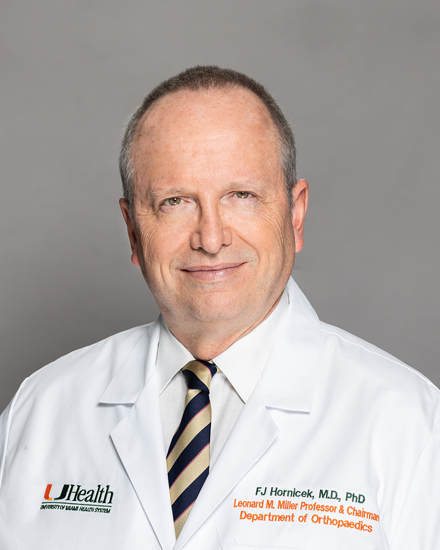 Francis John Hornicek合作论文数Sarcoma Research Laboratory, University of Miami7
 Jason L. Hornick合作论文数Department of Pathology, Harvard Medical School;Immunohistochemistry Laboratory, Department of Pathology, Brigham and Women's Hospital;Dana-Farber Cancer Institute6Joseph H Schwab合作论文数5
 Antonia Chen合作论文数Department of Orthopaedic Surgery, UT Southwestern Medical Center5
 Irene Ghobrial合作论文数Dana-Farber Cancer Institute;Harvard Medical School5
 Carl Winalski合作论文数Cleveland Clinic, Imaging Institute5Erica Horowitz合作论文数4
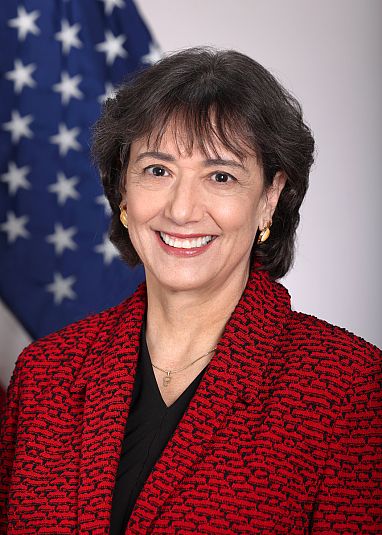 Monica M. Bertagnolli合作论文数National Institutes of Health;Alliance for Clinical Trials in Oncology Foundation;Alliance for Clinical Trials in Oncology4
 Marinac Catherine R合作论文数University of California, San Diego, San Diego State University4
 Janssen Stein J合作论文数Department of Orthopaedic Surgery, Massachusetts General Hospital - Harvard Medical School4
 Ankit Dutta合作论文数4
 Junko Tsuji合作论文数UMass Medical School4
 John A. Carrino合作论文数School of Medicine, Johns Hopkins University;Department of Radiology and Imaging, Hospital for Special Surgery4
 Suzanne George合作论文数4
 John A Abraham合作论文数4
 Philip M. Devlin合作论文数4Alexander Farid合作论文数3Jacqueline Perry合作论文数3
 Annie Cowan合作论文数3
 Sarah Nersesian合作论文数Department of Microbiology and Immunology, Dalhousie University3
 Gad A. Getz合作论文数Harvard Medical School;Department of Pathology, Massachusetts General Hospital;Broad Institute of Harvard and MIT3
 Michael J. Weaver合作论文数Department of Entomology, Virginia Tech3Mark C. Gebhardt合作论文数3
 David J. Sugarbaker合作论文数Division of General Thoracic Surgery, Department of Surgery, Baylor College of Medicine;Baylor Medicine Lung Institute, Baylor St. Luke’s Medical Center, Baylor College of Medicine;Mesothelioma Treatment Center, Baylor College of Medicine3
 Siyabonga Benedict合作论文数3D. R. Mani合作论文数2Terry A. Day合作论文数2
 Richard Iorio合作论文数2V. Negut合作论文数2Grace Fleming合作论文数2Danielle Yearout合作论文数2Amanda Hollinger合作论文数2Vineet Desai合作论文数2L. Mihailescu合作论文数2
 Hadley Barr合作论文数2Yosra Aljawai合作论文数2Elizabeth Lightbody合作论文数2Gregory W. Brick合作论文数2Chris Leonardis合作论文数2Katherine Towle合作论文数2Erika Rauscher合作论文数2Laura Hevenor合作论文数2megan e anderson合作论文数2Nang Kham Su合作论文数2




