Exertion testing helps inform exercise prescription during concussion recovery. The Calgary Adapted aRm Ergometer (CARE) test, developed as the first upper-body specific exertion test, aims to improve accessibility and inclusivity in concussion care. While initial development was conducted in adults, its applicability in adolescents remains unknown. This study compared physiological responses between the CARE test and the Calgary Concussion Cycle Test (CCCT) in non-disabled adolescent male and female athletes. Fifteen females and fifteen males (aged 14-17) performed CARE and CCCT to volitional fatigue. Response differences, Bland-Altman plots, effect sizes, intraclass correlation and moderation by sex for heart rate (HR), middle cerebral artery velocity (MCAv), volume of oxygen consumption ( V ̇ O 2 ${{\dot{V}}_{{{{\mathrm{O}}}_{\mathrm{2}}}}}$ ), minute ventilation ( V ̇ E ${{\dot{V}}_{\mathrm{E}}}$ ) and end-tidal carbon dioxide ( P ETC O 2 ${{P}_{{\mathrm{ETC}}{{{\mathrm{O}}}_{\mathrm{2}}}}}$ ) were analysed at 25%, 50%, 75% and 100% of peak exertion levels. CARE elicited lower absolute values for HR, MCAv, P ETC O 2 ${{P}_{{\mathrm{ETC}}{{{\mathrm{O}}}_{\mathrm{2}}}}}$ , V ̇ O 2 ${{\dot{V}}_{{{{\mathrm{O}}}_{\mathrm{2}}}}}$ and V ̇ E ${{\dot{V}}_{\mathrm{E}}}$ compared to CCCT, with differences and 95% limits-of-agreement becoming more pronounced at higher intensities. For mild-to-moderate exercise (25-50% exertion), the range typically used in clinical concussion testing, HR and MCAv differences were small for both sexes. Near maximal intensity, the HR gap widened, but MCAv was comparable. Sex did not modify the relationship between tests for HR and MCAv. While CARE predominantly employs smaller muscle mass than CCCT, results showed robust and relatively comparable physiological responses between tests and between male and female adolescents. These findings further support CARE as an accessible and inclusive post-concussion exertion test for those not able to perform lower-body protocols.
Background: Mild traumatic brain injuries (mTBIs) are a significant public health concern in the US. Understanding incidence and demographic patterns is essential for developing targeted prevention and intervention strategies. The most recent study using national healthcare records to examine incidence utilized data from 2016, highlighting the need for updated estimates that reflect current trends. Methods: The MarketScan® Database was used for this study which includes person-specific clinical utilization, expenditures, and enrollment across different services. A query for mTBIs (S06.0x.xx) or post-concussion syndrome (F07.89) from January-December 2023 was performed for patients aged 0-64. Patients with the same diagnosis codes for the prior 12 months (i.e., chronic diagnosis), moderate to severe TBIs (S06.2-9), skull fractures (S02.xx), and/or brain hemorrhages (S06.3x) were excluded. Results: Out of 11,737,855 insured members with data in 2023, 43,213 new mTBIs were recorded (incidence rate = 0.37%), with the highest rate in adolescents (incidence rate = 1.27%). From the ages of 0-14 years, males had a higher incidence of concussion, but from 15 to 65 years, females had a higher incidence. Minimal differences were seen between urban and rural zip codes. Conclusions: Concussion incidence in adolescents is higher than other age groups, which may reflect increased participation in sports or heightened vulnerability during development. Males had a higher incidence than females during childhood, but females did later in life. These differences may reflect true disparities in injury risk, variations in reporting patterns, or a combination of both. Further research is warranted to understand the underlying mechanisms and to inform age- and sex-specific prevention efforts.
Prescribed aerobic exercise is the recommended treatment for athletes with sport-related concussion (SRC) who present with exercise intolerance. A recent randomized controlled trial (RCT) found that higher volumes of aerobic exercise, compared with lower volumes, may not be as efficacious in adolescent females with SRC compared with adolescent males. We reanalyzed data from our previously published randomized controlled trials (RCT) and hypothesized that prescribed aerobic exercise, and not stretching, within 10 days of injury would result in faster recovery after SRC in males compared with females. The first RCT (n = 103) recruited from 2015 to 2018 and the second RCT (n = 115) recruited from 2018 to 2020. Sexes were compared in each RCT, then samples were stratified by sex, and intervention groups were compared using a Log-rank test. There were no significant differences in recovery times between males and females in either RCT, regardless of intervention. When stratified by sex and comparing intervention groups, males in RCT1 who were prescribed aerobic exercise (n = 28) recovered 6 days faster than males prescribed stretching (n = 27, p = 0.004) but there was no significant difference for females (aerobic exercise [n = 24] vs. stretching [n = 24, 3-day difference, p = 0.564]). In RCT2, males prescribed aerobic exercise (n = 39) recovered 8 days faster than the stretching group (n = 34, p = 0.020), whereas there was no significant difference for females (aerobic exercise [n = 22] vs. stretching [n = 20, 3-day difference, p = 0.587]). This reanalysis of prior RCT data revealed that male adolescents after SRC recovered significantly faster by 7-8 days when prescribed aerobic exercise within 10 days of injury, whereas female adolescents had a nonsignificant improvement of 3 days. Future adequately powered studies should account for variability between sexes.
Aerobic exercise testing helps facilitate recovery post-concussion. Current protocols (Calgary Concussion Cycling Test: CCCT) are inaccessible for athletes with lower-body impairments (i.e. Para athletes). This study compared physiological parameters for a novel arm crank test, the Calgary Adapted aRm Ergometer (CARE) test, with the CCCT. Twenty non-disabled adults (10F:10M, aged 18-51) completed CCCT and CARE to volitional fatigue. Middle cerebral artery velocity (MCAv), heart rate (HR), mean arterial pressure (MAP) and end-tidal carbon dioxide ( P ETC O 2 ${{P}_{{\mathrm{ETC}}{{{\mathrm{O}}}_{\mathrm{2}}}}}$ ) were continuously measured throughout exertion. Bland-Altman with 95% limits-of-agreement (LoA), mean differences with effect size measurement and intraclass correlation (ICC) compared CCCT to CARE at 25%, 50%, 75% and 100% of test exertion levels. Test duration was comparable between protocols (P = 0.86). HR mean differences between CCCT and CARE ranged from 2 bpm (P = 0.45) at 25% to 8 bpm (P < 0.05) at 100% effort level (negligible-to-medium effect sizes). MCAv mean differences increased from 1.5 cm/s at 25% (P = 0.45) to 5.4 cm/s at 100% effort (P < 0.05) (small effect sizes). MAP remained stable: 4.1 mmHg at 25% (P = 0.11) and 4.8 mmHg at 100% effort (P = 0.076) (small effect sizes). P ETC O 2 ${{P}_{{\mathrm{ETC}}{{{\mathrm{O}}}_{\mathrm{2}}}}}$ mean differences increased until 75% effort level (2.4 to 4.9 Torr, P < 0.05, medium-to-large effect size). ICC was good-to-moderate across all measurements with 95% LoA widening with increased test intensity. The CARE test represents a promising alternative to traditional lower body exercise tests, demonstrating robust physiological responses and moderate comparability with the CCCT. CARE vs. CCCT differences likely resulted from different total muscle mass engagement between the upper and lower body.
OBJECTIVE:To assess the effect of environmental distractions on the cognitive subcomponents of the Sport Concussion Assessment Tool 6 (SCAT6). DESIGN:Retrospective chart review. SETTING:Baseline testing completed during preseason physical examinations (PPEs) in an athletic training room. PARTICIPANTS:Ninety male youth ice hockey players (13-18 years). INDEPENDENT VARIABLES:Noise, distractions, and observed participant attention recorded by the certified athletic trainer (AT). MAIN OUTCOME MEASURES:Total cognitive score; subcomponent SCAT6 scores, including orientation, immediate memory, digits backwards, and the months backward scores; total concentration score; and delayed recall score. RESULTS:The months in reverse order score was significantly associated with whether the testing environment was quiet, that is, louder environments were associated with greater time to complete the task ( P = 0.040). The concentration score was significantly associated with whether the participant was observed to have paid attention ( P = 0.005). The total cognitive score correlated significantly with whether the participant was observed to be paying attention, that is, lower scores were associated with lower reported attention ( P = 0.017). CONCLUSIONS:Preseason SCAT6 testing ideally should be administered in a quiet, distraction-free environment whenever possible.
BACKGROUND:Physical therapy is routinely recommended for knee pain attributed to a degenerative meniscal tear, but its efficacy has not been established. METHODS:We randomly assigned participants 45 to 85 years of age with knee pain, osteoarthritis, and meniscal tear to one of four groups: home exercise (3-month home-exercise program), home exercise plus text messages to encourage exercise adherence, home exercise plus text messages plus sham physical therapy (in-clinic sham manual therapy and sham ultrasound therapy), and home exercise plus text messages plus standard physical therapy (supervised strengthening, functional, and stretching exercises and manual therapy). The primary outcome was the change in the Knee Injury and Osteoarthritis Outcome Score (KOOS) pain subscore (range, 0 to 100, with higher scores indicating more pain) between baseline and 3 months, with adjustment for trial site, baseline KOOS pain subscore, and radiographic grade. RESULTS:A total of 879 participants underwent randomization (mean [±SD] age, 59.2±7.8 years). The difference in the 3-month change in the KOOS pain subscore between home exercise and home exercise plus text messages was -0.1 points (98.3% confidence interval [CI], -3.8 to 3.7) and between home exercise and home exercise plus text messages plus standard physical therapy was 2.5 points (98.3% CI, -1.3 to 6.2); the difference between home exercise plus text messages and home exercise plus text messages plus standard physical therapy was 2.5 points (98.3% CI, -1.4 to 6.5). Adverse events were generally nonserious and evenly distributed overall across groups. CONCLUSIONS:For patients with degenerative meniscal tear and knee pain, the addition of physical therapy or text messages to encourage adherence to home exercises was not superior in reducing pain to a home-exercise program alone. (Funded by the National Institute of Arthritis and Musculoskeletal and Skin Diseases and others; TeMPO ClinicalTrials.gov number, NCT03059004.).
Objective A pilot study reported sport-related concussion (SRC) affects the stimulated blink reflex response in collegiate male cadets, demonstrating hyper-reflexive blinks, increased time between closure of the ipsilateral and contralateral eyelid, and increased number of eyelid oscillations post-blink. The purpose of this study was to validate our earlier findings in a larger and diverse sample.Materials and Methods Prospective cohort study at a military cadet college enrolled participants between 2018 and 2022. Participants' blink reflex was assessed at preseason physicals and then again within 48 hours of concussive head injury using the EyeStat. Thirty-two cadets with SRC (mean age 20.1 years, 78% male) and 6 cadets with a repeat SRC during the enrollment period (mean age 21.7 years, 83% male) were assessed, a mean of 1 day post injury, and included in the analysis. Blink reflex parameters included latency, differential latency, eyelid velocity, excursion, oscillations, and delta 30.Results In the primary concussion group, SRC significantly reduced ipsilateral latency (2.93 [0.44, 5.42] ms, P = .022) and increased differential latency (1.46 [0.24, 2.69] ms, P = .020). No significant difference was observed for oscillations (P = .167). Although underpowered, our exploratory analysis suggests that this finding was not affected by participant age or sex. In repeat concussions, ipsilateral latency had a similar trend, but differential latency did not.Conclusions The blink reflex is affected after SRC, and its assessment may provide objective data to aid diagnosis. However, additional research is warranted to assess how blink reflex parameters change after subsequent concussions.
PURPOSE:To compare clinical characteristics in patients with concussions sustained by prevalent, but understudied, mechanisms (work-related concussion [WRC] and motor vehicle collision [MVC]-related concussion) to sport-related concussion (SRC). METHODS:Retrospective review of 281 electronic medical records from an outpatient concussion clinic. Time since injury (days), duration of care (days), amount of care (number of visits), and perceived health (Short-Form 12) were collected. RESULTS:The time between injury and clinic presentation was significantly greater in WRC and MVC-related concussion compared to SRC. These groups were also older, had a longer duration of care, required more referrals for outside clinical services, and reported worse perceived mental and physical health versus SRC. CONCLUSION:These results suggest that clinical courses may be significantly different for individuals with SRC, WRC and MVC-related concussion, and that different management approaches and expectations may be necessary for these groups. Further research is indicated.
Face cooling (FC) initiates the mammalian dive reflex, which elicits a parasympathetic autonomic response. In our pilot study, collegiate athletes had a blunted parasympathetic response to FC within 10 days of sport-related concussion (SRC). The objective of the current study was to assess the FC response in adolescent athletes with acute SRC and after clinical recovery. Symptomatic adolescents with SRC (n = 23, 15.48 +/- 1.2 years, 52% male) had heart rate (HR) and blood pressure (BP) measured during the FC test (7.83 +/- 2.5 days since injury) and again after clinical recovery (46.44 +/- 36.4 days later). Controls (n = 24, 15.83 +/- 1.6 years, 58% male) performed the same assessments twice (48.00 +/- 18.9 days apart). The main outcome measures were the rate of change in HR and HR variability (HRV) during the first 2 min of FC. Throughout FC, we found no significant differences between groups at the initial visit in the rate of change for HR (mean difference = 2.58 [-0.33, 5.50] bpm/min, p = 0.082), mean arterial BP (-0.02 [-3.49, 3.45] mmHg/min, p = 0.990), root mean square of successive differences (-13.46 [-34.02, 7.10] ms/min, p = 0.197) or low to high-frequency ratio (0.24 [-0.77, 1.25], p = 0.637). We also found no differences in our main outcome measures among concussed adolescents with delayed recovery (n = 10) compared with those with normal recovery (n = 13). A history of prior concussion had a significant effect on the HR and HRV responses to FC, suggesting that SRC may have prolonged effects on the autonomic nervous system (ANS). We conclude that acutely concussed adolescents do not differ from controls in parasympathetic response to FC acutely or upon recovery but that a history of concussion affects this response. We recommend that future studies control for concussion history when investigating the ANS in concussed adolescents.
BACKGROUND:The Workplace Safety and Insurance Board (WSIB) in Ontario, Canada, launched a new community-based mild traumatic brain injury (mTBI) program of care (POC) in November 2020. The new program included graded exercise therapy and vestibular rehabilitation (where required). The objective of this study was to assess the impact of the new mTBI POC on recovery and return to work among patients who suffered a work-related mTBI. METHODS:We identified WSIB claims that accessed the previous and new mTBI POC over a 4-year timeframe (October 1, 2017, to September 30, 2019, and July 1, 2021, to June 30, 2023). A quasi-experimental pre-post study, propensity score matching design with a difference-in-difference modelling component was applied to approximate estimation of causal effects on loss of earnings (LOE) benefit duration at 3-, 6-, and 12-months and HC costs for patients treated in the previous and new programs. RESULTS:Over the 4-year timeframe, 5625 patients accessed the previous and new mTBI POC. The new program achieved improved 3-, 6-, and 12-month disability durations (incremental percentage difference of -11.7%, -9.3%, and -9.0%, respectively), and shorter durations of disability, reflected by decreased LOE benefit costs (incremental percentage difference of -32.6%) and decreased HC costs (incremental percentage difference of -5.6%). The overall combined savings in LOE and HC costs was 21%. CONCLUSIONS:This analysis indicates that the implementation of this new evidence based mTBI POC resulted in improved outcomes (decreased disability duration and lower health care utilization) on a per patient basis for people with work-related mTBI.
INTRODUCTION:Work-related concussion (WRC) is a common occupational injury that has received far less research attention compared to sport-related concussion (SRC). WRC results in prolonged lost time claims, adversely influences perceived life roles, and negatively impacts personal and family finances. WRC also affects workforce capacity in industries that are already facing worker shortages (e.g., construction, manufacturing, healthcare, etc.). Targeted heart rate aerobic exercise (THRAE) has emerged as an effective treatment for speeding recovery from SRC and for reducing the incidence of persisting post-concussive symptoms (PPCS). The aim of this proposed study is to explore the feasibility of THRAE in adults with WRC as there are very few interventions that have been rigorously studied in this population. MATERIALS AND METHODS:We describe a feasibility trial to implement THRAE in individuals with WRC. While this study will not test specific hypotheses related to effectiveness, it will provide key information related to adherence, safety, and psychosocial factors related to adherence and participation. Additionally, this study will provide mean and standard deviation values for the measures applied to this novel population to inform power analyses for larger-scale trials. TRIAL REGISTRATION:Clinicaltrials.gov NCT06263179.
This Special Communication summarizes how knowledge and clinical practice have evolved over the 40 years since the Journal of Head Trauma Rehabilitation 's topical issue (volume 1, issue 2) on "Minor Head Injury." We review important insights from this 1986 issue and highlight how research since has refined our understanding of concussion/traumatic brain injury pathophysiology, recovery, and long-term effects. We also discuss shifts in terminology and outline how assessment and rehabilitation approaches have developed over time. Finally, we call attention to areas of ongoing uncertainty and innovations that could help resolve them.
BACKGROUND:Sport-related concussion (SRC) can be associated with glymphatic system dysfunction that may be assessed using the diffusion tensor imaging along the perivascular space (DTI-ALPS) index. Here, DTI-ALPS between adolescent athletes within 10 days of SRC and after recovery with control adolescents are compared, and associations between the DTI-ALPS and clinical outcomes are explored. STUDY TYPE:Prospective case control. POPULATION:Thirty-five SRC participants (diagnosed according to the 5th International Conference on Concussion in Sport guidelines; 42.9% female, mean age 15.31 years) and 34 controls (44.1% female, mean age 15.79 years). FIELD STRENGTH/SEQUENCE:3D DTI using an echo-planar imaging sequence at 3T. ASSESSMENT:MRI, self-report questionnaires, and a physical examination were conducted within 10 days of SRC (at recruitment for controls) and 2 weeks after clinical recovery (1 month for controls). The physical examination consisted of balance and vision assessments, including near-point convergence. Mean, left, and right DTI-ALPS were calculated and compared between groups and visits. STATISTICAL TESTS:Independent and paired t-tests assessed group DTI-ALPS indices at Visit 1 and Visit 2 and between visits, respectively. A p value of < 0.05 was significant. Linear regressions assessed associations between DTI-ALPS and demographic/clinical variables. A Bonferroni-corrected p value of < 0.0167 was significant. Groups did not differ significantly at Visit 1 for mean, left, or right (p = 0.843, 0.533, 0.744) DTI-ALPS or at Visit 2 (mean p = 0.827, left p = 0.706, right p = 0.992). There were no significant changes between visits for the SRC (mean p = 0.946, left p = 0.787, right p = 0.888) or control groups (mean p = 0.777, left p = 0.791, right p = 0.813). Near-point convergence and right DTI-ALPS were significantly associated in the SRC group at Visit 1, but significance was not retained after correction (p = 0.040, beta = 0.111, R 2 = 0.137). DATA CONCLUSION:The DTI-ALPS index may not be an indicator of glymphatic dysfunction in adolescent athletes within 10 days of SRC. EVIDENCE LEVEL:2. TECHNICAL EFFICACY:Stage 2.
Clinical Scenario: Sport-related concussions (SRC) can have a substantial impact on quality of life, necessitating cost-effective interventions to accelerate recovery. Ice or cooling therapy after SRC may be such an intervention; however, this area of research has not been well studied. This critically appraised topic focuses on the impact of ice and cooling therapy on SRC outcomes. Clinical Question: Does ice or cooling therapy reduce symptom burden or recovery time compared with standard care in athletes after SRC? Summary of Key Findings: Four studies met inclusion criteria. In two studies, elite athletes reported reduced symptom burden and returned to sport faster when a cooling intervention was applied immediately compared with standard treatment. The other two studies found that adolescent athletes had reduced symptom burden when a cooling intervention was applied within a few days of injury when combined with standard treatment. Clinical Bottom Line: Immediate cooling after SRC may reduce symptoms and facilitate recovery in adolescent and elite athletes. Strength of Recommendation: There is limited evidence to suggest that cooling therapy reduces symptom burden and facilitates SRC recovery. More research is needed to determine the potential mechanism of action and optimize treatment timing, frequency, and duration.
Acute hot water immersion (HWI) increases cerebral blood flow, which may increase arterial shear rate and benefit cerebrovascular function. However, it is unclear whether HWI alters cerebral artery shear rate and cerebrovascular reactivity to carbon dioxide (CVRCO2). We tested the hypotheses that HWI (39 °C) increases extracranial artery shear rate and intracranial artery hypercapnic CVRCO2, but reduces hypocapnic CVRCO2 compared to temperate water immersion (TWI; 35 °C). Eighteen healthy adults completed two experimental visits. Middle and posterior cerebral artery blood velocities (transcranial Doppler; MCAv and PCAv) were continuously recorded. Right internal carotid artery (ICA) and vertebral artery (VA) shear rate were obtained via Doppler ultrasound. Hypocapnic and hypercapnic CVRCO2 were assessed in the middle cerebral artery (MCA) and posterior cerebral artery (PCA) during self-paced hyperventilation and during 30 s of 7% CO2 inhalation. Measures were completed pre-immersion (PRE) and at 1.0 °C increase in core temperature during HWI and time-matched during TWI. Data are reported as mean ± SD. There were no differences between conditions at PRE. MCAv (64 ± 12 vs. 55 ± 9 cm/s; P = 0.01) and PCAv (39 ± 7 vs. 29 ± 5 cm/s; P < 0.01) were greater in TWI versus HWI at the 1.0 °C time point. ICA shear rate was greater in HWI versus TWI at 1.0 °C (247 ± 51 vs. 180 ± 43 s-1; P < 0.01) but VA shear did not differ. Hypocapnic and hypercapnic CVRCO2 in the MCA and PCA did not differ between conditions. Compared to TWI, MCAv and PCAv are lower in HWI, but HWI augments shear rate in the ICA, which may be beneficial for cerebrovascular health if done recurrently.
OBJECTIVE:Approximately 20% of students with sport-related concussion (SRC) report new symptoms of anxiety and depression which may be associated with delayed recovery and increased risk for developing a mood disorder. Early prescribed aerobic exercise facilitates recovery in athletes with concussion-related exercise intolerance. We studied the effect of aerobic exercise treatment on new mood symptoms early after SRC. DESIGN:Exploratory secondary analysis of 2 randomized controlled trials (RCT). SETTING:Sports medicine clinics associated with UB (Buffalo, NY), CHOP (Philadelphia, PA), and Boston Children's Hospital (Boston, MA). PARTICIPANTS:Male and female adolescents (aged 13-18 years) diagnosed with SRC (2-10 days since injury). INTERVENTIONS:Participants were randomized to individualized targeted heart rate aerobic exercise (n = 102) or to a placebo intervention designed to mimic relative rest (n = 96). MAIN OUTCOME MEASURES:Incidence of Persisting Post-Concussive Symptoms (PPCS, symptoms ≥28 days). RESULTS:First RCT recruited from 2016 to 2018 and the second from 2018 to 2020. Of 198 adolescents, 156 (79%) reported a low burden (mean 1.2 ± 1.65/24) while 42 (21%) reported a high burden (mean 9.74 ± 3.70/24) of emotional symptoms before randomization. Intervention hazard ratio for developing PPCS for low burden was 0.767 (95% CI, 0.546-1.079; P = 0.128; β = 0.085) and for high burden was 0.290 (95% CI, 0.123-0.683; P = 0.005; β = 0.732). CONCLUSIONS:High burden of mood symptoms early after injury increases risk for PPCS, but the sports medicine model of providing early targeted aerobic exercise treatment reduces it. Nonsports medicine clinicians who treat patients with a high burden of new mood symptoms after concussion should consider prescribing aerobic exercise treatment to reduce the risk of PPCS and a mood disorder.
Oculomotor dysfunction identified within the first 10 days of sport-related concussion (SRC) is a risk factor for Persisting Post-Concussion Symptoms (PPCS). Oculomotor rehabilitation is the recommended treatment for oculomotor dysfunction from the subacute period onwards. However, there are delays in initiating rehabilitation due to a limited number of specialized providers and associated healthcare costs. Delays in initiating treatment are associated with worse outcomes. We performed a retrospective, quasi-experimental trial to evaluate whether providing instructions for self-guided oculomotor rehabilitation in adolescents with 3 or more abnormal oculomotor findings after SRC (Experimental Arm, n = 27, mean age = 15.50 ± 1.53 years, 63.0% male, 5.74 ± 2.43 days since injury) reduced the number of persisting impairments at 4 weeks compared to a wait-and-see approach (Standard Care Arm, n = 106, mean age = 14.98 ± 1.87 years, 59.4% male, 5.69 ± 2.78 days since injury). A small difference was seen in the incidence of neck tenderness but there were no differences between groups in symptom severity or number of abnormal oculomotor findings at initial presentation. Overall, 50 out of 106 (47.2%) participants in the Standard Care Arm had PPCS compared to 7 out of 27 (25.9%) in the Experimental Arm, which was significantly different (Chi-squared = 3.966, p = 0.046). This corresponds to an absolute risk reduction of 21.3%. Results from our pilot study suggest these treatment guidelines are feasible to incorporate into a busy outpatient practice in a cost-effective manner. Prospectively designed randomized controlled trials are warranted to validate the effectiveness of this treatment.
Symptom-limited exercise intolerance is a physiological sign of sport-related concussion. Possible etiologies include rest-induced aerobic deconditioning and/or impaired cardiopulmonary function. This study examined cardiovascular and respiratory function at rest and during progressive cycle ergometer exercise in adolescents within 10 days of sport-related concussion compared with non-concussed athletes. Concussed participants (n = 26, 15.4 ± 1.1 years, 54
 Barry Willer合作论文数University at Buffalo;Rehabilitation Services;Joseph Brant Memorial Hospital;Joseph Brant Memorial Hospital, University at Buffalo125
 Mohammad Nadir Haider合作论文数94
 Baker John合作论文数30
 Haley Chizuk合作论文数27
 Master Christina L合作论文数Perelman School of Medicine, University of Pennsylvania;Sports Medicine and Performance Center, The Children's Hospital of Philadelphia;Department of Pediatrics, The Children's Hospital of Philadelphia;Perelman School of Medicine, University of Pennsylvania25
 Blair T. Johnson合作论文数Department of Psychological Sciences, College of Liberal Arts and Sciences, University of Connecticut23Mannix Rebekah C合作论文数Div Emergency Med, Boston Childrens Hosp22
 Jacob I McPherson合作论文数Dept Rehabil Sci, SUNY Buffalo21
 Michael McCrea合作论文数Center for Neurotrauma Research, Medical College of Wisconsin19
 Kathryn J. Schneider合作论文数Sport Injury Prevention Research Centre, Faculty of Kinesiology, University of Calgary17Hinds Andrea L合作论文数17
 Peter J Horvath合作论文数17James R. Sackett合作论文数14
 Keith Yeates合作论文数Department of Psychology, University of Calgary14
 Zachary Schlader合作论文数Department of Kinesiology, School of Public Health - Bloomington, Indiana University14William P. Meehan合作论文数14Harold W. Burton合作论文数14
 Margot Putukian合作论文数Department of Orthopedics & Rehabilitation, Hershey Medical Center14Charles G Wilber合作论文数13
 Leonard H. Epstein合作论文数Department of Pediatrics, Jacobs School of Medicine and Biomedical Sciences, University at Buffalo13
 Andrew R. Mayer合作论文数The Mind Research Network - Lovelace Biomedical Research Institute;Department of Psychology, University of New Mexico13
 Kristy B Arbogast合作论文数Perelman School of Medicine, University of Pennsylvania;Department of Pediatrics, University of Pennsylvania;Center for Injury Research and Prevention, Children's Hospital of Philadelphia13
 Steven Broglio合作论文数School of Kinesiology, University of Michigan12Miecznikowski Jeffrey C合作论文数Department of Biostatistics, SUNY University of Buffalo12
 Christopher Giza合作论文数Department of Bioengineering, School of Engineering, University of California11
 Zemek Roger合作论文数Departments of Pediatrics and Emergency Medicine, University of Ottawa11
 Gavin A Davis合作论文数Departments of Neurosurgery and Plastic/Craniofacial Surgery, Royal Children’s Hospital11David R. Pendergast合作论文数11Scott Darling合作论文数11Morgan C. O'Leary合作论文数10Herring Stanley A合作论文数10
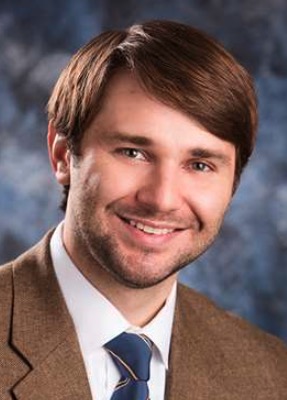 Timothy B. Meier合作论文数Department of Neurosurgery, Medical College of Wisconsin10Matthew Grady合作论文数10
 Itai Bezherano合作论文数9
 Ghazala Saleem合作论文数Dept Rehabil Sci, SUNY Buffalo9
 Carolyn Emery合作论文数Faculty of Kinesiology, University of Calgary9
 Michael Makdissi合作论文数9
 Karl F. Kozlowski合作论文数9
 Ruben J Echemendia合作论文数Psychological and Neurobehavioral Associates, Inc.9
 Kevin M. Guskiewicz合作论文数Michigan State University;University of North Carolina at Chapel Hill9Emily C Horn合作论文数8
 Grant Iverson合作论文数MassGeneral Hospital for Children;Department of Physical Medicine and Rehabilitation, Harvard Medical School;Spaulding Rehabilitation Hospital8
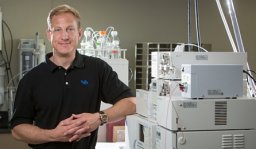 Richard W. Browne合作论文数University at Buffalo, State University of New York8Eileen P Storey合作论文数7
 Christopher J. Wertz合作论文数7
 Jon Patricios合作论文数University of Pretoria, University of the Witwatersrand7
 Jiri Dvorak合作论文数Department of Neurology, Spine Unit, Schulthess Klinik7Nicholas A Shaff合作论文数6Grace Park合作论文数6




