Background: Additional data are needed to define the optimal listing strategy and peri-transplant management for adults with congenital heart disease (ACHD). In this study, we evaluated the perioperative management and 1-year outcomes for 30 patients who underwent orthotopic heart transplantation (OHT) for ACHD. Methods: We conducted a single-center retrospective case series of all patients who received an OHT at our institution for ACHD from January 1, 2017 through June 30, 2024. Descriptive statistical analyses were used to illustrate the baseline characteristics, peri-transplant management, and 1-year outcomes of participants. Results: Seventeen (56.7%) patients received a heart-only transplant, 4 (13.3%) had a heart-lung transplant, 8 (26.7%) had a heart-liver transplant, and 1 (3.3%) had a heart-liver-kidney transplant. Embolization of aortopulmonary and venous collateral vessels before transplantation was performed in 12 (80%) Fontan patients, with a median of 2 procedures per patient. Twenty-eight (93.3%, n = 30) patients were alive at 90 days, and 26 (92.9%, n = 28) were alive at 1 year. Conclusions: This cohort of ACHD patients had a 92.9% 1-year survival rate, consistent with other high-volume centers in the United States. In this paper, we discuss our institutional practices that address barriers to transplant for ACHD patients, such as early referral for transplant, indications for listing, pretransplant embolization of collateral vessels, and multiorgan transplant.
Pulmonary atresia with intact ventricular septum (PA-IVS) and myocardial dysfunction is a challenging entity to manage. Presented is a patient with PA-IVS who developed myocardial dysfunction and heart failure following an episode of periprocedural hypotension. He was successfully treated with a single ventricle assist device (SVAD) placed without cardiopulmonary bypass and a ductal stent as a bridge to donation after circulatory death heart transplant. This report describes the technique of SVAD placement without cardiopulmonary bypass.
Patent ductus arteriosus (PDA) stenting is evolving as the preferred method for establishing stable pulmonary blood flow in cyanotic infants, offering lower mortality, faster recovery, and shorter hospital stays. However, stenting may lead to branch pulmonary artery (BPA) jailing, potentially restricting blood flow to the jailed branch. This study analyzes patient characteristics, cardiovascular anatomy, stenting techniques, and outcomes involving BPA jailing where the BPA originates from the PDA, with a focus on the growth of the jailed BPA. A retrospective review was conducted of infants with duct-dependent pulmonary blood flow who underwent PDA stenting at Rady Children’s Hospital San Diego from 2013 to 2024. Of 70 infants, 22 (31
BackgroundDouble outlet right ventricle (DORV) is a challenging congenital cardiac lesion to surgically master. We utilize computed tomography-guided-three-dimensional (3D) modeling/printing and novel in-house software to delineate anatomical relationships providing operative insight into the surgical approach. Our intent is to highlight this and showcase our technology.MethodsWe have created a repository of 3D heart reconstructions allowing for review of DORV patients. 3D intraoperative software anatomical manipulation and physical 3D prints were used to gain insight into DORV anatomy with the assistance of an on-site 3D Lab. The software used (Arc 3D Model Viewer) was designed in-house by our 3D Lab, tested and refined through ongoing use by our cardiothoracic surgery team. It allows for the subtraction and addition of anatomical structures and rotation in all axes. Clinicians can pan into the heart and determine specific anatomical boundaries and relationships.ResultsFrom 2010 to 2023, our program operated on 71 patients with DORV and our 3D lab has reconstructed 29 3D-hearts. Reconstructions were analyzed using Arc 3D Model Viewer. 3D reconstructions were viewed in our care conferences and intraoperatively allowing for discussion and determination of the optimal operative approach. Overall survival for DORV patients was 96% (68/71) with two mortalities in patients who did not receive 3D reconstructions.Conclusion3D reconstruction has allowed decision-making to be moved out of the operating room into the preoperative planning phase. 3D reconstruction is now standard for all DORV patients in our surgical service. We hope to demonstrate this technology with our newly developed Arc 3D Model Viewer and summarize our clinical results.
Repair or palliation of pulmonary atresia with intact ventricular septum (PA/IVS) often falls into one of 4 categories: cardiac transplant, 2-ventricular circulation, 1.5 ventricle circulation, or single ventricle circulation. The optimal management strategy has been an area of much debate. We sought to review the management strategy of patients with PA/IVS at our institution to better understand what metrics can be used to guide management and initial interventions. The study aims to examine the outcomes of a single-center approach to managing patients with PA/IVS. Our cohort included 29 patients; one patient underwent a planned transplant at ten days of life (3.4
Congenital cardiac surgery has advanced considerably over the last 4 decades with improvements in virtually every aspect of care. Technical procedures are well described in literature and taught globally while expected results are published in databases such as the Society of Thoracic Surgery (STS) and European Association of Cardio-Thoracic Surgery (EACTS). Outcomes have progressed from uncertain survival to expected program mortalities of nearly 2%. This has been driven in part by advances in surgical technique, but also incremental improvements in the entire patient care pathway. Single ventricles (SVs) remain one of our most challenging cohorts of patients and our most resource intensive. Although outcomes have improved in the past decades, overall morbidity and mortality exceeds that of our biventricular patients. Our goal is to highlight some of the impactful advances surrounding SV care, discuss some of the ideology that led us to our current care processes as it applies to our single center program. We also discuss areas of improvement in the future. We have also focused on mechanical support and transplantation as it remains a keystone in SV care. We hope to provide insight into how to improve the care of patients born with SV disease.
Background Right atrial lines are routinely used postoperatively in pediatric cardiac patients, but data and guidelines on their optimal long-term use and removal remain limited. Methods This was an observational retrospective cohort study to characterize the safety and feasibility of right atrial line removal at hospital discharge in pediatric cardiac patients between 2011 and 2018 at a tertiary children’s hospital. Results A total of 686 children had 804 right atrial line placements during cardiac surgeries. Median age and weight were 22 (interquartile range [IQR], 7-134) days and 3.6 (IQR, 3.1-5.3) kg. In this cohort, single ventricle physiology constituted 35.3%, and 38% underwent palliative procedures. Median line duration was 11 (IQR, 7-19) days, with a median interval between line removal and hospital discharge of 0 (IQR, 0-4) days. Most right atrial lines (61.4%) were safely removed on the day of discharge without complications, discharge delays, or readmissions. Single-ventricle physiology, shunts, and palliative surgeries did not impact this practice. Conclusions The removal of right atrial lines at discharge seems to be feasible and safe in the postoperative care of pediatric cardiac patients, including those with single-ventricle physiology, shunts, and palliative surgeries. Prospective studies are warranted to further refine and optimize right atrial line removal practices.
Left atrial (LA) myxomas are benign neoplasms that are rare in children. Their presentation is dependent on size and location. We describe a seven-year-old girl who was admitted with chest pain, upper respiratory symptoms, and persistent troponin elevation with suspected myocarditis. Workup revealed an infarction from a LA myxoma which embolized to her right coronary artery-posterior lateral branch (PLB). She underwent prompt successful surgical excision of the myxoma. We elected not to perform a coronary artery embolectomy and her infarction was managed medically. We describe this unique clinical scenario and the decision-making process leading to a successful outcome.
Patent ductus arteriosus stenting (PDAS) for ductal-dependent pulmonary blood flow (DDPBF) provides a new paradigm for managing neonates with single ventricles (SV). Currently, sparse data exist regarding outcomes for subsequent palliation. We describe our experience with inter-stage care and stage 2 (S2P) conversion with PDAS in comparison to a prior era of patients who received surgical aorto-pulmonary shunts (APS). Retrospective review of 18 consecutive DDPBF SV patients treated with PDAS between 2016 and 2021 was done and compared with 9 who underwent APS from 2010 to 2016. Patient outcomes and pulmonary artery (PA) growth were analyzed. S2P was completed in all 18 with PDAS with no cardiac arrests and one post-S2P mortality. In the 9 APS patients, there was one cardiac arrest requiring ECMO and one mortality inter-stage. Off cardiopulmonary bypass strategy was utilized in 10/18 in the PDAS and 1/9 in the APS group ( p = 0.005) at S2P. Shorter ventilation time, earlier PO feeding, and shorter hospital stay were noted in the PDAS group ( p = 0.01, p = 0.006, p = 0.03) (S2P). Median Nakata index increase inter-stage was not significant between the PDAS and APS at 94.1 mm 2 /m 2 versus 71.7 mm 2 /m 2 ( p = 0.94). Median change in pulmonary artery symmetry (PAS) was − 0.02 and − 0.24, respectively, which was statistically significant ( p = 0.008). Neurodevelopmental outcomes were better in the PDAS group compared to the APS group ( p = 0.02). PDAS provides excellent PA growth, inter-stage survival, progression along multistage single-ventricle palliation, and potentially improved neurodevelopmental outcomes. Most patients can be transitioned through 2 stages of palliation without CPB.
BackgroundPatent ductus arteriosus stenting (PDAS) is a nonsurgical alternative to Blalock-Taussig-Thomas shunt (BTTS) for infants with ductal-dependent congenital heart disease. In this single-center study, we aimed to compare neurodevelopmental outcomes in children who underwent BTTS as initial palliation versus PDAS.MethodsBayley Scales of Infant and Toddler Development Screening Test (Bayley-III) reports and mode of feeding data were collected for any patient who underwent PDAS or BTTS at Rady Children’s Hospital from 2013 to 2021. We also prospectively administered the Parents’ Evaluation of Development Status questionnaire (PEDS) to parents of children aged 2-8 years in this patient population.ResultsOf the 99 patients, 64 received a Bayley-III assessment and/or PEDS screen. Of the 35 who had a Bayley-III, there was a higher proportion of patients with PDAS who scored as developmentally appropriate compared with BTTS. PEDS screen showed that a higher proportion of patients with PDAS had no parental concern for delay than that of patients with BTTS (63% vs 30%). Patients with BTTS were more likely to undergo gastrostomy tube placement than patients with PDAS.ConclusionsOur study suggests that neurodevelopmental measures are feasible, clinically relevant, and should be included in comparative effectiveness studies of infant congenital interventions. Although PDAS offers neurodevelopmental benefit over BTTS should be confirmed in a prospective powered randomized controlled clinical trial.
Mitral valve replacement using a Melody valve is a promising solution to the challenge of surgical mitral valve replacement in infants with a hypoplastic annulus. We report the creation of a landing zone in the mitral valve annulus using a Cheatham-Platinum (CP)-covered stent that facilitates Melody valve placement, helps prevent paravalvular leak, minimizes left ventricular outflow tract obstruction, and allows for potential future dilation of the valve.
Mucosal-associated invariant T (MAIT) cells are a subset of T lymphocytes that respond to microbial metabolites. We defined MAIT cell populations in different organs and characterized the developmental pathway of mouse and human MAIT cells in the thymus using single-cell RNA sequencing and phenotypic and metabolic analyses. We showed that the predominant mouse subset, which produced IL-17 (MAIT17), and the subset that produced IFN-γ (MAIT1) had not only greatly different transcriptomes but also different metabolic states. MAIT17 cells in different organs exhibited increased lipid uptake, lipid storage, and mitochondrial potential compared with MAIT1 cells. All these properties were similar in the thymus and likely acquired there. Human MAIT cells in lung and blood were more homogeneous but still differed between tissues. Human MAIT cells had increased fatty acid uptake and lipid storage in blood and lung, similar to human CD8 T resident memory cells, but unlike mouse MAIT17 cells, they lacked increased mitochondrial potential. Although mouse and human MAIT cell transcriptomes showed similarities for immature cells in the thymus, they diverged more strikingly in the periphery. Analysis of pet store mice demonstrated decreased lung MAIT17 cells in these so-called "dirty" mice, indicative of an environmental influence on MAIT cell subsets and function.
BackgroundTreatment of tracheobronchial disease in medically complex infants with congenital heart disease (CHD) is often challenging. When conservative management or surgery fails or is contraindicated, airway stenting can allow for advancement of care or weaning of respiratory support.MethodsWe identified 8 cases of airway stenting with balloon-expandable coronary bare-metal stents performed at our institution between February 2019 and September 2022 to relieve conservative treatment-refractory tracheobronchial disease in pediatric patients with CHD. All patients underwent rigid microlaryngoscopy, bronchoscopy, and flexible bronchoscopy as well as computed tomography angiography.ResultsEight patients underwent technically uncomplicated placement of balloon-expandable coronary bare-metal stents in the trachea or bronchus. Immediate improvement in respiratory parameters was noted following stent placement. Six patients were able to wean mechanical ventilation following stent placement, with a median of 2.5 days of mechanical ventilation following the procedure (range, 0-219). All stents were subsequently endoscopically removed at a median of 6.8 months (range, 0.4-16.3 months). In 6 patients, bronchoscopy after stent removal demonstrated a rounder configuration of the airway consistent with bronchial remodeling.ConclusionsIn pediatric patients with tracheobronchial and CHD, airway stenting with balloon-expandable bare-metal coronary stents relieved respiratory symptoms with minimal complications and resulted in bronchial remodeling after stent removal.
The COVID-19 pandemic has influenced organ transplantation decision making. Opinions regarding the utilization of coronavirus disease-2019 (COVID-19) donors are mixed. We hypothesize that COVID-19 infection of deceased solid organ transplant donors does not affect recipient survival. All deceased solid organ transplant donors with COVID-19 testing results from March 15, 2020 to September 30, 2021 were identified in the OPTN database. Donors were matched to recipients and stratified by the COVID-19 test result. Outcomes were assessed between groups. COVID-19 test results were available for 17 694 donors; 150 were positive. A total of 269 organs were transplanted from these donors, including 187 kidneys, 57 livers, 18 hearts, 5 kidney-pancreases, and 2 lungs. The median time from COVID-19 testing to organ recovery was 4 days for positive and 3 days for negative donors. Of these, there were 8 graft failures (3.0%) and 5 deaths (1.9%). Survival of patients receiving grafts from COVID-19-positive donors is equivalent to those receiving grafts from COVID-19-negative donors (30-day patient survival = 99.2% COVID-19 positive; 98.6% COVID-19 negative). Solid organ transplantation using deceased donors with positive COVID-19 results does not negatively affect early patient survival, though little information regarding donor COVID-19 organ involvement is known. While transplantation is feasible, more information regarding COVID-19-positive donor selection is needed.
 Howaida El-Said合作论文数26
 Srujan Ganta合作论文数19
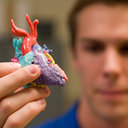 Justin Robert Ryan合作论文数School of Biological and Health Systems Engineering, Arizona State University14Rohit P. Rao合作论文数12Pophal Stephen合作论文数11
 Brigham C. Willis合作论文数St Joseph’s Hospital and Medical Center, Heart and Lung Institute10Kanishka Ratnayaka合作论文数National Heart Lung and Blood Institute, National Institutes of Health;Cardiology Division, Children's National Medical Center;National Institutes of Health, National Heart Lung and Blood Institute9
 Tara Karamlou合作论文数7
 Laith Alshawabkeh合作论文数Department of Internal Medicine, University of Texas Southwestern Medical Center at Dallas6
 Velez Daniel A合作论文数Department of Cardiothoracic Surgery, Phoenix Children's Hospital6
 Ross Bremner合作论文数Norton Thoracic Institute, St. Joseph’s Hospital and Medical Center;Center for Thoracic Disease and Transplantation, St. Joseph’s Hospital and Medical Center6Jessica Haley合作论文数5Brigger Matthew T合作论文数5
 Anton-Martin Pilar合作论文数University of Missouri, University of Texas Southwestern Medical Center5
 David Frakes合作论文数5Randy Richardson合作论文数5
 Vaughn A. Starnes合作论文数Department of Surgery, Keck Medicine of USC;USC Norris Cancer Hospital5Robert D. Bart合作论文数4Shylah Haldeman合作论文数4Katherine Price合作论文数4Amira Hussein合作论文数4Gabrielle R. Vaughn合作论文数4Aparna Rao合作论文数4
 Moore John W合作论文数4Reeves Ryan合作论文数4
 Jonathan Douglas Plasencia合作论文数4
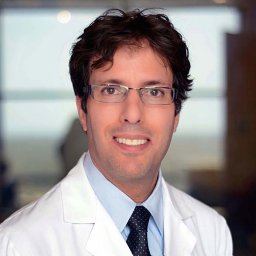 Henri Justino合作论文数Texas Children’s Hospital, Baylor College of Medicine4Brent M. Gordon合作论文数4Rachel L Weber合作论文数3Nathaly M. Sweeney合作论文数3John Artrip合作论文数3Peter Guyon合作论文数3Hannah El-Sabrout合作论文数3
 Victor Pretorius合作论文数Department of Surgery, School of Medicine, University of California, San Diego;Sulpizio Cardiovascular Center, University of California, San Diego3
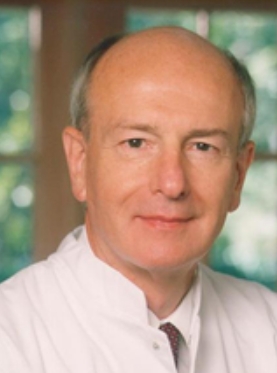 Tom DeMeester合作论文数Department of Surgery, Keck School of Medicine, University of Southern California3Harjot Bassi合作论文数2Marcus A Urey合作论文数2Chasity Wellnitz合作论文数2
 Tabitha Moe合作论文数2Dana Mueller合作论文数2Stephen J Nageotte合作论文数2
 Rakesh Singh合作论文数2Dannah Raz合作论文数2Katie Budolfson合作论文数2Ja Hagen合作论文数2
 Nina Zook合作论文数2
 Jennifer Berumen合作论文数Department of Surgery, School of Medicine, University of California, San Diego2
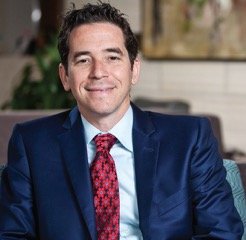 Eric Adler合作论文数Department of Medicine, UC San Diego2David Y. Moromisato合作论文数2




