Chapter 5 Meeting the Challenges of Performance Assessments Linda Darling-Hammond, Linda Darling-HammondSearch for more papers by this authorJamal Abedi, Jamal AbediSearch for more papers by this authorFrank Adamson, Frank AdamsonSearch for more papers by this authorJillian Chingos, Jillian ChingosSearch for more papers by this authorDavid T. Conley, David T. ConleySearch for more papers by this authorBeverly Falk, Beverly FalkSearch for more papers by this authorAnn Jaquith, Ann JaquithSearch for more papers by this authorStuart Kahl, Stuart KahlSearch for more papers by this authorSuzanne Lane, Suzanne LaneSearch for more papers by this authorWilliam Montague, William MontagueSearch for more papers by this authorJohn Olson, John OlsonSearch for more papers by this authorMargaret Owens, Margaret OwensSearch for more papers by this authorRaymond Pecheone, Raymond PecheoneSearch for more papers by this authorLawrence O. Picus, Lawrence O. PicusSearch for more papers by this authorEd Roeber, Ed RoeberSearch for more papers by this authorBrian Stecher, Brian StecherSearch for more papers by this authorThomas Toch, Thomas TochSearch for more papers by this authorBarry Topol, Barry TopolSearch for more papers by this author Linda Darling-Hammond, Linda Darling-HammondSearch for more papers by this authorJamal Abedi, Jamal AbediSearch for more papers by this authorFrank Adamson, Frank AdamsonSearch for more papers by this authorJillian Chingos, Jillian ChingosSearch for more papers by this authorDavid T. Conley, David T. ConleySearch for more papers by this authorBeverly Falk, Beverly FalkSearch for more papers by this authorAnn Jaquith, Ann JaquithSearch for more papers by this authorStuart Kahl, Stuart KahlSearch for more papers by this authorSuzanne Lane, Suzanne LaneSearch for more papers by this authorWilliam Montague, William MontagueSearch for more papers by this authorJohn Olson, John OlsonSearch for more papers by this authorMargaret Owens, Margaret OwensSearch for more papers by this authorRaymond Pecheone, Raymond PecheoneSearch for more papers by this authorLawrence O. Picus, Lawrence O. PicusSearch for more papers by this authorEd Roeber, Ed RoeberSearch for more papers by this authorBrian Stecher, Brian StecherSearch for more papers by this authorThomas Toch, Thomas TochSearch for more papers by this authorBarry Topol, Barry TopolSearch for more papers by this author Linda Darling-Hammond, Linda Darling-HammondSearch for more papers by this authorJamal Abedi, Jamal AbediSearch for more papers by this authorFrank Adamson, Frank AdamsonSearch for more papers by this authorJillian Chingos, Jillian ChingosSearch for more papers by this authorDavid T. Conley, David T. ConleySearch for more papers by this authorBeverly Falk, Beverly FalkSearch for more papers by this authorAnn Jaquith, Ann JaquithSearch for more papers by this authorStuart Kahl, Stuart KahlSearch for more papers by this authorSuzanne Lane, Suzanne LaneSearch for more papers by this authorWilliam Montague, William MontagueSearch for more papers by this authorJohn Olson, John OlsonSearch for more papers by this authorMargaret Owens, Margaret OwensSearch for more papers by this authorRaymond Pecheone, Raymond PecheoneSearch for more papers by this authorLawrence O. Picus, Lawrence O. PicusSearch for more papers by this authorEd Roeber, Ed RoeberSearch for more papers by this authorBrian Stecher, Brian StecherSearch for more papers by this authorThomas Toch, Thomas TochSearch for more papers by this authorBarry Topol, Barry TopolSearch for more papers by this author Book Author(s):Linda Darling-Hammond, Linda Darling-HammondSearch for more papers by this authorJamal Abedi, Jamal AbediSearch for more papers by this authorFrank Adamson, Frank AdamsonSearch for more papers by this authorJillian Chingos, Jillian ChingosSearch for more papers by this authorDavid T. Conley, David T. ConleySearch for more papers by this authorBeverly Falk, Beverly FalkSearch for more papers by this authorAnn Jaquith, Ann JaquithSearch for more papers by this authorStuart Kahl, Stuart KahlSearch for more papers by this authorSuzanne Lane, Suzanne LaneSearch for more papers by this authorWilliam Montague, William MontagueSearch for more papers by this authorJohn Olson, John OlsonSearch for more papers by this authorMargaret Owens, Margaret OwensSearch for more papers by this authorRaymond Pecheone, Raymond PecheoneSearch for more papers by this authorLawrence O. Picus, Lawrence O. PicusSearch for more papers by this authorEd Roeber, Ed RoeberSearch for more papers by this authorBrian Stecher, Brian StecherSearch for more papers by this authorThomas Toch, Thomas TochSearch for more papers by this authorBarry Topol, Barry TopolSearch for more papers by this author First published: 01 September 2015 https://doi.org/10.1002/9781119211020.ch5 AboutPDFPDF ToolsRequest permissionExport citationAdd to favoritesTrack citation ShareShareShare a linkShare onEmailFacebookTwitterLinkedInRedditWechat Summary There are some legitimate questions and concerns about performance assessments. Under the No Child Left Behind (NCLB) program, many states had difficulty receiving approval from the federal Department of Education for performance elements of their systems. Research in the United States and others suggests that performance assessments can play an important role in ensuring that the nation's students learn the higher-order skills they need. This chapter describes the advances made and lessons learned. Some assessment experts, like Robert Mislevy, argue that performance assessments can provide better measurement of growth and change in higher-order cognitive abilities and problem-solving strategies. An analysis of dozens of studies by British researchers Paul Black and Dylan Wiliam found that the regular use of these kinds of open-ended assessments with clear criteria to guide feedback, student revision, and teachers' instructional decisions, called formative assessments, produces larger learning. Next Generation Assessment: Moving Beyond the Bubble Test to Support 21St Century Learning RelatedInformation
This chapter presents recent data and analysis that illustrate how higher-quality assessments can become affordable. The United States is poised to take a major step in the direction of curriculum and assessments for deeper learning with the adoption of the Common Core State Standards in more than forty states. Policymakers would like to know whether the benefits of performance assessment justify the burdens. The benefits may justify the burdens from the perspective of education. As illustrated in the chapter, the costs associated with performance assessments have declined over the past decade, making it more attractive to incorporate some degree of performance assessment into state testing programs. Some states in the U.S. and nearly all local districts are making considerable investments in interim and benchmark assessments, test preparation materials and programs, and interventions to improve scores.
Next Generation Assessment: Moving Beyond the Bubble Test to Support 21 st Century Learning provides needed answers to the nation's growing concerns about educational testing in America. Drawing on research and the experiences of leading states and countries, this new book examines how performance assessments can offer a feasible alternative to current high stakes tests. As parents, educators, and policymakers have increasingly criticized the effects of the teaching to the test mandate from the No Child Left Behind Act, the need for this resource has never been more critical.
 Frank Adamson合作论文数8
 Ed Roeber合作论文数8Jillian Chingos合作论文数8Barry Topol合作论文数8Margaret Owens合作论文数8
 Beverly Falk合作论文数8
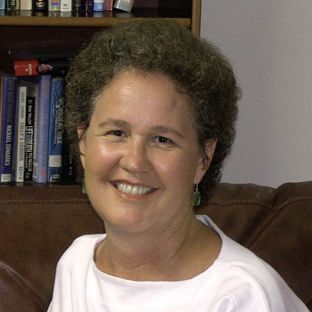 Linda Darling-Hammond合作论文数Graduate School of Education, Stanford University8Brian Stecher合作论文数7Thomas Toch合作论文数7William Montague合作论文数7Ann Jaquith合作论文数7Stuart Kahl合作论文数7
 Suzanne Lane合作论文数7
 David T. Conley合作论文数7
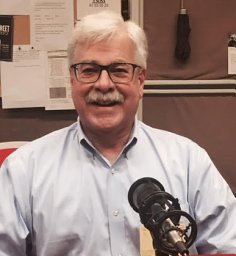 Lawrence O. Picus合作论文数Department of Education7
 Jamal Abedi合作论文数Graduate School of Education, University of California, Davis7raymond pecheone合作论文数6
 Raymond Pecheone合作论文数Stanford University School of Education1




