Restoration of conifer dominance and structural complexity in second-growth forests of northern California is a key management objective following historic logging and fire exclusion. We evaluated the performance of coast redwood (Sequoia sempervirens) and coast Douglas-fir (Pseudotsuga menziesii var. menziesii) nursery stock 8 years after planting following a retention harvest designed to enhance fine-scale heterogeneity in the spatial pattern of overstory tree retention. The study was conducted just outside redwood’s range in Humboldt County, north coastal California. Redwood exhibited higher survivorship over 8 years since planting, and had the same average height as Douglas-fir after 8 years, growing more rapidly and catching up in height over the last 2 years. Douglas-fir mortality was greater in areas of higher overstory retention. Canopy openness and soil relative water content were the strongest predictors of height and recent height increment. These early findings indicate that redwood can establish and perform competitively outside its natural range under the retention system, supporting potential expansion of its use in timber production and for other objectives such as wildfire resilience, carbon sequestration, structural complexity, and biodiversity enhancement. Continued monitoring will be essential to determine how varying retention levels and soil moisture dynamics influence the long-term development of planted conifers under a spatially-heterogeneous canopy.
Selection forestry sustains timber production and stand structural complexity via partial harvesting. However, regeneration initiated by harvesting may function as fuel ladders, providing pathways for fire to reach the forest canopy. We sought potential mitigation approaches by simulating stand growth and potential wildfire behavior over a century in stands dominated by coast redwood (Sequoia sempervirens (Lamb. ex. D. Don) Endl.) on California’s north coast. We used the fire and fuels extension to the forest vegetation simulator (FFE-FVS) to compare group selection (GS) to single-tree selection silviculture with either low-density (LD) or high-density (HD) retention on a 20-year harvest return interval. These three approaches were paired with six options involving vegetation management (i.e., hardwood control or pre-commercial thinning (PCT)) with and without fuels treatments (i.e., prescribed fire or pile burning), or no subsequent vegetation or fuel treatment applied after GS, HD, or LD silviculture. Fuel treatment involving prescribed fire reduced hazardous fuel loading but lowered stand density and hence productivity. Hardwood control followed by prescribed fire mitigated potential wildfire behavior and promoted dominance of merchantable conifers. PCT of small young trees regenerating after selection harvests, followed by piling and burning of these cut trees, sustained timber production while reducing potential wildfire behavior by approximately 40% relative to selection silviculture without vegetation/fuel management, which exhibited the worst potential wildfire behavior.
Minimum stand densities necessary to achieve crown closure is an important aspect of stocking assessment that merits more attention. Managers concerned with optimizing individual-tree and stand-level responses will benefit from improved guidance on minimum densities when designing intermediate silvicultural treatments. To do so we generated a dataset of crown projection areas using previously published crown width models and considered various assumptions about crown packing and the spatial arrangement of stems. Implied stem densities based on predicted crown sizes were used to determine the minimum stand density index (SDIMIN) by species. These values were integrated with published information about maximum stand density index (SDIMAX) providing estimates of minimum relative density (RDMIN=SDIMIN/SDIMAX). Mixed-effects models were used to predict RDMIN and determine the slope of the minimum size-density relationship (mSDR) for common softwood and hardwood species in northern New England, USA. Large differences in crown-stem allometry were revealed between open- and forest-grown trees (Delta RD -0.2). Hardwoods occupied more growing space than softwoods (Delta RD -0.05), a finding primarily attributed to differences in crown architecture, though species shade-tolerance may also play a role. Minimum stem densities capable of achieving crown closure span a wide range determined by species composition and stand history. Importantly, the implied slope of mSDR (- -1.0) differed substantially from that of the benchmark maximum size-density relationship (MSDR; -1.605), corresponding to lower values of RDMIN for smaller-sized stems and earlier in stand development than when stems are larger and older. Our models and resulting estimates of RDMIN can be used to locate the lower boundary of stocking space on sizedensity diagrams.
Quaking aspen (Populus tremuloides Michx.) stands throughout the western United States provide valuable ecosystem services but can be lost via succession from aspen to conifer. Forest managers are cutting conifers, but disposal of cut wood can be challenging in remote or sensitive areas. Piling and burning is being tested within aspen stands but ecosystem responses to this treatment are understudied. We assessed aspen tree mortality, tree regeneration, and understory vegetation after forest restoration thinning followed by pile burning in seven aspen-conifer stands around Lake Tahoe, California and Nevada, USA. Pile burning was conducted after cut wood had dried (1.5–7.5 years post cutting). Pile burning was more likely to kill aspen trees closer to piles regardless of tree size or pile size. Aspen regenerated rapidly inside the footprint of some burned piles, more often inside piles located in close proximity to other aspen, presumably by suckering from lateral roots beneath burned piles. Similarly, areas where higher densities of conifers were regenerating naturally were indicative of a greater likelihood for conifer regeneration inside pile footprints. Understory vegetation varied within and among study sites, and had similar vegetation cover and species richness inside pile footprints to vegetation in the vicinity of each pile. Overall, understory vegetation had mostly recovered after 2.5–8.5 years since pile burning. Thinning followed by burning of hand piles and smaller machine piles appears to be effective at promoting regeneration of aspen without lasting impact on understory vegetation. However, without further disturbance such as continued cutting and piling or use of prescribed fire, we caution that succession to conifer appears to continue, albeit slowly, via seedling regeneration.
Due to the removal from and dispossession of lands, Indigenous groups often need access to public land for traditional activities including ceremonies and gathering of culturally important plants. In California, USA, there is an ongoing effort to reconnect tribes with their ancestral lands by initiating tribal co-management on state-owned lands. However, its implementation is not well documented or studied. We explored the limited examples of co-management relationships occurring in California using semi-structured interviews. We found that recent policy evolution has created enabling conditions for successful co-management. However, efforts are complicated by limitations in both state employee and tribal capacities. Our 20 non-tribal participant interviews indicated that navigating the diversity of tribal interests and priorities is a hurdle to developing co-management agreements. Non-transactional gatherings are catalysts for relationship building between agencies and tribes which can facilitate social learning and the development of social capital.
Minimum stand densities needed to maintain full site occupancy is an important aspect of stocking assessment that merits more attention. Managers concerned with optimizing stand responses will benefit from improved guidance on minimum densities when designing intermediate silvicultural treatments. We generated a dataset of crown projection areas using previously published crown width models and considered various assumptions about crown packing and spatial arrangement of stems. Implied stem densities were used to determine the minimum stand density index (SDIMIN) by species. These values were integrated with published information about maximum stand density index (SDIMAX) yielding estimates of minimum relative density (RDMIN=SDIMIN/SDIMAX). Mixed-effects models were used to predict RDMIN and determine the slope of the minimum size-density relationship (mSDR) for common softwood and hardwood species in northern New England, USA. Large differences in crown-stem allometry were revealed between open- and forest-grown trees (ΔRD ~0.2). Hardwoods occupied more growing space than softwoods (ΔRD ~0.05), a finding primarily attributed to differences in crown architecture, though species shade-tolerance may also play a role. Minimum stem densities capable of achieving full site occupancy span a wide range determined by species composition and stand history. Importantly, the implied slope of mSDR (~ -1.0) differed substantially from that of the maximum size-density relationship (MSDR; -1.605), corresponding to lower values of RDMIN for smaller-sized stems and earlier in stand development than when stems are larger and older. Our models and resulting estimates of RDMIN can be used to inform a robust and consistent approach to establishing minimum viable site occupancy usefully viewed as a zone of minimum density.
Successful regeneration of commercial species is central to the long-term sustainability of forests managed for wood production. We studied two species of tree seedlings planted after group selection and single-tree selection harvesting in a 20 ha replicated silviculture experiment in stands dominated by coast redwood (Sequoia sempervirens (D.Don) Endl.). Treatments consisted of complete harvest in 1 ha group selection opening (GS), low-density dispersed retention (LD), aggregated high-density retention (HA), and dispersed high-density retention (HD). One year after planting, seedlings planted on a southwest aspect had the lowest survival rate, while northeast aspects had nearly complete survival rates. As expected, redwood had a higher survival rate than coast Douglas-fir (Pseudotsuga menziesii var menziesii (Mirb.) Franco). Survival rates exhibited a rise-peak-fall pattern with stand density, most notably on southwest-facing slopes, ranking LD > HA ≈ HD > GS treatments. Deer browsing of planted seedlings was a pervasive problem where Douglas-fir were preferentially browsed over redwood. In treatments with higher retention densities, browsing was less likely, ranking GS > LD > HA > HD treatments. Further from watercourses at higher elevation, the probability of browsing diminished. Overall, dispersed treatments outperformed aggregated and GS treatments by simultaneously maximizing survival and minimizing browsing of planted seedlings. We did not perform site preparation or herbicide treatment of re-sprouting hardwoods following harvest, and therefore recommend testing the effectiveness of understory vegetation management to enhance seedling survival. Consideration could also be given to planting more seedlings in anticipation of lower survival rates, and/or implementing seedling protection measures when and where heavy browsing is expected.
Despite the widespread use of pre-commercial (PCT) and commercial thinning (CT) in spruce-fir (Picea-Abies) forests of North America, critical knowledge gaps exist on their long-term influences on individual tree growth and development. In this study, we used extensive repeated measurements from replicated experimental research sites across Maine (n = 96090 obs. from 7159 trees in 103 plots at 15 locations) to quantify the tree-level response of two shade-tolerant conifers: balsam fir (Abies balsamea (L.) Mill.; BF) and red spruce (Picea rubens Sarg.; RS) to contrasting thinning treatments in spruce-fir stands with and without a prior PCT (NoPCT). Treatments at the nine PCT sites included a combination of CT entry timings (immediate, 5-, and 10-year delay) and removal intensities (0, 33, and 50% relative density reduction). In contrast, at the six NoPCT sites, the CT treatments were a combination of thinning methods (dominant, crown, and low) and removal intensities (0, 33, and 50%). The results showed that compared to the unthinned control, BF in thinned NoPCT stands exhibited substantial increases in annual growth for basal area, merchantable volume, and aboveground carbon, ranging from 99 to 280%, 75 to 214%, and 104 to 312%, respectively. In comparison, RS showed more moderate increases of 36 to 121%, 6 to 81%, and 32 to 135%, respectively. Similarly, in thinned PCT stands, BF displayed annual growth increases of 11 to 139%, 28 to 87%, and 15 to 145% in basal area, merchantable volume, and aboveground carbon, respectively, while RS exhibited similar increases of 50 to 120%, 35 to 96%, and 51 to 122%, respectively. In addition, CT treatments in both PCT and NoPCT stands effectively reduced mean height diameter ratios, while preserving live crown ratios and increasing tree-level growth efficiency. Overall, BF had a higher tree-level growth response than RS in NoPCT stands, while such differences were less pronounced in PCT stands. While stand-level growth and financial and operational factors should also be considered, our findings provide valuable insights into the long-term influences of both PCT and CT on individual tree growth, stability, vigor, and carbon sequestration potential in spruce-fir forests.
Hardwoods resprouting after wildfire or cutting develop as multistemmed clumps that gradually self-thin over time. There is increasing interest in thinning of sprouting species to accelerate the formation of tree characteristics important to indigenous cultural practices and wildlife such as large-diameter stems, large branches, broad crowns, and acorn production. We compared responses to three thinning treatments applied to black oak (Quercus kelloggii) resprouting after high-severity wildfire throughout northern California, USA. Basal area increment of the dominant stem was greatest after only one stem was retained, intermediate after three stems were retained, and lowest within unthinned oaks. Unwanted resprouting in response to the thinning was minimized by retaining three stems. Acorn production tended to increase as time elapsed since the fire (i.e., larger, older sprouts) but varied among sites and was noted as early as six years after fire at one site. More study is needed to test for the effects of thinning timing and intensity on the acceleration of acorn production as well as stem, branch, and crown size development over time.
Stand density management is central to achieving diverse silvicultural objectives. Decision-support tools in this domain range from expert opinion to sophisticated computer models that vary by forest type, region, and organization. The graphical frameworks represented by density management diagrams (DMDs) and stocking guides (SGs), collectively called size-density management charts (SDMCs), are well established and balance quantitative rigor with user accessibility. Regional differences in species composition and site quality are known to influence maximum size-density relationships, historically limiting the development of reliable charts. Advances in statistical modeling and data availability are overcoming this issue and should encourage more widespread use. We briefly review the history of SDMCs and propose the adoption of relative density based on stand density index as a logical metric for linking the DMD and SG formats. Examples of SDMC construction and use are illustrated for spruce-fir stands in Maine, USA.
Despite the widespread use of pre-commercial (PCT) and commercial thinning (CT) in spruce-fir (Picea-Abies) forests of North America, critical knowledge gaps exist on their long-term influences on individual tree growth and development. In this study, we used extensive repeated measurements from replicated experimental research sites across Maine (n = 96090 obs. from 7159 trees in 103 plots at 15 locations) to quantify the tree-level response of two shade-tolerant conifers: balsam fir (Abies balsamea (L.) Mill.; BF) and red spruce (Picea rubens Sarg.; RS) to contrasting thinning treatments in spruce-fir stands with and without a prior PCT (NoPCT). Treatments at the nine PCT sites included a combination of CT entry timings (immediate, 5-, and 10-year delay) and removal intensities (0, 33, and 50% relative density reduction). In contrast, at the six NoPCT sites, the CT treatments were a combination of thinning methods (dominant, crown, and low) and removal intensities (0, 33, and 50%). The results showed that compared to the unthinned control, BF trees in thinned NoPCT stands exhibited substantial increases in annual growth for basal area, merchantable volume, and aboveground carbon, ranging from 99 to 280%, 75 to 214%, and 104 to 312%, respectively. In comparison, RS trees showed more moderate increases of 36 to 121%, 6 to 81%, and 32 to 135%, respectively. Similarly, in thinned PCT stands, BF trees displayed annual growth increases of 11 to 139%, 28 to 87%, and 15 to 145% in basal area, merchantable volume, and aboveground carbon, respectively, while RS trees exhibited similar increases of 50 to 120%, 35 to 96%, and 51 to 122%, respectively. In addition, CT treatments in both PCT and NoPCT stands effectively reduced mean height-diameter ratios, while preserving live crown ratios and increasing tree-level growth efficiency. Overall, BF had a higher tree-level growth response than RS in NoPCT stands, while such differences were less pronounced in PCT stands. While stand-level growth and financial and operational factors should also be considered, our findings provide valuable insights into the long-term influences of both PCT and CT on individual tree growth, stability, vigor, and carbon sequestration potential in spruce-fir forests.
Sequoiadendron giganteum (giant sequoia) has a fragmented distribution of 75 groves found along the western slope of the Sierra Nevada Mountains, California, USA. Outplanting and range expansion or assisted migration of this iconic species for the objectives of genetic conservation and timber production would be supported by information on growth and morphology to guide seed-collection decisions. We measured and assessed giant sequoia planted as seedlings and clonal stock originating from 22 groves in two common-garden experiments at Foresthill, California, north of the current species range, after 29 growing seasons. Traits examined were tree-size parameters, fluting and asymmetry of the lower stem, basal swelling, fullness of the live crown, epicormic sprouting, and heartwood decay resistance in cut stumps. Performance in terms of tree size after 29 years varied widely among genotypes with different grove origins. Morphology and decay resistance also exhibited some variation according to grove origins. The seedling stock outperformed the clonal stock of the same grove origins in terms of size and is therefore recommended when faster early growth is desired to outcompete other trees or for other management objectives. However, more fluting was exhibited by the larger fast-growing giant sequoia, while fewer seedlings had epicormic sprouts than the clonal stock of the same grove origins. At our warm low-elevation study site, giant sequoia from Mountain Home, Giant Forest, and Converse Basin consistently exhibited above-average growth among other giant sequoia in a pure planting and in an intimate mixture with five common conifer associates. Therefore, seed collected from these three groves should perform relatively well at other locations with a similar climate. When conservation of the species and its genetic diversity is the primary objective, we recommend collecting from a wide range of groves and undertaking assisted migration by planting at multiple locations inside and outside giant sequoia’s range as a hedge against the loss of native groves.
Multi-year drought and climate change can impact tree growth, especially in California's Mediterranean climate where growing season rainfall is limited or absent. Active forest restoration has the potential to mitigate climate impacts by reducing stand density and conversion towards more resilient species' composition. We used dendrochronology methods to examine climate–growth relationships for coast Douglas-fir ( Pseudotsuga menziesii var. menziesii) trees in mixed multiaged stands near the species’ natural southern range margin. We found positive correlations of ring width with spring–early summer and prior October precipitation and an evapotranspiration index. Additionally, cooler spring temperature was negatively correlated with growth. We also studied tree resistance, resilience, and recovery from two multi-year drought events. Restoration treatments enhanced resistance and resilience to drought relative to trees growing in untreated plots. We did not detect differences in drought resistance and resilience between two common restoration methods, giving managers options for restoration to lessen drought impacts on tree growth.
Forest restoration thinning has the potential to enhance the structural complexity and accelerate the development of large trees important to wildlife, aesthetics, and wildfire resistance. These are key objectives for the restoration of even-aged secondary forests within Redwood National Park in Humboldt County, CA, USA. We evaluated the tree growth and stand structure 10 years after two thinning methods were applied at two intensities in a 40-year-old mixed redwood ( Sequoia sempervirens (Lamb. ex D. Don) Endl.)/Douglas-fir ( Pseudotsuga menziesii (Mirb.) Franco var. menziesii) stand. Heavy thinning enhanced the diameter growth of redwood and Douglas-fir trees more than light thinning. Crown thinning generally enhanced the structural diversity more than low thinning, and structural diversity increased progressively over the 10 years following thinning. Understory plant richness fluctuated between measurement years. Heavy thinning enhanced the understory shrub cover. The fastest-growing trees in heavily thinned stands were much more likely to sustain bear damage, especially redwood trees. Overall, different thinning methods and intensities induced a different suite of outcomes, yet none restored redwood dominance, but all treatments enhanced some other ecosystem values important for old-growth restoration such as large overstory trees, understory plant and shrubs, and elements of structural complexity, including tree-size variability, snags, down logs, and trees exhibiting stem or top damage.
Indigenous communities have experienced a loss of access and ability to contribute to the management of natural resources due to removal from lands, marginalization, and conflicting knowledge systems. Currently, there is increasing momentum toward re-engaging tribes as stewards of their ancestral lands. This article outlines tribal views on co-management and identifies the forest management objectives of a tribal partner to help better inform a forest co-management partnership between a Native American Tribe (Wiyot Tribe) and a California Polytechnic State University (Humboldt). Qualitative research methods were used to analyze 13 semi-structured interviews utilizing an adaptive co-management framework with enrolled tribal members and representatives to understand the expectations and perceived barriers to a successful co-management relationship. Interviewees repeatedly mentioned interest in the management of wildlife, forest health and resilience, and fuels reduction. Participants also expressed interest in incorporating education and training of tribal youth in the management of forest resources and traditional ecological knowledge. The semi-structured interviews provided participants a platform to share their thoughts and express their feelings regarding the future stewardship of ancestral forest lands.
There is considerable interest in multiaged management as a silvicultural and restoration tool in redwood forests of California. For multiaged silviculture to be successful, a new cohort of trees must first be able to regenerate underneath the residual overstory. We used annual re-measurement data from a replicated manipulative experiment in coastal northern California to determine how understory light, stand density, and spatial arrangement of residual trees affected coast redwood (Sequoia sempervirens) and tanoak (Notholithocarpus densiflorus) stump sprouts regenerating after partial harvest of conifers and felling-to-waste of tanoak. Four treatments (group selection, aggregated retention, low-density dispersed retention, and high-density dispersed retention) were applied at each replicate on redwood-dominated sites. Height growth of redwood sprouts was 49% greater than tanoak sprouts across all treatments. Redwood and tanoak sprouts were sensitive to overstory density. Redwood sprouts were marginally taller under high-density aggregated versus dispersed overstory trees at the same residual stand density (39.5 m2/ha BA). Sprout growth correlated with understory light; redwood sprouts exhibited a significant increase in sensitivity to light availability from year 2 to year 6. No differences in redwood sprout growth were detected when retaining a residual tree on the same root system versus sprouts growing on a root system where all redwood stems were cut. Our finding that cutting unwanted hardwoods in tandem with partial harvesting of merchantable conifers can maintain a competitive advantage for redwood sprouts versus tanoaks is an important consideration for maintaining redwood dominance when transitioning to multiaged management.
Pre-commercial (PCT) and commercial thinning (CT) are important silvicultural tools applied to spruce-fir (PiceaAbies) forests, a key forest type in the northeastern portion of North America. However, the long-term influences of CT, particularly when combined with PCT, are relatively unknown, except for a few specific locations in the region. Utilizing the repeated measurements from replicated experimental research sites (n = 15) initiated in the early 2000s throughout Maine, we quantified the influence of contrasting thinning treatments on spruce-fir stands with prior PCT and without a prior PCT (NoPCT). Thinning treatments at the nine sites with a prior PCT were a combination of multiple entry timings (immediate, 5-, and 10-year delay) and removal intensities (0, 33, and 50 % relative density reduction). At the six NoPCT sites, the CT treatments were a combination of thinning methods (dominant, crown, and low) and removal intensities (0, 33, and 50 %). The most effective CT in terms of large tree response, sawlog volume, and stand value were immediate CT rather than delayed treatments after PCT, and low thinning in NoPCT stands. Dominant thinning in NoPCT showed detrimental effects on residual stand conditions leading to the lowest yield and generated product values. In general, the earlier CT entry in PCT stands led to greater long-term benefits of the treatment in terms of tree size, merchantable volume, and financial value of the stand. No thinning treatment significantly enhanced cumulative total volume or merchantable volume or financial value compared to unthinned controls because even though thinning enhanced sawlog production, unthinned stands produced more pulpwood and studwood. Although we did not find significant economic benefits of CT in stands with or without PCT, light low thinning in NoPCT, and light crown thinning without delay in PCT could be an optimal strategy to maximize the average merchantable stem size without compromising the total stand value, while providing additional benefits to stand composition and generating mid-rotation revenue. Overall, the findings highlight some complexities and challenges with effective thinning regimes in highly shade-tolerant conifer species.
Afforestation of pasture sites results in a net reduction in atmospheric CO2. Coast redwood (Sequoia sempervirens) is well suited to carbon forestry due to its rapid growth and long-lived decay-resistant heartwood. We sought to identify redwood cultivars (clones) suitable for afforestation and rapid growth on pasture sites. Our common garden experiment replicated at three sites tested performance of 32 cultivars and a commercial seedlot. After four growing seasons, the tallest cultivar on the two more productive sites measured 6.1 m and 5.2 m and average heights were 3- and twofold that of the least productive site. Seedling heights ranked intermediate, being outperformed by ≥ 50% of the cultivars. Height growth differed significantly among cultivars. Compared to the seedlings, the top three cultivars averaged 15–18% greater height after four growing seasons at each site. This translated to stemwood volume gains of 106% at the best site and 68% at the second best site. There was relatively low—yet statistically significant—G × E interaction, indicating that redwood cultivars can be expected to rank consistently for growth across a range of different pasture sites. However, there may be minor benefits to specific cultivar-site matching especially under suboptimal conditions such as under partial shade on poorer sites. Overall, our results demonstrate the potential of elite cultivars for rapid afforestation of pasture sites.
Quaking aspen (Populus tremuloides) is a valued, minor component on northeastern California landscapes. It provides a wide range of ecosystem services and has been in decline throughout the region for the last century. This decline may be explained partially by the lack of fire on the landscape due to heavier fire suppression, as aspen benefit from fire that eliminates conifer competition and stimulates reproduction through root suckering. However, there is little known about how aspen stand area changes in response to overlapping fire. Our study area in northeastern California on the Lassen, Modoc and Plumas National Forests has experienced recent large mixed-severity wildfires where aspen was present, providing an opportunity to study the re-introduction of fire. We observed two time periods; a 52-year absence of fire from 1941 to 1993 preceding a 24-year period of wildfire activity from 1993 to 2017. We utilized aerial photos and satellite imagery to delineate aspen stands and assess conifer cover percent. We chose aspen stands in areas where wildfires overlapped (twice-burned), where only a single wildfire burned, and areas that did not burn within the recent 24-year period. We observed these same stands within the first period of fire exclusion for comparison (i.e., 1941-1993). In the absence of fire, all aspen stand areas declined and all stands experienced increases in conifer composition. After wildfire, stands that burned experienced a release from conifer competition and increased in stand area. Stands that burned twice or at high severity experienced a larger removal of conifer competition than stands that burned once at low severity, promoting expansion of aspen stand area. Stands with less edge:area ratio also expanded in area more with fire present. Across both time periods, stand movement, where aspen stand footprints were mostly in new areas compared to footprints of previous years, was highest in smaller stands. In the fire exclusion period, smaller stands exhibited greater loss of area and changes in location (movement) than in the return of fire period, highlighting their vulnerability to loss via succession to conifers in the absence of disturbances that provide adequate growing space for aspen over time.
Throughout much of its range, northern white-cedar (Thuja occidentalis L., hereafter cedar) has experienced a bottleneck in recruitment: cedar seedlings are often abundant in these stands, particularly in lowland settings, yet cedar sapling densities are quite low, leading to concerns that cedar canopy trees are not being replaced. Several barriers to cedar recruitment have been suggested; however, findings from previous studies have been inconsistent with regard to limiting factors. Our objective was to characterize the microsite conditions associated with the establishment of cedar seedlings and saplings. We achieved this objective by mapping the location of seedlings, saplings, and overstory trees in 15 lowland cedar stands at five sites in Maine, USA, and examining the fine-scale site conditions (microtopographic features, canopy openness) in which cedar seedlings and saplings occurred. In particular, we recorded the occurrence of seedlings and saplings on microtopographic mounds, pits (small depressions), and flats (transitional features between mounds and pits). Substrate moisture content in these features decreased in the order pits > flats > mounds. Contingency-table results demonstrated that live cedar seedlings, and to a slightly lesser extent saplings, were found more often than expected by chance on mounds, and less often on flats and pits. Logistic regressions using status (live vs. dead) as the response variable generally supported these findings: dead seedlings were strongly associated with pits; however, the occurrence of live seedlings and saplings did not differ between flats and mounds. A companion planted-seedling experiment strongly supported these results, showing that after two growing seasons, survival was significantly lower in pits (12%) when compared to flats and mounds, which had similarly high levels of survival (62 and 80% respectively). Logistic regressions also showed live seedlings and saplings to be prevalent under more open canopy conditions (mean 19%, range 6 to 42% openness); though results from a planted-seedling experiment suggested that greater canopy openness (mean 32%, range 13 to 57%) was detrimental to survival. Regressions also showed that browsed seedlings were more likely to be found dead. These findings point to management prescriptions that maintain microtopographic diversity, create moderately open canopy conditions, and protect stands from browsing to promote viable cedar populations in these ecologically and economically important forests.
 Christa M. Dagley合作论文数24
 Kevin O'Hara合作论文数Department of Environmental Science, Policy, and Management, College of Natural Resources, University of California, Berkeley11Lynn Webb合作论文数6
 Aaron Robert Weiskittel合作论文数Department of Forest Science;Oregon State University;Department of Forest Science, Oregon State University6
 Kevin Boston合作论文数College of Forestry, Oregon State University6
 Shawn Fraver合作论文数School of Forest Resources, University of Maine5
 Martin Ritchie合作论文数5Stephanie A. Coppeto合作论文数4
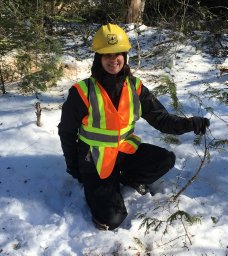 Laura Kenefic合作论文数U. S. Department of Agriculture;Forest Service;U. S. Department of Agriculture|Forest Service4Bishnu Hari Wagle合作论文数School of Forest Resources, University of Maine3
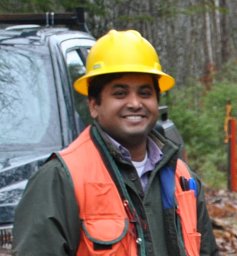 Anil Raj Kizha.合作论文数Sch Forest Resources, Univ Maine3
 Robert S. Seymour合作论文数University of Maine;School of Forest Resources;School of Forest Resources, University of Maine3Nicholas J. Kerhoulas合作论文数2Coye L Burnett合作论文数2Wade Polda合作论文数2Brandon H. Namm合作论文数2David D. Marshall合作论文数2
 Nicole S. Rogers合作论文数School of Forest Resources, University of Maine2
 Nickolas E Kichas合作论文数2
 Yoon G Kim合作论文数2
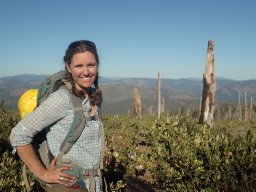 Michelle Coppoletta合作论文数Sierra Cascade Province Ecology Program, USDA Forest Service2
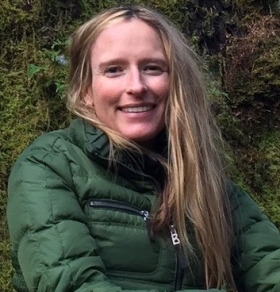 Lucy Kerhoulas合作论文数Department of Biological Sciences, Northern Arizona University, Flagstaff, AZ 86011, USA.2Bobette E. Jones合作论文数2
 Anthony Tony D Amato合作论文数Rubenstein School of Environment and Natural Resources, University of Vermont2
 Michael J Dockry合作论文数2William J. Libby合作论文数1Kristy Deyoung合作论文数1johnpascal berrill and christa m dagley合作论文数1Jeanette A. Allogio合作论文数1Christopher Kirk合作论文数1Alexander J. Gorman合作论文数1Chelsea Obeidy合作论文数1
 Jay W. Wason合作论文数School of Forest Resources, University of Maine1Justin S. Crotteau合作论文数USDA Forest Service, Rocky Mountain Research Station1
 Jeffrey M Kane合作论文数Department of Forestry and Wildland Resources, Humboldt State University1
 J. Morgan Varner合作论文数Department of Forest Resources &Environmental Conservation, Virginia Polytechnic Institute and State University;Department of Forest Resources & Environmental Conservation, Virginia Polytechnic Institute and State University1Shana Gross合作论文数1
 Jonathan W. Long合作论文数USDA FS Research1
 Han-Sup Han合作论文数Department of Forest Products;University of Idaho;Department of Forest Products, University of Idaho1Lathrop Leonard合作论文数1
 Harold Zald合作论文数USDA Forest Service Pacific Northwest Research Station1
 Anne K. Eschtruth合作论文数1




