Tropospheric ozone is an important component of the Earth system as it can affect both climate and air quality. In this work, we use observed tropospheric column ozone derived from the Ozone Monitoring Instrument (OMI) and Microwave Limb Sounder (MLS) OMI-MLS, in addition to OMI ozone retrieved in discrete vertical layers, and compare it to tropospheric ozone from UM-UKCA simulations (which utilize the Unified Model, UM, coupled to UK Chemistry and Aerosol, UKCA). Our aim is to investigate recent changes (2005–2018) in tropospheric ozone in the North Atlantic region, specifically its seasonal, interannual and decadal variability, and to understand what factors are driving such changes. The model exhibits a large positive bias (greater than 5 DU or ∼ 50 %) in the tropical upper troposphere: through sensitivity experiments, time series correlation, and comparison with the Lightning Imaging Sensor and Optical Transient Detector lightning flash dataset, the model positive bias in the tropics is attributed to shortcomings in the convection and lightning parameterizations, which overestimate lightning flashes in the tropics relative to mid-latitudes. Use of OMI data, for which vertical averaging kernels and a priori information are available, suggests that the model negative bias (6–10 DU or ∼ 20 %) at mid-latitudes, relative to OMI-MLS tropospheric column, could be the result of vertical sampling. Ozone in the North Atlantic peaks in spring and early summer, with generally good agreement between the modelled and observed seasonal cycle. Recent trends in tropospheric ozone were investigated: whilst both observational datasets indicate positive trends of ∼ 5 % and ∼ 10 % in North Atlantic ozone, the modelled ozone trends are much closer to zero and have large uncertainties. North Atlantic ozone interannual variability (IAV) in the model was found to be correlated to the IAV of ozone transported to the North Atlantic from the stratosphere (R=0.77) and emission of NOx from lightning in the tropics (R=0.72). The discrepancy between modelled and observed trends for 2005–2018 could be linked to the model underestimating lower stratospheric ozone trends and associated stratosphere to troposphere transport. Modelled tropospheric ozone IAV is driven by IAV of tropical emissions of NOx from lightning and IAV of ozone transport from the stratosphere; however, the modelled and observed IAV differ. To understand the IAV discrepancy we investigated how modelled ozone and its drivers respond to large-scale modes of variability. Using OMI height-resolved data and model idealized tracers, we were able to identify stratospheric transport of ozone into the troposphere as the main driver of the dynamical response of North Atlantic ozone to the Arctic Oscillation (AO) and the North Atlantic Oscillation (NAO). Finally, we found that the modelled ozone IAV is too strongly correlated to the El Niño–Southern Oscillation (ENSO) compared to observed ozone IAV. This is again linked to shortcomings in the lightning flashes parameterization, which underestimates (overestimates) lightning flash production in the tropics during positive (negative) ENSO events.
Hydrogen is expected to play a key role in the global energy transition to net zero emissions in many scenarios. However, fugitive emissions of hydrogen into the atmosphere during its production, storage, distribution and use could reduce the climate benefit and also have implications for air quality. Here, we explore the atmospheric composition and climate impacts of increases in atmospheric hydrogen abundance using the UK Earth System Model (UKESM1) chemistry–climate model. Increases in hydrogen result in increases in methane, tropospheric ozone and stratospheric water vapour, resulting in a positive radiative forcing. However, some of the impacts of hydrogen leakage are partially offset by potential reductions in emissions of methane, carbon monoxide, nitrogen oxides and volatile organic compounds from the consumption of fossil fuels. We derive a refined methodology for determining indirect global warming potentials (GWPs) from parameters derived from steady-state simulations, which is applicable to both shorter-lived species and those with intermediate and longer lifetimes, such as hydrogen. Using this methodology, we determine a 100-year global warming potential for hydrogen of 12 ± 6. Based on this GWP and hydrogen leakage rates of 1 % and 10 %, we find that hydrogen leakage offsets approximately 0.4 % and 4 % respectively of total equivalent CO2 emission reductions in our global hydrogen economy scenario. To maximise the benefit of hydrogen as an energy source, emissions associated with hydrogen leakage and emissions of the ozone precursor gases need to be minimised.
A grand challenge in the field of chemistry-climate modelling is to understand the connection between anthropogenic emissions, atmospheric composition and the radiative forcing of trace gases and aerosols. We present an analysis of the trends in tropospheric oxidising capacity in the UM-UKCA from the recent forerunner to AerChemMIP, the Chemistry-Climate Model Intercomparison project, CCMI-1, focusing on the REFC1SD and REFC1 simulations over the recent historical period. We discuss these trends in terms of OH preconditions, such as photolysis rate and ozone concentration, and the resulting impact on methane oxidation. Observational data provide important constraints on ozone and its precursors, as well as other radiatively important gases such as methane. Data are available from a variety of platforms, spanning a range of spatial and temporal scales covering the past 40 years. Recent work has highlighted the discrepancy in model and observations concerning surface ozone at key stations and the trend in tropospheric ozone levels over the past 50 years. We will present a comparison between modelled OH and recent observational products, such as flight data from the UK ACSIS and NASA AToM campaigns to examine how such data may be used to assess and to validate chemistry-climate models such as UKCA, and so improve the uncertainty regarding key forcing agents such as methane, ozone and aerosols.
The Arctic has experienced several extreme springtime stratospheric ozone depletion events over the past four decades, particularly in 1997, 2011 and 2020. However, the impact of this stratospheric ozone depletion on the climate system remains poorly understood. Here we show that the stratospheric ozone depletion causes significant reductions in the sea ice concentration (SIC) and the sea ice thickness (SIT) over the Kara Sea, Laptev Sea and East Siberian Sea from spring to summer. This is partially caused by enhanced ice transport from Barents-Kara Sea and East Siberian Sea to the Fram Strait, which is induced by a strengthened and longer lived polar vortex associated with stratospheric ozone depletion. Additionally, cloud longwave radiation and surface albedo feedbacks enhance the melting of Arctic sea ice, particularly along the coast of the Eurasian continent. This study highlights the need for realistic representation of stratosphere-troposphere interactions in order to accurately predict Arctic sea ice loss.
The Montreal Protocol is successfully protecting the ozone layer. The main halogen gases responsible for stratospheric ozone depletion have been regulated under the Protocol, their combined atmospheric abundances are declining and ozone is increasing in some parts of the atmosphere(1). Ozone depletion potentials(2-4), relative measures of compounds' abilities to deplete stratospheric ozone, have been a key regulatory component of the Protocol in successfully guiding the phasing out in the manufacture of the most highly depleting substances. However, this latest, recovery phase in monitoring the success ofthe Protocol calls for further metrics. The 'delay in ozone return' has been widely used to indicate the effect of different emissions or phase-down strategies, but we argue here that it can sometimes be ambiguous or even of no use. Instead, we propose the use of an integrated ozone depletion (IOD) metric to indicate the impact of any new emission. The IOD measures the time-integrated column ozone depletion and depends only on the emission strength and the whole atmosphere and stratospheric lifetimes of the species considered. It provides a useful complementary metric of the impact of specific emissions of an ozone depleting substance for both the scientific and policy communities.
These two volumes of the Royal Society’s Philosophical Transactions record the ‘state of methane’ in 2021. The atmospheric methane burden rose rapidly in 2020: more rapidly than at any previous time in the observational record. The causes of this rise are complex and not well understood. It is likely much of the growth is driven by increased emissions from biological sources, such as natural wetlands, agriculture and landfills, especially in the Tropics and sub-Tropics. Other processes such as declining methane sinks may also be contributing. The methane budget is not closed. In the overall estimates by Saunois et al. (2020), there are wide uncertainty margins in each sub-category and huge discrepancies between Top-Down and Bottom-Up assessments. Moreover, in seeking to track methane, we are chasing a very fast-changing target—the global methane budget in 2021 is very different from the budget in 2010.
在过去40年里,北极地区经历了几次平流层臭氧极端损耗事件,但北极平流层臭氧极端损耗对气候系统的影响仍然不十分清楚.本文发现北极平流层臭氧的极端损耗与春、夏季喀拉海、拉普捷夫海和东西伯利亚海的海冰密集度及海冰厚度的减少存在联系.这是由于平流层臭氧减少造成极地涡旋强度增强且持续时间延长,使得更多的海冰从巴伦支海-喀拉海和东西伯利亚海漂移到弗拉姆海峡,最终移出北极.此外,云层长波辐射和地表反照率辐射反馈增强了北极海冰的融化,特别是沿欧亚大陆海岸的海冰融化.本研究表明,准确预测北极海冰变化需要考虑平流层-对流层的相互作用对海冰的影响.
Stratospheric ozone projections in the tropics, modeled using the UKESM1 Earth system model, are explored under different Shared Socioeconomic Pathways (SSPs). Consistent with other studies, it is found that tropical stratospheric column ozone does not return to 1980s values by the end of the 21st century under any SSP scenario as increased ozone mixing ratios in the tropical upper stratosphere are offset by continued ozone decreases in the tropical lower stratosphere. Stratospheric column ozone is projected to be largest under SSP scenarios with the smallest change in radiative forcing, and smallest for SSP scenarios with larger radiative forcing, consistent with a faster Brewer-Dobson circulation at high greenhouse gas loadings. This study explores the use of machine learning (ML) techniques to make accurate, computationally inexpensive projections of tropical stratospheric column ozone. Four ML techniques are investigated: Ridge regression, Lasso regression, Random Forests and Extra Trees. All four techniques investigated here are able to make projections of future tropical stratospheric column ozone which agree well with those made by the UKESM1 Earth system model, often falling within the ensemble spread of UKESM1 simulations for a broad range of SSPs. However, all techniques struggle to make accurate projects for the final decades of the SSP5-8.5 scenario. Accurate projections can only be achieved when the ML methods are trained on sufficient data, including both historical and future simulations. When trained only on historical data, the projections made using models based on ML techniques fail to accurately predict tropical stratospheric ozone changes. Results presented here indicate that, when sufficiently trained, ML models have the potential to make accurate, computationally inexpensive projections of tropical stratospheric column ozone. Further development of these models may reduce the computational burden placed on fully coupled chemistry-climate and Earth system models and enable the exploration of tropical stratospheric column ozone recovery under a much broader range of future emissions scenarios.
A grand challenge in the field of chemistry-climate modelling is to understand the connection between anthropogenic emissions, atmospheric composition and the radiative forcing of trace gases and aerosols. The AerChemMIP model intercomparison project, part of CMIP6, focuses on calculating the radiative forcing of gases and aerosol particles over the period 1850 to 2100. We present an analysis of the trends in tropospheric ozone budget in the UKESM1 and other models from CMIP6 experiments. We discuss these trends in terms of chemical production and loss of ozone as well as physical processes such as transport and deposition. Where possible, AerChemMIP attribution experiments such as histSST-piCH4, will be used to quantify the effect of individual emissions and forcing changes on the historical ozone burden and budget. For future experiments, we focus on analogous experiments from the SSP3-70 scenario, a ‘regional rivalry’ shared socioeconomic pathway involving significant emissions changes.
Methane is the second-most important anthropogenic greenhouse gas after carbon dioxide. The atmospheric burden is rising rapidly. CH4 growth from about 720 ppb in pre-industrial times to nearly 1900 ppb now has predominantly been caused by human activity. This is proportionately a much greater rise than the increase in CO2. With a direct heating impact of about 0.5 Wm−2 and around 1 Wm−2 if indirect impacts are included, the climate warming consequences of anthropogenic methane emissions are very important. To consider recent methane studies in the UK, and related work by others internationally, the Royal Society scheduled a Discussion Meeting in October 2020. That meeting was postponed because of the Covid-19 pandemic, but rescheduled to 4–7 October 2021. ‘MOYA’, the UK’s Natural Environment Research Council’s research program on the Global Methane Budget (2016–2021), was a wide-ranging study of all aspects of atmospheric methane. The work included in situ measurement, for example, measuring 13C in methane, at remote locations such as Ascension Island and a wide range of field campaigns on the ground and in aircraft. This research has been complemented by satellite remote sensing and ground-based measurement of the vertical methane column. Linked to MOYA was ZWAMPS, studying the Upper Congo and Zambezi wetlands of Zambia. Modelling studies have been wide-ranging, including trajectory-based studies and
Emissions of methane (CH4) from offshore oil and gas installations are poorly ground-truthed, and quantification relies heavily on the use of emission factors and activity data. As part of the United Nations Climate & Clean Air Coalition (UN CCAC) objective to study and reduce short-lived climate pollutants (SLCPs), a Twin Otter aircraft was used to survey CH4 emissions from UK and Dutch offshore oil and gas installations. The aims of the surveys were to (i) identify installations that are significant CH4 emitters, (ii) separate installation emissions from other emissions using carbon-isotopic fingerprinting and other chemical proxies, (iii) estimate CH4 emission rates, and (iv) improve flux estimation (and sampling) methodologies for rapid quantification of major gas leaks. In this paper, we detail the instrument and aircraft set-up for two campaigns flown in the springs of 2018 and 2019 over the southern North Sea and describe the developments made in both the planning and sampling methodology to maximise the quality and value of the data collected. We present example data collected from both campaigns to demonstrate the challenges encountered during offshore surveys, focussing on the complex meteorology of the marine boundary layer and sampling discrete plumes from an airborne platform. The uncertainties of CH4 flux calculations from measurements under varying boundary layer conditions are considered, as well as recommendations for attribution of sources through either spot sampling for volatile organic compounds (VOCs) ∕ δ13CCH4 or using in situ instrumental data to determine C2H6–CH4 ratios. A series of recommendations for both planning and measurement techniques for future offshore work within marine boundary layers is provided.
The temporal evolution of the abundance of long-lived, anthropogenic chlorofluorocarbons in the atmosphere is a major factor in determining the timing of total column ozone (TCO) recovery. Recent observations have shown that the atmospheric mixing ratio of CFC-11 is not declining as rapidly as expected under full compliance with the Montreal Protocol and indicate a new source of CFC-11 emissions. In this study, the impact of a number of potential future CFC-11 emissions scenarios on the timing of the TCO return to the 1960–1980 mean (an important milestone on the road to recovery) is investigated using the Met Office's Unified Model (Hewitt et al., 2011) coupled with the United Kingdom Chemistry and Aerosol scheme (UM-UKCA). Key uncertainties related to this new CFC-11 source and their impact on the timing of the TCO return date are explored, including the duration of new CFC-11 production and emissions; the impact of any newly created CFC-11 bank; and the effects of co-production of CFC-12. Scenario-independent relationships are identified between cumulative CFC emissions and the timing of the TCO return date, which can be used to establish the impact of future CFC emissions pathways on ozone recovery in the real world. It is found that, for every 200 Gg Cl (∼258 Gg CFC-11) emitted, the timing of the global TCO return to 1960–1980 averaged values is delayed by ∼0.56 years. However, a marked hemispheric asymmetry in the latitudinal impacts of cumulative Cl emissions on the timing of the TCO return date is identified, with longer delays in the Southern Hemisphere than the Northern Hemisphere for the same emission. Together, these results indicate that, if rapid action is taken to curb recently identified CFC-11 production, then no significant delay in the timing of the TCO return to the 1960–1980 mean is expected, highlighting the importance of ongoing, long-term measurement efforts to inform the accountability phase of the Montreal Protocol. However, if the emissions are allowed to continue into the future and are associated with the creation of large banks, then significant delays in the timing of the TCO return date may occur.
Abstract. Emissions of methane (CH4) from offshore oil and gas installations are poorly ground-truthed and quantification relies heavily on the use of emission factors and activity data. As part of the United Nations Climate and Clean Air Coalition (UN CCAC) objective to study and reduce short-lived climate pollutants (SLCP) a Twin Otter aircraft was used to survey CH4 emissions from UK and Dutch offshore oil and gas installations. The aims of the surveys were to i) identify installations that are significant CH4 emitters, ii) separate installation emissions from other emissions using carbon-isotopic fingerprinting and other chemical proxies, iii) estimate CH4 emission rates, and iv) improve flux estimation (and sampling) methodologies for rapid quantification of major gas leaks. In this paper, we detail the instrument and aircraft set up for two campaigns flown in the springs of 2018 and 2019 over the southern North Sea and describe the developments made in both planning and sampling methodology in order to maximise the quality and value of the data collected. We present example data collected from both campaigns to demonstrate the challenges encountered during offshore surveys, focussing on the complex meteorology of the marine boundary layer, and sampling discrete plumes from an airborne platform. The uncertainties of CH4 flux calculations from measurements under varying boundary layer conditions are considered, as well as recommendations for attribution of sources through either spot sampling for VOCs / δ13CCH4 or using in-situ instrumental data to determine C2H6-CH4 ratios. A series of recommendations for both planning and measurement techniques for future offshore work within the marine boundary layers are provided.
Understanding the past, present, and future evolution of methane remains a grand challenge. Here we have used a hierarchy of models, ranging from simple box models to a chemistry-climate model (CCM), UM-UKCA, to assess the contemporary and possible future atmospheric methane burden. We assess two emission data sets for the year 2000 deployed in UM-UKCA against key observational constraints. We explore the impact of the treatment of model boundary conditions for methane and show that, depending on other factors, such as CO emissions, satisfactory agreement may be obtained with either of the CH4 emission data sets, highlighting the difficulty in unambiguous choice of model emissions in a coupled chemistry model with strong feedbacks. The feedbacks in the CH4-CO-OH system, and their uncertainties, play a critical role in the projection of possible futures. In a future driven by large increases in greenhouse gas forcing, increases in tropospheric temperature drive, an increase in water vapor, and, hence, [OH]. In the absence of methane emission changes this leads to a significant decrease in methane compared to the year 2000. However, adding a projected increase in methane emissions from the RCP8.5 scenario leads to a large increase in methane abundance. This is modified by changes to CO and NOx emissions. Clearly, future levels of methane are uncertain and depend critically on climate change and on the future emission pathways of methane and ozone precursors. We highlight that further work is needed to understand the coupled CH4-CO-OH system in order to understand better future methane evolution.
You have accessMoreSectionsView PDF ToolsAdd to favoritesDownload CitationsTrack Citations ShareShare onFacebookTwitterLinked InRedditEmail Cite this article Fowler David, Pyle John A., Sutton Mark A. and Williams Martin L. 2020Global Air Quality, past present and future: an introductionPhil. Trans. R. Soc. A.3782019032320190323http://doi.org/10.1098/rsta.2019.0323SectionYou have accessIntroductionGlobal Air Quality, past present and future: an introduction David Fowler David Fowler http://orcid.org/0000-0002-2999-2627 Centre for Ecology and Hydrology Bush Estate, Penicuik Midlothian EHH26 0QB, UK [email protected] Google Scholar Find this author on PubMed Search for more papers by this author , John A. Pyle John A. Pyle Department of Chemistry, University of Cambridge, Cambridge CB1 2EW, UK Google Scholar Find this author on PubMed Search for more papers by this author , Mark A. Sutton Mark A. Sutton http://orcid.org/0000-0002-1342-2072 Centre for Ecology and Hydrology Bush Estate, Penicuik Midlothian EHH26 0QB, UK Google Scholar Find this author on PubMed Search for more papers by this author and Martin L. Williams Martin L. Williams Imperial College London, London SW7 2AZ, UK Google Scholar Find this author on PubMed Search for more papers by this author David Fowler David Fowler http://orcid.org/0000-0002-2999-2627 Centre for Ecology and Hydrology Bush Estate, Penicuik Midlothian EHH26 0QB, UK [email protected] Google Scholar Find this author on PubMed , John A. Pyle John A. Pyle Department of Chemistry, University of Cambridge, Cambridge CB1 2EW, UK Google Scholar Find this author on PubMed , Mark A. Sutton Mark A. Sutton http://orcid.org/0000-0002-1342-2072 Centre for Ecology and Hydrology Bush Estate, Penicuik Midlothian EHH26 0QB, UK Google Scholar Find this author on PubMed and Martin L. Williams Martin L. Williams Imperial College London, London SW7 2AZ, UK Google Scholar Find this author on PubMed Published:28 September 2020https://doi.org/10.1098/rsta.2019.0323Global Air Quality in 2019 was responsible for 7 million premature deaths, extensive crop loss and declines in biodiversity across Europe, North America and East Asia. Air pollutants also contribute directly to climate change through changes in the energy balance of the planet by some of the gaseous pollutants, notably ozone and also by particulate matter. There are therefore strong motives to understand the science, develop policies to mitigate effects and identify technical solutions to reduce emissions substantially.The objectives of the Royal Society Air Quality Discussion Meeting in November 2019 were to describe the way air pollution developed, articulate the main characteristics of the current global air quality issues and assess the likely changes in the scale and distribution of air pollution through the twenty-first century. The policy responses to date have generally been slow to develop, in part because the effects were not anticipated and, to some extent when observed, were regarded as an acceptable burden for the benefits of new technologies. Many of the large-scale air pollution problems were discovered by scientists engaged in unrelated monitoring or research activities. Thus, the effects became widespread and severe before the scale of the problems were appreciated, as in the case of Acid Rain. The polluting industries and governments sometimes engaged, at least initially, in obfuscation activities in an attempt to minimize the importance of the problem. The slow policy response has been a feature of air pollution globally.The meeting brought together a broad range of researchers and practitioners working in fields related to air pollution and its effects on human and environmental health, atmospheric chemistry and physics. The meeting was the first 'Science Plus' discussion meeting in which policy aspects of the subject were described and discussed alongside presentations of the disciplinary sciences. The policy aspects are a vital component of the broader subject, through the need to understand the science sufficiently to provide useful guidance to policy makers on possible mitigation pathways. However, the scope of a 2-day discussion meeting with just eighteen 30 min presentations and a panel discussion was necessarily limited. In many of the areas of science covered, there have been large, international conferences and hundreds of publications annually. The lectures and resulting published manuscripts from this meeting thus represent a highly selective cross section with many areas omitted, or mentioned only fleetingly.Broadly the subject is divided into three sections, beginning with three papers examining the past, detailing the historical development of air pollution issues and their effects on human health, ecosystems and food security. The second and largest section, comprising 10 papers, describes the main current global air quality issues. The final section, comprising three papers, considers the likely trends in air quality and its effects through the current century. There are two papers describing policy aspects explicitly. Monks & Williams [1] consider the drivers of policy and role of science in development of air quality policy over the last 100 years, while Amann et al. [2] looks forward to the middle decades of this century to gauge the likely improvements in air quality from current conditions. We appear to be a decade or so after peak emissions of sulfur dioxide and close to peak emissions for NOx emissions and there are prospects of a gradual global improvement in air quality over the next four decades. It is notable that none of those presenting was willing to speculate in any detail much beyond the middle of the century.The opening paper presents a chronology of the development of understanding of the issues arising from the emission of pollutant gases and particulate matter to the atmosphere by human activity [3]. Pollutants are not a new phenomenon, with early reports from Greece of poor air quality more than 2000 years ago. Poor air quality has long been a feature of cities and the scale of the problems grew to a global peak in the first decade of the twenty-first century. The scale of the emissions generated regional and transboundary pollution problems by the middle of the twentieth century and transboundary and intercontinental transport have become an important part of global air pollution in the last half century.The effects of pollutants on human health have been the strongest driver of policy development, but effects on vegetation, food security and the wider environment have also been important. For natural ecosystems and specifically the effects of air pollution on vegetation, the historical narrative is also long, with observed effects in the eleventh century, described by Stevens et al. [4]. For vegetation, severe problems included regional exposure to phytotoxic levels of SO2 and were greatest in the middle decades of the twentieth century in Europe and North America. These acute effects have now been resolved by greatly reducing emissions of SO2. For other pollutants affecting vegetation, including the eutrophication of ecosystems by atmospheric deposition of nitrogen compounds that effectively fertilize ecosystems by atmospheric deposition, there are no signs of recovery. The most important ecological effects of nitrogen deposition on seminatural plant communities are changes in species composition, described by Stevens et al. Emissions of nitrogen oxides also contribute to tropospheric ozone production, and for food security, ozone is globally the most important air pollutant cause of reductions in productivity. The effects of ozone on food security are described by Emberson [5].The central section of papers on current air quality issues begins with an overview of particulate matter (PM) by Harrison [6], characterizing size distributions, composition, sources and ambient concentrations in major global cities. A case study of sources of fine particulate matter in China [7] also provides important links to policy, as major cities in China became notable hot-spots for poor air quality between 2000 and 2010. Policies to reduce emissions of the major pollutants in China have substantially reduced emissions and exposure of the population to PM over the last decade.The most important impacts of PM are currently the effects on human health and these remain the main driver of policy developments. Two contrasting approaches to study the effects of air pollutants on human health are epidemiology and toxicology, summarized by Gowers et al. [8] and by Kelly et al. [9], respectively. While PM is a focus for research, monitoring and policy development to reduce the effects on human health, there remains the problem that the relative contributions of PM components to human health effects remain unknown. Thus most policy is currently directed towards reduction in PM mass rather than targeting any specific chemical component in order to reduce population exposure. Identifying the relative contributions of different chemical components of PM remains an important research objective.Vegetation and trees in particular represent a sink for atmospheric PM and reactive gases. Trees have also been proposed as a potential solution for air quality problems in urban areas, by enhancing the rate of deposition to the surface. Nemitz et al. [10] describe the background principles and quantify using a chemistry-transport model the scale of air quality improvement possible with tree planting both at the city and country scale. They show that even very ambitious planting of trees in urban areas yields only a small improvement in air quality. They show that controlling the sources of the pollutants is the most effective strategy to reduce population exposure.The role of nitrogen compounds on air quality has grown since the mid-twentieth century, especially with the declining role of sulfur dioxide emissions. The papers by Sutton et al. [11] and Liu et al. [12] both focus on the role of nitrogen compounds. Sutton et al. address the issue of ammonia and specifically its role in regulating the acidity of the atmosphere. We are familiar with the expression Acid Rain from the middle decades of the last century, but with the decline in emissions of SO2 from 1980 onwards and NO2 from the peak in 2018, the acidity of precipitation and aerosols has declined considerably and we now have the prospect of alkaline air as emissions of NH3 continue to grow. Furthermore, a change in aerosol composition is leading to a change in the partitioning of atmospheric ammonia from aerosol towards the gas phase, leading to a change in transport distance of NHx in the atmosphere and continued dominance of reduced nitrogen in driving effects on ecosystems [4]. The role of reactive nitrogen (Nr) in China is described by Liu et al. [12], showing emissions of NH3 currently exceeding those of NOx by 30% (as N) and playing a major role in the air quality issues in China. Notable reductions of emissions of NOx in China have been achieved over the last decade. Important uncertainties in the budget of ammonia over China are also described in this paper.While large reductions in emissions of SO2 and NO2 have been achieved regionally and, in the case of SO2, globally, emissions of VOC remain an important area for further policy. There have been substantial reductions in emissions of VOC from the road transport sector and from fugitive fuel emissions, but other sources, including solvents and industrial processes, now represent a substantial fraction of emissions. Lewis et al. [13] describe the changes in VOC emissions and speciation in the UK in recent decades and their implications for monitoring.The final four papers in the issue are concerned with very recent trends, as a consequence of the SARS Covid-19 pandemic on ozone [14] and possible futures for global air quality. The forecasts of emissions depend on the willingness of nations to implement policies to control emissions, so possible futures are the only ones available. Forecasts of the future are always subject to unknowns. The progress since peak SO2 emissions in the late twentieth century has been considerable and many countries have extensive plans for further reductions in emissions of SO2, NOx and VOC. There are also plans for reductions in emissions of NH3 in some countries, but these seem unlikely to lead to a global reduction in NH3 emissions. The agricultural sector is poorly regulated relative to road transport or manufacturing industry.The likely trends in emissions through to the mid-twenty-first century rely on further policy interventions as discussed by Amann et al. [2]. They conclude that air pollution controls and measures to protect the climate and agricultural production could substantially reduce global air pollution, with a 75% reduction in PM2.5 exposure of the population. Some of the measures to reduce emissions of air pollutants are already envisaged within national policy objectives, and these improvements could be achieved with continued economic growth. It is notable that the progress to date in improving air quality has largely been consistent with Kuznets arguments that regulations to improve environmental quality are introduced as societies reach a point in their economic development allowing resources to be devoted to control measures. The meeting did not address the wider socio-economic developments and this precluded discussion of Kuznets arguments and whether it informs us of the timing or scale of future pollutant emissions. It is important to note that integrated assessment methods, such as those used by Amann and colleagues at IIASA have proved very effective in the development of international protocols to regulate the inter-country exchange of pollutants in Europe through the UNECE and EU over the last four decades.The effects of changes in climate are an important consideration in coming decades. The Earth system model used by Archibald et al. [15] shows substantial increases in surface ozone in South and East Asia in the coming decades and important effects of climate change on tropospheric ozone. The changes in effects of pollutants on human health, ecosystems and food security during the current century are discussed by Von Schneidemesser et al. [16] who show the importance of South and East Asia. It is clear that policy developments in Asia in the medium term will be an important driver of the global magnitude of effects. The probable role of climate–air pollution interactions is also highlighted in this contribution.Tribute to Martin L. WilliamsProfessor Martin L. WilliamsMartin Williams, one of the organisers of the Discussion meeting leading to this collection of papers and an author of one with Paul Monks, has been a leader of research and policy development to solve the problems of poor air quality in the UK and more widely through Europe throughout the last four decades.He graduated in chemistry from the University of Cardiff and continued into research gaining a PhD in Theoretical Chemistry from Bristol. Following a post doc in Canada, he was appointed to the Warren Spring laboratory in Stevenage, the UK's centre for air pollution research and coordination of national monitoring activities. Martin was head of the Air Pollution Division leading a team of 50 scientists in air quality research for government and business. He was a founder member of various expert groups advising government – Committee on the Medical Aspects of Air Pollutants, Expert Panel on Air Quality Standards, Photochemical Oxidants Review Group, Quality of Urban Air Review Group and was an advisor to the USEPA, WHO, the European Commission, NATO and the OECD.In 1993 Martin moved to head the air quality science unit in the Department of the Environment where he formulated the research programmes and led the production of three national air quality strategies between 1993 and 2002. These were heavily science-based, and won commendations as exemplars of scientific inputs to policy. During this time, he was also elected chairman of the scientific arm of the UN Convention on Long Range Transboundary Air Pollution (CLRTAP) - the air pollution analogue of the climate change Convention - formulating and overseeing research in centres in Norway, Moscow, Vienna and Germany to underpin the negotiations of international policy agreements on emission reductions. Great improvements in air quality throughout Europe have been achieved through the protocols agreed within this process, much of it under Martin Williams leadership. Martin also worked closely with the European Commission, developing the scientific basis for legislation on air quality limits in EU Directives.In 2010 Martin left Defra to join Kings College and return to academic research in air pollution. At this time, he was appointed to Defra's Air Quality Expert Group, and continued to chair the CLRTAP Executive Body and was a member of a WHO working group reviewing the literature on health effects of air pollution. With the recent move of the air pollution research team from Kings College to Imperial College, Martin contributed to the Group's foremost position in both UK and international air quality policy through chairing Defra's Air Quality Modelling Steering Group, set up to advise the Department on their strategic needs for air pollution modelling.In June 2019 UK Research and Innovation and the Met Office launched an ambitious new programme to improve air quality and reduce its impact on health in the UK with the announcement of three Clean Air Champions. Their remit over the three years was to bring together the UK's world-class air quality research base to develop practical solutions for air quality issues, as part of the Clean Air programme. It could not have been more fitting that Martin was one of those Champions.Martin died suddenly on Monday 21st September 2020.David FowlerFrank KellyFootnotesOne contribution of 17 to a discussion meeting issue 'Air quality, past present and future'.© 2020 The Author(s)Published by the Royal Society. All rights reserved.References1. Monks PS, Williams ML. 2020What does success look like for air quality policy? A perspective. Phil. Trans. R. Soc. A 378, 20190326. (doi:10.1098/rsta.2019.0326) Link, ISI, Google Scholar2. Amann Met al.2020Reducing global air pollution: the scope for further policy interventions. Phil. Trans. R. Soc. A 378, 20190331. (doi:10.1098/rsta.2019.0331) Link, ISI, Google Scholar3. Fowler Det al.2020A chronology of global air quality. Phil. Trans. R. Soc. A 378, 20190314. (doi:10.1098/rsta.2019.0314) Link, ISI, Google Scholar4. Stevens CJ, Bell JNB, Brimblecombe P, Clark CM, Dise NB, Fowler D, Lovett GM, Wolseley PA. 2020The impact of air pollution on terrestrial managed and natural vegetation. Phil. Trans. R. Soc. A 378, 20190317. (doi:10.1098/rsta.2019.0317) Link, ISI, Google Scholar5. Emberson L. 2020Effects of ozone on agriculture, forests and grasslands. Phil. Trans. R. Soc. A 378, 20190327. (doi:10.1098/rsta.2019.0327) Link, ISI, Google Scholar6. Harrison RM. 2020Airborne particulate matter. Phil. Trans. R. Soc. A 378, 20190319. (doi:10.1098/rsta.2019.0319) Link, ISI, Google Scholar7. Zheng M, Yan C, Zhu T. 2020Understanding sources of fine particulate matter in China. Phil. Trans. R. Soc. A 378, 20190325. (doi:10.1098/rsta.2019.0325) Link, ISI, Google Scholar8. Gowers AM, Walton H, Exley KS, Hurley JF. 2020Using epidemiology to estimate the impact and burden of exposure to air pollutants. Phil. Trans. R. Soc. A 378, 20190321. (doi:10.1098/rsta.2019.0321) Link, ISI, Google Scholar9. Kelly FJ, Fussell JC. 2020Toxicity of airborne particles—established evidence, knowledge gaps and emerging areas of importance. Phil. Trans. R. Soc. A 378, 20190322. (doi:10.1098/rsta.2019.0322) Link, ISI, Google Scholar10. Nemitz Eet al.2020Potential and limitation of air pollution mitigation by vegetation and uncertainties of deposition-based evaluations. Phil. Trans. R. Soc. A 378, 20190320. (doi:10.1098/rsta.2019.0320) Link, ISI, Google Scholar11. Sutton MAet al.2020Alkaline air: changing perspectives on nitrogen and air pollution in an ammonia-rich world. Phil. Trans. R. Soc. A 378, 20190315. (doi:10.1098/rsta.2019.0315) Link, ISI, Google Scholar12. Liu XJet al.2020Environmental impacts of nitrogen emissions in China and the role of policies in emission reduction. Phil. Trans. R. Soc. A 378, 20190324. (doi:10.1098/rsta.2019.0324) Link, ISI, Google Scholar13. Lewis AC, Hopkins JR, Carslaw DC, Hamilton JF, Nelson BS, Stewart G, Dernie J, Passant N, Murrells T. 2020An increasing role for solvent emissions and implications for future measurements of volatile organic compounds. Phil. Trans. R. Soc. A 378, 20190328. (doi:10.1098/rsta.2019.0328) Link, ISI, Google Scholar14. Dentener F, Emberson L, Galmarini S, Cappelli G, Irimescu A, Mihailescu D, Van Dingenen R, van den Berg M. 2020Lower air pollution during COVID-19 lock-down: improving models and methods estimating ozone impacts on crops. Phil. Trans. R. Soc. A 378, 20200188. (doi:10.1098/rsta.2020.0188) Link, ISI, Google Scholar15. Archibald AT, Turnock ST, Griffiths PT, Cox T, Derwent RG, Knote C, Shin M. 2020On the changes in surface ozone over the twenty-first century: sensitivity to changes in surface temperature and chemical mechanisms. Phil. Trans. R. Soc. A 378, 20190329. (doi:10.1098/rsta.2019.0329) Link, ISI, Google Scholar16. von Schneidemesser E, Driscoll C, Rieder HE, Schiferl LD. 2020How will air quality effects on human health, crops and ecosystems change in the future?Phil. Trans. R. Soc. A 378, 20190330. (doi:10.1098/rsta.2019.0330) Link, ISI, Google Scholar Next Article VIEW FULL TEXT DOWNLOAD PDF FiguresRelatedReferencesDetails This Issue30 October 2020Volume 378Issue 2183Discussion meeting issue 'Air quality, past present and future' organised and edited by David Fowler, John Pyle, Mark Sutton and Martin Williams Article InformationDOI:https://doi.org/10.1098/rsta.2019.0323PubMed:32981444Published by:Royal SocietyPrint ISSN:1364-503XOnline ISSN:1471-2962History: Manuscript accepted22/07/2020Published online28/09/2020Published in print30/10/2020 License:© 2020 The Author(s)Published by the Royal Society. All rights reserved. Citations and impact Subjectsatmospheric chemistryatmospheric sciencebiogeochemistryenvironmental chemistrymeteorology
We study the evolution of tropospheric ozone over the period 1979–2010 using a chemistry‐climate model employing a stratosphere‐troposphere chemistry scheme. By running with specified dynamics, the key feedback of composition on meteorology is suppressed, isolating the chemical response. By using historical forcings and emissions, interactions between processes are realistically represented. We use the model to assess how the ozone responds over time and to investigate model responses and trends. We find that the chlorofluorocarbon (CFC)‐driven decrease in stratospheric ozone plays a significant role in the tropospheric ozone burden. Over the period 1979–1994, the decline in transport of ozone from the stratosphere, partially offsets an emissions‐driven increase in tropospheric ozone production. From 1994–2010, despite a leveling off in emissions, increased stratosphere‐to‐troposphere transport of ozone drives a small increase in the tropospheric ozone burden. These results have implications for the impact of future stratospheric ozone recovery on air quality and radiative forcing.
A grand challenge in the field of chemistry-climate modelling is understanding the connection between anthropogenic emissions, atmospheric composition and the radiative forcing of trace gases and aerosols. The 6th phase of the Coupled Model Intercomparison Project (CMIP6) includes a number of climate model experiments that can be used for this purpose. AerChemMIP [Collins et al.2017] focuses on calculating the radiative forcing of gases and aerosol particles over the period 1850 to 2100, and comprises several tiers of experiments designed to attribute the effect of changes in emissions. The UK Earth System Model, UKESM-1, is a novel climate model developed for CMIP6 [Sellar et al., 2019] and is a community research tool for studying past and future climate. It includes a detailed treatment of tropospheric chemistry, interactive BVOC emissions and extensive stratospheric chemistry. The North Atlantic Climate System is an area of current interest [Robson et al., 2020] and is the focus of the UKRI 'ACSIS' project. ACSIS brings together scientists from a range of different specialisms to understand complex changes in the North Atlantic climate system. By understanding how these changes relate to external drivers of climate, such as human activity, or natural variability, ACSIS aims to improve our capability to detect, explain and predict changes in the North Atlantic climate system. We present an analysis of the evolution of atmospheric composition over the period 1950-2015. The work is based on a recent global multi-model evaluation of tropospheric ozone for CMIP6 [Griffiths et al., 2020] , but focuses on changes over the North Atlantic region in UKESM-1. We draw on CMIP and AerChemMIP simulations to provide an initial survey of the response of this region to changing emissions , focusing on atmospheric composition and attempting attribution from a series of targeted experiments involving perturbed emissions .
The atmospheric methane burden is increasing rapidly, contrary to pathways compatible with the goals of the 2015 United Nations Framework Convention on Climate Change Paris Agreement. Urgent action is required to bring methane back to a pathway more in line with the Paris goals. Emission reduction from “tractable” (easier to mitigate) anthropogenic sources such as the fossil fuel industries and landfills is being much facilitated by technical advances in the past decade, which have radically improved our ability to locate, identify, quantify, and reduce emissions. Measures to reduce emissions from “intractable” (harder to mitigate) anthropogenic sources such as agriculture and biomass burning have received less attention and are also becoming more feasible, including removal from elevated‐methane ambient air near to sources. The wider effort to use microbiological and dietary intervention to reduce emissions from cattle (and humans) is not addressed in detail in this essentially geophysical review. Though they cannot replace the need to reach “net‐zero” emissions of CO 2 , significant reductions in the methane burden will ease the timescales needed to reach required CO 2 reduction targets for any particular future temperature limit. There is no single magic bullet, but implementation of a wide array of mitigation and emission reduction strategies could substantially cut the global methane burden, at a cost that is relatively low compared to the parallel and necessary measures to reduce CO 2 , and thereby reduce the atmospheric methane burden back toward pathways consistent with the goals of the Paris Agreement.
The iDirac is a new instrument to measure selected hydrocarbons in the remote atmosphere. A robust design is central to its specifications, with portability, power efficiency, low gas consumption and autonomy as the other driving factors in the instrument development. The iDirac is a dual-column isothermal oven gas chromatograph with photoionisation detection (GC-PID). The instrument is designed and built in-house. It features a modular design, with the novel use of open-source technology for accurate instrument control. Currently configured to measure biogenic isoprene, the system is suitable for a range of compounds. For isoprene measurements in the field, the instrument precision (relative standard deviation) is ±10 %, with a limit of detection down to 38 pmol mol−1 (or ppt). The instrument was first tested in the field in 2015 during a ground-based campaign, and has since shown itself suitable for deployment in a variety of environments and platforms. This paper describes the instrument design, operation and performance based on laboratory tests in a controlled environment as well as during deployments in forests in Malaysian Borneo and central England.
Recent studies have found a shift of the Arctic stratospheric polar vortex toward Siberia during late winter since 1980, intensifying the zonally asymmetric ozone (ZAO) depletion in the northern middle and high latitudes with a stronger total column ozone decline over Siberia compared with that above other regions at the same latitudes. Using observations and a climate model, this study shows that zonally asymmetric stratospheric ozone depletion gives a significant feedback on the position of the polar vortex and further favors the stratospheric polar vortex shift toward Siberia in February for the period 1980–99. The polar vortex shift is not significant in the experiment forced by zonal mean ozone fields. The February ZAO trend with a stronger ozone decline over Siberia causes a lower temperature over this region than over the other regions at the same latitudes, due to shortwave radiative cooling and dynamical cooling. The combined cooling effects induce an anomalous cyclonic flow over Siberia, corresponding to the polar vortex shift toward Siberia. In addition, the ZAO depletion also increases the meridional gradient of potential vorticity over Siberia, which is favorable for the upward propagation of planetary wave fluxes from the troposphere over this region. Increased horizontal divergence of planetary waves fluxes over the region 60°–75°N, 60°–90°E associated with ZAO changes accelerates the high-latitude zonal westerlies in the middle stratosphere, further enhancing the shift of the stratospheric polar vortex toward Siberia. After 2000, the ZAO trend in February is weaker and induces a smaller polar vortex shift than that in the period 1980–99.
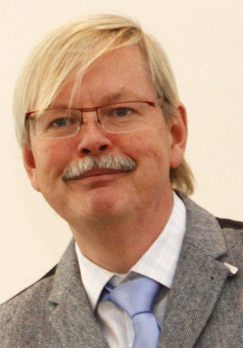 Peter Braesicke合作论文数Institute of Meteorology and Climate Research - Atmospheric Trace Gases and Remote Sensing, Karlsruhe Institute of Technology91
 Martyn Chipperfield合作论文数School of Earth and Environment,University of Leeds70
 Luke Abraham合作论文数Centre for Atmospheric Science, Yusuf Hamied Department of Chemistry, University of Cambridge;National Centre for Atmospheric Science;Software Sustainability Institute70
 Alex Archibald合作论文数Yusuf Hamied Department of Chemistry, University of Cambridge;National Centre for Atmospheric Science57
 Nicola Warwick合作论文数Department of Chemistry, University of Cambridge55
 P. Telford合作论文数University of Manchester48
 Olaf Morgenstern合作论文数National Institute of Water and Atmospheric Research43
 Neil Harris合作论文数Centre for Atmospheric Science, Department of Chemistry, University of Cambridge;Centre for Science and Policy, University of Cambridge;Cranfield Environment Centre, Cranfield University40
 Euan G. Nisbet (Euan Nisbet)合作论文数Department of Earth Sciences, Royal Holloway University of London38
 Slimane Bekki合作论文数LATMOS, Conseil National de la Recherche Scientifique37
 James Keeble合作论文数Centre for Atmospheric Science, Yusuf Hamied Department of Chemistry, University of Cambridge;Lancaster Environment Centre, Lancaster University32
 Oliver Wild合作论文数Lancaster Environment Centre, Lancaster University30
 Glenn Carver合作论文数University of Cambridge, University of Cambridge30
 Martin Gallagher合作论文数Department of Earth and Environmental Sciences, School of Natural Sciences, Faculty of Science and Engineering, The University of Manchester28K. S. Law合作论文数28
 Rebecca E. Fisher合作论文数Department of Earth Sciences, University of London28
 Fiona O'Connor合作论文数Met Office Hadley Centre27
 Xin Yang合作论文数Department of Chemistry;Cambridge University;Department of Chemistry, Cambridge University26
 Sandip Dhomse合作论文数Institute for Climate and Atmospheric Science, School of Earth and Environment, University of Leeds26J. D. Lee合作论文数Department of Chemistry|University of York25
 David Lowry合作论文数Department of Earth Sciences, Royal Holloway, University of London25
 Grant Allen合作论文数Department of Earth and Environmental Sciences, School of Natural Sciences, Faculty of Science and Engineering, The University of Manchester24G. Pitari合作论文数23
 Paul Griffiths合作论文数Department of Chemistry, University of Cambridge23Andrew Robinson合作论文数22
 N. H. Savage合作论文数University of Cambridge;Centre for Atmospheric Science;Centre for Atmospheric Science, University of Cambridge22
 C. Nicholas Hewitt (Nick Hewitt)合作论文数Lancaster Environment Centre, Lancaster University22Stephane Bauguitte合作论文数21
 Guang Zeng合作论文数National Centre for Atmospheric Science;Department of Chemistry;University of Cambridge;National Centre for Atmospheric Science, University of Cambridge21Sebastian J. O'Shea合作论文数Dept Earth & Environm Sci, Univ Manchester20
 Dudley Shallcross合作论文数School of Chemistry, The University of Bristol20
 Olivier Dessens合作论文数Energy Institute, The Bartlett Faculty of the Built Environment, University College London18
 Rod Jones合作论文数Centre for Atmospheric Science, Yusuf Hamied Department of Chemistry, University of Cambridge18
 Rob MacKenzie合作论文数School of Geography, Earth and Environmental Sciences, College of Life and Environmental Sciences, University of Birmingham17
 Ally C Lewis合作论文数National Centre for Atmospheric Science;Wolfson Atmospheric Chemistry Laboratories, Department of Chemistry, University of York17
 Michelle Cain合作论文数Cranfield Environment Centre, Cranfield University17H. L. Rogers合作论文数16
 Mathew J Evans合作论文数15
 Amanda C. Maycock合作论文数School of Earth and Environment, Faculty of Environment, University of Leeds15
 David Oram合作论文数Centre for Ocean and Atmospheric Sciences, University of East Anglia;School of Environmental Sciences, University of East Anglia15J. R. Hopkins合作论文数14
 Maria Russo合作论文数Yusuf Hamied Department of Chemistry, University of Cambridge;National Centre for Atmospheric Science14
 Matthew Ashfold合作论文数Faculty of Science and Engineering, University of Nottingham, Malaysia14
 Panos Hadjinicolaou合作论文数Environment and Water Research Center, Cyprus Institute14
 Didier Hauglustaine合作论文数Laboratoire des Sciences du Climat et de l’Environnement, Centre National de la Recherche Scientifique14
 James Levine合作论文数School of Geography, Earth and Environmental Sciences, College of Life and Environmental Sciences, University of Birmingham13
 Eugene Rozanov合作论文数Physical-Meteorological Observatory Davos;Institute of Atmosphere and Climate Science, ETH Zurich13E. Mancini合作论文数12
 David J. Beerling合作论文数School of Biosciences, University of Sheffield;Leverhulme Centre for Climate Change Mitigation, University of Sheffield12




