In dynamic environments, fast-moving interferers can quickly traverse resolution cells, posing a challenge for the minimum variance distortionless response (MVDR) beamformer to accurately place notches in the direction of the interferers. One common solution is to create a wider notch at the interferer’s location. The hybridMVDR(HMVDR) beamformer offers a novel approach for creating implicit wide notches within the beampattern. The HMVDR beamformer generates serendipitous wide notches by factoring the beampattern into adaptive and fixed components. The adaptive component places the notches in the interferer direction for suppression and attenuates some of the background noise, while the fixed component attenuates the background white noise more. The HMVDR product beampattern allows us to allocate degrees of freedom (DoFs) separately between the adaptive part and the fixed components. However, the challenge for the HMVDR beamformer lies in determining the optimal allocation of the DoFs for the adaptive component to ensure adequate notches for the interferers in a dynamic environment. In practical scenarios, the number of moving interferers in a given environment is often unknown and can change over time. To address this issue, a universal beamformer is designed to dynamically adapt the distribution of DoFs between the adaptive and fixed components within the product beampattern. Our universal beamformer implements a performance-weighted blend across a competing set of beamformers. This ensures that the universal beamformer’s per snapshot regret asymptotically approaches zero for any bounded energy input signal. In this work, the regret is the difference between the universal beamformer’s loss and the loss of the best beamformer in the competing set. Here, the loss quantifies the performance of each beamformer in the set based on their array output powers for each received snapshot. The proposed universal beamformer, UHMVDR, rivals the performance of the best beamformer in a competing set by blending their array weights without any prior knowledge about the number of interferers in an environment. This paper evaluates the performance of the UHMVDR beamformer through simulations and microphone array experiments involving multiple interferers. Simulations and microphone array experiment results demonstrate that the UHMVDR beamformer significantly outperforms competing beamformers in terms of array output power and white noise gain.
In dynamic acoustic environments characterized by time-varying interferers and moving sources, effective beamforming requires accurately identifying stationary regions over time. Traditional Capon beamformers rely on the instantaneous ensemble covariance matrix, which is inaccessible in practice. Practical implementations overcome this by estimating the sample covariance matrix (SCM) through averaging over a block of temporal samples. However, in non-stationary settings, a naive batch approach fails. Moving interferers smear the SCM, causing the beamformer to place nulls in outdated locations while failing to track newly active interferers, thereby degrading its nulling capabilities. To address this fundamental limitation, an Online Segmented Beamformer is proposed. This algorithm incorporates data-driven temporal segmentation to causally minimize output power while dynamically adapting the SCM estimation windows to local stationarity. By framing the problem through the lens of dynamic programming, the proposed method tracks abrupt environmental changes and resets covariance estimates in real-time. We validate the performance of this framework in a complex, reverberant simulated acoustic environment and in highly reverberant real world experiments, demonstrating its superiority over fixed-window adaptive methods.
Reliable adaptive beamforming is critical for large microphone arrays operating in highly dynamic acoustic environments. In scenarios characterized by fast-moving talkers and interferers, the available sample support for estimating the spatial correlation matrix is often snapshot-deficient. This deficiency degrades the White Noise Gain (WNG), leading to severe target signal cancellation. To ensure stable and robust beamforming, we previously proposed an adaptive diagonal loading method that leverages the Kantorovich inequality to guarantee the WNG remains strictly within specified bounds. However, accurately determining the smallest necessary loading level requires calculating the extreme eigenvalues of the spatial correlation matrix, a computationally expensive 𝒪(M^3) operation for large arrays. In this paper, we introduce a highly efficient 𝒪(kM^2) estimation technique using Lanczos iterations to build a small Krylov subspace. By projecting the correlation matrix onto a tridiagonal matrix of dimension k ≪ M, we extract Ritz values that rapidly converge to the exact extreme eigenvalues. Our evaluations demonstrate that this Lanczos-accelerated approach achieves performance identical to exact Eigenvalue Decomposition (EVD), ensuring optimal interference suppression and strict WNG adherence at a fraction of the computational cost.
Echolocation is a closed-loop active sensing modality in which animals not only choose how they move to acquire information, but also actively modulate incoming sensory (echo) information by shaping the acoustic signals they emit to probe the environment. While many models describe how echolocating animals react to prior echoes by adjusting subsequent behavior, few explicitly model how they cognitively reason about information embedded in echoes when determining future actions. Here, we extend "infotaxis," an information-greedy algorithm originally developed for olfactory search, to sonar sensing by formulating an echolocating agent searching for a single target under sensory uncertainty characterized by probabilities of miss and false alarm. Through analytical and computational analyses, we show that the characteristic exploration-exploitation balance of infotaxis is conserved across sensory modalities, and that the efficiency and reliability of infotaxis search depend strongly on sensory information quality. Compared with a maximum a posteriori agent that always directs the beam to the most probable target location, the infotaxis agent consistently completes searches with fewer pings and greater robustness to sensory uncertainty. These results highlight information as a powerful concept for understanding active sensing and for revealing principles of sonar-guided autonomy in both biological and engineered systems. ### Competing Interest Statement The authors have declared no competing interest. Office of Naval Research, https://ror.org/00rk2pe57, N00014-18-1-2069, N00014-20-1-2709, N00014-23-12065
Rainfall and other natural processes can be empirically monitored by analyzing characteristic spectral features in the ocean’s ambient sound. Previous work to detect and estimate rainfall from passive underwater acoustics used linear transformations of these spectral features; Ma and Nystuen (2005) measured acoustic power at a few narrowband frequencies, later extended by Mallary et al. (2023) and Berg (2023) to principal component analysis (PCA), which represents broadband spectra with a small number of linear coefficients. This research proposes a new broadband detection scheme that constructs separate PCA subspaces by rain and season. Separating the linear transformations before training produces subspaces more finely tuned for each class. PSDs are computed using Welch’s method and are separated into dry (<2.4 mm/h) and rainy (>2.4 mm/h) recordings for each season. A linear dimension reduction matrix is defined for the dry PSDs of each season using eigenvectors of their covariance matrix (the principal components), while preserving over 98% of variance. Rainfall can then be detected using a likelihood ratio test of dimension-reduced PSDs for each season. Performance varies substantially by season and wind conditions, with detection ranging from 30% to 80% seasonally at a 1% false alarm rate. Accounting for wind may improve rainfall detection and, more generally, monitoring of natural processes from underwater acoustic recordings. [Work supported by SMART Scholarship and ONR/MUST.]
In dynamic acoustic environments with time-varying interferers, effective beamforming requires identifying stationary regions over time. The Capon beamformer, a whitened matched filter constrained to maintain unity gain in the desired direction, theoretically relies on the instantaneous ensemble covariance matrix. Practical implementations rely on the batch Capon (or Sample Matrix Inversion), which estimates the sample covariance matrix (SCM) by averaging over a block of snapshots. This practical approach implicitly assumes that the data within the batch window is stationary and can be coherently combined. In non-stationary settings, a batch approach that averages over fixed or excessively long windows fails, as moving interferers smear the SCM and degrade the beamformer's nulling capabilities. To address this, this paper introduces a temporally segmented distortionless response beamformer. Inspired by the segmented least squares method, which fits piecewise polynomials to data while penalizing excessive segmentation to prevent overfitting, the framework extends practical Capon beamforming by incorporating data-driven temporal segmentation. This formulation minimizes output power while dynamically adapting the SCM estimation windows to local stationarity, offering a principled approach to tracking time-varying interferers.
Adaptive beamforming is a cornerstone of array signal processing, yet its performance often collapses in the face of complex, rapidly changing interference. When interferers appear or move unpredictably, conventional estimators encounter a fundamental memory trade-off: short windows enable rapid tracking but suffer from high estimation variance, while long windows provide stable rejection but fail to adapt to shifts. This challenge is resolved by introducing the Universal Switching Beamformer (USB), which integrates competitive sequential prediction into the beamforming architecture. By employing a linear transition diagram, the USB implicitly maintains an exponentially large family of candidate covariance histories and dynamically re-weights them based on their cumulative output power. This mechanism allows the beamformer to automatically vary its effective memory length without explicit change detection or heuristic parameter tuning. A theoretical upper bound is proven on the regret relative to an omniscient oracle that selects the best piecewise-stationary covariance model in hindsight. Extensive simulations and experiments on the SwellEx-96 dataset demonstrate that the USB achieves the agility of short-window estimators and the precision of long-term integration, providing a principled solution for tracking highly non-stationary scenes.
Reliable adaptive beamforming is critical for large microphone arrays operating in highly dynamic acoustic environments. In scenarios characterized by fast-moving talkers and interferers, the available sample support for estimating the spatial correlation matrix is often snapshot-deficient. This deficiency, coupled with array imperfections, degrades the White Noise Gain (WNG), leading to severe target signal cancellation. To ensure stable and robust beamforming, we propose a novel adaptive diagonal loading method that guarantees the WNG remains strictly within specified bounds. By leveraging the Kantorovich inequality, we map the desired WNG to a strict upper bound on the condition number of the correlation matrix. Furthermore, we present three estimation techniques for the adaptive loading level, ranging from trace-based bounding to exact eigenvalue decomposition, offering scalable computational complexities of 𝒪(M), 𝒪(M^2), and 𝒪(M^3). Our approach demonstrates highly stable beamforming under fast-changing interference.
Loud transient signals in underwater acoustic data increase the bias and variance of background noise power spectral density (PSD) estimates based on sample mean. Recently, two PSD estimators mitigated the loud transient impact on PSD estimates by applying order statistics filtering (OSF). The first, the Schwock and Abadi Welch Percentile, scales a single rank order statistic (OS) of consecutive periodograms. The second, the truncated linear order statistics filter, is a weighted sum of OS up to a chosen rank. In order to minimize variance, both classes of OSFs must carefully choose the highest rank that still eliminates the loud transients. However, in real-time applications in dynamic environments, loud transients occur at unpredictable rates, requiring dynamic adjustment of the OSF ranks to keep low bias and variance. To circumvent the challenges of real-time rank selection, this paper proposes a convex sum of OSF ranks with blending weights that are sequentially adjusted to favor the lowest variance OSF ranks over a recent time window. The performance of the blended sum provably approaches the performance of the best fixed-rank OSF. Simulations and real data confirm the blended OSFs effectively filter loud transients out of spectrograms without explicitly choosing a threshold rank.
We present a Bayesian universal beamforming framework for adaptive array processing in dynamic underwater acoustic environments with unknown and time-varying propagation geometry. Motivated by ideas from universal prediction and estimation, the proposed approach discretizes the angular domain into a finite set of steering hypotheses and recursively computes posterior probabilities over competing spatial models using observation-dependent likelihood functions. For Gaussian observation models, the posterior update reduces to an exponential-weights recursion driven by hypothesis-dependent beamformer evidence metrics. The resulting framework performs soft spatial inference and adaptive beamforming by continuously redistributing posterior probability across competing steering hypotheses while forming posterior-weighted combinations of branch outputs. The formulation naturally connects to classical adaptive beamformers including matched filtering and minimum mean-square error (MMSE) beamforming. In addition, the framework is extended toward broadband underwater acoustic communication receivers through frequency-domain beamformer synthesis and adaptive equalization. Posterior probabilities are updated according to branch-specific equalization errors, enabling joint spatial-temporal adaptation under multipath propagation, Doppler-induced distortions, and time-varying channel conditions. Experimental results using MACE data demonstrate reliable communication performance with low overhead, low data detection mean-squared error, and zero observed bit errors.
An adaptive beamformer suppresses interferers and provides spatial filtering gains by making use of the sample covariance matrix. Updates to the sample covariance matrix reflect changes in the environment to which the beamformer must adapt. In environments with intermittent interferers, it is beneficial to remember the “state” that represents a specific pattern of interferer activity. In such cases, an adaptive beamformer that simply averages all the snapshots may result in reduced performance (with respect to an omniscient, context-aware beamformer that is aware of the interferer state) as the beamformer wastes degrees of freedom suppressing interferers that are always not active. By using the directional cosine of the peak of the beamformer scanned response as an information-bearing sequence, we partition the space into angular sectors that represent beamformers averaging a different set of snapshots. To represent and efficiently mix the output of all beamformers represented by such partitions, we employ a context tree that has been previously used for data compression and piecewise linear prediction. We use the context tree to achieve the signal estimation error of the best piecewise adaptive beamformer that can choose the partition of the directional cosine space.
When estimating the background noise power spectral density (PSD) from underwater acoustic recordings, order statistics filters (OSF) effectively mitigate the bias caused by outliers in data, such as broadband loud transients. The Schwock and Abadi [ICASSP, 2019] Welch Percentile (SAWP) is an example of a spectral estimator that scales a single-order statistic (OS) of consecutive overlapping periodograms of acoustic data to estimate the background noise PSD. However, in a dynamic environment, the rate at which loud transients occur is time-varying, requiring the OSF to adjust its rank accordingly to keep low bias and variance. Previously, we proposed applying a mixture of experts to blend SAWP estimators of different ranks according to their short-time performance, thus eliminating the need to explicitly set the OSF rank [Campos Anchieta & Buck, POMA, 2024]. The performance of each estimator is measured by their sample variance over a fixed time window. In this talk, we apply the same performance-weighted blend (PWB) algorithm to the truncated linear order statistics filter (TLOSF), an OSF that is itself a weighted sum of OS up to a threshold rank [Campos Anchieta & Buck, IEEE JOE, 2024]. When compared to any of their fixed rank counterparts, the PWB versions of both SAWP and TLOSF accumulate less squared error estimating the PSD. When compared to each other, the performance-weighted TLOSF has 0.25–0.5 dB lower mean squared error than the PWB SAWP mainly due to a lower variance. [Work supported by ONR Code 321US.]
Spectrograms are used for time-frequency analysis and as preprocessing for signal classifiers and other algorithms. The conventional spectrogram is a tapered short-time Fourier transform, equivalent to a bank of bandpass filters. The taper defines filter-bank characteristics such as bandwidth and sidelobe levels. Although the conventional spectrogram uses minimal computational resources, its design requires a compromise between resolution and interference suppression. Adaptive spectrogram algorithms adjust the filter-bank based on incoming data, thereby allowing different bandwidth/sidelobe trade-offs at each frequency and time. Adaptation can simultaneously improve tonal resolution and reveal quiet sources but typically costs substantially more to implement. This paper presents an adaptive spectrogram designed for applications with limited computational resources, e.g., autonomous vehicles. The performance weighted blended (PWB) spectrogram combines the output of a set of conventional filter-banks designed with different tapers. By adapting its blend weights at each frequency and time, the new algorithm separates loud closely spaced tones and identifies quiet signals. Because it relies on conventional filter-banks, the PWB spectrogram requires significantly less computation than other adaptive algorithms that require expensive matrix computations. Analysis of underwater glider data demonstrates the algorithm's ability to reveal a quiet chirp signal in the presence of vehicle self-noise.
Active sonar systems interrogate their surroundings by transmitting pulses and listening for echoes. A classic approach to range estimation is pulse compression, where a high bandwidth pulse is transmitted and echoes are processed with matched filters. Matched filters optimize output SNR while range resolution is limited by the pulse bandwidth. Extensive research has focused on waveform design for sonar range resolution, often assuming matched filter receivers. However, relatively little research has explored alternative processing for active sonar receivers. Sharma and Buck (2011) proposed the variable resolution and detection receiver (VRDR), which smoothly adjusts range resolution between the matched filter and the inverse filter with one parameter, trading off detection gain for range resolution. In practice, the VRDR requires prior knowledge of the target and noise background to choose the best resolution and detection gain tradeoff. A new receiver is proposed to blend different VRDR receivers with different detection and resolution tradeoffs to adapt to the environment. The outputs of each VRDR receiver are weighted based on performance, using a mixture of experts' approach inspired by universal linear prediction [Singer and Feder, 1999] to implement the blending and minimize the regret of using a fixed individual VRDR filter. [Work supported by ONR.]
Previous studies in dolphins suggests that, like humans, dolphins display an “oddball” response in the auditory cortex when one auditory stimulus has a low probability of occurrence relative to others in a stimulus train. However, the previous dolphin studies used stimuli and sequences that were not biologically relevant to the animal. Additionally, human experiments showed that the magnitude of the auditory cortical response scales with attention when the subjects must respond to a “target” sound. The present study compared auditory cortical responses in four dolphins (two juvenile and two geriatric) to three whistle-like stimuli. We contrasted auditory cortical responses when the stimuli were presented in a randomized sequence to those in a predictable sequence where an oddball was present based on fixed probabilities. Two different conditions were tested: (1) when the dolphins were passively listening to the stimuli and (2) when the dolphins were trained to listen to the stimuli and produce a whistle response to one of the three stimuli designated as the target. This paper will discuss the differences in auditory cortical responses between the two sequences and conditions, as well as notable differences between the juvenile and geriatric subjects. [Work funded by ONR.]
An adaptive beamformer may be thought of as trading white noise gain for interferer suppression. The beamformer can respond to changing environmental statistics through updates to the sample covariance matrix. In time-varying environments, adaptive beamformers are frequently used with pre-determined sliding windows or forgetting factors for such sample covariance estimation. Thus, an adaptive beamformer must a priori select the regions over which the data are assumed stationary. Such methods perform poorly when the environment suddenly changes, such as strong interferers entering or exiting the acoustic scene. Many real-world environments have intermittent interferers, and such a beamformer may waste degrees of freedom suppressing an interferer that is no longer active or neglecting to suppress one that is. We propose the use of universal methods over a class of time-partitioned beamformers. While there are an exponential number of possible partitions of a block of data into locally stationary regions, methods from universal data compression and prediction for piece-wise stationary sources provide a path for implicitly implementing, and mixing over them all, with only polynomial complexity. We employ a linear transition diagram from this literature to enable efficient performance-weighted mixing of beamformers of all possible such partitions.
Large aperture arrays offer improved detection performance through increased gain, particularly in low signal-to-noise ratio (SNR) environments such as underwater acoustic (UWA) source detection. However, their performance can degrade due to phase errors arising from spatial coherence loss or mismatches between assumed and true signal models. A common mitigation strategy involves partitioning the array into smaller, local segments—subapertures—that are processed coherently, with their outputs subsequently combined. This approach parallels Welch’s method for spectral estimation, treating space analogously to time. Yet, identifying optimal subaperture structures remains challenging due to the dynamic and uncertain nature of underwater environments. Previous work introduced a universal partitioning framework that adaptively selects subarrays to optimize downstream tasks like detection and beamforming, using performance-driven criteria. In this work, we extend that framework by incorporating performance-weighted blending across candidate subarray partitions using structured models such as linear transition diagrams and context trees. These models allow the system to dynamically adjust to both spatial and temporal coherence variations without requiring environmental priors. Our method is modular and agnostic to downstream processing, making it applicable to beamforming, direction-of-arrival estimation, and spatial filtering. Using simulation-based experiments, we evaluate and compare a range of partitioning and blending schemes.
This presentation explores the impact of increasing active sonar beamwidth on the infotaxis search strategy (Vergassola, 2007) on the length of searches to find targets. Our model discretizes the search space into a one-dimensional grid. The associated state vector contains the probability that each grid cell contains the target. The search is modeled as a three-step iterative process: choosing the next sensing location (search strategy), measuring the environment, and Bayesian update of the state vector. The measurement is simplified as a Binary Hypothesis Test for the cell(s) within the sonar beam. Infotaxis search strategy is considered which maximizes the expected rate of information gain. Keith (2022) previously focused on a narrow sonar beam measuring a single grid cell. Increasing the beamwidth measures several grid cells at once, requiring a revised Bayesian update rule. The detection probability within the wider beam decreases moving away from the main response axis modeling the reduced power transmitted in off-axis directions. Simulations comparing different beamwidth infotaxis searches found that increasing the beamwidth allows infotaxis to reduce the expected number of iterations to find the target. [Funded by ONR MURI Program.]
Voluntary movements of echolocating animals with respect to targets in natural foraging or laboratory target discrimination tasks have long been interpreted as a closed-loop sensorimotor feedback driven by information in previously received echoes. However, what can we infer about sensorimotor integration and auditory information-gathering from animal movement trajectories? In this work, we use unsupervised clustering to analyze the movement trajectories of a free-swimming, echolocating harbor porpoise trained to select a sphere against prolate spheroids of varying aspect ratios presented at different angles, and show that the animal's discrimination performance and overall trajectory can be explained by task difficulty based on the similarity of target echo spectra received during its initial approach. The porpoise continued to evaluate its target selection via incoming echoes throughout the trials, and reversed its decision at very close ranges in a subset of trials. In more challenging scenarios, the animal engaged in prolonged, focused ensonification of a single target, sometimes via buzzes, which we interpret as an evidence accumulation process toward decision making. Our findings highlight movement, in addition to acoustic emissions, as a key behavioral readout in the active information acquisition process embodied in echolocation.
The University of Massachusetts Dartmouth (UMassD) offers Acoustics through various graduate courses associated with the Master of Science and PhD degrees in Electrical Engineering. The focus is on applied underwater acoustics, with emphasis on signal processing and analysis, transduction and sensors. Course offerings include Fundamentals of Acoustics, Acoustics and Electromagnetic Waves, Underwater Acoustics, Electroacoustic Transduction, Medical Ultrasonics, Array Processing, Communications, Detection and Estimation. UMassD has unique facilities including an Underwater Acoustic Test Tank, Open-Ocean water access, and Unmanned Underwater Vehicles that support our graduate projects. The expertise to be gained reaches from acoustic array design, environmental monitoring and statistical inference. Many of the alumni go on to work at US Navy laboratories, non-profit research centers, as well as industry and small companies focusing on marine technology. Acoustics has been offered at UMassD for over five decades and we encourage applicants from diverse STEM backgrounds to apply to our graduate program.
 Kathleen E. Wage合作论文数35
 Peter Tyack合作论文数Woods Hole Oceanographic Institution;Institute of Behavioural and Neural Science, University of St Andrews;Scottish Oceans Institute, University of St Andrews;Centre for Social Learning & Cognitive Evolution, University of St Andrews14
 Yang Liu合作论文数Univ Massachusetts, Dept Elect & Comp Engn, 285 Old Westport Rd, Dartmouth, MA 02747 USA12
 Kaushallya Adhikari合作论文数Electrical and Computer Engineering Department, University of Massachusetts11
 Andrew Singer合作论文数Department of Electrical and Computer Engineering, College of Engineering and Applied Sciences, Stony Brook University;LISNR, Inc.;OceanComm10
 Margret A. Hjalmarson合作论文数College of Education and Human Development9
 Savas Erdim合作论文数8
 Manan Mittal合作论文数University of Illinois Urbana-Champaign8
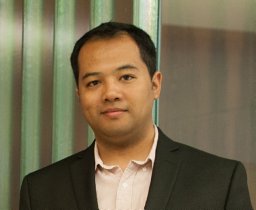 Tuladhar Saurav R合作论文数Department of Electrical and Computer Engineering, University of Massachusetts Dartmouth8
 Ryan M. Corey合作论文数Coordinated Sci Lab, Univ of Illinois at Urbana Champaign8C. J. Berg合作论文数7
 Laura Kloepper合作论文数Hawaii Institute of Marine Biology, University of Hawaii7
 James C. Preisig合作论文数Department of Applied Ocean Physics and Engineering, WHOI;JPAnalytics LLC7
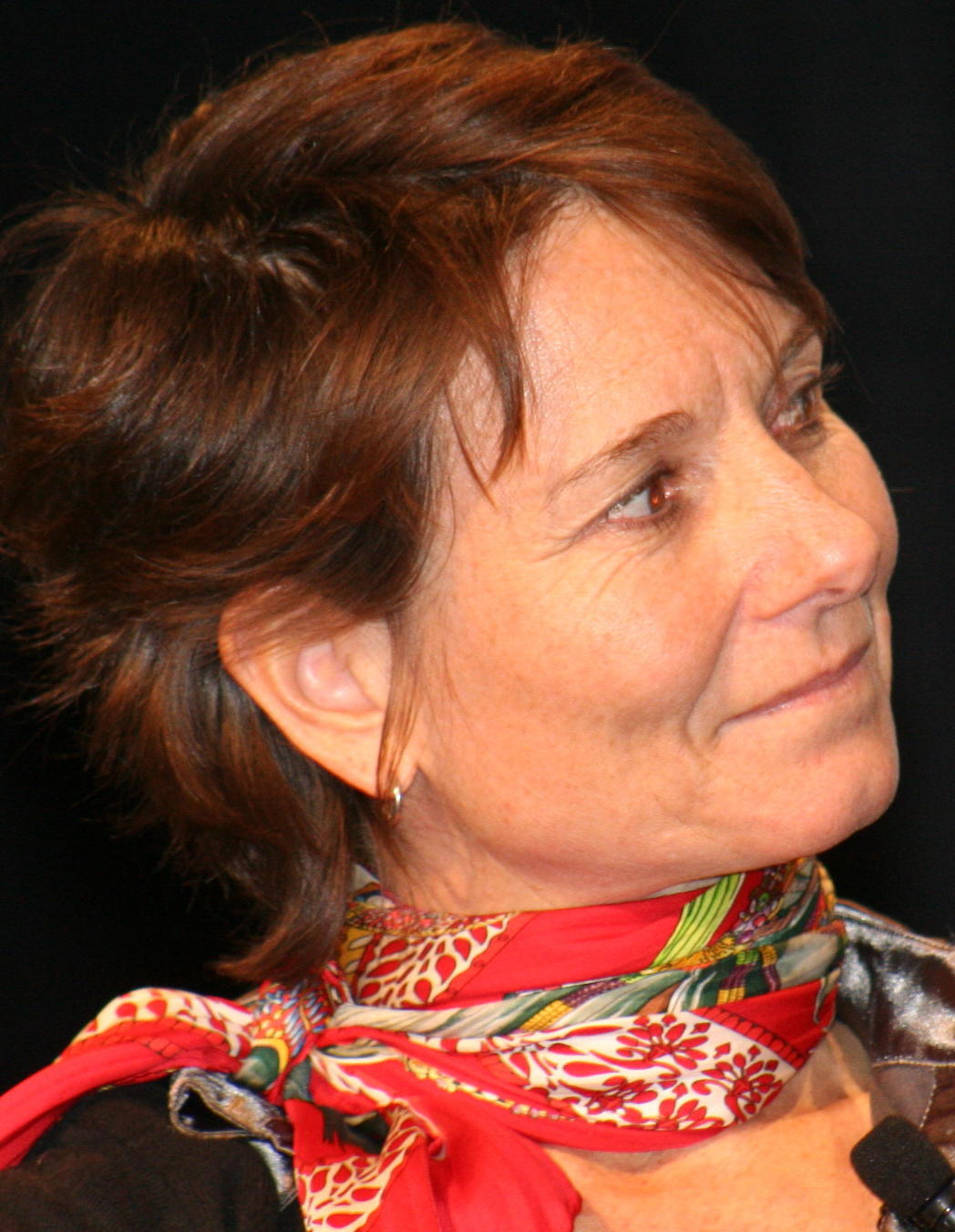 Jutta Eckstein合作论文数Objects in Action7Ryuji Suzuki合作论文数6
 Jill K. Nelson合作论文数Department of Electrical and Computer Engineering;George Mason University;Department of Electrical and Computer Engineering, George Mason University6Wage, K.E.合作论文数5David C. Anchieta合作论文数5
 James A. Simmons合作论文数Department of Neuroscience, Brown University5
 Tracey Rogers合作论文数Centre for Marine Science and Innovation, School of Biological, Earth and Environmental Sciences, Faculty of Science, The University of New South Wales5David A Brown合作论文数4Radienxe Bautista合作论文数4
 David A. Hague合作论文数4
 Paul J. Gendron合作论文数Naval Research Laboratory4
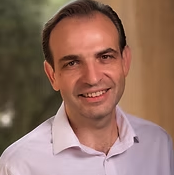 Igal Bilik合作论文数Department of Electrical & Computer Engineering, School of Electrical and Computer Engineering, Ben Gurion University of the Negev4
 Rolf Müller合作论文数Department of Mechanical Engineering, College of Engineering, Virginia Tech4
 Alan Oppenheim合作论文数Department of Electrical Engineering and Computer Science, College of Computing, Massachusetts Institute of Technology4Chg Wright合作论文数3Matthew Tidwell合作论文数3KE Wage合作论文数3Ian M Rooney合作论文数3
 Michael Ladegaard合作论文数Aarhus Univ, Dept Biosci, Zoophysiol, DK-8000 Aarhus, Denmark3
 Wu-Jung Lee合作论文数Inst. of Syst. Res., Univ. of Maryland;c;Inst. of Syst. Res., Univ. of Maryland3
 Vaibhav Chavali合作论文数3
 Peter Teglberg Madsen合作论文数Arctic Research Centre, Aarhus University;Department of Biology, Aarhus University3
 Gregory W. Wornell合作论文数Department of Electrical Engineering and Computer Science, MIT3
 Josko Catipovic合作论文数3
 Paul E Nachtigall合作论文数Institute of Marine Biology, University of Hawaii;School of Ocean and Earth Science and Technology, University of Hawaii;Department of Biology, University of Hawaii3
 Amit Tandon合作论文数Department of Computer and Information Science;University of Massachusetts Dartmouth;Department of Computer and Information Science, University of Massachusetts Dartmouth3
 Kristian Beedholm合作论文数3Mark Johnson合作论文数2Karen Payton合作论文数2Shawn M. Verbout合作论文数2james m ooi合作论文数2paul f pickel合作论文数2stephen j mcerlain合作论文数2james j fallon合作论文数2Ehud Weinstein合作论文数2




