Objective: To report real-world data on hypothermic oxygenated perfusion (HOPE) and normothermic machine perfusion (NMP) in liver transplantation (LT). Summary Background Data: Real-world comparisons between HOPE and NMP are limited and methodologically challenging due to heterogeneity in donor and recipient risk profiles and regional differences in practice patterns. Methods: This international cohort study analyzed consecutive NMP-preserved LTs performed at 15 predominantly North American centers between 2021 and 2025. Outcomes were compared with the European HOPE-REAL cohort, comprising HOPE-treated LTs from 22 centers between 2012 and 2021. Risk-adjusted analyses were performed, stratified by graft type and risk category. Imbalances in baseline characteristics were addressed using entropy balancing. Results: A total of 954 NMP-treated and 1202 HOPE-treated grafts were analyzed, revealing substantial differences in donor risk. Extended-criteria DBD grafts accounted for 30% versus 64%, and futile DCD grafts for 10% versus 30%, in the NMP and HOPE cohorts, respectively. In the NMP cohort, death-censored graft survival at 1, 2, and 3 years exceeded 96% for DBD grafts and 94% for DCD grafts. Comparable outcomes were observed in the HOPE cohort, with 93% survival in DBD and 87% in DCD grafts at up to 3 years, despite significantly higher donor risk in the HOPE-DCD cohort. After risk adjustment, death-censored graft survival remained similar between both modalities across graft types and risk categories. Conclusions: Real-world data on HOPE-treated and NMP-treated LT demonstrate excellent outcomes. Nevertheless, compared with HOPE, further high-quality evidence and longer preservation time is needed to substantiate the clinical benefits of NMP in high-risk grafts.
IntroductionAmong liver transplant recipients, Roux-en-Y gastric bypass (RYGB) may lead to postoperative malnutrition and nutrient deficiencies. Procedures such as the endoscopic ultrasound-directed transgastric ERCP (EDGE) can result in advantageous weight gain for liver transplant recipients with prior RYGB who do not respond to enteral or parenteral nutritional interventions.MethodsWe present three patients who underwent EDGE for post-transplant malnutrition and weight loss.ResultsEDGE resulted in weight gain across all patients. Liver transplant recipients with a history of RYGB may be at significant nutritional risk following transplant due to fat malabsorption, underestimation of resting energy expenditure, and appetite suppression mediated by neurohormonal signals.ConclusionWhen traditional nutritional interventions are unsuccessful, the EDGE procedure may be an effective alternative to promote post-transplant weight gain in this unique population.
OBJECTIVE:To report real-world data on hypothermic oxygenated perfusion (HOPE) and normothermic machine perfusion (NMP) in liver transplantation (LT). SUMMARY BACKGROUND DATA:Real-world comparisons between HOPE and NMP are limited and methodologically challenging due to heterogeneity in donor and recipient risk profiles and regional differences in practice patterns. METHODS:This international cohort study analyzed consecutive NMP-preserved LTs performed at 15 predominantly North American centers between 2021 and 2025. Outcomes were compared with the European HOPE-REAL cohort, comprising HOPE-treated LTs from 22 centers between 2012 and 2021. Risk-adjusted analyses were performed, stratified by graft type and risk category. Imbalances in baseline characteristics were addressed using entropy balancing. RESULTS:A total of 954 NMP-treated and 1202 HOPE-treated grafts were analyzed, revealing substantial differences in donor risk. Extended-criteria DBD grafts accounted for 30% versus 64%, and futile DCD grafts for 10% versus 30%, in the NMP and HOPE cohorts, respectively. In the NMP cohort, death-censored graft survival at 1, 2, and 3 years exceeded 96% for DBD grafts and 94% for DCD grafts. Comparable outcomes were observed in the HOPE cohort, with 93% survival in DBD and 87% in DCD grafts at up to 3 years, despite significantly higher donor risk in the HOPE-DCD cohort. After risk adjustment, death-censored graft survival remained similar between both modalities across graft types and risk categories. CONCLUSIONS:Real-world data on HOPE-treated and NMP-treated LT demonstrate excellent outcomes. Nevertheless, compared with HOPE, further high-quality evidence and longer preservation time is needed to substantiate the clinical benefits of NMP in high-risk grafts.
Building on models developed for recipients of deceased donor liver transplant, a modified early allograft dysfunction score of bilirubin>10 or INR>1.6 at postoperative day 7 has been applied to patients undergoing living donor liver transplant. However, this score has never been validated in the living donor liver transplant population or separately analyzed in patients receiving left lobe (LL) grafts. A multicenter cohort of patients (Adult-to-Adult Living Donor Liver Transplantation Cohort Study [A2ALL]) and a single-center cohort University of California, San Francisco (UCSF) were combined. Kaplan-Meier estimates were computed for graft loss (GL), and Cox proportional hazards models were used to evaluate lab values from 1-week post-transplant. Separate multivariable risk scores for GL in recipients of right lobe (RL) and LL were created and bootstrap-validated, and their risk associations compared to modified early allograft dysfunction. In total, 724 and 156 patients with RL and LL grafts, respectively, were included in this analysis. GL occurred in 7.5% of patients with RL and 7.8% patients with LL. Recipients of RL who scored above the RL score cut-point and recipients of LL who scored above the LL score cut-point had a significantly higher risk of GL (RL: HR 6.00, 95% CI: 3.15-11.4, p <0.001; LL: HR 12.6, 95% CI: 3.80-42.0, p <0.001). The modified early allograft dysfunction score was only significantly associated with GL in recipients of RL (HR: 4.04, 95% CI: 2.40-6.80, p <0.001) but not in recipients of LL (HR: 1.98, 95% CI: 0.63-6.23, p =0.24). We developed and validated separate risk scores for recipients of RL and LL, which may allow for earlier and more accurate identification of patients at high risk of GL and early intervention to protect the graft.
Elevated lipase is common in critically ill patients, including those awaiting liver transplantation (LT), but its clinical significance remains unclear. We assessed the relationship between pre-LT lipase elevation, radiographic (RP) or intraoperative pancreatitis (IOP), and post-LT outcomes. We included adults undergoing LT evaluation between January 2015 and March 2025 with lipase ≥78 U/L within 14 days of the relevant index event (transplant, listing, committee deferral/decline). RP was defined by imaging evidence of peripancreatic inflammation or necrosis, and IOP by intraoperative findings. Kaplan-Meier and Cox regression evaluated associations with post-LT death or graft failure. Among 90 transplanted patients (median age 57, 60% male), 22% died or experienced graft failure within 36 months. RP or IOP occurred in 9% of patients; all IOP cases died within 2 months, while 60% of RP patients died within 19 months. At 60 days post-LT, isolated lipase elevation ≥3×ULN was not associated with death or graft failure (HR 1.68, p =0.61), whereas RP was strongly associated with death or graft failure (HR 5.13, p =0.04). Lipase ≥5×ULN predicted RP/IOP (OR 6.92, p =0.002) across the transplanted, waitlisted, and declined/deferred cohorts. In LT candidates, RP or IOP, but not isolated biochemical lipase elevation, is a significant predictor of post-LT death or graft failure. Lipase ≥5×ULN warrants further imaging to identify clinically significant pancreatitis and optimize perioperative management.
BACKGROUND:Arterial conduits are effective when normal graft arterialization is not feasible in liver transplantation (LT), but long-term outcomes for both patient and graft survival are variable across studies. Most studies combine primary and re-transplant recipients, are limited by small sample sizes, and do not include propensity-matched controls. METHODS:We included adults undergoing primary LT at a quaternary academic center between 1/1998 and 8/2025 with iliac artery conduits. Conduit patients were propensity matched using a full matching approach. Kaplan-Meier and Cox regression evaluated the effect of arterial conduits on post-transplant patient and graft survival and hepatic artery thrombosis (HAT). RESULTS:Compared with controls (n = 2695), LT recipients with iliac artery conduits (n = 100) had similar patient and graft survival at 20 years post-transplant. However, conduit recipients had a greater risk of early (HR 6.07, 95% CI 2.09-17.57, p = 0.001) and late HAT (HR 4.34, 95% CI 1.45-13.05, p = 0.009). Even following re-transplantation for HAT, iliac artery conduit recipients had decreased 5-year survival compared with controls. Conduit length, placement, and reasons for graft use were not predictive of overall HAT incidence, death, or graft failure. CONCLUSION:Compared with matched controls, patients with iliac artery conduits have comparable 20-year graft and patient survival. Although conduit use may not increase mortality risk, it may identify patients with vascular susceptibility, who face high risk of HAT in both the early post-transplant period and across long-term follow-up. For patients with iliac artery conduits, long-term survival may be optimized through routine, extended follow-up with vascular imaging to detect and manage late HAT.
IntroductionFollowing liver transplantation (LT), adequate nutrition is essential, as malnutrition may contribute to slower growth in pediatric patients and put patients at risk of complications following transplant. Avoidant Restrictive Food Intake Disorder (ARFID) is an eating disorder characterized by restrictive eating patterns that compromise nutrition. Patients with ARFID may have significant difficulty meeting nutritional needs due to fear of gastrointestinal distress, making it especially difficult to manage in patients following LT.MethodsWe performed a retrospective chart review of de-identified patients who received LT at our institution. Two patients with ARFID who had undergone LT were identified. Their diagnoses, clinical courses, and post LT outcomes are reported. A literature review of the presentation and diagnosis of ARFID in pediatric patients and nutritional management of pediatric LT patients was performed. No IRB review was required given the sample size of two patients, per UCSF IRB rules and regulations.ResultsWe present two unique cases of ARFID: one with onset prior to LT and one with onset following LT. Outpatient psychiatry treatment was essential for nutritional management for the patient who developed ARFID following LT. The other patient continues to see a dietitian given ongoing nausea that limits her oral intake but does not receive any psychiatric support.ConclusionsARFID and selective eating patterns are rare but notable occurrences after pediatric LT, but they may also be underreported given the novelty of ARFID and the prevalence of gastrointestinal symptoms following transplant. Our case adds to the limited literature on ARFID in children following major surgical procedures and highlights the importance of interdisciplinary care and the importance of nutritional management in pediatric patients prior to and post LT.
BACKGROUND:Some right lobe (RL) and many left lobe (LL) grafts provide multiple arterial branches that require reconstruction when arterialized back-bleeding is not present. Reconstruction on the back table provides optimal operative conditions while use of the recipient hepatic arterial system for reconstruction provides choices of size-matched branches. METHODS:Between 2001 and 2022, we performed back table reconstruction using the recipient hepatic arterial tree on 29 of 379 (7.7%) of patients who underwent living donor liver transplantation (LDLT) at our center. All reconstructed arterial trees were anastomosed in situ using a gastroduodenal branch patch to a corresponding patch in the recipient. RESULTS:Cold ischemia times were significantly longer in back table reconstruction patients (n = 29) compared to patients at our center with anomalous arterial anatomy and sufficient back bleeding who did not require reconstruction (n = 8, p < 0.001). One back table reconstruction patient developed hepatic artery thrombosis (HAT) 6 days after reconstruction of a two artery LL, requiring re-transplantation. A second back table reconstruction patient developed HAT 114 days after reconstruction of a four artery RL but the graft had adequate collateral circulation and survived. HAT rates did not differ significantly between back table reconstruction patients and all other LDLT patients at our center. The 1- and 5-year survival rate for patients who underwent back table reconstruction were 89.6% and 82.6%, respectively. CONCLUSION:Back table reconstruction of complex arterial anatomy is an option when arterialized back-bleeding is not present and can be successfully performed utilizing the recipient hepatic tree in LDLT.
Living liver donation is a critical component for addressing organ shortage and improving outcomes for patients with end-stage liver disease. As the prevalence of living donor liver transplantation (LDLT) increases worldwide, understanding and optimizing long-term donor health is paramount. The 2025 International Liver Transplantation Society and International Living Donor Liver Transplantation Society (ILTS-iLDLT) Consensus Conference convened experts in the field of liver transplantation to establish evidence-based guidelines focused on the long-term medical, psychological, and social considerations following living liver donation. The aim of this working group was to integrate current evidence and expert consensus on donor follow-up protocols, risk assessment, and management strategies to promote long-term donor health, quality of life, and living liver donor programs globally to safeguard the welfare of this unique population.
This research study introduces a decision support model for split liver transplantation (SLT). SLT is a procedure that can save two lives with one donated liver, thereby increasing the total benefit derived from the limited number of donated livers available. SLT may also improve equity by giving transplant candidates who are physically smaller, including children, increased access to liver transplants. However, SLT is rarely used in the United States. To help quantify the benefits of increased SLT utilization and provide decision support tools, this research presents a deceased-donor liver allocation model that incorporates both efficiency and fairness objectives. We formulate the liver waitlists as a multiqueue fluid system, incorporating specifics of donor-recipient size matching and patients’ dynamically changing health conditions. Leveraging a novel decomposition result, the study finds the exact optimal matching procedure, enabling policy makers to benchmark the performance of different allocation policies against the theoretical optimal. Numerical results, utilizing data from the Organ Procurement and Transplantation Network, show that increased utilization of SLT can significantly reduce patient deaths, increase total quality-adjusted life years, and improve fairness among different patient groups.
 NL ASCHER合作论文数151
 Yungkang Yao合作论文数Departments of Medicine and Surgery, University of California San Francisco;Division of Transplant Surgery, Department of Surgery, School of Medicine, University of California, San Francisco;Division of Gastroenterology, Department of Medicine, University of California, San Francisco 101Chris E Freise合作论文数72
 Nancy L. Ascher合作论文数Department of Surgery,University of California,San Francisco63Jennifer L Dodge合作论文数59JR LAKE合作论文数53
 Norah Terrault合作论文数Division of Gastrointestinal and Liver Diseases, Keck School of Medicine, University of Southern California49
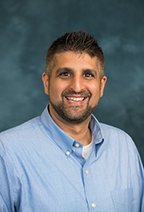 Neil K. Mehta合作论文数School of Public Health, University of Michigan49
 Sandy Feng合作论文数Division of Transplant Surgery, Department of Surgery, School of Medicine, University of California44
 Philip Rosenthal合作论文数Department of Medicine, School of Medicine, University of California, San Francisco;San Francisco General Hospital40
 Peter G. Stock合作论文数Department of Surgery, University of California San Francisco40
 Ryutaro Hirose合作论文数38
 Nathan Bass合作论文数Department of Medicine, University of California, San Francisco38
 Garrett R Roll合作论文数37
 Jennifer Lai合作论文数School of Medicine, University of California San Francisco34
 Hillary Braun合作论文数31Jf Renz合作论文数25
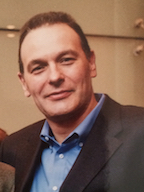 Claus U. Niemann合作论文数Department of Surgery, Division of Transplantation, University of California;Department of Anesthesia and Perioperative Care, University of California, San Francisco25R. Hirose合作论文数22RW OSORIO合作论文数21
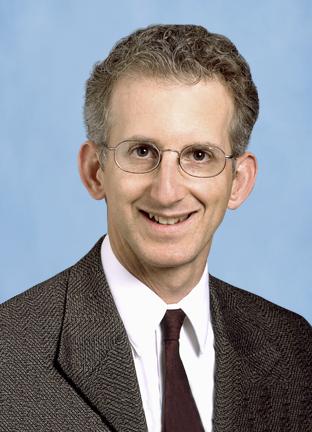 Robert M. Merion合作论文数Department of Surgery, University of Michigan21Linda Ferrell合作论文数21Jean C Emond合作论文数21Kerlan Robert K合作论文数20
 Jean C. Emond合作论文数Herbert Irving Comprehensive Cancer Center, Columbia University;Columbia University Irving Medical Center;NewYork-Presbyterian Westchester;NewYork-Presbyterian Hudson Valley Hospital;Weill Cornell Medical Center;Department of Surgery, Columbia University19Elizabeth A. Pomfret合作论文数19
 Marc L Melcher合作论文数From the Department of Surgery, Stanford University Medical Center;National Institute of Diabetes and Digestive and Kidney Diseases, National Institutes of Health;National Institutes of Health, Stanford University Medical Center17Shareef Syed合作论文数16Perito Emily R合作论文数16Andrew M Posselt合作论文数15
 Danielle Brandman合作论文数Department of Medicine, University of California San Francisco15
 Benjamin Yeh合作论文数Department of Radiology, University of California San Francisco14J. Lake合作论文数13Philip J. Held合作论文数13Na Terrault合作论文数13Ernest J. Ring合作论文数13T.L. Wright合作论文数13Nicholas Fidelman合作论文数13
 Peter Bacchetti合作论文数Department of Epidemiology and Biostatistics, School of Medicine, University of California12Linda D. Ferrell合作论文数12
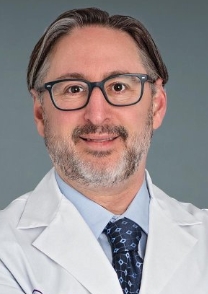 Dorry L. Segev合作论文数Department of Surgery, Grossman School of Medicine, New York University;Department of Population Health, Grossman School of Medicine, New York University12
 Frank H McCormick合作论文数Department of Biology;Saint Louis University;Department of Biology, Saint Louis University12
 Glenn M. Chertow合作论文数Division of Nephrology, School of Medicine, Stanford University;Center for Primary Care and Outcomes Research, Stanford University12KA SOMBERG合作论文数11Roy L Gordon合作论文数11Rc Lim合作论文数11Tavakol Mehdi合作论文数11Fergus V. Coakley合作论文数11Tao Liu合作论文数11




