OBJECTIVES:To identify early markers of acute treatment response among youth with anxiety disorders receiving cognitive behavioral therapy (CBT), selective serotonin reuptake inhibitor (SSRI) monotherapy, or their combination. BACKGROUND:Although many youth with anxiety disorders benefit from CBT or SSRIs, response trajectories vary. Identifying early indicators of nonresponse may guide sequencing strategies and improve timely treatment delivery. METHODS:Using data from the Child/Adolescent Anxiety Multimodal Study, improvement trajectories were modeled for youth (age 7-17) randomized to sertraline monotherapy (N = 133), CBT monotherapy (N = 139), their combination (N = 140), and placebo (N = 76). Patients were stratified by percent change in Pediatric Anxiety Rating Scale (PARS) scores at multiple time points, and logarithmic and logistic time-trend regression models were used to estimate the probability of response. Receiver operating characteristic (ROC) analyses were used to identify thresholds of improvement for predicting response. RESULTS:In the sertraline group, ≥25% improvement in PARS score at week 4 had a higher probability of response by week 12 (60.8%) than <25% improvement (31.7%, p = 0.001). In CBT-treated youth, week 4 PARS improvement was less predictive of response, with ≥25% improvement predicting a 47.9% chance of response compared with 28.6% for <25% improvement (p = 0.025). In the combined treatment, ≥25% improvement predicted a73.3% probability of response, whereas <25% improvement yielded a 51.3% likelihood of response (p < 0.001). ROC analyses similarly suggested that week 4 improvement in PARS scores in the CBT group had near equivocal predictive value, though this improved by week 6 to levels comparable to those of the other treatment groups. At week 6, roughly 25% improvement in PARS score in the combined treatment had the best sensitivity and specificity for predicting response. CONCLUSIONS:Early improvement can predict treatment response in youth with anxiety disorders receiving sertraline monotherapy or combination treatment (sertraline and CBT). Conversely, the absence of early improvement in CBT-treated youth does not reliably predict treatment nonresponse. Treatment-specific thresholds may inform clinical decision making, and support earlier SSRI optimization while allowing more time to observe CBT-related gains.
BACKGROUND:Tourette syndrome (TS) is a childhood-onset neuropsychiatric condition characterized by motor and vocal tics. Many individuals with TS continue to experience tics and functional difficulties into adulthood, yet the factors influencing these long-term trajectories remain poorly understood. Cognitive control processes, implicated in the etiology and treatment of TS, may serve as indicators of later clinical and functional outcomes. METHODS:This study tested whether childhood cognitive control predicted outcomes in early adulthood. Participants were 80 individuals with TS (Mage = 22.8 years, SD = 2.7) who had entered a randomized clinical trial of behavioral therapy as children and completed a follow-up evaluation an average of 11.7 years (SD = 1.3) later. Childhood assessments measured tic severity and neurocognitive domains, including processing speed, inhibition, set-shifting, and working memory. Follow-up assessments evaluated clinical, functional, and quality of life outcomes. RESULTS:Results showed that greater inhibition, set-shifting, and processing speed in childhood predicted lower tic severity and impairment, greater odds of tic remission, and higher quality of life in early adulthood. Greater working memory and response flexibility predicted higher educational attainment and income. These relationships remained significant after accounting for treatment conditions and comorbid attention-deficit/hyperactivity disorder and obsessive-compulsive disorder. CONCLUSIONS:Findings highlight childhood cognitive control as an important predictor of clinical and functional outcomes in TS and a viable target for intervention.
Research in child and adolescent mental health stands at an inflection point: the burden of psychiatric illness is global, heterogeneous, and dynamic, whereas our evidence base often remains limited and insufficiently responsive to patient needs. To meaningfully improve outcomes for youth and families globally and at scale, innovation in child and adolescent mental health research must extend beyond developing new treatments to encompass how we design, measure, and disseminate research. Continued innovation is essential to build on the existing corpus of knowledge and to ensure that research keeps pace with real-world clinical and public health priorities.
Our current mental health system's approach to trauma in youth needs a transformative and scalable population health strategy to address collective trauma and advance community-wide healing. Taken to scale, a population health approach to promote collective posttraumatic growth (PTG) in communities affected by collective trauma could reduce mental health disparities for the large number of affected communities in the United States and around the world. Collective trauma refers to the psychological impact of traumatic events experienced by entire groups or communities,1 and collective PTG refers to positive psychological growth of groups or communities following shared trauma.2-4 In this Translation, we briefly review the current state of trauma care and recent efforts to incorporate the concept of PTG into trauma care. We then introduce a transformative approach called Healing through Justice (HtJ), the key elements of which are designed to address collective trauma of youth and families, and importantly, to facilitate collective PTG through youth empowerment, action, and systems change. We end with implications for child psychiatrists, and the importance of engaging communities and moving upstream and at the population level to address the intergenerational impact of trauma that perpetuates mental health disparities.
Objective: To describe the rates and predictors of youth and parent satisfaction following engagement in one of three evidence-based treatments or a placebo control for youth anxiety. Method: In a multisite randomized controlled trial (RCT) of youth ages 7-17 (n = 426) and parents (n = 429) comparing cognitive behavioral therapy (CBT), sertraline (SRT), the combination of the two (COMB), and placebo (PBO), we examined satisfaction at the end of acute treatment and assessed predictors including clinical change, pretreatment expectations, reactions to treatment assignment, and therapeutic relationship using multiple hierarchical linear regressions. Results: Satisfaction was high across all treatments. Both parents and youth reported the highest satisfaction with COMB, followed by CBT and SRT, and the least satisfaction with PBO. Parents were more satisfied than youth, and remitters were more satisfied than nonremitters. In CBT-containing arms, a stronger child-therapist relationship at week 6 predicted greater parent and youth satisfaction. Higher expectations of improvement at pretreatment predicted greater youth, but not parent, satisfaction in CBT and SRT. Discussion: Posttreatment, youth and parents report greater satisfaction with combination therapy over the monotherapies and PBO. Satisfaction patterns largely mirror clinical outcomes. An early strong youth-reported therapeutic alliance is key to satisfaction in CBT, highlighting the importance of child-therapist alignment when selecting anxiety treatments.
BackgroundSleep disturbance is common in individuals with Tourette’s disorder (TD). Tic symptoms, medication, functional impairment, and psychiatric comorbidity frequently contribute to sleep disturbance in children and adults with TD. However, long-term predictors of sleep disturbance in TD are not known. This study examined longitudinal and cross-sectional predictors of sleep disturbance in a treatment follow-up sample with TD.MethodsEighty subjects who completed a 10-week randomized controlled trial of behavior therapy for tics in childhood (Mage = 11.47, SD = 2.42 years) participate in follow-up evaluation on average, 11.17 (SD = 1.25) years after post-treatment assessment (Mage = 22.87, SD = 2.70 years). At post-treatment (10-week) and long-term follow-up, an independent evaluator assessed tic severity and tic-related impairment using the Yale Global Tic Severity Scale. Parents provided demographic and medical history (e.g., tic medication and stimulant medication status) and rated ADHD severity. Children rated anxiety and depression. At follow-up, participants rated anxiety, depression, and ADHD severity, and reported tic and stimulant medication status. Multiple linear regression was performed to examine longitudinal and cross-sectional predictors of sleep disturbance (Pittsburgh Sleep Quality Index) at long-term follow-up.Resultstic-related impairment (β = .34, p = .014) at post-treatment positively predicted sleep disturbance at follow-up. Chronological age (β = .21, p = .041), anxiety severity (β = .40, p = .001), and ADHD severity (β = .31, p = .010) were positive cross-sectional predictors of sleep disturbance at follow-up.ConclusionResults highlight the role of residual tic-related impairment following behavior therapy for tics delivered in childhood in addition to older age, anxiety severity, and ADHD severity in early adulthood in sleep disturbance in a treatment follow-up sample of adults with TD.
Understanding the disparate outcomes of those who have experienced historical trauma is critical to developing interventions for individuals, families, and communities. The authors1 suggest that population health approaches that incorporate traditional knowledge and practices is one powerful approach for Indigenous communities. Efforts at narrative change at the population level will be key to understanding the impact of the past, dealing with current realities, and empowering for the future. There is much to learn from Indigenous peoples about not only the impact of historical trauma, but the response to that and current traumas, as well as the role of empowering narratives of resilience to offset the demoralization of Indigenous peoples and to address health disparities.
The AACAP Task Force on the Crisis in Recruitment, beginning in 2018, has been dedicated to addressing key factors associated with barriers to recruitment for child and adolescent psychiatry (CAP) fellowship programs.1-3 The AACAP Advancing Innovation in Residency Education (AIRE) Proposal for a 4-year combined general psychiatry and CAP residency was developed consistent with a historical effort to address workforce challenges that has included the AACAP 10-year workforce initiative in the early 2000s, with creation of funded summer research opportunities for medical students and residents and special interest groups with the funding support of the Klingenstein Third Generation Foundation (KTGF). This commentary examines the evolution and current status of the AACAP AIRE proposal in the wake of its nonapproval by the American Board of Psychiatry and Neurology. It further calls on key stakeholders to engage in collaborative, forward-thinking efforts to develop innovative and sustainable solutions to the critical challenges facing the CAP workforce.
Behavior therapy is a well-established and empirically supported treatment for tic disorders (TDs). However, concerns have been expressed about the negative effects of behavioral interventions, such as tic worsening, tic substitution, and excessive effort. This study explored perceived negative effects of tic management strategies in adults with TDs and predictors of these experiences. Participants (N = 72) completed semi-structured interviews 11 years after receiving behavior therapy or supportive therapy in a randomized clinical trial. We examined responses to interview questions about managing tics and predictors of reported negative effects. Most participants did not experience tic worsening (84%) or tic substitution (75%) from tic management strategies. The majority felt they could manage tics while participating in their environment (87%) and did not report life interference from tic management (77%). About half (45%) felt less present when managing tics. Treatment non-responders in the original trial were more likely to report negative effects of tic management strategies. No differences in reported negative consequences were found between those who received behavior therapy versus supportive therapy, suggesting that behavior therapy specifically does not lead to such adverse effects. These findings could reduce misconceptions about behavior therapy for TDs and enhance its acceptability and utilization.
Background: Antidepressant medications, including selective serotonin reuptake inhibitors (SSRIs) and serotonin-norepinephrine reuptake inhibitors (SNRIs), are commonly used to treat depressive, anxiety, and obsessive-compulsive disorders in youth. Yet, data on discontinuing these medications, withdrawal symptoms, and strategies to switch between them are limited.Methods: We searched PubMed and ClinicalTrials.gov through June 1, 2024, to identify randomized controlled trials assessing antidepressant discontinuation in youth. We summarized pediatric pharmacokinetic data to inform tapering and cross-titration strategies for antidepressants and synthesized these data with reports of antidepressant withdrawal.Results: Our search identified 528 published articles, of which 28 were included. In addition, 19 records were obtained through other methods, with 14 included. The corpus of records included 13 randomized, double-blind, placebo-controlled trials (3026 patients), including SSRIs (K = 10), SNRIs (K = 4), and TCAs (K = 1), ranging from 4 to 35 weeks. Deprescribing antidepressants requires considering clinical status, treatment response, and, in cross-titration cases, the pharmacokinetics and pharmacodynamics of both medications. Antidepressant withdrawal symptoms are related to the pharmacokinetics of the medication, which vary across antidepressants and may include irritability, palpitations, anxiety, nausea, sweating, headaches, insomnia, paresthesia, and dizziness. These symptoms putatively involve changes in serotonin transporter expression and receptor sensitivity, impacting the serotonin, dopamine, and norepinephrine pathways.Conclusions: Although approaches to deprescribing antidepressants in pediatric patients are frequently empirically guided, accumulating data related to the course of relapse and withdrawal symptoms, as well as the pharmacokinetic and pharmacodynamic properties of medications, should inform these approaches. Recommendations within this review support data-informed discussions of deprescribing-including when and how-that are critically important in the clinician-family-patient relationship.
In tic disorders (TD), tic expression varies across the lifespan and as a function of contextual factors. This study explored connections between tic expression and contextual triggers across life periods in 74 adults (Mage = 23.2) with TDs. The Tic History and Coping Strategies form assessed retrospective self-reports of contextual antecedents, consequences, and tic severity during four life periods (middle school; 9th/10th grade; 11th/12th grade; college/work) and past month. Tics reportedly worsened during and after school in school-aged years and worsened in the evening during college/work years. Stress and anxiety were reported to consistently trigger tics across time. The impact of activities, places, and emotions did not differ across life periods. Attention-based consequences, most prevalent during middle school, were more common than escape- or avoidance-related consequences across all periods. Findings illuminate how contextual factors may influence tics across life periods and underscore the consistent impact of tic-triggering emotions and attention-related consequences.
 John Piacentini合作论文数Jane & Terry Semel Institute for Neuroscience & Human Behavior, University of California, Los Angeles;Department of Psychiatry & Biobehavioral Sciences, David Geffen School of Medicine, University of California80
 DOUGLAS WOODS合作论文数Behavior Therapy and Research Lab, Department of Psychology, Klingler College of Arts & Sciences, Marquette University;Graduate School, Marquette University50
 Golda S. Ginsburg合作论文数44
 Lawrence Scahill合作论文数Marcus Autism Center, Department of Pediatrics, School of Medicine, Emory University41
 Sabine Wilhelm合作论文数Center for Digital Mental Health, Massachusetts General Hospital, Harvard Medical School;Center for OCD and Related Disorders, Massachusetts General Hospital, Harvard Medical School36
 Boris Birmaher合作论文数Department of Psychiatry, University of Pittsburgh;UPMC Western Psychiatric Hospital36
 Alan L. Peterson合作论文数Department of Psychology, Wilford Hall Medical Center36
 Philip C. Kendall合作论文数College of Liberal Arts, Temple University;Child and Adolescent Anxiety Disorders Clinic, Temple University34
 Anne Marie Albano合作论文数Columbia University Medical Center, Columbia University33
 James McCracken合作论文数Jane and Terry Semel Institute for Neuroscience and Human Behavior, University of California, Los Angeles;Brain Research Institute, University of California, Los Angeles26
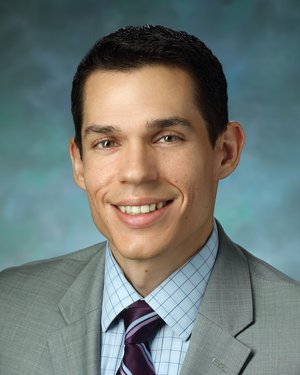 Joseph F McGuire合作论文数Department of Otolaryngology-Head and Neck Surgery, School of Medicine, Johns Hopkins University25
 Scott Nathan Compton合作论文数Center for Autism and Brain Devel Opment, Duke University23
 Susanna Chang合作论文数Semel Institute for Neuroscience and Human Behavior, University of California, Los Angeles23Rynn Moira A合作论文数22
 Courtney Pierce Keeton合作论文数Div Child & Adolescent Psychiat, Johns Hopkins Univ21
 Dara J Sakolsky合作论文数Western Psychiatric Institute and Clinic, University of Pittsburgh Medical Center21
 Scott Compton合作论文数Duke University Health System18
 Jeffrey R. Strawn合作论文数Department of Psychiatry, University of Cincinnati17Thilo Deckersbach合作论文数Department of Psychiatry, Massachusetts General Hospital and Harvard Medical School16Joel Sherrill合作论文数15
 Tara Peris合作论文数University of California, Los Angeles15
 John S. March合作论文数Department of Psychiatry & Behavioral Sciences, Duke University Medical Cente;Division of Neurosciences Medicine, Duke Clinical Research Institute, Duke University Medical Center15
 Emily J. Ricketts合作论文数University of California, Los Angeles13Mark A. Riddle合作论文数School of Medicine, Johns Hopkins University;Department of Health, Behavior and Society, Bloomberg School of Public Health, Johns Hopkins University13Shannon M. Bennett合作论文数11Elizabeth Gosch合作论文数11
 Benedetto Vitiello合作论文数Department of Mental Health, School of Public Health, Johns Hopkins University;Istituto di Neuroscienze di Firenze;University of Turin10
 Joan Luby合作论文数Department of Psychiatry, School of Medicine, Washington University in St. Louis9
 Specht Matt W合作论文数Department of Psychiatry and Behavioral Sciences, Johns Hopkins School of Medicine9Paramjit T. Joshi合作论文数9Karen Dineen Wagner合作论文数9
 Nicole Caporino合作论文数Department of Psychology, University of South Florida8Graham Emslie合作论文数8Matthew W Specht合作论文数7
 Haiden A. Huskamp合作论文数Department of Health Care Policy, Harvard Medical School 7
 Satish Iyengar合作论文数University of Pittsburgh7
 Michael B Himle合作论文数Department of Psychology, University of Wisconsin-Milwaukee7Kermit Anthony Crawford合作论文数6Mary Jane England合作论文数6
 Justin Mohatt合作论文数6Michelle G. Craske合作论文数6
 Flint Espil合作论文数Department of Psychiatry and Behavioral Sciences, School of Medicine, Stanford University6Jordan T. Stiede合作论文数6
 James Dziura合作论文数Department of Emergency Medicine, School of Medicine, Yale University6Harold Alan Pincus合作论文数Department of Health Policy and Management, Mailman School of Public Health, Columbia University6Scholle Sarah Hudson合作论文数6
 Jonathan Delman合作论文数UMass Dept. of Psychiatry, Transitions RTC6
 Jonathan W. Mink合作论文数Department of Neurology, University of Rochester6
 David Axelson合作论文数Department of Psychiatry and Behavioral Health, College of Medicine, The Ohio State University;Nationwide Children's Hospital6




