Little is known about the role of autophagy in the human humoral immune system. Here, we found that in B cells, genetic ablation of FIP200, a mammalian metabolic sensor that regulates autophagy in response to a range of stimuli, led to diminished humoral immune responses in mice. FIP200-deficient B cells displayed decreased differentiation into plasma cells, as well as mitochondrial dysfunction, alterations in heme biosynthesis, and significant cell death. Notably, the addition of heme was sufficient to rescue plasma cell differentiation of FIP200-deficient B cells. Thus, FIP200 determines B cell fates by controlling mitophagy and metabolic reprogramming.
Germline-targeting (GT) protein immunogens to induce VRC01-class broadly neutralizing antibodies (bnAbs) to the CD4-binding site of the HIV envelope (Env) have shown promise in clinical trials. Here, we preclinically validated a lipid nanoparticle-encapsulated nucleoside mRNA (mRNA-LNP) encoding eOD-GT8 60mer as a soluble self-assembling nanoparticle in mouse models. In a model with three humanized B cell lineages bearing distinct VRC01-precursor B cell receptors (BCRs) with similar affinities for eOD-GT8, all lineages could be simultaneously primed and undergo diversification and affinity maturation without exclusionary competition. Boosts drove precursor B cell participation in germinal centers; the accumulation of somatic hypermutations, including in key VRC01-class positions; and affinity maturation to boost and native-like antigens in two of the three precursor lineages. We have preclinically validated a prime-boost regimen of soluble self-assembling nanoparticles encoded by mRNA-LNP, demonstrating that multiple lineages can be primed, boosted, and diversified along the bnAb pathway.
Germline-targeting (GT) HIV vaccine strategies are predicated on deriving broadly neutralizing antibodies (bnAbs) through multiple boost immunogens. However, as the recruitment of memory B cells (MBCs) to germinal centers (GCs) is inefficient and may be derailed by serum antibody-induced epitope masking, driving further B cell receptor (BCR) modification in GC-experienced B cells after boosting poses a challenge. Using humanized immunoglobulin knockin mice, we found that GT protein trimer immunogen N332-GT5 could prime inferred-germline precursors to the V3-glycan-targeted bnAb BG18 and that B cells primed by N332-GT5 were effectively boosted by either of two novel protein immunogens designed to have minimum cross-reactivity with the off-target V1-binding responses. The delivery of the prime and boost immunogens as messenger RNA lipid nanoparticles (mRNA-LNPs) generated long-lasting GCs, somatic hypermutation, and affinity maturation and may be an effective tool in HIV vaccine development.
Vaccines generate high-affinity antibodies by recruiting antigen-specific B cells to germinal centers (GCs), but the mechanisms governing the recruitment to GCs on secondary challenges remain unclear. Here, using preclinical SARS-CoV and HIV mouse models, we demonstrated that the antibodies elicited during primary humoral responses shaped the naive B cell recruitment to GCs during secondary exposures. The antibodies from primary responses could either enhance or, conversely, restrict the GC participation of naive B cells: broad-binding, low-affinity, and low-titer antibodies enhanced recruitment, whereas, by contrast, the high titers of high-affinity, mono-epitope-specific antibodies attenuated cognate naive B cell recruitment. Thus, the directionality and intensity of that effect was determined by antibody concentration, affinity, and epitope specificity. Circulating antibodies can, therefore, be important determinants of antigen immunogenicity. Future vaccines may need to overcome-or could, alternatively, leverage-the effects of circulating primary antibodies on subsequent naive B cell recruitment.
 Usha Nair合作论文数Life Sciences Institute, University of Michigan5
 Zhenfei Xie (谢振飞)合作论文数College of Life Sciences, Wuhan University;Taikang Center for Life and Medical Sciences, Wuhan University4
 Facundo Batista合作论文数Department of Immunology, Harvard Medical School;Department of Biology, Massachusetts Institute of Technology;Ragon Institute of Mass General, MIT, and Harvard4Michael Kubitz合作论文数Scripps Res Inst, Dept Immunol & Microbial Sci, La Jolla, CA 92037 USA3
 Xuesong Wang合作论文数Chinese Acad Sci, Inst Pasteur Shanghai, Unit Viral Hepatitis, Shanghai, Peoples R China3
 Kathrin H Kirsch合作论文数From the Department of Biochemistry, Boston University School of Medicine3
 Stephanie Ray Weldon合作论文数3
 William R. Schief合作论文数Department of Biochemistry, University of Washington3Saman Eskandarzadeh合作论文数2Nicole Phelps合作论文数2
 Sunny Himansu合作论文数Moderna Inc2Bettina Groschel合作论文数2
 Ying-Cing Lin合作论文数Ragon Inst MGH, MIT2
 Abigail M Jackson合作论文数Department of Integrative Structural and Computational Biology, The Scripps Research Institute2Jon M Steichen合作论文数Scripps Res Inst, Dept Immunol & Microbiol, La Jolla, CA 92037 USA2Alessia Liguori合作论文数Scripps Res Inst, Dept Immunol & Microbiol, La Jolla, CA 92037 USA2Christopher A Cottrell合作论文数Scripps Res Inst, Dept Integrat Struct & Computat Biol, La Jolla, CA 92037 USA2Kalyuzhniy Oleksandr合作论文数2Adachi Yumiko合作论文数2
 Liling Xu合作论文数2Ray Rashmi合作论文数Institute of Life Sciences, Department of Biotechnology, Bhubaneswar, India.2
 Torres Jonathan L合作论文数Department of Integrative Structural and Computational Biology, The Scripps Research Institute;IAVI Neutralizing Antibody Center and the Collaboration for AIDS Vaccine Discovery (CAVD),, The Scripps Research Institute;The Scripps Research Institute, The Scripps Research Institute2
 Andrew Ward合作论文数Department of Integrative Structural and Computational Biology, The Scripps Research Institute2Rogier W. Sanders合作论文数2
 Andrea Carfi合作论文数Moderna Inc2Jeroen M. J. Tas合作论文数1Samantha Falcone合作论文数1Reid M Volk合作论文数1Sven Kratochvil合作论文数1Ryan Tingle合作论文数1Bartek Nogal合作论文数Dept Integrat Struct & Computat Biol, Scripps Res Inst1
 Stephanie R Weldon合作论文数Ragon Inst MGH, MIT1
 Sara T Richey合作论文数Department of Integrative Structural and Computational Biology, The Scripps Research Institute1
 Maria Bottermann合作论文数MRC, Mol Biol Lab, Div Prot & Nucle Acid Chem, Francis Crick Ave, Cambridge CB2 0QH, England1Erik Georgeson合作论文数Scripps Res Inst, Dept Immunol & Microbial Sci, La Jolla, CA 92037 USA1
 Sergey Menis合作论文数Scripps Res Inst, Dept Immunol & Microbial Sci, La Jolla, CA 92037 USA1Jordan R Willis合作论文数1Xiaozhen Hu合作论文数Department of Immunology and Microbial Science, The Scripps Research Institute, La Jolla, CA 92037, USA; IAVI Neutralizing Antibody Center, The Scripps Research Institute, La Jolla, CA 92037, USA; Center for HIV/AIDS Vaccine Immunology and Immunogen Discovery, The Scripps Research Institute, La Jolla, CA 92037, USA.1
 Sebastian Ramisch合作论文数Lund Univ, Inst Lab Med, Dept Microbiol Immunol & Glycobiol, S-22362 Lund, Sweden1
 Blake M Hauser合作论文数Brigham and Women's Hospital, Harvard Medical School1Jeong Hyun Lee合作论文数International AIDS Vaccine Initiative Neutralizing Antibody Center, Center for HIV/AIDS Vaccine Immunology and Immunogen Discovery, and1
 Devin Sok合作论文数Department of Immunology and Microbial Science and International AIDS Vaccine Initiative Neutralizing Antibody Center, The Scripps Research Institute;Department of Immunology and Microbial Science and International AIDS Vaccine Initiative Neutralizing Antibody Center, The Scripps Research Institute1
 Dale Gordon A合作论文数1
 Baboo Sabyasachi合作论文数Sir William Dunn School of Pathology, University of Oxford1
 Ja-Hyun Koo合作论文数Research Institute for Natural Sciences, Hanyang University1
 Sandhya Bangaru合作论文数Vanderbilt Vaccine Center, Vanderbilt University1
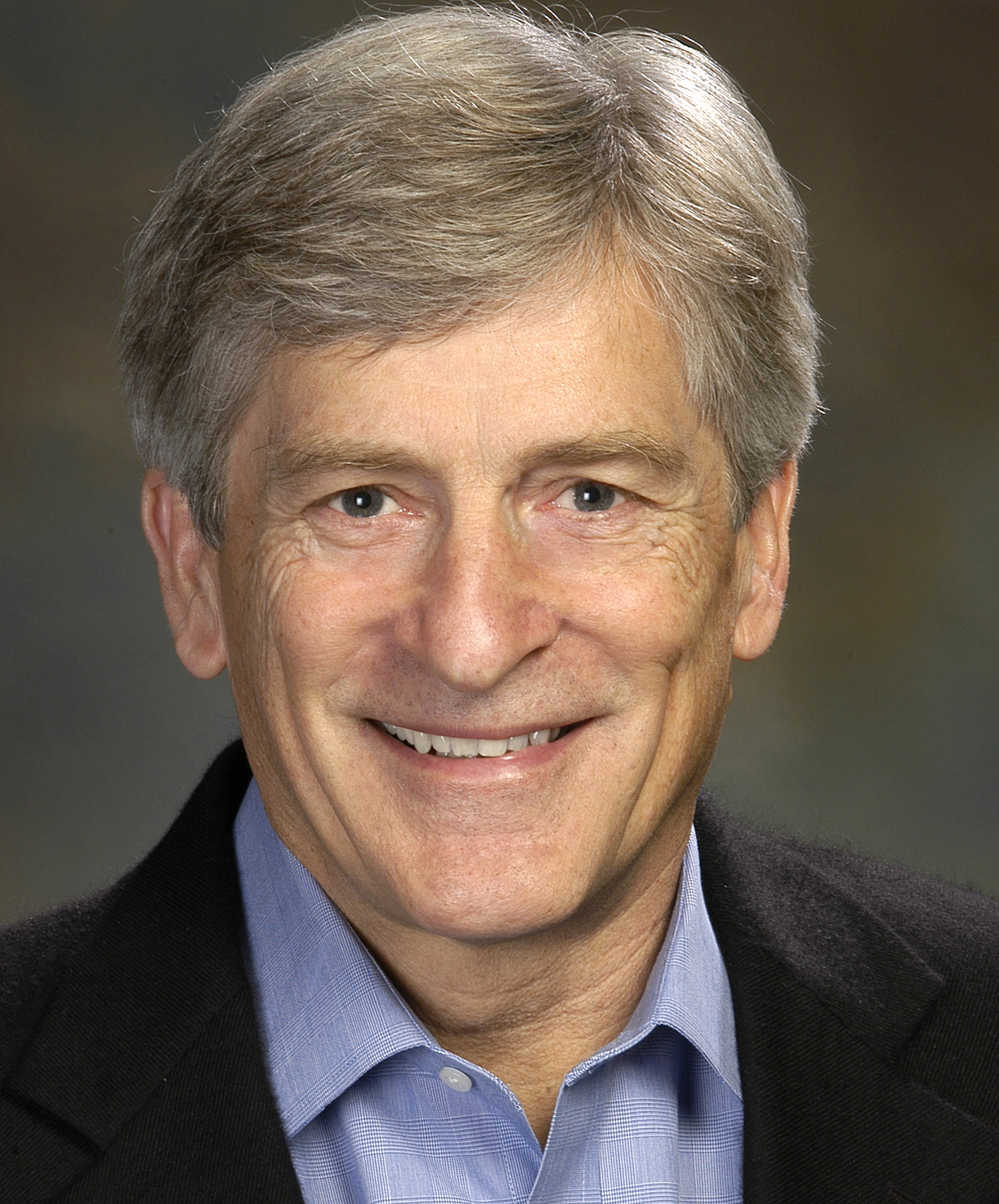 James Paulson合作论文数Department of Molecular Medicine, Skaggs Graduate School of Chemical and Biological Sciences, The Scripps Research Institute;Department of Immunology and Microbiology, Skaggs Graduate School of Chemical and Biological Sciences, The Scripps Research Institute1
 John Yates合作论文数Department of Integrative Structural and Computational Biology, The Scripps Research Institute;Skaggs Graduate School of Chemical and Biological Sciences, The Scripps Research Institute1
 Dennis Burton合作论文数Department of Immunology and Microbiology, The Scripps Research Institute;The Ragon Institute of MGH, MIT and Harvard;IAVI Neutralizing Antibody Center, The Scripps Research Institute1




