Prostate epithelial cells control the potency and availability of androgen hormones in part by inactivation and elimination. UDP-glucose dehydrogenase (UGDH) catalyzes the NAD(+)-dependent oxidation of UDP-glucose to UDP-glucuronate, an essential precursor for androgen inactivation by the prostate glucuronidation enzymes UGT2B15 and UGT2B17. UGDH expression is androgen stimulated, which increases the production of UDP-glucuronate and fuels UGT-catalyzed glucuronidation. In this study, we compared the glucuronidation potential and its impact on androgen-mediated gene expression in an isogenic LNCaP model for androgen-dependent versus castration-resistant prostate cancer. Despite significantly lower androgen-glucuronide output, LNCaP 81 castration-resistant tumor cells expressed higher levels of UGDH, UGT2B15, and UGT2B17. However, the magnitude of androgen-activated UGDH and prostate-specific antigen (PSA) expression, as well as the androgen receptor (AR)-dependent repression of UGT2B15 and UGT2B17, was blunted several-fold in these cells. Consistent with these results, the ligand-activated binding of AR to the PSA promoter and subsequent transcriptional activation were also significantly reduced in castration-resistant cells. Analysis of the UDP-sugar pools and flux through pathways downstream of UDP-glucuronate production revealed that these glucuronidation precursor metabolites were channeled through proteoglycan and glycosaminoglycan biosynthetic pathways, leading to increased surface expression of Notch1. Knockdown of UGDH diminished Notch1 and increased glucuronide output. Overall, these results support a model in which the aberrant partitioning of UDP-glucuronate and other UDP-sugars into alternative pathways during androgen deprivation contributes to the loss of prostate tumor cell androgen sensitivity by promoting altered cell surface proteoglycan expression.
Ceramide makes up the acyl-backbone of sphingolipids and plays a central role in determining the function of these essential membrane lipids. In Arabidopsis, the varied chemical composition of ceramide is determined by the specificity of three different isoforms of ceramide synthase, denoted LAG one homologue 1, -2 and -3 (LOH1, LOH2 and LOH3), for a range of long-chain base (LCB) and acyl-CoA substrates. The contribution of each of these isoforms to the synthesis of ceramide was investigated by in vitro ceramide synthase assays. The plant LCB phytosphingosine was efficiently used by the LOH1 and LOH3 isoforms, with LOH1 having the lowest Km for the LCB substrate of the three isoforms. In contrast, sphinganine was used efficiently only by the LOH2 isoform. Acyl-CoA specificity was also distinguished between the three isoforms with LOH2 almost completely specific for palmitoyl-CoA whereas the LOH1 isoform showed greatest activity with lignoceroyl-and hexacosanoyl-CoAs. Interestingly, unsaturated acyl-CoAs were not used efficiently by any isoform whereas unsaturated LCB substrates were preferred by LOH2 and 3. Fumonisin B-1 (FB1) is a general inhibitor of ceramide synthases but LOH1 was found to have a much lower K-i than the other isoforms pointing towards the origin of FB1 sensitivity in plants. Overall, the data suggest distinct roles and modes of regulation for each of the ceramide synthases in Arabidopsis sphingolipid metabolism.
Abstract Locally advanced and metastatic cancers are frequently treated by androgen deprivation therapy. Tumors that recur despite this treatment, termed castration resistant prostate cancer, are highly aggressive and have acquired the capacity to survive and expand in conditions of low circulating androgens. Prostate epithelial cells control the potency and overall availability of androgen hormones in part by inactivation and excretion of excess quantities. The enzymes that catalyze inactivation, specifically by covalently modifying the hormone with a glucuronate adduct, are called UDP-glucuronosyltransferases (UGT). Genetic mutations that reduce levels of the UGT isozymes needed to eliminate excess androgens from the prostate have been correlated with prostate cancer incidence. The ability to alter androgen elimination at the level of individual cells within a tumor is one mechanism by which tumors become heterogeneous with respect to molecular features and therapeutic resistance. UDP-glucose dehydrogenase (UGDH) catalyzes the NAD+-dependent oxidation of UDP-glucose to UDP-glucuronate, an essential precursor for androgen inactivation by the prostate glucuronidation enzymes UGT2B15 and UGT2B17. Our laboratory has found that non-metastatic prostate tumor cell lines express UGDH in an androgen sensitive manner, that its expression increases the level of UDP-glucuronate, and that these precursors are then channeled to the UGT-catalyzed glucuronidation pathway. The level of UGDH is androgen controlled and serves to regulate tumor cell growth, inversely to its expression. Loss of androgen stimulated UGDH, or pharmacological antagonism of its activity, translated to increased proliferation rate, specifically of androgen dependent tumor cells. We knocked down expression of UGDH in androgen dependent cells to test the role of UGDH in driving cellular glucuronate levels, intratumoral steroid availability, and response to androgen. Flux of UDP sugar metabolites and levels of androgen glucuronide accumulation were compared in control and UGDH knockdown lines by liquid chromatography and mass spectrometry analysis. Effects on androgen sensitive gene expression were monitored by western analysis. Selection of manipulated cells in decremental DHT levels that simulated androgen deprivation was found to reduce steady state UGDH expression, thereby activating the UGT-driven steroid clearance mechanism, as reflected in increased PSA levels and de-repression of UGT2B17. Whereas restimulation of control transfectants with physiological levels of DHT could only increase UGDH expression and maintain full androgen sensitivity in cells experiencing complete androgen loss, the knockdown of UGDH permitted cells to accumulate UDP-glucuronate pools, and decreased UGT-driven glucuronidation of DHT and androsterone. These results support a model in which maintenance of partial UGDH activity through gradual androgen deprivation facilitates loss of sensitivity in androgen elimination pathways and suggests adjuvant UGDH inhibition could prevent or delay onset of castration resistant recurrence. Citation Format: Michelle Palmer, Linlin Ma, Trevor Romsdahl, Qin Wei, Eileen Loughman, Jonathan Markham, Joseph Barycki, Melanie A. Simpson. Altered control of intracellular androgen availability by glucuronidation contributes to loss of androgen dependence in prostate tumor cells. [abstract]. In: Proceedings of the AACR Special Conference: Function of Tumor Microenvironment in Cancer Progression; 2016 Jan 7–10; San Diego, CA. Philadelphia (PA): AACR; Cancer Res 2016;76(15 Suppl):Abstract nr C41.
Sphingolipid synthesis is tightly regulated in eukaryotes. This regulation in plants ensures sufficient sphingolipids to support growth while limiting the accumulation of sphingolipid metabolites that induce programmed cell death. Serine palmitoyltransferase (SPT) catalyzes the first step in sphingolipid biosynthesis and is considered the primary sphingolipid homeostatic regulatory point. In this report, Arabidopsis (Arabidopsis thaliana) putative SPT regulatory proteins, orosomucoid-like proteins AtORM1 and AtORM2, were found to interact physically with Arabidopsis SPT and to suppress SPT activity when coexpressed with Arabidopsis SPT subunits long-chain base1 (LCB1) and LCB2 and the small subunit of SPT in a yeast (Saccharomyces cerevisiae) SPT-deficient mutant. Consistent with a role in SPT suppression, AtORM1 and AtORM2 overexpression lines displayed increased resistance to the programmed cell death-inducing mycotoxin fumonisin B1, with an accompanying reduced accumulation of LCBs and C16 fatty acid-containing ceramides relative to wild-type plants. Conversely, RNA interference (RNAi) suppression lines of AtORM1 and AtORM2 displayed increased sensitivity to fumonisin B1 and an accompanying strong increase in LCBs and C16 fatty acid-containing ceramides relative to wild-type plants. Overexpression lines also were found to have reduced activity of the class I ceramide synthase that uses C16 fatty acid acyl-coenzyme A and dihydroxy LCB substrates but increased activity of class II ceramide synthases that use very-long-chain fatty acyl-coenzyme A and trihydroxy LCB substrates. RNAi suppression lines, in contrast, displayed increased class I ceramide synthase activity but reduced class II ceramide synthase activity. These findings indicate that ORM mediation of SPT activity differentially regulates functionally distinct ceramide synthase activities as part of a broader sphingolipid homeostatic regulatory network.
The acyl composition of sphingolipids is determined by the specificity of the enzyme ceramide synthase (EC 2.3.1.24). Ceramide contains a long-chain base (LCB) linked to a variety of fatty acids to produce a lipid class with potentially hundreds of structural variants. An optimized procedure for the assay of ceramide synthase in yeast microsomes is reported that uses mass spectrometry to detect any possible LCB and fatty acid combination synthesized from unlabeled substrates provided in the reaction. The assay requires the delivery of substrates with bovine serum albumin for maximum activity within defined limits of substrate concentration and specific methods to stop the reaction and extract the lipid that avoid the non-enzymatic synthesis of ceramide. The activity of ceramide synthase in yeast microsomes is demonstrated with the four natural LCBs found in yeast along with six saturated and two unsaturated fatty acyl-coenzyme As from 16 to 26 carbons in length. The procedure allows for the determination of substrate specificity and kinetic parameters toward natural substrates for ceramide synthase from potentially any organism.
Sphingolipids are emerging as second messengers in programmed cell death and plant defense mechanisms. However, their role in plant defense is far from being understood, especially against necrotrophic pathogens. Sphingolipidomics and plant defense responses during pathogenic infection were evaluated in the mutant of long-chain base phosphate (LCB-P) lyase, encoded by the dihydrosphingosine-1-phosphate lyase1 (AtDPL1) gene and regulating long-chain base/LCB-P homeostasis. Atdpl1 mutants exhibit tolerance to the necrotrophic fungus Botrytis cinerea but susceptibility to the hemibiotrophic bacterium Pseudomonas syringae pv tomato (Pst). Here, a direct comparison of sphingolipid profiles in Arabidopsis (Arabidopsis thaliana) during infection with pathogens differing in lifestyles is described. In contrast to long-chain bases (dihydrosphingosine [d18:0] and 4,8-sphingadienine [d18:2]), hydroxyceramide and LCB-P (phytosphingosine-1-phosphate [t18:0-P] and 4-hydroxy-8-sphingenine-1-phosphate [t18:1-P]) levels are higher in Atdpl1-1 than in wild-type plants in response to B. cinerea. Following Pst infection, t18:0-P accumulates more strongly in Atdpl1-1 than in wild-type plants. Moreover, d18:0 and t18:0-P appear as key players in Pst- and B. cinerea-induced cell death and reactive oxygen species accumulation. Salicylic acid levels are similar in both types of plants, independent of the pathogen. In addition, salicylic acid-dependent gene expression is similar in both types of B. cinerea-infected plants but is repressed in Atdpl1-1 after treatment with Pst. Infection with both pathogens triggers higher jasmonic acid, jasmonoyl-isoleucine accumulation, and jasmonic acid-dependent gene expression in Atdpl1-1 mutants. Our results demonstrate that sphingolipids play an important role in plant defense, especially toward necrotrophic pathogens, and highlight a novel connection between the jasmonate signaling pathway, cell death, and sphingolipids.
Ceramide synthases catalyze an N-acyltransferase reaction using fatty acyl-coenzyme A (CoA) and long-chain base (LCB) substrates to form the sphingolipid ceramide backbone and are targets for inhibition by the mycotoxin fumonisin B1 (FB1). Arabidopsis (Arabidopsis thaliana) contains three genes encoding ceramide synthases with distinct substrate specificities: LONGEVITY ASSURANCE GENE ONE HOMOLOG1 (LOH1; At3g25540)- and LOH3 (At1g19260)-encoded ceramide synthases use very-long-chain fatty acyl-CoA and trihydroxy LCB substrates, and LOH2 (At3g19260)-encoded ceramide synthase uses palmitoyl-CoA and dihydroxy LCB substrates. In this study, complementary DNAs for each gene were overexpressed to determine the role of individual isoforms in physiology and sphingolipid metabolism. Differences were observed in growth resulting from LOH1 and LOH3 overexpression compared with LOH2 overexpression. LOH1- and LOH3-overexpressing plants had enhanced biomass relative to wild-type plants, due in part to increased cell division, suggesting that enhanced synthesis of very-long-chain fatty acid/trihydroxy LCB ceramides promotes cell division and growth. Conversely, LOH2 overexpression resulted in dwarfing. LOH2 overexpression also resulted in the accumulation of sphingolipids with C16 fatty acid/dihydroxy LCB ceramides, constitutive induction of programmed cell death, and accumulation of salicylic acid, closely mimicking phenotypes observed previously in LCB C-4 hydroxylase mutants defective in trihydroxy LCB synthesis. In addition, LOH2- and LOH3-overexpressing plants acquired increased resistance to FB1, whereas LOH1-overexpressing plants showed no increase in FB1 resistance, compared with wild-type plants, indicating that LOH1 ceramide synthase is most strongly inhibited by FB1. Overall, the findings described here demonstrate that overexpression of Arabidopsis ceramide synthases results in strongly divergent physiological and metabolic phenotypes, some of which have significance for improved plant performance.
Arabidopsis thaliana pollen and leaf have distinct sphingolipid composition and biosynthetic gene expression, raising questions about the role of sphingolipids in pollen.
The accelerated cell death 11 (acd11) mutant of Arabidopsis provides a genetic model for studying immune response activation and localized cellular suicide that halt pathogen spread during infection in plants. Here, we elucidate ACD11 structure and function and show that acd11 disruption dramatically alters the in vivo balance of sphingolipid mediators that regulate eukaryotic-programmed cell death. In acd11 mutants, normally low ceramide-1-phosphate (C1P) levels become elevated, but the relatively abundant cell death inducer phytoceramide rises acutely. ACD11 exhibits selective intermembrane transfer of C1P and phyto-C1P. Crystal structures establish C1P binding via a surface-localized, phosphate headgroup recognition center connected to an interior hydrophobic pocket that adaptively ensheaths lipid chains via a cleft-like gating mechanism. Point mutation mapping confirms functional involvement of binding site residues. A π helix (π bulge) near the lipid binding cleft distinguishes apo-ACD11 from other GLTP folds. The global two-layer, α-helically dominated, "sandwich" topology displaying C1P-selective binding identifies ACD11 as the plant prototype of a GLTP fold subfamily.
In plants, fatty acids are primarily synthesized in plastids and then transported to the endoplasmic reticulum for synthesis of most of the complex membrane lipids, including glycerolipids and sphingolipids. The first step of sphingolipid synthesis, which uses a fatty acid and a serine as substrates, is critical for sphingolipid homeostasis; its disruption leads to an altered plant growth. Phospholipase As (PLAs) have been implicated in the trafficking of fatty acids from plastids to the endoplasmic reticulum. Previously, we found that overexpression of a patatin-related phospholipase, pPLAIIIβ, resulted in a smaller plant size and altered anisotropic cell expansion. Here, we determined the content and composition of sphingolipids in pPLAIIIβ-knockout and overexpression plants (pPLAIIIβ-KO and -OE). 3-keto-sphinganine, the product of the first step of sphingolipid synthesis, had a 26% decrease in leaves of pPLAIIIβ-KO while a 52% increase in pPLAIIIβ-OE compared to wild type (WT). The levels of free long-chain base species, dihydroxy-C18:0 and trihydroxy-18:0 (d18:0 and t18:0), were 38% and 97% higher, respectively, in pPLAIIIβ-OE than in WT. The level of complex sphingolipids ceramide d18:0-16:0 and t18:1-16:0 had a 2-fold increase in pPLAIIIβ-OE. The level of hydroxyceramide d18:0-h16:0 was 72% higher in pPLAIIIβ-OE compared to WT. The levels of several species of glucosylceramide and glycosylinositolphosphoceramide tended to be higher in pPLAIIIβ-OE than in WT. The total content of the complex sphingolipids showed a slightly higher in pPLAIIIβ-OE than in WT. These results revealed an involvement of phospholipase-mediated lipid homeostasis in plant growth.
Very-long-chain fatty acids (VLCFAs) with chain lengths from 20 to 34 carbons are involved in diverse biological functions such as membrane constituents, a surface barrier, and seed storage compounds. The first step in VLCFA biosynthesis is the condensation of two carbons to an acyl-coenzyme A, which is catalyzed by 3-ketoacyl-coenzyme A synthase (KCS). In this study, amino acid sequence homology and the messenger RNA expression patterns of 21 Arabidopsis (Arabidopsis thaliana) KCSs were compared. The in planta role of the KCS9 gene, showing higher expression in stem epidermal peels than in stems, was further investigated. The KCS9 gene was ubiquitously expressed in various organs and tissues, including roots, leaves, and stems, including epidermis, silique walls, sepals, the upper portion of the styles, and seed coats, but not in developing embryos. The fluorescent signals of the KCS9::enhanced yellow fluorescent protein construct were merged with those of BrFAD2::monomeric red fluorescent protein, which is an endoplasmic reticulum marker in tobacco (Nicotiana benthamiana) epidermal cells. The kcs9 knockout mutants exhibited a significant reduction in C24 VLCFAs but an accumulation of C20 and C22 VLCFAs in the analysis of membrane and surface lipids. The mutant phenotypes were rescued by the expression of KCS9 under the control of the cauliflower mosaic virus 35S promoter. Taken together, these data demonstrate that KCS9 is involved in the elongation of C22 to C24 fatty acids, which are essential precursors for the biosynthesis of cuticular waxes, aliphatic suberins, and membrane lipids, including sphingolipids and phospholipids. Finally, possible roles of unidentified KCSs are discussed by combining genetic study results and gene expression data from multiple Arabidopsis KCSs.
Plant sphingolipids are structurally diverse molecules that are important as membrane components and bioactive molecules. An appreciation of the relationship between structural diversity and functional significance of plant sphingolipids is emerging through characterization of Arabidopsis mutants coupled with advanced analytical methods. It is increasingly apparent that modifications such as hydroxylation and desaturation of the sphingolipid nonpolar long-chain bases and fatty acids influence their metabolic routing to particular complex sphingolipid classes and their functions in signaling pathways and other cellular processes, such as membrane protein targeting. Here, we review recent reports investigating some of the more prevalent sphingolipid structural modifications and their functional importance in plants.
In all eukaryotes, NADH:cytochrome b5 reductase provides electrons, via cytochrome b5, for a range of biochemical reactions in cellular metabolism, including for fatty acid desaturation in the endoplasmic reticulum. Studies in mammals, yeast, and in vitro plant systems have shown that cytochrome b5 can, at least in some circumstances, also accept electrons from NADPH:cytochrome P450 reductase, potentially allowing for redundancy in reductase function. Here, we report characterization of three T-DNA insertional mutants of the gene encoding cytochrome b5 reductase in Arabidopsis thaliana, CBR1. The progeny of plants heterozygous for the cbr1-2 allele segregated 6% homozygous mutants, while cbr1-3 and cbr1-4 heterozygotes segregated 1:1 heterozygous:wild type, indicating a gametophyte defect. Homozygous cbr1-2 seeds were deformed and required Suc for successful germination and seedling establishment. Vegetative growth of cbr1-2 plants was relatively normal, and they produced abundant flowers, but very few seeds. The pollen produced in cbr1-2 anthers was viable, but when germinated on cbr1-2 or wild-type stigmas, most of the resulting pollen tubes did not extend into the transmitting tract, resulting in a very low frequency of fertilization. These results indicate that cytochrome b5 reductase is not essential during vegetative growth but is required for correct pollen function and seed maturation.
Phosphatidic acid (PA) and phytosphingosine 1-phosphate (phyto-S1P) both are lipid messengers involved in plant response to abscisic acid (ABA). Our previous data indicate that PA binds to sphingosine kinase (SPHK) and increases its phyto-S1P-producing activity. To understand the cellular and physiological functions of the PA-SPHK interaction, we isolated Arabidopsis thaliana SPHK mutants sphk1-1 and sphk2-1 and characterized them, together with phospholipase Dα1 knock-out, pldα1, in plant response to ABA. Compared with wild-type (WT) plants, the SPHK mutants and pldα1 all displayed decreased sensitivity to ABA-promoted stomatal closure. Phyto-S1P promoted stomatal closure in sphk1-1 and sphk2-1, but not in pldα1, whereas PA promoted stomatal closure in sphk1-1, sphk2-1, and pldα1. The ABA activation of PLDα1 in leaves and protoplasts was attenuated in the SPHK mutants, and the ABA activation of SPHK was reduced in pldα1. In response to ABA, the accumulation of long-chain base phosphates was decreased in pldα1, whereas PA production was decreased in SPHK mutants, compared with WT. Collectively, these results indicate that SPHK and PLDα1 act together in ABA response and that SPHK and phyto-S1P act upstream of PLDα1 and PA in mediating the ABA response. PA is involved in the activation of SPHK, and activation of PLDα1 requires SPHK activity. The data suggest that SPHK/phyto-S1P and PLDα1A are co-dependent in amplification of response to ABA, mediating stomatal closure in Arabidopsis.
Plants contain a large diversity of sphingolipid structures, arising in part from C4 hydroxylation and Δ4 and Δ8 desaturation of the component long-chain bases (LCBs). Typically, 85-90% of sphingolipid LCBs in Arabidopsis leaves contain a cis or transΔ8 double bond produced by sphingoid LCB Δ8 desaturase (SLD). To understand the metabolic and physiological significance of Δ8 unsaturation, studies were performed using mutants of the Arabidopsis SLD genes AtSLD1 and AtSLD2. Our studies revealed that both genes are constitutively expressed, the corresponding polypeptides are ER-localized, and expression of these genes in Saccharomyces cerevisiae yields mixtures of cis/transΔ8 desaturation products, predominantly as trans isomers. Consistent in part with the higher expression of AtSLD1 in Arabidopsis plants, AtSLD1 T-DNA mutants showed large reductions in Δ8 unsaturated LCBs in all organs examined, whereas AtSLD2 mutants showed little change in LCB unsaturation. Double mutants of AtSLD1 and AtSLD2 showed no detectable LCB Δ8 unsaturation. Comprehensive analysis of sphingolipids in rosettes of these mutants revealed a 50% reduction in glucosylceramide levels and a corresponding increase in glycosylinositolphosphoceramides that were restored by complementation with a wild-type copy of AtSLD1. Double sld1 sld2 mutants lacked apparent growth phenotypes under optimal conditions, but displayed altered responses to certain stresses, including prolonged exposure to low temperatures. These results are consistent with a role for LCB Δ8 unsaturation in selective channeling of ceramides for the synthesis of complex sphingolipids and the physiological performance of Arabidopsis.
Sphingolipid synthesis is initiated by condensation of Ser with palmitoyl-CoA producing 3-ketodihydrosphinganine (3-KDS), which is reduced by a 3-KDS reductase to dihydrosphinganine. Ser palmitoyltransferase is essential for plant viability. Arabidopsis thaliana contains two genes (At3g06060/TSC10A and At5g19200/TSC10B) encoding proteins with significant similarity to the yeast 3-KDS reductase, Tsc10p. Heterologous expression in yeast of either Arabidopsis gene restored 3-KDS reductase activity to the yeast tsc10Δ mutant, confirming both as bona fide 3-KDS reductase genes. Consistent with sphingolipids having essential functions in plants, double mutant progeny lacking both genes were not recovered from crosses of single tsc10A and tsc10B mutants. Although the 3-KDS reductase genes are functionally redundant and ubiquitously expressed in Arabidopsis, 3-KDS reductase activity was reduced to 10% of wild-type levels in the loss-of-function tsc10a mutant, leading to an altered sphingolipid profile. This perturbation of sphingolipid biosynthesis in the Arabidopsis tsc10a mutant leads an altered leaf ionome, including increases in Na, K, and Rb and decreases in Mg, Ca, Fe, and Mo. Reciprocal grafting revealed that these changes in the leaf ionome are driven by the root and are associated with increases in root suberin and alterations in Fe homeostasis.
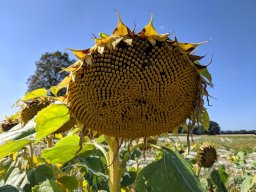
Sphingolipids are a group of lipids that are derived from long-chain 1,3-dihydroxy-2-amino bases and that are involved in important processes in plants. Long-chain bases are usually found bound to long-chain fatty acids forming ceramides, the lipophilic moiety of the most common sphingolipid classes found in plant tissues: glucosyl-ceramides and glucosyl inositol phosphoryl-ceramides (GIPCs). The developing sunflower seed kernel is a tissue rich in sphingolipids, although, importantly, its glycerolipid composition can vary if some steps of the fatty acid synthesis are altered. Here, the sphingolipid composition of the seed from different sunflower mutants with altered fatty acid compositions was studied. The long-chain base composition and content were analyzed, and it was found to be similar in all of the mutants studied. The sphingolipid species were also determined by mass spectrometry, and some differences were found in highly saturated sunflower mutants, which contained higher levels of GIPC, ceramides, and hydroxyl-ceramides.
Long chain bases (LCBs) are sphingolipid intermediates acting as second messengers in programmed cell death (PCD) in plants. Most of the molecular and cellular features of this signaling function remain unknown. We induced PCD conditions in Arabidopsis thaliana seedlings and analyzed LCB accumulation kinetics, cell ultrastructure and phenotypes in serine palmitoyltransferase (spt), mitogen-activated protein kinase (mpk), mitogen-activated protein phosphatase (mkp1) and lcb-hydroxylase (sbh) mutants. The lcb2a-1 mutant was unable to mount an effective PCD in response to fumonisin B1 (FB1), revealing that the LCB2a gene is essential for the induction of PCD. The accumulation kinetics of LCBs in wild-type (WT) and lcb2a-1 plants and reconstitution experiments with sphinganine indicated that this LCB was primarily responsible for PCD elicitation. The resistance of the null mpk6 mutant to manifest PCD on FB1 and sphinganine addition and the failure to show resistance on pathogen infection and MPK6 activation by FB1 and LCBs indicated that MPK6 mediates PCD downstream of LCBs. This work describes MPK6 as a novel transducer in the pathway leading to LCB-induced PCD in Arabidopsis, and reveals that sphinganine and the LCB2a gene are required in a PCD process that operates as one of the more effective strategies used as defense against pathogens in plants.
Acyl lipids in Arabidopsis and all other plants have a myriad of diverse functions. These include providing the core diffusion barrier of the membranes that separates cells and subcellular organelles. This function alone involves more than 10 membrane lipid classes, including the phospholipids, galactolipids, and sphingolipids, and within each class the variations in acyl chain composition expand the number of structures to several hundred possible molecular species. Acyl lipids in the form of triacylglycerol account for 35% of the weight of Arabidopsis seeds and represent their major form of carbon and energy storage. A layer of cutin and cuticular waxes that restricts the loss of water and provides protection from invasions by pathogens and other stresses covers the entire aerial surface of Arabidopsis. Similar functions are provided by suberin and its associated waxes that are localized in roots, seed coats, and abscission zones and are produced in response to wounding. This chapter focuses on the metabolic pathways that are associated with the biosynthesis and degradation of the acyl lipids mentioned above. These pathways, enzymes, and genes are also presented in detail in an associated website (ARALIP: http://aralip.plantbiology.msu.edu/). Protocols and methods used for analysis of Arabidopsis lipids are provided. Finally, a detailed summary of the composition of Arabidopsis lipids is provided in three figures and 15 tables.
Very-long-chain fatty acids (VLCFAs) are essential for many aspects of plant development and necessary for the synthesis of seed storage triacylglycerols, epicuticular waxes, and sphingolipids. Identification of the acetyl-CoA carboxylase PASTICCINO3 and the 3-hydroxy acyl-CoA dehydratase PASTICCINO2 revealed that VLCFAs are important for cell proliferation and tissue patterning. Here, we show that the immunophilin PASTICCINO1 (PAS1) is also required for VLCFA synthesis. Impairment of PAS1 function results in reduction of VLCFA levels that particularly affects the composition of sphingolipids, known to be important for cell polarity in animals. Moreover, PAS1 associates with several enzymes of the VLCFA elongase complex in the endoplasmic reticulum. The pas1 mutants are deficient in lateral root formation and are characterized by an abnormal patterning of the embryo apex, which leads to defective cotyledon organogenesis. Our data indicate that in both tissues, defective organogenesis is associated with the mistargeting of the auxin efflux carrier PIN FORMED1 in specific cells, resulting in local alteration of polar auxin distribution. Furthermore, we show that exogenous VLCFAs rescue lateral root organogenesis and polar auxin distribution, indicating their direct involvement in these processes. Based on these data, we propose that PAS1 acts as a molecular scaffold for the fatty acid elongase complex in the endoplasmic reticulum and that the resulting VLCFAs are required for polar auxin transport and tissue patterning during plant development.
 Edgar Cahoon (艾德加·卡洪)合作论文数Center for Plant Science Innovation, University of Nebraska–Lincoln;Cahoon Lab, Department of Biochemistry, University of Nebraska–Lincoln12
 Ming Chen合作论文数6
 Kyle D Luttgeharm合作论文数5Teresa M. Dunn合作论文数Uniformed Services University of the Health Sciences5
 Johnathan A. Napier合作论文数Rothamsted Research4Jan G. Jaworski合作论文数Plant Biology Division;Chemistry Department;Miami University4Martine Miquel合作论文数3
 Daniel V. Lynch合作论文数Department of Agronomy, Cornell University3
 Rebecca Cahoon合作论文数University of Nebraska - Lincoln3Charles R. Dietrich合作论文数3Lien Bach合作论文数2
 Gongshe Han合作论文数Department of Biochemistry and Molecular Biology, Uniformed Services University of the Health Sciences, 4301 Jones Bridge Rd., Bethesda, MD 20184-4799, USA.2Linlin Ma合作论文数2
 Trevor Romsdahl合作论文数BioDiscovery Inst, Univ North Texas2Barycki Joseph J合作论文数2Gissot Lionel合作论文数2
 Nick Kruger合作论文数Department of Biology, University of Oxford;Department of Plant Sciences, University of Oxford;Pembroke College, University of Oxford2
 Ruth Welti合作论文数Division of Biology, Kansas State University;Kansas Lipidomics Research Center, Kansas State University;Department of Biochemistry and Molecular Biophysics, Kansas State University2Kimberlin Athen N合作论文数2Q. Wei合作论文数2
 Frederic Beaudoin合作论文数CPI Division, Rothamsted Research2Y. Tsegaye合作论文数2
 Jessica Marion合作论文数2
 Jean-Denis Faure合作论文数Laboratoire de Biologie Cellulaire, INRA UR5012Frédérique Tellier合作论文数Unité de Phytopharmacie et des Médiateurs Chimiques, INRA2
 Maoyin Li合作论文数2Jacques Hille合作论文数Department of Molecular Biology of Plants;Groningen Biomolecular Sciences and Biotechnology Institute;University of Groningen2J. E. Bravo合作论文数2
 Xuemin (Sam) Wang合作论文数Donald Danforth Plant Science Center, University of Missouri-St. Louis;Department of Biology, University of Missouri-St. Louis2
 Louise V. Michaelson合作论文数Department of Biological Chemistry, Rothamsted Research2Melanie A. Simpson合作论文数Department of Biochemistry;University of Nebraska;Department of Biochemistry, University of Nebraska2Yannick Bellec合作论文数2
 Richard Haslam合作论文数Environmental and Molecular Plant Physiology Laboratory;Department of Agricultural and Environmental Science;The University;Environmental and Molecular Plant Physiology Laboratory, The University2Yonghua Li-Beisson合作论文数1Shiyou Lue合作论文数1Arturo Guevara-García合作论文数1Katherine M. Schmid合作论文数1Laura L Wayne合作论文数1
 Brenna Zimmer合作论文数1Amanda Tawfall合作论文数1
 Isabel Molina合作论文数1Michelle E Howell合作论文数1Amparo Lima合作论文数1Kenneth Gable合作论文数Dept Biochem & Mol Biol, Uniformed Serv Univ Hlth Sci1
 Sebastien Baud合作论文数Corresponding author.1
 Enrique Martínez-Force合作论文数Instituto de la Grasa (CSIC)Ctra Utrera Km11
 Fred Domergue合作论文数CNRS, Univesity of Bordeaux1
 John Mundy合作论文数Dept Biol, Univ Copenhagen1Jung Jin Hee合作论文数Dept Anat, Korea Univ1




