Objective Endoscopic suturectomy for craniosynostosis with helmet therapy (ESCH) has emerged as a successful treatment for craniosynostosis initially in North America. We present early outcomes from the first cohort of ESCH patients treated in the United Kingdom. Methods Retrospective cohort study with review of electronic records. Results 18 consecutive patients from the first procedure in the UK (May 2017) until January 2020 were identified. Our cohort consisted of 12 male and 6 female infants with craniosynostosis, with mean age of 4.6 months (range: 2.5–7.8 months) and weight of 6.8 kg (range 4.8–9.8 kg). The most commonly operated diagnosis was metopic synostosis (n=8) followed by unicoronal (n=7), sagittal (n=2) and multi-sutural (n=1) synostoses. Median length of skin incision was 3 cm (range 2–10 cm), with 15 patients having a single skin incision. 16/18 received no blood products with 2 requiring transfusion (1 donor exposure). Mean operative time (including anaesthesia) was 96 mins (range 40–127 mins). The median length of hospital stay was 1 night with no patients staying more than 2 nights (n=3). Only 1 surgical complication was noted (a suture abscess requiring oral antibiotics). All patients are currently undergoing helmet orthosis with 100% compliance so far. No patients have required revisional surgery. Conclusion Early peri-operative experience from the first UK cohort of ESCH patients suggests this is a safe and well tolerated technique with low morbidity, need for transfusion and short hospital stay. We hope the success of these results leads to developing discussions to facilitate funding of the helmet orthotic therapy as part of NHS highly specialised commissioning services at Great Ormond Street.
Background/aim Post-operative uveitis is the most common complication after cataract surgery in the UK. The study aims to evaluate the risk of post-operative uveitis in cataract surgery patients of different ethnicity in the presence and absence of co-morbidities as well as operative complications using multivariate analysis. Methods A retrospective case-control study of patients undergoing phacoemulsification cataract surgery between January 2018 to December 2019 at two hospital sites. Differences in demographic and clinical characteristics were compared between two groups defined by the development of post-operative uveitis. Statistically significant factors in univariate analysis were further analysed using multivariate analysis to account for confounders. Results One thousand and five hundred eighty seven eyes had undergone phacoemulsification cataract operations with 104 (6.6%) developing post-operative uveitis. Compared to eyes of White/Mixed/Other ethnicity, Asian and Afro-Caribbean eyes were associated with a twofold (OR 2.02, 95% CI 1.16–3.52, P = 0.013) and fivefold (OR 5.15, 95% CI 2.85–9.29, P < 0.001) risk of post-operative uveitis, respectively. Complicated surgery involving eyes with small pupil/iris hooks/Malyugin ring (OR 2.70, 95% CI 1.16–6.30, P = 0.022) and posterior capsular rupture (OR 6.00, 95% CI 2.55–14.12, P < 0.001) were associated with an increased risk of post-operative uveitis. Conclusions The factors significantly associated with a post-operative uveitis outcome were patients of Asian and Afro-Caribbean ethnicity, small intra-operative pupil size, use of iris hooks or Malyugin ring and PCR. The post-operative management plan should be tailored in these group of patients with a view of early assessment and prompt management of symptoms.
Laparoscopic skill acquisition involves a steep learning curve and laparoscopic suturing is an exceptionally challenging task. By improving the way feedback is given, trainees can learn these skills more effectively. This study aims to establish the most effective form of structured feedback on laparoscopic suturing skill acquisition in novices, by comparing the effects of expert verbal feedback, video review with expert feedback (video feedback), and video review with self-assessment. A prospective randomized blinded trial comparing verbal feedback, video feedback, and self-assessment. Novices in laparoscopic surgery were tasked with performing laparoscopic suturing with intracorporeal knot tying. Time was given for practice, and pre- and post-feedback assessments were undertaken. Suturing performance was measured using a task-specific checklist and global ratings. A post-study questionnaire was used to measure participant-perceived confidence, knowledge, and experience levels. Fifty-one participants were randomized and allocated equally into the three groups. Performance in all three groups improved significantly from baseline. Video feedback had the largest improvement margin with checklist and global score improvements of 17.1% (± 9.9%) and 14.7% (± 9.3%), respectively. Performance improvements between groups were statistically significant in the global components (p = 0.004) but not the checklist components (p = 0.186). Global score improvement was significantly better in the video feedback group but was statistically insignificant between the self-assessment and verbal feedback groups. Questionnaire responses demonstrated positive results in confidence, knowledge, and experience levels, across all three study groups, with no differences between the groups (p > 0.05). Structured video feedback facilitates reflection and self-directed learning, which improves the ability to develop proficiency in surgical skills. Combining both self-assessment and video feedback may be beneficial over verbal feedback alone due to the advantages of video review. These techniques should therefore be considered for implementation into surgical education curricula.
 Nikhil Cascone合作论文数2
 Andrew Coombes合作论文数2Curtis Budden合作论文数1Adikarige Haritha Dulanka Silva合作论文数1Felix Westcott合作论文数1Marcus Ornstein合作论文数1
 Jim S Xie合作论文数1
 James Greg合作论文数Department of Neurosurgery;The London National Health Service Trust;Department of Neurosurgery, Barts & The London National Health Service Trust1
 Mark Westcott合作论文数Institute of Ophthalmology and Moorfields Eye Hospital, London, United Kingdom.1
 Bijendra P Patel合作论文数1Chaudhary Varun合作论文数1
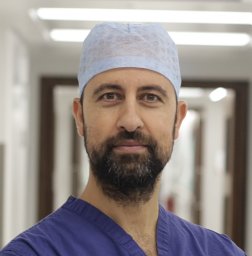 Jeelani Owase合作论文数1David Dunaway合作论文数1
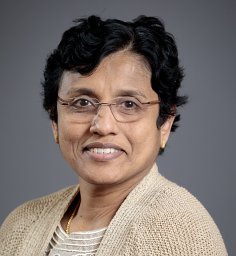 Sobha Sivaprasad合作论文数University College London1
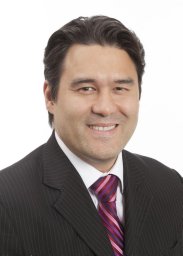 Juling Ong合作论文数Department of Plastic and Reconstructive Surgery, The Royal Free Hampstead NHS Trust1




