Background:Crohn's disease is characterised by multifaceted changes in gut function, involving not just inflammatory effects but also alterations in gut barrier function and gastric motility. However, current diagnostic tools used to measure key gut functional parameters are invasive, unreliable or time-consuming. Thus, we applied a novel, non-invasive fluorescence sensing technology - transcutaneous fluorescence spectroscopy (TFS) - to investigate gut barrier function and gastric emptying in Crohn's disease. Objectives:Our study aimed to validate TFS for non-invasive gastrointestinal (GI) diagnostics and to explore changes in gut barrier function and gastric emptying rate simultaneously in Crohn's disease. Design:A cross-sectional study involving patients with Crohn's disease and healthy individuals. Methods:We performed fluorescent measurements and lactulose:mannitol (L:M) tests in 38 Crohn's disease patients and 20 healthy volunteers. We investigated multiple TFS-derived parameters as indicators of gut barrier function and gastric emptying rate. Using these parameters, we assessed differences between healthy volunteers, inactive Crohn's patients and active Crohn's patients, and calculated correlations between TFS and L:M values. Results:TFS-derived parameters revealed significantly increased intestinal permeability and delayed gastric emptying in patients with active Crohn's compared to healthy controls. TFS trends showed encouraging alignment with those from the L:M test, suggesting potential concordance with established methods. No adverse events were reported. Conclusion:TFS enables rapid, non-invasive discrimination of Crohn's patients from healthy volunteers and allows simultaneous assessment of gut barrier function and gastric emptying rate - two important aspects of GI function in Crohn's disease. This implies potential for improved monitoring and diagnosis of Crohn's disease (and other gut disorders) as well as more advanced study of gut function in health and disease. Trial registration:The clinical study reported in this article was registered with ClinicalTrials.gov prior to enrolment of the first participant. https://clinicaltrials.gov/study/NCT03434639 and Registration number: NCT03434639.
Aims Duodenal neuroendocrine tumors (dNET) are rare tumors of the small intestine and are often found as an incidental finding of a subepithelial lesion during endoscopy. The Full-Thickness Resection Device (FTRD) enables endoscopic full-thickness resection of epithelial and subepithelial lesions. Endoscopic mucosa resection (EMR) has a low R0 resection rate for this indication, while endoscopic submucosal dissection (ESD) is associated with a higher rate of adverse events.
Introduction: Boerhaave syndrome is a rare condition associated with high morbidity and mortality. Prompt intervention greatly improves outcomes, with surgery traditionally being the mainstay of management. Recent advances in therapeutic endoscopy have led to increasing interest in endoluminal vacuum therapy (EVT), a minimally invasive technique, allowing wound debridement and drainage, encouraging granulation tissue formation. EVT has been associated with positive clinical outcomes, including lower mortality rates compared to surgery and stenting for the management of anastomotic leaks, and to a lesser extent, oesophageal perforations. EVT has been adopted into practice across Europe; however, only few cases have been reported from the UK. Case Presentations: We report three cases of Boerhaave syndrome, successfully managed with EVT, using the Eso-SPONGE ® (B.Braun Medical Ltd, Sheffield, UK). EVT involves the placement of a polyurethane sponge into the wound cavity. The cavity is initially assessed, then an overtube is introduced through which the sponge is inserted, and then the overtube is removed. Sponge position is confirmed and adjusted if necessary. The sponge is connected via a trans-nasal drain to continuous negative pressure suction and is changed every 3–5 days. Having been deemed surgically unfit, all 3 patients were referred for EVT. All patients made excellent recovery and were discharged home. Conclusion: EVT is an effective management strategy for surgically unfit Boerhaave syndrome patients. Eso-SPONGE use aided drainage of the septic focus and closure of the defect, leading to complete recovery. Our findings support the existing evidence that EVT is a promising solution for Boerhaave syndrome.
Undernutrition is associated with approximately 45% of deaths among children under the age of 5. Furthermore, in 2020, around 149 million children suffered impaired physical/cognitive development due to lack of adequate nutrition. Environmental enteropathy (EE) is associated with undernutrition and is characterized by a multifaceted breakdown in gut function, including an increase in intestinal permeability that can lead to inflammatory responses. However, the role and mechanisms associated with EE (particularly gut permeability) are not well understood. This is partly because current techniques to assess changes in gut permeability, such as endoscopic biopsies, histopathology and chemical tests such as Lactulose:Mannitol assays, are either highly invasive, unreliable or difficult to perform on specific groups of patients (such as infants and patients with urine retention problems). Therefore, low-cost, non-invasive and reliable diagnostic tools are urgently needed for better evaluation of intestinal permeability. Here, we present a compact transcutaneous fluorescence spectroscopy sensor for non-invasive evaluation of gut permeability and report the first in vivo data collected from volunteers in an undernutrition trial. Using this technique and device, fluorescence signals are detected transcutaneously after oral ingestion of a fluorescent solution. Preliminary results demonstrate the potential use of the presented sensor for clinical assessment of gut permeability in low-income settings.
ObjectivesCannabis-based medicinal products (CBMPs) have shown promising preclinical activity in inflammatory bowel disease (IBD). However, clinical trials have not demonstrated effects on inflammation. This study aims to analyze changes in health-related quality of life (HRQoL) and adverse events in IBD patients prescribed CBMPs.MethodsA case series from the UK Medical Cannabis Registry was performed. Primary outcomes included changes from baseline in the Short Inflammatory Bowel Disease Questionnaire (SIBDQ), Generalized Anxiety Disorder-7 (GAD-7), Single-Item Sleep Quality Scale (SQS), and EQ-5D-5L Index score at 1 and 3 months. Statistical significance was defined using p ResultsSeventy-six patients with Crohn's disease (n = 51; 67.11%) and ulcerative colitis (n = 25; 32.89%) were included. The median baseline SIBDQ score improved at 1 and 3 months. EQ-5D-5L index values, GAD-7, and SQS also improved after 3 months (p < 0.050). Sixteen (21.05%) patients reported adverse events with the majority being classified as mild to moderate in severity.ConclusionPatients treated with CBMPs for refractory symptoms of Crohn's disease and ulcerative colitis demonstrated a short-term improvement in IBD-specific and general HRQoL. Prior cannabis consumers reported greater improvement compared to cannabis-naive individuals.
IntroductionThere is growing evidence on the efficacy of cannabis-based medicinal products (CBMPs) for chronic pain (CP). Due to the interaction between CP and anxiety, and the potential impact of CBMPs on both anxiety and CP, this article aimed to compare the outcomes of CP patients with and without co-morbid anxiety following CBMP treatment.MethodsParticipants were prospectively enrolled and categorized by baseline General Anxiety Disorder-7(GAD-7) scores, into 'no anxiety'(GAD-7 < 5) and 'anxiety'(GAD-7 >= 5) cohorts. Primary outcomes were changes in Brief Pain Inventory Short-Form, Short-form McGill Pain Questionnaire-2, Pain Visual Analogue Scale, Sleep Quality Scale (SQS), GAD-7 and EQ-5D-5L index values at 1, 3 and 6 months.Results1254 patients (anxiety = 711; no anxiety = 543) met inclusion criteria. Significant improvements in all primary outcomes were observed at all timepoints (p < 0.050), except GAD-7 in the no anxiety group(p > 0.050). The anxiety cohort reported greater improvements in EQ-5D-5L index values, SQS and GAD-7(p < 0.050), but there were no consistent differences in pain outcomes.ConclusionA potential association between CBMPs and improvements in pain and health-related quality of life (HRQoL) in CP patients was identified. Those with co-morbid anxiety reported greater improvements in HRQoL.
Background Device-assisted enteroscopy (DAE) has become a well-established diagnostic and therapeutic tool for the management of small-bowel pathology. We aimed to evaluate the performance measures for DAE across the UK against the quality benchmarks proposed by the European Society of Gastrointestinal Endoscopy (ESGE). Methods We retrospectively collected data on patient demographics and DAE performance measures from electronic endoscopy records of consecutive patients who underwent DAE for diagnostic and therapeutic purposes across 12 enteroscopy centers in the UK between January 2017 and December 2022. Results A total of 2005 DAE procedures were performed in 1663 patients (median age 60 years; 53% men). Almost all procedures (98.1%) were performed for appropriate indications. Double-balloon enteroscopy was used for most procedures (82.0%), followed by single-balloon enteroscopy (17.2%) and spiral enteroscopy (0.7%). The estimated depth of insertion was documented in 73.4% of procedures. The overall diagnostic yield was 70.0%. Therapeutic interventions were performed in 42.6% of procedures, with a success rate of 96.6%. Overall, 78.0% of detected lesions were marked with a tattoo. Patient comfort was significantly better with the use of deep sedation compared with conscious sedation (99.7% vs. 68.5%; P<0.001). Major adverse events occurred in only 0.6% of procedures. Conclusions Performance measures for DAE in the UK meet the ESGE quality benchmarks, with high diagnostic and therapeutic yields, and a low incidence of major adverse events. However, there is room for improvement in optimizing sedation practices, standardizing the depth of insertion documentation, and adopting marking techniques to aid in the follow-up of detected lesions.
The Supplementary information file contains: (i) Supplementary Methods, concerning PCR primers, antibodies and explanation of the chemometric approach. (ii) Supplementary Figures 1-4, which provide extended data for the multivariable models of Figure 2 and 3, MS/MS analyses, and further gene expression data supporting Figure 5. (iii) Supplementary Tables 1-4, which provide demographics of the cohorts and univariate lipid analyses from Cohort 1 and 2.
discharged from A&E. 80% of these discharged patients had an Oakland Score >8. 21 (17.2%) of admitted patients received an inpatient lower GI endoscopy; 19% of which received endoscopic therapy. The most commonly identified cause of LGIB was diverticulosis (23.8%). Overall, 82.8% of admitted patients received no inpatient lower GI endoscopy and were managed conservatively. Comparing those who underwent LGI endoscopy versus a watch and wait approach, there was no difference in inpatient mortality (0% vs 4%, p=1.0) or 30-day re-admission rate (9.5% vs 22.8%, p= 0.24). However, undergoing inpatient LGI endoscopy was associated with greater median length of stay (8 days vs 3 days, p=0.0002)
Abstract Background There is a paucity of high-quality evidence of the efficacy and safety of cannabis-based medicinal products in treatment of treatment-resistant epilepsy (TRE) in children. Methods A case series of children (<18 years old) with TRE from the UK Medical Cannabis Registry was analyzed. Primary outcomes were ≥50% reduction in seizure frequency, changes in the Impact of Pediatric Epilepsy Score (IPES), and incidence of adverse events. Results Thirty-five patients were included in the analysis. Patients were prescribed during their treatment with the following: CBD isolate oils ( n = 19), CBD broad-spectrum oils ( n = 17), and CBD/Δ 9 -THC combination therapy ( n = 17). Twenty-three (65.7%) patients achieved a ≥50% reduction in seizure frequency. 94.1% ( n = 16) of patients treated with CBD and Δ 9 -THC observed a ≥50% reduction in seizure frequency compared to 31.6% ( n = 6) and 17.6% ( n = 3) of patients treated with CBD isolates and broad-spectrum CBD products, respectively ( p < 0.001). Twenty-six (74.3%) adverse events were reported by 16 patients (45.7%). The majority of these were mild ( n = 12; 34.2%) and moderate ( n = 10; 28.6%). Conclusion The results of this study demonstrate a positive signal of improved seizure frequency in children treated with Cannabis-based medicinal products (CBMPs) for TRE. Moreover, the results suggest that CBMPs are well-tolerated in the short term. The limitations mean causation cannot be determined in this open-label, case series.
BackgroundThe following study evaluated the clinical outcomes of patients enrolled in the UK Medical Cannabis Registry, who were treated with inhaled dried flower (Adven (R) EMT2, Curaleaf International, Guernsey), and sublingual/oral medium-chain triglyceride-based oils (Adven, Curaleaf International, Guernsey) for chronic pain.MethodsIn this cohort study, the primary outcomes were changes in validated patient reported outcome measures (PROMs) at 1, 3, and 6 months compared to baseline, and adverse event analysis. Statistical significance was defined as p < 0.050.ResultsThree hundred and forty-eight (45.7%), 36 (4.7%), and 377 (49.5%) patients were treated with oils, dried flower, or both, respectively. Patients treated with oils or combination therapy recorded improvements within health-related quality of life, pain, and sleep-specific PROMs at 1, 3, and 6 months (p < 0.050). Patients treated with combination therapy recorded improvements in anxiety-specific PROMs at 1, 3, and 6 months (p < 0.050). 1,273 (167.3%) adverse events were recorded, with previously cannabis naive users, ex-cannabis users, and females more likely to experience adverse events (p < 0.050).ConclusionsThis study observed an association between initiation of CBMP treatment and improved outcomes for chronic pain patients. Prior cannabis use and gender were associated with adverse event incidence. Placebo-controlled trials are still necessary to establish the efficacy and safety of CBMPs for chronic pain.
BACKGROUND:There is a paucity of high-quality data on patient outcomes and safety after initiating treatment with cannabis-based medicinal products (CBMPs). The aim of this study was to assess the clinical outcomes and safety of CBMPs by analyzing patient-reported outcome measures and adverse events across a broad spectrum of chronic conditions. RESEARCH DESIGN AND METHODS:This study analyzed patients enrolled in the UK Medical Cannabis Registry. Participants completed the EQ-5D-5L to assess health-related quality of life, Generalized Anxiety Disorder-7 (GAD-7) questionnaire to measure anxiety severity, and the Single-item Sleep Quality Scale (SQS) to rate sleep quality at baseline and follow-up after 1, 3, 6, and 12 months. RESULTS:A total of 2833 participants met inclusion criteria. The EQ-5D-5L index value, GAD-7, and SQS all improved at each follow-up (p < 0.001). There was no difference in EQ-5D-5L index values between former or current illicit cannabis consumers and naïve patients (p > 0.050). Adverse events were reported by 474 (16.73%) participants. CONCLUSIONS:This study suggests that CBMPs are associated with an improvement in health-related quality of life in UK patients with chronic diseases. Treatment was tolerated well by most participants, but adverse events were more common in female and cannabis-naïve patients.
Introduction: There is a growing body of literature supporting the efficacy of cannabis-based medicinal products (CBMPs). Despite an increase in prescribing globally, there is a paucity of high-quality clinical data on the efficacy of CBMPs for many conditions. This study aims to detail the changes in health-related quality of life (HRQoL) and associated clinical safety in patients prescribed CBMPs for any clinical indication from the UK Medical Cannabis Registry (UKMCR). Methods: An uncontrolled prospective case series of the UKMCR was analyzed. Primary outcomes included change from baseline in patient-reported outcome measures collected across all patients (the Generalized Anxiety Disorder Scale [GAD-7], EQ-5D-5L, and Sleep Quality Scale [SQS]) at 1, 3, and 6 months. Secondary outcomes included the self-reported incidence and severity of adverse events. Statistical significance was defined as p<0.050. Results: Three hundred twelve patients were included in the final analysis, with a mean age of 44.8. The most common primary diagnoses were chronic pain of undefined etiology (n=102, 32.7%), neuropathic pain (n=43, 13.8%), and fibromyalgia (n=31, 9.9%). Before enrolment, 112 (35.9%) patients consumed cannabis daily. The median cannabidiol and (-)-trans-Δ9-tetrahydrocannabinol doses prescribed at baseline were 20.0 mg (0.0-510.0 mg) and 3.0 mg (0.0-660.0 mg), respectively. Statistically significant improvements were observed in GAD-7, EQ-5D-5L Index, EQ-5D Visual Analog Scale and SQS scores at 1, 3, and 6 months (p<0.050). There were 94 (30.1%) reported adverse events, of which nausea (n=12, 3.8%), dry mouth (n=10, 3.2%), dizziness (n=7, 2.2%), and somnolence (n=7, 2.2%) were the most common. Conclusion: This study demonstrated CBMP treatment to be associated with a relatively low incidence of severe adverse events in the medium-term. Positive changes following treatment were observed in general, as well as anxiety and sleep-specific, HRQoL outcomes. Randomized controlled trials are still awaited to assess causation; however, real-world evidence can help inform current clinical practice, future trials, and is an important component of pharmacovigilance.
The permeability of the intestinal barrier is altered in a multitude of gastrointestinal conditions such as Crohn's and coeliac disease. However, the clinical utility of gut permeability is currently limited due to a lack of reliable diagnostic tests. To address this issue, we report a novel technique for rapid, non-invasive measurement of gut permeability based on transcutaneous (through-the-skin') fluorescence spectroscopy. In this approach, participants drink an oral dose of a fluorescent dye (fluorescein) and a fibre-optic fluorescence spectrometer is attached to the finger to detect permeation of the dye from the gut into the blood stream in a non-invasive manner. To validate this technique, clinical trial measurements were performed in 11 healthy participants. First, after 6 h of fasting, participants ingested 500 mg of fluorescein dissolved in 100 ml of water and fluorescence measurements were recorded at the fingertip over the following 3 h. All participants were invited back for a repeat study, this time ingesting the same solution but with 60 g of sugar added (known to transiently increase intestinal permeability). Results from the two study datasets (without and with sugar respectively) were analysed and compared using a number of analysis procedures. This included both manual and automated calculation of a series of parameters designed for assessment of gut permeability. Calculated values were compared using Student's T-tests, which demonstrated significant differences between the two datasets. Thus, transcutaneous fluorescence spectroscopy shows promise in non-invasively discriminating between two differing states of gut permeability, demonstrating potential for future clinical use.
Background Colonoscopy proficiency is significantly influenced by skills achieved during training. Although assessment scores exist, they do not evaluate the impact of visual search strategies and their use is time and labour intensive. Eye-tracking has shown significant differences in visual gaze patterns (VGPs) between expert endoscopists with varying polyp detection rates, so may provide a means of automated assessment and guidance for trainees. This study aimed to assess the feasibility of eye-tracking as a novel assessment method for trainee endoscopists. Methods Eye-tracking glasses were used to record 26 colonoscopies from 12 endoscopy trainees who were assessed with directly observed procedural scores (DOPS), devised by the Joint Advisory Group (JAG) on GI endoscopy, and a visual analogue score of overall competence. A 'total weighted procedure score' (TWPS) was calculated from 1 to 20. Primary outcomes of fixation duration (FixD) and fixation frequency (FixF) were analysed according to areas of interest (AOIs) with the bowel surface and lumen represented by three concentric rings. Correlation was assessed using Pearson's coefficient. Significance was set at pResults Trainees displayed a significant positive correlation between TWPS and FixD (R = 0.943, p<.0001) and FixF (R = 0.936, p<.0001) in the anatomical bowel mucosa peripheries. Conversely, they had significant negative correlations between TWPS and the anatomical bowel lumen (FixD: R= -0.546, p=.004; FixF: R= -0.568, p=.002). Conclusions Higher objective performance scores were associated with VGPs focussing on bowel mucosa. This is consistent with prior analysis showing peripheral VGPs correspond with higher polyp detection rates. Analysis of VGPs, therefore, has potential for training and assessment in colonoscopy.
Abstract Outcomes for oesophageal adenocarcinoma continue to be poor, as patients are often diagnosed too late for curative treatment. New tools to assist early and rapid diagnosis are needed. Tissue phospholipids quantified by mass spectrometry imaging (MSI) can objectively diagnose non-oesophageal cancers from control tissue in minutes. However, whether MSI can objectively identify oesophageal adenocarcinoma is unknown and represents a significant challenge, as this microenvironment is complex with phenotypically similar tissue-types. Methods Desorption electrospray ionisation mass spectrometry imaging (DESI-MSI) and bespoke chemometrics were used to assess the phospholipidomes of oesophageal adenocarcinoma and relevant control tissues, in surgical (discovery) and endoscopic (validation) cohorts. Structural annotations verified by tandem MS fragmentation patterns were performed to understand the characteristics of the key differential phospholipids. Bioinformatics, quantitative polymerase chain reaction, and immunohistochemistry were performed to describe the reprogramming of phospholipogenesis in oesophageal adenocarcinoma. Finally, genetic silencing experiments were performed to understand whether this genetic reprogramming impacts the oesophageal adenocarcinoma phospholipid signature. Results Multivariable models based on tissue phospholipids from 117 patients were highly discriminant for oesophageal adenocarcinoma both in discovery (area-under-curve = 0.97) and validation cohorts (AUC = 1). Cancer samples were enriched for polyunsaturated phosphatidylglycerols with longer acyl chains, with stepwise enrichment in pre-malignant tissues. Expression of fatty acid and glycerophospholipid synthesis genes was significantly upregulated, and characteristics of fatty acid acyls matched phospholipid acyls. Mechanistically, reducing ACLY expression in oesophageal adenocarcinoma cells shortened GPL chains, therefore linking de novo lipogenesis to the oesophageal adenocarcinoma phospholipidome. Conclusion DESI-MSI (i) objectively identified invasive oesophageal adenocarcinoma from a number of pre-malignant tissues (ii) described the characteristics of cancer phospholipids, which have unknown function (iii) unveiled a new mechanism of phospholipidomic reprogramming. These results call for accelerated diagnosis studies using DESI-MSI in the upper gastrointestinal endoscopy suite, as well as functional studies to determine how polyunsaturated phosphatidylglycerols are generated, and how they contribute to oesophageal carcinogenesis.
 Julian Teare合作论文数Department of Surgery & Cancer, Faculty of Medicine, Imperial College London25
 Robert Goldin合作论文数Department of Metabolism, Digestion and Reproduction, Faculty of Medicine, Imperial College London17
 Jason Dunn合作论文数13
 Nick Powell合作论文数Digestive Diseases, Department of Metabolism, Digestion and Reproduction, Faculty of Medicine, Imperial College London12
 Ara Darzi合作论文数Department of Surgery & Cancer, Faculty of Medicine, Imperial College London12Mikael H. Sodergren合作论文数12Tim Orchard合作论文数Digestive Diseases, Department of Metabolism, Digestion and Reproduction, Faculty of Medicine, Imperial College London11
 Phil Boger合作论文数11
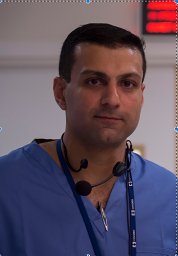 Rehan J. Haidry合作论文数11
 Grant M Fullarton合作论文数The Scottish Government;FULLHEALTH Ltd;University of Glasgow;Glasgow Royal Infirmary11
 Laurence Lovat合作论文数Department of Targeted Intervention, University College London11
 Pradeep Bhandari合作论文数Gastroenterology, Portsmouth Hospitals NHS trust11J Mawdsley合作论文数10
 Simon Erridge合作论文数Imperial College Medical Cannabis Research Group, Imperial College London10Vergis Nikhil合作论文数10R Negus合作论文数10
 Yeng S. Ang合作论文数Faculty of Medicine, University of Manchester10
 Michael McGarvey合作论文数Department of Infectious Disease, Faculty of Medicine, Imperial College London9Willert Robert P合作论文数9
 George B. Hanna合作论文数Department of Surgery & Cancer, Faculty of Medicine, Imperial College London9Gordon Charles合作论文数9
 Adil Butt合作论文数9Rupert Negus合作论文数9Carl Holvey合作论文数8
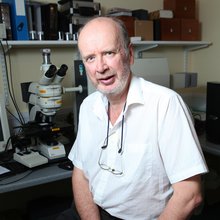 Hugh Barr合作论文数Royal College of Surgeons of Ireland/Gloucestershire Royal Hospital8
 Ross Coomber合作论文数Health Development Agency8
 James Rucker合作论文数Portland State University8
 Marco Novelli合作论文数Department of Histopathology, University College Hospital8Huw Thomas合作论文数7Michael Platt合作论文数7abhinav gupta合作论文数7Peake Simon T C合作论文数7
 Chadwick Georgina合作论文数Gastroenterology SPRs, St Mark's Hospital7
 John Thornhill合作论文数The Oxford Martin School, Oxford National Institute of Health Research Biomedical Research Centre7
 John Frater合作论文数Experimental Medicine Division, Nuffield Department of Medicine, University of Oxford7
 Howard Leighton Smart合作论文数7
 Sarah Fidler合作论文数Department of Genitourinary Medicine and Infectious Disease;Faculty of Medicine;Imperial College London;Faculty of Medicine, Imperial College London7
 Krish Ragunath合作论文数Curtin Medical School, Faculty of Health Sciences, Curtin University7
 Matthew R Banks合作论文数7
 Massimiliano Di Pietro合作论文数Cancer Cell Unit, Hutchison-MRC Research Centre7
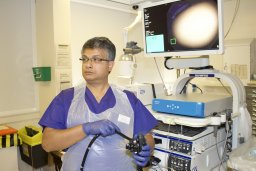 Anjan Dhar合作论文数From the Departments of Hepatology, Radiodiagnosis, Endocrinology and General Surgery Postgraduate Institute of Medical Education and Research Chandigarh India7A K McGrath合作论文数6C H Stoddart合作论文数6Neil Kapoor合作论文数6natalie direkze合作论文数6
 Veitch Andrew合作论文数New Cross Hospital, Royal Wolverhampton Hospitals NHS Trust6
 Ian Penman合作论文数Edinburgh University6
 Zoltan Takats合作论文数Department of Metabolism, Digestion and Reproduction, Faculty of Medicine, Imperial College London6




