Background: Extensive experience with antidepressant clinical trials indicates that interrater reliability (IRR) must be maintained to achieve reliable clinical trial results. Contract research organizations have generally accepted 6 points of rating disparity between study site raters and central "master raters" as concordant, in part because of the personnel turnover and variability within many contract research organizations. We developed and tested an "insourced" model using a small, dedicated team of rater program managers (RPMs), to determine whether 3 points of disparity could successfully be demonstrated as a feasible standard for rating concordance. Methods: Site raters recorded and scored all Montgomery-& Aring;sberg Depression Rating Scale (MADRS) interviews. Audio files were independently reviewed and scored by RPMs within 24 to 48 hours. Concordance was defined as the absolute difference in MADRS total score of 3 points or less. A MADRS total score that differed by 4 or more points triggered a discussion with the site rater and additional training, as needed. Results: In a sample of 236 ratings (58 patients), IRR between site ratings and blinded independent RPM ratings was 94.49% (223/236). The lowest concordance, 87.93%, occurred at visit 2, which was the baseline visit in the clinical trial. Concordance rates at visits 3, 4, 5, and 6 were 93.75%, 96.08%, 97.30%, and 100.00%, respectively. The absolute mean difference in MADRS rating pairs was 1.77 points (95% confidence interval: 1.58-1.95). The intraclass correlation was 0.984 and an eta(2) = 0.992 (F = 124.35, P < 0.0001). Conclusions: Rigorous rater training together with real-time monitoring of site raters by RPMs can achieve a high degree of IRR on the MADRS.
D-Cycloserine (DCS) is a broad-spectrum antibiotic that is currently FDA-approved to treat tuberculosis (TB) disease and urinary tract infection (UTI). Despite numerous reports showing good clinical efficacy, DCS fell out of favor as a UTI treatment because of its propensity to cause side effects. NRX-101, a fixed-dose combination of DCS and lurasidone, has been awarded Qualified Infectious Disease Product and Fast Track Designation by the FDA. In this study, we tested NRX-101 against the urinary tract pathogens Escherichia coli, Pseudomonas aeruginosa, Klebsiella pneumoniae, and Acinetobacter baumannii in cation-adjusted Mueller–Hinton broth (caMHB) and artificial urine media (AUM). Several strains were multidrug resistant. Test compounds were serially diluted in broth/media. Minimum inhibitory concentration (MIC) was defined as the lowest concentration of the test compound at which no bacterial growth was observed. DCS exhibited antibacterial efficacy against all strains tested while lurasidone did not appreciably affect the antibacterial action of DCS in vitro. In AUM, the MICs ranged from 128 to 512 mcg/mL for both DCS and NRX-101. In caMHB, MICs ranged from 8 to 1024 mcg/mL for NRX-101 and 32 to 512 mcg/mL for DCS alone. Our data confirm that DCS has antibacterial activity against reference and drug-resistant urinary pathogens. Furthermore, lurasidone does not interfere with DCS’s antimicrobial action in vitro. These results support the clinical development of NRX-101 as a treatment for complicated urinary tract infections.
Background D-Cycloserine (DCS) is a broad-spectrum antibiotic that is currently FDA-approved to treat tuberculosis (TB) disease and urinary tract infection. Despite numerous reports showing good clinical efficacy, DCS fell out of favor as a UTI treatment because of its propensity to cause side effects. NRX-101, a fixed dose combination of DCS and lurasidone, has been awarded Qualified Infectious Disease Product and Fast Track Designation by the US Food and Drug Administration and is being developed for various CNS indications because of its unique synergistic effect; each component mitigates side effects of the other.Methods In this study, we tested NRX-101 against the urinary tract pathogens E. coli, P. aeruginosa, K. pneumoniae , and A. baumannii in Mueller Hinton broth (caMHB) and artificial urine media (AUM). Several strains were multidrug resistant. Test compounds were serially diluted in broth/media. Minimum inhibitory concentration (MIC) was defined as the lowest concentration of test compound at which no bacterial growth was observed.Results DCS exhibited antibacterial efficacy against all strains tested while lurasidone did not appreciably affect the antibacterial action of DCS in vitro . In AUM, the MICs ranged from 128 to 512 mcg/ml for both DCS and NRX-101. In caMHB, MICs ranged from 8 to 1024 mcg/ml for NRX-101 and 32 to 512 mcg/ml for DCS alone.Conclusions Our data confirm that DCS as antibacterial activity against reference and drug-resistant urinary pathogens. Furthermore, lurasidone does not interfere with DCS’s anti-microbial action in vitro . These results support the clinical development of NRX-101 as a treatment for complicated urinary tract infection.### Competing Interest StatementAll authors have received compensation and hold equity in NRx Pharmaceuticals, Inc. The research presented was performed under contract by Charles River Laboratories, Inc.
Agents that act at the N-methyl-D-aspartate receptor (NMDAR), such as ketamine, have gained increasing attention as rapid-acting antidepressants; however, their use has been limited by potential neurotoxicity. Recent FDA guidance requires a demonstration of safety on histologic parameters prior to the initiation of human studies. D-cycloserine (DCS) is a partial NMDA agonist that, along with lurasidone, is being investigated as a treatment for depression. The current study was designed to investigate the neurologic safety profile of DCS. To this end, female Sprague Dawley rats (n = 106) were randomly divided into 8 study groups. Ketamine was administered via tail vein infusion. DCS and lurasidone were administered via oral gavage in escalating doses to a maximum of 2000 mg/kg DCS. To ascertain toxicity, dose escalation with 3 different doses of D-cycloserine/lurasidone was given in combination with ketamine. MK-801, a known neurotoxic NMDA antagonist, was administered as a positive control. Brain tissue was sectioned and stained with H&E, silver, and Fluoro-Jade B stains. No fatalities were observed in any group. No microscopic abnormalities were found in the brain of animal subjects given ketamine, ketamine followed by DCS/lurasidone, or DCS/lurasidone alone. Neuronal necrosis, as expected, was seen in the MK-801 (positive control) group. We conclude that NRX-101, a fixed-dose combination of DCS/lurasidone, when administered with or without prior infusion of IV ketamine was tolerated and did not induce neurotoxicity, even at supratherapeutic doses of DCS.
Background We tested the hypothesis that, after initial improvement with intravenous ketamine in patients with bipolar disorder (BD) with severe depression and acute suicidal thinking or behavior, a fixed-dose combination of oral D-cycloserine (DCS) and lurasidone (NRX-101) can maintain improvement more effectively than lurasidone alone. Methods This was a multi-center, double-blind, twostage, parallel randomized trial. Adult BD patients with depression and suicidal ideation or behavior were infused with ketamine or saline (Stage 1); those who improved were randomized to a fixed-dose combination of DCS and lurasidone vs. lurasidone alone (Stage 2) to maintain the improvement achieved in Stage 1. Depression was measured by the Montgomery Åsberg Depression Rating Scale (MADRS), and suicidal thinking and behavior was measured by the Columbia Suicide Severity Rating Scale (C-SSRS); global improvement was measured by the clinical global severity scale (CGI-S). Clinicaltrials.gov NCT02974010; Registered: November 22, 2016. Results Thirty-seven patients were screened and 22 were enrolled, randomized, and treated. All 22 patients treated in Stage 1 (17 with ketamine and 5 with saline) were enrolled into Stage 2, and 11 completed the study. The fixed-dose combination of DCS and lurasidone was significantly more effective than lurasidone alone in maintaining improvement in depression (MADRS LMS Δ-7.7; p = 0.03) and reducing suicidal ideation, as measured by C-SSRS (Δ-1.5; p = 0.02) and by CGI-SS (Δ-2.9; p = 0.03), and with a non-statistically significant decrease in depressive relapse (0% vs. 40%; p = 0.07). This sequential treatment regimen did not cause any significant safety events and demonstrated improvements in patient-reported side effects. Conclusions Sequential treatment of a single infusion of ketamine followed by NRX-101 maintenance is a promising therapeutic approach for reducing depression and suicidal ideation in patients with bipolar depression who require hospitalization due to acute suicidal ideation and behavior. On the basis of these findings, Breakthrough Therapy Designation was awarded, and a Special Protocol Agreement was granted by the FDA for a registrational trial.
Competing Interests: MK, CK, IRS, MTS, and JCJ are compensated by NRx Pharmaceuticals, Inc. Lavin Statistical Associates is paid of independent statistical analysis by NRx Pharmaceuticals, Inc.IntroductionClinician-administered rating scales are a universal endpoint required by regulators around the world for ascertainment of primary endpoint in psychiatric clinical trials. Signal detection in multi-site trials requires strong inter-rater reliability on these instruments; poor inter-rater reliability is associated with increased error variance, reduced study power2 and, ultimately, failed trials. Poor inter-rater reliability, or unreliability, in psychometric rating scales has many sources, including a lack of adherence to structured and semi-structured interviews, rater scoring differences, and inconsistent interview duration.3 Williams & Koback correctly state "The importance of reliability of assessments in a clinical trial cannot be overestimated. Without good interrater agreement the chances of detecting a difference in effect between drug and placebo are significantly reduced."4 Commonly used methods for establishing and maintaining strong inter-rater reliability include site-rater training, external evaluation and monitoring of site-raters, and centralized rating.Monitoring of endpoint ascertainment in clinical trials is routinely outsourced to Clinical Research Organizations (CROs) and to central laboratories. While psychometric assessments are often monitored by specialized CROs, this may not always be the best choice for a clinical trial. The unique rigor required to ensure valid and reliable clinical scale ratings means CROs must employ enough expert psychometricians who are familiar both with the rating instruments and the unique aspects of the disease and drug being studied. CRO raters must review site assessments within a day of completion to ensure rater quality and accuracy and provide remediation in a timely manner, if needed. Since personnel turnover at CROs may be as high as 20% per year5, outsourcing the day-to-day management of highly nuanced psychometric ratings becomes impractical when there is turnover and inter-rater variation among the "master raters."The Sponsor Rating Monitoring System (SRMS) was developed as a pre-defined, protocol-specific, data-driven method to optimize psychometric training, data validity and reliability in the context of a clinical trial of a novel antidepressant targeting bipolar depression with suicidality. In this system, the Sponsor employs expert raters with extensive experience in conducting, analyzing, and training others in the rating scales used to ascertain primary and secondary endpoints. In SRMS, these master raters help the clinical operations team select suitable clinical trial sites, document site rater qualifications, oversee rater training and qualification, and confirm that all data management conforms to the Study Protocol and GDP & GCP guidelines. Most importantly, the Sponsor "master raters" review psychometric assessments within 24 to 48 hours and provide corrective feedback, as needed. This approach further allows for referral of an aberrant rating to an adjudicating rater in real time, prior to data unblinding. The centralized SRMS model does not transfer regulatory obligations to an outside CRO or engage multiple data quality systems, which minimizes oversight and subsequent audit responsibilities.We examined the Inter-rater Reliability (IRR), i.e., the concordance between site raters and Sponsor "master raters" on MADRS scores on patients participating in the Phase 2b/3 clinical trial "NRX101 for Suicidal Treatment Resistant Bipolar Depression" (ClinicalTrials.gov Identifier: NCT03395392) to assess the potential efficacy of the SRMS.
Objective: N-methyl-D-aspartate receptor (NMDAR) antagonist antidepressants have known potential for abuse liability. The aim of this study was to evaluate the abuse liability of D-cycloserine (DCS), using a selfadministration paradigm in which DCS was tested for its efficacy in substituting for ketamine in ketaminedependent rats. Methods: A standard intravenous self-administration study was conducted in male adult Sprague-Dawley rats to study abuse liability. Potential for self-administration was assessed in ketamine-habituated subjects. Subjects were trained to press a lever to obtain food, prior to connection of the lever to the intravenous drug administration apparatus. DCS was provided for self-infusion by test subjects at doses of 1.5, 5.0, and 15 mg/kg per lever press. Results: S-ketamine was seen to substitute for ketamine and to result in self-administration at the same frequency. DCS was not seen to result in self-administration at any of the test doses. The self-infusion behavior of DCS was similar to control (saline). Conclusion: D-cycloserine, a partial agonist of the NMDAR glycine site, which has been shown to have antidepressant and anti-suicidal properties in clinical studies, has no apparent potential for abuse liability in a standard rodent self-administration model.
OBJECTIVE N-methyl D-aspartate Receptor (NMDAR) antagonist antidepressants have known potential for abuse liability. The aim of this study was to evaluate the abuse liability of D-cycloserine (DCS), using a self-administration paradigm in which DCS was tested in its efficacy in substituting for ketamine in ketamine-dependent rats. METHODS A standard Intravenous self-administration study was conducted in Male adult Sprague-Dawley rats. model to study compounds’ abuse liability. Potential for self-administration was assessed in ketamine-habituated subjects. Subjects were trained to press a lever to obtain food, prior to connection of the lever to intravenous drug administration apparatus. DCS was provided for self-infusion by test subjects at doses of 1.5, 5.0, and 15mg/kg per lever press. RESULTS S-Ketamine was seen to substitute for ketamine and to result in self-administration at the same frequency. DCS was not seen to result in any self-administration at any of the test doses. The self-infusion behavior of DCS was the same as that of saline. CONCLUSION C-cycloserine, an a mixed agonist/antagonist of the NMDAR glycine site, which has been shown to have antidepressant and anti-suicidal properties in clinical studies has no apparent potential for abuse liability in a standard rodent self-administration model.
BACKGROUND:Aviptadil, a synthetic form of human vasoactive intestinal peptide, has entered clinical trials to treat critical coronavirus disease 2019 pneumonia with respiratory failure. Vasoactive intestinal peptide protects the lung against a broad array of injuries by binding to the vasoactive intestinal peptide receptor 1 receptor of alveolar type II cells, the cells that severe acute respiratory syndrome coronavirus 2 binds to. As the role of Aviptadil in treating pregnant patients with critical coronavirus disease 2019 pneumonia is unknown, the authors report successful treatment in such a patient who is ineligible for phase 3 trials of Aviptadil.CASE SUMMARY:Under an open-label Food and Drug Administration-approved Expanded Access Protocol NCT04453839, a 32-year-old female patient Gravida 6 Para 4 at 27-week gestation, body mass index 42.5 kg/m2, admitted to the ICU of a quaternary care hospital with critical coronavirus disease 2019 was treated in January 2021 and followed for 4 months post-ICU admission. Standard of care included remdesivir, methylprednisolone, enoxaparin, and inhaled epoprostenol. In addition, the patient received three successive 12-hour IV infusions of Aviptadil at 50/100/150 pmol/kg/hr escalating doses, per randomized clinical trial NCT04311697. Human subjects' protection was overseen by the Institutional Review Board of the Houston Methodist Hospital. The patient was enrolled in the treatment and was given informed consent approved by the Food and Drug Administration and the Institutional Review Board. Data on the patient was incorporated based on her consent for de-identified data to be used in research given at the time of hospital admission in a manner approved by the Institutional Review Board (PRO00025607). Baseline inflammatory markers, arterial blood gases, radiologic imaging, oxygen requirements, Pao2/Fio2, continuous fetal monitoring at baseline, throughout the patient's treatment with the investigational drug, and throughout the patient's hospital course.CONCLUSION:The rapid clinical improvement seen in this patient treated with IV vasoactive intestinal peptide is consistent with the theory that vasoactive intestinal peptide protects the alveolar type II cell, ameliorates cytokine storm, and improves oxygenation in acute lung injury. This specific role of vasoactive intestinal peptide in the lung may be vital to combating the lethal effects of severe acute respiratory syndrome coronavirus 2 infection. In addition, the role of vasoactive intestinal peptide in the human maternal-fetal interface suggests that vasoactive intestinal peptide is a safe treatment of severe coronavirus disease 2019 respiratory failure during pregnancy.
OBJECTIVES: Respiratory failure is a lethal complication of COVID-19 that has remained resistant to drug therapy. Vasoactive intestinal peptide (VIP) is shown in nonclinical studies to upregulate surfactant production, inhibit cytokine synthesis, prevent cytopathy, and block replication of the severe acute respiratory syndrome coronavirus 2 virus in pulmonary cells. The study aims to determine whether Aviptadil (synthetic VIP) can improve survival and recovery in patients with COVID-19 respiratory failure compared with placebo and demonstrate biological effects in such patients. DESIGN: A multicenter, placebo-controlled trial. SETTING: Ten U.S. hospitals: six tertiary-care hospitals and four community hospitals. PATIENTS: A total of 196 patients with COVID-19 respiratory failure. INTERVENTIONS: Participants were randomized 2:1 to receive 3 days of IV Aviptadil or placebo. MEASUREMENTS AND MAIN RESULTS: The primary end point (alive and free from respiratory failure at day 60) did not reach statistical significance (odds ratio [OR], 1.6; 95% CI, 0.86–3.11) for patients treated with Aviptadil when controlling for baseline ventilation status as prespecified in the protocol. There was, however, a statistically significant two-fold odds of improved survival (OR, 2.0; 95% CI, 1.1–3.9) at 60 days ( p = 0.035). There was significant improvement in respiratory distress ratio and reduced interleukin 6 cytokine release ( p = 0.02) by day 3. Subgroup analysis identified a statistically significant likelihood of achieving primary end point among those treated with high-flow nasal oxygen at baseline ( p = 0.039). Subjects on mechanical ventilation also experienced a 10-fold increased odds of survival with drug versus placebo ( p = 0.031). CONCLUSIONS: The primary end point did not reach statistical significance, indicating that there was no difference between Aviptadil versus placebo. However, Aviptadil improves the likelihood of survival from respiratory failure at day 60 in critical COVID-19 across all sites of care. Given the absence of drug-related serious adverse events and acceptable safety profile, we believe the benefit versus risk for the use of Aviptadil is favorable for patient treatment.
Importance: There is currently no effective drug for Critical COVID-19 with Respiratory Failure, particularly in highly comorbid patients and mortality is in excess of 30%. Vasoactive Intestinal Peptide (VIP) blocks replication of the SARS-CoV-2 virus, inhibits cytokine synthesis, prevents cytopathy, and upregulates surfactant production in human pulmonary cells. Objective: To determine the safety and efficacy of intravenous aviptadil (synthetic VIP) for improving survival and recovery from respiratory failure in patients with Critical COVID-19 and severe comorbidity who are ineligible for phase 3 trials of aviptadil.Design: Prospective, open-label, administrativelycontrolled trial, measuring objective endpoints only. Patients were treated in June/July 2020 and followed for 60 days or more post ICU admission.Setting: Intensive care unit and step down units of a quaternary care hospital.Participants: 21 consecutively admitted patients with Critical COVID-19, treated with intravenous aviptadil, compared to all patients with comparable comorbidity (n=24),ICU admission sequential organ failure assessment (SOFA) score, Rothman index and WHO ordinal scale from the same ICU, treated by the same clinical team, in the same time-frame who received maximal standard of care (SOC).Intervention: 3 successive 12-hour intravenous infusions of aviptadil at 50/100/150 pmol/kg/hr.Main Outcome Measures: Survival, Recovery from Respiratory Failure, WHO 10 point ordinal scale.Results: Nineteen of 21 patients survived to day 28 in the aviptadil-treated group compared to 4 of 24 control patients (90% vs 17%;P<.0001). Kaplan-Meier analysis demonstrates a 9-fold advantage in probability of survival (Hazard Ratio 0.113;95% CL 0.037, 0.343). A similar 9-fold advantage was seen in cumulative probability of Recovery from Respiratory Failure (Hazard ratio: 0.115;95% CL: 0.0254, 0.5219). A mean 6.1 point difference in the 10 point WHO Ordinal Scale for COVID-19 was seen between aviptadil-treated patients, who exhibited a 2.6 point mean improvement from time of ICU admission vs. those treated with SOC who exhibited a mean 3.5 point mean decrement (Wilcoxon rank sum: P<.001). Improved radiographic appearance was seen in both lungs of 17 patients and in one lung of 2 treated patients. Four of 5 aviptadil-treated patients initially on Extracorporeal Membrane Oxygenation (ECMO) have been decannulated, compared to 3 of 13 ECMO-treated controls (80% vs. 23%;P=.045). A 75% (95% CI±3%: P<.001) reduction in IL-6 was seen.Comment: A dramatic multi-dimensional treatment effect was observed, consistent with FDA and ICH-10 guidance for acceptance of externally-controlled, open-label trials in high-lethality conditions. .
Introduction RLF-100 (Aviptadil), a synthetic form of human Vasoactive Intestinal Peptide (VIP), is in clinical trials for treatment of critical COVID-19 pneumonia with respiratory failure. VIP was shown to protect the lung against a broad array of injuries by binding to the VPAC1 receptor of alveolar type II (ATII) cells, the cells that SARS-CoV-2 binds to. The role of RLF-100 in treating lung transplant patients with COVID-19 pneumonia is unknown. Case Report A 54 year old man with double lung transplant presented with headache, fever and productive cough. COVID-19 infection was confirmed by positive RT-PCR of nasopharyngeal swab. The patient required only supportive care for three days and was discharged home. Two weeks later he presented with worsening dyspnea, fever and severe hypoxemia requiring high flow O2 and ICU admission. Chest CT showed diffuse bilateral consolidations. He had markedly elevated inflammatory markers. He was treated with dexamethasone and tocilizumab without improvement. He was not a candidate for Remdesivir due to chronic kidney disease. Convalescent plasma was not available. Pro-BNP level was normal; echocardiogram showed preserved biventricular function. He received Aviptadil, a total of three doses, per an open label access under an emergency use approved by US FDA. Rapid improvement in oxygenation and radiologic findings were noticed. No adverse effects were recorded. The patient was transferred out of the ICU 24 hours following the third dose and discharged home on room air 15 days later. Summary We report a case of lung transplant recipient with critical COVID-19 pneumonia treated with RLF-100 chieving rapid clinical and radiologic improvement. This is consistent with that VIP protects ATII cells, ameliorating the inflammation and improving oxygenation in critical COVID-19 pneumonia. A randomized prospective trial is underway to evaluate the efficacy of RLF-100 in reducing mortality and improving oxygenation in patients with critical COVID-19 pneumonia.
Background: Respiratory failure is a lethal complication of COVID-19 that has remained resistant to drug therapy. Vasoactive Intestinal Peptide (VIP) has been granted Emergency Use Authorization and or Compassionate Care Authorization in multiple countries and is shown to upregulate surfactant production, inhibit cytokine synthesis, prevent cytopathy, and blocks replication of the SARS-CoV-2 virus in pulmonary cells. The aim of this study is to determine whether aviptadil (synthetic VIP) can improve survival and recovery in patients with COVID-19 respiratory failure compared to placebo.Methods: A multicenter, placebo-controlled trial in 196 patients with COVID-19 respiratory failure randomized 2:1 to receive 3 days of intravenous aviptadil (synthetic VIP) or placebo. The primary endpoint was "alive and free from respiratory failure at day 60." We additionally studied the mechanistic effect of aviptadil on blocking cytokine production and its linkage to survival and recovery from respiratory failure. Analysis was by modified intent to treat using a prespecified regression model. Findings: When controlling for baseline severity and site of care, patients treated with aviptadil were significantly more likely to be alive and free from respiratory failure at 60 days, compared to those treated with placebo (P=.02) and demonstrated significance on numerous other clinical endpoints. Without controlling for site of care, a two-fold increased odds of survival was seen at 60 days (95% CI 1.0 – 3.9; P=.035). Biomarker analysis demonstrates that aviptadil significantly decreased the probability of an IL-6 increase relative to placebo (50% vs. 71%; p=.04) and that preventing this cytokine rise was highly correlated with survival and recovery (P<.0001) regardless of baseline severity or treatment site.Interpretation: Treatment with aviptadil improves the likelihood of recovery from respiratory failure and survival at 60 days post treatment in critically ill patients with respiratory failure caused by COVID-19. This efficacy is supported by biomarker evidence that aviptadil prevents the rise in cytokines that are widely believed to predispose to morbidity and mortality in COVID-19.
Background: There is currently no effective drug to treat critically-ill patients with COVID-19 Respiratory Failure. Vasoactive Intestinal Peptide (VIP) blocks intracellular replication of the SARS-CoV-2 virus, inhibits cytokine synthesis, prevents cytopathy, and upregulates surfactant production in human alveolar type II cells, which are the site of SARS-CoV-2 infection in the lung. Purpose: To determine the safety and efficacy of intravenous ZYESAMI™ (Aviptadil; synthetic Vasoactive Intestinal Peptide) for improving recovery from respiratory failure in patients with Respiratory Failure in Critical COVID-19. Methods: Randomized prospective double-blind placebo-controlled trial with 28 day and 60 day endpoints. Setting: Ten US-based acute care hospitals, which included 4 tertiary care teaching hospitals and 6 regional hospitals. Participants: 196 patients with PCR+ Critical COVID-19 treated with High Flow Nasal Cannula (HFNC: n=127) Non-Invasive Ventilation (NIV: n=32) or Mechanical Ventilation (MV: n=36). Intervention: Participants were randomly allocated to intravenous aviptadil (synthetic VIP) or placebo at a 2:1 ratio, in addition to maximal standard of care (SOC). Participants received 3 successive 12-hour intravenous infusions of Aviptadil at 50/100/150 pmol/kg/hr or normal saline placebo, each day for 3 consecutive days. The main outcome measure was cumulative probability of time to recovery from respiratory failure without relapse and with survival through day 28 and through day 60. Secondary endpoints included time to ICU discharge, time to hospital discharge, NIAID ordinal scale, and survival lifetable. Analysis was by intent to treat. Results: Overall, 91 of 131 Aviptadil-treated participants survived to day 28 compared to 47 of 65 placebo-treated patients (70.6% vs 71.7%; P=NS). Among those treated with HFNC (n=127), the main outcome measure demonstrated a trend in favor of the drug treated group (Hazard Ratio 1.53; P=.08). Participants treated in tertiary care hospitals demonstrated a greater effect (HR 1.84; P=.058). A 10 day median difference in hospital length of stay was seen in all HFNC patients (P=.006) and a thirteen day difference was seen in those treated in tertiary care centers (P=.004), with both differences favoring treatment with aviptadil. No drug-related serious adverse events were seen in either group. The only adverse event reported more frequently in drug- vs. placebo-treated participants was mild to moderate diarrhea (30% vs 1.5% P<.001), which was expected. At 28 days, a smaller percentage of Aviptadil-treated vs. placebo-treated participants remained hospitalized for respiratory failure (37% vs 51%). The study was insufficiently powered to detect differences in outcome among patients treated with non-invasive and mechanical ventilation and no differences were detected. Comment: At 28 days, Aviptadil patients treated with HFNC were 35% - 46% more likely to recover, return home, and survive to 28 days compared to placebo-treated patients, with a trend level of significance. Aviptadil patients additionally demonstrated a highly statistically significant and clinically dramatic ten day reduction in hospitalization time. Should similar findings be observed at 60 days, Emergency Use Authorization will be sought.
Purpose: To assess the clinical safety and possible effectiveness of Vasoactive Intestinal Peptide in the treatment of Acute Respiratory Distress Syndrome (ARDS) related to sepsis. Methods: Under FDA Investigational New Drug clearance, 8 patients with ARDS related to sepsis were treated with 50 pmole/kg/hr – 100 pmole/kg/hr of Vasoactive Intestinal Peptide by intravenous infusion for 12 hours. All patients were on mechanical ventilation and full telemetery. Results: No drug-related serious adverse events were seen. Hypotension was seen in association with two infusions and diarrhea in association with one, but did not necessitate cessation of therapy. Bigeminy was seen in association with one infusion without sequelae. Seven of eight patients demonstrated a successful course during intensive care and were successfully removed from mechanical ventilation and discharged from intensive care. The eighth patient succumbed to purulent secretions in the lungs. Of those who were discharged from the ICU, six demonstrated successful 30 day survival. The seventh died from a cerebral infract at day 30, deemed unrelated to treatment with VIP. Serum levels of Tumor Necrosis Factor α were obtained in 6 patients at baseline and 24 hours and were seen to decrease with treatment in five patients. Conclusions: Initial clinical results of treatment with VIP in patients with ARDS demonstrated a safety profile consistent with previous studies in normal volunteers. The successful clinical course seen in 7 of 8 patients in the setting of an expected 50% survival may suggest that VIP shows promise in the treatment of other infectious conditions that damage the pulmonary epithelium, particularly COVID-19.
Background: Vasoactive Intestinal Peptide (VIP) is known to bind to and protect Alveolar Type II cells by blocking replication of the SARS-CoV-2 virus, inhibiting cytokine synthesis, preventing cytopathy, and upregulating surfactant production. RLF-100™ (aviptadil), a synthetic form of VIP has been granted Fast Track Designation for treating Critical COVID-19 with Respiratory Failure and is currently in phase 2/3 placebo-controlled trials. Methods: Case series of 21 consecutive patients with Acute Respiratory Failure in Critical COVID-19 and multiple co-morbidities, treated with intravenous VIP. Sixteen patients were treated with mechanical ventilation and five with extracorporeal membrane oxygenation (ECMO). Results: Twenty of 21 patients demonstrated improvement inblood oxygenation. The improvement in patients on ECOM was similar to that seen in patients treated with conventional mechanical ventilation. Available data from blood gases showed stark increases in PaO2:FiO2 ratio after the 2nd dose (Median increase = 92.5, IQR = 74) and at 24 hours after the 3rd dose (Median increase over baseline 84.5, IQR = 110). No patient showed deterioration of oxygenation below baseline during subsequent measurements. A mean 292% increase in PaO2:FiO2 ratio was seen with full or partial resolution of the “ground glass” parenchymal changes associated with COVID-19 pneumonitis in 19 patients.A laboratory panel of inflammatory markers, including LDH, troponin, C-reactive protein, ferritin, D-Dimer, and interleukin-6 was obtained prior to and post treatment with aviptadil. In all patients, improvement can be seen on each of the inflammatory markers. The largest average percent decrease was seen in C-reactive protein (76% ±3%) and interleukin-6 (75% ±3%). No patient demonstrated an increase in any of the inflammatory markers.Clinically and statistically significant improvement was seen on the WHO Ordinal Scale, where zero represents discharge to home with no need for further therapy and 10 represents death can be seen in both ventilated and ECMOtreated patients. The median improvement was 4 points (mean 2.5 points;p<0.001).Comment: The short-term outcomes in these 21 patients represent a dramatic response in patients who are excluded from all other trials of COVID therapeutics. Improvement in radiographic appearance, oxygenation requirement, and inflammatory markers is consistent with in vitro evidence of direct anti-viral effect. .
Vasoactive Intestinal Peptide has demonstrated an immediate clinical response in patients with COVID-19 respiratory failure. A response of this magnitude is akin to the first reports of penicillin in treating pneumococcal pneumonia. Similar results have been demonstrated in acute respiratory distress syndrome caused by sepsis. Aviptadil, a synthetic form of human Vasoactive Intestinal Peptide (VIP) has been granted FDA Fast Track Designation and emergency IND authorization for the treatment of Critical COVID-19 with respiratory failure and is now in phase 2/3 clinical trials, with initial determinations of safety and non-futility. VIP binds uniquely to VPAC1 receptors on Alveolar Type II cells in the lung, the same cells that bind the SARS-CoV-2 virus via their ACE2 receptors. VIP protects those cells and the surrounding pulmonary epithelium by inhibiting replication of the SARS-CoV-2 virus, blocking cytokine synthesis, preventing apoptosis, and upregulating the production of surfactant, which is critical to pulmonary oxygenation. Because of its lack of toxicity and low cost of manufacture compared to proprietary biologics, VIP may be uniquely attractive to those focused on global countermeasures against COVID-19 and future threats.
1. Houston Methodist JC Walter Jr Transplant Center, Houston Methodist Research Institute, Houston Methodist Hospital, Houston, Texas, USA 2. Institute of Academic Medicine, Department of Medicine, Weill Cornell Medicine 3. Posthumous. At the time of this research, author SS was Professor of Medicine at State University of New York Health Sciences Center, Stony Brook, NY. 4. University of Houston, College of Natural Sciences and Mathematics 5. NYU Langone Medical Center, Brooklyn, NY 6. NeuroRx, Inc., Wilmington, DE 7. Johns Hopkins University School of Medicine, Baltimore, MD
Vasoactive Intestinal Peptide has demonstrated an immediate clinical response in some patients with COVID-19 respiratory failure. A response of this magnitude has previously not been seen with an antiviral agent and is akin to the first reports of penicillin in treating pneumococcal pneumonia. Similar results have been demonstrated in acute respiratory distress syndrome caused by sepsis. Aviptadil, a synthetic form of human Vasoactive Intestinal Peptide (VIP) has been granted FDA Fast Track Designation and emergency IND authorization for the treatment of Critical COVID-19 with respiratory failure and is now in phase 2/3 clinical trials, with initial determinations of safety and non-futility. VIP binds uniquely to VPAC1 receptors on Alveolar Type II cells in the lung, the same cells that bind the SARS-CoV-2 virus via their ACE2 receptors. VIP protects those cells and the surrounding pulmonary epithelium by inhibiting replication of the SARS-CoV-2 virus, blocking cytokine synthesis, preventing apoptosis, and upregulating the production of surfactant, which is critical to pulmonary oxygenation. Because of its lack of toxicity and low cost of manufacture compared to proprietary biologics, VIP may be uniquely attractive to those focused on global countermeasures against COVID-19 and future threats.
 James M. Tielsch合作论文数Department of Global Health, Milken Institute School of Public Health, George Washington University;Center for Global Health Science and Policy, George Washington University46
 Alfred Sommer合作论文数Department of Epidemiology, Bloomberg School of Public Health, Johns Hopkins University;Department of International Health, Bloomberg School of Public Health, Johns Hopkins University;School of Medicine, Johns Hopkins University;Center for Global Health, Johns Hopkins University30
 Earl Steinberg合作论文数25
 Oliver Schein合作论文数Epidemiology, Bloomberg School of Public Health, Johns Hopkins University23
 Joanne Katz合作论文数Department of International Health, Bloomberg School of Public Health, Johns Hopkins University;Division of Global Disease Epidemiology and Control, Bloomberg School of Public Health, Johns Hopkins University;Center for Human Nutrition, Bloomberg School of Public Health, Johns Hopkins University18
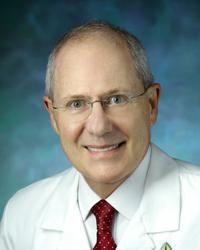 Harry A. Quigley合作论文数Glaucoma Division, Wilmer Eye Institute, School of Medicine, Johns Hopkins University17Yp Chiang合作论文数16Jk Canner合作论文数15
 Eric B. Bass合作论文数School of Medicine, Johns Hopkins University;Evidence-based Practice Center, Johns Hopkins University15Da Street合作论文数12Mw Legro合作论文数12J.G. Youssef合作论文数9
 Lloyd Paul Aiello合作论文数Harvard Medical School, Harvard University9F. Zahiruddin合作论文数8Sandra D. Cassard合作论文数8Mukhtar Al-Saadi合作论文数8F. Wang合作论文数7
 Gergana Zlateva合作论文数7
 Philip T. Lavin合作论文数Averion, Inc.7Michael T. Sapko合作论文数6Rajiv Luthra合作论文数6MM KOLB合作论文数6P Sharkey合作论文数6
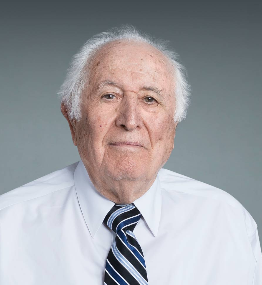 Norman B. Javitt合作论文数Department of Medicine, Grossman School of Medicine, New York University;Department of Pediatrics, Grossman School of Medicine, New York University6A. Marshall Mcbean合作论文数6Donald Steinwachs合作论文数6D A Street合作论文数5
 Sarah Beshay合作论文数Pulm & Crit Care Med, Houston Methodist Hosp5M Dienerwest合作论文数5
 John D Gottsch合作论文数Department of Otolaryngology-Head and Neck Surgery, School of Medicine, Johns Hopkins University5
 Henry D Jampel合作论文数Wilmer Eye Institute, The Johns Hopkins Hospital;Wilmer Ophthalmological Institute, School of Medicine, Johns Hopkins University5Maureen G. Maguire合作论文数5
 Christopher Neal Graham合作论文数5A M Damiano合作论文数4R. C. Eastman合作论文数4Karla J. Johns合作论文数4Thomas A. Weingeist合作论文数4M H Brenner合作论文数4M Bergner合作论文数4
 Jihad Youssef合作论文数4
 Andreas Pleil合作论文数4
 Glenn Jay Jaffe合作论文数Division of Retinal Ophthalmology, Department of Ophthalmology, Duke University School of Medicine4
 Anne L. Coleman合作论文数Fielding School of Public Health, University of California, Los Angeles4
 Roger F Steinert合作论文数Department of Biomedical Engineering, University of California, Irvine;School of Medicine, University of California, Irvine;Department of Ophthalmology, University of California, Irvine4H Krakauer合作论文数4
 Ronald Klein合作论文数McPherson Eye Research Institute, University of Wisconsin-Madison;Department of Ophthalmology & Visual Sciences, School of Medicine and Public Health, University of Wisconsin-Madison4
 Theodore Krupin合作论文数Department of Ophthalmology, Feinberg School of Medicine, Northwestern University4
 Richard A. Lewis合作论文数Cedars-Sinai Medical Center4Robert L. Stamper合作论文数4




