Abstract Introduction: Body image distress (BID) is a psychological stressor for young adult cancer survivors (YACS), but its trajectory over time remains underexplored due to limited longitudinal data among this population. We examined how BID trajectories evolve as YACS progress throughout survivorship and assessed differences by Hispanic/Latino (H/L) ethnicity. Methods: YACS aged 18-39 years were recruited within 3 months of a de novo cancer diagnosis from two comprehensive cancer centers and a safety-net hospital, across all cancer stages. The 9-item Body Image Scale (BIS) assesses cancer-specific BID on a 5-point Likert scale, ranging from “not at all” to “very much”. The BIS was administered at three time points (baseline, 3 months, and 12 months); mean scores ≥ 10 were considered clinically meaningful. Latent Growth Curve Modeling (LGCM) was used to model and estimate longitudinal BID trajectories, with an unconditional model (model 1) for the overall trajectory and a conditional model (model 2) for ethnicity that included covariates of gender, socioeconomic status (SES), age at diagnosis, and education. Model fit indices evaluated the models. Results: Among the sample of 119 YACS, 56.3% were of H/L origin, 67.2% female, 44.5% were of low SES (<$40k), and 47.9% were college graduates or higher; participants had a mean age at diagnosis of 32.0 (SD: 5.45). BID trajectories were slightly above the clinical threshold at all timepoints (baseline = 10.7; 3-month = 10.9; 12-month = 10.6; p > .10), suggesting that BID did not improve over time. Model 1 fit well (CFI = 1.00), the slope was non-significant (p = .89), and the intercept showed significant variability (p < .001), indicating individual differences in BID severity. Model 2 also fit well (CFI = 1.00); gender predicted higher BID, as females had significantly greater BID across all time points (p < .001). By ethnicity, non-H/L YACS showed a gradual rise in BID over time, while H/L YACS had a slight decrease in BID over time, suggesting a protective trend; however, this trend was not significant (p = .87). No relationship was found between SES, education, and age at diagnosis. Conclusion: Among YACS in this cohort, clinically significant BID persisted throughout the first year of survivorship and did not improve over time. Findings reveal a need for longitudinal monitoring of BID and the need for gender-specific interventions to mitigate BID throughout survivorship. Though non-significant, divergent directional trends by ethnicity suggest possible culturally informed protective factors that warrant further evaluation in larger samples. Citation Format: Mariah Bianca Echeverria, Dayanara Ruiz, Julia Stla, Maureen Cairns, Priscilla Marin, Jonathan Kaslander, Kimberly A. Miller. Trajectories of body image distress among diverse young adult cancer survivors [abstract]. In: Proceedings of the American Association for Cancer Research Annual Meeting 2026; Part 1 (Regular Abstracts); 2026 Apr 17-22; San Diego, CA. Philadelphia (PA): AACR; Cancer Res 2026;86(7 Suppl):Abstract nr 872.
Abstract Background: Adolescent and young adult cancer survivors (AYAs; diagnosed between ages 15-39) report worries regarding the health of their children, particularly regarding their chance of developing cancer. This study describes the frequency of reproductive health concerns among ethnically diverse survivors of AYA cancer and examines how genetic counseling impacts these concerns. Methods: AYAs between 18-39 years at diagnosis were recruited from two NCI-designated comprehensive cancer centers and a safety-net hospital. Concerns regarding the health of future children were evaluated using the three-item Child's Health Subscale (CHS), a subset of the Reproductive Concerns after Cancer Scale. Receipt of genetic counseling was self-reported. Descriptive statistics and mean overall score comparisons were examined, stratified by ethnicity and receipt of counseling. Results: The sample included 58 AYAs (48% Hispanic, 79% female) diagnosed at a mean age of 36 years (SD=5). The most common cancer types were breast (22%) and brain/spinal cord (19%). Additional cancer types included in our sample were cervical, uterine, ovarian, Hodgkin lymphoma, non-Hodgkin lymphoma, colorectal, melanoma, sarcoma, and ovarian. Overall, 56% (n=32) of AYAs reported they did not receive any form of counseling. AYAs had a mean CHS score of 2.11 (SD=0.8; range 1-3, where higher scores reflect greater concern), indicating moderate concern about their future child’s health. Mean CHS scores did not differ significantly for those who had received counseling versus those who had not (2.3 [SD=.7] vs 2.1 [SD=.9], p=.2, respectively). No significant differences were found between mean overall CHS scores and ethnicity. Conclusion: In this study, AYAs expressed moderate concerns about their future child’s health regardless of whether they received genetic counseling, suggesting that current counseling practices may not fully address the factors driving these concerns. Moreover, high concern levels among AYAs who did not receive counseling (presumably those not identified as having an indication for it) highlight potential gaps in how risk information and reassurance are conveyed within survivorship care. These findings indicate the need to strengthen reproductive health and genetic risk discussions across the survivorship continuum, ensuring both indicated and non-indicated survivors receive appropriate guidance, reassurance, and support. Citation Format: Dayanara Ruiz, Kimberly A. Miller, Jonathan Kaslander, Julia Stal, Mariah Bianca Echeverria, Charité N. Ricker, Andrea C. Betts, David Freyer, Michael Roth, Jessica L. Corredor. Parental concerns about hereditary risk in adolescent and young adult cancer survivors [abstract]. In: Proceedings of the American Association for Cancer Research Annual Meeting 2026; Part 1 (Regular Abstracts); 2026 Apr 17-22; San Diego, CA. Philadelphia (PA): AACR; Cancer Res 2026;86(7 Suppl):Abstract nr 883.
Approximately 85,000 adolescent and young adults (AYAs; age 15-39) are diagnosed with cancer in the United States annually. Experiencing a cancer diagnosis as an AYA can substantially impact social connections and social health. This paper describes the design and protocol of an observational study to prospectively assess social health and its association with physical activity and quality of life among AYAs after a cancer diagnosis. The study uses a longitudinal observational design to prospectively explore the relationships between social health and activity behaviors (physical activity and sedentary time) at four clinically significant timepoints over the course of 12 months among AYAs newly diagnosed with cancer. Patients are recruited at three hospitals and surveyed at each time period. Multiple dimensions of social health are assessed including social support, social roles, loneliness, social anxiety, and social networks. A wrist accelerometer is worn for one week at each assessment period. Change in social network structures will be analyzed using egocentric social network analysis. Structural equation models will be fitted to analyze the relationship between social constructs and physical activity. Findings from this study will address gaps in our understanding of the impact of a cancer diagnosis on multiple dimensions of social health for AYAs and the potential role social factors play in physical activity and quality of life. Understanding these processes will inform age-tailored interventions to improve health and quality of life outcomes for this at-risk population.
To examine the prevalence of female sexual dysfunction (FSD), male erectile dysfunction (ED), and the prevalence and correlates of sexual health discussions between early-onset CRC survivors and their health care providers. An online, cross-sectional survey was administered in partnership with a national CRC advocacy organization. Respondents (n = 234; diagnosed < 50 years, 6–36 months from diagnosis/relapse) were colon (36.8
88 Background: From 1995-2016, rates of colorectal cancer (CRC) have increased among young adults (YA) under 50 years by 2% annually, despite overall rates of CRC among adults over age 65 decreasing. Unfortunately, this population is disproportionately affected by diagnosis at later stage of disease due to systematic and healthcare factors. Such late diagnoses are associated with higher symptom burden among survivors; however, symptom burden among YA early-onset CRC (EOCRC) survivors is poorly understood. The present study aims to characterize symptom burden among YA EOCRC survivors. Methods: A cross sectional survey was administered online in collaboration with a national organization for YA CRC survivors. Respondents (18-49 years) were EOCRC survivors who were 6-36 months from diagnosis/relapse. Survivors endorsed symptoms they experienced among 23 common CRC late effects. Responses were stratified by symptom duration (6-18 versus 19-36 months) to examine differences in endorsement rates among respondents. Results: Respondents (n=235) were colon (n=86) and rectal (n=149) cancer survivors, primarily male 63%, diagnosed at 32.4 years (SD=6.65), with an average of 5.1 (SD=2.57) symptoms. Overall, the most highly reported symptoms were fatigue, perceived change in appearance after treatment, and nail color changes. Comparisons of 6-18 and 19-36 months-from-diagnosis groups revealed similar symptom endorsement rates, with those 19-36 months from diagnosis endorsing constipation/diarrhea, anal bleeding, and incisional discomfort at higher rates than those 6-18 months from diagnosis. The 6-18 and 19-36 months-from-diagnosis groups carried similar symptom burdens of 4.9 (SD=2.57) and 5.1 (SD=2.58), respectively. Conclusions: YA EOCRC survivors endorse numerous symptoms that may interfere with their daily living and quality of life. Similarities in endorsement between 6-18 month and 19-36-month groups suggest symptoms may become chronic and persist beyond cancer treatment. Fortunately, many symptoms can be mitigated or prevented with proper medical and/or psychosocial intervention, patient education, and resource availability. Providers can leverage these findings in their evaluation of YA EOCRC patients during treatment and follow-up care to ensure the delivery of optimal symptom management. [Table: see text]
The severe acute respiratory syndrome coronavirus 2 (SARS-CoV-2) pandemic has disrupted health care globally with dramatic impacts on cancer care delivery in addition to adverse economic and psychological effects. This study examined impacts of the SARS-CoV-2 pandemic on young adult colorectal cancer (CRC) survivors diagnosed age 18-39 years. Nearly 40% reported delays in cancer-related care, loss of income, and poorer mental health during the pandemic. Impacts were greater for survivors aged 20-29 years, with nearly 60% reporting cancer care delays and 53% experiencing income loss. Such impacts may result in detrimental downstream outcomes for young CRC survivors, requiring specific support, resources, and continued monitoring.
The incidence of colorectal cancer (CRC) is rising among young adults. Health-related quality of life (HRQoL) in survivorship is not well-described in this population. We assessed HRQoL among young adult CRC survivors diagnosed from age 18–39 (AYAs) to examine differences by time from diagnosis, and to identify key correlates. A cross-sectional online survey was administered in collaboration with a national patient advocacy organization. The Functional Assessment of Cancer Therapy (FACT-C) was used to measure HRQoL, which assesses HRQoL globally and across 4 domains: emotional, physical, social, and functional. T-tests were conducted to compare HRQoL between survivors who were 6–18 months versus 19–36 months from diagnosis or relapse and multiple linear regression was conducted to identify correlates. The sample (n = 196) had a mean age of 32.2(SD ± 4.5); 116 (59.9%) were male; and the self-reported tumor location was colon (39.3%) or rectal (60.7%). The majority (56.4%) were diagnosed with stage 2 disease; 96.9% were non-metastatic. The mean global HRQoL score was 67.7 out of a possible score of 136. Across domains, mean scores were low. Emotional and physical well-being were significantly higher among survivors who were 19–36 months from diagnosis/relapse compared to those 6–18 months from diagnosis/relapse. Longer time from diagnosis and older current age were associated with higher HRQoL, while more intensive treatment and higher clinical disease stage were negatively associated, particularly in the emotional and physical domains. Overall, HRQoL was low in this population, and further research is needed to inform age-appropriate interventions to improve HRQoL for AYA CRC survivors.
 Julia Stal合作论文数12223Keck School of Medicine, USC6
 Kimberly Miller合作论文数Department of Population and Public Health Sciences, Keck School of Medicine, University of Southern California;Center for Young Adult Cancer Survivorship Research, University of Southern California6
 David R. Freyer合作论文数Keck School of Medicine, University of Southern California5
 Priscilla Marin合作论文数4Phuong Gallagher合作论文数4
 Heinz-Josef Lenz合作论文数Norris Comprehensive Cancer Center, University of Southern California4
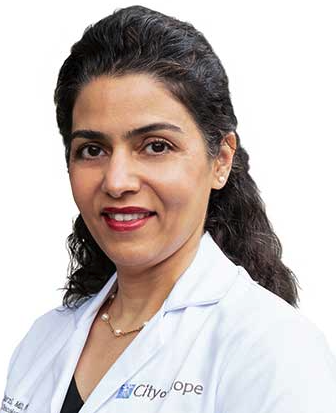 Afsaneh Barzi合作论文数City of Hope Comprehensive Cancer Center4Cohen-Cutler Sally合作论文数3
 Joel Milam合作论文数Department of Preventive Medicine, University of Southern California2Serena Yi合作论文数1Dalia Kagramanov合作论文数1
 Sarah Piombo合作论文数1Zhen Weng合作论文数1
 Gino In合作论文数Norris Comprehens Canc Ctr, Div Oncol, Los Angeles, CA USA1
 Carol Ochoa-Dominguez合作论文数Keck School of Medicine, University of Southern California1
 Martina Anto-Ocrah合作论文数Department of Medicine, University of Pittsburgh1
 Britni Belcher合作论文数Keck School of Medicine, University of Southern California1
 Kayla de la Haye合作论文数1
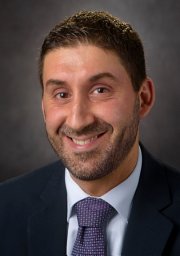 Roth Michael合作论文数1
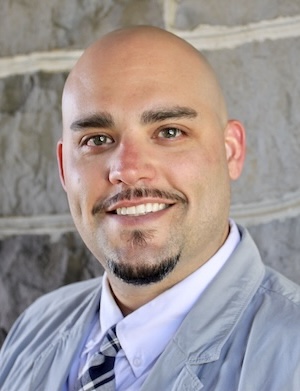 Matthew (Mateo) P. Banegas合作论文数Department of Radiation Medicine & Applied Sciences, School of Medicine, University of California, San Diego1
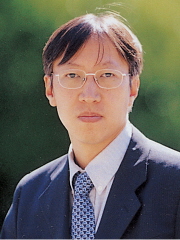 Junhan Cho合作论文数School of Polymer Science and Engineering, College of Engineering, Dankook University1




