Background: The bile microbiome has been shown to be associated with the development of pancreatic ductal adenocarcinoma (PDAC). However, the utility of bile fluid as a potential source of microbial biomarkers remains unknown. We aimed to characterize the bile microbial composition in PDAC compared to benign and malignant pancreatico–biliary disease, as well as correlate our findings with the pancreatic intratumoral and neighboring adjacent tissue (NAT) microbiome. Methods: Prospective matched pancreatic tumor, NAT, and bile samples were obtained from 54 patients who underwent surgery for a head of pancreas mass at Royal Surrey NHS Hospital Trust. Full-length 16S rRNA (V1-V9) gene sequencing was performed on the Oxford Nanopore MinION™ platform. The cohort consisted of 30 PDAC, 14 biliary tract cancers, and 10 benign cases. Results: We identified biliary microbial biomarkers Streptococcus (false discovery rate [FDR] = 0.0047) , Klebsiella (FDR = 0.0095) , Enterobacter (FDR = 9.68 × 10 −7 ), and Veillonella (FDR = 0.0140) that were found both in the bile and tumor in patients having surgery for PDAC. These bacterial genera were significantly more abundant in PDAC tumors compared to matched NAT and benign disease. We detected a negligible number of microbial reads in the NAT samples. Our microbial signature was highly predictive of PDAC within tissue (AUC = 0.9233) and bile (AUC = 0.8101). Positive bile cultures in the PDAC cohort increased the risk of deep-seated surgical site infections (SSIs), delayed gastric emptying, and post-operative pancreatic fistula. Biliary stenting did not affect microbial composition, and the abundance of specific genera significantly correlated with overall survival and disease-free survival in PDAC. Conclusion: We have shown that the normal pancreas is a relatively sterile organ, whilst the PDAC tumor and bile are colonized with specific genera. In fact, 71% of the tumor microbiome is shared with the bile microbiome in PDAC, suggesting that bile may serve as a potential future diagnostic and prognostic microbial biomarker as well as a surrogate readout of the tumor microbiome. The function of these microbes during pancreatic tumorigenesis remains to be determined. Furthermore, intra-operative biliary culture may serve as a low-cost predictor of post-operative outcomes.
The genomic landscape of ovarian high grade serous carcinoma (HGSC) is typified by extensive genomic instability and heterogeneity, near-ubiquitous TP53 mutations, copy number aberrations, and defects in homologous recombination (HR) repair in approximately 50% of patients. Due to different mechanisms underlying therapy resistance and a lack of predictive biomarkers, matching best treatment modalities to patients with HGSC is challenging. Assessing genomic instability scores to indicate HR-deficiency (HRD) status is used clinically to guide optimal maintenance regimens including PARP-inhibitor treatment. Recently, we demonstrated the degree of phenotypic and genomic heterogeneity in advanced, high tumor burden HGSC patients. Here, we aim to show that the spatial inter-tumoral heterogeneity in HGSC expands to variability in whole genome duplication (WGD) states and timing, and in HRD-score derivation. Systematic mapping of tumor dissemination patterns was performed in chemotherapy-naïve advanced HGSC patients (n=22) following maximal-effort cytoreduction. Multi-site biopsies from 4-15 different anatomical sites were collected, and paired relapse samples were collected where possible (n=10). Germline and Tumor DNA was extracted (5 tumors per case, plus all relapse samples) and underwent whole genome sequencing (WGS, ∼30x depth). We observed spatial and temporal genomic heterogeneity for common HGSC features including mutations, gene amplifications (e.g. CCNE1 and MYC), and copy number and mutational signatures. Somatic, pathogenic loss-of-function TP53 mutations were observed in all tumors in the cohort. We observed discordance in HRDsum classification measures, with 4/22 patients presenting with mixed-HRD scores, i.e. both HRD-positive and HRD-negative scores in their tumors. In each case, the HRDsum scores had a mean value close to the threshold of 42 (range 35.8-45.8). HRD-negative or mixed-HRD status patients had poorer progression free (p=0.0026) and overall survival (p=0.0015) than HRD-positive patients. Cases with mixed states for WGD (no WGD, one WGD or second sub-clonal WGD) were observed in 41% of the cohort with variable timings (early vs late) within disseminated tumors across the cohort, in patients with HRD-negative and mixed HRD-status. The significant inter-tumoral genomic diversity observed in our analysis in measures of HRD and WGD status across the various tumor sites in our cohort of advanced HGSC patients highlights the challenges facing clinicians to derive accurate clinically actionable or prognostic information from a single tumor biopsy alone to direct patient treatment. Paula Cunnea, Nikki Burdett, Marc Lorentzen, Ahwan Pandey, James Clark, Katherine Nixon, Jennifer Ploski, Shirya Varghese, David Bowtell, Jonathan Krell, Elizabeth Christie2, Christina Fotopoulou. Evaluating spatial inter-tumor heterogeneity in whole genome duplication states and homologous recombination deficiency status in advanced ovarian high grade serous carcinoma [abstract]. In: Proceedings of the AACR Special Conference in Cancer Research: Advances in Ovarian Cancer Research; 2025 Sep 19-21; Denver, CO. Philadelphia (PA): AACR; Cancer Res 2025;85(18_Suppl):Abstract nr B004.
The presence of bacteria in solid human tumors has been documented for over 100 years. Still, it has only been in recent years that a more thorough characterization of this low biomass microbiome and its effects has been pursued. We have studied tumor biopsies that were taken before the initiation of treatment with checkpoint inhibitors (CPIs) and compared the tumor microbiome within these samples with the tumor immune landscape and the response to immune therapy. We found a few bacterial taxa and bacteria functions that were highly correlated with the response to CPIs. In my talk, I will present our main findings as well as our follow-up studies to validate the main results and dissect the mechanisms that underlie the effects of intra-tumor bacteria on the response to CPIs. Stephan Spahn, Yaara Zwang, Nancy Gavert, Michal Lotem, Mark Lythgoe, Ayelet Shai, Iris Barshack, Noam Shental, Simon Heidegger, Talia Golan, Jonathan Krell, Ravid Straussman. Characterizing the effects of the tumor microbiome on the response to immunotherapy [abstract]. In: Proceedings of the American Association for Cancer Research Annual Meeting 2025; Part 2 (Late-Breaking, Clinical Trial, and Invited Abstracts); 2025 Apr 25-30; Chicago, IL. Philadelphia (PA): AACR; Cancer Res 2025;85(8_Suppl_2):Abstract nr SY45-01.
Pancreatic cancer has the lowest survival rate among all major cancer types, with a five-year survival rate of only 10%. Current therapies elicit only a limited response highlighting the urgent need for novel treatment strategies. RNA-based therapeutics have emerged as a promising approach for cancer treatment; however, their clinical translation is hindered by the lack of safe and effective delivery systems. Polymeric carriers are particularly attractive for RNA delivery due to their versatility, multifunctionality, and cost-effectiveness. Poly[2-(dimethylamino)ethyl methacrylate] (PDMAEMA) is a cationic monomer that facilitates RNA complexation, endosomal escape, and cellular internalization. In addition, incorporating oligo(ethylene glycol) methyl ether methacrylate (OEGMA) has been shown to reduce toxicity and improve circulation time thereby enhancing in vivo performance. DMAEMA-OEGMA star copolymers with varying architectures were synthesized using group transfer polymerization. Their physicochemical properties, including hydrodynamic size, zeta potential, composition, dispersity, molar mass, pKa, and cloud point, were characterized. Polyplexes (RNA–polymer complexes) were developed by optimizing nitrogen-to-phosphate (N/P) ratios. Polyplex stability in the presence serum components was evaluated via agarose gel electrophoresis. Biocompatibility was evaluated in both 2D cell lines and 3D pancreatic cancer spheroids. Potential immunogenicity was assessed by measuring pro-inflammatory cytokine expression in macrophages using RT-qPCR. Transfection efficiency and was quantified using flow cytometry and benchmarked against gold standard transfection reagents. Endosomal escape and intracellular distribution were assessed by confocal microscopy. For translational relevance, performance was validated in 3D pancreatic cancer models engineered from fibronectin-functionalized polyurethane scaffolds, which can be tuned to mimic the biomechanical and biochemical characteristics of the tumor microenvironment. The star copolymers had molar masses around 100 kDa and hydrodynamic diameters ranging from 18–22 nm. Zeta potentials ranged from 17-20 mV and complete RNA complexation was achieved at N/P ratios of 5 or below. In 3D pancreatic cancer spheroids, the star polymers demonstrated excellent biocompatibility, with lower toxicity than polyethyleneimine (PEI), a polymer delivery standard. Several star copolymers exhibited superior transfection efficiency reaching up to 85%, compared to PEI (50%), Confocal imaging confirmed efficient cellular uptake and endosomal escape. The polymers also performed well in the scaffold-based 3D models, highlighting their translational potential. DMAEMA-OEGMA star copolymers exhibit a favorable balance of safety and transfection efficiency, outperforming conventional standards in both 2D and 3D models. These findings support their potential as a robust platform for the delivery of RNA therapeutics in pancreatic cancer and potentially other malignancies. Sofia Miron-Barroso, Eleni Chatzilakou, Shriya Varghese, Shaobai Wang, Paula Cunnea, Eirini Velliou, Alexandra E. Porter, Theoni K. Georgiou, Jonathan Krell. Star Copolymer-Mediated Delivery of Anti-miRNA Therapeutics for Pancreatic Cancer [abstract]. In: Proceedings of the AACR Special Conference in Cancer Research: Advances in Pancreatic Cancer Research—Emerging Science Driving Transformative Solutions; Boston, MA; 2025 Sep 28-Oct 1; Boston, MA. Philadelphia (PA): AACR; Cancer Res 2025;85(18_Suppl_3):Abstract nr B025.
1517 Background: People living with HIV (PLWH) have an increased risk of developing cancers compared to the population without HIV, with cancer being the leading cause of death for this population in high-income countries. Previous research by the ASCO-led HIV working group found only 11% of clinical trials supporting FDA cancer therapy approvals from 2010-2014 allowed for inclusion of PLWH, leading to clinical uncertainty in the efficacy-safety profile of new cancer treatments in this group. To address this gap, ASCO (2017) and FDA (2020) issued guidelines encouraging inclusion of PLWH in cancer clinical trials. To explore their impact, we examined inclusion of PLWH in pivotal cancer trials post-guidelines release. Methods: We reviewed all new FDA-approved indications of the past five years (Jan/2020-Nov/2024). For each new approval, two authors independently assessed the inclusion/exclusion criteria outlined in the primary protocol of each pivotal trial. We analyzed data on the FDA label, cancer type, therapeutic modality, inclusion/exclusion criteria, sponsor, and the protocol (version 1) publication date. Results: We identified 244 new therapy indications, based on supporting data from 259 pivotal clinical trials. 27% of trials permitted inclusion of PLWH. Pivotal trials for hematological cancers, compared to solid cancers, were significantly more likely to exclude PLWH [unadjusted Odds Ratio (OR) 3.15, 95% confidence interval (CI): 1.51-6.56; p=0.0012]. Pivotal trials of immunomodulatory agents were significantly more likely (OR 3.87, 95% CI: 1.91–7.83; p<0.0001) to exclude PLWH compared to other cancer therapies. The inclusion rate was 10.3% for AIDS-defining cancers and 29.8% for non-AIDS-defining cancers. Trials funded only by industry were significantly more likely (OR 2.80, 95% CI: 1.36-5.77; p=0.0078) to exclude PLWH, compared to non-industry funded trials. Inclusion rate of PLWH was higher in protocols published after 2020 (39.1%) compared to those before (26.3%). Conclusions: Our analysis indicates an improvement in the inclusion of PLWH in oncology pivotal trials following ASCO and FDA guidance. However, nearly three out of four pivotal cancer trials continue to exclude PLWH. This highlights an unmet need, resulting in uncertainty for healthcare professionals regarding the safety and clinical utility of new cancer treatments in PLWH. Additional strategies must be considered to address this disparity. Rates of PLWH inclusion in oncology pivotal trials. Include PLWH (%) Total (n=259) 27.4 Solid Cancers (185) 33 Haematological malignancies (74) 13.5 Immunomodulatory agents (89) 12.4 Other agents*(170) 35.3 Industry-funded (223) 24.2 Non-industry funded (36) 47.2 AIDS-Defining Cancers (30) 10 Non-AIDS Defining Cancers (45) 29.8 * Chemotherapy, targeted therapy, drug-antibody conjugates, hormone therapy, radionuclide therapy.
Background: Biliary obstruction can be due to both malignant and benign pancreaticobiliary disease. Currently, there are no biomarkers that can accurately help make this distinction. MicroRNAs (miRNAs) are stable molecules in tissue and biofluids that are commonly deregulated in cancer. The MIRABILE study aimed to identify miRNAs in bile that can differentiate malignant from benign pancreaticobiliary disease. Materials and methods: There were 111 patients recruited prospectively at endoscopic retrograde cholangiopancreatography (ERCP) or percutaneous transhepatic cholangiography (PTC) for obstructive jaundice, and bile was aspirated for cell-free RNA (cfRNA) extraction and analysis. In a discovery cohort of 78 patients (27 with pancreatic ductal adenocarcinoma (PDAC), 14 cholangiocarcinoma (CCA), 37 benign disease), cfRNA was subjected to small-RNA sequencing. LASSO regression was used to define bile miRNA signatures, and NormFinder to identify endogenous controls. In a second cohort of 87 patients (34 PDAC, 14 CCA, 39 benign disease), RT-qPCR was used for validation. Results: LASSO regression identified 14 differentially-expressed bile miRNAs of which 6 were selected for validation. When comparing malignant and benign pancreaticobiliary disease, bile miR-340 and miR-182 were validated and significantly differentially expressed (P<0.05 and P<0.001, respectively). This generated an AUC of 0.79 (95% CI: 0.70-0.88, sensitivity 65%; specificity 82%) in predicting malignant disease. Conclusion: Bile collected during biliary drainage contains miRNAs able to differentiate benign from malignant pancreaticobiliary diseases in patients with obstructive jaundice. These bile miRNAs have the potential to increase diagnostic accuracy.
432 Background: The past 2 decades has witnessed a transformation in the GU cancer therapy armamentarium. In this study, we analysed GU cancer therapy approvals (initial & supplemental) by the two largest global regulators (EMA and FDA) by evaluating approval timing, labels, biomarker requirements and drug withdrawal(s). Methods: A cross-sectional analysis of approved drugs and indications made for GU cancer medicines from each regulatory database from 2003-2023 was performed. We compared new approved therapies, indications and biomarker requirements. Results: The FDA approved 40 new therapies, corresponding to 57 indications, with 2 withdrawals. The EMA approved 33 new therapies, corresponding to 43 indications with 1 withdrawal. Overall, the FDA approved new GU cancer therapies 128 days earlier (table). In renal cell carcinoma (RCC), the FDA approved 14 new therapies across 18 indications, compared to 14 new therapies across 16 indications for the EMA. The FDA approved new RCC therapies 113 days earlier than the EMA. For concomitant approvals the FDA label was broader for 5 indications, more restrictive for 2 and equivocal for 9. In urothelial cancer (UC), the FDA approved 9 new therapies across 14 indications, compared to 7 new therapies across 7 indications for the EMA. The FDA approved new UC therapies 110 days earlier than the EMA. For concomitant approvals, the FDA label was broader for 4 indications and equivocal for 3. In prostate cancer (PC), the FDA approved 17 new therapies across 25 indications, compared to 12 new therapies across 20 indications for the EMA. The FDA approved new PC therapies 157 days earlier than the EMA. For concomitant approvals, the FDA label was broader for 2 indications and equivocal for 18. Across GU cancer, 8 therapies (both FDA and EMA) had biomarker-based eligibility with 3 notable differences in urothelial cancer: the EMA uniquely requires a PD-L1 combined positive score (CPS) ≥ 10 and PD-L1 ≥ 1% for pembrolizumab (platinum-ineligible) and Nivolumab (adjuvant), respectively. Although biomarker requirement was similar, the FDA has withdrawn atezolizumab in UC unlike the EMA. Conclusions: Over the past 20 years, there has been a substantial increase in new therapies to manage GU cancers. Patients in the US typically have access to more new therapies, earlier and across broader indications than those in Europe. However, a greater number of therapies are withdrawn after approval in the US. Biomarker-eligibility is broadly similar, with some discordance in UC. [Table: see text]
Abstract High-grade serous ovarian cancer (HGSC) is the most common and lethal subtype of ovarian cancer. Extensive genomic instability and heterogeneity are characteristics of HGSC, with near-ubiquitous TP53 loss-of-function mutations, defects in homologous recombination (HR) repair, and extensive copy number aberrations contributing to the vast genomic heterogeneity observed. Most patients relapse and acquire resistance to platinum or PARP inhibitor (PARPi)-based therapy. Diverse mechanisms leading to therapy resistance and lack of predictive biomarkers means that matching the best treatment options to patients is difficult. Testing tumors for HR-Deficiency (HRD) status is now a clinical test to predict PARPi sensitivity in HGSC. We aimed to determine the influence of spatial and temporal heterogeneity on HRD status in HGSC. Patients (n=59) at Hammersmith Hospital (HH) underwent maximal-effort upfront cytoreduction for advanced HGSC, had their tumor dissemination mapped and tumor biopsies collected (range 4-15). Paired relapse samples were collected for 10 patients. Tumor DNA was extracted (n=5 tumors per case, plus relapse), Illumina Human OmniExpress genotyping performed for 59 cases and whole genome sequencing (WGS; 30x depth) performed for 21 cases. Allele-specific copy number (CN) was quantified using ASCAT. Multi-site CN data was also accessed from two cohorts (GSE38787, GSE40546). Tumors that failed QC or had an aberrant cell fraction <0.3 were excluded. HR scores were estimated in each cohort using different genomic instability score (GIS) or mutational signature-based algorithms and relevant cut-offs were applied to determine HRD and HR-Proficient (HRP) tumors. Variations in HR scores were observed across the cohorts with a proportion of patients presenting with a mixed HR score, displaying both HRD and HRP scores in their tumors: HH cohort (20%, 11/54 patients); GSE38787 (17%, 4/24 patients); and GSE40546 (28%, 4/14 patients) using a scarHRD algorithm. In the HH cohort (n=45), we examined if mixed HR status was associated with survival and demonstrated that patients with HR-mixed or all HRP tumors had poorer progression-free (p=0.0052) and overall survival (p=0.00092) than patients with all HRD tumors. Applying different approaches to the HH WGS data (scarHRD, CHORD, >63 score cut-off), approximately 20% of patients demonstrated HR-mixed scores in their tumors in each approach. However, depending on the approach chosen to define HRD, different cases showed HR-mixed scores, 2/21 mixed cases overlapped between the different algorithms applied with tumors changing from HRD to HRP and vice versa depending on the approach applied. Differences in HR-deficiency/proficiency scores suggests that HR status may not be consistent across advanced disseminated HGSC, indicating that a single tumor biopsy may not accurately depict spatial HGSC tumor biology. HR score variations in different methods (GIS or mutational signatures) indicates that these tests are not analogous for defining HRD and thus PARPi suitability. Citation Format: Elizabeth L. Christie, Marc Lorentzen, Maiqi Liu, Nikki Burdett, Edward Curry, Chun Hei Kwok, Ahwan Pandey, Katherine Nixon, Jennifer Ploski, James J. Clark, Iain McNeish, David D.L. Bowtell, Jonathan Krell, Christina Fotopoulou, Paula Cunnea. Effect of spatial and temporal inter-tumoral heterogeneity on homologous recombination deficiency scores in high grade serous ovarian cancer [abstract]. In: Proceedings of the AACR Special Conference on Ovarian Cancer; 2023 Oct 5-7; Boston, Massachusetts. Philadelphia (PA): AACR; Cancer Res 2024;84(5 Suppl_2):Abstract nr B114.
Background: MicroRNAs (miRNAs) are small non-coding RNAs that regulate gene expression at the post-transcriptional level. They are deregulated in cancer and stable molecules in tissues and biofluids. We aimed to identify miRNAs in the bile that can differentiate between malignant (PDAC and CCA) and benign pancreaticobiliary disease.
 Justin Stebbing合作论文数Department of Surgery & Cancer, Faculty of Medicine, Imperial College London109
 Adam Frampton合作论文数Department of Surgery & Cancer, Faculty of Medicine, Imperial College London;School of Biosciences, University of Surrey97
 Leandro Castellano合作论文数Imperial College, Hammersmith Hospital60
 Long Jiao合作论文数Department of Surgery & Cancer, Faculty of Medicine, Imperial College London44
 Christina Fotopoulou合作论文数30
 Elisa Giovannetti合作论文数27Jimmy Jacob合作论文数24Paula Cunnea合作论文数24Pellegrino Loredana合作论文数20Victoria Harding合作论文数19
 Alexander de Giorgio合作论文数Univ London Imperial Coll Sci Technol & Med, Div Oncol, Dept Surg & Canc, Imperial Ctr Translat & Expt Med, London, England19
 James Clark合作论文数19
 Iain McNeish合作论文数Division of Cancer, Department of Surgery and Cancer, Faculty of Medicine, Imperial College London;Ovarian Cancer Action Research Centre, The Vivienne Wohl Unit, Imperial College London;Institute of Reproductive and Developmental Biology, Imperial College London19
 Tamara Gall合作论文数Health Service Executive18
 Mark Lythgoe合作论文数Centre for Advanced Biomedical Imaging, University College London;Department of Imaging, Division of Medicine, University College London17Roca-Alonso Laura合作论文数16Tookman Laura A合作论文数15Katherine Nixon合作论文数Department of Surgery and Cancer, Ovarian Cancer Action Research Centre, Imperial College London, Hammersmith Hospital, London, United Kingdom.14
 Daniel Liu合作论文数1Imperial College London14
 Mireia Mato Prado合作论文数12
 Dmitri Pchejetski合作论文数12Alshaker Heba合作论文数12
 Charles Coombes合作论文数Department of Surgery & Cancer, Faculty of Medicine, Imperial College London12
 Niccola Funel合作论文数11Mark P Lythgoe合作论文数10Filipa G. Pinho合作论文数10
 Silvia Ottaviani合作论文数Department of Surgery and CancerImperial College London, Imperial Centre for Translational and Experimental Medicine10Jennifer Ploski合作论文数9Ahwan Pandey合作论文数9
 Mark Bower合作论文数Faculty of Medicine, Imperial College London;The Chelsea and Westminster Hospital9Marc P Lorentzen合作论文数8
 João Nunes合作论文数School of Public Health, University of São Paulo8
 Jonathan Waxman合作论文数Department of Surgery & Cancer, Faculty of Medicine, Imperial College London8
 Christie Elizabeth L合作论文数8Carlo Palmieri合作论文数8
 Ali Raza Khaki合作论文数School of Medicine, Stanford University7Alifrangis Costi合作论文数7Geert Kazemier合作论文数6Chishimba Sokota合作论文数6
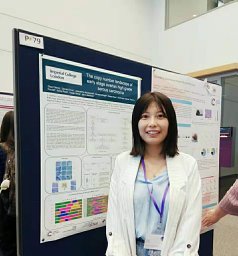 Zhao Cheng合作论文数Dept Surg & Canc, Imperial Coll London6
 Gaia Giannone合作论文数6
 Philip Savage合作论文数Dept Oncol, Brighton & Sussex Univ Hosp NHS Trust6
 Rosalind Margaret Glasspool合作论文数The Beatson Institute for Cancer Research, University of Glasgow6Ahmad Raida合作论文数6
 Darren Ennis合作论文数6
 Edward Curry合作论文数6Kaur Baljeet合作论文数Charing Cross Hospital, Imperial College London6
 Mark Nelson合作论文数Chelsea and Westminster Hospital;Department of Infectious Disease, Faculty of Medicine, Imperial College London6




