Purpose: Postoperative radiculitis is a transient adverse outcome associated with lumbar fusion surgery that has the potential to increase healthcare utilization and negatively impact patient quality of life postoperatively. Given the known influence of psychosocial factors on perioperative pain and recovery, a concern when characterizing a broad phenomenon such as radiculitis is the influence of socioeconomic vulnerability on outcomes. In this study, we sought to evaluate if SDOH factors contribute to the development of postoperative radiculitis. Methods: This was a retrospective electronic medical record (EMR) analysis of adult patients who underwent elective 1–3 level lumbar fusion at a large, tertiary academic medical institution between 2022 and 2025. Patient demographics and clinical information were collected from EMRs, and patients completed a standardized social needs assessment pre-operatively. Patient zip codes were used to determine area deprivation indices (ADI). Chi square test of independence and Fisher’s exact test were performed to determine significant correlations between SDOH variables and radiculitis development. Results: In our cohort of 616 patients, 25.6% (n = 158) reported symptoms of postoperative radiculitis. Development of radiculitis was not significantly associated with age, sex, BMI, insurance status, nor individual SDOH variables such as food insecurity, housing instability, or transportation access. No significant correlations were found between New York or national ADI and the development of postoperative radiculitis. Conclusions: Postoperative radiculitis following lumbar fusion surgery was not significantly associated with patient demographic factors nor SDOH variables, therefore suggesting a greater influence of perioperative factors rather than psychosocial factors on the incidence of this phenomenon.
Background:The number of patients undergoing single- and multilevel lumbar fusion continues to rise. Although prior studies suggest that radiographic factors and preoperative patient-reported outcomes may predict surgical results, evidence regarding the predictive value of patient demographics on perioperative and postoperative outcomes remains limited. Using cluster analysis to define distinct demographic-based patient phenotypes, this study examines how patient demographics influence surgical outcomes in a disadvantaged, inner-city population. Methods:This is a retrospective, single-center cohort study including 459 patients who underwent a 1-3 level lumbar fusion between 2022 and 2024. The primary outcome was revision surgery at maximum follow-up. A 2-step cluster analysis was performed using SPSS 30 (IBM). Comparisons were performed between clusters using Chi-squared test for categorical variables and a one-way ANOVA with Tukey's posttest for continuous variables. Intra-cluster analysis was run using multivariate regression. p < .05 was considered significant. Results:A total of 459 patients underwent 1-3 level lumbar fusion (mean age 62.1 ± 10.9 years; 69.0% female; mean body mass index (BMI) 31.3 ± 5.6), with 92.4% identifying as non-white and 29.3% as non-English speaking. Mean operative time was 286 minutes, blood loss 206 mL, and hospital stay 4.7 days. Within 90 days, 19.2% visited the ER, 10.2% were readmitted, and 4.1% returned to the operating room (OR); 5.5% of patients ultimately required revision fusions, and 12.1% remained on chronic opioids at final follow-up. Cluster analysis identified 3 patient subgroups differing significantly by age, language, race, insurance, substance use, psychiatric medication, and prior laminectomy (all p < .001). Cluster 1 (younger, psychiatric/substance use) had higher revision rates (9.1% vs. 2.0-3.1%, p = .01). Conclusions:Distinct patient groups show differing lumbar fusion risks; younger patients with psychiatric and substance-use factors face higher revision rates and potentially worse recovery.
BACKGROUND CONTEXT The number of lumbar fusions performed yearly has increased seven-fold over the past decade; however, it has one of the highest rates of patient dissatisfaction. Single indicators are unlikely to be purely predictive of surgical outcomes. Groups of patient factors that are often found in concert—a patient phenotype—are more likely to identify an “at-risk” surgical population. Cluster analysis has been used to establish these phenotypes within a patient population. PURPOSE To investigate how patient demographics and surgical characteristics impact postoperative outcomes in a disadvantaged, inner-city population using two-step cluster analysis. STUDY DESIGN/SETTING Retrospective, single-center cohort study at a large inner-city tertiary referral academic medical center. PATIENT SAMPLE Four hundred fifty-nine patients who underwent a 1–3 level lumbar fusion between 2022 and 2024. OUTCOME MEASURES Primary outcome was hardware revision surgery at maximum follow-up. Secondary outcomes included hospital length of stay, nonhome discharge, 90-day readmission, 90-day return to the operating room, 90-day emergency department presentation, persistent radiculopathy or pain management, and chronic opioid use. METHODS Data extracted from the electronic medical record included surgical characteristics, psychiatric history, smoking and cannabis use, prior laminectomy, 90-day complications, postoperative pain management utilization, and chronic opioid use. The primary outcome was hardware revision or extension at maximum follow-up. Secondary outcomes included hospital length of stay, nonhome discharge, 90-day readmission, 90-day return to the operating room, 90-day emergency department presentation, persistent radiculopathy or pain management, and chronic opioid use. An unsupervised 2-step cluster analysis was performed using SPSS 30 (IBM, Armonk, NY). Comparisons were performed between clusters using the chi-squared test for categorical variables and one-way ANOVA with Tukey’s post-test for continuous variables. A p-value <0.05 was considered significant. RESULTS A total of 459 patients underwent 1–3 level lumbar fusion (mean age 62.1 ± 10.9 years; 69.0% female; mean BMI 31.3 ± 5.6), with 92.4% identifying as nonwhite and 29.3% as non-English speaking. Mean operative time was 286 minutes, blood loss was 206 mL, and hospital stay was 4.7 days. Within 90 days, 19.2% visited the emergency department, 10.2% were readmitted, and 4.1% returned to the operating room; 5.5% ultimately required revision fusion, and 12.1% remained on chronic opioids at final follow-up. Cluster analysis identified 3 patient subgroups differing significantly by age, language, race, insurance, substance use, psychiatric medication use, and prior laminectomy (all p<0.001). Cluster 1 (younger, psychiatric/substance use) had higher revision rates (9.1% vs. 2.0–3.1%, p=0.01) and trended toward increased 90-day reoperation and persistent opioid use. CONCLUSIONS Cluster analysis revealed three distinct patient phenotypes with markedly different risk profiles. The younger psychiatric medication/substance-use cluster demonstrated significantly higher revision rates and trends toward worse postoperative outcomes, underscoring the importance of psychosocial and behavioral factors in lumbar fusion recovery. FDA Device/Drug Status This abstract does not discuss or include any applicable devices or drugs.
Background:Anterior, Oblique, and Lateral Lumbar Interbody Fusions (ALIF/OLIF/LLIF) are powerful modalities for achieving indirect decompression of lumbar foraminal stenosis while providing a large fusion surface and preserving the posterior vertebral structures. This study aimed to project future trends in the implementation rates and associated costs of ALIF/OLIF/LLIF in Medicare patients aged >65 in the US. Methods:Data was acquired from the Centers for Medicare and Medicaid Services (CMS) from January 1, 2000 to December 31, 2022, using CPT codes to identify ALIF/OLIF/LLIF procedures. The Prophet machine learning algorithm, using Bayesian Inference, was applied to data from 2000 to 2019 to generate point forecasts for 2020 to 2050 with 95% forecast intervals (FIs). Predictive performance was evaluated by splitting the data into training (75%) and validation (25%) sets, and calculating normalized root mean square error (NRMSE). Sensitivity analyses were conducted by comparing Prophet's projections with those from Linear and Log-linear Ordinary Linear Squares, Poisson, Negative-Binomial, and ARIMA models. Compound annual growth rates (CAGRs) were calculated to assess prior and future trends in procedural volume and costs from 2000 to 2050. CMS procedure counts were adjusted for Medicare Advantage patients using Kaiser Family Foundation data and costs were adjusted for inflation using the U.S. Consumer Price Index. Alternative volume projections were provided to account for the (I) impact of COVID-19 and (II) future expenditure limits using the 2022 to 2031 CMS National Health Expenditure report. Results:Between 2000 and 2019, the adjusted annual ALIF/OLIF/LLIF volume increased from 5,093 to 45,758 cases, with a CAGR of 12.32%. The total adjusted cost for these procedures increased from $7,750,692 to $43,531,555, with a CAGR of 9.62%. During the same period, the mean inflation-adjusted reimbursement for ALIF/OLIF/LLIFs 37.8% from $1,194.86 to $743.21 per procedure. Based on Prophet model analysis, projections estimate that procedural volume and total cost will increase by 17.8% and 14.8%, respectively, for each 5-year period from 2020 to 2050. The COVID-19 pandemic caused a 2.9% decrease in ALIF/OLIF/LLIF procedural volume in 2020 compared to 2019, but volume recovered by 2022, increasing by 1.4% from prepandemic levels. By 2050, procedural volume accounting for COVID-19 reflects a 23.5% reduction compared to estimates that did not factor in COVID-19. The Prophet model demonstrated the best predictive performance, with NRMSE values of 0.0619 for volume and 0.0507 for costs. Conclusions:Large increases in the utilization and costs of ALIF/OLIF/LLIF are anticipated through 2050. By 2030, the estimated carrying capacity for ALIF/OLIF/LLIF expenditures is projected to reach approximately $75.6 million, constrained by CMS expenditure limits and market size. Prophet model projections indicate that expenditures for ALIF/OLIF/LLIF are expected to exceed this cap by the end of the decade.
Chordomas are rare sarcomas arising from notochordal tissue and occur most commonly in the spine. The standard of care for chordomas without evidence of metastatic disease generally consists of en bloc resection followed by adjuvant radiotherapy. However, long-term (20-year) survival rates are approximately 30%. Chordomas are generally considered as chemo resistant. Therefore, systemic therapies have rarely been employed. Novel immunotherapies, including antibody therapy and tumor vaccines, have shown promise in early trials, leading to extended progression-free survival and symptom relief. However, the outcomes of larger trials using these vectors are heterogeneous. The aim of this review is to summarize novel chordoma treatments in immune-targeted therapies. The current merits, trial outcomes, and toxicities of these novel immune and targeted therapies, including those targeting vascular endothelial growth factor receptor (VEGFR) targets and the epidermal growth factor receptor (EGFR), will be discussed.
Background: Increasing evidence demonstrates disparities among patients with differing insurance statuses in the field of spine surgery. However, no pooled analyses have performed a robust review characterizing differences in postoperative outcomes among patients with varying insurance types. Methods: A comprehensive literature search of the PUBMED, MEDLINE(R), ERIC, and EMBASE was performed for studies comparing postoperative outcomes in patients with private insurance versus government insurance. Pooled incidence rates and odds ratios were calculated for each outcome and meta-analyses were conducted for 3 perioperative events and 2 types of complications. In addition to pooled analysis, sub-analyses were performed for each outcome in specific government payer statuses. Results: Thirty-eight studies (5,018,165 total patients) were included. Compared with patients with private insurance, patients with government insurance experienced greater risk of 90-day re-admission (OR 1.84, p<.0001), non-routine discharge (OR 4.40, p<.0001), extended LOS (OR 1.82, p<.0001), any postoperative complication (OR 1.61, p<.0001), and any medical complication (OR 1.93, p<.0001). These differences persisted across outcomes in sub-analyses comparing Medicare or Medicaid to private insurance. Similarly, across all examined outcomes, Medicare patients had a higher risk of experiencing an adverse event compared with non-Medicare patients. Compared with Medicaid patients, Medicare patients were only more likely to experience non-routine discharge (OR 2.68, p=.0007). Conclusions: Patients with government insurance experience greater likelihood of morbidity across several perioperative outcomes. Additionally, Medicare patients fare worse than non-Medicare patients across outcomes, potentially due to age-based discrimination. Based on these results, it is clear that directed measures should be taken to ensure that underinsured patients receive equal access to resources and quality care.
Background: Patients often report recurrent or new radicular pain after direct or indirect lumbar decompressions. Such pain may result from structural causes such as implant subsidence or incomplete decompression, but often the pain lacks a clear structural cause. The wide variability in terms used to define non-structural, postoperative radicular pain complicates its analysis.Purpose: We aimed to elucidate the terminology and classification systems used to describe postoperative radicular pain after lumbar decompression and/or fusion surgery without clear structural etiology and to propose a new clinical definition.Methods: We conducted a scoping review that followed the Joanna Briggs Institute scoping review methodology and the Preferred Reporting Items for Systematic Reviews and Meta Analyses extension for Scoping Reviews guidelines. The search included studies from 2011 to 2023 involving patients over 18 years of age experiencing postoperative radicular pain after lumbar decompression and/or fusion.Results: Our analysis of 20 included articles found the most common terms used for non-structural radicular pain after lumbar decompression and/or fusion surgery were "postoperative radiculitis" (8 studies, 40%) and "failed back surgery syndrome" (FBSS) (5 studies, 25%). "Radiculitis" and related terms typically described short-term, self-limited radicular pain; "FBSS" and similar terms referred to chronic, treatment-resistant back, and leg pain. The incidence of non-structural postoperative radicular pain ranged from 0.9% to 43.8%.Conclusions: This scoping review found inconsistencies in the terms used to describe postoperative radicular pain after lumbar decompression and/or fusion surgery, and we therefore propose defining "postoperative radiculitis" as transient radicular pain, without structural pathology or motor weakness, typically emerging after initial symptom resolution (within 3 months of surgery) and resolving within 6 months of surgery. Future studies should focus on validating diagnostic metrics, exploring risk factors, and identifying prevention strategies and treatments for postoperative radiculitis.
BACKGROUND:Instrumented spinal fusions can be used in the treatment of vertebral fractures, spinal instability, and scoliosis or kyphosis. Construct-level selection has notable implications on postoperative recovery, alignment, and mobility. This study sought to project future trends in the implementation rates and associated costs of single-level versus multilevel instrumentation procedures in US Medicare patients aged older than 65 years in the United States. METHODS:Data were acquired from the Centers for Medicare & Medicaid Services from January 1, 2000, to December 31, 2019. Procedure costs and counts were abstracted using Current Procedural Terminology codes to identify spinal level involvement. The Prophet machine learning algorithm was used, using a Bayesian Inference framework, to generate point forecasts for 2020 to 2050 and 95% forecast intervals (FIs). Sensitivity analyses were done by comparing projections from linear, log-linear, Poisson and negative-binomial, and autoregressive integrated moving average models. Costs were adjusted for inflation using the 2019 US Bureau of Labor Statistics' Consumer Price Index. RESULTS:Between 2000 and 2019, the annual spinal instrumentation volume increased by 776% (from 7,342 to 64,350 cases) for single level, by 329% (from 20,319 to 87,253 cases) for two-four levels, by 1049% (from 1,218 to 14,000 cases) for five-seven levels, and by 739% (from 193 to 1,620 cases) for eight-twelve levels (P < 0.0001). The inflation-adjusted reimbursement for single-level instrumentation procedures decreased 45.6% from $1,148.15 to $788.62 between 2000 and 2019, which is markedly lower than for other prevalent orthopaedic procedures: total shoulder arthroplasty (-23.1%), total hip arthroplasty (-39.2%), and total knee arthroplasty (-42.4%). By 2050, the number of single-level spinal instrumentation procedures performed yearly is projected to be 124,061 (95% FI, 87,027 to 142,907), with associated costs of $93,900,672 (95% FI, $80,281,788 to $108,220,932). CONCLUSIONS:The number of single-level instrumentation procedures is projected to double by 2050, while the number of two-four level procedures will double by 2040. These projections offer a measurable basis for resource allocation and procedural distribution.
ABSTRACT Study Design: This was retrospective cohort study. Purpose: The current investigation uses a large, multi-institutional dataset to compare short-term morbidity and mortality rates between current smokers and nonsmokers undergoing thoracolumbar fusion surgery. Overview of Literature: The few studies that have addressed perioperative complications following thoracolumbar fusion surgeries are each derived from small cohorts from single institutions. Materials and Methods: A retrospective study was conducted on thoracolumbar fusion patients in the American College of Surgeons National Surgical Quality Improvement Program database (2006–2016). The primary outcome compared the rates of overall morbidity, severe postoperative morbidity, infections, pneumonia, deep venous thrombosis (DVT), pulmonary embolism (PE), transfusions, and mortality in smokers and nonsmokers. Results: A total of 57,677 patients were identified. 45,952 (78.8%) were nonsmokers and 12,352 (21.2%) smoked within 1 year of surgery. Smokers had fewer severe complications (1.6% vs. 2.0%, P = 0.014) and decreased discharge to skilled nursing facilities (6.3% vs. 11.5%, P < 0.001) compared to nonsmokers. They had lower incidences of transfusions (odds ratio [OR] = 0.9, confidence interval [CI] = 0.8–1.0, P = 0.009) and DVT (OR = 0.7, CI = 0.5–0.9, P = 0.039) as well as shorter length of stay (LOS) (OR = 0.9, CI = 0.9–0.99, P < 0.001). They had a higher incidence of postoperative pneumonia (OR = 1.4, CI = 1.1–1.8, P = 0.002). There was no difference in the remaining primary outcomes between smoking and nonsmoking cohorts. Conclusions: There is a positive correlation between smoking and postoperative pneumonia after thoracolumbar fusion. The incidence of blood transfusions, DVT, and LOS was decreased in smokers. Early postoperative mortality, severe complications, discharge to subacute rehabilitation facilities, extubation failure, PE, SSI, and return to OR were not associated with smoking.
Pedicle screw fixation is a technique used to provide rigid fixation in thoracolumbar spine surgery. Safe intraosseous placement of pedicle screws is necessary to provide optimal fixation as well as to avoid damage to adjacent anatomic structures. Despite the wide variety of techniques available, none thus far has been able to fully eliminate the risk of malpositioned screws. Intraoperative 3-dimensional navigation (I3DN) was developed to improve accuracy in the placement of pedicle screws. To our knowledge, no previous studies have investigated whether infection rates are higher with I3DN. A single-institution, retrospective study of patients age > 18 undergoing thoracolumbar fusion and instrumentation was carried out and use of I3DN was recorded. The I3DN group had a significantly greater rate of return to the operating room for culture-positive incision and drainage (17 (4.1%) vs. 1 (0.6%), p = 0.025). In multivariate analysis, the use of I3DM did not reach significance with an OR of 6.49 (0.84–50.02, p = 0.073). Post-operative infections are multifactorial and potential infection risks associated with I3DN need to be weighed against the safety benefits of improved accuracy of pedicle screw positioning.
Chronic back and leg pain are leading causes of disability worldwide. The purpose of this study was to compare the care in a unidisciplinary (USC) versus multidisciplinary (MSC) spine clinic, where patients are evaluated by different specialists during the same office visit. Adult patients presenting with a chief complaint of back and/or leg pain between June 2018 and July 2019 were assessed for eligibility. The main outcome measures included the first treatment recommendations, the time to treatment order, and the time to treatment occurrence. A 1:1 propensity score-matched analysis was performed on 874 patients (437 in each group). For all patients, the most common recommendation was physical therapy (41.4%), followed by injection (14.6%), and surgery (9.7%). Patients seen in the MSC were more likely to be recommended injection (p < 0.001) and less likely to be recommended surgery as first treatment (p = 0.001). They also had significantly shorter times to the injection order (log-rank test, p = 0.004) and the injection occurrence (log-rank test, p < 0.001). In this study, more efficient care for patients with back and/or leg pain was delivered in the MSC setting, which was evidenced by the shorter times to the injection order and occurrence. The impact of the MSC approach on patient satisfaction and health-related quality-of-life outcome measures warrants further investigation.
Background:Racial minority status is associated with inferior peri-operative outcomes following spinal fusion. Findings have largely been reported within institutions serving few minority patients. This study aimed to identify if racial disparities exist for transforaminal lumbar interbody fusion (TLIF) procedures within an urban academic medical center which serves a majority non-White population.Methods:This is a retrospective review of patients who underwent a TLIF procedure at our institution between 06/2016-10/2019. Primary outcome measures included length of stay (LOS), discharge disposition, 30-day return to the emergency department (ED), 30-day readmission rate, and 30-day complication rates. One-hundred-fifty-six patients (female: male, 99: 57) met inclusion criteria. Demographic and clinical data (body mass index (BMI), comorbidities, preoperative lab values) were compared.Results:The mean LOS was 6.2, 5.9, and 6 days in the White, Hispanic, and Black cohorts, respectively (p = 0.92). There were no differences in discharge disposition between groups (p = 0.52). Thirty-day post-operative complication rates did not differ between groups (p > 0.07). Readmission rates did not differ between groups (p > 0.05). ED visits were more prevalent in the Hispanic group with 16 visits as compared to 8 and 4 in the White and Black groups respectively (p = 0.01).Conclusions:We found no racial disparities in terms of LOS, discharge disposition, or 30-day readmission rates. Hispanic patients demonstrated an increased utilization of the ED in the early post-operative period. Efforts to overcome language barriers, communicate instructions clearly, and outline post-operative expectations and plans may prevent the need for post-operative ED visits.
Study design: Systematic Review. Objective: To elucidate treatment modalities and outcomes of patients with traumatic cervical spondyloptosis (TCS). Summary: Traumatic cervical spondyloptosis (TCS) is rare and typically leads to devastating neurological injury. Management strategies vary from case to case. Methods: A systematic review of the literature identified cases of adult TCS, and data was analyzed to characterize the patient population and to assess factors that influenced clinical outcome. In addition, an illustrative case is presented in which closed reduction of a severe C7-T1 spondyloptosis injury was guided with the use of cone beam computerized tomography (O-Arm) to overcome difficulties with visualizing the cervicothoracic junction region. Results: In addition to our case, we identified 52 cases of adult TCS from 34 articles. Patient age ranged from 18 to 73 (average 45.6) with male a predominance (n = 37, 71.2%). Neurological function on presentation was most commonly ASIA E (34.6%), followed by ASIA D (21.2%) and ASIA A (19.2%). The most frequently affected levels were C7-T1 (44.2%) followed by C6-7 (33.0%). Closed reduction was attempted in 42 (80.8%) patients. A total of 49 (94.2%) patients underwent surgical treatment, with 31 (63.3%) undergoing single-approach procedures. The presence of neurological injury, cervical level of injury, and age were not significant predictors of successful closed reduction. Similarly, successful closed reduction, age, cervical level of injury, and neurological injury were not predictors of a single-approach treatment. Conclusion: TCS is rare and most frequently appears at or near the cervicothoracic junction and in males. The presentation is typically that of severe neurological injury, but partial neurological recovery occurs in many patients. No predictors of successful closed reduction or single approach surgery are identified. We postulate that the use of intraoperative multiplanar imaging technology like the O-Arm may enhance the ability to achieve a successful closed reduction given the predilection for the injury to occur at the cervicothoracic junction. Prospective study of the durability of constructs by single or combined approaches is warranted.
Our orthopaedic surgery department at Montefiore Medical Center and Albert Einstein College of Medicine is located within the Bronx, a borough of New York City, and serves a densely populated urban community. Since the beginning of the novel coronavirus outbreak in New York City, the medical center was forced to rapidly adapt to the projected influx of critically ill patients. The aim of this report is to outline how our large academic orthopaedic surgery department adopted changes and alternative practices in response to the most daunting challenge to public health in our region in over a century. We hope that this report provides insight for others facing similar challenges.
BACKGROUND:Acquired lumbar spondylolisthesis is often treated with interbody fusion. However, few studies have evaluated predictors for prolonged length of stay (LOS) and disposition to rehabilitation facilities after posterior single-level lumbar interbody fusion for acquired spondylolisthesis.METHODS:The American College of Surgeons National Quality Improvement Program database was queried for adults with acquired spondylolisthesis who underwent single-level lumbar interbody fusion through a posterior approach (posterior lumbar interbody fusion (PLIF) or transforaminal lumbar interbody fusion [TLIF]). We utilized multivariate logistic regression analysis to identify predictors of prolonged LOS and disposition in this patient population.RESULTS:Among 2080 patients identified, 700 (33.7%) had a prolonged LOS (≥4 days), and 306 (14.7%) were discharged postoperatively to rehabilitation facilities. Predictors for prolonged LOS included: American Society of Anesthesiologist (ASA) class ≥3, anemia, prolonged operative time, perioperative blood transfusion, pneumonia, urinary tract infections, and return to the operating room. The following risk factors predicted discharge to postoperative rehabilitation facilities: age ≥65 years, male sex, ASA class ≥3, modified frailty score ≥2, perioperative blood transfusion, and prolonged LOS.CONCLUSION:Multiple partial-overlapping risk factors predicted prolonged LOS and discharge to rehabilitation facilities after single-level TLIF/PLIF performed for acquired spondylolisthesis.
Spinal epidural abscess (SEA) is a rare condition associated with significant morbidity and mortality. Despite advances in diagnostic medicine, early recognition of SEAs remains elusive. The vague presentation of the disease, coupled with its numerous risk factors, the diagnostic requirement for obtaining advanced imaging, and the necessity of specialized care constitute extraordinary challenges to both diagnosis and treatment of SEA. Once diagnosed, SEAs require urgent or emergent medical and/or surgical management. As SEAs are a relatively rare pathology, high-quality data are limited and there is no consensus on their optimal management. This paper focuses on presenting the treatment modalities that have been successful in the management of SEAs and providing a critical assessment of how specific SEA characteristics may render one infection more amenable to primary surgical or medical interventions. This paper reviews the relevant history, epidemiology, clinical presentation, radiology, microbiology, and treatment of SEAs and concludes by addressing the medicolegal implications of delayed treatment of the disease.
STUDY DESIGN Case series. OBJECTIVE To evaluate the impact of a multidisciplinary spine surgery indications conference (MSSIC) on surgical planning for elective spine surgeries. SUMMARY OF BACKGROUND DATA Identifying methods for pairing the proper patient with the optimal intervention is of the utmost importance for improving spine care and patient outcomes. Prior studies have evaluated the utility of multidisciplinary spine conferences for patient management, but none have evaluated the impact of a MSSIC on surgical planning and decision making. METHODS We implemented a mandatory weekly MSSIC with all spine surgeons at our institution. Each elective spine surgery in the upcoming week is presented. Subsequently, a group consensus decision is achieved regarding the best treatment option based on the expertise and opinions of the participating surgeons. We reviewed cases presented at the MSSIC from September 2019 to December 2019. We compared the surgeon's initial proposed surgery for a patient with the conference attendees' consensus decision on the best treatment and measured compliance rates with the group's recommended treatment. RESULTS The conference reviewed 100 patients scheduled for elective spine surgery at our indications conference during the study period. Surgical plans were recommended for alteration in 19 cases (19%) with the proportion statistically significant from zero indicated by a binomial test (p < 0.001). The median absolute change in the invasiveness index of the altered procedures was 3 (interquartile range [IQR] 1-4). Participating surgeons complied with the group's recommendation in 96.5% of cases. CONCLUSION In conjunction with other multidisciplinary methods, MSSICs can lead to surgical planning alterations in a significant number of cases. This could potentially result in better selection of surgical candidates and procedures for particular patients. Although long-term patient outcomes remain to be evaluated, this care model will likely play an integral role in optimizing the care spine surgeons provide patients. LEVEL OF EVIDENCE 4.
Intraoperative localization within the thoracic spine in the prone position may be particularly difficult on account of absence of common landmarks such as the sacrum or the C2 vertebra, thus increasing the potential for wrong-level surgery that may lead to patient morbidity and potential litigation. Some current localization methods involve implantation of markers that are invasive and serve to add to procedural expense while yet still failing to entirely eliminate errors. We describe a novel, non-invasive, and inexpensive technique for intraoperative localization of the thoracic spine in the prone position using an esophageal temperature probe. Following patient positioning, anteroposterior fluoroscopy is used to localize the radiopaque tip of the esophageal probe relative to the thoracic spine. After determining the probe tip's location, it becomes the counting reference for all subsequent intraoperative fluoroscopic localizations during surgery. As the probe tip is generally visible in the same fluoroscopic image as the surgical level, error from parallax created when moving the fluoroscopy machine from an anatomic landmark either above or below is avoided and a shorter fluoroscopy time is needed. Use of an esophageal temperature probe as a landmark in localizing spinal level may serve as a reliable and It offers a safe, reliable, and inexpensive technique for proper localization of thoracic spine levels.
Gunshot wounds (GSW) to the cervical spine remain uncommon. Surgery often does not yield significant neurological improvement and the decision to utilize surgery depends on a number of factors. We describe the case of a 28 year-old male suffering a complete spinal cord injury (SCI) secondary to a bullet lodged in the cervical spinal canal. We present the unique radiological findings and review the indications for and utility of spine surgery for cervical GSW. The patient was a 28 year-old male involved in a motor vehicle accident immediately after sustaining a gunshot wound to the cervical spine. Neurologic exam revealed a complete SCI at the C4 level. CT scan revealed a retained bullet in the spinal canal at the C4/5 level without vascular injury or unstable vertebral fracture. He was managed nonoperatively, however, he remained ventilator dependent and ultimately expired secondary to cardiac arrest from a suspected pulmonary embolism. We present a case of complete SCI secondary to a retained bullet in the cervical spine. These cases can be managed both operatively and nonoperatively. Given the high risk of morbidity and overall poor neurological recovery after surgical intervention for SCI secondary to GSW, physicians must understand the appropriate indications for surgical intervention. These indications include, but are not limited to, progressive neurological deficit, cerebrospinal fluid leak, spinal instability, and acute lead toxicity.
 Reza Yassari合作论文数Section of Neurosurgery;University of Chicago;Section of Neurosurgery, University of Chicago11
 Yaroslav Gelfand合作论文数9
 Ananth Eleswarapu合作论文数7Kinon Merritt D合作论文数6
 Rafael De la Garza Ramos合作论文数Tecnológico de Monterrey School of Medicine and Health Sciences;School of Medicine and Health Sciences, Tecnológico de Monterrey6
 Joshua Benton合作论文数Dept Neurol Surg, Montefiore Med Ctr5Zachary T Sharfman合作论文数Montefiore Med Ctr, Jacobi Med Ctr5
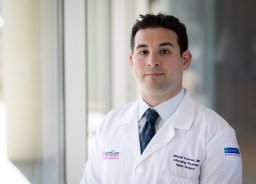 Fourman Mitchell S合作论文数Department of Orthopaedic Surgery, University of Pittsburgh Medical Center5
 Sharan Alok D合作论文数Division of Orthopedic Surgery, Albany Medical Center4David C Kramer合作论文数3Saikiran Murthy合作论文数3
 Yanamadala Vijay合作论文数Department of Neurosurgery, Massachusetts General Hospital and Harvard Medical School3Kim Sun Jin合作论文数3
 David A. Geller合作论文数Division of Hepatobiliary Surgery, Department of Surgery, University of Pittsburgh;Liver & Pancreas Institute, School of Medicine, University of Pittsburgh;Liver Cancer Center, School of Medicine, University of Pittsburgh3
 John K. Houten合作论文数Bronx3Henry Hoang合作论文数2Brandon T Weiss合作论文数2Erida Castro-Rivas合作论文数2Lavinia Williams合作论文数2Mark Headlam合作论文数2Adaobi Udemba合作论文数2Priyam Shah合作论文数2Wenzhu B Mowrey合作论文数2
 Emily Kleinbart合作论文数2Kyle Mani合作论文数2
 Paul W Millhouse合作论文数2
 Phillip Cezayirli合作论文数2Andrew I. Gitkind合作论文数2
 Woojin Cho合作论文数2David M. Hirsh合作论文数2
 Alexander R. Vaccaro合作论文数Department of Orthopaedic Surgery, Thomas Jefferson University;Sidney Kimmel Medical College, Thomas Jefferson University;Thomas Jefferson University Hospital2Yossef Blum合作论文数1
 Alexandria Naftchi合作论文数1Christian Gabriele合作论文数1Gillian Graifman合作论文数1Sabrina Zeller合作论文数1Ronan Gandhi合作论文数1Ari J. Holtzman合作论文数1Ari J Holtzman合作论文数1Neerav Kumar合作论文数1Ankita Das合作论文数1Jorden Xavier合作论文数1Daniel Berman合作论文数1
 Eris Spirollari合作论文数1Nabil N Matmati合作论文数1Ferdinand J Chan合作论文数1Harrison Volaski合作论文数1Neeky Yassari合作论文数1
 Sima Vazquez合作论文数1




