Background Muscle density is inversely associated with all‐cause mortality, but associations with cardiovascular disease (CVD) risk are not well understood. This study evaluated the association between muscle density and muscle area and incident total CVD, coronary heart disease (CHD), and stroke in diverse men and women. Methods and Results Adult participants (N=1869) in the Multi‐Ethnic Study of Atherosclerosis Ancillary Body Composition Study underwent computer tomography scans of the L2‐L4 region of the abdomen. Muscle was quantified by density (Hounsfield units) and area in cm2. Sex‐stratified Cox proportional hazard models assessed associations between incident total CVD, incident CHD, and incident stroke across sex‐specific percentiles of muscle area and density, which were entered simultaneously into the model. Mean age for men and women at baseline were 64.1 and 65.1 years, respectively, and median follow‐up time was 10.3 years. For men, associations between muscle density and incident CVD were inverse but not significant in fully adjusted models (P trend=0.15). However, there was an inverse association between density and CHD (P trend=0.02; HR, 0.26 for 95th versus 10th percentile), and no association with stroke (P trend=0.78). Conversely, for men, there was a strong positive association between muscle area and incident CVD (HR, 4.19 for 95th versus 10th percentile; P trend<0.001). Associations were stronger for CHD (HR, 6.18 for 95th versus 10th percentile; P trend<0.001), and null for stroke (P trend=0.67). Associations for women were mostly null. Conclusions For men, abdominal muscle density is associated with lower CHD risk, whereas greater muscle area is associated with markedly increased risk of CHD.
Objective: The obesity paradox refers to a phenomenon by which obese individuals experience lower risk of mortality and even protective associations from chronic disease sequelae when compared with the non-obese and underweight population. Prior literature has demonstrated an obesity paradox after cardiac and other surgical procedures. However, the relationship between body mass index (BMI) and perioperative complications for patients undergoing major open lower extremity arterial revascularization is unclear. Methods: We queried the Vascular Quality Initiative for individuals receiving unilateral infrainguinal bypass between 2003 and 2020. We used multivariable logistic regression to assess the relationship of BMI categories (underweight [<18.5 kg/m(2)], non-obese [18.5-24.9 kg/m(2)], overweight [25-29.9 kg/m(2)], Class 1 obesity [30-34.9 kg/m(2)], Class 2 obesity [35-39.9 kg/m(2)], and Class 3 obesity [>40 kg/m(2)]) with 30-day mortality, surgical site infection, and adverse cardiovascular events. We adjusted the models for key patient demographics, comorbidities, and technical and perioperative characteristics. Results: From 2003 to 2020, 60,588 arterial bypass procedures met inclusion criteria for analysis. Upon multivariable logistic regression with the non-obese category as the reference group, odds of 30-day mortality were significantly decreased among the overweight (odds ratio [OR], 0.64; 95% confidence interval [CI], 0.53-0.78), Class 1 obese (OR, 0.65; 95% CI, 0.52-0.81), Class 2 obese (OR, 0.66; 95% CI, 0.48-0.90), and Class 3 obese (OR, 0.61; 95% CI, 0.39-0.97) patient categories. Conversely, odds of 30-day mortality were increased in the underweight patient group (OR, 1.58; 95% CI, 1.16-2.13). Furthermore, a BMI-dependent positive association was present, with odds of surgical site infections with patients in Class 3 obesity having the highest odds (OR, 2.10; 95% CI, 1.60-2.76). Finally, among the adverse cardiovascular event outcomes assessed, only myocardial infarction (MI) demonstrated decreased odds among overweight (OR, 0.82; 95% CI, 0.71-0.96), Class 1 obese (OR, 0.78; 95% CI, 0.65-0.93), and Class 2 obese (OR, 0.66; 95% CI, 0.51-0.86) patient populations. Odds of MI among the underweight and Class 3 obesity groups were not significant. Conclusions: The obesity paradox is evident in patients undergoing lower extremity bypass procedures, particularly with odds of 30-day mortality and MI. Our findings suggest that having higher BMI (overweight and Class 1-3 obesity) is not associated with increased mortality and should not be interpreted as a contraindication for lower extremity arterial bypass surgery. However, these patients should be under vigilant surveillance for surgical site infections. Finally, patients that are underweight have a significantly increased odds of 30-day mortality and may be more suitable candidates for endovascular therapy.
Background: Thoracic endovascular aortic repair (TEVAR) and complex endovascular aneurysm repair (cEVAR) are effective and minimally invasive treatment options for preventing rupture and decreasing mortality of aortic aneurysms. Patients with renal insufficiency are prone to worse postoperative cardiovascular morbidity and mortality due to the atherosclerosis burden as well as increased levels of angiotensin II. Nonetheless, knowledge about the outcomes of aortic stent graft therapy in patients with chronic kidney disease (CKD) or dialysis is scarce. This study aimed to examine outcomes after TEVAR and cEVAR in patients on CKD and dialysis. Methods: Utilizing data from the Vascular Quality Initiative (VQI) Vascular Implant Surveillance and Interventional Outcomes Network database, we retrospectively evaluated patients who underwent TEVAR or cEVRA from 2010 to 2018. Patients were divided into patients with no CKD or dialysis, CKD patients, and dialysis patients. Outcomes were in-hospital stroke, myocardial infarction (MI), spinal cord ischemia (SCI), 30-day mortality, 1-year mortality, aneurysmal rupture, and reintervention. In-hospital outcomes were assessed using multivariable logistic regression analysis and 1-year outcomes were evaluated using Kaplan-Meier Survival and Cox regression analyses. Results: A total of 4,867 patients were included in the study, 2,694 had no CKD or dialysis, 2,047 had CKD, and 126 were on dialysis. Dialysis patients were significantly younger, and more likely to be non-White and of Hispanic/Latino origin. They were also more likely to have medical comorbidities. CKD patients had higher odds of in-hospital MI (odds ratio [OR]: 2.02, 95% confidence interval [CI] (1.43-2.86), P < 0.001) and 30-day mortality (OR: 1.56, 95% CI (1.18-2.07), P < 0.001) compared to patients with no CKD or dialysis. Dialysis patients had higher odds of 30-day mortality (OR: 3.31, 95% CI (1.73-6.35), P < 0.001). At 1 year, dialysis was associated with a higher risk of mortality (hazard ratio [HR]: 3.48, 95% CI (2.39-5.07), P < 0.001) and reintervention (HR: 1.72, 95% CI (1.001-2.94), P < 0.049). CKD was associated with a higher risk of mortality (HR: 1.45, 95% CI (1.21-1.75), P < 0.001) compared to patients with no CKD or dialysis. Conclusions: Among patients undergoing TEVAR or cEVAR, there was no significant difference in the risk of in-hospital stroke, SCI, and 1-year aneurysmal rupture among dialysis and CKD patients compared to patients with no CKD or dialysis. However, CKD patients had twice the risk of in-hospital MI. Dialysis patients had a higher risk of 1-year reintervention. Both dialysis and CKD patients had a higher risk of 30-day and 1-year mortality.
Background:Coronary heart disease (CHD) is a leading cause of death for Hispanic/Latino populations in the United States. We evaluated polygenic risk scores (PRS) with incident myocardial infarction (MI) in a Hispanic/Latino study sample. Methods:We leveraged data from the Hispanic Community Health Study/Study of Latinos (HCHS/SOL) to assess four CHD-PRS from the PGS catalog, derived using multiple methods (LDpred, AnnoPred, stacked clumping and thresholding, and LDPred2). We evaluated associations between each standardized PRS and time to adjudicated incident MI, adjusted for age, sex, first 5 principal components, and weighted for survey design. Concordance statistics (c-index) compared predictive accuracy of each PRS with, and in addition to, traditional risk factors (TRF) for CHD (obesity, hypercholesterolemia, hypertension, diabetes, and smoking). Analyses were stratified by self-reported Caribbean- (Puerto Rican, Dominican or Cuban) and Mainland-(those of Mexican, Central American, or South American) heritage subgroups. Results:After 11 years follow-up, for 9055 participants (mean age (SD) 47.6(13.1), 62.2% female), the incidence of MI was 1.0% (n = 95). Each PRS was more strongly associated with MI among Mainland participants. LDPred2 + TRF performed best among the Mainland subgroup; HR=2.69, 95% CI [1.71, 4.20], c-index = 0.897, 95% CI [0.848, 0.946]; a modest increase over TRF alone, c-index = 0.880, 95% CI [0.827, 0.933]. AnnoPred + TRF performed best among the Caribbean sample; c-index = 0.721, 95% CI [0.647, 0.795]; however, was not significantly associated with rate of MI (HR=1.14, 95% CI [0.82, 1.60]). Conclusion:PRS performance for CHD is lacking for Hispanics/Latinos of Caribbean origin who have substantial proportions of African genetic ancestry, risking increased health disparities. AnnoPred, using functional annotations, outperformed other PRS in the Caribbean subgroup, suggesting a potential strategy for PRS construction in diverse populations. These results underscore the need to optimize cumulative genetic risk prediction of CHD in diverse Hispanic/Latino populations.
Early graft thrombosis following lower extremity bypass (LEB) has long served as a quality indicator of surgical management. A granular understanding of the risk factors for graft thrombosis might help mitigate the potentially avoidable sequelae of this complication. Our study utilized Vascular Quality Initiative (VQI) data to identify predictor variables associated with graft thrombosis during index admission following LEB.
The obesity paradox refers to a phenomenon by which obese individuals experience lower risk of mortality and even protective associations from chronic disease sequelae when compared with the non-obese and underweight population. Prior studies have demonstrated an obesity paradox after cardiac and other surgical procedures. However, the relationship between body mass index (BMI) and perioperative complications for patients undergoing infrainguinal bypass (IIB) remains unclear. Our study aimed to investigate if the obesity paradox exists for patients undergoing IIB with regards to 30-day mortality, surgical site infections (SSIs), and adverse cardiovascular events. We queried the Vascular Quality Initiative for individuals undergoing IIB between 2003 and 2020. χ2 and multivariable logistic regression analyzed the relationship of BMI categories (underweight [<18.5 kg/m2], non-obese [18.5-24.9 kg/m2], overweight [25-29.9 kg/m2], class 1 obesity [30-34.9 kg/m2], class 2 obesity [35-39.9 kg/m2], and class 3 obesity [>40 kg/m2]) with 30-day mortality, SSI, and adverse cardiovascular events. To control for potential confounders, the logistic regression models were adjusted for patient demographics, comorbidities, American Society for Anesthesiologist classification, preoperative medication use, and technical aspects such as procedural length, preoperative hemoglobin, and estimated blood loss. Backward stepwise selection was implemented to identify significant variables for inclusion in the final model. Our study included 60,588 IIB patients. Compared with non-obese and underweight individuals, obese patients were more likely to be male of white race, suffer from stable angina and diabetes, were on preoperative aspirin, angiotensin-converting enzyme-inhibitor, beta-blocker or statin therapy, and have a history of prior coronary artery bypass graft (Table I). Upon multivariable logistic regression with the non-obese category as reference group, the odds of 30-day mortality were significantly decreased among the overweight/obese patients and increased in the underweight patient group (odds ratio, 1.58; 95% confidence interval, 1.16-2.13) (Table II). Furthermore, a BMI-dependent positive association was present with SSI outcomes where patients in the class 3 obesity category suffered the highest odds (odds ratio, 2.10; 95% confidence interval, 1.60-2.76). Finally, among the adverse cardiovascular event outcomes assessed, only myocardial infarction demonstrated decreased odds among obese and overweight patient populations (Table II). The obesity paradox is evident in patients undergoing lower extremity bypass procedures, particularly with reduction in 30-day mortality and myocardial infarction. Our findings suggest that having a higher BMI should not be interpreted as a contraindication for IIB. However, these patients should be under vigilant surveillance for SSIs, and preventative measures should be implemented. Finally, patients that are underweight have significantly increased odds of 30-day mortality and may be more suitable candidates for endovascular therapy.Table IDemographic characteristics by body mass index (BMI) class of 60,588 patients undergoing lower extremity arterial bypass surgery (2003-2020)DemographicsBMI <18.5 (underweight)18.5 ≤ BMI <24.9 (non-obese)BMI ≥25 (overweight/obese)P-valuePopulation size2540 (4.2)19,118 (31.6)38,930 (64.2)–Age, years68.9 (11.1)68.7 (11.2)65.8 (10.8)<.01Female sex1160 (45.7)6079 (31.8)11,437 (29.4)<.01Race<.01 White1918 (75.5)15,118 (79.1)31,700 (81.4) Black519 (20.4)3013 (15.8)5604 (14.4) Asian22 (0.9)167 (0.9)166 (0.4) American Indian2 (0.1)52 (0.3)115 (0.3) Pacific Islander0 (0.0)26 (0.1)38 (0.1) More than 1 race3 (0.1)37 (0.2)71 (0.2) Other75 (3.0)700 (3.7)1228 (3.2)Hypertension<.01 No409 (16.1)2784 (14.6)3957 (10.2) Yes1934 (76.3)14,946 (78.3)32,073 (82.6) Yes, controlled142 (5.6)1038 (5.4)2189 (5.6) Yes, uncontrolled50 (2.0)315 (1.7)609 (1.6)Coronary artery disease<.01 None1910 (75.3)13,531 (70.9)26,079 (67.1) Stable angina147 (5.8)1196 (6.3)2788 (7.2) Unstable angina9 (0.4)80 (0.4)223 (0.6) Myocardial infarction within last 6 months34 (1.3)229 (1.2)397 (1.0)Congestive heart failure<.01 None2146 (84.6)15,908 (83.3)31,908 (82.1) Mild79 (3.1)654 (3.4)1485 (3.8) Moderate54 (2.1)356 (1.9)732 (1.9) Severe10 (0.4)130 (0.7)227 (0.6)Chronic obstructive pulmonary disease<.01 None1525 (60.1)13,560 (71.0)28,963 (74.5) On medication592 (23.3)3088 (16.2)5959 (15.3) On home oxygen80 (3.2)458 (2.4)905 (2.3)Dialysis.03 No2386 (94.0)17,777 (93.1)36,441 (93.7) Functioning transplant18 (0.7)150 (0.8)300 (0.8) Dialysis-dependent134 (5.3)1174 (6.1)2145 (5.5)Diabetes<.01 None1893 (74.6)11,795 (61.8)17,068 (43.9) Diabetic diet92 (3.6)850 (4.5)1882 (4.8) Non-insulin medications224 (8.8)2697 (14.1)7693 (19.8) Insulin-dependent328 (12.9)3757 (19.7)12,240 (31.5)Preoperative aspirin<.01 No737 (29.0)4950 (25.9)9133 (23.5) Yes1707 (67.3)13,419 (70.3)28,392 (73.0) Non-compliant15 (0.6)101 (0.5)1866 (0.5)Preoperative angiotensin-converting enzyme-inhibitor<.01 No1281 (59.2)8580 (51.8)14,761 (43.2) Yes825 (38.1)7528 (45.5)18,549 (54.3) Non-compliant8 (0.4)48 (0.3)82 (0.2)Preoperative statin<.01 No953 (37.5)5790 (30.3)9597 (24.7) Yes1585 (62.4)13,305 (69.7)29,269 (75.3)Preoperative beta blocker<.01 No1212 (47.8)8333 (43.6)15,199 (39.1) Yes, <30 days from index procedure1323 (52.2)10,758 (56.4)23,651 (60.9)Preoperative smoking<.01 Never274 (10.8)2779 (14.5)6479 (16.7) Prior834 (32.9)7531 (39.4)18,402 (47.3) Current1430 (56.3)8793 (46.0)13,994 (36.0)Prior coronary artery bypass graft<.01 None1907 (88.0)13,522 (81.6)26,472 (77.4) <5 years from index procedure88 (4.1)1013 (6.1)2600 (7.6) >5 years from index procedure172 (7.9)2031 (12.3)5123 (15.0)Prior lower extremity revascularization (bypass/peripheral vascular intervention)858 (33.8)6120 (32.0)11,829 (30.4)<.01ASA classification<.01 ASA Class IV575 (24.4)4284 (23.5)8239 (22.0) ASA Class V4 (0.2)20 (0.1)35 (0.1)Procedure time, minutes221.9 (106.1)231.1 (110.2)248.4 (116.4)<.01Preoperative hemoglobin11.8 (2.2)12.2 (10.6)12.5 (7.6)<.01Estimated blood loss, mL262.9 (301.3)282.6 (347.3)313.3 (400.7)<.01ASA, American Society of Anesthesiologists.Data are presented as number (%) or mean (standard deviation). Open table in a new tab Table IIAssociations of patient body mass index (BMI) categories with short-term complications and mortality after open lower extremity arterial bypass surgery: the Vascular Quality Initiative (2003-2020)Patient BMI categoriesaUnderweight (n = 2540)Non-obese (n = 19,118)Overweight (n = 20,680)Class 1 obese (n = 11,893)Class 2 obese (n = 4451)Class 3 obese (n = 1906)Outcome 30-day mortality1.58 (1.16-2.13)1 (ref)0.64 (0.53-0.78)0.65 (0.52-0.81)0.66 (0.48-0.90)0.61 (0.39-0.97)P-value.003–<.001<.001.010.035 Surgical site infection0.97 (0.70-1.34)1 (ref)1.25 (1.08-1.46)1.37 (1.15-1.62)1.71 (1.38-2.12)2.10 (1.60-2.76)P-value.858–.004<.001<.001<.001Cardiovascular event Heart failure1.17 (0.80-1.70)1 (ref)0.87 (0.72-1.05)0.80 (0.64-1.00)0.80 (0.59-1.09)1.01 (0.68-1.48)P-value.419–.143.055.154.971 Postoperative stroke1.02 (0.54-1.92)1 (ref)1.10 (0.83-1.46)0.79 (0.55-1.12)0.81 (0.50-1.32)0.78 (0.39-1.57)P-value.951–.502.187.394.491 Myocardial infarction1.02 (0.72-1.44)1 (ref)0.82 (0.71-0.96)0.78 (0.65-0.93)0.66 (0.51-0.86)0.74 (0.52-1.06)P-value.930–.014.006.002.102 Dysrhythmia1.01 (0.78-1.32)1 (ref)0.93 (0.82-1.06)0.91 (0.78-1.06)0.86 (0.69-1.06)0.85 (0.63-1.16)P-value.937–.291.219.161.299Bold indicates P < .05.aReported are odds ratios (95% confidence interval) from regression models adjusting for age, sex, race, procedure length, estimated blood loss, functional status, diabetes, dialysis, heart failure, prior coronary artery bypass graft, smoking, prior peripheral stenting/bypass, preoperative use of aspirin, statin, and preoperative hemoglobin. Open table in a new tab
Background: Different renin-angiotensin-aldosterone system inhibitor (RAASI) usage patterns exist among patients undergoing lower extremity bypass (LEB) for peripheral arterial disease. We studied the association of RAASI usage patterns with LEB outcomes to determine which pattern is associated with improved survival after LEB.Methods: We evaluated peripheral arterial disease patients who underwent LEB between January 2014 and December 2018 in the Vascular Quality Initiative-Medicare matched data-base. Study cohorts included no RAASI use, preoperative RAASI use only, postoperative RAASI use only, and continuous RAASI use both preoperatively and postoperatively. Logistic and Cox regression was used to adjust for potential confounders. Primary outcome was 2-year amputation-free survival (AFS).Results: Of 19,012 patients included, 1,574 (8.3%) were on RAASIs preoperatively only, 1,051 (5.5%) postoperatively only, and 8,484 (45.2%) continuously. Compared to no RAASI use, iso-lated preoperative RAASI use was associated with 2.8-fold increased odds of 30-day mortality (adjusted Odds Ratio, 2.75; 95% confidence interval [CI], 2.15-3.51; P < 0.001) whereas continuous RAASI use had 56% lower odds of 30-day mortality (adjusted Odds Ratio, 0.44; 95% CI, 0.34-0.58; P < 0.001). Two-year AFS was 63.2% for no RAASI use and 60.4%, 66.2%, and 73.4% for preoperative, postoperative, and continuous RAASI use, respectively (P < 0.001). While no RAASI use and postoperative RAASI use had comparable adjusted risks of 2-year major amputation or death (adjusted Hazard Ratio [aHR], 0.94; 95% CI, 0.83-1.06; P = 0.312), this risk was 14% higher for preoperative RAASI use only (aHR, 1.14; 95% CI, 1.04-1.26; P = 0.006) and 23% lower for continuous RAASI use (aHR, 0.77; 95% CI, 0.72-0.82; P < 0.001).Conclusions: Isolated preoperative RAASI use was associated with worse 30-day mortality and 2-year AFS, while continuous RAASI use was associated with improved 30-day mortality and 2-year AFS. Optimum survival benefit may be derived from continuous RAAS inhibition in the preoperative and postoperative periods.
In population studies, both a low ankle brachial index (ABI) and high ABI (noncompressible vessels) are associated with increased cardiovascular events and mortality. Insights into comorbid disease patterns and characteristics may improve understanding and methods for prevention, screening, and treatment of primary and secondary disease outcomes in patients undergoing peripheral revascularization.
Background Previous data suggest that using renin-angiotensin-aldosterone system inhibitors (RAASIs) improves survival in patients with cardiovascular diseases. We sought to investigate the association of different patterns of use of RAASIs on perioperative and 1-year outcomes following carotid revascularization. Methods and Results We investigated patients undergoing carotid revascularization, either with carotid endarterectomy or transfemoral carotid artery stenting, in the VQI (Vascular Quality Initiative) VISION (Vascular Implant Surveillance and Interventional Outcomes Network) data set between 2003 and 2018. We divided our cohort into 3 groups: (1) no history of RAASI intake, (2) preoperative intake only, and (3) continuous pre- and postoperative intake. The final cohort included 73 174 patients; 44.4% had no intake, 50% had continuous intake, and 5.6% had only preoperative intake. Compared with continuous intake, preoperative and no intake were associated with higher odds of postoperative stroke (odds ratio [OR], 1.7 [95% CI, 1.5-1.9]; P<0.001; OR, 1.1 [95% CI, 1.03-1.2]; P=0.010); death (OR, 4.8 [95% CI, 3.8-6.1]; P<0.001; OR, 1.9 [95% CI, 1.6-2.2]; P<0.001); and stroke/death (OR, 2.05 [95% CI, 1.8-2.3]; P<0.001; OR, 1.2 [95% CI, 1.1-1.3]; P<0.001), respectively. At 1 year, preoperative and no intake were associated with higher odds of stroke (hazard ratio [HR], 1.4 [95% CI, 1.3-1.6]; P<0.001; HR, 1.15, [95% CI, 1.08-1.2]; P<0.001); death (HR, 1.7 [95% CI, 1.5-1.9]; P<0.001; HR, 1.3 [95% CI, 1.2-1.4]; P<0.001); and stroke/death (HR, 1.5 [95% CI, 1.4-1.7]; P<0.001; HR, 1.2 [95% CI, 1.17-1.3]; P<0.001), respectively. Conclusions Compared with subjects discontinuing or never starting RAASIs, use of RAASIs before and after carotid revascularization was associated with a short-term stroke and mortality benefit. Future clinical trials examining prescribing patterns of RAASIs should aim to clarify the timing and potential to maximize the protective effects of RAASIs in high-risk vascular patients.
Elsayed, Nadin Samy Sedik MD; Unkart, Jonathan MD; Dodo-Williams, Taiwo Seun; Malas, Mahmoud B MD, MHS, FACS Author Information
The prevalence of lower extremity chronic venous insufficiency and peripheral artery disease (PAD) increase with age. Clinically, it is unclear how often a patient ultrasound-determined venous insufficiency (UDVI) has concurrent PAD and whether this is a higher risk group that may benefit from PAD screening.
Unkart, Jonathan MD, MPH, MS; Yei, Kevin S. BA; Naazie, Isaac N. MD, MPH; Elsayed, Nadin S.S. MD; Clary, Bryan M. MD, FACS; Malas, Mahmoud MD, MS, FACS Author Information
Unkart, Jonathan MD, MPH, MS; Janssen, Claire B. MD; Moacdieh, Munir Paul MD; Malas, Mahmoud MD, MS, FACS Author Information
AIMS:Previous characterisation of body composition as a type 2 diabetes mellitus (T2DM) risk factor has largely focused on adiposity, but less is known about the independent role of skeletal muscle. We examined associations between abdominal muscle and measures of glucose regulation.MATERIALS AND METHODS:Cross-sectional analysis of 1,891 adults enrolled in the Multi-Ethnic Study of Atherosclerosis. Multivariable regression assessed associations between abdominal muscle area and density (measured by computed tomography) with fasting glucose, homeostasis model assessment of insulin resistance (HOMA-IR), and prevalent T2DM (fasting glucose ≥126 mg/dL or medication use).RESULTS:In minimally adjusted models (age, sex, race/ethnicity, income), a 1-SD increment in abdominal muscle area was associated with higher HOMA-IR (β = 0.20 ± SE 0.03; 95%CI: 0.15, 0.25; P < 0.01) and odds of T2DM (OR = 1.47; 95%CI: 1.18, 1.84; P < 0.01), while higher density was associated with lower fasting glucose (-4.49 ± 0.90; -6.26, -2.72; P < 0.01), HOMA-IR (-0.16 ± 0.02; -0.20, -0.12; P < 0.01), and odds of T2DM (0.64; 0.52, 0.77; P < 0.01). All associations persisted after adjustment for comorbidities and health behaviours. However, after controlling for height, BMI, and visceral adiposity, increasing muscle area became negatively associated with fasting glucose (-2.23 ± 1.01; -4.22, -0.24; P = 0.03), while density became positively associated with HOMA-IR (0.09 ± 0.02; 0.05, 0.13; P < 0.01).CONCLUSIONS:Increasing muscle density was associated with salutary markers of glucose regulation, but associations inverted with further adjustment for body size and visceral adiposity. Conversely, after full adjustment, increasing muscle area was associated with lower fasting glucose, suggesting some patients may benefit from muscle-building interventions.
Background A growing interest in reducing occupational sitting has resulted in public health efforts to encourage intermittent standing in workplaces. However, concerns have been raised that standing for prolonged periods may expose individuals to new health hazards, including lower limb atherosclerosis. These concerns have yet to be corroborated or refuted. The purpose of this study was to investigate the association between occupational standing and adverse changes in the Ankle-Brachial Index (ABI). Methods We studied 2121 participants from the Jackson Heart Study, a single-site community-based study of African-Americans residing in Jackson, MS. Occupational standing ('never/seldom', 'sometimes', 'often/always') was self-reported at baseline (2000-2004). ABI was measured at baseline and again at follow-up (2009-2013). Results Over a median follow-up of 8 years, 247 participants (11.6%) exhibited a significant decline in ABI (eg, ABI decline >0.15). In multivariable-adjusted models, higher occupational standing was not significantly associated with ABI decline (occupational standing sometimes vs never/seldom: OR 1.05; 95% CI 0.67, 1.66; occupational standing often/always vs never/seldom: OR 1.22; 95% CI 0.77, 1.94). Similarly, higher occupational standing was not associated with low ABI at follow-up reflective of peripheral artery disease (ABI <0.90) or high ABI at follow-up reflective of incompressible vessels (ABI >1.40). Conclusions In this community-based study of African-Americans, we found no evidence that occupational standing is deleteriously associated with adverse changes in ABI over a median follow-up of 8.0 years. These findings do not provide evidence implicating occupational standing as a risk factor for lower limb atherosclerosis.
Limited research exists examining self-perceived vision and driving ability among individuals with glaucoma, and this study assessed the relationship between glaucoma, visual field, and visual acuity with driving capability. 137 individuals with glaucoma and 75 healthy controls were asked to evaluate self-rated vision, self-perceived driving ability, and self-perceived distracted driving. Visual acuity and visual field measurements were also obtained. Multivariable linear regressions were run to test each visual measure with driving outcomes. The average age was 72.2 years, 57.3% were male, and 72.5% were White. There were significant associations for a one-point increase in visual field and quality of corrected vision (RR = 1.06; 95% CI = 1.03–1.10), day vision (RR = 1.05; 95% CI = 1.03–1.08), night vision (RR = 1.08; 95% CI = 1.05–1.13), visual acuity score and higher quality of corrected of vision (RR = .41; 95% CI = .22-.77), day vision (RR = .39; 95% CI=.22–.71), and night vision (RR = .41; 95% CI = .18–.94); visual acuity score and ability to drive safely compared to other drivers your age (RR = .53; 95% CI = .29–.96). Individuals with poorer visual acuity and visual fields rate their vision and ability to drive lower than those with better vision, and this information will allow clinicians to understand where to target interventions to enhance safe driving practices.
Thoracic endovascular aortic repair (TEVAR) has been established as the treatment of choice for a range of thoracic aortic pathologies. Beta-blockers represent a possible perioperative treatment option to improve TEVAR outcomes due to their role in management of aortic aneurysm, dissection, and Marfan syndrome. We investigated the effect of preoperative beta-blocker usage on outcomes of TEVAR using the Vascular Quality Initiative database.
Peripheral Vascular Disease and Lower Extremity Amputations: Still a Death Sentence? Statewide Analysis with LongTerm Follow-Up Data Daniel C Neubauer, MD, Summer C Beeson, BS, Richard Calvo, PhD, Michael Sise, MD, Matthew J Martin, MD, FACS, Christopher Reid, MD University of California San Diego, San Diego, CA Naval Medical Center San Diego, San Diego, CA University of California San Diego, Coronado, CA Scripps Mercy Hospital, San Diego, CA
 Mahmoud B. Malas合作论文数Department of Vascular Surgery, School of Medicine, University of California, San Diego17
 Matthew A. Allison合作论文数15
 Anne M Wallace合作论文数15
 Michael Criqui合作论文数Division of Preventive Medicine, Department of Family Medicine and Public Health, School of Medicine, University of California San Diego12
 John Bellettiere合作论文数Herbert Wertheim School of Public Health and Human Longevity Science, University of California, San Diego;Department of Family Medicine and Public Health, School of Medicine, University of California, San Diego9
 Robyn Mcclelland合作论文数School of Public Health, University of Washington8
 Nadin Elsayed合作论文数Division of Vascular and Endovascular Surgery, University of California San Diego7
 Britta Larsen Demartini合作论文数Division of Behavioral Medicine, Department of Family Medicine and Public Health, School of Medicine, University of California, San Diego6David W. Dietz合作论文数6
 Isaac Naazie合作论文数Department of Surgery, University of California San Diego5
 Ellen Li合作论文数5Chantal A. Vella合作论文数Exercise Physiology Laboratories, University of Texas at El Paso5
 Iva Miljkovic合作论文数Graduate School of Public Health, University of Pittsburgh5Sarah L. Blair合作论文数Department of Radiology, and #Materials Science and Engineering Program, University of California, San Diego5Mokhshan Ramachandran合作论文数4Mohammed Hamouda合作论文数4
 Kevin S. Yei合作论文数Division of Vascular and Endovascular Surgery, University of California4
 Pamela Ouyang合作论文数Sch Med, Johns Hopkins Univ4
 Jesse Nodora合作论文数Division of Behavioral Medicine, Department of Family Medicine and Public Health, School of Medicine, University of California San Diego4
 Maria Martinez合作论文数Herbert Wertheim School of Public Health & Human Longevity Science, University of California San Diego;Department of Family Medicine and Public Health, University of California San Diego;Division of Preventive Medicine, University of California San Diego;Department of Family and Preventive Medicine, University of California San Diego4Maria Rosario G. Araneta合作论文数School of Medicine, University of California San Diego4
 James D Murphy合作论文数Department of Radiation Medicine and Applied Sciences, School of Medicine, University of California San Diego4Christian D. Stone合作论文数4Candace R. Miller合作论文数3
 Daniel Willie-Permor合作论文数Division of Vascular and Endovascular Surgery, University of California3Rebecca S Gold合作论文数3
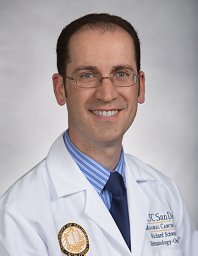 Richard Schwab合作论文数University of California, San Diego3Komenaka Ian K合作论文数3
 Isibor Arhuidese合作论文数Division of Vascular Surgery and Endovascular Therapy, Department of Surgery, School of Medicine, Yale University;Department of Chronic Disease Epidemiology, Yale School of Public Health, Yale University3Li Tao合作论文数3
 Matthew A Allison合作论文数University of California, San Diego3Ward Erin合作论文数3
 Mark Steven Wallace合作论文数Division of Pain Medicine, University of California San Diego Health;Center for Pain Medicine, University of California San Diego Health;Division of Pain Medicine, Department of Anesthesiology, School of Medicine, University of California San Diego3
 Joachim H. Ix合作论文数Division of Nephrology-Hypertension, University of California, San Diego Health3Jiajing Chen合作论文数3
 Scarlett Lin Gomez合作论文数Department of Epidemiology and Biostatistics, School of Medicine, University of California, San Francisco;Helen Diller Family Comprehensive Cancer Center, University of California, San Francisco3
 Keith Diaz合作论文数Center for Behavioral Cardiovascular Health, The Seymour, Paul and Gloria Milstein Division of Cardiology, Department of Medicine, Columbia University Irving Medical Center3Claire B. Janssen合作论文数2Niloofar Radgoudarzi合作论文数2Rami Alhakim合作论文数2Cj Kelly合作论文数2Elizabeth Gorbe合作论文数2
 Ava Hosseini合作论文数2Munir Paul Moacdieh合作论文数University of California San Diego2
 Andrea La Croix合作论文数Division of Epidemiology, The Herbert Wertheim School of Public Health and Human Longevity Science, University of California San Diego;Department of Family Medicine, School of Medicine, University of California San Diego;Women's Health Center of Excellence, University of California San Diego2C. Stone合作论文数2Steven Hunt合作论文数2C. Miller合作论文数2E. Li合作论文数2




