The epigenomic regulation of transcriptional programs in metastatic prostate cancer is poorly understood. We studied the epigenomic landscape of prostate cancer drivers using transcriptional profiling and ChIP‐seq in four clonal metastatic tumors derived from a single prostate cancer patient. Our epigenomic analyses focused on androgen receptor (AR), which is a key oncogenic driver in prostate cancer, the AR pioneer factor FOXA1, chromatin insulator CCCTC‐Binding Factor, as well as for modified histones H3K27ac and H3K27me3. The vast majority of AR binding sites were shared among healthy prostate, primary prostate cancer, and metastatic tumor samples, signifying core AR‐driven transcriptional regulation within the prostate cell lineage. Genes associated with core AR‐binding events were significantly enriched for essential genes in prostate cancer cell proliferation. Remarkably, the metastasis‐specific active AR binding sites showed no differential transcriptional output, indicating a robust transcriptional program across metastatic samples. Combined, our data reveal a core transcriptional program in clonal metastatic prostate cancer, despite epigenomic differences in the AR cistrome.
Prostate cancer is the second leading cause of cancer death in men in the developed world. A more sensitive and specific detection strategy for lethal prostate cancer beyond serum prostate specific antigen (PSA) population screening is urgently needed. Diagnosis by canine olfaction, using dogs trained to detect cancer by smell, has been shown to be both specific and sensitive. While dogs themselves are impractical as scalable diagnostic sensors, machine olfaction for cancer detection is testable. However, studies bridging the divide between clinical diagnostic techniques, artificial intelligence, and molecular analysis remains difficult due to the significant divide between these disciplines. We tested the clinical feasibility of a cross-disciplinary, integrative approach to early prostate cancer biosensing in urine using trained canine olfaction, volatile organic compound (VOC) analysis by gas chromatography-mass spectroscopy (GC-MS) artificial neural network (ANN)-assisted examination, and microbial profiling in a double-blinded pilot study. Two dogs were trained to detect Gleason 9 prostate cancer in urine collected from biopsy-confirmed patients. Biopsy-negative controls were used to assess canine specificity as prostate cancer biodetectors. Urine samples were simultaneously analyzed for their VOC content in headspace via GC-MS and urinary microbiota content via 16S rDNA Illumina sequencing. In addition, the dogs’ diagnoses were used to train an ANN to detect significant peaks in the GC-MS data. The canine olfaction system was 71% sensitive and between 70-76% specific at detecting Gleason 9 prostate cancer. We have also confirmed VOC differences by GC-MS and microbiota differences by 16S rDNA sequencing between cancer positive and biopsy-negative controls. Furthermore, the trained ANN identified regions of interest in the GC-MS data, informed by the canine diagnoses. Methodology and feasibility are established to inform larger-scale studies using canine olfaction, urinary VOCs, and urinary microbiota profiling to develop machine olfaction diagnostic tools. Scalable multi-disciplinary tools may then be compared to PSA screening for earlier, non-invasive, more specific and sensitive detection of clinically aggressive prostate cancers in urine samples.
CONTEXT:Prostate cancer (PCa) is a complex disease that disproportionately impacts Black men in the USA. The structural factors that drive heterogeneous outcomes for patients of differing backgrounds are probably the same ones that result in population-level disparities. The relative contribution of drivers along the PCa disease continuum is an active area of investigation and debate. OBJECTIVE:To critically synthesize the available evidence on PCa disparities from a population-level perspective in comparison to data from "equal access and equal care settings" and to provide a consensus summary of the state of PCa disparities. EVIDENCE ACQUISITION:A plenary panel on PCa disparities presented at the Prostate Cancer Foundation meeting on October 24, 2019 and ensuing discussions are reported here. We used a systematic literature review approach and the Preferred Reporting Items for Systematic Reviews and Meta-analyses to select the most relevant publications. A total of 3333 publications between 2011 and 2021 were retrieved, of which 52 were included in the review; an additional 13 articles on screening guidelines, seminal clinical trials, and statistical methodology were used in the evidence synthesis. EVIDENCE SYNTHESIS:Race disparities in PCa are a result of a complex interaction between socioeconomic factors impacting access to care and ancestral/genetic factors that may influence tumor biology. Black men in the USA continue to have a nearly 1.8 times higher population-level incidence rate than White men. Failure to account for the race-specific incidence burden would continue to lead to residual disparity even after achieving relatively similar outcomes after primary treatment, resulting in a higher long-term mortality burden. Selection bias remains possible in PCa studies, which often rely on highly specific cohorts of Black men with higher use of health care resources that may not represent the average Black patient in the USA. Novel methods including mediation analysis and genetic ancestry rather than self-identified race can optimize analytical models investigating racial disparities and may lead to a better understanding of PCa genomic diversity and behavior. CONCLUSIONS:Our findings emphasize the importance of racially diverse studies, including precision -omics, prevention, and targeted therapy initiatives, to elucidate mechanisms underlying racial differences in outcomes and response to therapy. We propose novel approaches for studying and addressing PCa disparities. Contemporary methods, particularly in the domain of mediation analysis, can promote scientific rigor in understanding these disparities. PATIENT SUMMARY:Inaccurate data interpretation or lack of data altogether for Black men can impact policy and ultimately affect millions of individuals of African origin worldwide. Our review identifies a need to develop and prioritize a strategy for including Black and other men with prostate cancer in intervention studies and randomized clinical trials to halt the widening prostate cancer disparities.
Minimum Technical Data Elements for Liquid Biopsy Data Submitted to Public Databases Phillip G. Febbo, Anne-Marie Martin, Howard I. Scher, J. Carl Barrett, Julia A. Beaver, Paul J. Beresford, Gideon M. Blumenthal, Kelli Bramlett, Carolyn Compton, Ryan Dittamore, David A. Eberhard, Daniel Edelstein, James Godsey, Andrew Gruen, Sean E. Hanlon, James Hicks, Daniel Hovelson, Melanie Hullings, Donald Johann, Justin Johnson, Anand Kolatkar, Peter Kuhn, Rebecca Levine, Jean-Francois Martini, Daniel P. Miller, Carissa Moore, Bryan Moy, Anand Pathak, Reena Philip, David Reese, Wendy Royalty, Matthew Ryder, Hakan Sakul, Lea M. Salvatore, Andrew Schade, Angela Silvestro, John K. Simmons, Jonathan Simons, Seema Singh Bhan, Matthew D. Smalley, Stella B. Somiari, AmirAli Talasaz, Muneesh Tewari, Hsian-Rong Tseng, Jake Vinson, Walt Wells, Allison Welsh, Robert L. Grossman*,, Jerry S. H. Lee and Lauren C. Leiman
The 2019 Coffey‐Holden Prostate Cancer Academy (CHPCA) Meeting, “Prostate Cancer Research: The Next Generation,” was held 20 to 23 June, 2019, in Los Angeles, California.
Background: Prostate cancer is the most frequently diagnosed and treated cancer in the US Department of Veterans Affairs (VA).As the leading philanthropic source for prostate cancer research, the Prostate Cancer Foundation (PCF) entered into a unique publicprivate biomedical research partnership with the VA with the goal of addressing the urgent health challenges faced by veterans with prostate cancer.Observations: With a commitment of $50 million from PCF and the VA's vast medical center infrastructure, the PCF-VA partnership has established 12 precision oncology Centers of Excellence to date, forming a collaborative network called the Precision Oncology Program for Cancer of the Prostate (POPCaP) Network.A 4-year review reveals the importance of executive leadership, mission-driven advocacy, setting shared ambitious goals, maximizing existing infrastructure and human capital, recruiting talent and resources, and creating space for adaptation and iteration in the context of a learning health care system. Conclusions:The PCF-VA partnership seeks to continue translating clinical research into national standards of care for veterans and serves as an innovative model of public-private collaborations for future health initiatives.
Despite advances in prostate cancer screening and treatment, available therapy options, particularly in later stages of the disease, remain limited and the treatment-resistant setting represents a serious unmet medical need. Moreover, disease heterogeneity and disparities in patient access to medical advances result in significant variability in outcomes across patients. Disease classification based on genomic sequencing is a promising approach to identify patients whose tumors exhibit actionable targets and make more informed treatment decisions. Here we discuss how we can accelerate precision oncology to inform broader genomically-driven clinical decisions for men with advanced prostate cancer, drug development and ultimately contribute to new treatment paradigms.
Introduction The 2018 Coffey-Holden Prostate Cancer Academy (CHPCA) Meeting, "Tumor Cell Heterogeneity and Resistance," was held in Los Angeles, California from June 21 to 24, 2018. Methods The CHPCA Meeting is a unique, discussion-oriented scientific conference convened annually by the Prostate Cancer Foundation (PCF), which focuses on the most critical topics in need of further study to advance the treatment of lethal prostate cancer. The 6th Annual CHPCA Meeting was attended by 70 investigators and concentrated on prostate cancer heterogeneity and treatment resistance. Results The meeting focused on topics including: recognition of tumor heterogeneity, molecular drivers of heterogeneity, the role of the tumor microenvironment, the role of heterogeneity in disease progression, metastasis and treatment resistance, clinical trials designed to target resistance and tumor heterogeneity, and immunotherapeutic approaches to target and overcome tumor heterogeneity. Discussion This review article summarizes the presentations and discussions from the 2018 CHPCA Meeting in order to share this knowledge with the scientific community and encourage new studies that will lead to improved treatments and outcomes for men with prostate cancer.
Izak Faiena and Stuart Holden, David Geffen School of Medicine at UCLA, Los Angeles, CA Mathew R. Cooperberg, University of California, San Francisco, San Francisco, CA Stuart Holden, Howard R. Soule, and Jonathan W. Simons, Prostate Cancer Foundation, Santa Monica, CA Todd M. Morgan, University of Michigan, Ann Arbor, MI David F. Penson, Vanderbilt University Medical Center, Nashville, TN Alicia K. Morgans and Maha Hussain, Northwestern University, Chicago, IL
IntroductionThe 2017 Coffey-Holden Prostate Cancer Academy (CHPCA) Meeting, Beyond the Androgen Receptor II: New Approaches to Understanding and Treating Metastatic Prostate Cancer, was held in Carlsbad, California from June 14-17, 2017. MethodsThe CHPCA is an annual scientific conference hosted by the Prostate Cancer Foundation (PCF) that is uniquely designed to produce extensive and constructive discussions on the most urgent and impactful topics concerning research into the biology and treatment of metastatic prostate cancer. The 2017 CHPCA Meeting was the 5th meeting in this annual series and was attended by 71 investigators focused on prostate cancer and a variety of other fields including breast and ovarian cancer. ResultsThe discussions at the meeting were concentrated on topics areas including: mechanisms and therapeutic approaches for molecular subclasses of castrate resistant prostate cancer (CRPC), the epigenetic landscape of prostate cancer, the role of DNA repair gene mutations, advancing the use of germline genetics in clinical practice, radionuclides for imaging and therapy, advances in molecular imaging, and therapeutic strategies for successful use of immunotherapy in advanced prostate cancer. DiscussionThis article reviews the presentations and discussions from the 2017 CHPCA Meeting in order to disseminate this knowledge and accelerate new biological understandings and advances in the treatment of patients with metastatic prostate cancer.
The 22nd Annual Prostate Cancer Foundation (PCF) Scientific Retreat was convened in Washington, D.C. from October 8 to 10, 2015. This event is the foremost scientific conference in the world focusing on basic, translational, and clinical prostate cancer research with the highest potential for accelerating the understanding of prostate cancer biology and improving the lives and outcomes of prostate cancer patients. Topics highlighted during the 2015 Retreat included: (i) new strategies and treatments for localized high-risk, hormone-naïve, oligometastatic, castrate-resistant, and treatment-refractory prostate cancer settings; (ii) the biology and genomics of tumor heterogeneity and tumor evolution; (iii) new understandings on the mechanisms and targeting of oncogenic drivers of prostate cancer; (iv) bioengineering of novel therapies and drug delivery methods; (v) innovative approaches to tumor immunotherapy; (vi) emerging molecular imaging technologies with improved sensitivity and specificity; and (vii) advancements in prognostic and predictive biomarkers and precision medicine strategies. Prostate 76:1037-1052, 2016. © 2016 Wiley Periodicals, Inc.
INTRODUCTIONThe 2016 Coffey–Holden Prostate Cancer Academy (CHPCA) Meeting, “Beyond Seed and Soil: Understanding and Targeting Metastatic Prostate Cancer,” was held from June 23 to June 26, 2016, in Coronado, California.METHODSFor the 4th year in a row, the Prostate Cancer Foundation (PCF) hosted the CHPCA Meeting, a think tank‐structured scientific conference, which focuses on a specific topic of critical unmet need on the biology and treatment of advanced prostate cancer. The 2016 CHPCA Meeting was attended by 71 investigators from prostate cancer and other fields, who discussed the biology, study methodologies, treatment strategies, and critical unmet needs concerning metastatic prostate cancer, with the ultimate goal of advancing strategies to treat and eliminate this disease.RESULTSThe major topics of discussion included: the molecular landscape and molecular heterogeneity of metastatic prostate cancer, the role of the metastatic microenvironment, optimizing immunotherapy in metastatic prostate cancer, learning from exceptional responders and non‐responders, targeting DNA repair deficiency in advanced prostate cancer, developing and applying novel biomarkers and imaging techniques, and potential roles for the microbiome in prostate cancer.DISCUSSIONThis article reviews the topics presented and discussions held at the CHPCA Meeting, with a focus on the unknowns and next steps needed to advance our understanding of the biology and most effective treatment strategies for metastatic prostate cancer. Prostate 77:123–144, 2017. © 2016 Wiley Periodicals, Inc.
The great strength of the PCWG3 is the recognition that second- , third- , and fourth-line treatments offer new possibilities for extending overall survival.
BACKGROUND:The 2015 Coffey-Holden Prostate Cancer Academy Meeting, themed: "Multidisciplinary Intervention of Early, Lethal Metastatic Prostate Cancer," was held in La Jolla, California from June 25 to 28, 2015. METHODS:The Prostate Cancer Foundation (PCF) sponsors an annual, invitation-only, action-tank-structured meeting on a critical topic concerning lethal prostate cancer. The 2015 meeting was attended by 71 basic, translational, and clinical investigators who discussed the current state of the field, major unmet needs, and ideas for addressing earlier diagnosis and treatment of men with lethal prostate cancer for the purpose of extending lives and making progress toward a cure. RESULTS:The questions addressed at the meeting included: cellular and molecular mechanisms of tumorigenesis, evaluating, and targeting the microenvironment in the primary tumor, advancing biomarkers for clinical integration, new molecular imaging technologies, clinical trials, and clinical trial design in localized high-risk and oligometastatic settings, targeting the primary tumor in advanced disease, and instituting multi-modal care of high risk and oligometastatic patients. DISCUSSION:This article highlights the current status, greatest unmet needs, and anticipated field changes that were discussed at the meeting toward the goal of optimizing earlier interventions to potentiate cures in high-risk and oligometastatic prostate cancer patients.
The 21st Annual Prostate Cancer Foundation (PCF) Scientific Retreat was held from October 23-25, 2014, in Carlsbad, CA. This event is the world's foremost scientific meeting focusing on prostate cancer and brings together leading basic, translational and clinical researchers in prostate cancer and other diverse disciplines to discuss the newest findings most likely to advance the understanding of prostate cancer and the clinical care of prostate cancer patients. This year's meeting highlighted themes including: (i) research integrity and standards for scientific reproducibility; (ii) prostate cancer disparities; (iii) mechanisms and models of prostate cancer progression and dormancy; (iv) mechanisms of therapeutic resistance; and (v) advancements in precision medicine treatments, treatment models, and predictive and prognostic biomarkers.
INTRODUCTIONThe 2014 Coffey-Holden Prostate Cancer Academy Meeting, held in La Jolla, CA from June 26 to 29, 2014, was themed: Beyond Immune Checkpoint Blockade: New Approaches to Targeting Host-Tumor Interactions in Prostate Cancer.METHODSSponsored by the Prostate Cancer Foundation (PCF), this annual, invitation-only meeting is structured as an action-tank, and brought together 72 investigators with diverse academic backgrounds to discuss the most relevant topics in the fields of prostate cancer immunotherapy and the tumor microenvironment.RESULTSThe questions addressed at the meeting included: mechanisms underlying the successes and failures of prostate cancer immunotherapies, how to trigger an effective immune response against prostate cancer, the tumor microenvironment and its role in therapy resistance and tumor metastasis, clinically relevant prostate cancer mouse models, how host-tumor interactions affect current therapies and tumor phenotypes, application of principles of precision medicine to prostate cancer immunotherapy, optimizing immunotherapy clinical trial design, and complex multi-system interactions that affect prostate cancer and immune responses including the effects of obesity and the potential role of the host microbiome.DISCUSSIONThis article highlights the most significant recent progress and unmet needs that were discussed at the meeting toward the goal of speeding the development of optimal immunotherapies for the treatment of prostate cancer. Prostate 75:337-347, 2015. (c) 2014 Wiley Periodicals, Inc.
The 20th Annual Prostate Cancer Foundation (PCF) Scientific Retreat was held from October 24 to 26, 2013, in National Harbor, Maryland. This event is held annually for the purpose of convening a diverse group of leading experimental and clinical researchers from academia, industry, and government to present and discuss critical and emerging topics relevant to prostate cancer (PCa) biology, and the diagnosis, prognosis, and treatment of PCa patients, with a focus on results that will lend to treatments for the most life‐threatening stages of this disease. The themes that were highlighted at this year's event included: (i) mechanisms of PCa initiation and progression: cellular origins, neurons and neuroendocrine PCa, long non‐coding RNAs, epigenetics, tumor cell metabolism, tumor–immune interactions, and novel molecular mechanisms; (ii) advancements in precision medicine strategies and predictive biomarkers of progression, survival, and drug sensitivities, including the analysis of circulating tumor cells and cell‐free tumor DNA—new methods for liquid biopsies; (iii) new treatments including epigenomic therapy and immunotherapy, discovery of new treatment targets, and defining and targeting mechanisms of resistance to androgen‐axis therapeutics; and (iv) new experimental and clinical epidemiology methods and techniques, including PCa population studies using patho‐epidemiology. Prostate 74:811–819, 2014. © 2014 Wiley Periodicals, Inc.
Hypoxia‐inducible factor 1 α ( HIF ‐1 α ) is the regulatory subunit of the heterodimeric HIF ‐1 that plays a critical role in transcriptional regulation of genes in angiogenesis and hypoxic adaptation, while fatty acid metabolism mediated by lipoxygenases has been implicated in a variety of pathogeneses, including cancers. In this study, we report that 15‐lipoxygenase 1 (15‐ LO 1), a key member of the lipoxygenase family, promotes HIF ‐1 α ubiquitination and degradation. Altering the level of 15‐ LO 1 yields inverse changes in HIF ‐1 α and HIF ‐1 transcriptional activity, under both normoxia and hypoxia, and even in CoCl 2 ‐treated cells where HIF ‐1 α has been artificially elevated. The antagonistic effect of 15‐ LO 1 is mediated by the Pro 564 /hydroxylation/26S proteasome system, while both the enzymatic activity and the intracellular membrane‐binding function of 15‐ LO 1 appear to contribute to HIF ‐1 α suppression. Our findings provide a novel mechanism for HIF ‐1 α regulation, in which oxygen‐dependent HIF ‐1 activity is modulated by an oxygen‐insensitive lipid metabolic enzyme.
 Hua Zhong合作论文数31William G. Nelson合作论文数Environmental Health and Engineering, Bloomberg School of Public Health, Johns Hopkins University19Howard R. Soule合作论文数18
 Michael A. Carducci合作论文数School of Medicine, Johns Hopkins University;Johns Hopkins Kimmel Cancer Center;Skip Viragh Outpatient Cancer Center;Sibley Memorial Hospital16
 Nicola J Mabjeesh合作论文数Sackler Faculty of Medicine, Tel-Aviv University13
 Andrea Miyahira合作论文数12
 Gregg L. Semenza合作论文数Institute for Cell Engineering, Johns Hopkins University;Department of Pathology, School of Medicine, Johns Hopkins University12
 Shuming Nie (聂书明)合作论文数Department of Bioengineering, The Grainger College of Engineering, University of Illinois Urbana-Champaign12
 Angelo De Marzo合作论文数School of Medicine, The Johns Hopkins University12Fray Marshall合作论文数Department of Urology, Emory University School of Medicine12Theodore L. Deweese合作论文数Department of Urology, The Johns Hopkins University School of Medicine11
 Drew Mark Pardoll合作论文数Department of Oncology, School of Medicine, Johns Hopkins University;Bloomberg~Kimmel Institute for Cancer Immunotherapy, School of Medicine, Johns Hopkins University;Sidney Kimmel Comprehensive Cancer Center, School of Medicine, Johns Hopkins University10Ronald Rodriguez合作论文数9Angelo A. Baccala合作论文数8
 Ken Pienta合作论文数Department of Oncology, Johns Hopkins University School of Medicine;Sidney Kimmel Comprehensive Cancer Center, Johns Hopkins University8
 Alan W. Partin合作论文数Department of Urology, Johns Hopkins Medicine8
 Eric Small合作论文数Department of Urology, University of California, San Francisco;Division of Hematology and Oncology, Department of Medicine, University of California, San Francisco8
 Martin G. Sanda合作论文数Department of Urology, Emory University School of Medicine;Winship Cancer Institute, Emory University8Erik Laughner合作论文数8Hi Levitsky合作论文数7
 Leland W Chung合作论文数Cedars-Sinai Cancer7
 Bert Vogelstein合作论文数Department of Molecular Biology and Genetics, Johns Hopkins School of Medicine7Richard C. Mulligan合作论文数7Natalie Sacks合作论文数7Bahar Mikhak合作论文数7Lawrence K. Cohen合作论文数7Zhau Haiyen E合作论文数6
 Elizabeth M. Jaffee合作论文数Department of Pathology, School of Medicine, Johns Hopkins University;Institute for Clinical & Translational Research, Johns Hopkins University6
 Steven Piantadosi合作论文数Department of Surgical Oncology, Brigham And Women's Hospital;Harvard Medical School;Department of Biostatistics, Johns Hopkins Bloomberg School of Public Health6
 William B. Isaacs合作论文数Department of Urology, The Johns Hopkins University School of Medicine6Ruoxiang Wang合作论文数6
 Jintang Dong (董金堂)合作论文数Department of Human Cell Biology and Genetics, School of Medicine, Southern University of Science and Technology6David Zagzag合作论文数6Margaret T. Willard合作论文数6S Piantadosi合作论文数5Michael Lim合作论文数5
 Jonathan Epstein合作论文数Johns Hopkins University School of Medicine;Johns Hopkins Hospital5
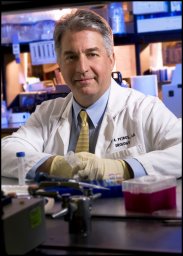 John A. Petros合作论文数Department of Hematology and Medical Oncology, Emory University5Ju-Fay Chang合作论文数5
 May Dongmei Wang合作论文数Bio-Medical Informatics and Bio-Imaging Laboratory, Wallace H. Coulter Department of Biomedical Engineering, College of Engineering, Georgia Institute of Technology;Bio-Medical Informatics and Bio-Imaging Laboratory, Wallace H. Coulter Department of Biomedical Engineering, School of Medicine, Emory University5de chao yu合作论文数4CE WEBER合作论文数4
 Xiaodong Sun (孙晓东)合作论文数Affiliated Hospital of Shandong Second Medical University;Affiliated Hospital of Weifang Medical University4Hauda K M合作论文数4Hanrahan C合作论文数4
 Ceshi Chen (陈策实)合作论文数Kunming Medical University;Yunnan Cancer Hospital4
 David C. Smith合作论文数Medical School, University of Michigan;Rogel Cancer Center, University of Michigan4
 Ruth Oregan合作论文数Bell Telephone Laboratories, Inc.4Marti Goemann合作论文数4




