Nonracemic C-fluoroaziridines were synthesized for the first time by reaction of fluorocarbene with N-diphenylmethylidene-substituted natural amino acid esters. The products were shown to be used in asymmetric synthesis of chiral fluorinated prop-2-yn-1-amines via one-pot process involving isomerization of 2-fluoroaziridines into α-fluoro imines and subsequent reaction with alkynyldifluoroborane generated in situ.
Opening of the three-membered ring in heterocyclic systems incorporating a dichloroaziridine ring fused to eight-membered O,N-or S,N-heterocycles is accompanied by transannular reactions with participation of the endocyclic oxygen and sulfur atoms. Depending on the conditions, the products are 1,4-benzoxazine (1,4-benzothiazine) or 1,3-benzoxazole (1,3-benzothiazole) derivatives. The discovered transformations were used as a basis of methods for the preparation of new heterocyclic systems, 2,3,4,4a-tetrahydro-1H-pyrido-[3,2-b][1,4]benzoxa(thia)zine derivatives, in domino or consecutive modes, as well as of pyrrolidinyl-substituted 1,3-benzoxa(thia)zoles.
The reaction of 2,2-dialkyl-4,6-diaryl-1,3-diazabicyclo[3.1.0]hex-3-enes with dichlorocarbene to give (1RS,5SR,6RS)-4-(alk-1-enyl)-1,5-diaryl-3,7,7-trichloro-2,4-diazabicyclo[4.1.0]hept-2-enes has been studied. Quantum-chemical calculations using the DFT B3LYP/6-31G(d) method have confirmed that the mechanism of the reaction includes the formation of azirino[c] imidazolium ylides and coordinated opening of the imidazole and aziridine rings with subsequent cyclization and dichloropropane formation.
Dirhodium tetraacetate-catalyzed decomposition of diazo esters in the presence of 3-aryl-2H-azirines having no substituent in the 2-position gives rise to azirinium ylides which then undergo isomerization into 2-azabuta-1,3-diene derivatives or (in the presence of excess diazo ester) react with the corresponding rhodium carbenoid to form substituted 3,4-dihydro-2H-pyrroles. 2-Mono-and 2,2-disubstituted 3-phenyl-2H-azirines react with rhodium carbenoids generated from diazo esters to give azirinium ylides which are converted into the corresponding 2-azabuta-1,3-dienes.
Treatment of substituted 1,3-dithiolanes and 1,3-oxathiolanes with methyl diazoacetate in the presence of Rh2(OAc)4 effects ring expansion to the corresponding substituted 1,4-dithiane-2-carboxylates and 1,4-oxathiane-3-carboxylates. The sulfur ylides initially generated in these reactions undergo Stevens rearrangement in competition with both [2,3]-C–C-sigmatropic rearrangement and intramolecular fragmentation. In the case of 2-styryl-substituted 1,3-oxathiolane and 1,3-dithiolane, ring expansion on one-, three- and four-carbons subsequently takes place.
LGeOH (1; L = HC[(CMe)(NAr)](2), Ar = 2,6-iPr(2)C(6)H(3)) reacted with iron and manganese complexes to give LGe(OH)Fe(CO)(4) (2) and LGe(OH)Mn(CP)(CO)(2) (3; Cp = cyclopentadienyl). Compounds 2 and 3 were characterized by IR, multinuclear NMR, EI-MS, and single-crystal X-ray diffraction.
Reaction of [(eta(5)-Me4EtC5)Fe(II)Cl(tmeda)] (tmeda = N,N,N'N'-tetramethylethylenediamine) with a polyanion solution of decacyclene (1) results in the formation of the triple-deckers [{(eta(5)-Me4EtC5)Fe}2-mu2-(eta(6):eta(6)-decacyclene)] (3) and [{(eta(5)-Me4EtC5)Fe}4-mu4-(eta(6):eta(6):eta(6):eta(6)-decacyclene)] (4). Metal complexation in 3 and 4 occurs on opposite faces of the pi perimeter in an alternating mode. The decacyclene ring adopts a gently twisted molecular propeller geometry with twofold crystallographic symmetry (C2). Complex 4 crystallizes in the chiral space group C222(1); the investigated crystal only contains decacyclene rings with M chirality. The handedness can be assigned unambiguously to the presence of the iron atoms. Cyclovoltammetric studies revealed quasireversible behavior of the redox events and a strong interaction of the Fe atoms in 3 and 4, exemplified by potential differences deltaE of 660 and 770(780) mV between the first and the second individual oxidation processes. This corresponds to a high degree of metal-metal interaction for 3 and 4. The successful syntheses of 3 and 4 together with earlier results from our laboratory proves that all five- and six-membered pi subunit sets of 1 are prone to metal complexation. A clear site preference in 1 towards the complexation of [Cp(R)]iron, -cobalt, and -nickel fragments exists.
A series of Al(III) compounds containing the C6F5-substituted beta-diketiminate ligands LAlMeCl (2), LAlMe2 (3), LAlMeI (4), and LAlBr2 (5) (L = HC[(CMe)(NC6F5)]2) were synthesized and characterized. The hydrolysis of 2 and 4 in the presence of 1,3-diisopropyl-4,5-dimethylimidazol-2-ylidene as the hydrogen halide acceptor both lead to (LAlMe)2(mu-O) (6), a methylalumoxane derivative, which is the first hydrolysis product with the general formula of (RAlMe)(n)O. A comparison of the hydrolysis products of 2 and 4 with that of L'AlMeCl (L' = HC[(CMe)(NAr)]2, Ar = 2,6-iPr2C6H3) shows that with the C6F5-substituted beta-diketiminate ligand, it was not possible to generate LAlMe(OH). This is obviously due to the stronger Brönsted acidity of the proton and the smaller size of the C6F5 group in this compound compared to that of the corresponding 2,6-iPr2C6H3 derivative.
Three novel aluminum-containing tin(IV) heterobimetallic sulfides are reported. The reaction of [LAl(SLi)2(THF)2]2 (1) [L = HC(CMeNAr)2, Ar = 2,6-iPr2C6H3] with Ph2SnCl2, Me2SnCl2, and SnCl4 in THF respectively afforded LAl(mu-S)2SnPh2 (2), LAl(mu-S)2SnMe2 (3), and LAl(mu-S)2Sn(mu-S)2AlL (4) in moderate yields. Compounds 2, 3, and 4 were characterized by elemental analysis, NMR, electron-impact mass spectrometry, and single-crystal X-ray structural analysis.
The (E,Z,E)-.1,3,5-hexatrienes la, 2a,b and 3b undergo 6 pi-Telectrocyclization within 15-30 min upon heating to 200-215 degrees C. While the cyclohexene-annelated products 8a,b were stable, the analogous cyclopentene- and cycloheptene-annelated derivatives 7a and 9b easily underwent dehydrogenation to the corresponding aromatic compounds 10a and 12b during the work-up. The cyclohexadiene derivatives 8a,b were employed in thermal Diels-Alder reactions with 4-phenyl-3H-1,2,4-triazoline-3,5-dione (PTAD) and tetracyanoethylene (TCNE) to give the expected [4+2] cycloadducts 13a and 14a in good yields (60 and 78%). The initially formed cycloadduct of 8a and dimethyl acetylenedicarboxylate (DMAD) underwent a subsequent retro-Diels-Alder reaction to give the tetrahydronaphthalene 11b (47%). Under high pressure (10 kbar), the cycloadduct 15 a was formed at room temperature and could be isolated in 44% yield. TCNE and N-phenylmaleimide with 8a under high pressure also led to the [4+2] cycloadducts 14a and 16a in good yields (60 and 77%). The 6 pi-electrocyclization and subsequent Diels-Alder reaction, when performed as a one-pot domino process, provided direct access to Diels-Alder products of intermediately formed 6 pi-electrocyclization products, for example from the 1,3,5-hexatrienes 1a,b, 2a,b, 3b and TCNE to the corresponding tricyclic products 17 a, b, 14a,b, 18b in moderate to good yields (27-80%) depending on the nature of the alkoxycarbonyl group. Such sequential reactions with N-phenylmaleimide, maleic anhydride, dimethyl maleate and fumarodinitrile, the latter two under high pressure (10kbar), worked as well to yield 16b (70%), 19a,b (19, 32 %) and 20 b (39 %) and 21 b (76 %), respectively. With PTAD, however, the hexatrienes 2a,b reacted at ambient temperature without 6 pi-electrocyclization to give the formal [4+2] cycloadducts 27 a, b (48 and 46 %), most probably via zwitterionic intermediates 23 a, b and 25 a, b.
Reaction of potassium salts of sterically demanding pyrazolates (pz = bis-3,5-tert-butylpyrazolate, pz= bis-3,5-tert-butyl-4-methylpyrazolate) with Re2O7 affords soluble eta2-pyrazolate complexes of the type [(eta2-pz)ReO3(THF)n](1: pz, n= 1 and 2: pz, n= 0). They were characterized by spectroscopic methods and by X-ray crystallography confirming the eta2-coordinate ligands. Complex 1 employing the ligand with a proton in the 4-position retains one molecule of THF, whereas the additional methyl group in 2 leads to the base-free compound 2. Compound 1 reacts with pyridine and 3,5-dimethylpyridine to form Lewis base adducts of the type [(eta2-pz)ReO3(L)](3: L = py; 4: L = 3,5-Me2py). The pronounced sensitivity towards water of these complexes is demonstrated by the reaction of 1 with one equivalent of water forming the corresponding pyrazolium perrhenate [ReO4][pzH2](5). Its solid state structure shows a hydrogen bonded dimeric assembly. Catalytic activity of 1 is established in oxygen atom transfer-reactions (OAT) from dimethylsulfoxide to triphenylphosphine, and in epoxidations of cyclooctene employing bis(trimethylsilyl) peroxide (BTSP).
The reaction of [(HN3N)ReOCl] (1) that contains the unsymmetric tren-based ligand HN3N = ({C6F5NCH2CH2}(2) NCH2CH2CH2NHC6F5)(2-) with samarium diiodide leads to the formation of the iodide compounds [(N3N)ReI] (2) and {(HN3N)ReOI} (3). The reduction reaction also generates the unusual rhenium(IV) compound [(HN3N*)ReX] (4, X = 0.35 % F and 0.65 % I,), where the amine ligand HN3N* = ({C6F5NCH2CH2}(2) NCH2CH2CH2NHC2F4)(3-) is involved in an intramolecular C-F bond activation. The laraer 6-membered metallacycle formed by the propylene amido substituent facilitates ortho metallation. All compounds have been characterized by single crystal X-ray analyses.
The carbonyl ylide 1,3-dipoles generated by dirhodium tetra-acetate-catalyzed decomposition from 1-diazo-5-phenylpentane-2,5-dione (4) and 1-(1-acetylcyclopropyl)-2-diazoethanone (5) cycloadd to substituted methylenecyclopropanes 2a-e and bicyclopropylidene (3) to give substituted mono-, di-, and trispirocyclopropanated 8-oxabicyclo[3.2.1]octan-2ones 7, 8, and 11 and 7-oxabicyclo[2.2.1]heptan-2-ones 10 and 12 in 6-75% yields with different regio- and stereoselectivities. The structures of the two isomeric cycloadducts endo- and exo-10d formed from the carbonyl ylide derived from 5 and methyl 2-chloro-2-(cyclopropylidene) acetate (2d) were confirmed by X-ray crystal structure analyses. (Diphenylmethylene)cyclopropane and trans-3-methylenecyclopro pane-1,2-dicarboxylate (diethyl ester of Feist's acid) did not undergo such cycloadditions, while methylenecyclobutane (13) afforded a mixture of [3+2] and [2+1] cycloadducts 14 and 15 in 28 and 29% yields, respectively. The scope and limitations of these cycloadditions as well as the influence of different factors upon their regio- and stereoselectivities are discussed. ((C) Wiley-VCH Verlag GmbH & Co. KGaA, 69451 Weinheim, Germany, 2005).
The reaction between beta-diketiminato-stabilized aluminum dihydride LAlH2 and tBuOOH leads to the formation of a pentacoordinated tert-butylperoxo aluminum compound.
Indole readily added across the double bond of the highly reactive Michael acceptor methyl 2-chloro-2-cyclopropylideneacetate (4) to yield 2-chloro-2-(3'-indolylcyclopropyl)acetate 5 (85%) which was converted in two steps into the racemic tryptophan analogue 7 in 90% yield. This in turn was transformed by a condensation and Pictet-Spengler sequence into the spirocyclopropane analogues, 11, 13 and 15, of both the natural product (demethoxy)fumitremorgine C (3b, 3 steps, 11% yield) and the potent PDE-5 inhibitor Tadalafil (2, 3 steps, 71% yield) as well as the original lead structure with a hydantoin backbone (1, 2 steps, 79% yield). ((C) Wiley-VCH Verlag GmbH & Co. KGaA, 69451 Weinheim, Germany, 2005).
An entry from the Cambridge Structural Database, the world’s repository for small molecule crystal structures. The entry contains experimental data from a crystal diffraction study. The deposited dataset for this entry is freely available from the CCDC and typically includes 3D coordinates, cell parameters, space group, experimental conditions and quality measures.
Twelve differently substituted tricyclic hydroxy ketones 7, 8 with [5-5-x] (x = 5, 6, 7) combinations of ring sizes were prepared in a single step in 43-91% yields (10 examples with 74-91%) from the corresponding protected (2'-oxocycloalkyl)methyl-substituted cyclopentadienes 6, which were obtained by cocyclization of the alkynes 5 with the beta-dimethylamino -substituted alpha,beta-unsaturated Fischer carbene complexes 4 in 38-81% yield (6 examples with 66-81%). In most cases, the cis, anti, cis-isomers anti-7 were the major products. While the twofold cis-fusion is favored by minimal ring strain, hydrogen bonding between the hydroxy and the carbonyl group probably favors the anti-configuration of the tricyclic skeletons. Acid-catalyzed dehydration of the hydroxy ketones anti-7aa, anti-7ba, anti-7ca afforded the corresponding tricyclic dienes 15aa/16aa, 15ba, and 15ca/16ca, respectively. ((c) Wiley-VCH Verlag GmbH & Co. KGaA, 69451 Weinheim, Germany, 2005).
This paper reports on the synthesis, X-ray structure, magnetic properties, and DFT calculations of [[HC(CMeNAr)2]Mn]2 (Ar = 2,6-iPr2C6H3) (2), the first complex with three-coordinate manganese(I). Reduction of the iodide [[HC(CMeNAr)2]Mn(mu-I)]2 (1) with Na/K in toluene afforded 2 as dark-red crystals. The molecule of 2 contains a Mn2(2+) core with a Mn-Mn bond. The magnetic investigations show a rare example of a high-spin manganese(I) complex with an antiferromagnetic interaction between the two Mn(I) centers. The DFT calculations indicate a strong s-s interaction of the two Mn(I) ions with the open shell configuration (3d54s1). This suggests that the magnetic behavior of 2 could be correctly described as the coupling between two S1 = S2 = 5/2 spin centers. The Mn-Mn bond energy is estimated at 44 kcal mol(-1) by first principle calculations with the B3LYP functional. The further oxidative reaction of 2 with KMnO4 or O2 resulted in the formation of manganese(III) oxide [[HC(CMeNAr)2]Mn(mu-O)]2 (3). Compound 3 shows an antiferromagnetic coupling between the two oxo-bridged manganese(III) centers by magnetic measurements.
Reactions between the aluminum(I) monomer LAl (L = HC[(CMe)(NAr)]2, Ar = 2,6-iPr2C6H3) and organic azides (RN3, R = C10H15 (adamantyl), Ph3Si; tBuSi(N3)3) are reported. LAl reacted with the bulky azide RN3 in toluene in a temperature range of −50 to 25 °C, resulting in the compound LAl[(NR)2N2] (R = C10H15 (1), Ph3Si (2)) instead of the expected AlN multiple bond species, while the reaction with tBuSi(N3)3 gave LAl(N3)N[(μ-Si(N3)(tBu)]2NAl(N3)L (3). Compounds 1−3 have been fully characterized by mass spectrometry and IR and multinuclear NMR spectroscopy (1H, 13C, and 29Si) as well as by single-crystal X-ray crystallography. The structural analysis of 1 and 2 reveals an AlN4 planar five-membered ring compound, suggesting a [2 + 3] cycloaddition of the AlN multiple bond species with a molecule of RN3 despite the steric bulk of the L and R substituents. Compound 3 shows a bonding of the N3 group to the Al and a formation of the N2Si2 central core, implying the migration of N3 and a [2 + 2] cycloaddition in t...
Dioxomolybdenum and -tungsten compounds containing sterically demanding pyrazolate ligands have been synthesised by treatment of dioxometal halides with the potassium salts of 3,5-ditert-butylpyrazole (t-Bu 2 pzH) and 3,5-di-tert-butyl-4-bromopyrazole (t-Bu 2 -4-BrpzH). The products [MoO 2 Cl(η 2 -t-Bu 2 pz)] (1), [MoO 2 (η 2 -t-Bu 2 pz) 2 ] (2), [MoO 2 (η 2 -t-Bu 2 -4-Brpz) 2 ] (3), [WO 2 (η 2 -t-Bu 2 pz) 2 ] (4) and [WO 2 (η 2 -t-Bu 2 -4-Brpz) 2 ] (5) were characterised by spectroscopic techniques. The X-ray structure of complex 3 reveals a distorted trigonal prismatic geometry with two η 2 -co-ordinated pyrazolate ligands. These high-valent compounds participate in oxygen-transfer reactions and catalyse the oxidation of PPh 3 with dimethyl sulphoxide. UV/VIS measurements of the oxo-transfer reactions and the kinetics of the catalytic process are described. By the reaction of 2 with three equivalents of PEt 3 or treatment of [MOOCl 2 -(PMe 3 ) 2 ] with two equivalents of t-Bu 2 pzK mononuclear mono-oxo compounds of the type [MOO(t-Bu 2 -pz) 2 (PR 3 ) 2 ] (R=Et 6, R=Me 7) were obtained and characterised by X-ray diffraction analyses. This points to biologically relevant mononuclear Mo(IV) intermediates in the catalytic process with this type of complex.
 Herbert W. Roesky合作论文数Institute of Inorganic Chemistry, Georg-August-Universitat Gottingen46
 Denis Vidovic合作论文数23Mathias Noltemeyer合作论文数19Hg Schmidt合作论文数14
 Dieter Fenske合作论文数Sun-Yat-sen-University;University of Oxford11
 Hongping Zhu (朱红平)合作论文数College of Chemistry and Chemical Engineering, Xiamen University9Thomas Labahn合作论文数9
 Dante Neculai合作论文数School of Medicine, Zhejiang University9Am Neculai合作论文数8
 Armin de Meijere合作论文数Institute of Organic and Biomolecular Chemistry, Universität Göttingen;Faculty of Chemistry, Universität Göttingen7Jianfang Chai合作论文数7Ss Kumar合作论文数6M. Geissinger合作论文数6H Fleischer合作论文数5
 Andreas Stasch合作论文数School of Chemistry, University of St Andrews5Ying Peng合作论文数5
 Ganapathi Anantharaman合作论文数Dept Chem, Indian Inst Technol5Nadia C. Mösch-Zanetti合作论文数5A. Mandel合作论文数5
 Mikhail S Novikov合作论文数4
 Vadapalli Chandrasekhar合作论文数National Institute of Science Education and Research, Homi Bhabha National Institute4
 Harald Krautscheid合作论文数FakultAt FUr Chemie & Mineralogie, Universitat Leipzig4
 Rafael R. Kostikov合作论文数4
 Hongjun Fan (樊红军)合作论文数State Key Laboratory of Molecular Reaction Dynamics, Dalian Institute of Chemical Physics, Chinese Academy of Sciences;University of Chinese Academy of Sciences;Chemical Dynamics Research Center, Chinese Academy of Sciences4
 Bernhard Neumüller合作论文数Philipps-Universität Marburg Fachbereich Chemie4
 A Khlebnikov合作论文数Institute of Chemistry, Saint Petersburg State University4
 Vojtech Jancik合作论文数4Junfeng Rong合作论文数3GB Nikiforov合作论文数3D. Drees合作论文数3
 Zhi Yang (杨智)合作论文数School of Chemistry and Chemical Engineering, Beijing Institute of Technology3
 Sanjay Singh合作论文数Sanjay Singh’s Lab, National Institute of Animal Biotechnology3
 Klaus Harms合作论文数Fachbereich Chemie, Universität Marburg3
 Kurt Dehnicke合作论文数University of Marburg3A. Simon合作论文数3Helmut Goesmann合作论文数3Kerstin Most合作论文数3N. Dastagiri Reddy合作论文数3S. Anfang合作论文数3
 Regine Herbst-Irmer合作论文数Institute of Inorganic Chemistry University of Göttingen3Dirk Spickermann合作论文数2S. I. Kozhushkov合作论文数2RMZ KOCKER合作论文数2D. Vidovic合作论文数2
 Marc Baldus合作论文数Bijvoet Center for Biomolecular Research, Faculty of Science, Utrecht University2
 Jörg J. Schneider合作论文数Department of Chemistry, Technische Universität Darmstadt2
 Werner Massa合作论文数Fachbereich Chemie, Philipps-Universitat Marburg2
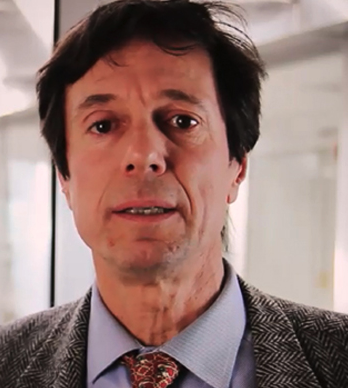 Andrea Caneschi合作论文数Dipartimento di Ingegneria Industriale, Universita degli Studi di Firenze2




