We followed the development of a Pseudomonas fluorescens biofilm on quartz sand in an instrumented horizontal flow-through stainless steel container (SSC) in lysimeter-scale, to investigate its impact on physical soil parameters within the aquifer and the capillary fringe (CF).Increasingly concentrated biodegradable substances in a liquid medium were pumped through the sand in the SSC creating an artificial aquifer.Biofilm development and its influence on flow parameters and oxygen concentration profiles, as well as temperature or water suction changes with time were determined.After more than 19 weeks of medium flow, at DOC concentrations of finally about 300 mg/L, P. fluorescens formed a strong biofilm and the highest biomass concentrations with up to 2.8 mg volatile solids per g dry sand were found in the transition zone of the CF.The soil temperature, which was slightly increased, or the water suction was significantly influenced during the experiment.The effects were strongest within the first 0.3 m of flow stretch, where the highest biomass values were detected.During the total experimental duration of 54 weeks the average flow velocity was reduced by up to 15 % due to clogging effects and the oxygen profiles were changed drastically.Results may be representative for real polluted aquifers.
In the process of modeling and simulation of bacterial growth, the calibration of a numerical model to the specific experimental setup is often necessary. This study addressed the question of whether it is possible to predict the growth of microorganisms based only on independent measurements without additional calibration. To this end, flow‐through experiments with Escherichia coli (HB101 K12 pGLO) in a Hele–Shaw cell filled with quartz sand were simulated with a newly developed numerical code for reactive multiphase multicomponent flow based on an operator splitting approach. The hydraulic parameters of the sand were determined by multistep outflow experiments and the parameters of the microbial growth model from batch experiments. There was very good agreement between predicted and measured cell concentrations nondestructively determined from the fluorescence intensities of a green fluorescent protein produced by the bacterial strain. The correct description of the kinetics of gas–water phase exchange in the unsaturated zone and of cell attachment to the solid phase proved to be crucial. The operator splitting approach significantly reduced numerical dispersion in a convection‐dominated test case. It allowed a flexible adaptation of the solution strategy to the specific problem.
Processes in capillary fringes (CFs) have a complex nature due to the interactions between the solid, liquid, and gaseous environments. Despite a considerable body of literature on CFs coming from different disciplines, the ongoing processes and their complex interactions are yet only partially understood.
Acidification of wheat bread (WBS), rye bread (RBS) and fresh biowaste suspensions (FBS), leading to lactate+acetate, lactate+acetate+n-buyrate, and acetate+propionate+n-butyrate, respectively, and biogas production as well as population dynamics were investigated. Co-fermentation of FBS (14 kg m(-3) d(-1) organic loading rate (OLR)) with WBS or RBS was stable up to an OLR of 22 kg m(-3) d(-1) and resulted in up to 3 times as much biogas. During co-fermentation at more than 20 kg m(-3) d(-1) OLR the total population increased more than 2-fold, but the originally low share of propionate-oxidizing bacteria significantly decreased. The proportion of methanogens also decreased. Whereas the proportion of Methanosarcinales to Methanomicrobiales in biowaste and biowaste+WBS remained constant, Methanosarcinales and in particular Methanosaeta spec. in the biowaste+RBS assay almost completely disappeared. Methanomicrobiales increased instead, indicating propionate oxidation via acetate cleavage to CO2 and hydrogen.
Laboratory‐scale flow‐through experiments in a sand‐filled chamber were performed to investigate the impact of aerobically growing Escherichia coli HB101‐K12 on oxygen transfer across the capillary fringe (CF) to oxygen‐depleted groundwater. In the experiments, both the effects of different nutrient concentrations and transient flow conditions were tested. The results of biotic experiments under oligotrophic and eutrophic conditions (6.8 g organic C L −1 ) were compared with those of an abiotic experiment. Moreover, in each experiment steady‐state and transient conditions were considered, the latter induced by changing the water‐table height. Growth of E. coli was quantified by cell counting in effluent samples and could be monitored due to intracellular production of the green fluorescent protein (GFP). Under eutrophic conditions, highest cell densities and strongest cell attachment were observed in the transition region of the CF. In this region, intensive bacterial respiration decreased oxygen concentrations relatively quickly, causing a steep oxygen gradient that resulted in a higher oxygen flux across the unsaturated–saturated interface. Under oligotrophic conditions, this effect was considerably reduced, but was still detectable. Due to oxygen supply from entrapped air, bacterial growth was slightly enhanced within the upper, newly formed CF region, directly after raising the water table. After lowering the water table to the initial height only a minor microbial impact on oxygen transfer was noticed, even under eutrophic conditions, because of the fast diffusion of oxygen in the (partially) air‐filled pore spaces. Bacteria that remained in the transition region of the CF grew to higher densities due to better oxygen supply.
Extraction of chitin from mechanically pre-purified shrimp shells can be achieved by successive NaOH/HCl treatment, protease/HCl treatment or by environmentally friendly fermentation with proteolytic/lactic acid bacteria (LAB). For the last mentioned alternative, scale-up of shrimp shell chitin purification was investigated in 0.25 L (F1), 10 L (F2), and 300 L (F3) fermenters using an anaerobic, chitinase-deficient, proteolytic enrichment culture from ground meat for deproteination and a mixed culture of LAB from bio-yoghurt for decalcification. Protein removal in F1, F2, and F3 proceeded in parallel within 40 h at an efficiency of 89-91 %. Between 85 and 90 % of the calcit was removed from the shells by LAB in another 40 h in F1, F2, and F3. After deproteination of shrimp shells in F3, spent fermentation liquor was re-used for a next batch of 30-kg shrimp shells in F4 (300 L) which eliminated 85.5 % protein. The purity of the resulting chitin was comparable in F1, F2, F3, and F4. Viscosities of chitosan, obtained after chitin deacetylation and of chitin, prepared biologically or chemically in the laboratory, were much higher than those of commercially available chitin and chitosan.
Propionate is the most delicate intermediate during anaerobic digestion as its degradation is thermodynamically unfavorable. To determine its maximum possible degradation rates during anaerobic digestion, a reactor was fed Monday to Friday with an organic loading rate (OLR) of 12/14 kg CODbiowaste·m−3·d−1 plus propionate up to a final OLR of 18 kg COD·m−3·d−1. No feed was supplied on weekends as it was the case in full-scale. To maintain permanently high propionate oxidizing activity (POA), a basic OLR of 3 kg CODpropionate·m−3·d−1 all week + 11 kg CODbiowaste·m−3·d−1 from Monday to Friday was supplied. Finally a reactor was operated with an OLR of 12 kg CODbiowaste·m−3·d−1 from Monday to Friday and 5 kg CODpropionate·m−3·d−1 from Friday night to Monday morning to maintain a constant gas production for permanent operation of a gas engine. The propionate degradation rates (PDRs) were determined for biowaste + propionate feeding. Decreasing PDRs during starvation were analyzed. The POA was higher after propionate supply than after biowaste feeding and decreased faster during starvation of a propionate-fed rather than a biowaste-fed inoculum. Shifts of the propionate-oxidizing and methanogenic community were determined.
Background Selenium and Tellurium have many common chemical properties as both belong to group 16 of the periodic table. High toxicities of Se and Te oxyanions cause environmental problems in contaminated soils and waters. Three strains (C4, C6 and C7) of selenite reducing and nanoparticle forming aerobic bacteria which were isolated from agricultural soils of India containing high concentrations of Se were investigated after 3.5 months of freeze-storage for their resistance against the toxic oxyanion tellurite and its reduction to non toxic elemental form Te 0 as well as nanoparticles formation. Results Strains C4, C6 and C7 reduced tellurite at maximum reduction rates of 2.3, 1.5 and 2.1 mg Te (IV)/L/d, respectively and produced extracellular Te 0 nanospheres as revealed from SEM-EDX analysis. Production of extracellular Te nanospheres has been described seldom. Further, concurrent reduction of both selenite and tellurite by bacteria was examined as these toxic oxyanions are often present together in natural environments, mine tailings or wastewater from copper refining. Interestingly, bioreduction of 100 mg/L selenite in shake flasks was not much affected by the presence of 10 mg/L tellurite but tellurite reduction rate increased 13 fold with selenite in the medium. The concurrent reduction of these oxyanions resulted in rarely described bioformation of extracellular nanoparticles composed of both Se and Te, reported first time for aerobically growing heterotrophic non-halophilic bacterial cultures. Duganella violacienigra, the closely related strain to C4 was also found to be resistant to oxyanions of Se and Te. Conclusions Selenite reducing heterotrophic non-halophilic aerobic bacteria revived from 3.5 months freeze storage could successfully reduce toxic tellurite to non toxic elemental form and produced extracellular nanospheres during detoxification. Presence of relatively less toxic selenite in the medium triggers bioreduction of more toxic tellurite leading to formation of extracellular SeTe nanospheres which are sought by solar and optical recording media industry because of their excellent photovoltaic and optical properties. The bacterial cultures investigated in this study could be exploited commercially to remediate not only selenite and tellurite-contaminated soil and water but also for green synthesis of extracellular Se, Te and Se + Te nanospheres.
Volatile fatty acid (VFA) metabolism and population changes during re-start of a wet anaerobic digester for treatment of biowaste suspensions were investigated. Initially acetate and propionate accumulated. However, VFA degradation rates improved within 2 weeks, reaching a balanced metabolism with constantly low VFA concentrations. The total microbial population consisted of 60% acidogenic+acetogenic and 40% methanogenic bacteria. Maximally 5.1% of all bacteria in the digester were propionate-oxidizing bacteria. Pelotomaculum species were dominant, followed by much lower numbers of Smithella species and Syntrophobacter species. Pelotomaculum and Smithella spec. decreased during acetate and propionate accumulation and recovered later on, whereas Syntrophobacter spec. was steadily increasing during start-up. A nearly constant proportion of Methanosaeta spec. was present all time, while Methanosarcina spec. decreased and Methanomicrobiales increased during accumulation and degradation of acetate and propionate. During steady state proportions as in the inoculum were obtained.
A model for the aerobic and anaerobic growth of Escherichia coli (HB101 K12 pGLO) depending on the concentration of oxygen and DOC as substrate has been developed based on laboratory batch experiments. Using inverse modelling to obtain optimal sets of parameters, it could be shown that a model based on a modified double Contois kinetic can predict cell densities, organic carbon utilisation, oxygen transfer and utilisation rates for a large number of experiments under aerobic and anaerobic conditions with a single unique set of parameters. The model was extended to describe growth of E. coli in unsaturated porous media, combining diffusion, phase exchange and microbiological growth. Experiments in a Hele-Shaw cell, filled with quartz sand, were conducted to study bacterial growth in the capillary fringe above a saturated porous medium. Cell density profiles in the Hele-Shaw cell were predicted with the growth model and the parameters from the batch experiments without any further calibration. They showed a very good qualitative and quantitative agreement with cell densities determined from samples taken from the Hele-Shaw cell by re-suspension and subsequent counting. Thus it could be shown, that it is possible to successfully transfer growth parameters from batch experiments to porous media for both aerobic and anaerobic conditions.
The exact circumstances that cause the widespread enrichment of Mn and As in groundwater of the Bengal Delta Plain (BDP) and many other Asian delta areas still remain a matter of debate in the scientific community. We conducted an in situ field experiment in the central BDP region to investigate the influence of organic matter on the mobility of Fe, Mn and As in shallow aquifers. The groundwater at our study site was initially characterized by a circum-neutral pH, low concentrations of O2, NO3− and SO42 −, and increased Fe, Mn and As concentrations, reflecting reducing conditions in the aquifer. Since organic matter controls microbially mediated redox processes which are believed to result in the mobilization of Fe, Mn and As from Holocene aquifer sediments, an easily degradable carbon source (sucrose) was introduced into a shallow aquifer via four nested monitoring wells and distributed by circular pumping. Initial sucrose concentrations reached up to 2.55 mM in the local groundwater and induced a strong increase in the activity of indigenous microbes that decomposed the sucrose within the following 14 days stepwise into intermediate catabolic products (e.g., acetic acid), and finally to CO2/HCO3−. The formation of organic acids was accompanied by a temporary decline in the pH and the redox potential, as well as an increase in the concentration of most major and trace elements in the groundwater by several times. While Mn concentrations rose up to 81.3 μM (representing a 7.5 fold increase), Fe (on average 96.7% Fe(II)) concentrations reached a considerable transient maximum of 1390 μM, which was 36 times higher than the initial baseline value. The most significant observation of this experiment is that the relative increments of dissolved As (on average 95.8% As(III)) reached between 19 and 49% only, which is in clear contrast to the pronounced mobilization of Fe, Mn and other trace elements. Changes in the groundwater composition during the experiment imply that the mobilization of Fe and Mn was primarily caused by a reductive dissolution of Mn-oxides and Fe-(oxyhydr)oxides, resulting from the stimulation of indigenous bacteria by the addition sucrose. In this context, the release of As can be attributed to the dissolution of Fe-(oxyhydr)oxides, which constitute the principal source of As in the aquifer sediments according to mineralogical and geochemical analyses. In contrast to the pronounced mobilization of Fe, the response of groundwater arsenic concentrations appeared to be muted, as indicated by subsequently declining As to Fe mol ratios that dropped one order in magnitude. The remarkable decoupling of As from Fe mobilization indicates that the aquifer sediments were apparently capable of compensating for the additional release of As. We attribute this As buffer potential to remaining Fe-minerals and potentially newly formed Fe(II)- and mixed Fe(II/III)-mineral phases, which were able to readily immobilize dissolved As. Sequential extraction results of the initial aquifer sediments further support this interpretation, revealing that up to 85% of the total As in the sediments was already present in adsorbed form, with Fe-minerals as principal hosts. Hence, the experimental data implies that a biogeochemically controlled environment of competing As release and retention arose after the addition of sucrose, where Fe-mineral phases played a key role in buffering the release of As. We further conclude that organic carbon limited aquifer systems in the BDP with increased As concentrations in groundwater may exhibit an unexpected buffer potential towards an additional As release, even when vast amounts of easily degradable organic carbon are introduced into the system.
Quantification of bacteria attached to sand grains is usually not possible without destroying biofilms or the sand structure. In situ quantification of autofluorescing or of fluorescence‐carrying bacteria might be an alternative if fluorescence intensity (FI) was strong enough and could be related to cell numbers. For calibration, a Hele–Shaw cell was filled with sterile quartz sand and sectioned for inoculation with increasing cell densities of Escherichia coli strain HB101 K12 pGLO, overexpressing green fluorescent protein (GFP). Digital photographs of the single sections were taken under ultraviolet light at wavelength λ = 365 nm for fluorescence quantification by TotalLab Quant software. The FI was related to respective cell densities per quartz sand volume. Growth of GFP‐labeled E. coli, suspended in Lysogeny broth (LB) medium (dissolved organic C = 6.8 g L−1), could thus be quantified noninvasively in capillary fringe (CF) laboratory systems simulating static or hydrodynamic conditions. Best growth conditions existed in the transition zone of the CF, where after 3 d the highest cell densities of 5.0 to 6.5 × 10⁸ cells cm−3 were determined. The E. coli cells that grew attached as a biofilm in the different sections of the CF could also be quantified under flow‐through conditions and after fluctuation of the water table. For reliable results, FI calibration must be performed in the same setup as used for experiments, and fluorescence characteristics of the bacterial strain should be well known. This noninvasive method using bright fluorescing bacteria can be advantageous for the determination of bacterial growth and biofilm formation in laboratory experiments with unsaturated soil under changing hydraulic conditions.
Methane production from biowaste with 20-30% dry matter (DM) by box-type dry anaerobic digestion and contributing bacteria were determined for incubation at 20, 37 and 55 degrees C. The same digestion efficiency as for wet anaerobic digestion of biowaste was obtained for dry anaerobic digestion with 20% DM content at 20, 37 and 55 degrees C and with 25% DM content at 37 and 55 degrees C. No or only little methane was produced in dry anaerobic reactors with 30% DM at 20, 37 or 55 degrees C.Population densities in the 20-30% DM-containing biowaste reactors were similar although in mesophilic and thermophilic biowaste reactors with 30% DM content significantly less but phylogenetically more diverse archaea existed. Biogas production in the 20% and 25% DM assays was catalyzed by Methanosarcinales and Methanomicrobiales. In all assays Pelotomaculum and Syntrophobacter species were dominant propionate degraders. (C) 2014 Elsevier Ltd. All rights reserved.
Here we report temporal changes of As concentrations in shallow groundwater of the Bengal Delta Plain (BDP). Observed fluctuations are primarily induced by seasonally occurring groundwater movement, but can also be connected to anthropogenic groundwater extraction. Between December 2009 and July 2010, pronounced variations in the groundwater hydrochemistry were recorded in groundwater samples of a shallow monitoring well tapping the aquifer in 22-25 m depth, where Astot concentrations increased within weeks from 100 to 315 μg L(-1). These trends are attributed to a vertically shift of the hydrochemically stratified water column at the beginning of the monsoon season. This naturally occurring effect can be additionally superimposed by groundwater extraction, as demonstrated on a local scale by an in situ experiment simulating extensive groundwater withdrawal during the dry post-monsoon season. Results of this experiment suggest that groundwater extraction promoted an enduring change within the distribution of dissolved As in the local aquifer. Presented outcomes contribute to the discussion of anthropogenic pumping influences that endanger the limited and yet arsenic-free groundwater resources of the BDP.
BACKGROUND:After cellulose and starch, chitin is the third-most abundant biopolymer on earth. Chitin or its deacetylated derivative chitosan is a valuable product with a number of applications. It is one of the main components of shrimp shells, a waste product of the fish industry. To obtain chitin from Penaeus monodon, wet and dried shrimp shells were deproteinated with two specifically enriched proteolytic cultures M1 and M2 and decalcified by in-situ lactic acid forming microorganisms. The viscosity of biologically processed chitin was compared with chemically processed chitin. The former was further investigated for purity, structure and elemental composition by several microscopic techniques and (13)C solid state NMR spectroscopy.RESULTS:About 95% of the protein of wet shrimp shells was removed by proteolytic enrichment culture M2 in 68 h. Subsequent decalcification by lactic acid bacteria (LAB) took 48 h. Deproteination of the same amount of dried shrimps that contained a 3 × higher solid content by the same culture was a little bit faster and was finished after 140 h. The viscosity of chitin was in the order of chemically processed chitin > bioprocessed chitin > commercially available chitin. Results revealed changes in fine structure and chemical composition of the epi-, exo- and endocuticle of chitin from shrimp shells during microbial deproteination and demineralization. From transmission electron microscopy (TEM) overlays and electron energy loss spectroscopy (EELS) analysis, it was found that most protein was present in the exocuticle, whereas most chitin was present in the endocuticle. The calcium content was higher in the endocuticle than in the exocuticle.13C solid state NMR spectra of different chitin confirmed < 3% impurities in the final product.CONCLUSIONS:Bioprocessing of shrimp shell waste resulted in a chitin with high purity. Its viscosity was higher than that of commercially available chitin but lower than that of chemically prepared chitin in our lab. Nevertheless, the biologically processed chitin is a promising alternative for less viscous commercially available chitin. Highly viscous chitin could be generated by our chemical method. Comprehensive structural analyses revealed the distribution of the protein and Ca matrix within the shrimp shell cuticle which might be helpful in developing shrimp waste processing techniques.
Arsenic (As) dissolution from sediments into groundwater in the Bengal Delta/West India was investigated. Two experimental sites were choosen with contrasting As concentrations in shallow groundwater. Apparently patches of high-As and low-As sediments occured in close neigbourhood. A fast As mobilization with lactate or ethanol as carbon sources and sulfate as an electron acceptor and a possible influence of indigenous flora because of higher As amounts and an increasing total cell count was observed over a peroid of 110 days. Sucrose was a less suitable carbon source. Inoculation of an arsenate-reducing Pseudomonas putida WB, that was isolated from the sediments did not improve arsenic mobilization. Maximal arsenic concentrations up to 160μg/l were leached out from sediment columns with lactate or ethanol+sulfate in the water at natural groundwater flow, but the majority of the As remained in the sandy sediments. Some correlation of arsenic with Fe, but not with Mn dissolution seems to exist.
A mixed culture from an anaerobic biowaste digester was enriched on propionate and used to investigate interspecies hydrogen transfer in dependence of spatial distances between propionate degraders and methanogens. From 20.3 mM propionate, 20.8 mM acetate and 15.5 mM methane were formed. Maximum specific propionate oxidation and methane formation rates were 49 and 23 mmol mg−1 day−1, respectively. Propionate oxidation was inhibited by only 20 mM acetate by about 50 %. Intermediate formate formation during inhibited methanogensis was observed. The spatial distribution and the biovolume fraction of propionate degraders and of methanogens in relation to the total population during aggregate formation were determined. Measurements of interbacterial distances were conducted with fluorescence in situ hybridization by application of group-specific 16S rRNA-targeted probes and 3D image analyses. With increasing incubation time, floc formation and growth up to 54 μm were observed. Propionate degraders and methanogens were distributed randomly in the flocs. The methanogenic biovolume fraction was high at the beginning and remained constant over 42 days, whereas the fraction of propionate degraders increased with time during propionate feeding. Interbacterial distances between propionate degraders and methanogens decreased with time from 5.30 to 0.29 μm, causing an increase of the maximum possible hydrogen flux from 1.1 to 10.3 nmol ml−1 min−1. The maximum possible hydrogen flux was always higher than the hydrogen formation and consumption rate, indicating that reducing the interspecies distance by aggregation is advantageous in complex ecosystems.
 Claudia Gallert合作论文数48Mini Bajaj合作论文数Institute of Biology for Engineers and Biotechnology of Wastewater, University of Karlsruhe11
 Daniel Jost合作论文数7
 Satoto E. Nayono合作论文数Institute of Biology for Engineers and Biotechnology of Wastewater, University of Karlsruhe5
 Christoph Mortelmaier合作论文数4Li Chaoran合作论文数4Freikowski Dominik合作论文数4
 Harald Neidhardt合作论文数Institute of Mineralogy and Geochemistry, Karlsruhe Institute of Technology3Gerhard Zellner合作论文数3
 Zsolt A. Berner合作论文数Institut für Mineralogie und Geochemie, Universität Karlsruhe3
 Olaf Ippisch合作论文数Interdisciplinary Ctr Sci Comp, Heidelberg Univ3Monika Felchner-Zwirello合作论文数2Gertrud Knoll合作论文数2youmei xu合作论文数2
 Peter Bastian合作论文数Interdisziplinäres Zentrum für wissenschaftliches Rechnen, Universität Heidelberg, Im Neuenheimer Feld 368, 69120 Heidelberg, Germany2
 Biswas Ashis合作论文数2
 Pavel Hron合作论文数2
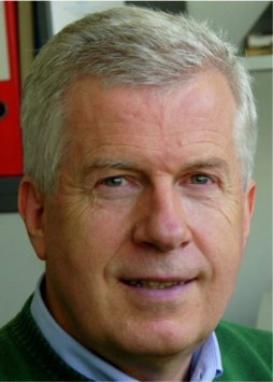 Paul Messner合作论文数Institut fur Biologisch Inspirierte Materialien, Universitat fur Bodenkultur Wien2Schmidt Susan合作论文数2
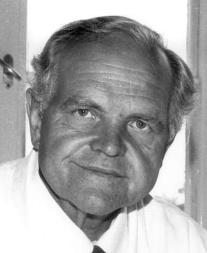 Otto Kandler合作论文数Ludwig-Maximilians-Universitat Munchen;Bayerischen Botanischen Gesellschaft2Walter P. Hammes合作论文数2
 Stefan Norra合作论文数TU Bergakademie Freiberg;Institut für Geographie und Geoökologie, Karlsruher Institut für Technologie2Debashis Chatterjee合作论文数Department of Chemistry, University of Kalyani2
 Ralph S. Wolfe合作论文数Department of Microbiology,University of Illinois at Urbana-Champaign2Stephan Bathe合作论文数2Hans-Joachim Vogel合作论文数1Harald Hetzenauer合作论文数1norbert weiss合作论文数1Diana Maier合作论文数1G Auburger合作论文数1Jutta Schneider-Rapp合作论文数1
 Stefanie Krais合作论文数1Thomas Neumann合作论文数1Sabrina Giebner合作论文数1
 Martina Adamek合作论文数Univ Tubingen, Interfac Inst Microbiol & Infect Med Microbiol Bi, D-72076 Tubingen, Germany1
 Stefanie Heß合作论文数Institute of Microbiology, Technische Universität Dresden1
 Santanu Majumder合作论文数1Frank Sacher合作论文数1
 Luděk Bláha合作论文数Faculty of Science, Masaryk University1Kneifel H合作论文数1
 Thomas U. Schwartz合作论文数Department of Biology, Massachusetts Institute of Technology1Löffler Herbert合作论文数1Güde Hans合作论文数1
 Anne S. Ulrich合作论文数Department of Molecular Biophysics, Institute of Biological Interfaces, Karlsruhe Institute of Technology;Institute of Organic Chemistry, Karlsruhe Institute of Technology1Haberer Christina M合作论文数1Peschke Katharina合作论文数1Henneberg Anja合作论文数1
 Claudia Lange合作论文数1Wurm Karl合作论文数1




