The phosphaturic hormone FGF23 is elevated in chronic kidney disease (CKD). The risk of premature death is substantially higher in the CKD patient population, with cardiovascular disease (CVD) as the leading mortality cause at all stages of CKD. Elevated FGF23 in CKD has been associated with increased odds for all-cause mortality; however, whether FGF23 is associated with positive adaptation in CKD is unknown. To test the role of FGF23 in CKD phenotypes, a late osteoblast/osteocyte conditional flox-Fgf23 mouse (Fgf23fl/fl/Dmp1-Cre+/-) was placed on an adenine-containing diet to induce CKD. Serum analysis showed casein-fed Cre+ mice had significantly higher serum phosphate and blood urea nitrogen (BUN) versus casein diet and Cre- genotype controls. Adenine significantly induced serum intact FGF23 in the Cre- mice over casein-fed mice, whereas Cre+ mice on adenine had 90% reduction in serum intact FGF23 and C-terminal FGF23 as well as bone Fgf23 mRNA. Parathyroid hormone was significantly elevated in mice fed adenine diet regardless of genotype, which significantly enhanced midshaft cortical porosity. Echocardiographs of the adenine-fed Cre+ hearts revealed profound aortic calcification and cardiac hypertrophy versus diet and genotype controls. Thus, these studies demonstrate that increased bone FGF23, although associated with poor outcomes in CKD, is necessary to protect against the cardio-renal consequences of elevated tissue phosphate.
To promote its own intellectual and cultural vitality, the field of radiology needs to promote increasingly robust dialogue, and radiologists need to further enhance their appetite for reasoned argument, debate, assertions and counterassertions, and the art of refutation. Assertions that go untested by argument, whether they be true or false, can never be so thoroughly understood as those that have been tested. And those that are inadequate or not as well stated as they should be may languish unattended and unimproved. Bad ideas are culled and good ideas are strengthened by challenge.
Early stages of chronic kidney disease (CKD) are characterized by development of progressive anemia as well as concurrent marked elevation of the phosphaturic hormone fibroblast growth factor 23 (FGF23). As kidney function declines, FGF23 further increases and anemia worsens, due to either inadequate production of renal erythropoietin (EPO) or incidence of hypoferremia. Moreover, in CKD, anemia and elevated FGF23 levels are associated with left ventricular hypertrophy (LVH), CKD progression, and mortality. Treatment of CKD-related anemia involves iron repletion and erythropoietin (EPO) administration. EPO is one of the most extensively used medications in CKD, but its administration is associated with increased risks of cardiovascular disease and mortality. Although FGF23 levels increase early in CKD, the pathophysiological regulation of FGF23 is still not completely understood. Phosphate, 1,25-dihydroxyvitamin D (1,25D), parathyroid hormone, and calcium affect FGF23 production; however, these factors are still within normal ranges when bone and circulating FGF23 increase. Recent studies demonstrate intriguing associations between hypoxia, iron deficiency, and FGF23 upregulation. Indeed, in the settings of normal and impaired kidney function, iron deficiency potently increases bone Fgf23 expression. However, other anemia-related factors, including EPO, could potentially contribute to elevated FGF23 production. As both EPO therapy and FGF23 are associated with adverse outcomes in CKD, we explored the hypothesis that EPO is a previously unrecognized regulator of this phosphaturic hormone. Collectively, our pre-clinical findings suggest that modulating EPO exposure in CKD patients may lower FGF23 and thereby decrease its adverse effects. To examine whether exogenous EPO stimulates FGF23 in vivo, wild-type C57BL/6 mice at 6-8 weeks of age were injected with increasing doses of recombinant human EPO (25-250 U/g of body weight). A 3-day regimen induced a dose-dependent, 40-fold maximal increase in whole bone Fgf23 mRNA expression (Figure 1A), paralleled by increased serum total FGF23 as measured with an ELISA that detects both C-terminal FGF23 fragments (‘cFGF23’) and bioactive intact FGF23 (‘iFGF23’) (Figure
 Clinkenbeard Erica L合作论文数3
 Julia M. Hum合作论文数Indiana Univ., Indiana Univ.3
 Kenneth E. White合作论文数Department of Medical and Molecular Genetics, Indiana University School of Medicine3Pu Ni合作论文数2Allen Matthew R合作论文数2Noonan Megan L合作论文数2
 Aref Mohammad W合作论文数Department of Anatomy and Cell Biology, Indiana University School of Medicine2
 Mircea Ivan合作论文数1Linlin Xu合作论文数1Elizabeth A Swallow合作论文数1Colin Ip合作论文数1
 Yves Sabbagh合作论文数Inozyme Pharma1Summers Lelia J合作论文数1
 Sharon M. Moe合作论文数Indiana Clinical and Translational Sciences Institute, School of Medicine, Indiana University;Division of Nephrology, Department of Medicine, School of Medicine, Indiana University1Richine Briana M合作论文数1
 Emily G Farrow合作论文数School of Medicine, University of Missouri-Kansas City1
 Elizabeta Nemeth合作论文数Center for Iron Disorders, University of California Los Angeles;Department of Medicine, David Geffen School of Medicine, University of California Los Angeles1
 Mark R Hanudel合作论文数1Cass Taryn A合作论文数1
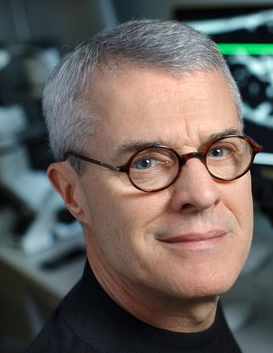 Thomas Landes Clemens合作论文数Johns Hopkins University1
 Tomas Ganz合作论文数Department of Medicine, David Geffen School of Medicine, University of California Los Angeles1Isidro B. Salusky合作论文数1
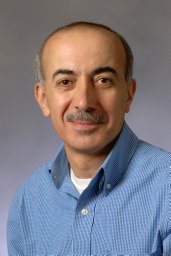 Edward F. Srour合作论文数School of Medicine, Indiana University1Melissa A. Kacena合作论文数School of Medicine, Yale University1Marta Alvarez合作论文数School of Medicine, Indiana University1Richard B. Gunderman合作论文数Department of Radiology School of Medicine Indiana University1
 Ernestina Schipani合作论文数McKay Orthopaedic Research Laboratory, Department of Orthopedic Surgery, Perelman School of Medicine, University of Pennsylvania1
 N.A. Hitesh合作论文数Department of Studies in Biochemistry, University of Mysore1Rebecca J. Chan合作论文数1Keith R. Stayrook合作论文数1




