Background: The role of empiric antifungal therapy in patients with gastrointestinal (GI) perforations because of penetrating trauma remains unclear. Existing literature suggests minimal benefit in non-traumatic GI perforations. This study aimed to evaluate the association between empiric antifungal use and post-operative infectious complications in patients with upper GI perforations because of penetrating trauma.Methods: This was a prospective, multi-center cohort study conducted across 15 institutions between August 2021 and January 2024. We included adult patients with upper GI perforations because of penetrating trauma. The primary outcome was organ/space surgical site infection (SSI) within 30 days. Secondary outcomes included superficial and deep SSI, any SSI (superficial, deep, or organ/space), sepsis, pneumonia, return to the operating room, acute kidney injury (AKI), and in-hospital mortality. Multi-variable logistic regression was used to adjust for confounders.Results: A total of 173 patients were included, of whom 23.1% (n = 40) received empiric antifungals. There was no significant difference in the rate of organ/space SSI between patients who received antifungals and those who did not (17.5% vs. 9.8%, p = 0.180). Antifungal use was also not associated with any significant difference in superficial, deep, or any SSI rates. On multi-variable analysis, antifungal therapy was not independently associated with reduced risk of organ/space SSI (odds ratio 1.72, 95% confidence interval 0.58-5.07). Patients who received antifungals had higher rates of sepsis, pneumonia, AKI, return to the operating room, and in-hospital mortality.Conclusions: Empiric antifungal therapy was not associated with a reduction in organ/space SSI or any SSI, among patients with penetrating upper GI injuries. Trauma patients with upper GI injuries do not appear to benefit from empiric antifungal coverage.
BACKGROUND:Trauma induces a "genomic storm" of gene expression in circulating leukocytes. We hypothesized that the neutrophil contribution to this response after blunt trauma varies with the magnitude of physiologic insult. METHODS:Blunt trauma patients had blood samples taken at 0 hour, 8 hours, 24 hours, and 72 hours postinjury. Clinical data on injury pattern, treatment, and outcomes were collected. Circulating neutrophils were isolated for whole transcriptome RNAseq. Over the 72-hour study period, differentially expressed genes were compared in trauma patients with and without admission lactate levels ≥3 mmol/L. Clinical outcomes and plasma effectors of neutrophil function were correlated with transcriptomic signatures. RESULTS:Nineteen patients were enrolled (median Injury Severity Score, 25; interquartile range, 14-36) with 14,517 genes analyzed. Admission serum lactate correlated with Injury Severity Score, organ failure at 72 hours postinjury, and distinct transcriptional changes, with 108 genes differentially expressed in neutrophils of high vs. low admission serum lactate patients. Top biological processes associated with high admission lactate included cAMP response element binding protein, rat sarcoma viral oncogene homolog/mitogen-activated protein kinase and nitric oxide pathways. Differentially expressed genes were clustered by dynamic expression. The largest cluster of differentially expressed genes in high vs. low admission lactate patients was associated with multiple pathways involved in neutrophil migration and extravasation. Similar to septic shock, the expression of a proinvasive transcriptional transcriptome was identified following injury and was most pronounced in patients with high admission serum lactate. CONCLUSION:Cell type-specific analysis teases out the time- and insult-dependent neutrophil signal from the circulating leukocyte "storm." Neutrophil activation by severe trauma induces a proinvasive transcriptome signal, a potential link between the circulating and tissue phenotypes associated with poor clinical outcomes. LEVEL OF EVIDENCE:Prognostic and Epidemiologic; Level III.
Artificial intelligence (AI) is rapidly transforming acute care surgery (ACS), encompassing trauma, emergency general surgery, and critical care. This article synthesizes key insights from the “Artificial Intelligence in Surgery: The Future is Now” panel session at the 2025 American Association for the Surgery of Trauma Annual Meeting. Panelists discussed current clinical applications including large language models for documentation and evidence synthesis, physiologic foundation models for intensive care unit monitoring, AI-enhanced feedback systems for surgical education, video-based performance analytics, and interpretable risk prediction tools. Emerging technologies including digital twins, augmented reality navigation, and AI-enabled robotics were also examined. Cross-cutting themes emphasized interpretability over opaque “black-box” models, rigorous bias auditing, and the critical importance of external validation and pragmatic human versus human plus AI study designs. Implementation requires robust data infrastructure, institutional governance, and staged deployment prioritizing augmentation over automation. The panel concluded that responsible AI adoption in ACS rests on three pillars: rigorous evaluation standards commensurate with clinical influence, institutional investment in infrastructure and “algorithmic stewardship,” and AI literacy as a core professional competency. Meeting these conditions positions AI to reduce administrative burden and support more precise, equitable care for acutely ill and injured patients.
High-acuity surgical and trauma care requires rapid decision-making under conditions of uncertainty, fragmented information flow, and competing physiological priorities. Patients frequently move across multiple services, each bringing distinct clinical expertise and discrete perspectives on prognosis, treatment goals, and acceptable outcomes. Within this dynamic environment, variation in prognostic framing and communication is common. Families often receive subtly different messages about the patient’s expected trajectory, which can foster confusion and mistrust. Clear, aligned communication is therefore not an adjunct to technical excellence; it is an essential component of high-quality trauma and surgical care.Contemporary surgical practice increasingly intersects with palliative care principles. Surgical patients experience significant symptom burden, uncertain recovery, and frequent inflection points requiring reconsideration of goals of care. Surgeons occupy a central role in these early conversations. Early surgeon-initiated discussions about values and acceptable outcomes improve alignment between treatment plans and patient preferences, clarify expectations as clinical conditions evolve, and support family decision-making under stress. Yet, there is little formal training of surgeons in this area. Specialty palliative care is an essential partner when complexity, symptom burden, or decisional conflict exceed routine surgical management. Together, surgeon-led communication and selective palliative collaboration create a model in which trauma care remains both aggressive when appropriate and consistently grounded in what matters most to patients and families. This review, recently discussed at the American Association for the Surgery of Trauma online Grand Rounds, will address several of the most common obstacles encountered by acute care surgeons navigating multidisciplinary goals-of-care and prognostic discussions, as well as complex surrogate situations. Specifically, it examines how to create and deliver a cohesive and consistent message from a multidisciplinary team, the role of surgeon-led palliative care discussions with and without formal palliative care service consultation, and strategies for managing discordant surrogate decision-makers.
INTRODUCTION:Increasing chronological age drives dynamic changes in platelet functionality, bringing unique biologic challenges to the injured older adult. While platelets play an indispensable role in injury response, the impact of age on platelet dynamics after injury remains elusive. We examine the associations of age and platelet dynamics for injured patients not on antiplatelet therapy, hypothesizing that aging is associated with decreases in platelet count and function in injured patients. METHODS:We performed a secondary analysis of injured patients from a prospective observational study of coagulation and inflammation (2010-2024). Patients taking anticoagulants, antiplatelets, and/or with isolated traumatic brain injury were excluded. Univariable and multivariable associations of age and platelet count and function profiles (impedance aggregometry and viscoelastic testing) at presentation and up to seven days post-injury were analyzed. Platelet profiles, thromboembolic events, and mortality relationships were analyzed by stratifying age to <55 and ≥55 years. RESULTS:716 patients were examined. Median age was 36 years (range 15-97 years). On multivariable analyses platelet count and functional profiles demonstrated independent associations with increasing age at all time points measured - reduced platelet count, aggregation responses, and hypercoagulable clotting dynamics. In patients ≥55 years low platelet count and reduced aggregation responses on presentation were suggestive of increased mortality (all p<0.05). CONCLUSION:Following injury, increasing chronological age is independently associated with altered platelet profiles - reduced platelet count and aggregation responses with concurrent hypercoagulable clotting dynamics. These age-related cellular changes may portend worse outcomes, including mortality, and should be considered for intervenable biologic targets in future study.
PURPOSE:Conservative management of adult renal trauma with observation or angioembolization has led to a decline in nephrectomies. In children, trauma is the leading cause of mortality, and renal injury is a frequent consequence of abdominal trauma. However, data on management and outcomes of pediatric renal trauma remain limited. We sought to describe care patterns in a contemporary 10-year period of the National Trauma Data Bank. MATERIALS AND METHODS:We evaluated pediatric renal injuries in the National Trauma Databank between 2013 and 2022. Relevant injury characteristics and kidney-related procedures, including interventions for bleeding and collecting system, were extracted. Injury characteristics, management patterns, and outcomes were analyzed and reported. RESULTS:Our cohort consisted of 15,138 patients with a mean age of 13.7 (SD 4.2) years. Most injuries resulted from a blunt trauma (89%) and 67% were high grade. Overall, 90% of patients were managed nonoperatively, including 98% of those with low-grade injuries. The most common bleeding interventions were nephrectomy (n = 603, 3.9%), angioembolization (n = 324, 2.1%), and surgical repair (n = 204, 1.4%). The most common collecting system interventions were ureteral stent (n = 606, 4%), nephrostomy tube (n = 143, 0.9%), and perirenal drain (n = 122, 0.8%). Overall, the proportion of those cases receiving nephrectomy was 5.8% and was stable over the years examined. Among high-grade injuries, angioembolization (n = 294) achieved 87% success in avoiding further bleeding interventions vs 81% for surgical repair (n = 180). Nephrectomy use was lower after angioembolization vs after surgical repair. A total of 662 (4.3%) patients died, of whom 660 had associated nonkidney injuries. CONCLUSIONS:Almost all cases of low-grade pediatric renal trauma can be managed expectantly. In contrast to adult data in the literature, nephrectomy use did not decrease over time. In those who do receive kidney-sparing bleeding interventions, angioembolization seems to achieve higher kidney salvage; however, selection bias may limit the validity of this comparison.
We aimed to examine the association between patient age and procedural intervention, especially nephrectomy, in patients with renal trauma in the National Trauma Data Bank (NTDB). We queried the 2013–2020 NTDB for adult renal trauma patients with an American Association for the Surgery of Trauma (AAST) grade. Patients without AAST grade or with no sign of life were excluded. We constructed a multinomial logistic regression model to demonstrate the association between age and procedural interventions (renal angioembolization, renorrhaphy and nephrectomy). Models were adjusted for patient, hospital, and clinical factors. Our cohort was comprised of 49,884 patients with renal trauma aged 18–89 years, of which 691 (1.4
OBJECTIVES:To compare the effectiveness and safety of aspirin versus low-molecular-weight heparin (LMWH) for thromboprophylaxis in 11 high-risk or fracture location subpopulations. METHODS:Design: A post-hoc secondary analysis of the published PREVENT CLOT trial. SETTING:21 trauma centers. PATIENT SELECTION CRITERIA:Adult patients with an operatively treated extremity fracture or any pelvic or acetabular fracture were enrolled from April 2017 through August 2021. Patients with only hand or foot fractures, presenting >48 hours after injury, or with a history of VTE within 6 months of injury were excluded. The 11 subpopulations included i) a head injury, ii) an abdominal injury, iii) a spinal injury, iv) a thoracic injury, v) multiply injured patients, vi) obesity, vii) previous VTE ≥ 6 months, viii) isolated upper extremity fracture, ix) isolated lower extremity fracture, x) isolated pelvic or acetabular fracture, and xi) geriatric femur fracture. OUTCOME MEASURES AND COMPARISONS:The primary outcome was 90-day all-cause mortality. Secondary outcomes included non-fatal pulmonary embolism, proximal deep vein thrombosis (DVT), distal DVT, and bleeding events. Outcomes were assessed using Kaplan-Meier estimators and Cox proportional hazards models comparing 81 mg of aspirin versus 30 mg of LMWH twice daily. The threshold for statistical significance was a Bonferroni-corrected alpha of 0.001 to account for multiple comparisons. RESULTS:The largest subpopulations were isolated lower extremity fractures (n=6,289), obesity (n=4,234), and polytrauma with Injury Severity Score (ISS) >16 (n=1,596). No comparison of aspirin vs LMWH within the 11 subpopulations for the 5 outcomes reached the corrected threshold for statistical significance of P < 0.001. However, 5 comparisons of aspirin vs LMWH were less than the conventional P-value of 0.05. Specifically, the aspirin group demonstrated lower mortality in patients with a head injury (difference, -3.2%; 95% CI -6.1% to -0.3%; P = 0.03) or a spine injury (difference, -6.0%; 95% CI -11.7% to -0.3%; P = 0.04) than the LMWH group. The LMWH group demonstrated a lower rate of distal DVTs for patients with a head injury (difference, 4.4%; 95% CI, 0.8% to 8.1%; P = 0.03), thoracic injury (difference, 1.5%; 95% CI, 0.0% to 2.9%; P=0.034) or with ISS >16 (difference, 1.7%; 95% CI, 0.2% to 3.3; P = 0.03) than the aspirin group. CONCLUSIONS:Within 11 high-risk or fracture location-specific subpopulations, there were no statistically significant differences between aspirin or LMWH in the 90-day rates of all-cause mortality, non-fatal PE, proximal DVT, distal DVT, or bleeding complications at a threshold corrected for multiple comparisons (P < 0.001). LEVEL OF EVIDENCE:Therapeutic Level I.
Objectives:In the United States, training for physicians who manage critically ill adult patients (intensivists) evolved through parallel subspecialty critical care medicine (CCM) pathways with significant commonality. The Society of Critical Care Medicine Adult Critical Care Physician Core Knowledge and Skills Task Force aimed to delineate the common core knowledge and skills required of all intensivists.Design:A master list of content areas and procedural skills was compiled from all CCM subspecialty program requirements and blueprints of the certification examinations. Using a modified Delphi approach, participants were asked to categorize the knowledge items as "advanced knowledge is essential," "general, but not advanced, knowledge is essential," or "knowledge is not essential." Procedures were categorized as "intensivist performs routinely," "intensivist only performs in an emergency," or "intensivist knows" about the procedure.Setting:Representatives from CCM stakeholder organizations, including accreditation and certification organizations, critical care societies, and program directors' societies, were invited to participate.SUBJECTS:Members of the Adult Critical Care Physician Core Knowledge and Skills Task Force of the Society of Critical Care Medicine.Interventions:For the first two rounds of the modified Delphi process, Research Electronic Data Capture was used. For the third and fourth rounds, the process was completed through online meetings with Zoom (Zoom Video Corporations, San Jose, CA) utilizing Zoom's polling feature.Measurements and Main Results:A total of 541 items were determined to be essential, with 145 requiring advanced knowledge and 323 requiring general knowledge. For 73 items, consensus regarding advanced vs. general could not be achieved, but they remained essential. Only eight items were felt to be nonessential. Of the 16 procedures, most were categorized as "intensivist performs."Conclusions:The large number of items included in the list of essential knowledge and skills demonstrates the complexity of modern CCM. Utilization of a common framework across the subspecialties of CCM could lead to greater harmonization among the fellowship program requirements and certification examinations.
Introduction The American Association for the Surgery of Trauma (AAST) Critical Care Committee develops clinical consensus documents to provide practical guidance on topics based on literature review, available evidence, and expert consensus.
OBJECTIVE:To provide insight into the epidemiologic characteristics and trends of genitourinary (GU) self-inflicted injury (SII). METHODS:We used data from the National Trauma Databank between 2017 and 2020. We described the characteristics of GU SII cases based on injured organ and then compared male and female injuries. RESULTS:We identified 56,463 patients with SII, of which 1508 (2.7%) had GU involvement. Most cases were male patients (77.3%) and white (70.6%). Median age was 35 years (IQR 26-50). The most commonly injured GU organs were kidney (43.4%), followed by scrotum/testes (22.5%), and penis (18.2%). Most cases (89.9%) represented a single-organ injury whereas 10.1% had 2 or more GU organs injured. Seventy-three of those with kidney injuries (11.2%) underwent nephrectomy. Only 1 patient performing GU SII had a diagnosis code for transsexualism but the majority (82.2%) suffered from pre-existing conditions of which 20.5% had 3 or more comorbidities. More than half the population (54.9%) had preexisting diagnosed mental or personality disorder. A non-GU co-injury was present in most cases (70.8%), most commonly affecting another abdominal organ (44.3%) or fractures (41.3%). A positive drug screen was found in 30.7% of cases. Most patients survived though 15.4% died. Ninety-four percentage of fatal cases had a concomitant non-GU injury. CONCLUSION:GU injuries account for 2.6% of all SII. These patients are often young white males with known mental or personality disorders. Kidneys were the most common injured and mortality was highest in cases of kidney and bladder injuries with multi-organ trauma involving non-GU organs.
Platelet transfusion not only attenuates bleeding and promotes hemostasis but also plays a critical role in vascular stability and endothelial barrier integrity. Under amotosalen-UVA pathogen reduction of platelets, pathogen nucleic acids undergo adduction, which prevents their replication and greatly reduces the risk of transfusion-transmitted infections. Although pathogen-reduced (PR) platelets are increasing in clinical use, the physiologic effects of pathogen reduction on platelets, particularly its impact on platelet-endothelial interactions, have yet to be described. This study compared PR platelets with nonpathogen-reduced (NPR) platelets in measures of effect on endothelial permeability in vitro. We hypothesized that PR platelets would be similar to NPR platelets. However, in endothelial cell immunohistochemistry and impedance assays, PR platelets demonstrated a significantly diminished capacity to attenuate endothelial barrier permeability at early storage time points. This small but significant difference requires further mechanistic and clinical study to understand its implications, particularly in patients with bleeding with vascular fragility.
Objectives The American Association for the Surgery of Trauma (AAST) Critical Care Committee chose handoffs and transitions of care in the intensive care unit (ICU) as a clinically relevant topic for review. This clinical consensus document aims to provide practical guidance to the surgical intensivist on the best practices for patient handoffs and transitions of care.Methods A working group was formed from the committee-at-large to complete this work. The members of the working group were each assigned a subtopic to review using research to date. The research on which the recommendations are based was compiled at the discretion of the working group. Any topic with discrepant or minimal supporting literature was reviewed by the AAST Critical Care Committee through an anonymous survey.Results Recommendations for healthcare handovers include formally recognized handoffs at dedicated times, an interactive verbal exchange including all patients with a focus on what to anticipate or what is needs to be completed, tools to record and maintain information, and training to new providers on the handoff process and technology.Conclusion As clinicians, we strive to provide the best evidence-based care to our patients. It is essential to study these high states, ICU handoffs to enhance the safety, efficiency, and effectiveness of patient care transitions, ultimately leading to better patient outcomes and provider satisfaction.Level of evidence V.
Background: Empiric anti-fungals are frequently administered in patients with non-colonic gastrointestinal (GI) perforations, but there is limited evidence of their benefit. We hypothesized that empiric anti-fungals would offer no clinical benefit compared with a standard course of antimicrobial therapy. Methods: This multi-center prospective cohort study included patients ≥18 years old undergoing operative management for non-colonic GI perforations across 15 centers between August 2021 and January 2024. The primary outcome was organ-space surgical site infection (SSI). We performed propensity score matching to adjust for confounders and a backward stepwise regression model to identify predictors of an organ-space SSI. A subgroup analysis of spontaneous upper GI perforations was performed as well. Results: A total of 192 patients were included; 138 (71.88%) received empiric anti-fungal therapy, and 17.7% developed an organ-space SSI. Before matching, empiric anti-fungal use was frequent in critically ill patients although not associated with organ-space SSI. After matching, there were no differences in organ-space SSI (17.5% vs. 17.5%, p = 0.99). In multi-variable regression, American Society of Anesthesiologists physical status classification system (ASA) category 3 increased the risk of organ-space SSI (odds ratio [OR] 2.49, p = 0.04), whereas perioperative proton-pump inhibitor (PPI) use was protective (OR 0.15, p = 0.004). In the subgroup analysis (N = 150), empiric anti-fungal therapy did not reduce infection risk. Pre-operative shock increased the risk of organ-space SSI (OR 2.83, p = 0.04), whereas PPI use remained protective (OR 0.15, p = 0.01). Conclusion: Empiric anti-fungal use was not associated with reduced organ-space SSI, even after adjusting for confounders. Given the lack of benefit, we caution against the use of routine empiric anti-fungal therapy in non-colonic GI perforations.
BACKGROUND:There has been a renewed interest in the use of whole blood (WB) in trauma resuscitation, with studies showing improved mortality rate with WB. However, there is a paucity of studies assessing the impact of WB on infectious complications. The aim of this study was to assess the impact of WB during trauma resuscitation on infectious complications. METHODS:A retrospective cohort study utilizing the National Trauma Databank of patients who underwent hemorrhage control laparotomy within one hour was performed. The primary outcome was the impact of receiving WB during trauma resuscitation on surgical infections. Secondary outcome included analysis of a dose-response relation between units of WB and infection. Subgroup analysis was performed on patients undergoing massive transfusion. Multi-variable logistic regression was performed to evaluate outcomes. RESULTS:A total of 2,151 patients received WB compared with 10,641 patients who did not. Receiving WB was not associated with increased odds of infection (odds ratio [OR] = 1.12, 95% confidence interval [95% CI]: 0.94-1.32, p = 0.22). However, each unit of WB received was associated with a 4% increase in odds of infection (OR = 1.04, 95% CI: 1.00-1.08, p = 0.04). In the massive transfusion subgroup, receiving WB was not associated with increased risk of infection. CONCLUSIONS:Receiving WB during trauma resuscitation was associated with increased odds of infection in a dose-dependent manner, but not in patients undergoing massive transfusion. Further studies evaluating effects beyond mortality are needed to better evaluate the impact of WB use on trauma patients.
OBJECTIVE:Altered genomic expression of interferon (IFN)-γ has been demonstrated to be associated with the development of organ failure following severe injury. Altered expression of IFN-γ on innate immunity and long-term outcomes have not been previously examined. The purpose of this study was to determine the effect that IFN-γ plays on monocyte function and development of chronic critical illness (CCI). METHODS:Severely injured patients were prospectively evaluated in a development cohort (n = 124). Blood was drawn within 12 hours of injury. Plasma IFN-γ was determined by immune-assay. Clinical and outcome data were prospectively obtained for 1 year. Within this development cohort, a plasma IFN-γ level associated with CCI was determined. This IFN-γ level was analyzed within a separate prospective validation cohort (n = 78). Blood samples in this validation cohort underwent analysis for monocyte activation. RESULTS:In the development cohort, an IFN-γ ≤ 50 pg/mL was associated with the development of CCI. This IFN-γ level was independently associated with CCI in the developmental cohort after adjusting for age, Injury Severity Score, lactate concentration, and blood transfusions. An IFN-γ ≤ 50 pg/mL within the validation cohort was associated with a statistically significant increase in CCI, nosocomial infection, poor discharge disposition, and 1-year mortality (25% vs. 4%, p = 0.005). Consistent with the development of CCI, attenuated IFN-γ was associated with decreased monocyte activation and surface human leukocyte antigen-DR expression. CONCLUSION:Decreased IFN-γ is predictive of CCI development. This reduction in IFN-γ is associated with a reduction in human leukocyte antigen-DR and monocyte activation, which may result in the development of CCI, increased nosocomial infections, and poor long-term outcomes. Interferon-γ levels early following injury may be useful as a biomarker for prognosis and to serve to identify patients who could benefit from IFN-γ administration or other novel therapeutic interventions to prevent long-term complications. LEVEL OF EVIDENCE:Prognostic and Epidemiological; Level III.
ABSTRACT:Multiple organ failure (MOF) remains a significant challenge for the acute care surgeon, often leading to poor patient outcomes. This comprehensive review explores the etiology, pathophysiology, clinical presentation, diagnosis, management strategies, prognosis, and prevention strategies associated with MOF and chronic critical illness. Understanding the intricate etiology and pathophysiology of MOF and chronic critical illness is essential for effectively managing these syndromes and developing targeted treatment strategies aimed at mitigating the underlying inflammatory, immune, and microvascular disturbances, in order to redirect patients onto a trajectory of recovery.
 Ronald V. Maier合作论文数School of Medicine, University of Washington;Department of Surgery, University of Washington82
 Eileen M. Bulger合作论文数Harborview Medical Center;University of Washington41
 Ernest E Moore合作论文数Denver Health Medical Center;Trauma Research Center, Department of Surgery, School of Medicine, University of Colorado Denver;Denver General Hospital30
 Joseph P. Minei合作论文数Department of Surgery,UT Southwestern Medical Center27
 Jason L. Sperry合作论文数Department of Surgery, Division of Trauma and General Surgery, University of Pittsburgh Medical Center, Presbyterian Hospital;Department of Critical Care Medicine, University of Pittsburgh25
 Lyle L. Moldawer合作论文数Department of Surgery, College of Medicine, University of Florida22
 Brakenridge Scott合作论文数19
 Saman Arbabi合作论文数17Grant E O'Keefe合作论文数Harborview Injury Prevention Center, University of Washington16
 Bryce R H Robinson合作论文数15
 Timothy R. Billiar合作论文数Department of Surgery, School of Medicine, University of Pittsburgh15Iris Garcia合作论文数15
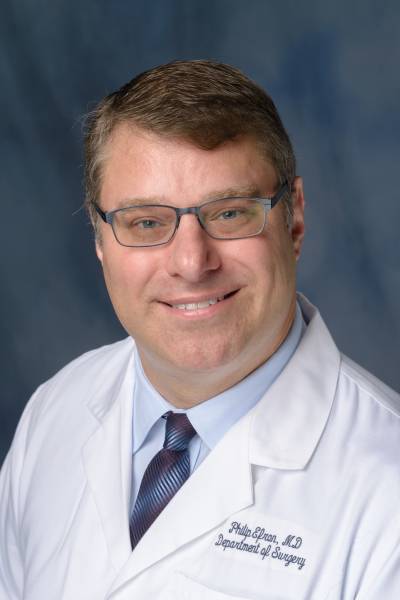 Philip A. Efron合作论文数14
 Andrew B. Peitzman合作论文数Department of Surgery, University of Pittsburgh;Schools of the Health Sciences, University of Pittsburgh13Mitchell J. Cohen合作论文数13Harbrecht Brian G合作论文数12Warner Keir J合作论文数12Sandra Jelacic合作论文数12
 Heather L Evans合作论文数From the Surgical Infectious Disease Research Laboratory, University of Virginia Health System12Deborah M. Stein合作论文数12
 Lucy Z Kornblith合作论文数San Francisco General Hospital, University of California11
 Matthew Kutcher合作论文数Surg Res Lab, Univ Calif San Francisco11
 Avery Nathens合作论文数Sunnybrook Health Sciences Centre;Department of Surgery, Temerty Faculty of Medicine, University of Toronto11
 Frederick A Moore合作论文数Department of Surgery, College of Medicine, University of Florida;University of Florida Health11
 Gregory J. Jurkovich合作论文数Division of Trauma, Acute Care, and General Surgery, Department of Surgery, University of California Davis11
 David Flum合作论文数Department of Pharmacy, School of Pharmacy, University of Washington;Department of Health Systems and Population Health, School of Public Health, University of Washington11Michael A. West合作论文数11
 Henry V Baker合作论文数Department of Molecular Genetics and Microbiology, University of Florida College of Medicine11
 Lillian S. Kao合作论文数Department of Surgery, The University of Texas Medical School at Houston11Erin Fannon合作论文数8Laura Hennessy合作论文数8Emily C Voldal合作论文数8Self Wesley H合作论文数Dept Emergency Med, Vanderbilt Univ8
 Daniel Alberto Deugarte合作论文数8
 Therese Duane合作论文数8Nicole Siparsky合作论文数8Davidson Giana H合作论文数8
 H. Shaw Warren合作论文数Mass General Research Institute, Massachusetts General Hospital;Harvard Medical School8
 Mike Liang合作论文数Department of Surgery, University of Texas Health Science Center8
 Larry Kessler合作论文数The Comparative Health Outcomes, Policy, and Economics (CHOICE) Institute, School of Pharmacy, University of Washington8
 Price Thea P合作论文数Thomas Jefferson University Hospitals8
 Sarah Lawrence合作论文数Department of Pediatrics, University of Ottawa8Anusha Krishnadasan合作论文数8
 David A. Talan合作论文数Department of Emergency Medicine, University of California, Los Angeles8
 Patrick J. Heagerty合作论文数Department of Biostatistics, School of Public Health, University of Washington;Center for Biomedical Statistics, Schools of Medicine and Public Health, University of Washington8
 Sarah E Monsell合作论文数8
 Bryan A. Comstock合作论文数Mayo Clinic;University of Wash-;Mayo Clinic, University of Wash-8D Gourlay合作论文数7Katherine A Mandell合作论文数7




