BACKGROUND:In 2021, the American Academy of Physical Medicine and Rehabilitation established the Multi-Disciplinary Post-Acute Sequelae of SARS-CoV-2 Infection Collaborative to provide guidance from established Long COVID clinics for the evaluation and management of Long COVID. The collaborative previously published eight Long COVID consensus guidance statements using a primarily symptom-based approach. However, Long COVID symptoms most often do not occur in isolation. AIMS:This compendium aims to equip clinicians with an efficient, up-to-date clinical resource for evaluating and managing adults experiencing Long COVID symptoms. The primary intended audience includes physiatrists, primary care physicians, and other clinicians who provide first-line assessment and management of Long COVID symptoms, especially in settings where subspecialty care is not readily available. This compendium provides a holistic framework for assessment and management, symptom-specific considerations, and updates on prevalence, health equity, disability considerations, pathophysiology, and emerging evidence regarding treatments under investigation. Because Long COVID closely resembles other infection-associated chronic conditions (IACCs) such as myalgic encephalomyelitis/chronic fatigue syndrome, the guidance in this compendium may also be helpful for clinicians managing these related conditions. METHODS:Guidance in this compendium was developed by the collaborative's established modified Delphi approach. The collaborative is a multidisciplinary group whose members include physiatrists, primary care physicians, pulmonologists, cardiologists, psychiatrists, neuropsychologists, neurologists, occupational therapists, physical therapists, speech and language pathologists, patients, and government representatives. Over 40 Long COVID centers are represented in the collaborative. RESULTS:Long COVID is defined by the National Academies of Sciences, Engineering, and Medicine as "an IACC that occurs after SARS-CoV-2 infection and is present for at least 3 months as a continuous, relapsing and remitting, or progressive disease state that affects one or more organ systems." The current global prevalence of Long COVID is estimated to be 6%. Higher prevalence has been identified among female gender, certain racial and ethnic groups, and individuals who live in nonurban areas. However, anyone can develop Long COVID after being infected with the SARS-CoV-2 virus. Long COVID can present as a wide variety of symptom clusters. The most common symptoms include exaggerated fatigue and diminished energy windows, postexertional malaise (PEM)/postexertional symptom exacerbation (PESE), cognitive impairment (brain fog), dysautonomia, pain/myalgias, and smell and taste alterations. Holistic assessment should include a traditional history, physical examination, and additional diagnostic testing, as indicated. A positive COVID-19 test during acute SARS-CoV-2 infection is not required to diagnose Long COVID, and currently, there is no single laboratory finding that is definitively diagnostic for confirming or ruling out the diagnosis of Long COVID. A basic laboratory assessment is recommended for all patients with possible Long COVID, and consideration for additional labs and diagnostic procedures is guided by the patient's specific symptoms. Current management strategies focus on symptom-based supportive care. Critical considerations include energy conservation strategies and addressing comorbidities and modifiable risk factors. Additionally, (1) it is essential to validate the patient's experience and provide reassurance that their symptoms are being taken seriously because many patients have had their symptoms dismissed by loved ones and clinicians; (2) physical activity recommendations must be carefully tailored to the patient's current activity tolerance because overly intense activity can trigger PEM/PESE and worsened muscle damage; and (3) treatment recommendations should be delivered with humility because there are many persistent unknowns related to Long COVID. To date, there are limited data to guide medication management specifically in the context of Long COVID. As such, medication use generally follows standard practice regarding indications and dosing, with extra attention to prioritize (1) patient preference via shared decision-making and (2) cautious use of medications that may improve some symptoms (eg, cognitive/attention impairment) but may worsen other symptoms (eg, PEM/PESE). Numerous clinical trials are investigating additional treatments. The return-to-work process for individuals with Long COVID can be challenging because symptoms can fluctuate, vary in nature, affect multiple functional areas (eg, physical and cognitive), and often manifest as an "invisible disability" that may not be readily acknowledged by employers or coworkers. Clinicians can help patients return to work by identifying suitable workplace accommodations and resources, providing necessary documentation, and recommending occupational or vocational therapy when needed. If these efforts are unsuccessful and work significantly worsens Long COVID symptoms or impedes recovery, applying for disability may be warranted. Long COVID is recognized as a potential disability under the Americans with Disabilities Act. CONCLUSION:To contribute to the overall health and well-being for all patients, Long COVID care should be delivered in a holistic manner that acknowledges challenges faced by the patient and uncertainties in the field. For more detailed information on assessment and management of specific Long COVID symptoms, readers can reference the collaborative's symptom-specific consensus guidance statements.
ABSTRACTPhysiatrists are at elevated risk of burnout, a work-related exhaustion syndrome resulting from chronic stress associated with emotionally draining work demands. The high reported rate of burnout in Physical Medicine and Rehabilitation (PM&R) led the Association of Academic Physiatrists (AAP) Chair Council to convene a workgroup to address burnout among academic PM&R physicians. The Council recognizes that leaders of departments are accountable for all organizational stakeholders, including faculty, trainees, and staff. Department leaders are expected to understand and effectively manage the drivers of burnout among stakeholders. The workgroup identified several opportunities, including identifying and disseminating effective burnout mitigation across U.S. academic medical center PM&R programs. As a result, in 2019, a work group conducted a survey of U.S. academic PM&R program leaders to ascertain the use of strategies for reducing physician burnout. With the aim of identifying, educating, and advancing the development of effective interventions to address burnout among academic PM&R departments, the AAP Chair Council advocates for increased education and utilization of effective strategies aimed at promoting physician well-being across organizational levels (national, organizational, work unit, and individual).
Stroke is the leading cause of permanent motor disability in the United States (US), but there has been little progress in developing novel, effective strategies for treating post-stroke motor deficits. The past decade has seen the rapid development of many promising, gamified neurorehabilitation technologies; however, clinical adoption remains limited. The purpose of this review is to evaluate the recent literature surrounding the adoption and use of gamification in neurorehabilitation after stroke. Gamification of neurorehabilitation protocols is both feasible and effective. Deployment strategies and scalability need to be addressed with more rigor. Relationship between engaged time on task and rehabilitation outcomes should be explored further as it may create benefits beyond repetitive movement. As gamification becomes a more common and feasible way of delivering exercise-based therapies, additional benefits of gamification are emerging. In spite of this, questions still exist about scalability and widespread clinical adoption.
Objective: This report describes persistent symptoms associated with post-acute COVID-19 syndrome (PACS) and the impact of these symptoms on physical function, cognitive function, health-related quality of life, and participation. Design: This study used a cross-sectional observational study design. Patients attending Mount Sinai's post-acute COVID-19 syndrome clinic completed surveys containing patient-reported outcomes. Results: A total of 156 patients completed the survey, at a median (range) time of 351 days (82-457 days) after COVID-19 infection. All patients were prevaccination. The most common persistent symptoms reported were fatigue (n = 128, 82%), brain fog (n = 105, 67%), and headache (n = 94, 60%). The most common triggers of symptom exacerbation were physical exertion (n = 134, 86%), stress (n = 107, 69%), and dehydration (n = 77, 49%). Increased levels of fatigue (Fatigue Severity Scale) and dyspnea (Medical Research Council) were reported, alongside reductions in levels of regularly completed physical activity. Ninety-eight patients (63%) scored for at least mild cognitive impairment (Neuro-Qol), and the domain of the EuroQol: 5 dimension, 5 level most impacted was Self-care, Anxiety/Depression and Usual Activities. Conclusions: Persistent symptoms associated with post-acute COVID-19 syndrome seem to impact physical and cognitive function, health-related quality of life, and participation in society. More research is needed to further clarify the relationship between COVID-19 infection and post-acute COVID-19 syndrome symptoms, the underlying mechanisms, and treatment options.
Introduction Nonspecific low back pain (LBP) is an idiopathic musculoskeletal condition that affects four of five individuals in their lifetime and is the leading cause of job-related disability in the United States. The interest in interactive and dynamic telehealth treatments for LBP continues to grow, and it is important for the medical community to remain up-to-date on the state of the science. Literature survey Relevant studies published from March 2016 until March 2021 were identified through a systematic search of EMBASE, MedLine, and Web of Science. The search strategy combined the concepts of back pain, telehealth, and mobile applications. Methodology Titles and abstracts were screened to select full-text randomized controlled trials or protocols, and methodological quality and risk of bias was assessed using the Cochrane risk-of-bias tool. Data were synthesized narratively. Synthesis We included seven concluded randomized-controlled trials and two study protocols reporting mobile health (mHealth) solutions for LBP. Six of the seven concluded trials found a significant improvement in self-reported numerical pain rating scale compared to the control group. A single trial compared a mHealth solution to physical therapy, with the majority of studies comparing interventions to "usual care." Substantial heterogeneity in reporting of sample characteristics was found, indicating a lack of standardization through the field. Conclusions mHealth solutions may positively impact people with LBP. Larger trials should be encouraged and the field should coalesce around a set of baseline variables for collection and reporting. Because many interventions involve patient engagement, future trials should aim to further quantify adherence levels and begin to define telehealth "doses" associated with better outcomes.
PM&RVolume 13, Issue 9 p. 1027-1043 Clinical Guidance Multidisciplinary collaborative consensus guidance statement on the assessment and treatment of fatigue in postacute sequelae of SARS-CoV-2 infection (PASC) patients Correction(s) for this article Erratum Volume 14Issue 1PM&R pages: 164-164 First Published online: December 15, 2021 Joseph E. Herrera DO, Joseph E. Herrera DO Department of Rehabilitation and Human Performance, Icahn School of Medicine at Mount Sinai, New York, New York, USASearch for more papers by this authorWilliam N. Niehaus MD, William N. Niehaus MD Department of Physical Medicine and Rehabilitation, University of Colorado School of Medicine, Aurora, Colorado, USASearch for more papers by this authorJonathan Whiteson MD, Jonathan Whiteson MD Department of Rehabilitation Medicine and Department of Medicine, Rusk Rehabilitation, NYU Langone Health, New York, New York, USASearch for more papers by this authorAlba Azola MD, Alba Azola MD Department of Physical Medicine and Rehabilitation, Johns Hopkins Medicine, Baltimore, Maryland, USASearch for more papers by this authorJohn M. Baratta MD, MBA, John M. Baratta MD, MBA orcid.org/0000-0002-1124-7928 Department of Physical Medicine and Rehabilitation, UNC-Chapel Hill, Chapel Hill, North Carolina, USASearch for more papers by this authorTalya K. Fleming MD, Talya K. Fleming MD JFK Johnson Rehabilitation Institute at Hackensack Meridian Health, Edison, New Jersey, USASearch for more papers by this authorSoo Yeon Kim MD, Soo Yeon Kim MD Department of Physical Medicine and Rehabilitation, Johns Hopkins Medicine, Baltimore, Maryland, USASearch for more papers by this authorHuma Naqvi MD, Huma Naqvi MD Hartford HealthCare's COVID Recovery Center, Hartford HealthCare Medical Group, Hartford, Connecticut, USASearch for more papers by this authorSarah Sampsel MPH, Corresponding Author Sarah Sampsel MPH [email protected] orcid.org/0000-0002-7496-8482 SLSampsel Consulting, LLC, Albuquerque, New Mexico, USA Correspondence Sarah Sampsel, SLSampsel Consulting, LLC, Albuquerque, NM 87111, USA. Email: [email protected]Search for more papers by this authorJulie K. Silver MD, Julie K. Silver MD Department of Physical Medicine & Rehabilitation, Spaulding Rehabilitation Hospital, Harvard Medical School, Boston, Massachusetts, USASearch for more papers by this authorMonica Verduzco-Gutierrez MD, Monica Verduzco-Gutierrez MD orcid.org/0000-0003-0964-5908 Department of Rehabilitation Medicine, UT Health San Antonio, San Antonio, Texas, USASearch for more papers by this authorJason Maley MD, Jason Maley MD Division of Pulmonary, Critical Care, and Sleep Medicine, Beth Israel Deaconess Medical Center, Harvard Medical School, Boston, Massachusetts, USASearch for more papers by this authorEric Herman MD, Eric Herman MD Department of Family Medicine, School of Medicine, Oregon Health & Science University (OHSU), Portland, Oregon, USASearch for more papers by this authorBenjamin Abramoff MD, MS, Benjamin Abramoff MD, MS Department of Physical Medicine and Rehabilitation, University of Pennsylvania, Perelman School of Medicine, Philadelphia, Pennsylvania, USASearch for more papers by this author Joseph E. Herrera DO, Joseph E. Herrera DO Department of Rehabilitation and Human Performance, Icahn School of Medicine at Mount Sinai, New York, New York, USASearch for more papers by this authorWilliam N. Niehaus MD, William N. Niehaus MD Department of Physical Medicine and Rehabilitation, University of Colorado School of Medicine, Aurora, Colorado, USASearch for more papers by this authorJonathan Whiteson MD, Jonathan Whiteson MD Department of Rehabilitation Medicine and Department of Medicine, Rusk Rehabilitation, NYU Langone Health, New York, New York, USASearch for more papers by this authorAlba Azola MD, Alba Azola MD Department of Physical Medicine and Rehabilitation, Johns Hopkins Medicine, Baltimore, Maryland, USASearch for more papers by this authorJohn M. Baratta MD, MBA, John M. Baratta MD, MBA orcid.org/0000-0002-1124-7928 Department of Physical Medicine and Rehabilitation, UNC-Chapel Hill, Chapel Hill, North Carolina, USASearch for more papers by this authorTalya K. Fleming MD, Talya K. Fleming MD JFK Johnson Rehabilitation Institute at Hackensack Meridian Health, Edison, New Jersey, USASearch for more papers by this authorSoo Yeon Kim MD, Soo Yeon Kim MD Department of Physical Medicine and Rehabilitation, Johns Hopkins Medicine, Baltimore, Maryland, USASearch for more papers by this authorHuma Naqvi MD, Huma Naqvi MD Hartford HealthCare's COVID Recovery Center, Hartford HealthCare Medical Group, Hartford, Connecticut, USASearch for more papers by this authorSarah Sampsel MPH, Corresponding Author Sarah Sampsel MPH [email protected] orcid.org/0000-0002-7496-8482 SLSampsel Consulting, LLC, Albuquerque, New Mexico, USA Correspondence Sarah Sampsel, SLSampsel Consulting, LLC, Albuquerque, NM 87111, USA. Email: [email protected]Search for more papers by this authorJulie K. Silver MD, Julie K. Silver MD Department of Physical Medicine & Rehabilitation, Spaulding Rehabilitation Hospital, Harvard Medical School, Boston, Massachusetts, USASearch for more papers by this authorMonica Verduzco-Gutierrez MD, Monica Verduzco-Gutierrez MD orcid.org/0000-0003-0964-5908 Department of Rehabilitation Medicine, UT Health San Antonio, San Antonio, Texas, USASearch for more papers by this authorJason Maley MD, Jason Maley MD Division of Pulmonary, Critical Care, and Sleep Medicine, Beth Israel Deaconess Medical Center, Harvard Medical School, Boston, Massachusetts, USASearch for more papers by this authorEric Herman MD, Eric Herman MD Department of Family Medicine, School of Medicine, Oregon Health & Science University (OHSU), Portland, Oregon, USASearch for more papers by this authorBenjamin Abramoff MD, MS, Benjamin Abramoff MD, MS Department of Physical Medicine and Rehabilitation, University of Pennsylvania, Perelman School of Medicine, Philadelphia, Pennsylvania, USASearch for more papers by this author First published: 04 August 2021 https://doi.org/10.1002/pmrj.12684Citations: 50Read the full textAboutPDF ToolsRequest permissionExport citationAdd to favoritesTrack citation ShareShare Give accessShare full text accessShare full-text accessPlease review our Terms and Conditions of Use and check box below to share full-text version of article.I have read and accept the Wiley Online Library Terms and Conditions of UseShareable LinkUse the link below to share a full-text version of this article with your friends and colleagues. Learn more.Copy URL Share a linkShare onEmailFacebookTwitterLinkedInRedditWechat REFERENCES 1 The NIH Director, NIH launches new initiative to study "Long COVID," February 23, 2021. https://www.nih.gov/about-nih/who-we-are/nih-director/statements/nih-launches-new-initiative-study-long-covid. Accessed April 23, 2021. Google Scholar 2Havervall S, Rosell A, Phillipson M, et al. Symptoms and functional impairment assessed 8 months after mild COVID-19 among health care workers. JAMA. 2021; 325(19): 2015–2016. https://doi.org/10.1001/jama.2021.5612 10.1001/jama.2021.5612 CASPubMedWeb of Science®Google Scholar 3Halpin SJ, McIvor C, Whyatt G, et al. Postdischarge symptoms and rehabilitation needs in survivors of COVID-19 infection: a cross-sectional evaluation. J Med Virol. 2020; 93(2): 1013–1022. https://doi.org/10.1002/jmv.26368 10.1002/jmv.26368 PubMedWeb of Science®Google Scholar 4Stavem K, Ghanima W, Olsen MK, Gilboe HM, Einvik G. Persistent symptoms 1.5-6 months after COVID-19 in non-hospitalised subjects: a population-based cohort study. Thorax. 2021; 76(4): 405-407. https://doi.org/10.1136/thoraxjnl-2020-216377 10.1136/thoraxjnl-2020-216377 PubMedWeb of Science®Google Scholar 5Logue JK, Franko NM, McCulloch DJ, et al. Sequelae in adults at 6 months after COVID-19 infection. JAMA Network Open. 2021; 4(2):e210830. https://doi.org/10.1001/jamanetworkopen.2021.0830 10.1001/jamanetworkopen.2021.0830 PubMedWeb of Science®Google Scholar 6Maley JH, Sampsel S, Abramoff BA, Herman E, Neerukonda KV, Mikkelsen ME, et al. Consensus methodology for the development of post-acute sequelae of SARS-CoV-2 guidance statements. PM&R. 2021; 13(9): 1021–1026. https://doi.org/10.1002/pmrj.12670 10.1002/pmrj.12670 PubMedWeb of Science®Google Scholar 7Nalbandian A, Sehgal K, Gupta A, et al. Post-acute COVID-19 syndrome. Nat Med. 2021; 27: 601-615. https://doi.org/10.1038/s41591-021-01283-z 10.1038/s41591-021-01283-z CASPubMedWeb of Science®Google Scholar 8Goërtz YMJ, Van Herck M, Delbressine JM, et al. Persistent symptoms 3 months after a SARS-CoV-2 infection: the post-COVID-19 syndrome? ERJ Open Res. 2020; 6(4): 542-2020. https://doi.org/10.1183/23120541.00542-2020 10.1183/23120541.00542-2020 PubMedGoogle Scholar 9 Institute of Medicine. Beyond Myalgic Encephalomyelitis/Chronic Fatigue Syndrome: Redefining an Illness. Washington, DC: The National Academies Press; 2015 https://doi.org/10.17226/19012 Google Scholar 10Hernandez-Romieu AC, Leung S, Mbanya A, et al. Health Care Utilization and Clinical Characteristics of Nonhospitalized Adults in an Integrated Health Care System 28–180 Days After COVID-19 Diagnosis — Georgia, May 2020–March 2021. Morb Mortal Wkly Rep. 2021; 70: 644-650. https://doi.org/10.15585/mmwr.mm7017e3 10.15585/mmwr.mm7017e3 CASPubMedWeb of Science®Google Scholar 11Huang C, Huang L, Wang Y, Li X, et al. 6-month consequences of COVID-19 in patients discharged from hospital: a cohort study. Lancet. 2021 Jan 16; 397(10270): 220-232. https://doi.org/10.1016/S0140-6736(20)32656-8 10.1016/S0140-6736(20)32656-8 CASPubMedWeb of Science®Google Scholar 12Davis HE, Assaf GS, McCorkell L, et al. Characterizing long COVID in an international cohort: 7 months of symptoms and their impact. medRxiv. 2020;20248802. https://doi.org/10.1101/2020.12.24.20248802 Google Scholar 13Michelen M, Cheng V, Manoharan L, et al. Characterising long term Covid-19: a living systematic review. medRxiv. 2020;20246025. https://doi.org/10.1101/2020.12.08.20246025 Google Scholar 14Knauert MP, Haspel JA, Pisani MA. Sleep loss and circadian rhythm disruption in the intensive care unit. Clin Chest Med. 2015; 36(3): 419-429. https://doi.org/10.1016/j.ccm.2015.05.008 10.1016/j.ccm.2015.05.008 PubMedWeb of Science®Google Scholar 15Marra A, Pandharipande PP, Girard TD, et al. Co-Occurrence of post-intensive care syndrome problems among 406 survivors of critical illness. Crit Care Med. 2018; 46(9): 1393-1401. https://doi.org/10.1097/CCM.0000000000003218 10.1097/CCM.0000000000003218 PubMedWeb of Science®Google Scholar 16Smith S, Rahman O. Post Intensive Care Syndrome. [Updated 2021 Jun 25]. StatPearls [Internet]. Treasure Island (FL): StatPearls Publishing, 2021. https://www.ncbi.nlm.nih.gov/books/NBK558964/ Google Scholar 17 National Center for Immunization and Respiratory Diseases (NCIRD), Division of Viral Diseases; Assessing Risk Factors for Severe COVID-19 Illness; Updated November 30. 2020. https://www.cdc.gov/coronavirus/2019-ncov/covid-data/investigations-discovery/assessing-risk-factors.html. Accessed July 23, 2021. Google Scholar 18Centers for Disease Control and Prevention, National Center for Emerging and Zoonotic Infectious Diseases (NCEZID), Division of High-Consequence Pathogens and Pathology (DHCPP); Treatment of ME/CFS. https://www.cdc.gov/me-cfs/treatment/index.html. Accessed July 4, 2021. Google Scholar 19Laranjo L, Ding D, Heleno B, et al. Do smartphone applications and activity trackers increase physical activity in adults? Systematic review, meta-analysis and meta regression. Br J Sports Med. 2021; 55: 422-432. 10.1136/bjsports-2020-102892 PubMedWeb of Science®Google Scholar 20Whitehead L. The measurement of fatigue in chronic illness: a systematic review of unidimensional and multidimensional fatigue measures. J Pain Symptom Manage. 2009; 37(1): 107-128. https://doi.org/10.1016/j.jpainsymman.2007.08.019 10.1016/j.jpainsymman.2007.08.019 PubMedWeb of Science®Google Scholar 21Wang XS, Zhao F, Fisch MJ, et al. Prevalence and characteristics of moderate to severe fatigue: a multicenter study in cancer patients and survivors. Cancer. 2014; 120(3): 425-432. https://doi.org/10.1002/cncr.28434 10.1002/cncr.28434 PubMedWeb of Science®Google Scholar 22 National Institute for Health and Care Excellence (NICE). Clinical guideline: Chronic fatigue syndrome/myalgic encephalomyelitis (or encephalopathy): diagnosis and management; published. 2007. www.nice.org.uk/guidance/cg53. Accessed July 21, 2021. Google Scholar 23 Homerton University Hospital: NHS Foundation Trust. Post COVID-19 Patient information pack: Helping you to recover and manage your symptoms following COVID-19. 2021. https://www.hackneycitizen.co.uk/wp-content/uploads/Post-COVID-19-information-pack-5.pdf. Accessed July 21, 2021. Google Scholar 24Haβ U, Herpich C, Norman K. Anti-Inflammatory diets and fatigue. Nutrients. 2019; 11(10):2315. https://doi.org/10.3390/nu11102315 10.3390/nu11102315 Web of Science®Google Scholar 25Afrin LB, Weinstock LB, Molderings GJ. Covid-19 hyperinflammation and post-Covid-19 illness may be rooted in mast cell activation syndrome. Int J Infect Dis. 2020; 100: 327-332. https://doi.org/10.1016/j.ijid.2020.09.016 10.1016/j.ijid.2020.09.016 CASPubMedWeb of Science®Google Scholar 26Abed H, Ball P, Wang L. Diagnosis and management of postural orthostatic tachycardia syndrome: a brief review. J Geriatr Cardiol. 2012; 9: 61-67. https://doi.org/10.3724/SP.J.1263.2012.00061 10.3724/SP.J.1263.2012.00061 CASPubMedWeb of Science®Google Scholar 27Grubb BP. Postural tachycardia syndrome. Circulation. 2008; 117: 2814-2817. https://doi.org/10.1161/CIRCULATIONAHA.107.761643 10.1161/CIRCULATIONAHA.107.761643 PubMedWeb of Science®Google Scholar 28Porter NS, Jason LA, et al. Alternative medical interventions used in the treatment and management of myalgic encephalomyelitis/chronic fatigue syndrome and fibromyalgia. J Altern Complementary Med. 2010; 16(3): 235-249. 10.1089/acm.2008.0376 PubMedWeb of Science®Google Scholar 29Mojaverrostami S, Bojnordi MN, et al. A review of herbal therapy in multiple sclerosis. Adv Pharm Bull. 2018; 8(4): 575-590. https://doi.org/10.15171/apb.2018.066 10.15171/apb.2018.066 CASPubMedWeb of Science®Google Scholar 30Crabtree-Hartman E. Advanced symptom management in multiple sclerosis. Neurol Clin. 2018; 36(1): 197-218. https://doi.org/10.1016/j.ncl.2017.08.015 10.1016/j.ncl.2017.08.015 PubMedWeb of Science®Google Scholar 31Pascal J-P, Morrow GR, et al. A phase 3 randomized, placebo-controlled, double-blind, clinical trial of the effect of modafinil on cancer-related fatigue among 631 patients receiving chemotherapy: a University of Rochester Cancer Center Community Clinical Oncology Program Research base study. Cancer. 2010; 116(14): 3513-3520. https://doi.org/10.1002/cncr.25083 PubMedWeb of Science®Google Scholar 32Brown JN, Howard CA, Kemp DW. Modafinil for the treatment of multiple sclerosis-related fatigue. Ann Pharmacother. 2010; 44(6): 1098-1103. https://doi.org/10.1345/aph.1M705 10.1345/aph.1M705 CASPubMedWeb of Science®Google Scholar 33Högl B, Saletu M, Brandauer E, et al. Modafinil for the treatment of daytime sleepiness in Parkinsonxs disease: a double-blind, randomized, crossover, placebo-controlled polygraphic trial. Sleep. 2002; 25(8): 905-909. 10.1093/sleep/25.8.62 CASPubMedWeb of Science®Google Scholar 34Pucci E, Brañas Tato P, D'Amico R, Giuliani G, Solari A, Taus C. Amantadine for fatigue in multiple sclerosis. Cochrane Database of Syst Rev. 2007;(1):CD002818. https://doi.org/10.1002/14651858.CD002818.pub2 PubMedWeb of Science®Google Scholar 35Hammond FM, Bickett AK, Norton JH, Pershad R. Effectiveness of amantadine hydrochloride in the reduction of chronic traumatic brain injury irritability and aggression. J Head Trauma Rehabil. 2014; 29(5): 391-399. https://doi.org/10.1097/01.HTR.0000438116.56228.de 10.1097/01.HTR.0000438116.56228.de PubMedWeb of Science®Google Scholar 36Meythaler JM, Brunner RC, Johnson A, Novack TA. Amantadine to improve neurorecovery in traumatic brain injury-associated diffuse axonal injury: a pilot double-blind randomized trial. J Head Trauma Rehabil. 2002; 17(4): 300-313. https://doi.org/10.1097/00001199-200208000-00004 10.1097/00001199-200208000-00004 PubMedWeb of Science®Google Scholar 37McClellan KJ, Spencer CM. Modafinil: a review of its pharmacology and clinical efficacy in the management of narcolepsy. CNS Drugs. 1998; 9(4): 311-324. https://doi.org/10.2165/00023210-199809040-00006 10.2165/00023210-199809040-00006 CASPubMedWeb of Science®Google Scholar 38Levin H, Troyanskaya M, et al. Methylphenidate treatment of cognitive dysfunction in adults after mild to moderate traumatic brain injury: rationale, efficacy, and neural mechanisms. Front Neurol. 2019; 10:925. https://doi.org/10.3389/fneur.2019.00925 10.3389/fneur.2019.00925 PubMedWeb of Science®Google Scholar 39Whiting P, Bagnall A, et al. Interventions for the treatment and management of chronic fatigue syndrome: a systematic review. JAMA. 2001; 286(11): 1360-1368. https://doi.org/10.1001/jama.286.11.1360 10.1001/jama.286.11.1360 CASPubMedWeb of Science®Google Scholar 40Van Houdenhove B, Pae C-U, Luyten P. Chronic fatigue syndrome: is there a role for non-antidepressant pharmacotherapy? Expert Opin Pharmacother. 2010; 11(2): 215-223. https://doi.org/10.1517/14656560903487744 10.1517/14656560903487744 CASPubMedWeb of Science®Google Scholar 41Fluge Ø, Rekeland IG, Lien K, et al. B-lymphocyte depletion in patients with myalgic encephalomyelitis/chronic fatigue syndrome: a randomized, double-blind, placebo-controlled trial. Ann Intern Med. 2019; 170: 585-593. 10.7326/M18-1451 PubMedWeb of Science®Google Scholar 42Zhang Q, Gong J, et al. Acupuncture for chronic fatigue syndrome: a systematic review and meta-analysis. Acupunct Med. 2019; 37(4): 211-222. https://doi.org/10.1136/acupmed-2017-011582 10.1136/acupmed-2017-011582 PubMedWeb of Science®Google Scholar 43https://www.who.int/health-topics/social-determinants-of-health#tab=tab_3 Google Scholar 44https://www.healthypeople.gov/2020/about/foundation-health-measures/Disparities Google Scholar 45https://www.who.int/health-topics/social-determinants-of-health#tab=tab_1 Google Scholar 46Sudre CH, Murray B, Varsavsky T, et al. Attributes and predictors of long COVID. Nat Med. 2021; 27(4): 626-631. https://doi.org/10.1038/s41591-021-01292-y 10.1038/s41591-021-01292-y CASPubMedWeb of Science®Google Scholar 47Lassi ZS, Ana A, Das JK, et al. A systematic review and meta-analysis of data on pregnant women with confirmed COVID-19: clinical presentation, and pregnancy and perinatal outcomes based on COVID-19 severity. J Glob Health. 2021; 11:05018. https://doi.org/10.7189/jogh.11.05018 10.7189/jogh.11.05018 PubMedWeb of Science®Google Scholar 48Tai DBG, Shah A, Doubeni CA, Sia IG, Wieland ML. The disproportionate impact of COVID-19 on racial and ethnic minorities in the United States. Clin Infect Dis. 2021; 72(4): 703-706. https://doi.org/10.1093/cid/ciaa815 10.1093/cid/ciaa815 PubMedWeb of Science®Google Scholar 49Stefan N, Birkenfeld AL, Schulze MB. Global pandemics interconnected-obesity, impaired metabolic health and COVID-19. Nat Rev Endocrinol. 2021; 17(3): 135-149. https://doi.org/10.1038/s41574-020-00462-1 10.1038/s41574-020-00462-1 CASPubMedWeb of Science®Google Scholar 50Hernandez SM, Sparks PJ. Barriers to health care among adults with minoritized identities in the United States, 2013–2017. Am J Public Health. 2020; 110(6): 857-862. 10.2105/AJPH.2020.305598 PubMedWeb of Science®Google Scholar 51Epps F, Wiley Z, Teunis LJ, et al. A framework for mobilizing health care to respond to the community within the COVID-19 pandemic. Prev Chronic Dis. 2021; 18:200572. https://doi.org/10.5888/pcd18.200572 10.5888/pcd18.200572 Web of Science®Google Scholar 52Hooper MW, Nápoles AM, Pérez-Stable EJ. COVID-19 and racial/ethnic disparities. JAMA. 2020; 323(24): 2466-2467. 10.1001/jama.2020.8598 CASPubMedWeb of Science®Google Scholar 53Evans MK. Health equity—are we finally on the edge of a new frontier? N Engl J Med. 2020; 383(11): 997-999. 10.1056/NEJMp2005944 PubMedWeb of Science®Google Scholar 54Verduzco-Gutierrez M, Bean AC, Tenforde AS, Tapia RN, Silver JK. How to conduct an outpatient telemedicine rehabilitation or prehabilitation visit. PM&R. 2020; 12(7): 714-720. https://doi.org/10.1002/pmrj.12380 10.1002/pmrj.12380 PubMedWeb of Science®Google Scholar 55Rikli RE, Jones CJ. Development and validation of criterion-referenced clinically relevant fitness standards for maintaining physical independence in later years. Gerontologist. 2013; 53: 255-267. 10.1093/geront/gns071 PubMedWeb of Science®Google Scholar 56Bohannon RW, Crouch RH. Two-minute step test of exercise capacity: systematic review of procedures, performance, and clinimetric properties. J Geriatr Phys Ther. 2019; 42(2): 105-112. https://doi.org/10.1519/JPT.0000000000000164 10.1519/JPT.0000000000000164 PubMedWeb of Science®Google Scholar 57Rikli R, Jones C. The reliability and validity of a 6-Minute Walk Test as a measure of physical endurance in older adults. J Aging Phys Act. 1998; 6: 363-375. 10.1123/japa.6.4.363 Web of Science®Google Scholar 58Tyson S, Connell L. The psychometric properties and clinical utility of measures of walking and mobility in neurological conditions: a systematic review. Clin Rehabil. 2009; 23: 1018-1033. 10.1177/0269215509339004 PubMedWeb of Science®Google Scholar Citing Literature Volume13, Issue9September 2021Pages 1027-1043 This article also appears in:Long COVID (PASC) Clinical Guidance Statements ReferencesRelatedInformation
Abstract Post-acute COVID-19 syndrome (PACS) is a collection of persistent and debilitating symptoms lasting weeks to months after acute COVID-19 infection, with fatigue most commonly reported. There is controversy surrounding the role of exercise programs for this condition, due to concerns over the potential to worsen fatigue. We developed a novel physical therapy program known as Autonomic Conditioning Therapy (ACT) for PACS, and report on the preliminary patient-reported outcome (PRO) data from individuals who completed ACT for PACS, compared with those who did not. Seventy-eight (55 [71%] female, median [range] age 43 [12 to 78]) met the inclusion criteria and consented to have their data included in the analyses. A total of 31 (40%) individuals completed ACT for PACS. There was within-group improvement in fatigue in individuals who completed ACT for PACS (mean difference [95% CI] -14 [-27 to -1], p = 0.03), as well as greater between-group impression of change measured on the Patient Global Impression of Change scale (ACT for PACS median [range] 5 [1 to 7], no ACT for PACS 4 [1 to 7], p < 0.01). ACT for PACS is a novel physical therapy program that can reduce fatigue in individuals with PACS.
A portable system capable of measuring steady-state visual-evoked potentials (SSVEP) was developed to provide an objective, quantifiable method of electroencephalogram (EEG) testing following a traumatic event. In this study, the portable system was used on 65 healthy rugby players throughout a season to determine whether SSVEP are a reliable electrophysiological biomarker for concussion. Preceding the competition season, all players underwent a baseline SSVEP assessment. During the season, players were re-tested within 72 h of a match for either test-retest reliability or post-injury assessment. In the case of a medically diagnosed concussion, players were reassessed again once deemed recovered by a physician. The SSVEP system consisted of a smartphone housed in a VR-frame delivering a 15 Hz flicker stimulus, while a wireless EEG headset recorded occipital activity. Players were instructed to stare at the screen's fixation point while remaining seated and quiet. Electrodes were arranged according to the 10-20 EEG-positioning nomenclature, with O1-O2 being the recording channels while P1-P2 the references and bias, respectively. All EEG data was processed using a Butterworth bandpass filter, Fourier transformation, and normalization to convert data for frequency analysis. Players SSVEP responses were quantified into a signal-to-noise ratio (SNR), with 15 Hz being the desired signal, and summarized into respective study groups for comparison. Concussed players were seen to have a significantly lower SNR compared to their baseline; however, post-recovery, their SNR was not significantly different from the baseline. Test-retest indicated high device reliability for the portable system. An improved portable SSVEP system was also validated against an established EEG amplifier to ensure the investigative design is capable of obtaining research quality EEG measurements. This is the first study to identify differences in SSVEP responses in amateur athletes following a concussion and indicates the potential for SSVEP as an aid in concussion assessment and management.
Introduction: People with Spinal Cord Injury (SCI) are at risk of feeling socially disconnected. Competitive esports present an opportunity for people with SCI to remotely engage in a community. The aim of this study is to discuss barriers to esports participation for people with SCI, present adaptive solutions to these problems, and analyze self-reported changes in social connection. Materials and Methods: We presented a descriptive data collected in the process of a quality improvement initiative at Mount Sinai Hospital. In 2019, seven individuals with cervical SCI and quadriplegia participated in a special interest group on esports. Group scores were then analyzed for evidence of between subjects variability using a single sample t -test. A Pearson's correlation was conducted to determine the relationship between social connectedness and demographic data. Results: All players experienced functional limitations as a result of their injury but managed to design personalized gaming setups with adaptive equipment that allowed them to successfully compete in esports. All players reported a positive change in perceived social connectedness ( p < 0.001) after participating in the special interest group. Score on Social Connectedness Scale negatively correlated with Time since injury (years). Discussion: It is feasible to create adaptive gaming setups that can be used by people with differing degrees and severity of SCI in a competitive esports environment. Technology and adaptive competitive esports have a potential to improve social connectedness and inclusion in people with quadriplegia. Further research on efficacy and effectiveness of these inclusive environments and their effects on quality of life, activity, and participation is warranted.
OBJECTIVE:The aim of the study was to present: (1) physiatric care delivery amid the SARS-CoV-2 pandemic, (2) challenges, (3) data from the first cohort of post-COVID-19 inpatient rehabilitation facility patients, and (4) lessons learned by a research consortium of New York and New Jersey rehabilitation institutions.DESIGN:For this clinical descriptive retrospective study, data were extracted from post-COVID-19 patient records treated at a research consortium of New York and New Jersey rehabilitation inpatient rehabilitation facilities (May 1-June 30, 2020) to characterize admission criteria, physical space, precautions, bed numbers, staffing, employee wellness, leadership, and family communication. For comparison, data from the Uniform Data System and eRehabData databases were analyzed. The research consortium of New York and New Jersey rehabilitation members discussed experiences and lessons learned.RESULTS:The COVID-19 patients (N = 320) were treated during the study period. Most patients were male, average age of 61.9 yrs, and 40.9% were White. The average acute care length of stay before inpatient rehabilitation facility admission was 24.5 days; mean length of stay at inpatient rehabilitation facilities was 15.2 days. The rehabilitation research consortium of New York and New Jersey rehabilitation institutions reported a greater proportion of COVID-19 patients discharged to home compared with prepandemic data. Some institutions reported higher changes in functional scores during rehabilitation admission, compared with prepandemic data.CONCLUSIONS:The COVID-19 pandemic acutely affected patient care and overall institutional operations. The research consortium of New York and New Jersey rehabilitation institutions responded dynamically to bed expansions/contractions, staff deployment, and innovations that facilitated safe and effective patient care.
Objective The aim of the study was to present: (1) physiatric care delivery amid the SARS-CoV-2 pandemic, (2) challenges, (3) data from the first cohort of post–COVID-19 inpatient rehabilitation facility patients, and (4) lessons learned by a research consortium of New York and New Jersey rehabilitation institutions. Design For this clinical descriptive retrospective study, data were extracted from post–COVID-19 patient records treated at a research consortium of New York and New Jersey rehabilitation inpatient rehabilitation facilities (May 1–June 30, 2020) to characterize admission criteria, physical space, precautions, bed numbers, staffing, employee wellness, leadership, and family communication. For comparison, data from the Uniform Data System and eRehabData databases were analyzed. The research consortium of New York and New Jersey rehabilitation members discussed experiences and lessons learned. Results The COVID-19 patients (N = 320) were treated during the study period. Most patients were male, average age of 61.9 yrs, and 40.9% were White. The average acute care length of stay before inpatient rehabilitation facility admission was 24.5 days; mean length of stay at inpatient rehabilitation facilities was 15.2 days. The rehabilitation research consortium of New York and New Jersey rehabilitation institutions reported a greater proportion of COVID-19 patients discharged to home compared with prepandemic data. Some institutions reported higher changes in functional scores during rehabilitation admission, compared with prepandemic data. Conclusions The COVID-19 pandemic acutely affected patient care and overall institutional operations. The research consortium of New York and New Jersey rehabilitation institutions responded dynamically to bed expansions/contractions, staff deployment, and innovations that facilitated safe and effective patient care.
[This corrects the article DOI: 10.3389/fnins.2020.00171.].
The coronavirus disease 2019 has and continues to overwhelm the medical establishment in New York City. It has moved faster and had rates of mortality higher than what were initially forecast. All departments within large hospital systems have had to learn lessons and adapt in real time to the crisis. We share our experience and what we have learned as it pertains to this pandemic and hope that it aides, guides, and influences other departments of physical medicine and rehabilitation regarding their potential roles and areas of growth during this time.
This is the first study to show that SSVEPs are significantly attenuated in the presence of concussion in male athletes. Concussed individuals' ability to generate SSVEP appear to recover following clinical recovery. The observations of this study indicate SSVEP have the potential to be a supplemental aid for the assessment and management of concussion at point-of-care.
 David Putrino合作论文数Department of Physiology and Neuroscience, New York University School of Medicine10
 Laura Tabacof合作论文数6
 Mar Cortes合作论文数Winifred Masterson Burke Medical Research Institute6
 Christopher Kellner合作论文数Department of Neurological Surgery, Columbia University Medical Center5
 Jenna Tosto合作论文数4
 Matthew N Bartels合作论文数Columbia University, Columbia University4
 Adrian Cohen合作论文数3Sara J Cuccurullo合作论文数3Erica Breyman合作论文数3Miguel X Escalon合作论文数3
 Kristen Dams-O'connor合作论文数Icahn School of Medicine at Mount Sinai;New York Neurotrauma Consortium3
 Neil G Simon合作论文数Northern Clinical School, University of Sydney3Heidi N. Fusco合作论文数2Dayna McCarthy合作论文数2Phalgun Nori合作论文数2Susan Maltser合作论文数2Leslie Bagay合作论文数2Sophie Dewil合作论文数2Dahlia Rizk合作论文数2Sean Murphy合作论文数2Jason Kirkbride合作论文数2Daryl H C Fong合作论文数2Paul Raftos合作论文数2Scott Barbuto合作论文数2Jayne Donovan合作论文数2Eric Herman合作论文数2Mooyeon Oh-Park合作论文数2Leila Nasr合作论文数2Adam Stein合作论文数2
 Soo Yeon Kim合作论文数Johns Hopkins University School of Education;Department of Anesthesiology & Critical Care Medicine, Johns Hopkins University;Department of Physical Medicine & Rehabilitation, Johns Hopkins University2
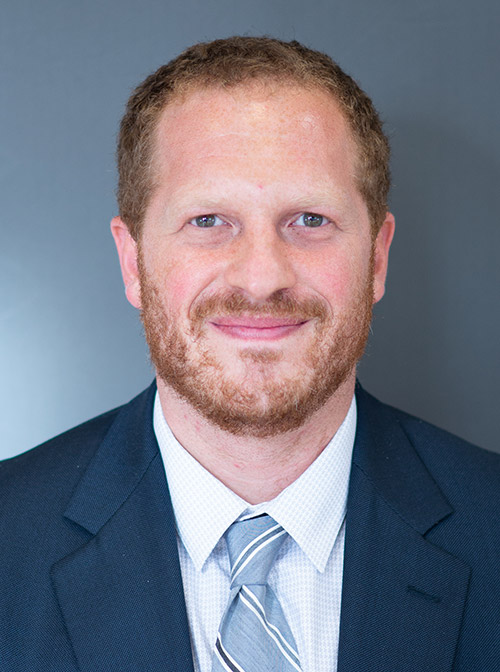 Benjamin Abramoff合作论文数Physical Medicine and Rehabilitation, Perelman School of Medicine, University of Pennsylvania2
 Azola Alba合作论文数Department of Medicine and Division of Gastroenterology and Hepatology, The Johns Hopkins Medical Institutions2
 Ambrose Anne合作论文数Department of Rehabilitation Medicine, Icahn School of Medicine at Mount Sinai2
 Monica Verduzco-Gutierrez合作论文数2
 Kontorovich Amy合作论文数2
 Prin X Amorapanth合作论文数2Cristina Sison合作论文数2
 Julie K. Silver合作论文数Harvard Medical School, Boston, MA, USA2
 Philip Boughton合作论文数2
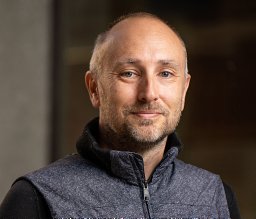 Jamie R. Wood合作论文数Joslin Diabetes Center2
 Ona Bloom合作论文数Ludwig Institute for Cancer Research, Yale University School of Medicine2
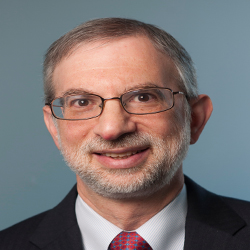 Steven Kirshblum合作论文数Department of Physical Medicine & Rehabilitation, Medical School, Rutgers, The State University of New Jersey2Gerardo Miranda-Comas合作论文数1Karla L Thompson合作论文数1Ratna Bhavaraju-Sanka合作论文数1Diane W Braza合作论文数1Huma Naqvi合作论文数1John Durbin合作论文数1Jasal Patel合作论文数1




