Although financial wellness is a predictor of physician burnout, we are yet to optimize financial education or wellness of Urology trainees. We assessed existing studies, compared them to those of other specialties, and discussed resources and methods to address this deficiency. Urology residents tend to be less fiscally savvy (carry significant debt, and lack retirement savings or disability insurance), and 90
Objective:To report a case of postmortem sperm retrieval with prolonged viability and motility.Design:Case report.Setting:Hospital and Medical Examiner Department.Patients:A 44-year-old African American male patient with a history of recreational marijuana use and occasional alcohol consumption who died from a cardiac arrest because of drug overdose.Interventions:Multiple testicular biopsies and sperm analyses.Main Outcome Measures:Sperm viability and motility of testicular biopsies at serial time intervals.Results:Sperm obtained from the testis in the morgue remained viable and motile even at 106 hours (>4 days) postmortem.Conclusions:Our study found that sperm obtained from the testis remained viable and motile even after being thawed after cryopreservation, even when obtained up to 100 hours postmortem. This may have implications on the timeframe that postmortem sperm retrieval can be performed successfully several days after death.
34% and 22% respectively. Motility with pentoxifylline were also re-ported at those times: 26%, 19%, 7%, 11%, and 5%. Post-thaw viability and motility at 106 hours postmortem were 5% and 1% respectively. CONCLUSIONS: Our study demonstrated that there are motile and viable sperm from human testes even 100 hours post mortem. This is the fi rst study to demonstrate viable or motile sperm after such a long time after death. These fi ndings will have implications on duration after death at which post-mortem sperm retrieval future can be performed successfully.
Migration of abdominal wall mesh in an augmented bladder is a rarely encountered complication leading to formation of bladder stones causing recurrent urinary tract symptoms. The usual management of this condition involves either open surgical or a percutaneous approach for removal of the stone and migrated portion of mesh. Diagnosis of a migrated mesh is usually made intraoperatively during cystolitholapaxy. Appropriate management results in symptomatic improvement. Endoscopic management through catheterisable continent appendicovesicostomy has not been described to manage this challenging condition. To the best of our knowledge, we describe herewith the first report of endoscopic management of a large bladder stone formed over migrated mesh which involved removal of migrated mesh with holmium laser via a Mitrafanoff.
You have accessJournal of UrologyProstate Cancer: Advanced (including Drug Therapy) I (PD05)1 Sep 2021PD05-12 PERSISTENT TESTOSTERONE SUPPRESSION AFTER CESSATION OF ANDROGEN DEPRIVATION THERAPY FOR LOCALIZED PROSTATE CANCER: AN ELECTRONIC HEALTH RECORDS NETWORK STUDY OF 66 MILLION PEOPLE Joshua Bitran, Daniel Gonzalez, Jesse Ory, Maxwell Towe, and Ranjith Ramasamy Joshua BitranJoshua Bitran More articles by this author , Daniel GonzalezDaniel Gonzalez More articles by this author , Jesse OryJesse Ory More articles by this author , Maxwell ToweMaxwell Towe More articles by this author , and Ranjith RamasamyRanjith Ramasamy More articles by this author View All Author Informationhttps://doi.org/10.1097/JU.0000000000001969.12AboutPDF ToolsAdd to favoritesDownload CitationsTrack CitationsPermissionsReprints ShareFacebookLinked InTwitterEmail Abstract INTRODUCTION AND OBJECTIVE: Temporary use of Androgen Deprivation Therapy (ADT) is a cornerstone in the treatment of localized prostate cancer. While ADT is typically used for a defined period of time in these patients, the ability for testosterone to recover afterwards is not well understood. The aim of this study was to investigate the kinetics of testosterone recovery following varying types and lengths of temporary ADT. METHODS: We used a global federated health research network (TriNetX) to identify men with a diagnosis of prostate cancer who underwent temporary use of ADT. Three cohorts were identified: LHRH agonist only, combined ADT (LHRH agonist and antiandrogens), and LHRH antagonist only. In each cohort, testosterone levels were gathered for patients that underwent ADT therapy for at least 2 years. Men were excluded if they received ADT after this time period. Testosterone levels for men in the same age group at time of diagnosis of prostate cancer who never received ADT were used as a control. RESULTS: A total of 34,079 men received LHRH agonists, 16,054 men received combined ADT with LHRH agonist and antiandrogen, and 2307 men received LHRH antagonist. Mean age was similar in all three cohorts (71+/-10 years). 70% of patients were white, 14% African American, 2% Asian, and 14% unknown race. None of the men who received either LHRH agonist or combined ADT for 2 years or longer recovered to eugonadal levels (T>300ng/dL) even after 5 years of cessation (mean T levels = 159 ng/dL or 169 ng/dL, respectively). However, 50% of men who received LHRH antagonist for 2 years recovered T levels to eugonadal range after 5 years of cessation (mean T = 382 ng/dL). The control group consisted of 5727 men with prostate cancer who never received ADT or testosterone therapy (mean age at diagnosis, 71 years). Mean testosterone levels ranged from 340 at diagnosis to 402 5 years after diagnosis. CONCLUSIONS: Five years after ADT cessation, incomplete testosterone recovery persists in majority of the men. Testosterone deficiency will lead to metabolically adverse changes in body composition, increased insulin resistance, impaired bone health, and poor quality of life and needs to be closely followed-up in men receiving ADT and should continue after cessation of treatment. Source of Funding: Clinician Scientist Development Award from American Cancer Society © 2021 by American Urological Association Education and Research, Inc.FiguresReferencesRelatedDetails Volume 206Issue Supplement 3September 2021Page: e61-e61 Advertisement Copyright & Permissions© 2021 by American Urological Association Education and Research, Inc.MetricsAuthor Information Joshua Bitran More articles by this author Daniel Gonzalez More articles by this author Jesse Ory More articles by this author Maxwell Towe More articles by this author Ranjith Ramasamy More articles by this author Expand All Advertisement PDF downloadLoading ...
You have accessJournal of UrologySexual Function/Dysfunction: Medical, Hormonal & Non-surgical Therapy I (PD20)1 Sep 2021PD20-06 DEVELOPMENT OF SECONDARY POLYCYTHEMIA WHILE ON TESTOSTERONE THERAPY INCREASES RISK OF MAJOR ADVERSE CARDIOVASCULAR EVENTS AND VENOUS THROMBOEMBOLISM IN MEN Jesse Ory, Sirpi Nackeeran, Daniel C Gonzalez, Maxwell Towe, Joshua Bitran, Justin Achua, and Ranjith Ramasamy Jesse OryJesse Ory More articles by this author , Sirpi NackeeranSirpi Nackeeran More articles by this author , Daniel C GonzalezDaniel C Gonzalez More articles by this author , Maxwell ToweMaxwell Towe More articles by this author , Joshua BitranJoshua Bitran More articles by this author , Justin AchuaJustin Achua More articles by this author , and Ranjith RamasamyRanjith Ramasamy More articles by this author View All Author Informationhttps://doi.org/10.1097/JU.0000000000002009.06AboutPDF ToolsAdd to favoritesDownload CitationsTrack CitationsPermissionsReprints ShareFacebookLinked InTwitterEmail Abstract WITHDRAWN © 2021 by American Urological Association Education and Research, Inc.FiguresReferencesRelatedDetails Volume 206Issue Supplement 3September 2021Page: e369-e369 Advertisement Copyright & Permissions© 2021 by American Urological Association Education and Research, Inc.MetricsAuthor Information Jesse Ory More articles by this author Sirpi Nackeeran More articles by this author Daniel C Gonzalez More articles by this author Maxwell Towe More articles by this author Joshua Bitran More articles by this author Justin Achua More articles by this author Ranjith Ramasamy More articles by this author Expand All Advertisement Loading ...
Purpose: To evaluate the effect of short-acting 4.5% nasal testosterone gel (Natesto) on serum testosterone, gonadotropins, total motile sperm count, health related quality of life and sexual function. Materials and Methods: This was a single institution, open label, single arm trial conducted between November 2017 and September 2019 at the University of Miami. Men 18 to 55 years old diagnosed with symptomatic hypogonadism (total testosterone less than 300 ng/dl on 2 occasions) were included. Men with azoospermia, vasectomy or a total motile sperm count less than 5 million were excluded. Enrolled patients were treated with Natesto, a short-acting nasal testosterone (125 ml per nostril, 11.0 mg testosterone per dose, TID) for 6 months. Results: In total, 60 men were enrolled in the study. Of these, 44 and 33 patients were evaluated for testosterone at 3 and 6 months, respectively. A total of 31 patients (90.9%) reached a normal testosterone level (greater than 300 ng/dl) at 6 months. Follicle stimulating hormone and luteinizing hormone levels were maintained within the normal range in 81.8% and 72.7% of patients at 6 months, respectively. Total motile sperm count was maintained with total motile sperm count greater than 5 million over the treatment period in 88.4% of men at 3 months and 93.9% at 6 months. There were statistically significant improvements on International Index of Erectile Function sexual desire and overall satisfaction domains at 6 months. Conclusions: Natesto appears to increase testosterone while maintaining semen parameters in a majority of men. Natesto has the potential to be a safe and effective treatment for men with functional hypogonadism who wish to preserve semen parameters. Long-term studies beyond 6 months are needed before we can safely prescribe nasal testosterone gel for men interested in fertility.
Radical prostatectomy (RP) represents one of the most commonly used first-line treatment modalities in men with localized prostate cancer. One of the most feared post-surgical complications is erectile dysfunction (ED), usually caused by direct damage to the cavernous nerves or due to neuropraxia. Penile rehabilitation is an emerging concept that was proposed to stimulate and accelerate recovery of erectile function after RP. The goal is to improve blood flow to the penis, increasing cavernous oxygenation and avoiding fibrosis. The most common used modalities include oral phosphodiesterase type 5 inhibitors (PDE5-I), vacuum erection devices (VEDs), intracorporeal injection (ICI) therapy, medicated urethral system for erections (MUSE), and a combination of these treatments. For those patients with severe ED, ED refractory to medical therapy and/or seeking long term reliable results, the penile prosthesis implant remains an excellent alternative. We conducted a broad review of post-prostatectomy ED prevalence with different techniques and the success rates of the different therapeutic approaches.
Abstract INTRODUCTION AND OBJECTIVE: Exogenous testosterone (T) therapy is typically long-acting and causes azoospermia in up to 65% of the men. Natesto, dosed three times a day, is a short-acting, FDA approved nasal testosterone available since 2015. We hypothesized that Natesto can preserve spermatogenesis due to its short-acting property. METHODS: We prospectively enrolled hypogonadal men aged 18-55 years with two serum T levels < 300 ng/dL (drawn before 10 AM), symptoms, and 2 semen analyses (SA) with total motile sperm counts (TMSC) > 5 million in a phase IV clinical trial. Eligible men received Natesto for 6 months. Serum T, luteinizing hormone (LH), follicle stimulating hormone (FSH), 17-hydroxyprogesterone (17-OHP), 2 SA, and testis volume were collected at baseline and after 3 and 6 months of therapy. Symptoms were evaluated using the international index of erectile function 6 (IIEF-6) and the short form 36 (SF-36) questionnaires. The primary endpoints were change in T, LH, FSH, sperm concentration, sperm motility, and TMSC. Secondary end points were change in symptoms, testis volume, and adverse events (AEs). Data are presented as means (SD), t-test was used to compare changes after 3 and 6 months, p<0.05 was considered significant. RESULTS: In total, 102 men were screened, and 60 men (age 19-55 years) enrolled. Of the 60 men, 44 completed 3 months, 33 completed 6 months, and 17 dropped out. Mean serum T increased from hypogonadal at baseline to 3 and 6 months (p=0.005), LH and FSH decreased (p=0.03) but remained within the normal range (2-5 IU/mL). Most importantly, semen parameters remained unchanged after 3 and 6 months of T therapy. Only 3 (7.5%) men had severe oligospermia and one (2.5%) became azoospermic but recovered at 6 months after discontinuation. Testis volume and intratesticular T (serum 17-OHP) were maintained at 3 and 6 months. There was improvement across all sub-domains of the IIEF as well as improvement in questions related to energy in the SF-36. A total of 10 men dropped out due to nasal irritation. CONCLUSIONS: This phase IV clinical trial demonstrated that Natesto increased serum T, improved hypogonadal symptoms, maintained gonadotropins, testis volume, intratesticular testosterone and semen parameters. Natesto, and other short acting forms of testosterone therapy may help hypogonadal men maintain fertility.
The research letter by Baillargeon et al. addresses the trends of testosterone prescription in the United States between 2002 and 2016. The investigators utilized data from Clinformatics Data Mart (CDM) and reported on the records of 9,962,538 men, ages 30 and above. The trends are reported as the total percentage of men who were prescribed testosterone therapy and the percentage of new testosterone users (no use in the prior year). Furthermore, the data was stratified for new users by age and region to account for testosterone prescription variation. The investigation found that testosterone use increased from 2002 to 2012 in both total and new users and then decreased from 2013 to 2016. The decrease was evident after stratification in all four regions and age groups of new users. By virtue of this study population from a commercial insurance database, the data is limited to employed men, and therefore not generalizable to elderly men.
Serum testosterone values vary considerably with little correlation to intratesticular testosterone (ITT). ITT is approximately similar to 100 times that of serum testosterone and is critical for spermatogenesis. Unfortunately, the only method to accurately measure ITT is invasive testicular aspiration and therefore is not performed routinely. The identification of a serum biomarker for ITT would allow serial monitoring during hormonal manipulation and the ability to assess the effectiveness of a male contraceptive agent. Prior studies have evaluated several serum biomarkers for their ability to accurately reflect ITT with data supporting 17-hydroxyprogesterone (17-OHP) and insulin-like factor 3 (INSL3) as a potential marker. Because evaluation of serum 17-OHP is readily available through commercial laboratories, in this review, we present the evidence for 17-OHP and how it can play a pivotal role in the management of male infertility.
Serum testosterone values vary considerably with little correlation to intratesticular testosterone (ITT). ITT is approximately ~100 times that of serum testosterone and is critical for spermatogenesis. Unfortunately, the only method to accurately measure ITT is invasive testicular aspiration and therefore is not performed routinely. The identification of a serum biomarker for ITT would allow serial monitoring during hormonal manipulation and the ability to assess the effectiveness of a male contraceptive agent. Prior studies have evaluated several serum biomarkers for their ability to accurately reflect ITT with data supporting 17-hydroxyprogesterone (17-OHP) and insulin-like factor 3 (INSL3) as a potential marker. Because evaluation of serum 17-OHP is readily available through commercial laboratories, in this review, we present the evidence for 17-OHP and how it can play a pivotal role in the management of male infertility.
Purpose of ReviewInflatable penile prosthesis (IPP) is a treatment for erectile dysfunction. IPPs have undergone improvements; however, post-surgical infections still occur. Furthermore, the type of pathogens infecting the implants has changed recently from Gram-positive to Gram-negative bacteria and fungi due to advances in antibiotic dips targeting the skin flora. To protect against infection, the AMS 700 is pre-coated with InhibiZone (mixture of Rifampin/Minocycline) and the Coloplast Titan, with several antibiotic dip options of differing efficacies. This review discusses strategies to decrease the infection rates in implant surgery, focusing on antibiotic dips.Recent FindingsCurrent research endorses the use of rifampin/gentamicin as the most studied combination; however, some studies have utilized different dips for additional coverage including the InhibiZone on the AMS 700.SummaryWith the increasing prevalence of diabetes and Gram-negative organisms, there is a need to develop strategies for increased coverage against infections. Controlled studies with different antibiotic combinations are needed to identify the ideal cocktail to decrease infection.
You have accessJournal of UrologySexual Function/Dysfunction: Surgical Therapy II (PD44)1 Apr 2019Sexual Function/Dysfunction: Surgical Therapy II (PD44) View All Author Informationhttps://doi.org/10.1097/01.JU.0000558628.50385.b0AboutPDF ToolsAdd to favoritesDownload CitationsTrack CitationsPermissionsReprints ShareFacebookLinked InTwitterEmail © 2019 by American Urological Association Education and Research, Inc.FiguresReferencesRelatedDetails Volume 201Issue Supplement 4April 2019 Advertisement Copyright & Permissions© 2019 by American Urological Association Education and Research, Inc.MetricsAuthor Information Expand All Advertisement PDF downloadLoading ...
PURPOSE: To evaluate the effects of testosterone nasal gel on reproductive hormones and semen parameters after 3 and 6 months of therapy. HYPOTHESIS: Exogenous testosterone use leads to negative feedback on the hypothalamic-pituitary-gonadal (HPG) axis and inhibits male fertility. Because testosterone nasal gel is short-acting and more closely mimics normal physiology, we hypothesized that it will have less inhibitory effect on the HPG axis and allow for maintained spermatogenesis. MATERIALS AND METHODS: We prospectively enrolled men aged 18-55 with at least two T levels < 350 ng/dL (drawn before 10 AM) and two semen analyses (SA) with total motile sperm count (TMSC) > 5 million. Eligible men were treated with testosterone nasal gel three times daily for a period of 6 months. T, LH, FSH, semen analysis (X 2), International Index of Erectile Function (IIEF), and Short Form Health Survey (SF-36) were collected at baseline and after 3 and 6 months of therapy. A single testosterone level was collected after 1 month. Hormone levels were drawn with 2 hours after administering nasal testosterone. Data are presented as median (interquartile range); medians were compared using the Mann-Whitney test, significance was set at p<0.05. RESULTS: We have enrolled 36 men. Mean age is 36.8 years. A total of 25 men have completed 1 month of therapy, 12 have completed 3 months, and 7 have completed 6 months. T increased significantly from baseline 238.5 (197.5-282.0) ng/dl to 554 (359.5-778.0) ng/dl at 1 month, 509.8 (318.3-919.1) ng/dl at 3 months and 629.0 (447.4-784.2) ng/dl at 6 months (p<0.05 at 1,3 and 6 months). LH declined from a baseline of 4.3 (2.2-4.5) IU/ml to 2.0 (1.1-3.6) IU/ml at 3 months and 1.9 (0.6-3.1) IU/ml at 6 months (p<0.5 at 3 and 6 months). FSH declined from a baseline of 3.2 (2.3-5.8) IU/ml to 2.7 (1.1-3.6) IU/ml at 3 months and 2.1 (1.3-7.4) IU/ml at 6 months. This decline was not statistically significant at 6 months (p=0.16). Median FSH levels remained within normal lab range (1.5-12.4 IU/ml). Median TMSC remained statistically unchanged, 29.0 (14.5-41.0) million at baseline, 31.5 (13.8-62) million at 3 months and 26.0 (3.75-51.8) million at 6 months. No men became azoospermic while on nasal testosterone. IIEF and SF-36 remained statistically unchanged. CONCLUSION: This is an interim analysis of a phase IV clinical trial. Nasal gel testosterone increased serum T levels while maintaining FSH levels within normal range and, importantly, maintained semen parameters. Nasal gel testosterone has the potential to be paradigm-shifting in our approach to develop a safe and effective treatment for men with low T who wish to restore normal serum T levels while preserving fertility.
DESIGN:Video presentation.SETTING:University hospital.PATIENTS:A 53-year-old male presents with a history of a vasectomy performed 7 years prior. His wife is 36 years-old and requests sperm extraction for in-vitro fertilization. On examination, his testicles were 20 cc bilaterally with a serum follicle-stimulating hormone of 5.3.INTERVENTIONS:Percutaneous Epididymal Sperm Aspiration (PESA) and Microscopic Epididymal Sperm Aspiration (MESA).MAIN OUTCOME MEASURES:Intraoperative technique highlighting the main steps for performing PESA and MESA, complications, and sperm retrieval outcomes.RESULTS:This video highlights the technique for performing both PESA and MESA. We demonstrate complications and outcomes associated with both procedures. Both PESA and MESA are viable options for sperm retrieval with varying complications and sperm quality outcomes.CONCLUSIONS:We demonstrate how to perform both PESA and MESA. Both are effective means for obtaining sperm for in-vitro fertilization with differences in technique, equipment required, complications and sperm quality outcomes.
 Ranjith Ramasamy合作论文数Jumeirah American Clinic21
 Soum D. Lokeshwar合作论文数6Maxwell Towe合作论文数4Manuel Molina合作论文数4
 Thomas Masterson合作论文数2 Department of Urology, University of Miami4
 Premal Patel合作论文数Section of Urology, University of Manitoba;Section of Urology, University of Manitoba4
 Ursula B. Kaiser合作论文数Division of Endocrinology, Diabetes, and Hypertension, Brigham and Women's Hospital, Harvard Medical School4
 Emad Ibrahim合作论文数Miami Project to Cure Paralysis and Department of Urology, Miller School of Medicine, University of Miami4Sarrah L Hasanali合作论文数3
 Jesse Ory合作论文数Department of Urology, Dalhousie University3Ashaka Patel合作论文数2Jamie Thomas合作论文数2Jordan C Best合作论文数2
 Joginder Bidhan合作论文数2Vinayak Madhusoodanan合作论文数2Daley S Morera合作论文数2Daniel C Gonzalez合作论文数2
 Bruce Kava合作论文数2M. Hallerstrom合作论文数1
 Braian Ledesma合作论文数1Didi Theva合作论文数1Archana Rajender合作论文数1Michel Apoj合作论文数1Andrew N Christopher合作论文数1Laura Horodyski合作论文数1Mark Johnson合作论文数1Mark Biebel合作论文数1Justin K Achua合作论文数1Kenneth J. DeLay合作论文数1Jacob Lucas合作论文数1N. Hauser合作论文数1Farouk M. El-Khatib合作论文数1
 Fabio Stefano Frech合作论文数1Sirpi Nackeeran合作论文数1
 Abhishek Bhat合作论文数1Thiago Fernandes Negris Lima合作论文数1
 Martin S. Gross合作论文数1
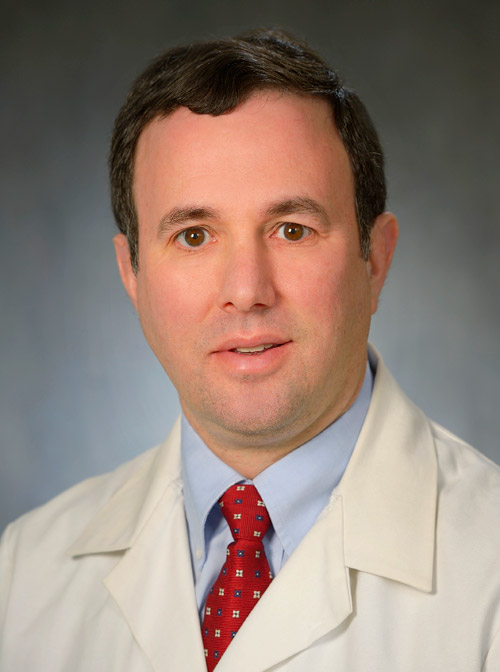 Jonathan P. Katz合作论文数Division of Gastroenterology, Department of Medicine, Perelman School of Medicine, University of Pennsylvania1
 Himanshu Arora合作论文数Geetanjali Institute of Technical Studies Udaipur1Garaffa Giulio合作论文数St Peter's Andrology1
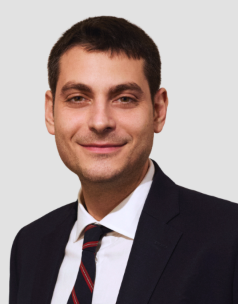 Giovanni Chiriaco合作论文数New Victoria Hospital1Miao Feng合作论文数1
 Dayron Rodriguez合作论文数1
 Chad Ritch合作论文数1David J. Ralph合作论文数1
 Asif Muneer合作论文数London1
 Isildinha Reis合作论文数Sylvester Comprehensive Cancer Center, University of Miami1
 Hemendra N. Shah合作论文数Department of Urology, R. G. Stone Urological Research Institute1
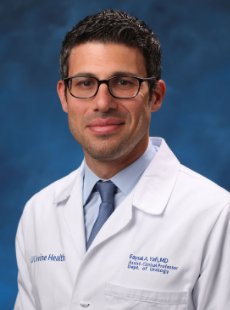 Faysal A. Yafi合作论文数Department of Urology, University of California, Irvine1




