ABSTRACT The gut virome represents a vast reservoir of genetic diversity with profound implications for human health, yet it remains the “dark matter” of the microbiome due to the staggering complexity of reproducible viral profiling. It remains fundamentally contested whether biologically informative virome signals can be robustly recovered from routine whole-metagenome sequencing (WMS), and to what extent these signals offer ecological insights independent of the bacteriome. Here we present VIP2B, a framework that leverages Type IIB restriction tags to extract multifaceted viral features (encompassing taxonomy, coverage, function, and phenotype) directly from bulk WMS data. Through extensive benchmarking across incomplete references, unseen genomes, and high bacterial or host background, we demonstrate that VIP2B achieved high precision and robust taxonomic concordance. By applying VIP2B to paired bulk and virus-like particle (VLP)-enriched datasets, we reveal a species-level overlap far greater than previously recognized, proving that standard bulk metagenomes contain a wealth of recoverable viral information. Analysis of 20 clinical cohorts demonstrates that coverage-, function-, and phenotype-resolved viral features consistently identify disease-associated signatures that escape taxonomic analysis alone, significantly improving diagnostic models over bacteriome-only approaches. Finally, we define two distinct gut virome community states at the population scale (n=6,090), characterized by divergent diversity profiles and health associations. Our findings establish the gut virome as a non-redundant, clinically actionable component of the human holobiont and provide the methodology necessary to transition microbiome research toward a truly multi-kingdom framework.
Primary sclerosing cholangitis (PSC) is a chronic liver disease characterized by inflammation and progressive fibrosis of the biliary tree. PSC pathogenesis remains poorly understood, and there are no effective therapies. Previous studies have observed associations between colonic and biliary microbiome alterations and PSC. We aimed to determine whether bacterial isolates cultured from PSC patient bile induce disease-associated phenotypes in cells, specifically cell death, epithelial permeability, inflammation, and changes in host-protective pathways. Bile was collected from PSC patients by endoscopic retrograde cholangiography and from non-PSC controls undergoing cholecystectomies. Biliary bacteria were cultured anaerobically, and 50 colonies per sample were identified by 16S sequencing. No bacteria were isolated from non-PSC controls, while bacteria were cultured from most PSC patients. The PSC bile microbiomes exhibited reduced diversity compared to the gut or oral cavity, with one or two species predominating. The effects of supernatants from seven PSC-associated bacterial isolates on cellular phenotypes were characterized using human colonic (Caco-2), hepatic (HepG2), and biliary (EGI-1) cells. Overall, PSC-associated bacteria produced factors cytotoxic to hepatic and biliary cells. An Enterococcus faecalis isolate, and to a lesser extent a Veillonella parvula isolate, induced epithelial permeability, while Escherichia coli, Fusobacterium necrophorum, and Klebsiella pneumoniae isolates induced inflammatory cytokines in biliary cells. Our data suggest that bacteria cultured from PSC bile induce cellular changes characteristic of PSC pathogenesis, with different isolates inducing distinct cellular responses. Our work provides a starting point for future research into bacterial contributions to PSC with the eventual goal of developing therapies for this disease.IMPORTANCEPrimary sclerosing cholangitis (PSC) is a chronic liver disease in which inflammation and scarring of the bile ducts cause bile to build up in the liver, leading to liver damage and eventually liver failure. The causes of this disease are poorly understood, and the only current treatment is a liver transplant. To develop new treatments, we must first better understand what leads to this disease. We examined whether bacteria isolated from PSC patient bile can cause disease-related responses in human biliary, liver, and intestinal cells. We observed that different PSC-associated bacteria can induce distinct disease-related cellular changes, including inflammation and cell death. These data suggest that the microbial community in PSC patients may indeed be linked to disease development. Our findings provide new starting points for further exploration into the poorly understood origins of PSC.
The muco-epithelial interface in the mammalian gut is composed of a mucus and epithelial lining fundamental to barrier function, microbe-host interactions, and intestinal homeostasis. This barrier is heavily glycosylated by O-linked sugars covalently linked to mucin glycoproteins, and N-linked sugars that coat epithelial surface proteins. Gut O- and N-glycans are thought to play central roles in barrier function, host defense, nutrition and attachment for commensals and pathogens, immunoregulation and cell-cell interactions. However, the precise nature of the glycans and how glycan composition changes through development, as a function of diet, and during inflammation, remains incompletely understood. Here, we apply O- and N-glycomic platforms to profile glycans on mucus and intestinal epithelium. By mapping individual glycan species spatially and temporally we identify 57 O- and 18 N-glycans in the mouse intestine, and observe that fucosylation and sialylation varies according to intestinal region and developmental stage. We identify a subset of glycans regulated by the gut microbiome, and observe a constriction of the glycan repertoire during inflammation in both mice and humans. Together, these results provide an atlas of individual intestinal glycans and their dynamic range through ontogeny and inflammation, and represent a significant resource for our understanding of the role of intestinal glycans in health and disease and glycan-focused therapies for intestinal inflammation and shaping the gut microbiome.
SummaryBackgroundThe performance of bowel preparation (BP) in patients with Crohn's disease (CD) is unknown.AimsTo evaluate the operating properties of instruments used to assess BP quality in patients with CD.MethodsWe used the Boston Bowel Preparation Scale, modified Boston Bowel Preparation Scale, Harefield Cleansing Scale, Food and Drug Administration Bowel Cleansing Assessment Scale (BCAS), and a 100‐mm visual analogue scale of bowel cleanliness to assess BP quality in 50 videos from 40 patients with CD. We assessed endoscopic activity with the Simple Endoscopic Score for CD (SES‐CD). Assessments were on endoscope insertion and withdrawal. Reliability was quantified using the intraclass correlation coefficient (ICC). We assessed validity by within‐patient correlation between instruments and the visual analogue scale using mixed‐effect models. The correlation between BP quality and SES‐SD scores was assessed using Spearman's rho.ResultsInter‐ and intra‐rater reliability for all BP quality instruments was substantial (ICC ≥0.61) except for the Food and Drug Administration BCAS on insertion (inter‐rater reliability ICC ≥0.41). The visual analogue scale had substantial inter‐ and almost perfect (ICC ≥0.81) intra‐rater reliability. Correlation coefficients for the validity of the instruments exceeded 0.58. BP quality and endoscopic disease activity scores in the colon were negatively correlated.ConclusionMost existing instruments reliably assess BP quality in patients with CD. These results support the use of these instruments in clinical practice, provide a framework for scoring BP quality in CD clinical trials, and support evaluation of novel BP agents in patients with CD.
Background: The natural history of primary sclerosing cholangitis (PSC) among African Americans (AA) is not well understood. Methods: Transplant-free survival and hepatic decompensation-free survival were assessed using a retrospective research registry from 16 centers throughout North America. Patients with PSC alive without liver transplantation after 2008 were included. Diagnostic delay was defined from the first abnormal liver test to the first abnormal cholangiogram/liver biopsy. Socioeconomic status was imputed by the Zip code. Results: Among 850 patients, 661 (77.8%) were non-Hispanic Whites (NHWs), and 85 (10.0%) were AA. There were no significant differences by race in age at diagnosis, sex, or PSC type. Inflammatory bowel disease was more common in NHWs (75.8% vs. 51.8% p=0.0001). The baseline (median, IQR) Amsterdam-Oxford Model score was lower in NHWs (14.3, 13.4-15.2 vs. 15.1, 14.1-15.7, p=0.002), but Mayo risk score (0.03, -0.8 to 1.1 vs. 0.02, -0.7 to 1.0, p=0.83), Model for End-stage Liver Disease (5.9, 2.8-10.7 vs. 6.4, 2.6-10.4, p=0.95), and cirrhosis (27.4% vs. 27.1%, p=0.95) did not differ. Race was not associated with hepatic decompensation, and after adjusting for clinical variables, neither race nor socioeconomic status was associated with transplant-free survival. Variables independently associated with death/liver transplant (HR, 95% CI) included age at diagnosis (1.04, 1.02-1.06, p<0.0001), total bilirubin (1.06, 1.04-1.08, p<0.0001), and albumin (0.44, 0.33-0.61, p<0.0001). AA race did not affect the performance of prognostic models. Conclusions: AA patients with PSC have a lower rate of inflammatory bowel disease but similar progression to hepatic decompensation and liver transplant/death compared to NHWs.
Comparisons among autoimmune diseases enable understanding of the burden and factors associated with work productivity loss and impairment. The objective was to compare work productivity and activity and associated factors among patients with inflammatory bowel diseases and other autoimmune conditions. This cross-sectional study included employed, adult patients (age 20–64 years) in the CorEvitas Inflammatory Bowel Disease, Psoriasis, and Psoriatic Arthritis/Spondyloarthritis Registries between 5/2017 and 6/2020. Any patient-reported impairment on four domains of the Work Productivity and Activity Index (WPAI) was collected across registries. Prevalence for each autoimmune disease was reported and stratified by disease activity using direct age-sex-standardization. Factors associated with the presence of any WPAI were identified in logistic regression models. A total of 7,169 patients with psoriasis (n = 4,768, 67
Abstract A major hurdle in the treatment of inflammatory bowel disease (IBD) is the lack of effective drug carriers that can precisely deliver the required amount of drug to the sites of inflammation. Available therapies have limited efficacy or severe side effects, largely because of the low concentration of active drugs at the disease sites and non-specific systemic absorption of the administered drugs. Drug delivery targeting the sites of intestinal inflammation offers an approach to maximize therapeutic efficacy while minimizing adverse side effects. We focus on developing formulations that can provide improved local drug administration in the treatment of ulcerative colitis (UC), one of the two main types of IBD. Targeting sites of inflammation in the gastrointestinal tract can be achieved using drug delivery systems that exploit pathophysiological features of the inflamed intestine. Our previous study showed preferential adhesion of a negatively charged small-molecule-based hydrogel to the inflamed colon in murine models of colitis and biopsies from UC patients; further, a corticosteroid drug delivered by this hydrogel demonstrated an improved efficacy compared to the drug alone. Based on our previous experience, we expanded the small-molecule-based hydrogel to polymer-based hydrogels for enhanced selective targeting. We designed the material so that it has a strong affinity towards ulcers. Through molecular structure design, we functionalized thermo-responsive poly(N-isopropylacrylamide) (PNIPAM)-based polymers to modulate the physicochemical properties of the materials and compared the resultant polymers’ gelation and adhesion to the inflamed colon in dextran sulfate sodium (DSS)-induced colitis in mice. We showed that both the types of chemical modification and polymer molecular weight affected the adhesion of the resultant hydrogels to the inflamed colon. We further quantified the disease parameters of colitis for individual mice and correlated the colitis parameters with polymers’ adhesion. Our study suggests a new strategy for targeting the inflamed colon through harnessing charge-mediated interaction and thermo-responsiveness of PNIPAM-based polymers. By adhering to the inflamed mucosa, our delivery system has the potential to maintain the drug locally at the active ulcer sites where it is needed, thereby minimizing the adverse effects of drugs on the healthy tissue. The examination of these polymeric hydrogels’ mucosal binding provides a further understanding of interactions between the polymers and the biological interface in colitis. These studies were performed in preclinical models of UC that develop colitis similar to human UC, as a prerequisite for future studies.
Background & Aims: Primary sclerosing cholangitis (PSC) is a chronic cholestatic liver disease with a strong association with inflammatory bowel disease and variable disease progression. We aimed to gain insights into the role of fecal bile acids (BA) on disease progression by determining the relationships between fecal BA, diet, and gut microbes, with markers of disease progression, BA synthesis, and farnesoid X receptor (FXR) activity. Methods: BA levels in serum and stool, dietary intake, and markers of BA synthesis, and FXR activity were measured in 26 patients with early stage, large duct PSC. Fecal microbiota were quantified by 16S rRNA gene sequencing. Results: Compared with controls, fecal unconjugated deoxycholic acid (DCA) levels were lower in patients with PSC ( p adj = 0.04). Alcohol intake and the abundance of Blautia and Lachnoclostridium were associated with greater fecal DCA levels in patients with PSC after adjusting for inflammatory bowel disease and treatment with ursodeoxycholic acid. Fecal DCA levels were negatively associated with total bilirubin levels in patients with PSC (p = 0.006) suggesting a protective role. However, fecal DCA was associated with greater serum levels of 7a-hydroxy-4-cholesten-3-one, a marker of BA synthesis, and was not associated with fibroblast growth factor 19, a marker of intestinal FXR activity. Conclusions: Alcohol intake, Blautia and Lachnoclostridium abundance was associated with increased fecal DCA levels, which in turn seemed to have had a protective effect in patients with early-stage PSC. However, this effect was not mediated by BA synthesis or FXR activation. (c) 2024 The Author(s). Published by Elsevier B.V. on behalf of European Association for the Study of the Liver (EASL). This is an open access article under the CC BY-NC-ND license (http://creativecommons.org/licenses/by-nc-nd/4.0/).
Recent studies suggest that human-associated bacteria interact with host-produced steroids, but the mechanisms and physiological impact of such interactions remain unclear. Here, we show that the human gut bacteria Gordonibacter pamelaeae and Eggerthella lenta convert abundant biliary corticoids into progestins through 21-dehydroxylation, thereby transforming a class of immuno- and metabo-regulatory steroids into a class of sex hormones and neurosteroids. Using comparative genomics, homologous expression, and heterologous expression, we identify a bacterial gene cluster that performs 21-dehydroxylation. We also uncover an unexpected role for hydrogen gas production by gut commensals in promoting 21-dehydroxylation, suggesting that hydrogen modulates secondary metabolism in the gut. Levels of certain bacterial progestins, including allopregnanolone, better known as brexanolone, an FDA-approved drug for postpartum depression, are substantially increased in feces from pregnant humans. Thus, bacterial conversion of corticoids into progestins may affect host physiology, particularly in the context of pregnancy and women's health.
ABSTRACT Primary sclerosing cholangitis (PSC), a progressive cholestatic hepatobiliary disease characterized by inflammation and fibrosis of the bile ducts, has a pathophysiology that is not understood. No effective therapies exist. The only treatment option for PSC is liver transplant. We undertook a pilot randomized trial of diet to investigate the pathophysiology of the disease, the role of diet and to advance potential therapy. We enrolled 20 patients with PSC and randomly assigned them to a Low Protein/low sulfur Diet (LPD, n=10) or the Specific Carbohydrate Diet (SCD, n=10) for 8 weeks. Results showed that low protein intake benefits PSC patients, whereas higher protein levels exacerbate the condition. We further identified gut bacterial markers useful for distinguishing LPD responders (mostly PSC with concomitant ulcerative colitis) from non-responders. Additionally, by integrating multi-omics data, we propose that this diet modifies the intestinal sulfur cycle reducing hydrogen sulfide (H 2 S) production. Our findings provide an understanding of the beneficial effect of LPD as well as insights into a possible key driver of inflammation in PSC.
Abstract Background Crohn’s disease (CD) is a chronic inflammatory disorder of the gastrointestinal tract that severely affects quality of life. Despite technological advances, CD diagnoses remain difficult and invasive, with delayed diagnoses correlated with worse prognosis and complications. CD is multifactorial, involving complex interactions between genetic and environmental risk factors, which leads to difficulty in identifying a cause and cure. However, research alludes to an underlying dysregulation of immune activity that leads to chronic intestinal inflammation. Mononuclear phagocytes (MNP) are essential immune cells that promote intestinal homeostasis through supporting immune tolerance, antimicrobial activity, and barrier integrity. A crucial cytokine that promotes the survival and function of intestinal MNP is Colony Stimulating Factor 2 (CSF2). Intriguingly, previous work in our lab demonstrated that CSF2 autoantibodies (CSF2-Ab) can be detected in the serum of every third CD patient and antedate the onset of CD by up to 6 years. In contrast, these titers are not seen in healthy donors or ulcerative colitis. Moreover, CSF2-Ab were predictive of disease location and severity, and are able to neutralize CSF2 by binding to glycosylations, impacting downstream signaling in MNP. These data suggest a role for CSF2-Ab in promoting intestinal immune dysregulation in CD. Aims Our work aims to characterize CSF2-Ab and their role in CD. Methods We developed a bead-based flow cytometric assay to screen CD patient serum for CSF2-Ab in several cohorts that contain samples at time points prior to, at, and after diagnosis. Results Our preliminary data demonstrate that our assay is rapid and specific for detecting CSF2-Ab of various isotypes in human serum and can be validated using ELISA. Furthermore, we show that this assay can be used to determine the epitope specificity of CSF2-Ab in CD patients in just one single sample. Conclusions We have developed a rapid and accessible assay to predict CD development years before diagnosis using minimal serum samples. Moreover, this screen will enable subclassification of patients based on their autoantibody reactivity to glycovariants of CSF2. Glycovariants that escape recognition by CD-specific CSF2-Ab could potentially be used as a therapeutic to ameliorate disease. Beyond treatment, understanding how CSF2-Ab epitope specificity and isotypes may change over the course of disease development will serve as a roadmap for elucidating the role of CSF2-Ab in CD. Funding Agencies CAG, CIHR
 Bruce E Sands合作论文数Feinstein IBD Clinical Center, Icahn School of Medicine at Mount Sinai;The Mount Sinai Hospital, Icahn School of Medicine at Mount Sinai37
 Ashwin Ananthakrishnan合作论文数Mass General Research Institute, Massachusetts General Hospital;Harvard Medical School32
 de Silva Punyanganie合作论文数Department of Gastroenterology, James Paget University Hospital25
 Jessica Allegretti合作论文数23Vijay Yajnik合作论文数21Barnes Edward L合作论文数18Brian K. Dieckgraefe合作论文数16
 Scott B. Snapper合作论文数Division of Gastroenterology, Hepatology and Nutrition, Boston Children's Hospital;Inflammatory Bowel Disease Center, Boston Children's Hospital;Harvard Medical School16Madeline Carrellas合作论文数14
 Matthew Hamilton合作论文数14
 Daniel S Pratt合作论文数13
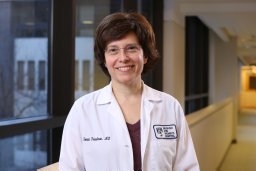 Sonia Friedman合作论文数Brigham and Women’s Hospital, Harvard Medical School12Deanna D. Nguyen合作论文数12Bonnie Cao合作论文数11Emily Collins合作论文数11
 Pascal Juillerat合作论文数11
 Giovanni Traverso合作论文数The Laboratory for Translational Engineering, Department of Mechanical Engineering, Massachusetts Institute of Technology;Syntis Bio;Brigham and Women's Hospital, Harvard Medical School;Teal Bio;Vivtex;Celero Systems;Suono Bio;Lyndra10Matthew Lucci合作论文数10Rachel Winter合作论文数Leicester Med Sch, Univ Leicester10
 Hamed Khalili合作论文数Harvard Medical School, Massachusetts General Hospital10Ami Merker合作论文数8
 Andrew Chan合作论文数Clinical and Translational Epidemiology Unit, Massachusetts General Hospital;Mass General Cancer Center, Massachusetts General Hospital8
 Richard Aaron Hodin合作论文数Division of Gastrointestinal and Oncologic Surgery, Massachusetts General Hospital, Harvard Medical School8
 Neal S Leleiko合作论文数Columbia University Irving Medical Center;Department of Pediatrics, Columbia University;NewYork-Presbyterian Morgan Stanley Children's Hospital;NewYork-Presbyterian Allen Hospital8
 Sufeng Zhang合作论文数Faculty of Engineering, University of Alberta8
 Liliana Bordeianou合作论文数MGH Crohn’s & Colitis Center, Harvard Medical School8Corey A. Siegel合作论文数8
 Garret Cullen合作论文数St. Vincents University Hospital8
 Chin Hur合作论文数Mailman School of Public Health, Columbia University Irving Medical Center8
 Adam S. Cheifetz合作论文数Center for Inflammatory Bowel Disease, Beth Israel Deaconess Medical Center8Beth-Ann Norton合作论文数7Garrett C Zella合作论文数7Silvia F. Quevedo合作论文数7
 Aoibhlinn O'Toole合作论文数7
 Christopher Lawson Bowlus合作论文数Division of Gastroenterology and Hepatology, UC Davis Medical Center7Elizabeth J. Hait合作论文数7Molly Nestor合作论文数6Jessica E. Ravikoff合作论文数6Jonathan Levine合作论文数6Samir A. Shah合作论文数6Fowler Sharyle合作论文数Department of Medicine, University of Saskatchewan6
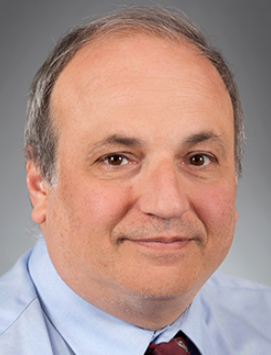 Athos Bousvaros合作论文数Department of Pediatrics, Harvard Medical School;Boston Children's Hospital6
 Charles S. Fuchs合作论文数Genentech and Roche;EvolveImmune Therapeutics6Raymond K. Cross合作论文数University of Maryland School of Medicine, Medical College of Wisconsin6Uma Mahadevan合作论文数Department of Medicine, University of California6Leslie M. Higuchi合作论文数6
 James Richter合作论文数Division of Gastroenterology, Massachusetts General Hospital;Digestive Healthcare Center, Massachusetts General Hospital6B Dieckgraefe合作论文数5Alexandra Austin合作论文数5




