Co61Ta6B33, Co59Ta8B33, Co57Ta10B33 and Co53Ta10B37 bulk metallic glasses (BMGs) exhibit a good combination of the ultra-high fracture strength in the range of about 5.4-6.2 GPa, Vickers hardness of 1459-1653 HV0.2 and plastic strain of 0.3-3.2%, depending on composition. Glass forming-ability and physical properties of Co-Ta-B BMGs are discussed in relationship to the Ta and B content and atomic structure. Crystallization upon isochronal and isothermal annealing is studied using differential scanning calorimetry and X-ray diffraction. A novel crystalline phase with similar to Ta2Co15B8 or similar to TaCo7B4 formula is shown to form upon glass annealing. The incubation time for isothermal crystallization in the supercooled liquid state near T-g is supposed to be sufficient for thermoplastic forming of Co-Ta-B BMGs. (C) 2020 Elsevier B.V. All rights reserved.
Unexpected facture without any room-temperature plasticity severely limits potential structural applications of bulk metallic glasses (BMGs), especially La-, Mg- and Fe-based ones. In this study, a simple free corrosion method was provided to improve the plasticity of a brittle (La, Ce)-based BMG by the introduction of high-density corrosion defects on the surface. The influences of immersing time in 0.1 mol/L H2SO4 aqueous solution on the surface morphology and mechanical properties of the BMG were evaluated. With increasing immersing time from 5 to 30 min, the degree of surface corrosion increased obviously, and the distribution of corrosion defects became more homogenous. In the samples, the yielding phenomenon and certain plasticity appeared up to 0.3% after the surface treatment. The yielding and plasticity can be attributed to easier nucleation of shear bands on the defect surface rather than on the glabrous surface. The results provided a novel method to improve the plasticity of BMGs.
 Ran Li (李然)合作论文数School of Materials Science and Engineering, Beihang University2
 Fang Lianxiang (房连祥)合作论文数1Jijuan Liu合作论文数1
 Volodymyr Levytskyy合作论文数1Han Duck Jong合作论文数Dept Surg, Univ Ulsan1Kaban Ivan合作论文数1
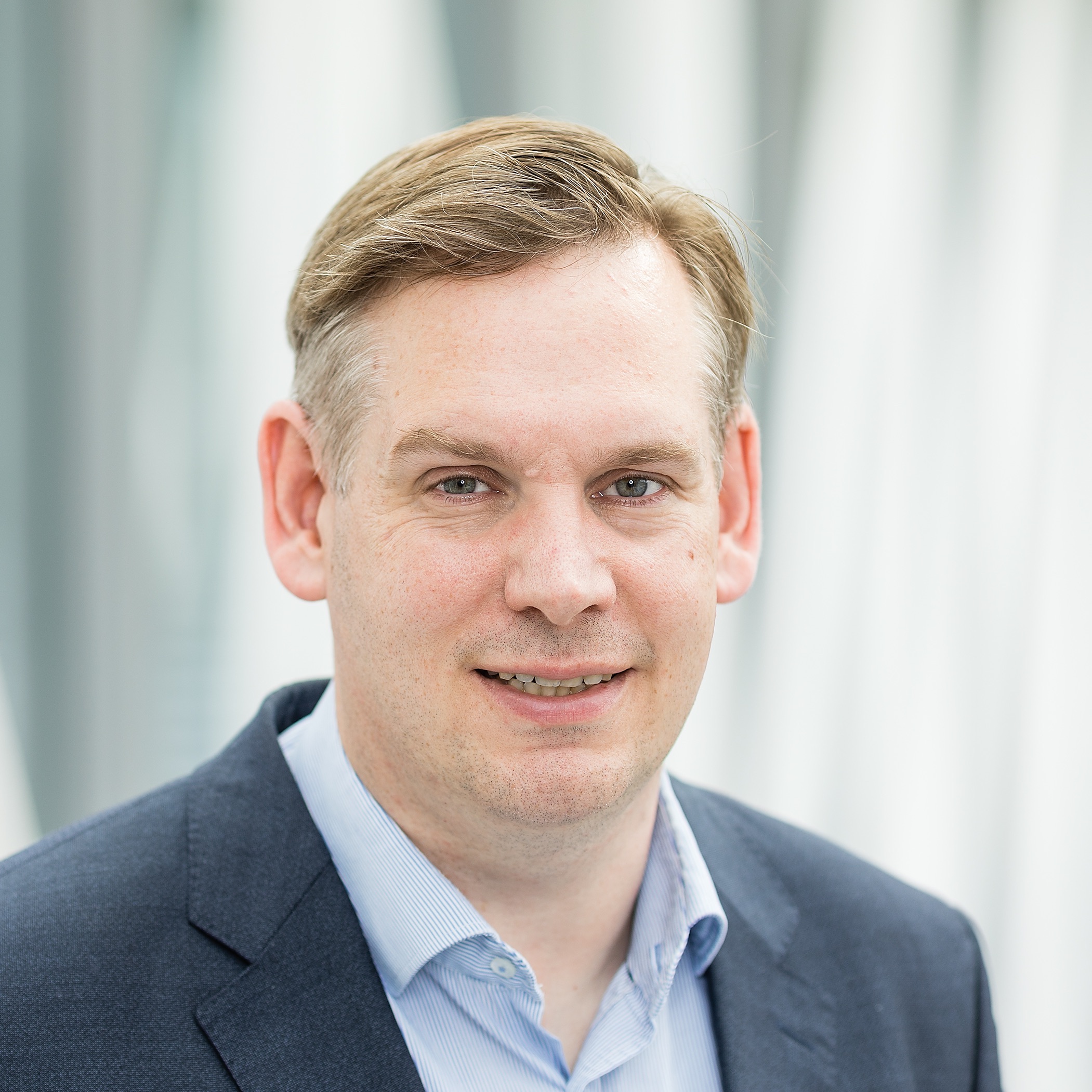 Nielsch Kornelius合作论文数Leibniz Institute of Solid State and Materials Research, IFW-Dresden, TU Dresden1
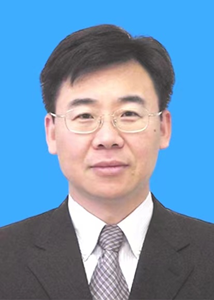 Tao Zhang (张涛)合作论文数School of Materials Science and Engineering, Beihang University1
 Roman Gumeniuk合作论文数Institut für Experimentelle Physik, TU Bergakademie Freiberg1Mihai Stoica合作论文数1




