Health Behavior and Society, Bloomberg School of Public Health, Johns Hopkins University, Baltimore, Maryland (Safeer); Human Resources Institute, LLC, Burlington, Vermont (Allen). Address correspondence to: Richard Safeer, MD, 750 East Pratt Street, Baltimore, MD 21231 ([email protected]). Safeer and Allen have no other relationships/conditions/circumstances that present potential conflict of interest.
In celebration of the 25th anniversary of the founding of the American Journal of Health Promotion, all 14 of the founding members of our editorial board who are still affiliated with the Journal submitted reflections on how the field of health promotion has evolved in the past quarter of a century. Comments from 10 of them are below. Comments by four of them (J. Allan Best, PhD, Ron Goetzel, PhD, Barry Franklin, PhD, and Lawrence Green, DrPH) and comments by me are published as separate articles in this issue. As I look at the photos of these 14 people at the top of this page, I see 14 talented scholars and practitioners, 14 kind souls, 14 friends, and 14 middle-aged (and plus) white men. They are middle-aged (and plus), because they have been with us for 25 years. They are white and male, because that was the nature of our field 25 years ago. I am pleased to say that 148 (52%) of the 285 members of our current editorial team, and three of our four Associate Editors in Chief, are women. I don’t have an accurate racial breakdown of our current editorial team, but I do know that we are much more diverse than we were 25 years ago. These changes in gender and race are also a reflection of changes in the leadership of our field which I believe will help us better understand all populations and ultimately produce programs that will engage more people and produce even better outcomes.
Many believe that the "next generation" of health promotion or health management programs will likely include a much more extensive alignment of environmental ['actors that support a healthy and productive workforce. To address this possibility, a model was conceptualized that integrates an environmentally-based intervention within a comprehensive health management effort. Intervention is direded at both enhancements to the physical aspects of the worksite as well as its cultural makeup, and a series of suggestions are provided for those who want to utilize this model. This comprehensive, environmentally-focused component of the next generation of health promotion programs will expand the population reach of health management to all employees and potentially enhance its overall success. This approach is viewed as critical in creating a healthy and productive work organization, and allows the employer to capture the full economic and human capital benefits of intervention. The creation of a "supportive environment" for health promotion and wellness is seen as an important develop ment in the field of worksite health promotion, thus our focus on this model within The Art of Health Promotion. In this edition we will examine the following topics:
A conccptual model for addressing the creation of supportive environments for worksite health promotion settings is presented. The authors also discuss the variety of organizational and cultural interventions that are necessary in creating a supportive environment for healthy behavior using a social ecology perspective. The connection to next generation strategies in worksite health promotion is proposed and summaries of the relevant literatures are cited.
Judd Allen, Ph.D., is Vice President of the Human Resources Institute, Morristown, New Jersey, Clinical Instructor at Cornell University Medical College, and Senior Research Analyst of the Division of Cancer Control, Memorial Sloan-Kettering Cancer Center, New York, New York. As has been pointed out in previous reviews of culture change approaches, such programs require the continuing commitment of a significant number of organizational members.’4 Systematic culture change is more than periodic random offerings such as a health hazard appraisal, a workshop, a packaged sen~inar, or a promotional flier. Culture change requires a comprehensive systematized and continuing revision of cultural influence mechanisms such as rewards, social recognition, training, orientation, communication, and information systems. Key factors have been found to be highly important in bringing about and sustaining revisions in these mechanisms and systems and in order to modify health cultures and health behaviors related to them. This article discusses three enabling factors -a shared vision, a positive culture and a sense of community -which have been found to account for much of the vitality generated through successful culture change efforts.
The appropriate goal of reducing the onset of mental disorder through modifying organic factors, stress, exploitation, coping skills, self-esteem and group support, will require cultural change. Group, organizational, and community norms can stand in the way of prevention efforts. In order to create a more supportive cultural environment for primary prevention, culture change principles must be adopted and a systematic change strategy must be employed. A four phase, Normative Systems model is proposed. The model has shown its utility over its 30 year history. A description of a Normative Systems application with migrant farm workers helps to illustrate Normative Systems project development.
Robert F. Allen, Ph.D. is President of the Human Resource Institute, Morristown, New Jersey and Professor of Psychology and Policy Sciences, Kean College, Union New Jersey. In medical practice health promotion is often measured in terms of patient compliance and noncompliance with physicians’ recommendations. Compliance means that the patient has followed the health enhancing directives of the health professional. Noncompliance represents a lack of willingness on the part of the patient to follow "doctor’s orders." In this medical parlance, the professional knows what is best for the patient, and all the patient has to do is heed his or her advice. According to this framework, the power to decide on appropriate action is the domain of the medical professional, and the responsibility for action or inaction is in the hands of the patient.
 Allen R F合作论文数2Golaszewski Thomas合作论文数2
 Dee W. Edington合作论文数University of Michigan2Richard Safeer合作论文数1Kenneth R. Pelletier合作论文数1Ryan Mari合作论文数1Chapman L S合作论文数1
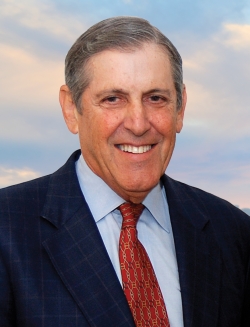 Jonathan Evan Fielding合作论文数Fielding School of Public Health, University of California, Los Angeles1Steven N. Blair合作论文数1
 Dean Ornish合作论文数Preventive Medicine Research Institute;UCSF;UCSD1
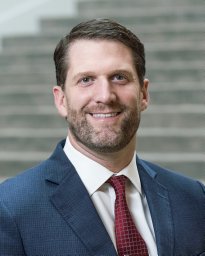 Michael D. Eriksen合作论文数Sch Publ Hlth, Georgia State Univ1




