Integrative oncology (IO) modalities aim to improve the quality of life of persons with cancer, including strategies to manage treatment and disease-related symptoms. As evidence increases to include IO in supportive care, interest grows globally. Understanding barriers to IO recommendation is key to facilitating its uptake. Members of the Multinational Association of Supportive Care in Cancer (MASCC) and the Society for Integrative Oncology (SIO) were invited to complete an online survey in Fall 2023 assessing barriers to IO recommendation on a 5-point scale. Descriptive statistics assessed demographic data and general counts of scaled agreement, while logistic regression analysis evaluated perceived barriers in relation to relevant covariates. Over 80
BACKGROUND:and Purpose: Depression and anxiety are common among women cancer survivors and negatively affect quality of life and recovery. While yoga is recommended as a supportive intervention, evidence for online yoga (particularly comparing group and individual delivery formats and targeting clinically elevated distress) is limited. This study evaluated the feasibility, acceptability, and exploratory changes in outcomes of a 6-week online yoga intervention comparing group-based and individualized yoga for women with breast or gynecological cancers experiencing elevated depression and/or anxiety symptoms. MATERIALS AND METHODS:Thirty participants were randomized to group or individual sessions delivered via Zoom by a yoga therapist. The intervention consisted of weekly 60-min live sessions and supplementary pre-recorded practices. Feasibility metrics included recruitment rates (≥50% consent), session adherence (≥60% attending half the yoga sessions), and follow-up completion (≥60%). Depression, anxiety, overall health, stress, fatigue and quality of life were assessed at baseline, 4 weeks, and 6 weeks, complemented by post-intervention qualitative interviews analyzed via reflexive thematic analysis. RESULTS:The intervention met all feasibility thresholds in the overall sample. Depression and anxiety scores, measured using the Hospital Anxiety and Depression Scale (HADS), showed significant improvements over the intervention period in the overall sample for depression (difference -0.4; 95% confidence interval -0.2 to -0.6; p = 0.002) and anxiety (difference -0.7; 95% confidence interval -0.4 to -1.0; p < 0.001). There were no significant differences between the group and individual formats for these outcomes. Additionally, significant improvements were observed across all secondary outcomes in the total sample. Qualitative themes highlighted participants' positive experiences, noting the intervention's accessibility, perceived benefits, and overall acceptability. CONCLUSION:In this preliminary feasibility study, online yoga (whether in group or individual format) was feasible, well-accepted, and showed potential for improving mental health outcomes. Future randomized controlled trials are warranted to confirm online efficacy and optimized implementation in supportive care.
BACKGROUND:Neoadjuvant systemic therapy (NAST) for breast cancer can cause fatigue, neuropathy, and sleep disturbance, affecting treatment adherence and recovery. Early supportive care-including exercise, psychological support, and integrative therapies-may reduce side effects and improve outcomes. However, it remains unclear how best to deliver such care to optimise patient participation and effectiveness. This study explored the perspectives of women with breast cancer and healthcare professionals (HCPs) on the design and delivery of a multimodal supportive care program during NAST. METHODS:This descriptive qualitative study with conventional content analysis involved 24 participants: 12 women receiving neoadjuvant therapy, one receiving adjuvant therapy, and 11 HCPs across disciplines. Data were analysed thematically to identify key themes related to stakeholder knowledge, experiences, and perceived barriers and facilitators. RESULTS:Supportive care was viewed by both patients and healthcare professionals as critical to managing treatment-related side effects and maintaining quality of life. Stakeholders emphasised the need for early introduction, tailored delivery within a structured "program" format, and multidisciplinary coordination to support adherence and sustainability. Patients emphasised simplicity and the ability to 'just sign up' early in their treatment journey, ideally at diagnosis, with flexibility to adjust based on readiness. CONCLUSIONS:Stakeholders viewed early, multimodal supportive care as a valuable strategy to manage treatment-related side effects and enhance recovery. Success depends on programs being flexible but structured ('just sign up'), person-centered, and integrated into the oncology care pathway. Given emerging evidence that exercise during treatment may influence tumour biology and response, these insights can inform the design of interventions that can support both clinical and quality-of-life outcomes of cancer treatment.
INTRODUCTION: People undergoing chemotherapy treatment do not meet exercise guidelines, despite known benefits in reducing side effects. Barriers including treatment-related side effects, time, and limited access and education are most cited. Intra-infusion exercise - exercise whilst receiving chemotherapy infusion - may help overcome these barriers to increase exercise during this treatment phase. The EX-FUSION study evaluated the effect of intra-infusion exercise on chemotherapy side effects and physical activity behaviour. METHODS: Forty-five participants with stage I-III breast, colorectal and ovarian cancer were randomised to intra-infusion exercise or usual care for a baseline and three intervention chemotherapy cycles. The exercise group cycled on a foot bike at moderate intensity for 20-minutes whilst receiving chemotherapy infusion. Both groups received exercise education by a clinical exercise professional. Fatigue was the primary outcome, and secondary outcomes included other chemotherapy side effects such as peripheral neuropathy, physical activity, quality of life and resting heart rate. RESULTS: Adherence to the exercise program was 100% with no adverse events reported. There was an expected increase in fatigue symptoms, resting heart rate and peripheral neuropathy in both groups with each chemotherapy cycle, however no overall effects of intervention nor difference between groups in change over chemotherapy cycles were observed. There was also no difference between intervention groups in terms of physical activity or quality of life. CONCLUSION: Intra-infusion exercise has excellent adherence and does not increase chemotherapy side effects compared to usual care. Although 20-minutes of intra-infusion exercise alone did not alter exercise behaviour, the intra-infusion delivery provided an additional opportunity to exercise. Future work should investigate the effects of intra-infusion exercise on tumour blood flow, chemotherapy efficacy and relative dose intensity.
Existential distress is commonly experienced by people with cancer, yet there are limited treatment options. The therapeutic potential for psychedelic-assisted therapy (PAT) utilising psilocybin for this cohort is underexplored, with emerging literature showing clinical improvements in wellbeing. In Australia there is limited knowledge on healthcare professionals’ (HCPs’) attitudes, beliefs, and perceptions of the use of PAT for existential distress in people with cancer, and their opinions on components of delivery. Qualitative semi-structured interviews were used to investigate the attitudes of 11 HCPs across specialties, largely from cancer treatment centres such as Chris O’Brien Lifehouse and Peter MacCallum Cancer Centre. The interviews were analysed using reflexive thematic analysis. Four key themes were identified: (1) A spectrum of knowing: The varied space of PAT knowledges, (2) Conceptualising and thinking through PAT in practice, (3) Navigating nuances territory: The complexity of providing and engaging with PAT, (4) Visualising potential future for PAT. Findings from the themes include that despite HCPs remaining interested in the potential of PAT, there are clear barriers being faced, knowledge gaps, and a desire for more research. HCPs also indicated a preference for PAT to be delivered in multidisciplinary teams, and for modes of delivery to be culturally sensitive and ethically rigorous. While some positioned this treatment as a last resort, others noted that there is a need for another ‘tool’ in the treatment of existential distress in cancer. As evidence for PAT grows, expanded clinical and qualitative research will be needed to develop delivery models that are ethically sound, culturally sensitive and informed by clinical evidence, as well as traditional knowledges While small in sample size, this present study offers preliminary insights into how HCPs perceive the potential role of PAT in cancer populations, specifically for existential distress. Thus, this study contributes to a growing qualitative evidence base to understand implementation pathways for PAT in oncology settings, and the complexity of managing the need for another tool with existing barriers, limitations, and knowledge bases.
The effects of a plant-based immunomodulator, rice bran arabinoxylan compound (RBAC), on the quality of life (QoL) of cancer patients during active treatment are unclear. The RBAC-QoL study was a randomised, placebo-controlled, double-blind feasibility study to address the role of RBAC in cancer patients receiving systemic therapies. The primary outcome measure was patient-reported functional, symptom, and global QoL scores. Secondary and exploratory outcome measures included nutritional indices and cytokine changes. Adult patients (n = 29) with solid organ tumours (≥ stage II) undergoing systemic treatment were recruited from outpatient centres in New South Wales, Australia. Group allocation was assigned through stratified randomisation (RBAC = 12, placebo = 17). Interventions were either RBAC or matched placebo at 3 g/day for 24 weeks. The participants, oncologists, and data collectors were blinded. Data were collected from five study visits, 6 weeks apart. An intention-to-treat analysis was performed using repeated measure ANOVA with pairwise comparisons where statistical significance was observed. Data sets not conforming to normality were tested with nonparametric ANOVA-type statistics. The global QoL scores differed significantly between groups with a large effect size (p = 0.031, eta2[g] = 0.147). Pairwise comparisons found significant differences favouring the RBAC group at week 6 (p = 0.017, Cohen’s d = 1.119) and week 24 (p = 0.041, d = 0.970). Compared to the placebo group, the RBAC group showed significantly better role (p < 0.001) and social functioning (p = 0.037), while the cognitive functioning score difference was trending higher (p = 0.055). Regarding cancer symptoms, the placebo group reported significantly worse scores (p < 0.05) in fatigue, pain, dyspnoea, and appetite loss compared to the RBAC group. Significant elevations (p < 0.05) of cytokine interferon-γ, interleukin 1RA and 12p40, as well as total protein, were also detected in the RBAC group compared to placebo over time. These serum markers correlated positively with the global QoL scores, suggesting potential interactions of immune activity, nutritional status, and QoL. No intervention-related adverse events were reported in both groups. RBAC improves QoL beyond placebo during systemic cancer treatment, potentially through the immuno-nutritional pathway.Trial registration: Prospective registration on the Australian New Zealand Clinical Trials Registry (ANZCTR Reg No: ACTRN12619000562178p, 10/04/2019).
Introduction: Exercise is an effective therapy to address physical and psychosocial consequences of hematopoietic stem cell transplantation (HSCT), yet evidence on real-world effectiveness initiated post-HSCT is limited. This study retrospectively evaluated a community-embedded exercise program integrated into routine care at an urban cancer center, with a secondary aim of exploring how baseline physical function influences exercise response. Methods: The Living Well Program is an evidence-based program supervised by Accredited Exercise Physiologists, delivered at Chris O'Brien Lifehouse. HSCT recipients are prescribed individualized, once-weekly 1-h aerobic, resistance, and balance training for 8 wk. Changes in physical function, fatigue, and quality of life from baseline to postintervention were assessed using paired t tests or Wilcoxon signed-rank tests. Hedge's g indicated the magnitude of the effect. Associations with attendance were examined, and participants were stratified as low- or high-function for each physical function measure. Results: Forty-eight participants (male n = 27, age = 54.3 +/- 11.7 yr) were included. Significant improvements occurred across all physical outcome measures (P <= 0.05), with large and moderate effects for 6-min walk distance (g = 0.86, 95% CI: 0.36-1.36) and 30-s sit-to-stand (g = 0.68, 95% CI: 0.05-1.31), respectively, both exceeding minimal clinically important differences. Attendance correlated moderately with leg strength gains (r = 0.41). Participants with lower baseline 6-min walk distance demonstrated significantly greater gains than those with higher baseline scores (P < 0.001). Conclusion: Despite variability in data collection inherent to the real-world setting, findings support the clinical effectiveness of an existing exercise program embedded in cancer care. These findings support the value of integrating tailored exercise into post-HSCT care pathways, particularly for those with low physical function who may receive the greatest benefit.
AIM:Head and neck cancer (HNC) survivors experience complex survivorship needs compared to other cancer types. This is exacerbated for people living in regional and remote (rural) areas of Australia, who experience poorer outcomes, higher physical and psychological needs, and poorer quality of life compared to their metropolitan counterparts. Little is known about the general survivorship experiences of rural HNC survivors in New South Wales (NSW), Australia. This study aims to explore the general survivorship experiences of people living with HNC in rural areas of NSW, Australia. METHODS:HNC survivors living in rural NSW were recruited, and semi-structured interviews were conducted to explore their general survivorship experiences. The interviews were recorded, transcribed, and analyzed using a qualitative thematic analysis approach until saturation of themes was reached. RESULTS:Semi-structured interviews were conducted with 17 participants, with a mean age of 65 years. The most common diagnoses were oral cavity (41%) and oropharyngeal cancers (29%). Six key themes emerged around general survivorship experiences among participants: 1) financial impacts, 2) physical effects, 3) psychosocial effects, 4) clinical management, 5) information and support needs, and 6) access. CONCLUSIONS:Rural cancer survivors face unique survivorship concerns, exacerbated by living further from specialist care. The unmet needs of people living in rural areas include financial reimbursement, psychosocial services and support, and access to survivorship care closer to home. Understanding cancer survivors' experiences throughout the care journey can identify unmet needs. By recognizing these needs, they can be more readily addressed by government policy and other interventions.
ABSTRACTBackgroundThe post‐treatment survivorship period marks the transition away from acute care and poses distinct challenges for individuals with head and neck cancer (HNC). This can be especially challenging for people in regional areas who travel long distances to access care and experience unique challenges in accessing health services.AimTo investigate unmet needs and healthcare utilisation of survivors of HNC in regional areas.MethodsInvitations were sent to 619 survivors of HNC living in rural New South Wales, Australia, who were 1–15 years post‐treatment. Participants self‐reported unmet survivorship needs and the strength of these needs using the Cancer Survivors' Unmet Needs Measure. Health care utilisation over the preceding 12 months was collected using an investigator‐designed questionnaire.ResultsOne hundred and seventeen responses were received (19% response rate). Participants were predominantly male (65%), had oropharynx cancer (52%), with mean age of 70.2 years. Some 54% of participants reported at least one unmet need, and 40% rated these unmet needs as 'strong'. Top unmet needs included concern about recurrence (24%), access to local services (15%), and financial support (15%). 94% of participants reported seeing their GP, while 62% visited a dental clinic; only 10% sought professional psychosocial support despite prevalent unmet needs.ConclusionRural survivors of HNC in Australia have substantial unmet psychosocial needs yet demonstrate low utilisation of professional psychosocial support. This may reflect the limited availability or accessibility of services for this population, which could be addressed with shared models of care utilising both GP‐led and telehealth services.
BACKGROUND:With growing evidence pointing towards the potential of integrative oncology modalities (IOM) in addressing cancer and cancer-treatment related symptoms, research on IOM utilization and implementation is warranted. This study examines global stakeholder perspectives on integrative oncology (IO) utilization for supportive cancer care. METHODS:Members of the Multinational Association of Supportive Care in Cancer (MASCC) and the Society for Integrative Oncology (SIO) completed a survey on the utilization of IOM for supportive cancer care. Descriptive statistics were used to assess demographic data, IOM usage patterns, IOM education, and financial considerations for utilizing IOM. RESULTS:Among 344 participants representing eight geographical regions, 70% reported having utilized or recommended IOM and 79% perceived IOM to be underutilized in cancer supportive care. Acupuncture (48%), exercise classes (39%), nutrition (38%), breathing/yoga (38%) and personalized exercise (38%) were among the most utilized IOM across regions. Relatedly, the symptoms for which IOM were most recommended for persons with a diagnosis of cancer in active treatment [AT] or completed treatment [CT] respectively were emotional (AT 23%; CT 26%), pain (AT 22%; CT 20%), gastrointestinal (AT 21%; CT 12%) and fatigue (AT 15%; CT 16%). The perceived availability of integrative medicine training was highest in North America (69%). Across regions, self-pay (20%-67%), private insurance (0%-26%) and government insurance (7%-40%) were the most common forms of payment for IOM. The IOM most recommended in high-income countries (acupuncture, exercise, massage, individual exercise) varied from the IOM most recommended in low-middle income countries (nutrition counseling, exercise classes, breathing, acupuncture). CONCLUSION:This study provides valuable insights into global utilization patterns of IOM in supportive cancer care, highlighting that while most respondents have utilized IOM, there is a perceived underutilization overall. Our results show significant regional differences in the availability of integrative oncology education and hint to financial barriers impacting IOM use. Further research is necessary to explore these aspects and inform strategies for supporting IOM implementation efforts.
Over one million Australians live with a cancer diagnosis, with nearly a quarter speaking a language other than English. Cancer survivors from culturally and linguistically diverse (CALD) backgrounds often face significant unmet needs during survivorship, including navigating the healthcare system and accessing culturally appropriate support. For example, Chinese- and Vietnamese-speaking survivors report physical and psychosocial impacts, compounded by limited availability and access to tailored information on symptom management and recurrence prevention. This study aimed to explore healthcare providers’ perspectives on designing supportive care programs for women cancer survivors from Vietnamese, Arabic, and Chinese-speaking backgrounds, focusing on culturally appropriate content, delivery formats, and barriers and facilitators to engagement. Thirteen healthcare providers experienced in cancer survivorship and supportive care for CALD women participated in semi-structured interviews. Participants were recruited from healthcare settings in Western Sydney, a culturally diverse region, using purposive sampling to ensure diverse professional perspectives. Interviews were guided by an advisory committee, audio-recorded, transcribed verbatim, and analyzed thematically using NVivo. Three key areas were identified: program content, delivery preferences, and barriers/enablers. A holistic approach addressing physical, emotional, and social dimensions was recommended, incorporating culturally tailored guidance on diet, exercise, and mindfulness. Non-hospital, community-based settings were favored for accessibility and comfort, with a stepped-care model offering varying levels of support based on individual needs. Challenges included language barriers, privacy concerns, and logistical issues, while facilitators encompassed culturally sensitive outreach, community partnerships, and bilingual facilitators. Participants emphasized the importance of low-cost programs with flexible delivery formats. This study provides valuable insights from healthcare providers on the design of culturally and linguistically tailored supportive care programs for women cancer survivors from Vietnamese-, Arabic-, and Chinese-speaking backgrounds. Providers emphasized the importance of a holistic approach addressing physical, emotional, and social needs, with delivery in accessible, community-based settings. Key recommendations included culturally sensitive outreach, bilingual facilitators, and flexible, low-cost program options to overcome barriers such as language, privacy concerns, and logistical challenges. These programs have the potential to advance health equity by improving survivorship experiences and outcomes for culturally diverse women.
To investigate the endocannabinoid system (ECS) and affective state responses to acute aerobic exercise in adult cancer patients versus their healthy peers. Participants engaged in 30 min of quiet rest followed by 30 min of exercise. Exercise involved 5-min warm-up/cool-down procedures and 20 min of moderate-intensity training (64–76
The increasing number of people living longer with advanced cancer presents unique physical, psychosocial, financial, legal, practical and complex care needs. Supportive care interventions aim to address these needs by improving symptom management, promoting wellbeing, enhancing quality of life and potentially improving prognosis. To integrate supportive care interventions into clinical practice, a comprehensive review of existing studies is needed. This scoping review maps the evidence on non-pharmacological supportive care interventions for people with advanced cancer and identifies gaps to inform future research. We systematically searched four electronic databases—CINAHL, Medline, Cochrane and PsycINFO—for peer-reviewed original research on non-pharmacological supportive care interventions for adults with advanced cancer, published from January 1, 2013, to July 1, 2024. Out of 3716 studies, 84 publications met the inclusion criteria. These studies were categorised into key supportive care domains: physical activity, psychosocial support, patient care and autonomy, multimodal approaches and others. Most publications focused on interventions addressing physical and psychosocial needs, showing benefits such as reduced fatigue, pain and improved mood. However, significant gaps were found in research on interventions addressing practical needs essential to autonomy, including health system and information needs, patient care and support and financial needs. Mapping the studies to the needs of the advanced cancer population showed that domains with greatest unmet needs have the fewest interventions available. Our scoping review suggests that non-pharmacological supportive care interventions can improve the wellbeing and quality of life of people living with advanced cancer. However, addressing methodological limitations requires further large-scale, multi-centre studies focusing on the identified gaps to inform the implementation of suitable supportive care programs. Non-pharmacological interventions can boost wellbeing and quality of life for advanced cancer survivors, but addressing gaps in practical and systemic support is crucial.
Patient hesitancy to use MC due to the fear of negative social implications leads to intentional non-adherence and compromises therapeutic outcomes. Hence, we aimed to determine the rate of patient adherence to MC and explore factors influencing patient MC use. Demographic and quantitative data related to MC usage were extracted from medical records for patients prescribed MC at a single cancer centre in metropolitan Sydney. Qualitative data was generated from semi-structured interviews. Interview guides were developed based on the Theory of Planned Behaviour (TBP) domains (i.e. Attitudes, Subjective Norms, Behavioural Intention and Perceived Behavioural Control) to elucidate themes influencing MC use. A mixed method approach involving triangulation of quantitative and qualitative methods was used for data analysis. Twenty patients were included in the study, and the majority of patients showed adherence (n = 14, 70
 SJ Grant合作论文数17
 Gillian Z. Heller合作论文数Department of Statistics, Macquarie University7
 Michael Marthick合作论文数Valion Health6Haryana Dhillon合作论文数School of Psychology, Faculty of Science, The University of Sydney6Kao Steven C合作论文数6Shelley Kay合作论文数5Kim Kerin-Ayres合作论文数5Maria Gonzalez合作论文数5Anna J Lomax合作论文数5
 Jasmine Yee合作论文数5
 Elizabeth Anne Lobb合作论文数Psychology Research Unit, Medical;Department of Psychology;University of Sydney;Department of Psychology, University of Sydney5Ki Kyung Kwon合作论文数4David Levy合作论文数Sydney Health Ethics, University of Sydney4
 Kate Edwards合作论文数School of Health Sciences, Faculty of Medicine and Health, The University of Sydney4
 Janet Schloss合作论文数School of Medicine, The University of Queensland4Kumar Sanjeev Srinivas合作论文数4John H. Kearsley合作论文数4
 Winston Liauw合作论文数Cancer Care Centre, St George Hospital4
 Catriona McNeil合作论文数Chris O’Brien Lifehouse4Sarah Marvin合作论文数3Lois S. Ross合作论文数3Gabriel Lopez合作论文数3
 Santhosshi Narayanan合作论文数3
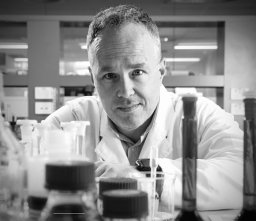 Justin Sinclair合作论文数NICM Hlth Res Inst, Western Sydney Univ3
 Jolyn Hersch合作论文数School of Public Health, Faculty of Medicine and Health, The University of Sydney3
 Peter Grimison合作论文数School of Medicine, Faculty of Medicine and Health, The University of Sydney3
 Elisabeth Elder合作论文数School of Medicine, Faculty of Medicine and Health, The University of Sydney3
 Eran Ben Arye合作论文数The Ruth and Bruce Rappaport Faculty of Medicine, Technion – Israel Institute of Technology3
 Annmarie Hosie合作论文数Calvary Health Care Sydney3
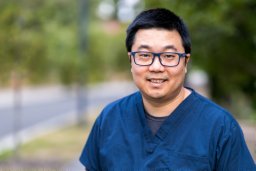 Rhee Joel J合作论文数School of Public Health and Community Medicine, University of New South Wales3
 Carolyn Ee合作论文数Western Sydney University, Penrith, Australia3White Lesley合作论文数3
 Moshe A Frenkel合作论文数3
 Amie Steel合作论文数Aust Research Ctre in Complementary & Integrative Med, University of Technology Sydney3
 David Sibbritt合作论文数School of Public Health, Faculty of Health, University of Technology Sydney3
 Tinashe Dune合作论文数Faculty of Health Sciences, University of Sydney3
 Cannas Kwok合作论文数Sydney Nursing School (MO2), University of Sydney3Birinder S. Cheema合作论文数2Jeffery Li合作论文数2Kenneth Sapire合作论文数2Dikla Kruger合作论文数2Miri Golan合作论文数2Sheetal Challam合作论文数2Catherine Zollman合作论文数2
 Catherine Powers-James合作论文数2Amanda Brand合作论文数2Yehudit Tapiro合作论文数2Katerina Shulman合作论文数2Orit Gressel合作论文数2




