ObjectiveOverdrainage and frequent reprogramming are common problems with programmable valves after ventriculoperitoneal shunt surgery for idiopathic normal pressure hydrocephalus (iNPH). Non-adjustable, flow-regulated valves offer a potential solution to these problems, but there is limited data on their efficacy. This study will evaluate neurological improvement and overdrainage rates within one year of treatment with a flow-regulated valve.Patients and MethodsThis prospective study analyzes 45 iNPH patients (median age: 73 years) treated with a flow-regulated valve. Clinical evaluations were performed at baseline, postoperatively, and at 3, 6, and 12 months after surgery. The primary efficacy endpoint was improvement of at least 5 points on the iNPH grading scale at follow-up. The safety endpoint was radiographic evidence of overdrainage.ResultsAll patients presented with gait disturbance, 35 (78 %) had cognitive impairment, and 35 (78 %) had urinary incontinence. The median duration of symptoms was 24 months. The total iNPH score improved in 33/41 (81 %) at 3 months, in 29/34 (85 %) at 6 months, and in 22/29 (64 %) at 12 months. Overall, 40/45 (89 %) patients had a significant improvement on the iNPH scale. Secondary worsening of symptoms after initial improvement was observed in 5 (11 %) patients. Overdrainage occurred in one patient (2 %) requiring surgical evacuation.ConclusionTreatment of iNPH patients with flow-regulated valves resulted in a good neurological outcome with minimal rates of overdrainage. These results are encouraging and justify the clinical use of these valve types.
Background: For brain tumour surgery, the need of maximized resection has to be balanced against the risk of functional damage.Lesion to important white matter connections is critical with regard to permanent deficits of sensorimotor and communication deficits.We here present the clinical experience of using multi-task fMRI-informed tractography to plan the resection of brain tumours adjacent to the sensorimotor, language or attention network.Methods: A consecutive series of 25 patients with intrinsic brain tumours in eloquent location were investigated preoperatively by 3T fMRI and diffusion imaging (DTI).Depending on the tumour location, patients underwent an alternating movement task, and/or two language tasks: overt picture naming (PN) and forced choice (i.e., selection of a semantically related object) via lefthanded button press based on the auditive presentation of a sentence.The BOLD activations were analysed in SPM 12 to calculate the laterality indices whenever clinically relevant, and to define the starting/ending regions of interest (ROIs) for DTI-based tractography using FSL and MRTrix.Results: The exams were well tolerated and could be performed adequately by all patients.The results pointed towards a relatively robust identification of language laterality using the combined clusters of the inferior frontal gyrus (IFG) and the angular gyrus (ANG) based on the forced choice (semantic decision) task.Moreover, we observed an overall excellent agreement between our preoperative results and the intraoperative findings during awake surgery, using cortical and subcortical direct electrical stimulation.Conclusions: Based on our preliminary experience, multi-task fMRI-informed tractography could represent a powerful tool to optimize surgical decision making and intraoperative guidance, even in cases where the complexity of the function at risk pushes towards the limits of intraoperative monitoring.The affiliation of structure to function is particularly helpful to enable a dynamic adjustment of language and cognition tasks during awake surgery.
BackgroundCerebrospinal fluid leakage (CSFL) following spinal durotomy can lead to severe sequelae. However, while several studies have investigated accidental spinal durotomies, the risk factors and influence of clinical management in planned durotomies remain unclear.MethodsWe performed a retrospective analysis of all patients who underwent planned intradural spinal surgery at our institution between 2010 and 2020. Depending on the occurrence of a CSFL, patients were dichotomized and compared with respect to patient and case-related variables as well as dural closure technique, epidural drainage placement, and timing of mobilization.ResultsA total of 351 patients were included. CSFL occurred in 4.8% of all cases. Surgical indication, tumor histology, location within the spine, previous intradural surgery, and medical comorbidities were not associated with an increased risk of CSFL development (all p > 0.1). Age [odds ratio (OR), 0.335; 95% confidence interval (CI), 0.105–1.066] and gender (OR, 0.350; 95% CI, 0.110–1.115) were not independently associated with CSFL development. There was no significant association between CSFL development and the dural closure technique (p = 0.251), timing of mobilization (p = 0.332), or placement of an epidural drainage (p = 0.321).ConclusionCSFL following planned durotomy pose a relevant and quantifiable complication risk of surgery that should be factored in during preoperative patient counseling. Our data could not demonstrate superiority of any particular dural closure technique but support the safety of both early mobilization within 24 h postoperatively and epidural drainage with reduced or no force of suction.
Stereotactic neurosurgery emerged in the mid-20th century following the development of a stereotactic frame by Spiegel and Wycis. Historically women were underrepresented in clinical and academic neurosurgery. There is still a significant deficit of female scientists in this field. This article aims to demonstrate the career and scientific work of some of the most important women who contributed to the development of stereotactic and functional neurosurgery. Exceptional women from all over the world, represented in this review, assisted the evolution of modern stereotactic and functional neurosurgery as neurosurgeons, neuropathologists, neurologists, neurophysiologists and occupational therapists. Fortunately, we could conclude that in the last two decades the number of female researchers has increased significantly.
Repetitive TMS (rTMS) with a frequency of 5–10 Hz is widely used for language mapping. However, it may be accompanied by discomfort and is limited in the number and reliability of evoked language errors. We, here, systematically tested the influence of different stimulation frequencies (i.e., 10, 30, and 50 Hz) on tolerability, number, reliability, and cortical distribution of language errors aiming at improved language mapping. 15 right‐handed, healthy subjects (m = 8, median age: 29 yrs) were investigated in two sessions, separated by 2–5 days. In each session, 10, 30, and 50 Hz rTMS were applied over the left hemisphere in a randomized order during a picture naming task. Overall, 30 Hz rTMS evoked significantly more errors (20 ± 12%) compared to 50 Hz (12 ± 8%; p <.01), whereas error rates were comparable between 30/50 and 10 Hz (18 ± 11%). Across all conditions, a significantly higher error rate was found in Session 1 (19 ± 13%) compared to Session 2 (13 ± 7%, p <.05). The error rate was poorly reliable between sessions for 10 (intraclass correlation coefficient, ICC = .315) and 30 Hz (ICC = .427), whereas 50 Hz showed a moderate reliability (ICC = .597). Spatial reliability of language errors was low to moderate with a tendency toward increased reliability for higher frequencies, for example, within frontal regions. Compared to 10 Hz, both, 30 and 50 Hz were rated as less painful. Taken together, our data favor the use of rTMS‐protocols employing higher frequencies for evoking language errors reliably and with reduced discomfort, depending on the region of interest.
Language assessment using a picture naming task crucially relies on the interpretation of the given verbal response by the rater. To avoid misinterpretations, a language-specific and linguistically controlled set of unambiguous, clearly identifiable and common object–word pairs is mandatory. We, here, set out to provide an open-source set of black and white object drawings, particularly suited for language mapping and monitoring, e.g., during awake brain tumour surgery or transcranial magnetic stimulation, in German language. A refined set of 100 black and white drawings was tested in two consecutive runs of randomised picture order and was analysed in respect of correct, prompt, and reliable object recognition and naming in a series of 132 healthy subjects between 18 and 84 years (median 25 years, 64% females) and a clinical pilot cohort of 10 brain tumour patients (median age 47 years, 80% males). The influence of important word- and subject-related factors on task performance and reliability was investigated. Overall, across both healthy subjects and patients, excellent correct object naming rates (97 vs. 96%) as well as high reliability coefficients (Goodman–Kruskal's gamma = 0.95 vs. 0.86) were found. However, the analysis of variance revealed a significant, overall negative effect of low word frequency (p < 0.05) and high age (p < 0.0001) on task performance whereas the effect of a low educational level was only evident for the subgroup of 72 or more years of age (p < 0.05). Moreover, a small learning effect was observed across the two runs of the test (p < 0.001). In summary, this study provides an overall robust and reliable picture naming tool, optimised for the clinical use to map and monitor language functions in patients. However, individual familiarisation before the clinical use remains advisable, especially for subjects that are comparatively prone to spontaneous picture naming errors such as older subjects of low educational level and patients with clinically apparent word finding difficulties.
Modulatory effects of transcranial magnetic stimulation (TMS) strongly depend on the stimulation parameters. Here, we compared the immediate, task-locked inhibitory effects on speech-related muscles and the tolerability of different TMS protocols during a language production task. Repetitive TMS (rTMS) and paired-pulse TMS (PP) were applied in 13 healthy subjects over the primary motor cortex (M1) during a finger-tapping/tongue-twisting tasks. The lowest subject-specific TMS intensity leading to movement disruptions was used for TMS over left-sided speech-related areas during picture naming. Here, time-locked PP and rTMS (10/30/50 Hz; randomized sequence) were applied. Cortical silent periods (cSPs) were analyzed from electromyography obtained from various face muscles. 30 Hz- and 50 Hz-rTMS reliably evoked tongue movement disruption (ICC = 0.65) at lower rTMS intensities compared to 10 Hz-rTMS or PP. CSPs were elicited from the left hemisphere by all TMS protocols, most reliably by PP (p < 0.001). Also, cSPs with longest durations were induced by PP. Exploratory analyses of PP suggest that the trials with strongest motor inhibitory effects (presence of cSP) were associated with more articulatory naming errors, hence hinting at the utility of TMS-elicited, facial cSP for mapping of language production areas. Higher-frequency rTMS and PP evoked stronger inhibitory effects as compared to 10 Hz-rTMS during a language task, thus enabling a probably more efficient and tolerable routine for language mapping. The spatial distribution of cranial muscle cSPs implies that TMS might affect not only M1, but also distant parts of the language network.
Objective: The preservation of important white matter tracts is extremely important to optimize the functional long-term outcome after brain tumour surgery. Depicting important fibres of the language network is very challenging. We here studied the use of navigated transcranial magnetic stimulation [for full text, please go to the a.m. URL]
 Roland Goldbrunner合作论文数Division of General Neurosurgery, University of Cologne8
 Carolin Weiss Lucas合作论文数6
 Kristina Jonas合作论文数University of Cologne5
 Charlotte Nettekoven合作论文数5
 Volker Neuschmelting合作论文数5
 Christian Grefkes合作论文数4Sophia Kochs合作论文数2Ricardo Loução合作论文数1Moritz Perrech合作论文数1Christian Wetzel合作论文数1Moritz Lenschow合作论文数1
 Petra Heiden合作论文数Dept Stereotact & Funct Neurosurg, Univ Cologne1Lukas Goertz合作论文数Department of Neuroradiology, University Hospital of Cologne1
 David Zopfs合作论文数1
 Niklas von Spreckelsen合作论文数Cologne University Hospital, University of Cologne1
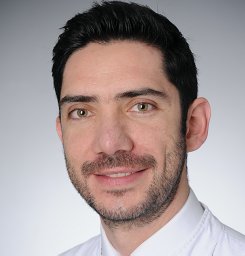 Pablo Andrade合作论文数Dept Stereotact & Funct Neurosurg, Univ Cologne1
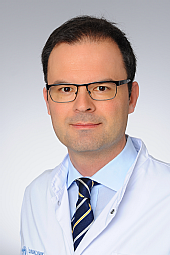 Christoph Kabbasch合作论文数Department of Radiology and Neuroradiology, University of Cologne;Department of Neuroradiology, University Hospital of Cologne1Jungk Christine合作论文数1
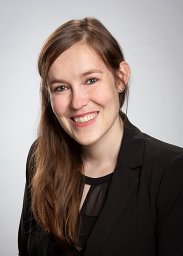 Elisa Kallioniemi合作论文数Department of Biomedical Engineering, New Jersey Institute of Technology;Brain Stimulation Lab, New Jersey Institute of Technology1Telentschak Sergej合作论文数1
 Marco Timmer合作论文数1Jari Karhu合作论文数Department of Clinical Neurophysiology, Kuopio University Hospital1
 Dorothee Wiewrodt合作论文数1Mario Löhr合作论文数Department of Neurosurgery, University of Cologne1Martin Kocher合作论文数1
 Petro Julkunen合作论文数Department of Clinical Neurophysiology, Kuopio University Hospital1




