The treatment of metastatic melanoma has been revolutionised by immunotherapy, yet a significant number of patients do not respond, and many experience autoimmune adverse events. Associations have been reported between patient outcome and monocyte subsets, whereas vitamin C (ascorbate) has been shown to mediate changes in cancer-stimulated monocytes in vitro. We therefore investigated the relationship of ascorbate with monocyte subsets and epigenetic modifications in patients with metastatic melanoma receiving immunotherapy. Patients receiving immunotherapy were compared to other cancer cohorts and age-matched healthy controls. Ascorbate levels in plasma and peripheral blood-derived mononuclear cells (PBMCs), monocyte subtype and epigenetic markers were measured, and adverse events, tumour response and survival were recorded. A quarter of the immunotherapy cohort had hypovitaminosis C, with plasma and PBMC ascorbate levels significantly lower than those from other cancer patients or healthy controls. PBMCs from the immunotherapy cohort contained similar frequencies of non-classical and classical monocytes. DNA methylation markers and intracellular ascorbate concentration were correlated with monocyte subset frequency in healthy controls, but correlation was lost in immunotherapy patients. No associations between ascorbate status and immune-related adverse events or tumour response or overall survival were apparent.
We read the report by Conner and colleagues that tested whether kiwifruit or vitamin C affected measures of vitality [...].
Higher fruit and vegetable intake has been associated with improved mood, greater vitality, and lower stress. Although the nutrients driving these benefits are not specifically identified, one potentially important micronutrient is vitamin C, an important co-factor for the production of peptide hormones, carnitine and neurotransmitters that are involved in regulation of physical energy and mood. The aim of our study was to investigate the cross-sectional relationship between blood plasma vitamin C status and mood, vitality and perceived stress. A sample of 419 university students (aged 18 to 35; 67.8% female) of various ethnicities (49.2% European, 16.2% East Asian, 8.1% Southeast/Other Asian, 9.1% Māori/Pasifika, 11.5% Other) provided a fasting blood sample to determine vitamin C status and completed psychological measures consisting of the Profile of Mood States Short Form (POMS-SF), the vitality subscale of the Rand 36-Item Short Form (SF-36), and the Perceived Stress Scale (PSS). Participants were screened for prescription medication, smoking history, vitamin C supplementation, fruit/juice and vegetable consumption, kiwifruit allergies, excessive alcohol consumption and serious health issues, and provided age, gender, ethnicity, and socioeconomic status information, which served as covariates. There were no significant associations between vitamin C status and the psychological measures for the sample overall. However, associations varied by ethnicity. Among Māori/Pasifika participants, higher vitamin C was associated with greater vitality and lower stress, whereas among Southeast Asian participants, higher vitamin C was associated with greater confusion on the POMS-SF subscale. These novel findings demonstrate potential ethnicity-linked differences in the relationship between vitamin C and mental states. Further research is required to determine whether genetic variation or cultural factors are driving these ethnicity differences.
Intravenous infusion of high dose (>10 g) vitamin C (IVC) is a common alternative cancer therapy. IVC results in millimolar levels of circulating ascorbate, which is proposed to generate cytotoxic quantities of H2O2 in the presence of transition metal ions. In this study we report on the in vitro and in vivo effects of millimolar ascorbate on erythrocytes. Addition of ascorbate to whole blood increased erythrocyte intracellular ascorbate approximately 35-fold. Within 10 min of ascorbate addition, we detected increased oxidation of erythrocyte peroxiredoxin 2 (Prx2), a major thiol antioxidant protein and a sensitive marker of H2O2 production. Up to 50% of Prx2 was present in the oxidised form after 60 min. The presence of extracellular catalase, removal of plasma or the addition of a metal chelator did not prevent ascorbate-induced Prx2 oxidation, suggesting that the H2O2 responsible for Prx2 oxidation was generated within the erythrocyte. Ascorbate is known to increase the rate of haemoglobin autoxidation and H2O2 production. Through spectral monitoring of oxidised haemoglobin we estimated a generation rate of 15 μM H2O2/min inside erythrocytes. We also investigated changes in erythrocyte ascorbate concentration and Prx2 oxidation following IVC infusion in a cohort of patients with cancer. Plasma ascorbate levels ranged from 7.8 to 35 mM immediately post infusion, while erythrocyte ascorbate levels reached 1.5-3.4 mM 4 h after beginning infusion. Transient oxidation of erythrocyte Prx2 was observed. We conclude that erythrocytes accumulate ascorbate during IVC infusion, providing a significant reservoir of ascorbate, and this ascorbate increases H2O2 generation within the cells. The consequence of increased erythrocyte Prx2 oxidation warrants further investigation.
Advances in Wound CareVol. 10, No. 1 Letter to the EditorRe: “Micronutrient Status in Diabetic Patients with Foot Ulcers” by Pena et al.Juliet M. Pullar and Margreet C.M. VissersJuliet M. Pullar*Correspondence: Juliet M. Pullar, Department of Pathology and Biomedical Sciences, Centre for Free Radical Research, University of Otago, Christchurch, PO Box 4345, Christchurch, New Zealand E-mail Address: [email protected]Department of Pathology and Biomedical Sciences, Centre for Free Radical Research, University of Otago, Christchurch, Christchurch, New Zealand.Search for more papers by this author and Margreet C.M. VissersDepartment of Pathology and Biomedical Sciences, Centre for Free Radical Research, University of Otago, Christchurch, Christchurch, New Zealand.Search for more papers by this authorPublished Online:18 Nov 2020https://doi.org/10.1089/wound.2020.1184AboutSectionsView articleView Full TextPDF/EPUB Permissions & CitationsPermissionsDownload CitationsTrack CitationsAdd to favorites Back To Publication ShareShare onFacebookTwitterLinked InRedditEmail View article"Re: “Micronutrient Status in Diabetic Patients with Foot Ulcers” by Pena et al.." Advances in Wound Care, 10(1), pp. 49–50FiguresReferencesRelatedDetails Volume 10Issue 1Jan 2021 InformationCopyright 2021, Mary Ann Liebert, Inc., publishersTo cite this article:Juliet M. Pullar and Margreet C.M. Vissers.Re: “Micronutrient Status in Diabetic Patients with Foot Ulcers” by Pena et al..Advances in Wound Care.Jan 2021.49-50.http://doi.org/10.1089/wound.2020.1184Published in Volume: 10 Issue 1: November 18, 2020Online Ahead of Print:October 26, 2020PDF download
The use of high dose ascorbate infusions in cancer patients is widespread, but without evidence of efficacy. Several mechanisms whereby ascorbate could affect tumor progression have been proposed, including: (i) the localized generation of cytotoxic quantities of H2O2; (ii) ascorbate-dependent activation of the 2-oxoglutarate-dependent dioxygenases that control the hypoxia-inducible factors (HIFs) and that are responsible for the demethylation of DNA and histones; (iii) increased oxidative stress induced by dehydroascorbic acid. We hypothesize that the dysfunctional vasculature of solid tumors results in compromised delivery of ascorbate to poorly perfused regions of the tumor and that this ascorbate deficit acts as an additional driver of the hypoxic response via upregulation of HIFs. Using a randomized “therapeutic window of opportunity” clinical study design we aimed to determine whether ascorbate infusions affected tumor ascorbate content and tumor biology. Patients with colon cancer were randomized to receive infusions of up to 1 g/kg ascorbate for 4 days before surgical resection (n = 9) or to not receive infusions (n = 6). Ascorbate was measured in plasma, erythrocytes, tumor and histologically normal mucosa at diagnostic colonoscopy and at surgery. Protein markers of tumor hypoxia or DNA damage were monitored in resected tissue. Plasma ascorbate reached millimolar levels following infusion and returned to micromolar levels over 24 h. Pre-infusion plasma ascorbate increased from 38 ± 10 µM to 241 ± 33 µM (p < 0.0001) over 4 days and erythrocyte ascorbate from 18 ± 20 µM to 2509 ± 1016 µM (p < 0.005). Tumor ascorbate increased from 15 ± 6 to 28 ± 6 mg/100 g tissue (p < 0.0001) and normal tissue from 14 ± 6 to 21 ± 4 mg/100 g (p < 0.001). A gradient of lower ascorbate was evident towards the tumor centre in both control and infusion samples. Lower expression of hypoxia-associated proteins was seen in post-infusion tumors compared with controls. There were no significant adverse events and quality of life was unaffected by ascorbate infusion. This is the first clinical study to demonstrate that tumor ascorbate levels increase following infusion, even in regions of poor diffusion, and that this could modify tumor biology.Clinical Trial RegistrationANZCTR Trial ID ACTRN12615001277538 (https://www.anzctr.org.au/).
Vitamin C (ascorbate) plays an important role in neutrophil function and is accumulated by the cells either directly via vitamin C transporters (SVCT) or indirectly following oxidation to dehydroascorbic acid. Septic patients are known to have significantly depleted plasma ascorbate status, but little is known about the ascorbate content of their circulating cells. Therefore, we assessed the ascorbate concentrations of plasma, leukocytes and erythrocytes from septic patients and compared these to healthy controls. Non-fasting blood samples were collected from healthy volunteers (n = 20) and critically ill patients with sepsis (n = 18). The ascorbate content of the plasma and isolated neutrophils and erythrocytes was measured using HPLC and plasma myeloperoxidase concentrations were determined using ELISA. Ex vivo uptake of ascorbate and dehydroascorbic acid by neutrophils from septic patients was also assessed. Neutrophils isolated from septic patients had comparable intracellular ascorbate content to healthy volunteers (0.33 vs. 0.35 nmol/106 cells, p > 0.05), despite significantly lower plasma concentrations than the healthy controls (14 vs. 88 µmol/L, p < 0.001). In contrast, erythrocytes from septic patients had significantly lower intracellular ascorbate content than healthy controls (30 vs. 69 µmol/L, p = 0.002), although this was 2.2-fold higher than the matched plasma concentrations in the patients (p = 0.008). Higher concentrations of myeloperoxidase, a source of reactive oxygen species, were observed in the septic patients relative to healthy controls (194 vs. 14 mg/mL, p < 0.0001). In contrast to neutrophils from healthy volunteers, the neutrophils from septic patients demonstrated elevated uptake of extracellular ascorbate. Overall, neutrophils from septic patients exhibited comparable intracellular ascorbate content to those from healthy controls, despite the patients presenting with hypovitaminosis C. The mechanisms involved are currently uncertain, but could include increased generation of dehydroascorbic acid in septic patients, enhanced basal activation of their neutrophils or upregulation of their vitamin C transporters.
Vitamin C (ascorbate) acts as an antioxidant and enzyme cofactor, and plays a vital role in human health. Vitamin C status can be affected by illness, with low levels being associated with disease due to accelerated turnover. However, robust data on the ascorbate status of patients with cancer are sparse. This study aimed to accurately measure ascorbate concentrations in plasma from patients with cancer, and determine associations with patient or tumor characteristics. We recruited 150 fasting patients with cancer (of 199 total recruited) from two cohorts, either prior to cancer surgery or during cancer chemo- or immunotherapy. A significant number of patients with cancer had inadequate plasma ascorbate concentrations. Low plasma status was more prevalent in patients undergoing cancer therapy. Ascorbate status was higher in women than in men, and exercising patients had higher levels than sedentary patients. Our study may prompt increased vigilance of ascorbate status in cancer patients.
Immune cells contain high concentrations of vitamin C (ascorbate), which indicates an important role in immune function. In the intracellular environment, an important function of ascorbate is its capacity to act as a cofactor for iron (Fe)- and copper (Cu)-containing enzymes, many of which are now known to play a regulatory role in cell signaling processes, and in determining cellular differentiation and survival pathways. These enzymes include the proline and asparagine hydroxylases that regulate the constitutively expressed hypoxia-inducible factors (HIFs), which have been shown to modulate immune function at hypoxic inflammatory sites and in tumors. A number of recent studies have shown that ascorbate is able to modulate the hypoxic response, and its ability to influence immune function at inflammatory sites and in tumors may determine health outcomes. In addition, a large group of epigenetic demethylases with dependency on ascorbate for function has been identified. These enzymes include DNA and histone demethylases that have been found to be involved in the regulation of immune cell differentiation and phenotypic changes. The capacity for intracellular ascorbate to influence these immune cell functions is a focus of current research and will have important implications for our understanding of immune function and cancer.
Plasma vitamin C concentrations fluctuate in response to recent dietary intake; therefore levels are typically determined in the fasting state. Erythrocyte ascorbate concentrations have been shown to be similar to plasma levels, but little is known about the kinetics of ascorbate accumulation in these cells. In this study, we investigated ascorbate uptake into erythrocytes after dietary supplementation with vitamin C and compared it to changes in plasma ascorbate concentrations. Seven individuals with baseline fasting plasma vitamin C concentrations ≥ 50 µmol/L were depleted of vitamin C-containing foods and drinks for one week, and then supplemented with 250 mg vitamin C/day in addition to resuming their normal diet. Fasting or steady-state plasma ascorbate concentrations declined to almost half of their baseline concentration over the week of vitamin C depletion, and then returned to saturation within two days of beginning supplementation. Erythrocyte ascorbate concentrations exhibited a very similar profile to plasma levels, with values ~76% of plasma, and a strong linear correlation (r = 0.89, p < 0.0001). Using a pharmacokinetic study design in six individuals with baseline fasting plasma vitamin C concentrations ≥50 µmol/L, we also showed that, unlike plasma, which peaked between 2 and 4 h following ingestion of 200 mg of vitamin C, erythrocyte ascorbate concentrations did not change in the six hours after supplementation. The data from these two intervention studies indicate that erythrocyte ascorbate concentration provides a stable measure of steady-state plasma ascorbate status and could be used to monitor ascorbate status in healthy non-fasting individuals.
Consumption of vitamin C-rich fruits and vegetables has been associated with greater feelings of vitality. However, these associations have rarely been tested in experimental trials. The aim of the current study was to test the effects of eating a vitamin C-rich food (kiwifruit) on subjective vitality and whether effects are driven by vitamin C. Young adults (n = 167, 61.1% female, aged 18–35 years) with plasma vitamin C < 40 µmol/L were allocated to three intervention conditions: kiwifruit (2 SunGold™ kiwifruit/day), vitamin C (250 mg tablet/day), placebo (1 tablet/day). The trial consisted of a two-week lead-in, four-week intervention, and two-week washout. Plasma vitamin C and vitality questionnaires (total mood disturbance, fatigue, and well-being) were measured fortnightly. Self-reported sleep quality and physical activity were measured every second day through smartphone surveys. Nutritional confounds were assessed using a three-day food diary during each study phase. Plasma vitamin C reached saturation levels within two weeks for the kiwifruit and vitamin C groups. Participants consuming kiwifruit showed a trend of improvement in mood disturbance, significantly decreased fatigue, and significantly improved well-being after two weeks of the intervention. Improvements in well-being remained elevated through washout. Consumption of vitamin C tablets alone was associated with improved well-being after two weeks, and additionally improved mood and fatigue for participants with consistently low vitamin C levels during lead-in. Diet records showed that participants consuming kiwifruit reduced their fat intake during the intervention period. Intervention effects remained significant when adjusting for condition allocation groupings, age, and ethnicity, and were not explained by sleep quality, physical activity, BMI, or other dietary patterns, including fat intake. There were no changes in plasma vitamin C status or vitality in the placebo group. Whole-food consumption of kiwifruit was associated with improved subjective vitality in adults with low vitamin C status. Similar, but not identical changes were found for vitamin C tablets, suggesting that additional properties of kiwifruit may contribute to improved vitality.
Vitamin C (ascorbate) is the major water-soluble antioxidant in plasma and its oxidation to dehydroascorbic acid (DHA) has been proposed as a marker of oxidative stress in vivo. However, controversy exists in the literature around the amount of DHA detected in blood samples collected from various patient cohorts. In this study, we report on DHA concentrations in a selection of different clinical cohorts (diabetes, pneumonia, cancer, and critically ill). All clinical samples were collected into EDTA anticoagulant tubes and processed at 4 °C prior to storage at −80 °C for subsequent analysis by HPLC with electrochemical detection. We also investigated the effects of different handling and processing conditions on short-term and long-term ascorbate and DHA stability in vitro and in whole blood and plasma samples. These conditions included metal chelation, anticoagulants (EDTA and heparin), and processing temperatures (ice, 4 °C and room temperature). Analysis of our clinical cohorts indicated very low to negligible DHA concentrations. Samples exhibiting haemolysis contained significantly higher concentrations of DHA. Metal chelation inhibited oxidation of vitamin C in vitro, confirming the involvement of contaminating metal ions. Although EDTA is an effective metal chelator, complexes with transition metal ions are still redox active, thus its use as an anticoagulant can facilitate metal ion-dependent oxidation of vitamin C in whole blood and plasma. Handling and processing blood samples on ice (or at 4 °C) delayed oxidation of vitamin C by a number of hours. A review of the literature regarding DHA concentrations in clinical cohorts highlighted the fact that studies using colourimetric or fluorometric assays reported significantly higher concentrations of DHA compared to those using HPLC with electrochemical detection. In conclusion, careful handling and processing of samples, combined with appropriate analysis, is crucial for accurate determination of ascorbate and DHA in clinical samples.
Vitamin C (ascorbate) is maintained at high levels in most immune cells and can affect many aspects of the immune response. Intracellular levels generally respond to variations in plasma ascorbate availability, and a combination of inadequate intake and increased turnover during severe stress can result in low plasma ascorbate status. Intracellular ascorbate supports essential functions and, in particular, acts as an enzyme cofactor for Fe- or Cu-containing oxygenases. Newly discovered enzymes in this family regulate cell metabolism and epigenetics, and dysregulation of their activity can affect cell phenotype, growth and survival pathways, and stem cell phenotype. This brief overview details some of the recent advances in our understanding of how ascorbate availability can affect the hydroxylases controlling the hypoxic response and the DNA and histone demethylases. These processes play important roles in the regulation of the immune system, altering cell survival pathways, metabolism and functions.
Micronutrient status is thought to impact on psychological mood due to the role of nutrients in brain structure and function. The aim of the current study was to investigate the association of vitamin C status with mood state in a sample of male tertiary students. We measured fasting plasma vitamin C levels as an indicator of vitamin C status, and subjective mood was determined using the Profile of Mood States (POMS) questionnaire. One hundred and thirty-nine male students aged 18 to 35 years were recruited from local tertiary institutes in Christchurch, New Zealand. The average plasma vitamin C concentration was 58.2 ± 18.6 (SD) µmol/L and the average total mood disturbance score was 25.5 ± 26.6 (possible score −32 to 200 measuring low to high mood disturbance, respectively). Plasma vitamin C concentration was inversely correlated with total mood disturbance as assessed by POMS (r = −0.181, p < 0.05). Examination of the individual POMS subscales also showed inverse associations of vitamin C status with depression, confusion, and anger. These findings suggest that high vitamin C status may be associated with improved overall mood in young adult males.
The primary function of the skin is to act as a barrier against insults from the environment, and its unique structure reflects this. The skin is composed of two layers: the epidermal outer layer is highly cellular and provides the barrier function, and the inner dermal layer ensures strength and elasticity and gives nutritional support to the epidermis. Normal skin contains high concentrations of vitamin C, which supports important and well-known functions, stimulating collagen synthesis and assisting in antioxidant protection against UV-induced photodamage. This knowledge is often used as a rationale for the addition of vitamin C to topical applications, but the efficacy of such treatment, as opposed to optimising dietary vitamin C intake, is poorly understood. This review discusses the potential roles for vitamin C in skin health and summarises the in vitro and in vivo research to date. We compare the efficacy of nutritional intake of vitamin C versus topical application, identify the areas where lack of evidence limits our understanding of the potential benefits of vitamin C on skin health, and suggest which skin properties are most likely to benefit from improved nutritional vitamin C intake.
Summary Myeloperoxidase is a major neutrophil protein which generates oxidants that are highly reactive, and if present in seminal fluid, could be potentially damaging to spermatozoa. We recruited young males aged 18–35 years, unscreened for fertility status, for a pilot study measuring seminal plasma myeloperoxidase. On three occasions, over a 3‐month period, we measured parameters of semen quality and correlated these with seminal myeloperoxidase protein and activity. After baseline measurement, participants were supplemented daily with 250 mg of vitamin C, a potent scavenger of reactive oxygen species with antiinflammatory activities. Seminal plasma from eight of the 12 participants had measurable concentrations of myeloperoxidase protein, across a broad range (15–250 ng/mL). Median myeloperoxidase protein concentrations were ~45‐fold higher in semen samples with low vs. high sperm concentrations. Seminal plasma myeloperoxidase protein concentration was inversely correlated with the percentage of rapidly motile spermatozoa assessed by computer‐assisted sperm analysis, and the total number of spermatozoa per ejaculate, but positively correlated with sperm maturity, measured by DNA staining ability. We measured an inverse correlation between semen vitamin C concentration and seminal plasma myeloperoxidase protein concentration, although vitamin C supplementation had no effect on semen quality. Our pilot data suggest that high concentrations of myeloperoxidase were present in the seminal plasma of many of our young participants, and that this may be associated with decreases in semen quality. A larger study is required to confirm these findings.
 Margreet C. M. Vissers合作论文数29
 Anitra Carr合作论文数University of Otago, Christchurch20
 Stephanie Marie Bozonet合作论文数Free Radical Research Group, University of Otago at Christchurch9
 Mark B. Hampton合作论文数University of Otago6
 Emma E. Spencer合作论文数Centre for Free Radical Research, University of Otago5Gabi U. Dachs合作论文数4Benjamin D Fletcher合作论文数4
 Tamlin S Conner合作论文数Dept Psychol, Univ Otago4
 Andrew G. Cox合作论文数Free Radical Research Group, University of Otago4
 Abel Damien Ang合作论文数Yong Loo Lin School of Medicine, National University of Singapore3Louise A Mainvil合作论文数3
 Jillian J Haszard合作论文数Department of Human Nutrition, University of Otago3
 Patrice Rosengrave合作论文数Allan Wilson Centre for Molecular Ecology and Evolution and Department of Anatomy, University of Otago3Bridget A. Robinson合作论文数3Maria Nonis合作论文数2Gillian Hughes合作论文数2Andree Pearson合作论文数Dept Med, Univ Otago Christchurch2Simcock Jeremy W合作论文数Christchurch Hospital, University of Otago2
 Janet Spittlehouse合作论文数2Bayer Simone B合作论文数2Thomson Susan J合作论文数2Jinny A. Willis合作论文数2
 Paula Ml Skidmore合作论文数Department of Medicine, University of Otago2Elizabeth C. Ledgerwood合作论文数2
 Renee Wilson合作论文数Evidence Based Practice Center, Johns Hopkins University2
 Margaret J Currie合作论文数Angiogenesis Research Group, University of Otago2
 Vicky A Cameron合作论文数2Helen Morrin合作论文数2
 Christina Wohlrab合作论文数1Thomas J Jönsson合作论文数1Shay-Ruby Wickham合作论文数1Eleanor R Burgess合作论文数1
 Jayde Flett合作论文数Dept Psychol, Univ Otago1John Cook合作论文数1
 John Pearson合作论文数Department of Psychology and Neuroscience, Trinity College of Arts & Sciences, Duke University1Cuddihy Sarah L合作论文数1
 Nick Smirnoff合作论文数School of Biosciences, University of Exeter1
 Tim Eglinton合作论文数1
 Tony Kettle合作论文数Centre for Redox Biology and Medicine, University of Otago;Department of Pathology and Biomedical Science, University of Otago1Magon Nicholas J合作论文数*Centre for Free Radical Research, University of Otago1
 Stephanie Moran合作论文数1Forbes Louisa合作论文数1
 Margreet C Vissers合作论文数1Kristin K. Brown合作论文数1
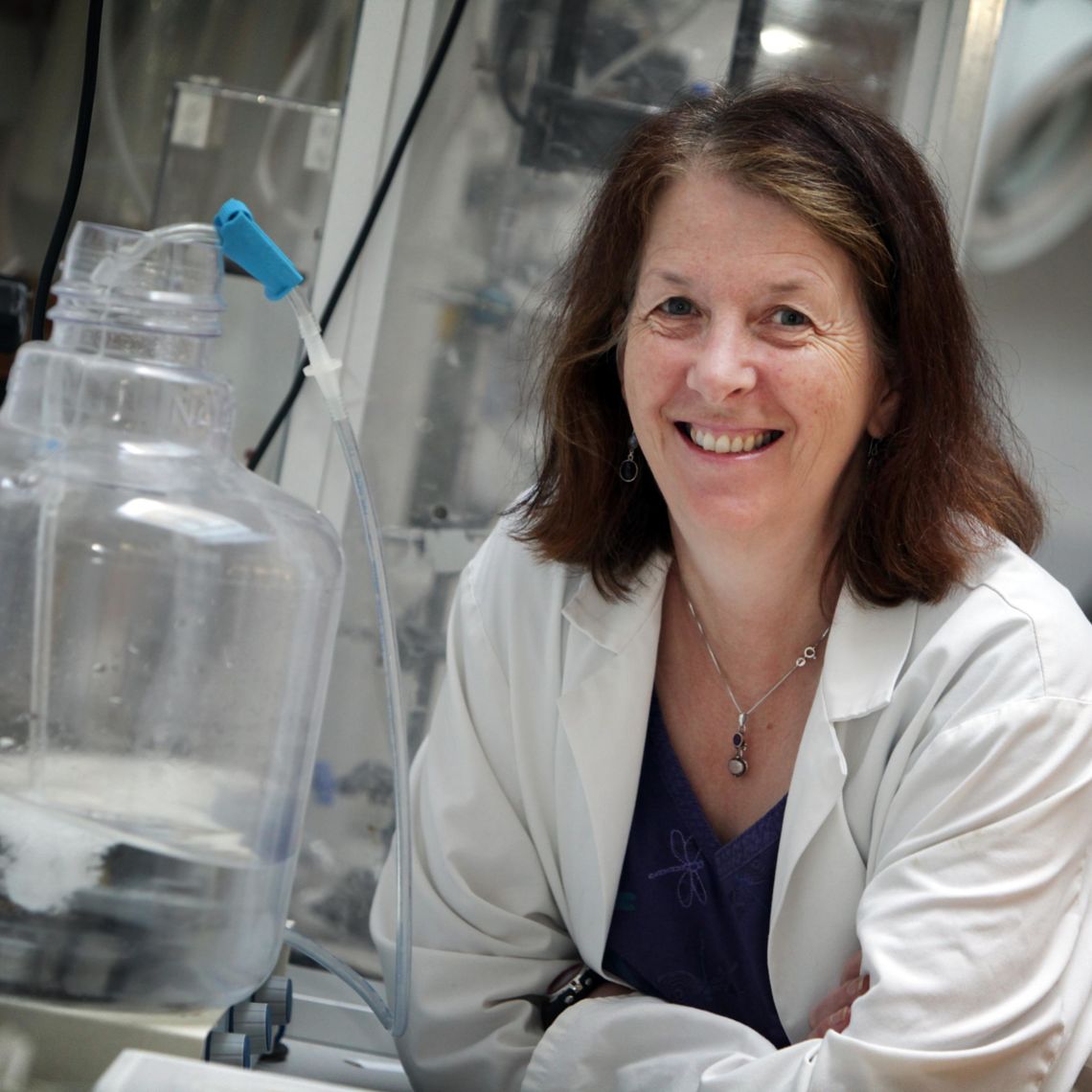 Carolyn A. Carr合作论文数Department of Physiology, Anatomy & Genetics, University of Oxford1W. Todd Lowther合作论文数1Jamish Gandhi合作论文数1
 Geoff Shaw合作论文数Department of Surgery and Critical Care, University of Otago, Christchurch;Canterbury District Health Board1
 Christine Winterbourn合作论文数Mātai Hāora - Centre for Redox Biology and Medicine, University of Otago, Christchurch;Department of Pathology and Biomedical Science, University of Otago, Christchurch1




