Purpose:Outcomes of children and adolescents with acute lymphoblastic leukemia (ALL) treated using an institutional risk-adapted strategy were assessed, and survival was compared among risk groups. Materials and Methods:This retrospective study included patients newly diagnosed with ALL during 2006-2020. Patients were stratified as standard-risk (SR), high-risk (HR), or very-high-risk (VHR). The SR group received a POG 9605-based protocol in 2006-2011 and a modified regimen with an additional delayed intensification phase in 2012-2020. The HR group received the ALL 0601 regimen, and the VHR group received institutional hematopoietic stem cell transplantation-oriented treatment. Results:Ninety-two patients were included (SR, 34; HR, 45; and VHR, 13). The 10-year overall survival (OS) and event-free survival (EFS) were 85.2% and 70.9%, with cumulative incidences of relapse and treatment-related mortality of 22.6% and 3.3%, respectively. The 10-year OS was 92.8%, 88.7%, and 60.9% in the SR, HR, and VHR groups, and the corresponding 10-year EFS was 78.5%, 77.2%, and 34.2%, respectively. In SR, 10-year OS/EFS were 85.1%/71.4% in 2006-2011 and 100%/84.4% in 2012-2020. In the HR group, rapid early responders exhibited significantly better outcomes than did slow early responders, with 10-year OS of 97.0% vs. 63.6% (p = 0.001) and 10-year EFS of 87.9% vs. 43.6% (p < 0.001). Most relapses occurred during therapy or within 3 years of treatment completion. Conclusion:VHR patients and HR patients with slow early response demonstrated the poorest outcomes. This supports refining risk-directed treatment strategies, including prospective evaluation of intensified and novel therapeutic approaches.
PURPOSE:Adolescents and young adults (AYAs) with brain tumors are at an increased risk of developing psychiatric disorders. We aimed to investigate the incidence and characteristics of psychiatric disorders in AYA patients with brain tumors. METHODS:Using the Korean Classification of Diseases, we identified a cohort of AYA patients (aged 15-34 years) diagnosed with malignant brain neoplasms (C71) between 2003 and 2016 from the Korean National Health Insurance Claims Database. The analysis included 7052 patients. RESULTS:The 10-year cumulative incidence rate of psychiatric disorders was 21.5%. The most common psychiatric disorders were neurotic, stress-related, and somatoform disorders (11.4%), followed by mood (affective) disorders (9.4%). Factors associated with a higher incidence of psychiatric disorders included female sex (hazard ratio [HR] 1.16, 95% confidence interval [CI]: 1.05-1.28, p = 0.005), history of seizures (HR: 1.47, 95% CI: 1.31-1.66, p < 0.001), and brain tumor diagnosis during the latter part of the study period (HR: 1.14, 95% CI: 1.03-1.27, p = 0.010). Psychiatric hospital admissions were most frequent among patients with schizophrenia, schizotypal disorders, and delusional disorders (n = 5). The most common psychiatric disorders requiring psychotherapy were neurotic, stress-related, and somatoform (n = 580) and mood (n = 526) disorders. CONCLUSION:A significant number of AYA patients with brain tumors develop psychiatric disorders after diagnosis, and most require treatment. Early detection through screening programs and personalized psychological support during and after cancer treatment may improve the mental health and quality of life of AYA patients with brain tumors.
Neurofibromatosis type 1 (NF1), an autosomal dominant genetic disorder, is caused by mutations in the NF1 gene, which encodes the GTPase-activating protein neurofibromin. The pathogenesis of the tumor progression of benign plexiform neurofibromas (PNs) and malignant peripheral nerve sheath tumors (MPNSTs) remain unclear. Here, we found that interferon-induced transmembrane protein 1 (IFITM1) was downregulated in MPNST tissues compared to those in PN tissues from patients with NF1. Overexpression of IFITM1 in NF1-associated MPNST cells resulted in a significant decrease in Ras activation (GTP-Ras) and downstream extracellular regulatory kinase 1/2 (ERK1/2) phosphorylation, whereas downregulation of IFITM1 via treatment with small interfering RNA in normal Schwann cells had the opposite result, indicating that expression levels of IFITM1 are closely associated with tumor progression in NF1. Treatment of MPNST cells with interferon-gamma (IFN-γ) significantly augmented the expression of IFITM1, thereby leading to a decrease in Ras and ERK1/2 activation. Despite the small number of patient samples, these findings may potentially provide a new target for chemotherapy in patients with NF1-associated MPNSTs. In xenograft mice injected with MPNST cells, IFN-γ treatment successfully suppressed tumor progression with increased IFITM1 expression and decreased Ras and ERK1/2 activation in tumor tissues. Collectively, these results suggest that IFITM1 is closely involved in MPNST pathogenesis and that IFN-γ is a good candidate for the therapeutic treatment of MPNSTs in NF1.
BACKGROUND/AIM:The survival of patients with congenital heart disease (CHD) has dramatically improved over recent decades. However, a disparity exists depending on the country and medical system. This study aimed to analyze the survival of infants with CHD until the age of 18 years using large-scale population data in South Korea and investigate the effect of neonatal conditions at birth. PATIENTS AND METHODS:We retrospectively extracted the Korean National Health Insurance Service claims data from January 2002 to December 2020. We included patients diagnosed with CHD who were less than one year of age. The follow-up duration was until their death or until they were censored before the age of 18 years. The CHD lesions were classified hierarchically (conotruncal, severe non-conotruncal, coarctation of the aorta, ventricular septal defect, atrial septal defect, and others). Several neonatal conditions were adopted as risk factors. RESULTS:Overall, 127,958 infants had been diagnosed with CHD and 2,275 died before the age of 18 years. The survival rate of infants with CHD during childhood was 97.9%. The highest childhood mortality rate was associated with non-conotruncal defects (19.7%), followed by conotruncal defects (10.2%). The significant risk factors for childhood mortality were complex CHD, pulmonary hypertension, birth asphyxia, small for gestational age, respiratory distress, pulmonary hemorrhage, bronchopulmonary dysplasia, and convulsions. CONCLUSION:The survival of infants with CHD has been favorable in South Korea. Several neonatal conditions are risk factors for childhood mortality. Individualized risk assessment and optimal treatment strategies may help improve their survival rate.
Purpose Renal tumors account for approximately 7% of all childhood cancers. These include Wilms tumor (WT), clear cell sarcoma of the kidney (CCSK), malignant rhabdoid tumor of the kidney (MRTK), renal cell carcinoma (RCC), congenital mesoblastic nephroma (CMN) and other rare tumors. We investigated the epidemiology of pediatric renal tumors in Korea. Materials and Methods From January 2001 to December 2015, data of pediatric patients (0-18 years) newly-diagnosed with renal tumors at 26 hospitals were retrospectively analyzed.Results Among 439 patients (male, 240), the most common tumor was WT (n=342, 77.9%), followed by RCC (n=36, 8.2%), CCSK (n=24, 5.5%), MRTK (n=16, 3.6%), CMN (n=12, 2.7%), and others (n=9, 2.1%). Median age at diagnosis was 27.1 months (range, 0 to 225.5 months) and median follow-up duration was 88.5 months (range, 0 to 211.6 months). Overall, 32 patients died, of whom 17, 11, 1, and three died of relapse, progressive disease, second malignant neoplasm, and treatment-related mortality. Five-year overall survival and event-free survival were 97.2% and 84.8% in WT, 90.6% and 82.1% in RCC, 81.1% and 63.6% in CCSK, 60.3% and 56.2% in MRTK, and 100% and 91.7% in CMN, respectively (p < 0.001).Conclusion The pediatric renal tumor types in Korea are similar to those previously reported in other countries. WT accounted for a large proportion and survival was excellent. Non-Wilms renal tumors included a variety of tumors and showed inferior outcome, especially MRTK. Further efforts are necessary to optimize the treatment and analyze the genetic characteristics of pediatric renal tumors in Korea.
The aim of this study is to identifying post treatment recurrence rates in pneumothorax patients under 35 and without any comorbidities according to the treatment types, gender, and age categories based on nationwide population data. Clinical information of pneumothorax patients was extracted from the Korean National Health Insurance Service (NHIS) database between January 2002 and December 2020. Enrolled patients were categorized into two groups; (1) Group I, those who underwent conservative management including pain relief, oxygen therapy, and closed thoracostomy, and (2) Group II, surgical intervention. Recurrence rates were compared according to age, gender, and type of treatment. Surgical intervention was performed in 25.6% patients as first treatment. The overall recurrence rate was 20.3%. Male patients showed a higher 5-year recurrence rate than female (20.8% vs. 10.9%, p < 0.001). Those with conservative management showed lower 5-year recurrence rates than those with surgical treatment (7.9% vs. 23.7%, p < 0.001). The 5-year recurrence rates of patients aged 14≤, and < 20 was higher than other age groups (29.2% vs. 4.5 and 11.9%, p < 0.001). Surgical intervention, male gender and aged under 20 showed association with higher recurrence rates.
Background: While the association of congenital heart disease (CHD) and growth retardation (GR) is known, data remain limited. This study investigated the incidence of GR and its neonatal risk factors in patients with CHD using nationwide population-based claims data.Method: The study population was extracted from Korean National Health Insurance Service claims data from January 2002 to December 2020. We included patients diagnosed with CHD under one year of age. GR was defined as an idiopathic growth hormone deficiency or short stature on the claims data. We investigated the neonatal risk factors for GR.Results: The number of patients diagnosed with CHD within the first year of birth was 133,739. Of these, 2,921 newborns were diagnosed with GR. The cumulative incidence of GR was 4.8% at 19 years of age for individuals diagnosed with CHD at infancy. In the multivariable analysis, the significant risk factors for GR were preterm birth, small for gestational age, low birth weight, respiratory distress, bronchopulmonary dysplasia, bacterial sepsis, necrotizing enterocolitis, feeding problems and cardiac procedure.Conclusion: Several neonatal conditions were significant risk factors for GR in CHD patients, and appropriate monitoring and treatment programs are required in CHD neonates with these factors.Considering this study is limited to claims data, further studies are warranted, including genetic and environmental factors affecting GR in CHD patients.
In mid-2022, as the wave of pediatric coronavirus disease 2019 (COVID-19) cases escalated in South Korea, a public-private partnership was made to establish a Pediatric COVID-19 Module Clinic (PMC). We describe the utilization of the first prototype children's modular clinic in Korea University Anam Hospital functioning as the COVID-19 PMC. Between August 1 and September 30, 2022, a total of 766 children visited COVID-19 PMC. Daily number of patient visits to the COVID-19 PMC ranged between 10 and 47 in August; and less than 13 patients per day in September 2022. Not only the model provided timely care for the COVID-19 pediatric patients, but it also enabled safe and efficacious care for the non-COVID-19 patients in the main hospital building while minimizing exposure risk to severe acute respiratory syndrome coronavirus 2 transmission. Current description highlights the importance of spatial measures for mitigating in-hospital transmission of COVID-19, in specifically on pediatric care.
Ewing sarcoma is a solid tumor involving the bone and/or surrounding soft tissue, which requires multidisciplinary treatment, primarily through a combination of surgery and chemotherapy and, in some cases, radiation therapy. We present the case of a patient who was diagnosed with stage I Ewing sarcoma without metastasis who had a lesion in one of the left 3rd metacarpal bones. The patient’s family members were active Jehovah’s Witnesses; therefore, the patient’s guardian refused blood transfusions for religious reasons. The medical staff explained the fatal side effects of pancytopenia after chemotherapy, and when life-threatening anemia, thrombocytopenia, and neutropenia occurred, the patient’s guardian agreed that the intensity of chemotherapy needed to be either reduced or stopped. The patient’s treatment regimen was as follows: VDC (vincristine, doxorubicin, cyclophosphamide) and IE (ifosfamide, etoposide) were alternately administered as neoadjuvant chemotherapy, followed by complete tumor excision and more chemotherapy. As red blood cell transfusion was impossible, only erythropoietin (EPO; EpokineⓇ, HK inno.N, Seoul, Korea) and granulocyte colony-stimulating factor (G-CSF; GrasinⓇ, Kyowa Kirin, Seoul, Korea) were administered as adjuvant therapy. During the course of treatment, hemoglobin levels decreased to as low as 6.7 g/dL; however, treatment without transfusion was possible with the administration of EPO and G-CSF, with minimal changes in the chemotherapy schedule. With 6 months follow-up post-treatment, the patient is still alive with no relapses observed on positron emission tomography-CT and bone scans.
Objective Children with acute lymphoblastic leukemia (ALL) may be at increased risk of psychiatric disorders. This study analyzed the incidence of psychiatric disorders in children with ALL in South Korea. Methods Using nationwide claims data for January 2009 to March 2016, we identified three major psychiatric disorders (depression, anxiety and stress/adjustment disorder) among children diagnosed with ALL. We analyzed the incidence of psychiatric disorders before and after ALL diagnosis. Results Overall, 2160 children diagnosed with ALL were identified. Seventy-five children (3.5%) were diagnosed with at least one major psychiatric disorder from 1 year before ALL diagnosis to the last follow-up point (range: 42.5–111.5 months). Of these, 70 (93.3%) patients were identified after ALL diagnosis, with the incidence peaking 1 year after ALL diagnosis. Depression, anxiety and stress/adjustment disorders were diagnosed in 30 (1.4%), 15 (0.7%) and 30 (1.4%) patients, respectively. Conclusions Among pediatric patients with ALL, most psychiatric disorders were identified after the diagnosis of leukemia, and psychiatric disorder incidence differed according to patient age and time since ALL diagnosis. Timely screening for and proper management of mental disorders are needed during all stages of ALL treatment.
BACKGROUND:Hodgkin's lymphoma (HL) constitutes 10%-20% of all malignant lymphomas and has a high cure rate (5-year survival, around 90%). Recently, interest has increased concerning preventing secondary complications (secondary cancer, endocrine disorders) in long-term survivors. We aimed to study the epidemiologic features and therapeutic outcomes of HL in children, adolescents, and young adults in Korea.METHODS:We performed a multicenter, retrospective study of 224 patients aged < 25 years diagnosed with HL at 22 participating institutes in Korea from January 2007 to August 2016.RESULTS:A higher percentage of males was diagnosed at a younger age. Nodular sclerosis histopathological HL subtype was most common, followed by mixed cellularity subtype. Eighty-one (36.2%), 101 (45.1%), and 42 (18.8%) patients were classified into low, intermediate, and high-risk groups, respectively. Doxorubicin, bleomycin, vinblastine, dacarbazine was the most common protocol (n = 102, 45.5%). Event-free survival rate was 86.0% ± 2.4%, while five-year overall survival (OS) rate was 96.1% ± 1.4%: 98.7% ± 1.3%, 97.7% ± 1.6%, and 86.5% ± 5.6% in the low, intermediate, and high-risk groups, respectively (P = 0.021). Five-year OS was worse in patients with B-symptoms, stage IV disease, high-risk, splenic involvement, extra-nodal lymphoma, and elevated lactate dehydrogenase level. In multivariate analysis, B-symptoms and extra-nodal involvement were prognostic factors for poor OS. Late complications of endocrine disorders and secondary malignancy were observed in 17 and 6 patients, respectively.CONCLUSION:This is the first study on the epidemiology and treatment outcomes of HL in children, adolescents, and young adults in Korea. Future prospective studies are indicated to develop therapies that minimize treatment toxicity while maximizing cure rates in children, adolescents, and young adults with HL.
There has been vigorous debate on how different countries responded to the COVID-19 pandemic. To secure public safety, South Korea actively used personal information at the risk of personal privacy whereas France encouraged voluntary cooperation at the risk of public safety. In this article, after a brief comparison of contextual differences with France, we focus on South Korea's approaches to epidemiological investigations. To evaluate the issues pertaining to personal privacy and public health, we examine the usage patterns of original data, de-identification data, and encrypted data. Our specific proposal discusses the COVID index, which considers collective infection, outbreak intensity, availability of medical infrastructure, and the death rate. Finally, we summarize the findings and lessons for future research and the policy implications.
PURPOSE:Loss of heterozygosity (LOH) at chromosomes 1p and 16q is a poor prognostic factor in favorable histology Wilms tumor (FHWT). This study investigated the prevalence of LOH at 1p and 16q and evaluated its prognostic value in Korean children with FHWT.MATERIALS AND METHODS:We analyzed 101 FHWT patients who were diagnosed between 1996 and 2016 in Korean Society of Pediatric Hematology Oncology Group hospitals. Using paraffin-embedded kidney tissue samples sent from each center, we reviewed LOH at 1p and 16q in each patient and assessed the prognostic value of LOH status for clinical parameters affecting event-free survival (EFS).RESULTS:Of the 101 patients, 12 (11.9%) experienced recurrence; the 3-year EFS was 87.6%. LOH at 1p or 16q was detected in 19 patients (18.8%), with five having LOH at both 1q and 16q. The frequency of LOH at 1p was higher among younger patients (p=0.049), but there was no difference in LOH prevalence according to tumor stage. In the multivariate analysis, LOH at 16q was a significant negative prognostic factor affecting EFS (3-year EFS, 73.7% vs. 91.1%; hazard ratio, 3.95; p=0.037), whereas LOH at 1p was not (p=0.786).CONCLUSION:LOH at 16q was a significant negative prognostic factor affecting outcome in Korean pediatric FHWT patients. Due to the small sample size of this study, large-scale multicenter trials are warranted to investigate the prognostic value of LOH at 1p and 16q in Korean children with FHWT.
Background/Aim: We quantified the incidence, and identified risk factors for influenza infection among childhood cancer survivors in South Korea, an at-risk population. Patients and Methods: Nationwide health insurance claims data were used to assess the frequency of influenza among childhood cancer survivors (aged <20 years) diagnosed between January 2009 and April 2016. A multivariable logistic regression was constructed to identify risk factors for influenza. Results: Of 6,457 children cancer survivors, 1,704 (27.0%) were diagnosed with influenza. Influenza was common in children <5 years old and infections were highest between late October and April. Over 60% of influenza treatment claims came from private clinics. Risk factors for influenza included age <9 years. Conclusion: Childhood cancer survivors are particularly at-risk for influenza infection during the traditional influenza season. Identifying risks for influenza infection will help to establish countermeasures for reducing the influenza infections in at-risk cancer surviving children.
BACKGROUND Hereditary hemolytic anemia (HHA) is a rare disease characterized by premature red blood cell (RBC) destruction due to intrinsic RBC defects. The RBC Disorder Working Party of the Korean Society of Hematology established and updated the standard operating procedure for making an accurate diagnosis of HHA since 2007. The aim of this study was to investigate a nationwide epidemiology of Korean HHA. METHODS We collected the data of a newly diagnosed pediatric HHA cohort (2007-2016) and compared this cohort's characteristics with those of a previously surveyed pediatric HHA cohort (1997-2006) in Korea. Each participant's information was retrospectively collected by a questionnaire survey. RESULTS A total of 369 children with HHA from 38 hospitals distributed in 16 of 17 districts of Korea were investigated. RBC membranopathies, hemoglobinopathies, RBC enzymopathies, and unknown etiologies accounted for 263 (71.3%), 59 (16.0%), 23 (6.2%), and 24 (6.5%) of the cases, respectively. Compared to the cohort from the previous decade, the proportions of hemoglobinopathies and RBC enzymopathies significantly increased (P < 0.001 and P = 0.008, respectively). Twenty-three of the 59 hemoglobinopathy patients had immigrant mothers, mostly from South-East Asia. CONCLUSION In Korea, thalassemia traits have increased over the past 10 years, reflecting both increased awareness of this disease and increased international marriages. The enhanced recognition of RBC enzymopathies is due to advances in diagnostic technique; however, 6.5% of HHA patients still do not have a clear diagnosis. It is necessary to improve accessibility of diagnosing HHA.
Background In real practice, two or more antihypertensive drugs are needed to achieve target blood pressure. We investigated the comparative beneficial actions of combination therapy of renin-angiotensin system inhibitors(RASI), with calcium channel blockers(CCB) over CCB monotherapy on the development of new-onset diabetes mellitus(NODM) in Korean patients during four-year follow-up periods. Methods A total of 3208 consecutive hypertensive patients without a history of diabetes mellitus who had been prescribed CCB were retrospectively enrolled from January 2004 to December 2012. These patients were divided into the two groups according to the additional use of RASI(the RASI group, n = 1221 and the no RASI group, n = 1987). Primary endpoint was NODM, defined as a fasting blood glucose ≥ 126 mg/dL or hemoglobin A1 c ≥ 6.5%. Secondary endpoint was major adverse cardiac events(MACE) defined as total death, myocardial infarction(MI) and percutaneous coronary intervention(PCI). Results After propensity score-matched(PSM) analysis, two propensity-matched groups(939 pairs, n = 1878, C-statistic = 0.743) were generated. The incidences of NODM(HR = 1.009, 95% CI: 0.700–1.452, P = 0.962), MACE(HR = 0.877, 95% CI: 0.544–1.413, P = 0.589), total death, MI, PCI were similar between the two groups after PSM during four years. Conclusions The use of RASI in addition to CCB showed comparable incidences of NODM and MACE compared to CCB monotherapy in non-diabetic hypertensive Korean patients during four-year follow-up period. However, large-scaled randomized controlled clinical trials will be required for a more definitive conclusion.
 Jung Hyun Joo合作论文数29Koo Hong Hoe合作论文数Dept Pediat, Sungkyunkwan Univ27
 Hyoung Jin Kang合作论文数Department of Pediatric Hematology-Oncology, Seoul National University Hospital;Department of Pediatrics, College of Medicine, Seoul National University24
 Sung Ki-Woong合作论文数Department of Pediatrics, Samsung Medical Center, School of Medicine, Sungkyunkwan University21
 O Kyu Noh合作论文数Department of Radiation Oncology, Ajou University School of Medicine21Seo Jong Jin合作论文数20Yoo Keon Hee合作论文数20
 Hoon Kook合作论文数20Im Ho Joon合作论文数18Lyu Chuhl Joo合作论文数17Shin Hee Young合作论文数17Bin Cho合作论文数17Young Tak Lim合作论文数17Ahn Hyo Seop合作论文数16Jeong Ok Hah合作论文数14Sang Kyu Park合作论文数12Park Hyeon Jin合作论文数12
 Kyung Duk Park合作论文数12Hack Ki Kim合作论文数12Ji Won Lee合作论文数11Hee Jo Baek合作论文数11Kwang Chul Lee合作论文数10Chung Nak Gyun合作论文数10Koh Kyung Nam合作论文数10Heo Jaesung合作论文数10Yoo Eun-Sun合作论文数10Jung Yeon Lim合作论文数9
 Jae Min Lee合作论文数8
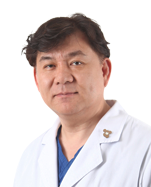 Seung Woon Rha合作论文数Department of Cardiology, Guro Hospital, Korea University;Cardiovascular Center, Korea University8Lee Soo Hyun合作论文数Dept Pediat, Sungkyunkwan Univ8Cho Sung Ran合作论文数8
 Eung Ju Kim合作论文数Department of Internal Medicine, College of Medicine, Korea University8Park Meerim合作论文数8Ryu Kyung Ha合作论文数8
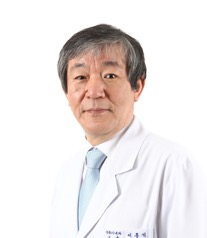 Hong Seog Seo合作论文数Department of Cardiology, Korea University;Department of Cardiology, Guro Hospital8Jin Oh Na合作论文数8Y. H. Shin合作论文数7Hyoung Soo Choi合作论文数7Lee Jae Wook合作论文数7
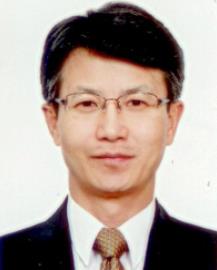 Chang Gyu Park合作论文数Department of Internal Medicine, College of Medicine, Korea University7
 Chul Ung Choi合作论文数Department of Internal Medicine, College of Medicine, Korea University7
 Kee Hwan Yoo合作论文数Pediatrics, College of Medicine, Korea University7Tai Ju Hwang合作论文数7Soon Ki Kim合作论文数7Hyery Kim合作论文数7Eun Sil Park合作论文数7J. J. Seo合作论文数6Lee Mee Jeong合作论文数6Jang In Keun合作论文数6




