This paper presents a dynamic modeling approach for a rotor-support system integrating a flexible squirrel-cage housing and a three-point contact ball bearing, addressing the limitations of current models in coupling structural flexibility with bearing dynamics. A flexible housing model is developed using semi-flexible body elements, coupled with a ball bearing model established by discretizing contact interfaces. Both finite element and experimental validation confirm good agreement. Rich frequency components, arising from the coupling between rib flexibility and cage motion, are identified. Progressive cage stability degradation with increasing flexibility is analyzed. Effects of rib number and radial load on cage stability are investigated. The results provide quantitative design guidance for flexible support structures in aero-engine bearings.
This study investigates cylindrical roller bearings with axial load capacity. The roller attitude angle continuously changes during operation due to roller-flange contact, resulting in complex spatial roller-raceway contact, altered contact stress distribution, and ultimately affecting bearing life. To address this, a contact force solution method based on spatial vector transformation is developed, calculating forces via the roller axis relationship across six coordinate frames. A dynamic model incorporating transient roller attitude fluctuations is established, capable of adaptively identifying partial contact separation. Simulations are validated by friction torque experiments. The evolution of roller attitude and stress distribution under various conditions is analyzed. Results show stress concentration is directly related to the roller's axial displacement trend. Notably, axial friction induced by this trend under low axial force and high speed can increase contact stress by up to 40%.
Precision assembly is the final performance safeguard in the intelligent manufacturing stage of precision electromechanical systems. Uniform assembly, featuring uniform stress distribution in assembled parts, is of great significance in ensuring the accuracy and performance stability of precision electromechanical systems. Assembly interface is the fundamental existence in assembled systems. Targeting uniform assembly, this study leverages assembly interface's capacity in regulating stress distribution, and further extents it to simultaneously control the dynamic performance of assembled systems. Specifically, the multi-objective assembly interface stiffness design problem of concurrently reducing the stress peak at the assembly interface and increasing the natural frequency of the assembled structure is addressed. epsilon-constraint method and non-stationary multi-stage assignment penalty function method are utilized for modelling. The solver is an enhanced particle swarm optimization (PSO) method named MREOBL-PSO, which is developed by introducing and combing the opposition-based learning (OBL) and multi-dimensional random elite mutation strategy. Numerical simulations are experimentally verified. Applications of multi-objective assembly interface stiffness design to bolted flanges and aero-engine rotor systems are demonstrated.
Structural components subjected to simple shear at elevated temperatures are particularly vulnerable to creep deformation and failure, motivating reliable constitutive models and accurate life-prediction tools. This study extends the classical Kachanov-Rabotnov (K-R) model—originally developed for uniaxial tension or small shear deformations—into the large-shear regime, where the traditional formulation becomes less accurate. By introducing equivalent stress and strain measures tailored to finite shear, a modified K-R model is developed that accurately captures creep behavior under large-shear deformation. To demonstrate the applicability of the model, lap-jointed components fabricated with low-melting-point filler metals were selected as case studies, which is used to maintain the safety of the reactor containment vessel. Tensile and creep tests were conducted to fit the model parameters, which were subsequently incorporated into finite element simulations for comparative analysis. Validation against experimental and numerical results shows that the current modified model better replicates creep strain data, achieving closer agreement than the classical K-R model. The proposed model offers a practical and robust tool for creep-life assessment of large-shear structures, with significant implications for applications in nuclear passive-safety systems and brazed assemblies in thermal power and fire-protection equipment.
Uniform energy deposition in robotic winding with ultrasonic welding is contingent upon maintaining a constant tool center point velocity, yet the execution of tightly wound helical trajectories on industrial manipulators frequently results in severe speed modulation and near-stop events. These deviations arise from the dynamic coupling of translation and orientation within the motion controller’s finite look-ahead window, where rotational saturation often dominates execution time on discretized segments. To resolve the discrepancy between offline geometric planning and execution dynamics, a hierarchical, kinematics-constrained trajectory planning framework is proposed. A theoretical coupled look-ahead velocity envelope is first derived to predict the realizable speed limits imposed by the competition between translational and rotational joint constraints under finite preview. Analysis of this envelope reveals a strict concavity in the window-wise time laws, demonstrating that uniform discretization is structurally suboptimal for helical paths involving significant tool reorientation. Consequently, an execution-aware optimal segment allocation strategy is developed to redistribute discretization density, effectively merging segments in rotation-dominated regions to restore cruise potential while refining translation-dominated zones for precise dwell regulation. A final constrained acceleration inversion stage modulates segment-wise acceleration scaling to linearize the velocity profile within the feasibility envelope. Experimental validation on a six-axis industrial robot synchronized with a positioner confirms that this approach reduces velocity ripple and significantly increases the effective wire-path length within the process-critical speed band, all while preserving the nominal coil geometry.
Cylindrical roller bearings (CRBs) are essential components of mechanical equipment, and their dynamic and thermal performance has a significant impact on the overall operation of the machine. Therefore, an accurate analysis of the operating performance of CRBs is crucial. This study aims to develop an improved dynamic model for CRBs by integrating key factors such as oil film stiffness, damping, and the thermal-mechanical coupling mechanisms. Specifically, the comprehensive dynamic and transient thermal network models are first constructed, taking into account component interactions and oil film characteristics. A detailed thermal-mechanical coupling analysis is then performed to accurately capture the transient dynamic and thermal behavior of CRBs. Furthermore, a specialized test rig is developed to verify the accuracy of the thermal-mechanical coupling model established in this study. The test results validate the theoretical findings, including slip rate, cage centroid trajectory, and temperature rise, confirming the accuracy and reliability of the proposed analytical framework: The dynamic model of cylindrical roller bearings (CRBs), incorporating the effects of oil film stiffness and damping, enables a more accurate and realistic analysis of their motion behavior. This model proposed in this paper demonstrates closer alignment with experimental results by 13.3
To address the limitations of existing two-dimensional asperity shoulder-to-shoulder contact models and to investigate the normal and tangential contact mechanisms of rough surfaces, this study proposes a three-dimensional elastic contact model based on shoulder-to-shoulder paraboloidal asperities within the framework of Hertzian contact theory. The proposed model extends the conventional two-dimensional elastic shoulder-to-shoulder asperity contact model developed by Sepehri by explicitly incorporating the effects of principal surface curvatures, thereby enabling the accurate representation of three-dimensional contact conditions. Analytical relationships among contact load, elastic interference, contact area, and contact pressure are derived. The predictive performance of the proposed model is evaluated through systematic comparisons with Sepehri’s model and finite element analysis (FEA) results. The results demonstrate that the proposed model exhibits significantly improved agreement with the FEA predictions. The maximum relative errors for contact area, maximum contact pressure, and contact interference are 5.74%, 5.96%, and 2.77%, respectively. Furthermore, parametric studies examine the effects of relative offset r and pressing amount Δd on contact displacement, contact area, and maximum contact pressure. Furthermore, parametric studies are conducted to examine the effects of the relative offset r the pressing amount Δd on contact displacement, contact area, and maximum contact pressure. The results indicate that the contact area increases with both r and Δd, whereas the maximum contact pressure and contact displacement exhibit similar trends, increasing with Δd but decreasing with increasing r. These findings validate the accuracy and applicability of the proposed model under varying contact conditions, providing a reliable theoretical foundation for refining asperity contact models and supporting practical engineering contact analyses.
Recent decades have witnessed rapid development and increasing widespread applications of robotics across various industries. On one hand, the robotic arm, being the key component of robotics, has attracted the attention of scholars and experts with its application in quite a number of smart factory tasks. On the other hand, Digital Twin (DT), as an emerging virtual-physical bridging technique, offers significant advantages over testing robotic arm manipulation algorithms only within simulation environments. By facilitating the accurate validation of algorithms in real environments, DT provides a realistic basis for testing and optimizing their feasibility. This paper discusses the state-of-the-art of robotic arm intelligent manipulation related techniques empowered by DT and illustrates the picture for its future development. More specifically, it provides a novel perspective to analyze the entire workflow of DT-empowered robotic arm intelligent manipulation techniques, from task definition to path planning, simulation environment, and virtual-real communications, respectively. First, diverse robotic arm manipulation tasks, such as catching, picking & placing, and assembling are reviewed along with the methods of path planning and collision avoidance. Second, this paper discusses the evolution of various path planning algorithms for robotic arm manipulation, highlighting reinforcement learning methods such as Deep Q-learning and Proximal Policy Optimization approaches. Third, this paper reviews on the simulation environments containing Unity, MuJoCo, ROS, PyBullet and so on, in which different deep learning methods are implemented. Finally, recent developed robotic arm DT systems including some new Augmented Reality and Virtual Reality aided applications are analyzed. It is hoped that this study will provide valuable insights for DT-empowered robotic arm techniques and pave the way for further development of more advanced researches.
Assembly serves as the final safeguard in manufacturing, determining the performance of complex precision electromechanical equipment. Uniform stress assembly represents a key frontier, with assembly interface design emerging as a promising technique for achieving it. However, current interface designs ignore the multiscale features and uncertainties inherent to interface shape. This study attempts to perform multiscale interface shape design oriented to uniform stress assembly, along with analysis of shape uncertainty effects. The general similarity law between the interface shape and stress distribution is revealed, based on which a heuristic method for multiscale interface shape design is proposed. Its effectiveness is verified through elastic-to-elastic assembled structure and pipe flange bolted structure. Influence of roughness on stress distribution is investigated and interface shape design is performed under varying rough conditions. The effect of uncertainty in multiscale interface shape on stress distribution uniformity are further quantitatively analyzed.
In mechanical structure dynamics, bolted lap joint structures are widely used in engineering equipment, and their vibration characteristics are crucial to the stability and reliability of the equipment. However, current research has not paid enough attention to the effect of surface roughness on assembly stiffness, and often neglects the effect of contact stiffness and damping of the assembly bonding surfaces on the vibration of the bolted lap structure system. In this study, a vibration system model of a bolted lap structure is established based on nonlinear mechanical control differential equations, focusing on how the interface characteristics of the assembly bonding surface at the bolted lap affect the nonlinear vibration state of the system. Using a single—bolt lap beam as the research object, the system's energy expression is established. The Lagrangian method is used to derive the system's nonlinear vibration differential equations, and then the multiscale method is applied to solve the analytical solutions. The Runge–Kutta method is used in Matlab to numerically simulate the differential equations, obtaining the system's bifurcation diagrams, Poincaré mappings, time—domain diagrams, and phase diagrams. The influence of the parameters of interface properties (contact stiffness, contact damping, etc.) on the nonlinear vibration state of the bolted lap beam system is deeply analyzed. The results show that there are specific parameter intervals that make the system switch between stable and chaotic states: the contact stiffness parameter β in 0–0.96 and > 1.21 corresponds to stable states, while 0.96–1.21 corresponds to chaotic states, and the system's main vibration amplitude decreases with increasing contact stiffness. The contact damping has almost no effect on the system's vibration stability. It is also found that bending damping affects the system's vibration stability: the system is chaotic when the bending damping parameter λ1 is 0–4, but tends to stabilize when λ1 > 4.
The effects of sintering pressure, sintering temperature, and holding time on the densification behavior and mechanical properties of 0.5 wt% graphene nanoplatelet (GNP)/polytetrafluoroethylene (PTFE) composites fabricated by spark plasma sintering (SPS) were investigated using an orthogonal experimental design. Among the three factors, sintering pressure exerted the greatest influence on both density and flexural modulus, followed by sintering temperature and holding time. The optimized SPS condition for preparing 0.5 wt% GNP/PTFE composites was determined to be 10 MPa and 340 °C for 30 min. Compared with pure PTFE prepared under the same optimized SPS condition, the maximum increase in flexural modulus reached 55.48%, highlighting the effectiveness of SPS parameter optimization in improving the stiffness of GNP/PTFE composites.
Assembly interfaces are inherent in practical rotor systems and significantly influence rotor dynamics. Tuning dynamic behavior through interface property design represents a promising yet underexplored strategy. This study focuses on interface geometry and aims to regulate rotor dynamics by proactively designing the interface shape. The shape is modeled using sequentially connected control points, with adjustments made by varying their positions. Influence of interface shape on rotor dynamics is determined through a parametric correlation analysis. An adaptive multi-objective optimization approach that combines Kriging and multi-objective genetic algorithm is employed to identify the optimal interface shape within a finite element framework. Rotor dynamics experiments are conducted to validate the simulation results. The proposed design methodology is applied to a bolted thin-shell rotor system under both thermal-structural coupled and isothermal conditions. Results demonstrate that the designed interface shape increases critical speed and reduces unbalanced vibration.
In recent years, a vibration reduction method for flexible structures based on the IMTET (intermodal targeted energy transfer) mechanism has been proposed. The method facilitates vibration dissipation by transferring energy from the low-order modes to the high-order modes of the main structure through the collisions. This paper introduces an impact absorber designed for vibration reduction of the rigid main structure, which can form a 2-degree-of-freedom vibro-impact system through the linear stiffness between the impact absorber and main structure, and so the energy can be transferred from the 1st-order mode to 2nd-order mode of the coupling system through the intermittent collisions, resulting in effective energy dissipation and vibration suppression of the main structure. Then, in order to obtain higher energy transfer and dissipation efficiency, the direction and mechanism of the energy transfer for the coupling system between the impact absorber and main structure are systematically analyzed, and the effects of the damping ratio, collision recovery coefficient, gap, and excitation amplitude on the vibration suppression behaviors of the proposed impact absorber are discussed. The results show that, the vibration suppression efficiency exhibits step-like variation rules with the damping ratio and impact recovery coefficient due to the change of the collision number in a single motion period. On the basis, the optimized parameters design for this impact absorber is given that the displacement of the main structure can be reduced to at least 31 % during its resonant response range.
To address the high energy demands in aerospace protective systems, this study proposes a bioinspired nonuniform variable-thickness honeycomb (NVTH) structure derived from human femur morphology, aiming to enhance energy absorption beyond conventional hexagonal honeycombs. A mechanical model integrating the upper bound theorem of plastic mechanics and virtual work principle was developed to analyze NVTH’s structural behavior. Finite element simulations systematically evaluated deformation modes, stress-strain responses, load-bearing capacity, and energy absorption characteristics. Key findings reveal that NVTH achieves 26.26
Accurately measuring surface error of large spaceborne antennas is essential for on-orbit assembly or shape adjustment. Thus, this study proposes a laser target digital photogrammetry system to solve this problem in space environment. First, an on-orbit self-calibration method for camera is developed by utilizing the invariance of stellar angular distances, eliminating the need of ground-based pre-calibration. Second, a temperature compensation model is built to mitigate the impact of the temperature-induced image point drift caused by the effects of optical path variations and sensor expansion on image coordinates. On this basis, an innovative laser target photogrammetry method is proposed for efficient, non-contact measurement of surface errors of large spaceborne antennas considering the challenge of attaching physical targets on the antenna surface, in which the mismatch between large spaceborne antenna and the limited field-of-view (FOV) of the camera are both solved by a multi-view data fusion and global 3D coordinate transformation approach. Finally, the effectiveness of the proposed method is comprehensively demonstrated through practical experiments. The results illustrate the proposed system can accurately measure the surface errors under varying on-orbit environmental conditions.
Lubrication anomaly in rolling bearings often precedes mechanical damage and accelerates failure progression. Because lubrication conditions are amenable to corrective actions (e.g., grease replenishment or replacement) before severe damage occurs, reliable measurement-based monitoring of lubrication states is particularly valuable. Unlike classical bearing damage characterized by stable fault characteristic frequencies, lubrication-related changes exhibit nonstationary, high-frequency broadband measurement signatures driven by evolving microcontact and frictional interactions. Meanwhile, labeled lubrication anomaly data remain extremely scarce in industrial settings, which together limit conventional feature learning and supervised deployment. To address these challenges, this article proposes a multiscale residual and semantic-consistency CycleGAN (MSRS-CycleGAN) and a lab-to-field diagnosis framework that uses labeled laboratory multistate signals as the source domain and healthy-only field vibration as the target domain. MSRS-CycleGAN incorporates multiscale residual convolutional blocks to enhance sensitivity to lubrication-related high-frequency patterns and introduces a semantic-consistency loss to preserve state-discriminative structures during style transfer, thereby generating realistic lubrication anomaly signals that align with real target-domain measurements. A hierarchical strategy then performs anomaly detection via an autoencoder (AE) trained solely on healthy target-domain data, followed by lubrication-state classification using a convolutional neural network (CNN). Experiments demonstrate improved agreement between generated and real target-domain signals in spectral characteristics and superior lubrication-state diagnostic accuracy under zero-fault-data target-domain conditions.
Integrated and high-power designs have become prevailing trends in electronic systems for aerospace, communications, electric vehicles, and related fields. These advances, however, have resulted in a substantial rise in heat flux density alongside stringent constraints on available cooling space. To address this challenge, this study proposes a microchannel liquid cooling design method based on curved surface conformality. By incorporating advanced topology optimization, the approach concurrently designs and refines both the heat dissipation microchannel structure and the liquid collection and distribution network structure. This enables the simultaneous achievement of multiple design objectives within a constrained spatial domain, including enhanced heat dissipation performance, minimized flow resistance, and uniform flow distribution. Relative to conventional configurations, the optimized microchannel structure yields a substantial enhancement in heat dissipation performance, with improvements ranging from 7.85% to 19.25%, while also achieving a significant reduction in pressure drop of 14.65% to 37.16%. Furthermore, the liquid collection and distribution network structure optimized in this study can achieve the distribution of flow rates among 30 heat dissipation microchannels with a relatively low pressure drop. The total flow rate deviation does not exceed 4%, and the maximum and minimum flow rate deviations are both no more than 2%. This research provides a novel paradigm for the thermal management of power-dense electronics, demonstrating that advanced topological optimization design in thermal management is a viable pathway.
In structural engineering, reliability is a critical metric for safety assessment, yet it is invariably challenged by the existence of aleatory and epistemic uncertainties. The evidence theory has been introduced into reliability analysis for its ability to well quantify epistemic uncertainty using expert information or limited data. Thus, this paper proposes a framework for both the time-independent and time-dependent reliability analysis under hybrid uncertainties involving random and evidence variables. First, a new probabilistic transformation method named the uniformity-constrained equal area approach is proposed to transform the evidence variables into random variables, enabling the most probable focal element to be identified with the help of the first-order reliability method. Then, the initial training points for the radial basis function surrogate model are located via the central composite design and numerical integration. On this basis, the shape parameter of the radial basis function is calculated through the evolutionary algorithm to obtain the initial surrogate model. Subsequently, the prediction variance is obtained by using the leave-one-out cross-validation, and the selection of the best training sample points is carried out based on the active learning function, thereby constructing the final refined surrogate model to approximate the true limit-state function to obtain the interval failure probability under hybrid uncertainties. Note that incorporating the time parameter as an evidence input variable naturally unifies time-independent and time-dependent reliability analyses. Finally, two time-independent reliability problems and four time-dependent reliability problems are analyzed and compared with the previous methods to demonstrate the effectiveness of the proposed method.
This study aims to promote the concept that integrating biomimetic design and topology optimization is a key direction for the further advancement of flexible robotic grippers. Biomimetic design is an efficient approach to innovate flexible gripper configurations. Although the functions of biological tissues and industrial equipment can be similar, they are not entirely consistent. Merely mimicking biological forms can hinder structural innovation. Therefore, it is necessary to optimize bio-inspired grippers based on practical industrial requirements. This study proposes abstracting the bio-inspired design domain and boundary conditions from the Fin Ray (R) effect. Topology optimization methods are then employed to update the flexible grippers further. The combination of topology optimization and a biomimetic initial configuration significantly promotes flexible grippers. Additionally, new solutions for explicit modeling and element distortion are established to stabilize the optimization. Based on these studies, a topology optimization framework for the flexible gripper is developed. Experiments indicate that the optimized gripper can grasp objects of various sizes, shapes, and materials. The maximum payload of the proposed gripper reaches 2425.3 g with only 60 N input force. Compared with the classic Fin Ray (R) gripper, the proposed gripper exhibits 42.7-87.5% increases in gripping force and an 82.9% increase in the maximum payload. Compared to classic topology optimization designs, bio-inspired topology optimization increases the maximum payload by at least 67.3%. Therefore, topology optimization and biomimetic design are highly complementary, and their integration is critical to future innovations in flexible robotics.
 Ke Yan (闫柯)合作论文数School of Mechanical Engineering, Xi'an Jiaotong University;Key Laboratory of Education Ministry for Modern Design and Rotor-Bearing System, Xi'an Jiaotong University137
 Jinhua Zhang (张进华)合作论文数School of Mechanical Engineering, Xi'an Jiaotong University106
 Yongsheng Zhu (朱永生)合作论文数School of Mechanical Engineering, Xi'an Jiaotong University;Key Laboratory of Education Ministry for Modern Design & Rotor-Bearing System, Xi'an Jiaotong University100
 Baotong Li (李宝童)合作论文数School of Mechanical Engineering, Xi'an Jiao Tong University81
 Bin Fang (方斌)合作论文数School of Mechanical Engineering, Xi'an Jiaotong University65
 Qiangqiang Zhao (赵强强)合作论文数School of Mechanical Engineering, Xi'an Jiaotong University57
 Junkang Guo (郭俊康)合作论文数School of Mechanical Engineering, Xi'an Jiaotong University55
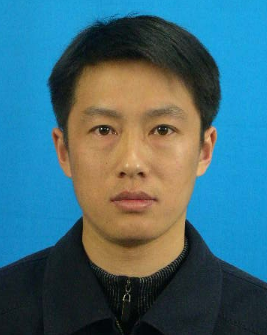 Xiaohu Li (李小虎)合作论文数School of Mechanical Engineering, Xi’an Jiaotong University51
 Qiyin Lin (林起崟)合作论文数School of Mechanical Engineering, Xi'an Jiaotong University49
 Shaoke Wan (万少可)合作论文数School of Mechanical Engineering, Xi'an Jiaotong University46
 Bingheng Lu (卢秉恒)合作论文数Xi'an Jiaotong University45
 Linbo Zhu (朱林波)合作论文数School of Chemical Engineering and Technology, Xi'an Jiaotong University42
 DING YUCHENG (丁玉成)合作论文数33
 Zhigang Liu (刘志刚)合作论文数School of Mechanical Engineering, Xi'an Jiaotong University27
 Shuai Zheng (郑帅)合作论文数School of Software Engineering, Faculty of Electronic and Information Engineering, Xi'an Jiaotong University25Chengjun Chen合作论文数23
 Dewen Yu (余德文)合作论文数Frontier Institute of Science and Technology, Xi'an Jiaotong University21
 Wenwu Wu (吴文武)合作论文数School of Mechanical Engineering, Xi'an Jiaotong University18
 Pan Zhang (张盼)合作论文数School of Instrument Science and Technology, Xi'an Jiaotong University17
 Hongbo Lan (兰红波)合作论文数School of Mechanical and Automotive Engineering, Qingdao University of Technology;Institute of Rehabilitation Engineering, Binzhou Medical University17Dongnian Li合作论文数Qingdao University of Technology15
 Yicong Zhou (周怡聰)合作论文数Department of Computer and Information Science, Faculty of Science and Technology, University of Macau15
 Dianliang Wu (武殿梁)合作论文数School of Mechanical Engineering, Shanghai Jiao Tong University15Jinyan Duan (段金燕)合作论文数14Youyun Zhang合作论文数13
 Tao Wang (王陶)合作论文数13
 Chen Wang (王晨)合作论文数13Guoqing Yang (杨国清)合作论文数13Yanhui Sun (孙岩辉)合作论文数School of Construction Machinery, Chang'an University13
 Zhihui Qiu (邱志惠)合作论文数School of Mechanical Engineering, Xi'an Jiaotong University13
 Shuaijun Ma合作论文数12
 Yiping Tang (唐一平)合作论文数Xi'an Jiaotong University12
 Fei Du (杜飞)合作论文数School of Astronautics, Northwestern Polytechnical University12Yanfei Zhang (y zhang)合作论文数11
 Michael Yu Wang (王煜)合作论文数Department of Electronic & Computer Engineering, School of Engineering, The Hong Kong University of Science and Technology;Great Bay University11Wang Baozeng合作论文数11
 Hakim A. Bouzid合作论文数11
 Zhijun Ren (任智军)合作论文数Frontier Institute of Science and Technology, Xi'an Jiaotong University10Zhaohui Yang合作论文数State Key Lab Mfg Syst Engn, Xi An Jiao Tong Univ10
 Shiyuan Pei (裴世源)合作论文数School of Mechanical Engineering, Xi 'an Jiaotong University10
 Fei Chen (陈飞)合作论文数School of Chemical Engineering and Technology, Xi'an Jiaotong University10
 Wenjun Su (苏文军)合作论文数School of Mechanical Engineering, Xi'an Jiaotong University10
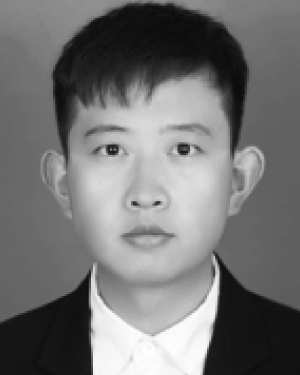 Haiyan Cheng合作论文数Hebei Province Key Laboratory of Heavy Machinery Fluid Power Transmission and Control, The College of Mechanical Engineering, Yanshan University, Qinhuangdao, 066004, China9
 Xiangjun Jiang (蒋翔俊)合作论文数Xidian University9Xing Yuan (袁幸)合作论文数9
 Dingtang Zhao合作论文数8Mingkai Wang合作论文数8
 Kang Jia (贾康)合作论文数School of Mechanical Engineering, Xi'an Jiaotong University8




