Background/objective:Excessive screen time has been associated with lower cardiorespiratory fitness (CRF) in youth, but evidence on the dose-response association remains limited. This cross-sectional study examined screen time and CRF among elementary school (ES) and junior high school (JHS) students. Methods:Of 870 ES and 876 JHS students recruited in Unnan City, Japan, in 2023, the analytical sample comprised 664 ES students (aged 9-12 years; 51.8% boys) and 679 JHS students (aged 12-15 years; 47.6% boys). CRF was assessed by the 20-m shuttle run and expressed as z-scores. Screen-based behaviors (gaming and video viewing or social networking service [SNS] use) were assessed by questionnaire. Multiple linear regression and restricted cubic spline analyses were adjusted for sex, grade, breakfast consumption, sleep duration, and sports club participation. Results:Among ES students, gaming for 2-<4 h (B = -0.28, 95% CI: -0.53, -0.04) or ≥4 h (B = -0.43, 95% CI: -0.70, -0.16) was associated with lower CRF than no gaming, with an inverse trend (P for trend = 0.001). Similarly, ≥4 h of video/SNS use was associated with lower CRF (B = -0.33; P for trend = 0.001). Among JHS students, no individual category was significant, but both showed inverse trends (P for trend = 0.013 and 0.014, respectively). Restricted cubic splines showed no detectable non-linearity. Conclusion:Longer recreational screen time was associated with lower CRF in both groups-significantly lower in higher categories among ES students and significant inverse trends among JHS students. Longitudinal and experimental studies are needed to establish causality.
Background: The Foods with Function Claim was introduced in Japan in April 2015 to make more products available that are labeled with health functions. A product’s functionality of function claims must be explained by the scientific evidence presented in clinical trials (CTs) or systematic reviews, but the quality of recent CTs is unclear. The purpose of this study was to evaluate the risk of bias (RoB) using “a revised tool to assess risk (RoB 2)” published in 2018 for notifications based on all recent CTs published on the Consumer Affairs Agency website. Methods: A total of 38 submitted papers based on CTs that were published on the Consumer Affairs Agency website during the period from 1 January 2023 to 30 June 2024 were eligible. The RoB 2 tool provides a framework for considering the risk of bias in the findings of any type of randomized trial. This tool with five domains was used to evaluate the quality of research methods. Results: Eligible CTs were assessed as “low risk” (11%, n = 4), “medium risk” (13%, n = 5), and “high risk” (76%, n = 29). A number of highly biased papers were published. Bias occurred in all five domains, especially “bias in selection of the reported result (Domain 5)”, which was the most serious (“high risk”; 75%). For elements correlated with RoB, there was no significant difference (p = 0.785) in the RoB 2 score between for-profit and academic research in the author’s affiliated organization. There was no significant difference (p = 0.498) in the RoB score between the published year categories of 2000–2019 and 2020–2024, and no significant difference (p = 0.643) in the RoB score between English and Japanese language publications. Conclusion: Overall, the quality of the latest CTs submitted after 2023 was very low, occurring in all five domains, and was most serious for “bias in selection of the reported result (Domain 5)”.
Abstract Background Intervention trials that have demonstrated significant effects may not always replicate those effects when scaled up. This study aimed to test whether scaling-up a successful cluster randomized trial (the COMMUNICATE study, 9 intervention communities), which promoted population-level physical activity (PA), could promote PA in a broader citywide setting (29 communities) after two years, as a mid-term evaluation of the six-year scaled-up trial. Methods This is a single-arm, pre-post comparison of a multi-strategic community-wide intervention covering the entire Unnan City, Japan. The intervention for middle-aged and older people consisted of three components: information delivery, education, and support delivery. The intervention method followed the COMMUNICATE study but adapted and introduced new initiatives tailored to local resources. A baseline survey (n = 3,718) among randomly selected residents aged 40–79 years in 2016 and a follow-up survey with the same respondents two years later were conducted. The primary outcome was the change in the percentage of people who practiced the recommended levels of PA, analyzed with a generalized linear mixed model to account for clusters at individual and community levels. Additionally, we examined the dose–response relation of the effect based on the intervention doses in each community. The RE-AIM framework assessed intervention dissemination and implementation. Results The two-year intervention was implemented in all communities, reaching and involving various groups. The rate of people engaged in PA significantly increased in two years (adjusted change: + 8.0 percentage points [95% confidence interval: 6.1, 10.0]). Based on the type of PA, only muscle-strengthening activity showed a significant increase (+ 11.5% points [9.6, 13.5]), whereas walking (-1.8% points [-3.6, 0.1]) and flexibility activities (+ 0.3% points [-1.5, 2.0]) did not. The increase in PA in higher-dose areas was not significantly different but slightly larger than that in lower-dose areas (+ 8.4% points vs. + 7.6% points, adjusted difference in change: 0.8% points [-3.8, 5.5]). Conclusion The scaled-up citywide intervention promoted PA, especially muscle-strengthening activity. Collaboration with diverse organizations in different settings is crucial for multi-faceted interventions and requires balancing uncertainty in its implementation quality and quantity owing to collaborative decision-making. Trial registration UMIN-CTR, UMIN000024682. Registered 02 November 2016, https://center6.umin.ac.jp/cgi-open-bin/ctr/ctr_view.cgi?recptno=R000028377
The application of social marketing to public health activities has recently garnered attention. This study aimed to identify high-priority segments for salt reduction interventions using the TARPARE model in a rural Japanese city. This cross-sectional study used convenient sampling. Scored indicators of the TARPARE model were used, and data was collected from 1874 adults to establish the priority order of target segments for promoting salt reduction. The model considers the total number of individuals (T), at-risk persons (AR), persuasibility (P), accessibility (A), resources required (R), and equity (E). For T, the salt content was evaluated using spot urine, and the salt check sheet was scored for each segment according to sex and age in the city’s population. AR was the individuals who were overweight. P was determined by the behavior modification stage of salt reduction, unknown recommended salt reduction goals, and lack of knowledge in at least one aspect of salt reduction. A and R were characterized by communication with family or friends and family support, respectively. E was considered an education up to high school. The average aggregated score was 19.9 (standard deviation = 14.0), with higher scores in segments that consistently subjectively restrict salt intake but have a high objective salt intake. The highest priority was given to women in their 60s (49.3 points) and 70s (54.4 points). This study identified high-priority populations for salt reduction in a rural city in Japan. Our priority segments offer guidance for efficient and targeted interventions for salt reduction initiatives.
This longitudinal study examined the relationship between flexibility‐activity and blood‐pressure (BP) change among older adults in Japan. Our study included 452 older adults who took part in our survey in both 2012/2013 and 2017/2018. The seated systolic blood pressure (SBP) and diastolic BP (DBP) were measured both at baseline and at the 5 years follow‐up. The frequencies of the different physical activities at baseline were assessed using a questionnaire. A generalized linear mixed model was used to estimate the non‐standardized coefficient (B) of BP change associated with flexibility activity, after adjustments for sex, age, body mass index, smoking status, alcohol consumption, antihypertensive medication use, history of heart disease, walking time, and muscle‐strengthening activity as a fixed‐effect, and area of residence as a random‐effect. Higher flexibility‐activity frequency was significantly associated with reduced SBP (B = ‐0.77 [95% confidence intervals = −1.36, −0.18], p for linear trend = 0.01, p for quadratic trend = 0.85) and DBP (−0.33 [−0.71, 0.05], p for linear trend = 0.09, p for quadratic trend = 0.04). Engaging in flexibility activity for 3 days per week was significantly associated with a reduction in DBP ( B = −4.16, 95% CI [−7.53, −0.79], p = 0.02) compared with that in the reference group (0 days per week). Interaction tests were not significant between basic variables (sex, age, BMI, and antihypertensive medication) and flexibility. In conclusion, higher flexibility activity frequency was associated with a reduction in BP in older adults. Future longitudinal and interventional studies should examine the effects of flexibility activity on cardiovascular disease prevention.
Background: The Foods with Function Claims (FFC) was introduced in Japan in April 2015 to make more products available that are labeled with health functions. The products’ functionality of function claims must be explained by scientific evidence presented in systematic reviews (SRs), but the quality of recent SRs is unclear. This study assessed the quality of SRs in the FFC registered on the Consumer Affairs Agency (CAA) website in Japan. Methods: We searched the database from 1 April to 31 October 2022. Confidence in the methodological quality of each SR was evaluated by the AMSTAR 2 checklist. Results: Forty SRs were randomly extracted on the basis of the eligibility criteria and recruitment procedures. Overall confidence was rated as “high” (N = 0, 0%), “moderate” (N = 0, 0%), “low” (N = 2, 5%), or “critically low” (N = 38, 95%). The mean AMSTAR 2 score was 51.1% (SD 12.1%; range 19–73%). Among the 40 SRs, the number of critical domain deficiencies was 4 in 7.5% of SRs, 3 in 52.5% of SRs, 2 in 35% of SRs, and 1 in 5% of SRs. Registering the review’s protocol and comprehensive search strategies were particularly common deficiencies. Additionally, the risk of bias (RoB) was insufficiently considered. Conclusion: Overall, the methodological quality of the SRs based on the FFC, introduced eight years earlier, was very poor. This was especially true in the interpretation and discussion of critical domains, which had many deficiencies in terms of protocol registration, a comprehensive literature search strategy, and accounting for the RoB.
Background: Food access is an important aspect of health promotion for the elderly. The aim of this study was to investigate the relationship between distance to the nearest food store and diet variety in rural community-dwelling elderly Japanese. Methods: This cross-sectional study analyzed data from 1,103 elderly participants surveyed by mail in rural areas of Japan. Diversity of food intake was assessed using the diet variety score (DVS). Street network distance from home to food store was calculated and categorized by quartile using a geographic information system and analyzed in relation to diet using multivariable regression with the primary outcome as low DVS. Sub-analysis of the association with DVS was conducted for each food store category (convenience store, supermarket, and small food store). The association between intake frequency of each food group and distance was also analyzed. Results: Participants in the fourth quartile of distance to food store had significantly higher prevalence ratio (1.15; 95% CI, 1.01???1.32) for low DVS than those in the first quartile. There was a significant tendency between greater distance to food store and lower DVS (P for trend = 0.033). Supermarkets and convenience stores, in particular, showed significant associations. Greater distance was significantly associated with lower frequency of meat and fruit intake. Conclusion: There was significant association between distance to nearest food store and diet variety in rural Japanese elderly. These findings suggest the importance of interventions for areas at high risk of low diet variety, such as places far away from food stores.
Objective: There are many observational and clinical studies on pain treatment in farmers; however, little is known about the effects of interventions based only on randomized controlled trials (RCTs) on diseases of the musculoskeletal system or connective tissue (D-MSCT). This review aimed to summarize evidence on the effects of non-surgical interventions for pain relief and symptom improvement in farmers with D-MSCT. Materials and Methods: We searched seven databases, including MEDLINE, and three clinical trial registries, including the International Clinical Trials Registry Platform, from inception up to February 15, 2021, to identify studies that included at least one treatment group wherein nonsurgical interventions were applied. We focused on 1) pain relief and symptom improvement and 2) quality of life and improvement in physical fitness. Results: Four studies (three on low back pain and one on knee osteoarthritis) met all the inclusion criteria. Overall, the risk of bias was high, and meta-analysis could not be performed due to heterogeneity. However, a participatory ergonomic approach, exercise centered on strength training with a transtheoretical model, and/or a combination of both could be included in effective educational programs, at least in the short term, to prevent and/or reduce exacerbation of D-MSCT in farmers. Based on internal and external validity, we could postulate a future research agenda and a conceptual education model to prevent D-MSCT in farmers. Conclusion: Participatory ergonomic intervention, exercise centered on strength training, and/or a combination of both could be included for effective educational programs to prevent and reduce exacerbation of D-MSCT in farmers. High-quality RCTs with a less risk of bias will be implemented for many agricultural work types in various parts worldwide (especially developing countries and regions) during the COVID-19 pandemic.
本研究は中山間地域在住高齢者の健康な食の考え方と食品選択における制限要因を,計量テキスト分析にて明らかにすることを目的とした。地域在住の高齢者を対象にインタビューを行ない,健康な食についての考え方と多様な食品摂取の制限要因を聞き取った。計量テキスト分析の結果,健康な食の考え方は【健康と食事のバランスについての考え方】,【納豆,野菜,肉,魚についての考え方】,【自分で気をつけること】の3つのカテゴリとして解釈された。多様な食品摂取の制限要因は【値段が高いという要因】,【肉と魚に関する制限要因】,【芋に関する制限要因】の3つのカテゴリとして解釈された。高齢者の健康な食の考え方として食事全体や食品毎の考え方が抽出され,食生活の制限要因として経済的要因,肉と魚や芋に関する要因の存在が明らかになった。地域住民個人の生活背景について捉えたうえで戦略的な栄養改善の展開が必要だと考えられる。
Background Physical inactivity during the coronavirus disease 2019 (COVID-19) pandemic may have hindered the development of fundamental movement skills in preschoolers. This serial cross-sectional study compared fundamental movement skills by age group before and during the COVID-19 pandemic (2019–2020), among Japanese preschoolers aged 3–5 years. Methods Of the 22 preschools within Unnan City, Shimane Prefecture, Japan, 21 (95.5%) and 17 (77.3%) participated in the 2019 and 2020 surveys, respectively. We analyzed 608 and 517 preschoolers in both surveys. Fundamental movement skills were objectively assessed with a 25 m run, standing long jump, and softball throw, based on the Japanese physical activity guidelines for preschoolers. Mann–Whitney U tests were used to compare the fundamental movement skills data between periods. Results For the 25 m run, participants aged 5 years were faster before than during the pandemic (p = 0.018), while participants aged 3 and 4 years showed no significant differences. Participants aged 3–5 years showed no significant differences before and during the pandemic for the standing long jump (p ≥ 0.072). For the softball throw, all grades scored higher before than during the pandemic (p < 0.001). Conclusions These findings suggest that the COVID-19 pandemic impeded the development of fundamental motor skills, especially for object control skills. This highlights the need for interventions aimed at developing fundamental motor skills in preschoolers during and after the pandemic. Supplementary information The online version contains supplementary material available at https://doi.org/10.1265/ehpm.22-00049.
Comprehensive care through family medicine can enhance the approach to multimorbidity, interprofessional collaboration, and community care, and make medical care more sustainable for older people. This study investigated the effect of implementing family medicine and the comprehensiveness of medical care in one of the most rural communities. This implementation research used medical care data from April 2015 to March 2020. Patients' diagnoses were categorized according to the 10th revision of the International Statistical Classification of Disease and Related Health Problems (ICD-10). In 2016, family medicine was implemented in only one general hospital in Unnan. The comprehensiveness rate improved in all ICD-10 disease categories during the study period, especially in the following categories-infections; neoplasms; endocrine, nutritional, and metabolic diseases; mental disorders; nervous system; circulatory system; respiratory system; digestive system; skin and subcutaneous tissue; musculoskeletal system and connective tissue; and the genitourinary system. Implementing family medicine in rural Japanese communities can improve the comprehensiveness of medical care and resolve the issue of fragmentation of care by improving interprofessional collaboration and community care. It can be a solution for the aging of both patient and healthcare professionals. Future research can investigate the relationship between family medicine and patient health outcomes for improved healthcare sustainability.
Background: A new type of foods with a health claims notification system, the Foods with Function Claims (FFC), was introduced in Japan in April 2015. This cross-sectional study sought to clarify compliance of clinical trial protocols reported as the scientific basis of efficacy in the FFC system. Methods: All articles based on clinical trials published on the Consumer Affairs Agency website from 1 July 2018 to 30 June 2021 were reviewed. Items assessed included first author characteristics (for-profit or academia), journal name, year published, journal impact factor in 2020, article language, name of clinical trial registration (CTR), and seven compliance items (Title: T, Participant: P, Intervention: I, Comparison: C, Outcome: O, Study design: S, and Institutional Review Board, IRB). Among studies that conducted CTR, consistency with these seven compliance items was evaluated. Results: Out of 136 studies that met all inclusion criteria, 103 (76%) performed CTR, and CTR was either not performed or not specified for 33 (24%). Compliance between the protocol and the text was high (≥96%) for items P and S, but considerably lower for items T, I, C, O, and IRB (52%, 15%, 13%, 69%, and 27%, respectively). Furthermore, 43% of protocols did not include functional ingredients or food names in items T or I. The total score was 3.7 ± 1.1 pts (out of 7). Conclusions: Some CTs had no protocol registration, and even registered protocols were suboptimal in transparency. In addition to selective reporting, a new problem identified was that the content of the intervention (test food) was intentionally concealed.
Help-seeking behaviors (HSB) for mild symptoms vary because of differences in health care resources and patients’ backgrounds. Potential HSBs for lay and professional care use are related to patients’ health conditions. However, there is a lack of evidence of the relation between them. This study examined the relation between patients’ potential HSBs and self-rated health (SRH). The cross-sectional study involved 169 patients, aged above 65 years, who visited a Japanese rural clinic. A validated checklist was used to assess potential patients’ HSBs. A chi-square test and logistic regression were performed to examine the relation between patients’ self-rated health and HSB regarding lay and professional care use. Participants were 77.5 years old, on average (SD = 8.3). Results reveal that having regular exercise habits (OR = 2.42, p = 0.04), adequate sleep (OR = 4.35, p = 0.006), work (OR = 2.59, p = 0.03), high socioeconomic status (OR = 6.67, p = 0.001), and using both lay and professional care (OR = 2.39, p = 0.046) were significantly correlated with high self-rated health. Living alone was negatively correlated with higher SRH (OR = 0.23, p = 0.015). To improve rural patients’ health care, in addition to improving their health management skills, potential HSB for mild symptoms should be investigated and interventions that consider patients’ socioeconomic factors and living conditions should be implemented.
Background Appropriate help-seeking behavior (HSB) that involves lay and professional care may moderate the usage of medical resources and promote good health, especially among the rural elderly. However, there is little evidence regarding the rural elderly’s HSB choices for mild symptoms. Therefore, this study attempts to bridge this gap. Methods The participants were patients living in rural areas and over the age of 65, who attended Japanese clinics and general hospitals. In Phase 1, monthly diaries and one-on-one interviews about their mild symptoms and HSB were used to establish HSB items and assess its content validity. Content analysis helped determine the items. In Phase 2, participants were asked to complete the list to measure HSB. The answers to the list and HSB mentioned in the diaries were compared to evaluate concurrent validity. Retests were conducted to examine the content’s reliability and test-retest reliability. Results Phase 1 included 267 participants (average age = 75.1 years, standard deviation [SD] = 4.3; 50.1% male). The diary collection rate was 97.6%. Of the participants, 70.4% used lay care and 25.4% used professional care. Content analysis identified eight types of lay care and four types of professional care. Phase 2 included 315 participants (average age = 77.7 years, SD = 8.27; 46.0% male). In terms of validity, the results of the list and the diaries were correlated (Spearman r 0.704; p < 0.001). The most common behavior with mild symptoms was consulting with primary care physicians, followed by self-care and using home medicine. The test-retest reliability for mild symptoms found kappa values of 0.836 for lay care and 0.808 for professional care. Conclusions The choices of HSB for mild symptoms clarified identified in this study have high validity and reliability. Therefore, it can be used to assess the relationships between HSB and health conditions and the effectiveness of health promotion on rural older people’s HSB.
Objective: Falls in older adults are a major public health issue, and it is unclear whether the neighborhood environment is associated with falls among this group. This cross-sectional study investigated whether hilly neighborhood environmental factors were associated with fall status (falls or fear of falling) in rural Japanese older adults. Materials and Methods: Data obtained from 965 participants aged 65 years and older living in Unnan City, Shimane Prefecture, Japan, in 2017 were analyzed. Fall status was assessed based on the 1-year fall incidence (yes/no) for the past year and fear of falling (yes/no) using a self-report questionnaire. For hilly neighborhood environmental factors, the mean elevation and land slope were assessed using a geographic information system. The logistic regression model examined the odds ratios (OR) and 95% confidence intervals (CIs) of fall status in quartiles for elevation and land slope, respectively, and was adjusted for confounders. Results: Falls and fear of falling were observed in 16.8% and 43.2% of participants, respectively. Falls were associated with elevation (OR 1.99, 95% CI 1.17–3.37 for Q2 vs. Q1; OR 2.02, 95% CI 1.19–3.44 for Q3 vs. Q1) and land slope (OR 1.74, 95% CI 1.04–2.93 for Q3 vs. Q1; OR 1.74, 95% CI 1.04–2.93 for Q4 vs. Q1). Fear of falling was associated with elevation (OR 1.78, 95% CI 1.19–2.65 for Q3 vs. Q1) and land slope (OR 1.51, 95% CI 1.01–2.25 for Q4 vs. Q1). Conclusion: Our study found that elevation and land slope as hilly neighborhood environment factors were positively associated with falls or fear of falling among older adults living in rural Japan. Prospective observational studies that investigate the effects of region-specific environmental factors on falls among older adults should be conducted.
Maintaining people’s health based on their help-seeking behavior (HSB) regarding mild symptoms is essential. An effective HSB, especially self-management, can facilitate the attainment of appropriate healthcare resources and affect health outcomes such as quality of life (QOL). However, clear evidence regarding the relationship between self-management, mild symptoms, and QOL is unavailable. Therefore, this cross-sectional study investigated this association in a rural elderly population. The participants, aged over 65 years, were living in rural communities. The primary outcome of QOL was examined using the EuroQol 5-Dimension 5-Level (EQ-5D-5L). After adjusting for propensity score matching, 298 participants in the self-management usage group were matched with 298 in the group not using self-management. The most frequent HSB trend was consulting with primary care physicians, followed by self-care, consulting with families, utilizing home medicines, and buying medicines. The EQ-5D-5L scores were statistically higher in the self-management usage group than in the other group. The HSBs with a trend of using self-management were related to a high QOL. Self-management of symptoms along with other HSBs can improve elderly HSBs in rural contexts. Educational interventions and system development for HSBs in rural contexts could be effective in enhancing the QOL of rural elderly populations.
In this mixed-methods study, we hypothesized that social cognitive theory (SCT)-based educational interventions for healthcare participation can improve the self-efficacy of older rural citizens in participating in their health management without any difficulties. Quasi-experimental study before and after SCT-based educational interventions and semi-structured interviews were conducted. Participants were Japanese elderly (>65 years) from rural communities. Propensity score matching was performed to estimate the effectiveness of educational interventions on participants' perception (intervention: n = 156; control: n = 121). Interview contents were transcribed verbatim and analyzed based on thematic analysis. The intervention group scored significantly higher than the control group for participation in planning and managing self-care. Interviews revealed three themes: ability to manage health conditions, relationship with medical professionals, and relationship among citizens. Participants reported difficulties in judging symptoms and communicating with medical professionals. Hierarchy and low motivation to participate in healthcare hindered collaboration. The findings suggest that SCT-based educational interventions can positively impact rural citizens' self-efficacy in healthcare participation.
Home care is essential for the continuity of care, but rural communities struggle to procure these services regularly. As rural populations age, these difficulties may be exacerbated. This study examines the challenges and solutions for offering home care in rural areas. Healthcare professionals held focus groups and one-on-one interviews in rural communities, and these interviews were recorded and analyzed using thematic analysis. Changing rural contexts, stakeholder relationships, and sustainable communities were the primary themes. Increasing knowledge, sharing information, and dialogue among stakeholders were also crucial. Collaboration between professions may also create more sustainable home care in rural communities.
Background To receive high-quality healthcare, citizens should actively participate in public healthcare programs and share decision-making with medical professionals, especially in rural areas; this requires support for citizens in the form of education. Few studies examine educational interventions’ effects on rural citizens’ motivation to participate in public healthcare efforts or interprofessional collaboration (IPC) perceptions. Thus, the current study investigates rural citizens’ participation and difficulties faced in healthcare efforts and educational intervention effects.Methods As a quasi-experimental, mixed-methods study, 277 (156=intervention group; 121=control group) rural Japanese participants were surveyed before and after a healthcare workshop, and scores were compared. Semi-structured interviews were also conducted with 17 participants post-workshop. The contents of the interviewed were analyzed based on the framework of thematic analysis.Results Regarding pretest–posttest difference, intervention-group participants scored significantly higher regarding participating in planning and managing self-care than control-group participants ( p =0.001 and p =0.014, respectively); there was no difference regarding having a dialogue with healthcare staff and sharing knowledge. Interviews revealed three themes: ability to manage health conditions, relationship with medical professionals, and relationship among citizens. Participants reported difficulties in judging symptoms and communicating with medical professionals. Hierarchy and citizens’ low motivation to participate in IPC hindered collaboration. Furthermore, community conditions, including weakening relationships, privacy issues, and social norms, affected healthcare behaviors. Conclusions Educational interventions emphasizing healthcare and IPC may positively impact rural citizens’ healthcare perceptions. However, citizens may experience difficulties changing their community conditions, enhancing limited healthcare knowledge/skills, and maintaining good relationships with medical professionals and other citizens. Both continuous educational information and interventions and dialogue among medical professionals and rural citizens should be promoted.
 Hiroharu Kamioka合作论文数29
 Shimpei Okada合作论文数24
 Masamitsu Kamada合作论文数Physical Education and Medicine Research Center Unnan24Yoshiteru Mutoh合作论文数22Abe Takafumi合作论文数18
 Kiichiro Tsutani合作论文数The Institute of Seizon and Life Sciences14Shigeru Inoue合作论文数Department of Preventive Medicine and Public Health, Tokyo Medical University13Okuizumi Hiroyasu合作论文数12Shuichi Handa合作论文数10
 Sang-Jun Park合作论文数Physical Education and Medicine Research Foundation9
 Kuninori Shiwaku合作论文数Department of Environmental and Preventive Medicine, Shimane University School of Medicine9Takuya Honda (本田琢也)合作论文数Department of Gastroenterology and Hepatology, Graduate School of Biomedical Sciences, Nagasaki University8
 Ryuichi Ohta合作论文数Community Care, Unnan City Hosp6Tatsunosuke Gomi合作论文数5Kenta Okuyama合作论文数Ctr Primary Hlth Care Res, Lund Univ5
 Chiaki Sano合作论文数Faculty of Medicine, Shimane University5Hamano Tsuyoshi合作论文数5
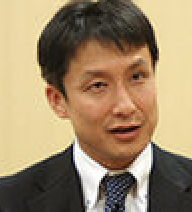 Miyachi, Motohiko (宮地元彦)合作论文数School of Sport and Sciences, Faculty of Sport Sciences, Waseda University5
 I-Min Lee合作论文数Department of Epidemiology, School of Public Health, Harvard T.H. Chan;Division of Preventive Medicine Faculty, Medicine-Brigham and Women's Hospital, Harvard Medical School5Yuzuru Matsui合作论文数4nobuyoshi shiozawa合作论文数4Yoshinori Ryu合作论文数4
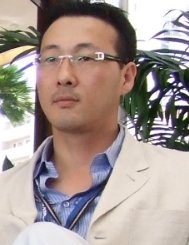 Park Hyuntae合作论文数Center for Gerontology and Social Science, National Center for Geriatrics and Gerontology4Yoshizaki Takahiro合作论文数4
 Chiaki Tanaka合作论文数4Toru Nabika合作论文数4
 Hideki Origasa (折笠秀樹)合作论文数The Institute of Statistical Mathematics4
 Masataka Taguri (田栗正隆)合作论文数Department of Health Data Science, Tokyo Medical University3
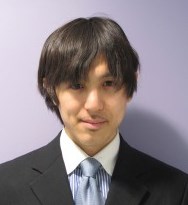 Fumiaki Imamura合作论文数MRC Epidemiology Unit, University of Cambridge;Institute of Metabolic Science, University of Cambridge3Shimada Mikiko合作论文数3
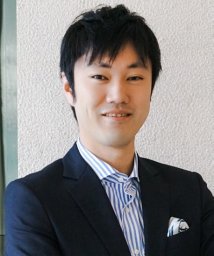 Ishikawa Yoshiki合作论文数School of Public Health, The University of Tokyo3
 Yuji Uchio合作论文数3
 Tetsuhiro Maeno合作论文数3Hiromi Takano-Ohmuro合作论文数Tokyo Metropolitan Institute of Medical Sciences3Noritoshi Fukushima合作论文数3Takuya Oshio合作论文数2Miho Ohta合作论文数2teppei fujimura合作论文数2Takuji Katsube合作论文数2
 Kazuhiro Harada合作论文数2Yasuyo Wada合作论文数2
 Kenji Ueta合作论文数2
 Shiho Amagasa合作论文数Grad Sch Publ Hlth, Teikyo Univ2Okuizum Hiroyasu合作论文数2
 Hiroyuki Kikuchi合作论文数Department of Preventive Medicine and Public Health, Tokyo Medical University2
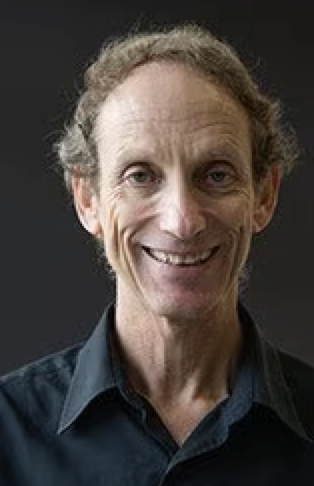 Adrian Bauman合作论文数Department of Public Health, Faculty of Medicine and Health, University of Sydney;WHO Collaborating Centre on Physical Activity, Nutrition and Obesity, Sydney University2Minoru Isomura合作论文数Institute of Medical Science, The University of Tokyo2Mikiya Sato合作论文数2




