In patients with immune thrombotic thrombocytopenic purpura (iTTP), autoantibodies against the metalloprotease ADAMTS13 lead to catastrophic microvascular thrombosis. However, the potential benefits of recombinant human ADAMTS13 (rADAMTS13) in patients with iTTP remain unknown. Here, we report the clinical use of rADAMTS13, which resulted in the rapid suppression of disease activity and complete recovery in a critically ill patient whose condition had proved to be refractory to all available treatments. We also show that rADAMTS13 causes immune complex formation, which saturates the autoantibody and may promote its clearance. Our data support the role of rADAMTS13 as a novel adjunctive therapy in patients with iTTP.
Spalt-Like Transcription Factor 4 (SALL4), a member of the SALL family, is a regulator of embryonic stem cell development that plays a crucial role in cell renewal and proliferation. SALL4 is a tumor driver, as shown by gain-of-function and loss-of-function studies; high SALL4 expression invariably correlates with worse prognosis. These studies established SALL4 as a novel, druggable target, such as in liver, lung, and blood cancers. In myelodysplastic syndrome (MDS), SALL4 can be upregulated by hypomethylating agents (HMAs), correlating with worse patient outcomes. Despite its well-established function on oncogenesis, SALL4 targeting therapies (inhibitors and degraders) are under pre-clinical development. There are currently no FDA/CLIA approved SALL4 diagnostic tests beyond tissue immunohistochemistry. Therefore, there is outstanding clinical need for the development and validation of a less invasive and sensitive SALL4 expression assay via peripheral blood, which can be used for monitoring patients on HMA treatment and SALL4-targeting therapy such as molecular glue degraders. We developed a protein based SALL4 assay, compatible with peripheral blood and bone marrow aspirates samples, using the SIMOA (Single Molecule Array) technology, a bead-based digital enzyme-linked immunosorbent assay (aka digital ELISA). Previously, circulating SALL4 oncoproteins have been detected in the peripheral blood of patients with liver cancer using a conventional ELISA kit, but it is only semi-quantitative with limited sensitivity. We cross-tested 5 commercial SALL4 antibodies and 13 antibody pair combinations. After antibody screening, we used the best antibody pair to test the matrix effects of human plasma, buffy coats, and bone marrow aspirates. For quantitative assay development, we successfully expressed and purified full-length SALL4 for the first time, which was used to calibrate the standard curve and determine the assay's limit of quantification. The top bead and detector antibody pair could detect both SALL4A and SALL4B isoforms, with stronger signal detected with the SALL4A isoform in two different cell lysis buffers. Assay sensitivity was then tested. The Simoa assay captured endogenous SALL4 expression with greater sensitivity compared to the Western blot. The Western blot's limit of detection for SALL4A protein was 0.08 µg/µL whereas the Simoa assay continued until 3 ng/µL. Pre-analytic steps were then optimized, including our cell lysis protocol, isolation of buffy coats using density gradient separation, and sample collection method comparison. We assessed the effect of sample age for downstream processing and signal recovery as well as the possible matrix effect and interference from the buffy coat and plasma components of the peripheral blood and bone marrow samples. Our data showed no evidence of interference from the peripheral blood components, and interference from bone marrow aspirate can be further optimized. Antibody validation was then conducted. The preliminary data showed that the SALL4 Simoa assay can be used as a proof of principle to monitor SALL4 upregulation on HMA treatment for blood cancers and for SALL4 targeting therapy with two cell lines (SNU398 and H661) for solid cancers. To validate assay accuracy and precision, a retrospective cohort analysis is being conducted from patient peripheral blood samples. We obtained MGB Biobank samples for MDS, acute myeloid leukemia (AML), and liver cancer. We will use these samples to test for digital SALL4 protein detection. Further plans include expanding these analyses to breast and lung cancer. Additionally, we will conduct prospective studies to explore the role of the SALL4 protein biomarker in risk stratification and treatment monitoring, especially in MDS/AML patients undergoing HMA treatments. In conclusion, we have developed an ultrasensitive SALL4 protein expression diagnostic assay for use in monitoring patient treatment response and for guiding targeted therapy by analyzing peripheral blood for both solid and liquid tumors. Future steps include validating the diagnostic assay for specificity and sensitivity in a retrospective cohort analysis and conducting prospective studies to explore the role of the SALL4 protein biomarker for risk stratification, monitoring on HMA treatment, and guiding targeted therapy, ideally filing for approval as a laboratory developed test (LDT) in the near future
Hepatocellular carcinoma (HCC) is a challenging malignancy with limited treatment options beyond surgery and chemotherapy. Recent advancements in targeted therapies and immunotherapy, including PD-1 and PD-L1 monoclonal antibodies, have shown promise, but their efficacy has not met expectations. Biomarker testing and personalized medicine based on genetic mutations and other biomarkers represent the future direction for HCC treatment. To address these challenges and opportunities, this comprehensive review discusses the progress made in targeted therapies and immunotherapies for HCC, focusing on dissecting the rationales, opportunities, and challenges for combining these modalities. The liver’s unique physiology and the presence of fibrosis in many HCC patients pose additional challenges to drug delivery and efficacy. Ongoing efforts in biomarker development and combination therapy design, especially in the context of immunotherapies, hold promise for improving outcomes in advanced HCC. Through exploring the advancements in biomarkers and targeted therapies, this review provides insights into the challenges and opportunities in the field and proposes strategies for rational combination therapy design.
PURPOSE:Injectable ceftriaxone and oral cefixime are the last agents effective against Neisseria gonorrhoeae. In vitro antimicrobial-susceptibility testing (AST) is done to identify the most efficacious antibiotic needed to combat the infection in that particular individual. The objective of this study was to evaluate whether Kirby-Bauer (KB) disk-diffusion tests can detect N. gonorrhoeae isolates that have decreased susceptibility to ceftriaxone and cefixime for appropriate clinical management.METHODS:A total of 1,633 consecutive clinical isolates of N. gonorrhoeae were collected from January 1, 2013 to December 31, 2017 from seven dermatology clinics located in five provinces in China. Consistency between KB disk-diffusion tests and the agar-dilution method, as well as sensitivity of the KB test for detecting N. gonorrhoeae isolates with decreased susceptibility to ceftriaxone and cefixime, were determined using 1,306 clinical isolates that had been recovered to complete agar-dilution AST.RESULTS:The prevalence of isolates with decreased susceptibility to ceftriaxone and cefixime was 12.1% (198 of 1,633) and 12.7% (208 of 1,633), respectively, using KB disk-diffusion tests. The prevalence of isolates with decreased susceptibility was 9.9% (129 of 1,306) for ceftriaxone and 9.9% (129 of 1,305) for cefixime using agar-dilution AST. The categorical agreement of these two methods was 80.9% for both ceftriaxone and cefixime. Compared to agar-dilution AST, the sensitivity of the KB test for detecting N. gonorrhoeae isolates with decreased susceptibility was 22.5% (29 of 129) for ceftriaxone and 29.5% (38 of 129) for cefixime, and its specificity 87.3% (1,028 of 1,177) for ceftriaxone and 86.7% (1,018 of 1,176) for cefixime.CONCLUSION:Although KB tests are easy to carry out in clinical practice, their ability to detect cephalosporin-resistant gonorrhoea strains is limited. This method is not an appropriate selection for screening cephalosporin-resistant gonorrhoea strains in clinical practice in China.
Background. Antimicrobial resistance to Neisseria gonorrhoeae has emerged for each of the antibiotics recommended as first-line therapies following their introduction into clinical practice. To improve rational and effective clinical antibiotic treatment, we analyzed the prescription patterns of antibiotics and their therapeutic effect in the treatment of uncomplicated gonorrhea in China. Methods. We obtained data from a follow-up multicenter surveillance program. Multinomial logistic regression analyses were conducted to explore the associations between demographic/clinical variables with the levels of sensitivity to ceftriaxone and prescription of high-dose ceftriaxone. Results. In this study, 1686 patients infected with N. gonorrhoeae were recruited in a surveillance network during 1 January 2013 through 31 December 2017 in 7 hospitals distributed in 5 provinces. The prevalence of isolates with decreased susceptibility to ceftriaxone was 9.8% (131/1333), fluctuating between 5.6% and 12.1%. Injectable ceftriaxone was chosen as the first-line treatment among 83.1% of patients, and most of them (72.7% [1018/1401]) received >1000 mg dosage. Patients who were previously infected with gonorrhea or other sexually transmitted infections (adjusted odds ratio [AOR], 1.618 [95% confidence interval {CI}, 1.11-2.358]; AOR, 2.08 [95% CI, 1.41-3.069]) or who already used antibiotics for this infection (AOR, 1.599 [95% CI, 1.041-2.454]) were associated with a higher prescribed ceftriaxone dosage. All of the patients recruited in this study were cured regardless of the isolates' susceptibility to ceftriaxone or the dosage of ceftriaxone they received. Conclusions. No ceftriaxone treatment failure for uncomplicated gonorrhea was reported in China; however, high-dose ceftriaxone was widely used in China. Its impacts need further study.
Background Antimicrobial resistance (AMR) to N. gonorrhoeae has emerged for each of the antibiotics following their introduction into clinical practice recommended as first-line therapies. To improve rational and effective clinical antibiotic treatment, we analyzed the prescription patterns of antibiotics and its therapeutic effect in the treatment of uncomplicated gonorrhea in China. Methods We obtained data from a follow-up multicenter-surveillance program. Multinomial logistic regression analyses were conducted to explore the associations between demographic/clinical variables with the levels of sensitivity to ceftriaxone and prescription of high-dose ceftriaxone. Results In this study, 1686 patients infected with N. gonorrhoeae were recruited in a surveillance network during the period of 1 January 2013 through 31 December 2017 in 7 hospitals distributed in 5 provinces. The prevalence of isolates with decreased susceptibility to ceftriaxone was 9.8% (131/1333), fluctuating between 5.6%∼12.1%. Injectable ceftriaxone was chosen as the first-line treatment among 83.1% patients, and most of them (72.7%,1018/1401) received more than 1000 mg dosage. Patients who were infected with gonorrhea or infected with other STDs before (AOR 1.611 95%CI [1.103–2.352]; AOR 2.329 95%CI [1.553–3.494]) or who used already antibiotics for this infection (AOR 1.597, 95%CI [1.04–2.452]) were associated with higher prescribed ceftriaxone dosage prescribed. All of the patients recruited in this study were cured regardless of the isolates’ susceptibility to ceftriaxone or the dosage of ceftriaxone they received. Conclusion No ceftriaxone failure treatment for uncomplicated gonorrhea were reported in China, however, high-dose ceftriaxone were widely used in China, its impacts needs further studies. Disclosure No significant relationships.
Purpose Gentamicin is a promising antimicrobial for the treatment of gonorrhea. The study aimed to evaluate gentamicin minimum inhibitory concentrations (MICs) of Neisseria gonorrhoeae isolates in China. Methods In this study, the agar dilution method was used to determine the MICs of 470 isolates collected in 2016 to four effective antimicrobials (gentamicin, azithromycin, ceftriaxone, and spectinomycin). Results Gentamicin MICs ranged from 1 to 8 mg/L. No isolate was resistant to gentamicin. Of seven isolates simultaneously resistant to azithromycin and ceftriaxone, 6 isolates demonstrated MICs of 4 mg/L or less to gentamicin. No cross relationships were found between MICs of gentamicinand susceptibility profiles of azithromycin, ceftriaxone, and spectinomycin. Conclusion The in vitro results suggest that gentamicin can be a promising treatment option for gonococcal infections in China. Clinical trials to evaluate the therapeutic efficacy of gentamicin are required.
 Yueping Yin (尹跃平)合作论文数Hospital for Skin Diseases, Chinese Academy of Medical Sciences;National Center for AIDS/STD Control and Prevention, Chinese Center for Disease Control and Prevention4
 Yan Han (韩燕)合作论文数4Shaochun Chen (陈绍春)合作论文数福州大学机械工程及自动化学院4
 Xiangsheng Chen (陈祥生)合作论文数Hospital for Skin Diseases, Chinese Academy of Medical Sciences;National Center for STD Control, Chinese Center for Disease Control and Prevention4Xiuqin Dai合作论文数3Xiaohui Zhang (张晓辉)合作论文数2Na Zhong合作论文数2Wen-Qi Xu合作论文数2Xiao-Yu Zhu合作论文数2Wen-ling CAO (曹文苓)合作论文数2ZhongJie Zheng (郑钟洁)合作论文数2BangYong Zhu (朱邦勇)合作论文数2ZhiZhou Wu (吴志周)合作论文数2Li-Gang Yang合作论文数2
 Li Chai合作论文数2
 Liufeng Yuan (袁柳凤)合作论文数Beijing Ditan Hospital Capital Medical University2Mohammadreza Pakyari合作论文数1Walter Dzik合作论文数1Sarah B Mueller合作论文数1
 Yasmeen Senussi合作论文数Harvard Med Sch, Boston, MA USA1
 Rebecca Karp Leaf合作论文数Department of Medicine, Massachusetts General Hospital and Harvard Medical School1Hannah Lee合作论文数1Sajjad Hassan合作论文数1Kristen N Ruby合作论文数Dept Pathol & Lab Med, Dartmouth Hitchcock Med Ctr1
 Stefely Jonathan A合作论文数Department of Chemistry and Biochemistry, University of Notre Dame1Carney B J合作论文数1Melkonian Arek合作论文数1
 Lau Emily合作论文数Brigham and Women's Hospital, Boston, Massachusetts, USA.1
 Foy Brody H合作论文数1
 Jingwei Liu合作论文数School of Mathematical Science, Peking University1
 David R. Walt合作论文数Wyss Institute for Bioinspired Engineering, Harvard University;Department of Biologically Inspired Engineering, Harvard Medical School;Brigham and Women's Hospital;Protillion Biosciences;Vizgen;Sherlock Biosciences;Arbor Biotechnologies;Ultivue;Gloucester Marine Genomics Institute;Quanterix1
 Annette S Kim合作论文数Department of Chemistry & Chemical Biology, Harvard University1
 Neal Lindeman合作论文数Laboratory Medicine and Molecular Pathology, Weill Cornell Medicine1Kenneth D. Friedman合作论文数1Chester Andrzejewski合作论文数1
 Scott B Lovitch合作论文数1
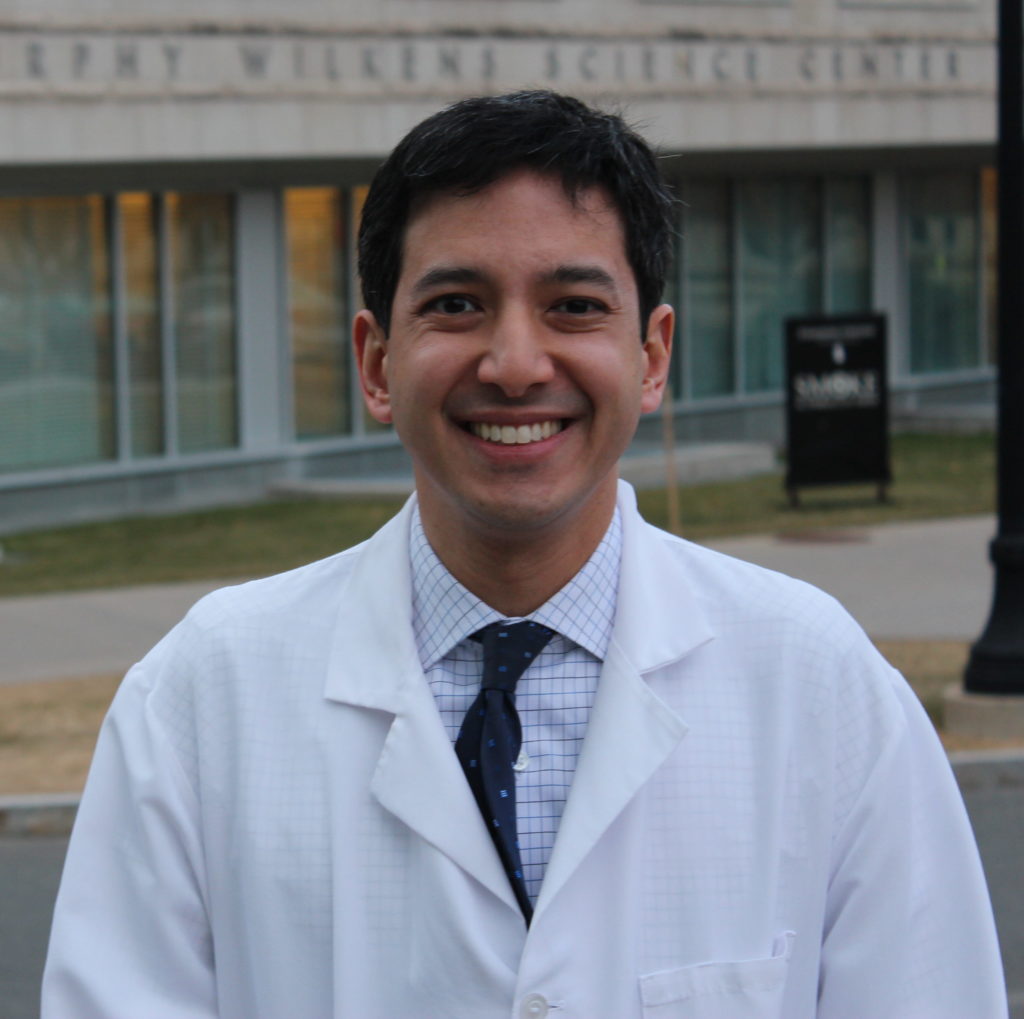 Pavan K. (Tem) Bendapudi合作论文数The Division of Hemostasis and Thrombosis, Department of Medicine, Beth Israel Deaconess Medical Center, Harvard Medical School1
 Patricia A. R. Brunker合作论文数1John M. Higgins合作论文数1Robert S. Makar合作论文数Department of Pathology, Massachusetts General Hospital1




